
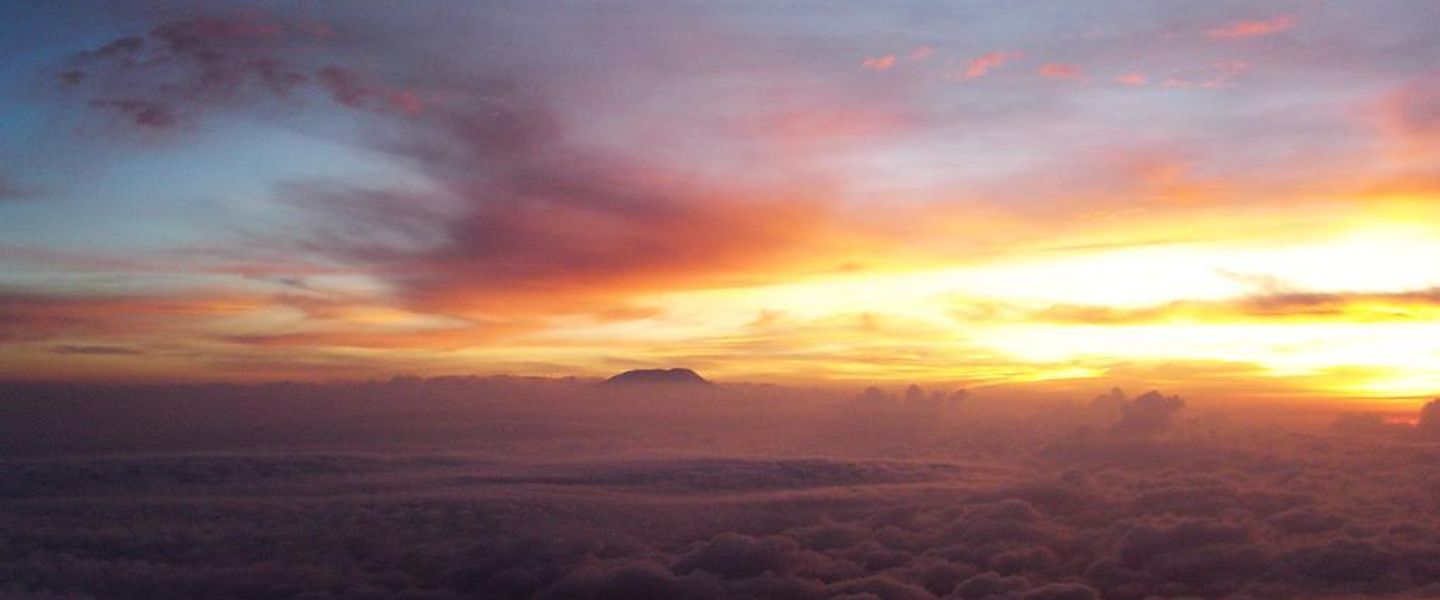
Kilimanjaro Region, Tanzania Travel Guide
Explore the Kilimanjaro Region: From the heights of Africa's tallest mountain to the rich cultural heritage of the Chagga people, and proximity to Tanzania's famous wildlife reserves.
The Kilimanjaro Region, home to Africa's highest peak, offers an unparalleled adventure for tourists seeking both natural beauty and cultural immersion. Mount Kilimanjaro, with its snow-capped summit, is the crown jewel of this region and attracts climbers from around the world. Whether you are an experienced mountaineer or a novice hiker, the various trekking routes provide a suitable challenge for everyone. The scenic landscapes, ranging from lush rainforests to alpine deserts, make the journey to the top an unforgettable experience. Beyond the mountain, the Kilimanjaro Region boasts a rich cultural tapestry. The Chagga people, who inhabit the slopes of Kilimanjaro, are known for their warm hospitality and vibrant traditions. Visitors can explore local villages, sample traditional Chagga cuisine, and learn about their unique farming techniques. The region is also dotted with coffee plantations, offering tours that showcase the entire process from bean to cup. Additionally, the Kilimanjaro Region serves as a gateway to Tanzania's renowned wildlife reserves. A short drive will take you to the Arusha National Park and the Serengeti, where you can witness the Big Five and other iconic African wildlife. Combining the thrill of a safari with the challenge of climbing Kilimanjaro makes for a truly holistic Tanzanian adventure.

Know before you go
Hi, I'm Eve. Here are a few practical things to know before exploring Kilimanjaro Region.
- Acclimatize: Spend a day or two in Moshi to adjust to the altitude before beginning your climb.
- Best Time to Visit: The best trekking seasons are from January to March and June to October.
- Hire a Guide: Local guides are highly recommended for a safe and informative trekking experience.
- Pack Wisely: Bring layered clothing to handle the varying climates on the mountain.
- Cultural Etiquette: Always ask for permission before taking photos of local people.
Top City Travel Guides in Kilimanjaro Region
The cities of Kilimanjaro Region, and the easiest places to base yourself.

Destinations in Kilimanjaro Region
Resorts, valleys and scenic spots worth a trip of their own.

Explore Kilimanjaro Region: Things to Do, Places to Eat, Hotels & More
Handpicked recommendations for top attractions, local dining, accommodations, and more

Top Attractions & Sightseeing in Kilimanjaro Region
Top-rated picks
Best Attractions

Arusha Clock Tower
Discover the Arusha Clock Tower, a historical landmark and bustling hub that connects Cape Town to Cairo, and a perfect starting point for exploring Tanzania.

Mount Kilimanjaro National Park
Experience breathtaking views and rich cultural heritage at Gilman's Point on Mount Kilimanjaro, Tanzania's iconic peak.

Mt Kilimanjaro
Explore the breathtaking beauty of Mt. Kilimanjaro, Africa's highest peak, and embark on an unforgettable trekking adventure through diverse ecosystems.

Kikuletwa Springs (Maji Moto)
Experience the tranquil beauty of Kikuletwa Springs, Tanzania's hidden paradise with crystal-clear waters and lush surroundings.

Best landmarks in Kilimanjaro Region
Top-rated picks
Best Landmarks

Mount Kilimanjaro National Park
Explore the breathtaking beauty of Mount Kilimanjaro National Park, home to Africa’s highest peak and a diverse range of ecosystems for every adventurer.

Mt Kilimanjaro
Discover the breathtaking beauty and rich culture of Mt. Kilimanjaro, Africa's highest peak, and embark on an unforgettable trekking adventure.

Kilimanjaro International Airport
Discover Tanzania's breathtaking landscapes and vibrant culture through Kilimanjaro International Airport, your primary gateway to adventure.

Arusha National Park
Experience the breathtaking landscapes and diverse wildlife of Arusha National Park, a hidden gem in Tanzania's natural heritage.

Best restaurants in Kilimanjaro Region
Top-rated picks
Best Restaurants

Hugo's Garden Bar & Restaurant
Discover Hugo's Garden Bar & Restaurant: A serene dining experience blending Tanzanian flavors with lush garden beauty.

Indoitaliano Restaurant (Delivery available)
Experience the best of Italian-Tanzanian fusion cuisine at Indoitaliano Restaurant in Lindi – perfect for dine-in or delivery!

Kili Home Garden Bar and Restaurant
Experience authentic Tanzanian flavors in a serene garden setting at Kili Home Garden Bar and Restaurant.

TPC Club Restaurant
Experience the best of Tanzanian cuisine at TPC Club Restaurant - where local flavors meet international flair.

Best bars in Kilimanjaro Region
Top-rated picks
Best Bars

Amuzz Bar and Grill
Experience the vibrant nightlife at Amuzz Bar and Grill, where great drinks, delicious food, and a lively atmosphere await in Shanty Town.

Kili Home Garden Bar and Restaurant
Discover the flavors of Tanzania at Kili Home Garden Bar and Restaurant, where vibrant dining meets lush surroundings.

Maembe Garden Restaurant
Discover the tranquil ambiance and delicious cuisine of Maembe Garden Restaurant, a perfect retreat for travelers in Tanzania.

Moshi Pazuri Bar & Restaurant
Discover the vibrant Moshi Pazuri Bar & Restaurant, where local flavors meet a lively atmosphere for an unforgettable dining experience.

Best nightclubs in Kilimanjaro Region
Top-rated picks
Best Nightclubs

Cocoriko Club & Lounge
Experience the vibrant nightlife at Cocoriko Club & Lounge in Arusha, where cocktails and music come together for an unforgettable evening.

Amuzz Bar and Grill
Experience the vibrant nightlife at Amuzz Bar and Grill in Shanty Town, where delicious food meets lively music and a friendly atmosphere.

Pub Alberto
Discover Pub Alberto: A lively pub and fast food restaurant on Kibo Rd, perfect for enjoying delicious meals and a vibrant nightlife experience.

Club D World Garden
Unleash your night at Club D World Garden, Arusha's lively nightlife hub with electrifying music and a vibrant atmosphere.

Best shops in Kilimanjaro Region
Top-rated picks
Best Shops

Kilimanjaro Star Supermaket
Discover the local flavors and vibrant culture at Kilimanjaro Star Supermarket in Moshi, Tanzania, a must-visit for every traveler.

Blue Zebra Art | Tanzanite | Gift Shop
Explore Blue Zebra Art Gift Shop for unique jewelry, art, and souvenirs that embody Tanzania's rich cultural heritage.

Moshi Supermarket
Experience the vibrant local culture at Moshi Supermarket, where shopping meets dining in the heart of Moshi, Tanzania.

Kilimanjaro Talents Art Group
Explore authentic Tanzanian art and crafts at Kilimanjaro Talents Art Group, a unique gift shop in Moshi where creativity thrives.

Explore Kilimanjaro Region on the Map
A handpicked selection of must-see spots in Kilimanjaro Region, mapped for you.
Kilimanjaro Region Essentials
-
The Kilimanjaro Region is accessible via Kilimanjaro International Airport (JRO), which is located approximately 40 kilometers from Moshi, the main town in the region. Several international airlines operate flights to JRO from major cities around the world. Alternatively, you can fly into Julius Nyerere International Airport (DAR) in Dar es Salaam or Jomo Kenyatta International Airport (NBO) in Nairobi, Kenya, and take a connecting flight or bus to Kilimanjaro Region. Buses and shuttles also run regularly from Arusha and Dar es Salaam to Moshi.
-
Within the Kilimanjaro Region, transportation options include taxis, dala-dalas (minibuses), and motorcycle taxis (bodabodas). Taxis are available but should be negotiated before the ride. Dala-dalas are a more affordable option and operate on fixed routes, though they can be crowded. Bodabodas are a quick way to get around, especially in more congested areas. Car rentals are available in Moshi and Arusha for those looking to explore at their own pace.
-
The official currency in Tanzania is the Tanzanian Shilling (TZS). While major hotels and some restaurants accept credit cards, it is advisable to carry cash, especially for smaller establishments and markets. ATMs are available in Moshi and other larger towns, but it's best to withdraw sufficient cash in advance if traveling to more remote areas. Currency exchange services are available at the airport and in major towns.
-
The Kilimanjaro Region is generally safe for tourists, but standard precautions should be taken. Avoid walking alone at night and be cautious in crowded places to prevent pickpocketing. Areas with higher crime rates targeting tourists include some parts of urban centers like Moshi and Arusha. Always keep your belongings secure and avoid displaying valuable items openly.
-
In case of emergency, dial 112 for police assistance or 115 for medical emergencies. Hospitals and clinics are available in Moshi and Arusha. It is highly recommended to have travel insurance that covers medical emergencies and evacuation. Pharmacies can be found in larger towns for minor health issues. Always keep a list of emergency contacts and the address of your country’s embassy or consulate.
-
Fashion: Do dress modestly, especially in rural areas and religious sites. Avoid wearing revealing clothing. Religion: Do respect local customs and traditions. Always remove your shoes when entering a mosque or someone's home. Public Transport: Do be polite and respectful to other passengers. Don't eat or drink on public transport. Greetings: Do greet people with a handshake and use the Swahili greeting 'Jambo' or 'Habari'. Eating & Drinking: Do try local dishes and accept food offerings graciously. Don't refuse hospitality, as it is considered impolite.
-
For an authentic experience, visit the local markets in Moshi where you can buy fresh produce and handmade crafts. Engage with locals, who are often friendly and willing to share stories about their culture and traditions. Don't miss visiting the Chagga Caves, Marangu Waterfalls, and the coffee plantations for a glimpse into the local way of life. For a unique experience, take a guided tour to learn about the traditions of the Chagga people and their history.
When is the best time to visit Kilimanjaro Region?
Useful Local Phrases for Kilimanjaro Region
You don't need to speak the language perfectly. Even learning a few simple words can make conversations warmer—and locals usually appreciate the effort.
— Eve

Here are the phrases I use most often in Kilimanjaro Region. Try a few—you'll be surprised how far they go! 😊
❤️
-
- HelloHabari
[ha-ba-ri] - GoodbyeKwaheri
[kwa-he-ri] - YesNdiyo
[n-dee-yo] - NoHapana
[ha-pa-na] - Please/You're welcomeTafadhali
[ta-fa-dha-li] - Thank youAsante
[a-san-te] - Excuse me/SorrySamahani
[sa-ma-ha-ni] - How are you?Habari gani?
[ha-ba-ri ga-ni] - Fine. And you?Nzuri. Na wewe?
[n-zuri. na we-we] - Do you speak English?Unazungumza Kiingereza?
[u-na-zun-gum-za ki-in-ge-re-za] - I don't understandSielewi
[si-e-le-wi]
- HelloHabari
-
- I'd like to see the menu, pleaseNingependa kuona menyu, tafadhali
[nin-ge-pen-da ku-o-na me-nyu, ta-fa-dha-li] - I don't eat meatSili nyama
[si-li n-ya-ma] - Cheers!Afya!
[a-fya] - I would like to pay, pleaseNingependa kulipa, tafadhali
[nin-ge-pen-da ku-li-pa, ta-fa-dha-li]
- I'd like to see the menu, pleaseNingependa kuona menyu, tafadhali
-
- Help!Msaada!
[m-sa-a-da] - Go away!Ondoka!
[on-do-ka] - Call the Police!Piga simu polisi!
[pi-ga si-mu po-li-si] - Call a doctor!Piga simu daktari!
[pi-ga si-mu dak-ta-ri] - I'm lostNimepotea
[ni-me-po-te-a] - I'm illNina ugonjwa
[ni-na u-gon-jwa]
- Help!Msaada!
-
- I'd like to buy...Ningependa kununua...
[nin-ge-pen-da ku-nu-nu-a] - I'm just lookingNatazama tu
[na-ta-za-ma tu] - How much is it?Ni kiasi gani?
[ni ki-a-si ga-ni] - That's too expensiveHiyo ni ghali sana
[hi-yo ni gha-li sa-na] - Can you lower the price?Unaweza kupunguza bei?
[u-na-we-za ku-pun-gu-za be-i]
- I'd like to buy...Ningependa kununua...
-
- What time is it?Ni saa ngapi?
[ni sa-a n-ga-pi] - It's one o'clockNi saa moja
[ni sa-a mo-ja] - Half past (10)Nusu (10)
[nu-su] - MorningAsubuhi
[a-su-bu-hi] - AfternoonMchana
[m-cha-na] - EveningJioni
[ji-o-ni] - YesterdayJana
[ja-na] - TodayLeo
[le-o] - TomorrowKesho
[ke-sho] - 1Moja
[mo-ja] - 2Mbili
[m-bi-li] - 3Tatu
[ta-tu] - 4Nne
[n-ne] - 5Tano
[ta-no] - 6Sita
[si-ta] - 7Saba
[sa-ba] - 8Nane
[na-ne] - 9Tisa
[ti-sa] - 10Kumi
[ku-mi]
- What time is it?Ni saa ngapi?
-
- Where's a/the...?Wapi...?
[wa-pi] - What's the address?Nini anwani?
[ni-ni an-wa-ni] - Can you show me (on the map)?Unaweza kunionyesha (katika ramani)?
[u-na-we-za ku-ni-on-ye-sha (ka-ti-ka ra-ma-ni)] - When's the next (bus)?Basi ijayo ni lini?
[ba-si i-ja-yo ni li-ni] - A ticket (to ....)Tiketi (kwenda ....)
[ti-ke-ti (kwen-da)]
- Where's a/the...?Wapi...?
History of Kilimanjaro Region
-
Mount Kilimanjaro, the tallest mountain in Africa, was formed around 750,000 years ago due to volcanic activity. The mountain has three volcanic cones: Kibo, Mawenzi, and Shira. While Shira and Mawenzi are extinct, Kibo is dormant and could erupt again. The geological history of Kilimanjaro provides insight into the Earth's volcanic processes and has shaped the landscape and biodiversity of the region.
-
The Chagga people are the indigenous inhabitants of the Kilimanjaro Region. They are primarily agriculturalists, cultivating crops like bananas, coffee, and maize on the fertile slopes of Mount Kilimanjaro. The Chagga are known for their intricate irrigation systems, which have been in use for centuries. Their culture is rich with traditions, including music, dance, and folklore passed down through generations.
-
In the late 19th century, the Kilimanjaro Region became part of German East Africa. The Germans established plantations, built infrastructure, and introduced new agricultural techniques. The impact of German colonization can still be seen in some architectural styles and the continued cultivation of coffee, a crop introduced during this period.
-
After World War I, the League of Nations mandated the Kilimanjaro Region to British control as part of Tanganyika Territory. The British continued the development of infrastructure and agriculture, and Kilimanjaro remained an important coffee-growing area. The region also became a focus for education and missionary work, with several schools and churches established during this time.
-
Tanganyika gained independence from British rule in 1961, becoming the United Republic of Tanzania in 1964 after merging with Zanzibar. The Kilimanjaro Region has since developed into a popular tourist destination, attracting climbers from around the world eager to summit Mount Kilimanjaro. Tourism has brought economic benefits and led to improved infrastructure, while efforts to preserve the natural environment and cultural heritage continue.
-
Established in 1973 and designated a UNESCO World Heritage Site in 1987, Mount Kilimanjaro National Park protects the unique ecosystem and diverse wildlife of the mountain. The park covers the montane forest, moorland, and alpine desert zones, each home to distinct flora and fauna. Conservation efforts ensure that the natural beauty and ecological significance of the region are maintained for future generations.
-
Also known as the 'Coca-Cola route,' the Marangu Route is one of the most popular paths to the summit of Mount Kilimanjaro. Historically, it was the first route established for climbers and remains the only route offering hut accommodations. The route passes through diverse landscapes, from lush rainforests to alpine deserts, providing trekkers with a unique and scenic journey.
-
The Kilimanjaro Region hosts various cultural festivals throughout the year, celebrating the traditions and heritage of its people. One notable event is the Mto wa Mbu Cultural Festival, which showcases traditional music, dance, and crafts. These festivals provide an opportunity for visitors to experience the vibrant culture of the region and engage with the local communities.
Neighbouring Regions of Kilimanjaro Region
The closest regions to Kilimanjaro Region, if you have time for more than one.


Your all‑in‑one travel companion app
Explore expert travel guides, compare and book tours, experiences, hotels, and more—all from the palm of your hand. Download now for seamless trip planning wherever your wanderlust takes you.


Explore More of Tanzania
Looking beyond Kilimanjaro Region? Discover Tanzania for broader travel guides, local hot-spots, and regional highlights.
Explore TanzaniaKilimanjaro Region in Photos
Browse through our photo collection highlighting the charm and character of the destination.


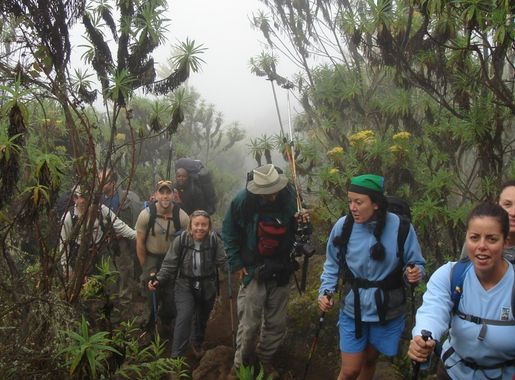


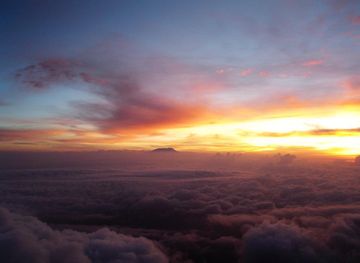
Kilimanjaro Region: A Gateway to Tanzania's Majestic Peaks and Rich Culture
The Kilimanjaro Region, home to Africa's highest peak, offers an unparalleled adventure for tourists seeking both natural beauty and cultural immersion. Mount Kilimanjaro, with its snow-capped summit, is the crown jewel of this region and attracts climbers from around the world. Whether you are an experienced mountaineer or a novice hiker, the various trekking routes provide a suitable challenge for everyone. The scenic landscapes, ranging from lush rainforests to alpine deserts, make the journey to the top an unforgettable experience. Beyond the mountain, the Kilimanjaro Region boasts a rich cultural tapestry. The Chagga people, who inhabit the slopes of Kilimanjaro, are known for their warm hospitality and vibrant traditions. Visitors can explore local villages, sample traditional Chagga cuisine, and learn about their unique farming techniques. The region is also dotted with coffee plantations, offering tours that showcase the entire process from bean to cup. Additionally, the Kilimanjaro Region serves as a gateway to Tanzania's renowned wildlife reserves. A short drive will take you to the Arusha National Park and the Serengeti, where you can witness the Big Five and other iconic African wildlife. Combining the thrill of a safari with the challenge of climbing Kilimanjaro makes for a truly holistic Tanzanian adventure.