

Southside Historic District (Chattanooga) Travel Guide - Free
Explore Southside Historic District in Chattanooga with Evendo's free guide. Find the best shops, historic streets, restaurants, and gems on web or mobile.


Southside Historic District in Chattanooga pairs a 1909 railway terminal with Main Street dining, arts, markets and walkable industrial-era architecture.
Railway Origins and Urban Character
Southside Historic District occupies a compact stretch of central Chattanooga where former railway infrastructure, early twentieth-century commercial buildings and renovated industrial spaces meet a contemporary dining and arts scene. Main Street provides the neighbourhood’s principal east–west spine, while Central Avenue, Broad Street and the streets around the Chattanooga Choo Choo reveal a layered urban landscape shaped by rail travel, manufacturing and later renewal. The district’s historic identity is most legible in its brick façades, older warehouses, modest houses and broad streets rather than in a single monument.Read more about Southside Historic District
Main Street and the Choo Choo
Street Life and Local Experiences
Best attractions in Southside Historic District
Southside’s principal attractions centre on its railway history and its adapted industrial streets rather than a large collection of conventional museums. The Chattanooga Choo Choo occupies the former Terminal Station and preserves the grand concourse, railway associations and surrounding grounds as the district’s most recognisable visitor destination. From there, Main Street offers a walk through older brick commercial buildings now used by restaurants, cafés, bars and creative businesses, while Central Avenue and adjoining blocks reveal warehouses, workshops and smaller historic structures. The First Horizon Pavilion, associated with the Chattanooga Market, adds a seasonal and community-focused attraction when market events are taking place. Visitors interested in urban history can also trace the relationship between the former station, railway corridors and the neighbourhood’s surviving street grid. The experience is strongest as a self-guided architectural and cultural stroll combined with food, drinks and local events.
-
Distillery
Chattanooga Whiskey Experimental Distillery
Explore the art of whiskey-making at Chattanooga Whiskey Experimental Distillery, where tradition meets innovation in the heart of Tennessee.
9 min walk · 0.7 km from neighbourhood centre
-
Museum
The Coker Museum
Explore the Coker Museum in Chattanooga - a captivating journey through automotive history with vintage cars and fascinating exhibits.
3 min walk · 0.3 km from neighbourhood centre
-
Museum
Bessie Smith Cultural Center and Chattanooga African American Museum
Explore the rich African American heritage at Bessie Smith Cultural Center and Chattanooga African American Museum, a vibrant hub for art and history.
7 min walk · 0.6 km from neighbourhood centre
-
Tourist attraction
Mural Alley Chattanooga
Explore the colorful murals of Mural Alley in Chattanooga, a vibrant outdoor gallery celebrating local art and culture in the heart of the city.
9 min walk · 0.8 km from neighbourhood centre


Best landmarks in Southside Historic District
Terminal Station, now part of the Chattanooga Choo Choo complex, is Southside’s central landmark. Opened in 1909, its monumental Beaux-Arts design expressed the importance of railway travel to Chattanooga and remains markedly larger and more formal than the surrounding commercial buildings. The station’s preservation and conversion after passenger services ended gave the neighbourhood a lasting architectural anchor. Along Main Street, rows of brick façades, early twentieth-century shopfronts and former industrial premises illustrate the district’s working-commercial past, even where interiors have been adapted for modern uses. Railway-related structures and the street pattern around the former terminal further explain why Southside developed differently from the civic blocks north of the central business district. The First Horizon Pavilion is a more recent functional landmark, important for community markets and events rather than historic architecture. Together these places show Southside as a district shaped by transport, commerce and reuse.
-
Distillery
Chattanooga Whiskey Experimental Distillery
Discover the art of whiskey making at Chattanooga Whiskey Experimental Distillery, where tradition meets innovation in every sip.
9 min walk · 0.7 km from neighbourhood centre
-
Event venue
Songbirds
Experience the heart of music at Songbirds, where vintage guitars meet live performances in Chattanooga's vibrant cultural scene.
8 min walk · 0.7 km from neighbourhood centre
-
Museum
The Coker Museum
Discover the rich history of personal transportation at The Coker Museum in Chattanooga, showcasing vintage vehicles and captivating exhibits for all ages.
3 min walk · 0.3 km from neighbourhood centre
-
Museum
Bessie Smith Cultural Center and Chattanooga African American Museum
Discover the vibrant history and culture at the Bessie Smith Cultural Center, a must-visit museum in Chattanooga celebrating African American heritage.
7 min walk · 0.6 km from neighbourhood centre


Explore Southside Historic District on the map
A handpicked selection of must-see spots in Southside Historic District, mapped for you.
Best hotels in Southside Historic District
Best restaurants in Southside Historic District
Southside has one of Chattanooga’s most concentrated dining corridors, particularly along Main Street and around Central Avenue. Restaurants occupy converted warehouses, former shopfronts and parts of the Chattanooga Choo Choo complex, giving meals a strong sense of place without turning the area into a formal restaurant quarter. Established names associated with the district include Alleia, known for Italian cooking, and Niedlov’s Bakery & Café, while Main Street also offers Southern-influenced menus, burgers, pizza, coffee, cocktails and contemporary small plates. Stir and other venues around the Choo Choo contribute to the district’s broad evening dining offer, while market days bring locally produced food and prepared specialities to the First Horizon Pavilion. The range suits visitors who want to combine a historic walk with a substantial meal, bakery stop or relaxed drink, though the restaurant mix and individual opening arrangements should be checked before travelling.
-
American
Feed Table and Tavern
Discover the ultimate dining experience at Feed Table and Tavern - where American cuisine meets live music in Chattanooga's historic Southside.
8 min walk · 0.6 km from neighbourhood centre
-
Restaurant
STIR
Experience innovative dining at STIR in Chattanooga – where brunch meets cocktails and fresh oysters in a vibrant atmosphere.
10 min walk · 0.8 km from neighbourhood centre
-
American
Tupelo Honey Southern Kitchen & Bar
Discover vibrant flavors at Tupelo Honey Southern Kitchen & Bar - where comfort food meets modern flair in Chattanooga.
4 min walk · 0.3 km from neighbourhood centre
-
Bar
HiFi Clyde's Chattanooga
Discover HiFi Clyde's Chattanooga: A vibrant bar offering delicious American cuisine and an extensive drink menu in a lively atmosphere.
9 min walk · 0.7 km from neighbourhood centre


Best bars in Southside Historic District
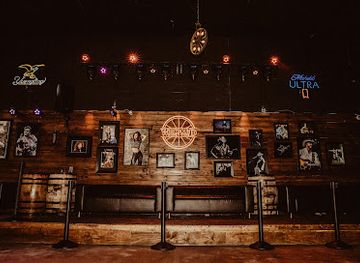
Southside’s evening life is concentrated along Main Street and the blocks surrounding the Chattanooga Choo Choo, where restaurants, cocktail bars, breweries and live-entertainment venues occupy former commercial and industrial spaces. Hi-Fi Clyde’s Chattanooga has been associated with the neighbourhood’s casual music-and-bar culture, while venues around the Choo Choo provide further opportunities for drinks and evening events. The atmosphere is generally social and dining-led rather than dominated by large nightclubs, with activity varying by day, season and scheduled performance. Main Street can become busy on weekend evenings, whereas nearby residential and warehouse streets are considerably quieter. Visitors should check current programmes and venue arrangements for live music or special events, and should plan a safe route between venues rather than assuming that every block has the same late-night activity.
-
American
Feed Table and Tavern
Discover the heart of Chattanooga at Feed Table and Tavern, where Southern flavors meet live music in a vibrant atmosphere.
8 min walk · 0.6 km from neighbourhood centre
-
Bar
HiFi Clyde's Chattanooga
Discover the heart of Chattanooga's nightlife at HiFi Clyde's, where great food, craft drinks, and live music create unforgettable memories.
9 min walk · 0.7 km from neighbourhood centre
-
Restaurant
Southside Social
Discover the vibrant dining and entertainment scene at Southside Social in Chattanooga, where great food meets fun activities for all ages.
10 min walk · 0.8 km from neighbourhood centre
-
Bar
The Bitter Alibi
Discover The Bitter Alibi, a unique brewpub in Chattanooga known for its craft cocktails, local brews, and vibrant atmosphere perfect for any occasion.
8 min walk · 0.6 km from neighbourhood centre


Best nightclubs in Southside Historic District
Southside’s evening life is concentrated along Main Street and the blocks surrounding the Chattanooga Choo Choo, where restaurants, cocktail bars, breweries and live-entertainment venues occupy former commercial and industrial spaces. Hi-Fi Clyde’s Chattanooga has been associated with the neighbourhood’s casual music-and-bar culture, while venues around the Choo Choo provide further opportunities for drinks and evening events. The atmosphere is generally social and dining-led rather than dominated by large nightclubs, with activity varying by day, season and scheduled performance. Main Street can become busy on weekend evenings, whereas nearby residential and warehouse streets are considerably quieter. Visitors should check current programmes and venue arrangements for live music or special events, and should plan a safe route between venues rather than assuming that every block has the same late-night activity.
-
Comedy club
The Comedy Catch at The Choo Choo
Experience laughter and delicious American cuisine at The Comedy Catch, Chattanooga's top comedy club and nightlife destination.
10 min walk · 0.8 km from neighbourhood centre
-
Live music bar
JJ's Bohemia
Discover the vibrant nightlife at JJ's Bohemia, Chattanooga's top live music bar, where local talent meets an electric atmosphere.
8 min walk · 0.6 km from neighbourhood centre
-
Night club
Reagan's Retro Bar
Discover Reagan's Retro Bar in Chattanooga - A nostalgic nightlife hotspot with live music, delicious drinks, and an unforgettable atmosphere.
11 min walk · 0.8 km from neighbourhood centre
-
Bar
Westbound Honky-Tonk
Discover the lively nightlife at Westbound Honky-Tonk, where Southern charm meets vibrant music and a welcoming atmosphere in Chattanooga, TN.
11 min walk · 0.8 km from neighbourhood centre


Best shops in Southside Historic District
Shopping in Southside is mainly independent and experience-led rather than centred on a large enclosed retail complex. Main Street and Central Avenue contain small businesses, creative studios, specialist retailers, cafés with take-away goods and shops occupying adapted historic premises, so browsing is naturally combined with a neighbourhood walk. The Chattanooga Market at the First Horizon Pavilion is the district’s most distinctive retail occasion when scheduled, bringing together regional farmers, food producers, makers and craft vendors; its exact scale and availability vary by calendar. The area is better suited to locally made food, gifts, art and design-led purchases than to conventional high-street shopping. Visitors should treat individual businesses and market stalls as changeable parts of a small commercial ecosystem rather than expecting a fixed list of retailers. The preserved shopfronts and warehouse interiors are part of the appeal, even when the main purpose of a visit is eating or attending an event.
-
Shopping mall
Warehouse Row
Experience the perfect blend of history and modern shopping at Warehouse Row in Chattanooga, TN.
3 min walk · 0.3 km from neighbourhood centre
-
Vintage clothing store
Poor Taste
Explore Poor Taste in Chattanooga for a curated collection of vintage clothing that promises unique finds and a delightful shopping experience.
12 min walk · 1.0 km from neighbourhood centre
-
Gift shop
Sweetly Southern
Explore Sweetly Southern in Chattanooga, a charming gift shop filled with local treasures and unique souvenirs that celebrate Southern culture.
9 min walk · 0.7 km from neighbourhood centre


Southside Historic District essentials
Getting There
Getting Around
Safety
Emergency Situations
Do's and Don'ts
Local Tips

From Eve
Local phrases worth knowing
You don't need to get them perfect. A few words go a long way, and locals appreciate the effort.
Basics
| English | Local | Say it |
|---|---|---|
| Hello | Howdy | [haw-dee] |
| Goodbye | See ya | [see yuh] |
| Yes | Yep | [yep] |
| No | Nah | [nah] |
| Please/You're welcome | Please/No problem | [pleez/no prah-blem] |
| Thank you | Thanks | [thanks] |
| Excuse me/Sorry | Pardon me/My bad | [pahr-dun me/my bad] |
| How are you? | How y'all doin'? | [how y'all doin'] |
| Fine. And you? | Doin' fine. And you? | [doin' fine. and you?] |
| Do you speak English? | Ya speak English? | [ya speak english?] |
| I don't understand | I ain't catchin' on | [I ain't catchin' on] |
Eating & Drinking
| English | Local | Say it |
|---|---|---|
| I'd like to see the menu, please | Mind showin' me the menu? | [mind showin' me the menu?] |
| I don't eat meat | I ain't eatin' no meat | [I ain't eatin' no meat] |
| Cheers! | Bottoms up! | [bottoms up!] |
| I would like to pay, please | I'll settle up, please | [I'll settle up, please] |
Emergencies
| English | Local | Say it |
|---|---|---|
| Help! | Help! | [help!] |
| Go away! | Git! | [git!] |
| Call the Police! | Get the cops! | [get the cops!] |
| Call a doctor! | Get a doc! | [get a doc!] |
| I'm lost | I'm turned around | [I'm turned around] |
| I'm ill | I'm feelin' poorly | [I'm feelin' poorly] |
Shopping
| English | Local | Say it |
|---|---|---|
| I'd like to buy... | I'm lookin' to buy... | [I'm lookin' to buy...] |
| I'm just looking | Just browsin' | [just browsin'] |
| How much is it? | What's the price? | [what's the price?] |
| That's too expensive | That's steep | [that's steep] |
| Can you lower the price? | Can ya drop the price? | [can ya drop the price?] |
Time & Numbers
| English | Local | Say it |
|---|---|---|
| What time is it? | What's the time? | [what's the time?] |
| It's one o'clock | It's one | [it's one] |
| Half past (10) | Ten thirty | [ten thirty] |
| Morning | Mornin' | [mornin'] |
| Afternoon | Afternoon | [afternoon] |
| Evening | Evenin' | [evenin'] |
| Yesterday | Yest'day | [yest'day] |
| Today | Today | [today] |
| Tomorrow | Tomorra | [tomorra] |
| 1 | One | [one] |
| 2 | Two | [two] |
| 3 | Three | [three] |
| 4 | Four | [four] |
| 5 | Five | [five] |
| 6 | Six | [six] |
| 7 | Seven | [seven] |
| 8 | Eight | [eight] |
| 9 | Nine | [nine] |
| 10 | Ten | [ten] |
Transport & Directions
| English | Local | Say it |
|---|---|---|
| Where's a/the...? | Where's the...? | [where's the...?] |
| What's the address? | What's the addy? | [what's the addy?] |
| Can you show me (on the map)? | Can ya show me (on the map)? | [can ya show me (on the map)?] |
| When's the next (bus)? | When's the next (bus)? | [when's the next (bus)?] |
| A ticket (to ....) | A ticket (to ....) | [A ticket (to ....)] |
History of Southside Historic District
Railways Shape the Southside
Southside developed during Chattanooga’s expansion as a railway and industrial city in the late nineteenth and early twentieth centuries. Rail lines, freight movement and nearby manufacturing created demand for commercial premises, workers’ housing, warehouses and small businesses south of the central business district. Main Street became an important local corridor, while the area’s broad roads and utilitarian brick buildings reflected the practical needs of a working urban district. Its built character therefore emerged less from a single planned civic centre than from the gradual relationship between transport infrastructure, commerce and industry.
Terminal Station Opens
The district’s defining landmark arrived in 1909, when Terminal Station opened as a major passenger railway terminal. Designed in the Beaux-Arts manner, the building concentrated railway services at the southern edge of Chattanooga’s central city and connected the neighbourhood to long-distance travel across the Southeast. The station brought passengers, railway employees, hotels, restaurants and related businesses into Southside, reinforcing its commercial importance. Its scale and formal architecture contrasted with the smaller shops, houses and industrial structures that surrounded it.
Passenger Rail Declines
The growth of private car ownership and changing transport patterns weakened American passenger rail after the Second World War. Terminal Station eventually ceased operating as a passenger terminal in 1970, leaving a substantial building and railway landscape without its original purpose. The closure formed part of a wider economic shift affecting Chattanooga’s industrial and transport districts, as older businesses and employment patterns contracted. Southside retained much of its historic street plan and building stock, but the neighbourhood entered a period in which preservation and new uses would become increasingly important.
From Station to Heritage District
In 1973, Terminal Station was redeveloped as the Chattanooga Choo Choo, a hotel and entertainment complex named after the famous song associated with the city. The project helped preserve the station and gave the former transport site a new public identity. Later investment along Main Street and in nearby warehouses brought restaurants, creative businesses, bars and cultural uses into older buildings, while residential development added further change. The Southside Historic District’s recognition on the National Register of Historic Places in 2014 formalised the significance of its surviving architecture and its connection to Chattanooga’s railway and industrial past.
Southside Historic District in Photos
Browse through our photo collection highlighting the charm and character of the destination.
Neighbourhoods near Southside Historic District
The closest neighbourhoods to Southside Historic District, if you have time for more than one stop.
-

-


Swipe for more neighbourhoods
Explore more

Explore more of Chattanooga
Chattanooga pairs Tennessee River scenery with Civil War history, the Tennessee Aquarium, Lookout Mountain adventures and a lively Southside cultural scene.
Explore Chattanooga