

Downtown Chattanooga (Chattanooga) Travel Guide - Free
Explore Downtown Chattanooga in Chattanooga with Evendo's free guide. Find the best shops, historic streets, restaurants, and gems on web or mobile.


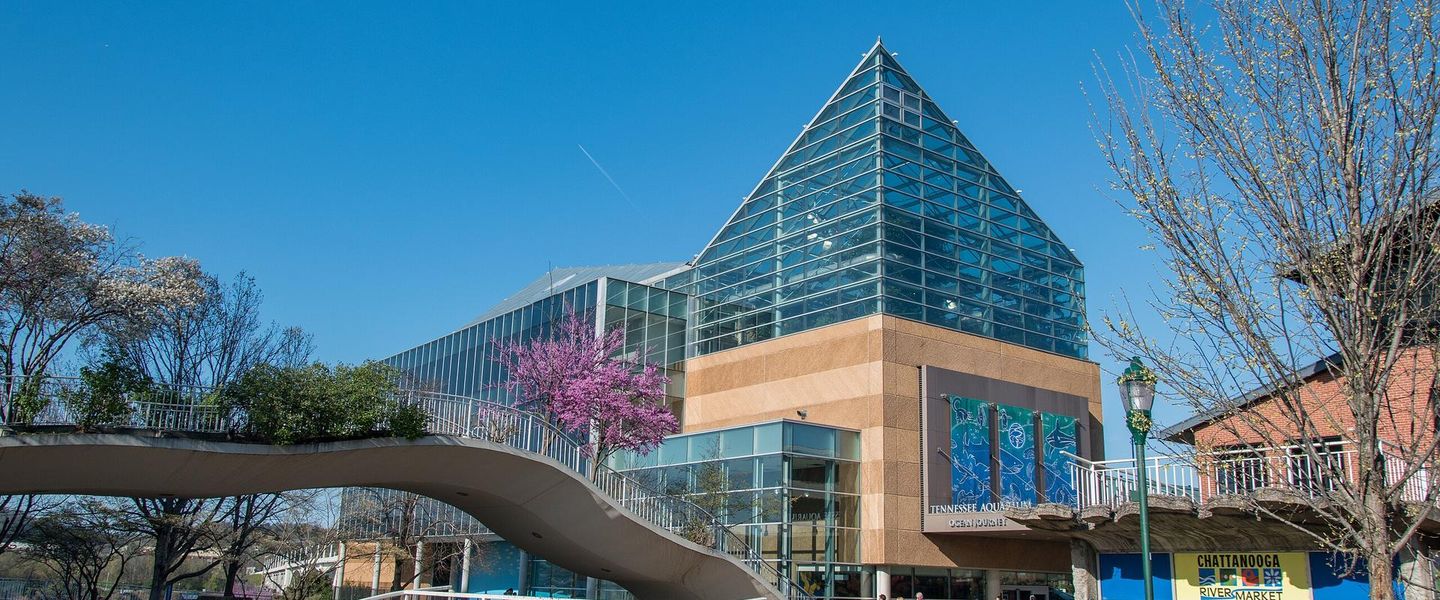


Downtown Chattanooga pairs the Tennessee River, Tennessee Aquarium, Walnut Street Bridge, museums, public art, restaurants and walkable historic streets.
Riverfront Setting and Urban Character
Downtown Chattanooga occupies the bend of the Tennessee River at the centre of a compact city framed by wooded ridges. Its most recognisable landscape is the riverfront, where Ross's Landing, paved promenades, lawns and public art create a broad outdoor edge between the central business district and the water. The streets inland combine late-nineteenth- and early-twentieth-century commercial buildings with newer apartments, hotels, restaurants and civic spaces, giving the centre a walkable but varied urban grain.Read more about Downtown Chattanooga
Museums, Bridges and Civic Life
Streets, Food and Evening Atmosphere
Best attractions in Downtown Chattanooga
Downtown Chattanooga's principal attractions cluster around the Tennessee River and the central cultural district. The Tennessee Aquarium presents freshwater and ocean habitats in two linked buildings and is the area's major indoor visitor attraction, while the Creative Discovery Museum offers interactive science and art exhibits aimed chiefly at younger visitors. Ross's Landing provides riverfront lawns, paths and interpretive features connected to Cherokee history and the Trail of Tears. The Walnut Street Bridge, one of the city's defining public-space experiences, crosses the river on foot and provides views towards Lookout Mountain and the north shore. Miller Park, the Tivoli Theatre and the Bessie Smith Cultural Center expand the district's programme of outdoor events, performance and local history. Across the bridge, the Hunter Museum and Bluff View Art District are nearby rather than downtown, but form a convenient continuation of a central Chattanooga visit.
-
Children's museum
Creative Discovery Museum
Dive into creativity and discovery at the Creative Discovery Museum, where interactive exhibits inspire learning and fun for all ages in Chattanooga.
9 min walk · 0.7 km from neighbourhood centre
-
Park
Renaissance Park
Experience the tranquility of Renaissance Park, a beautiful urban oasis in Chattanooga, featuring scenic views, art installations, and lush green spaces.
5 min drive · 1.8 km from neighbourhood centre
-
Escape room center
Time To Escape - Chattanooga Escape Room
Experience the ultimate adventure at Time To Escape - Chattanooga, where teamwork meets excitement in thrilling escape room challenges.
7 min walk · 0.6 km from neighbourhood centre
-
Tourist attraction
Williams Stairway
Explore the breathtaking views and artistic charm of Williams Stairway in Chattanooga, where every step leads to a new discovery.
14 min walk · 1.1 km from neighbourhood centre


Best landmarks in Downtown Chattanooga
The Walnut Street Bridge is Downtown Chattanooga's most recognisable structure, a former highway bridge now used by pedestrians and cyclists to connect the central riverfront with the north shore. Ross's Landing is significant as a contemporary public landscape marking the riverfront's association with Cherokee history, John Ross and the forced removal of Cherokee people. The Read House on Broad Street represents the city's long hotel tradition and remains an important historic presence in the commercial core. The Tivoli Theatre, known for its ornate early-twentieth-century theatre architecture and long performance history, anchors Chattanooga's cultural life. The Tennessee Aquarium is a more recent landmark, distinguished by its riverfront scale and role in downtown renewal. Together these places show how transport, hospitality, memory, entertainment and civic investment have shaped the centre.
-
Aquarium
Tennessee Aquarium
Explore the aquatic wonders at the Tennessee Aquarium, a top-rated destination in Chattanooga showcasing marine and freshwater life.
13 min walk · 1.1 km from neighbourhood centre
-
Bridge
Walnut Street Bridge
Experience the breathtaking views and vibrant atmosphere at Walnut Street Bridge, Chattanooga's iconic pedestrian landmark connecting the city and nature.
17 min walk · 1.4 km from neighbourhood centre
-
Park
Ross's Landing
Discover the beauty and tranquility of Ross's Landing, a scenic park on the Tennessee River in Chattanooga, perfect for relaxation and outdoor adventures.
15 min walk · 1.2 km from neighbourhood centre
-
Tourist attraction
Chattanooga Ghost Tours Inc
Explore the chilling tales of Chattanooga's haunted past with guided ghost tours through the city's most eerie historic sites.
7 min walk · 0.6 km from neighbourhood centre


Explore Downtown Chattanooga on the map
A handpicked selection of must-see spots in Downtown Chattanooga, mapped for you.
Best hotels in Downtown Chattanooga
Best restaurants in Downtown Chattanooga
Downtown Chattanooga's dining scene is concentrated around Broad Street, the riverfront approaches and the renovated Warehouse Row area, with options ranging from polished contemporary restaurants to cafés, bakeries, bars and casual Southern cooking. The district benefits from its mix of office workers, residents, theatre audiences and aquarium visitors, so daytime coffee and lunch trade gives way to pre-performance dinners and later evening meals. Established names such as Easy Bistro and Public House are associated with downtown dining, while other venues change more frequently than the district's historic buildings. Menus commonly draw on Southern ingredients without being limited to traditional fare, and the central streets also provide access to regional and international cooking. The strongest local food experience comes from treating downtown as a walkable dining quarter, where restaurants are interspersed with cultural venues rather than gathered in one enclosed market.
-
Brazilian
Rodizio Grill Brazilian Steakhouse Chattanooga Downtown
Experience authentic Brazilian cuisine at Rodizio Grill in Chattanooga Downtown – where succulent grilled meats meet vibrant flavors.
7 min walk · 0.6 km from neighbourhood centre
-
American
Feed Table and Tavern
Discover delicious American cuisine at Feed Table and Tavern in Chattanooga’s historic Southside District—where flavor meets fun!
13 min walk · 1.0 km from neighbourhood centre
-
Southern
Puckett's Restaurant - Downtown Chattanooga
Experience genuine Southern flavors at Puckett's Restaurant in Downtown Chattanooga – where every meal tells a story.
13 min walk · 1.0 km from neighbourhood centre
-
Restaurant
STIR
Discover STIR in Chattanooga – where innovative cuisine meets vibrant atmosphere for brunches, lunches, and cocktails.
14 min walk · 1.1 km from neighbourhood centre

Best bars in Downtown Chattanooga
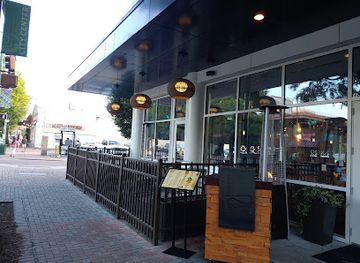
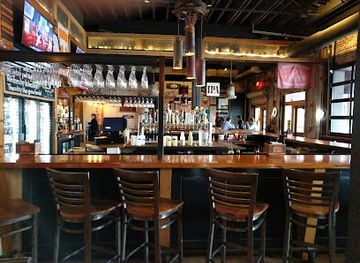
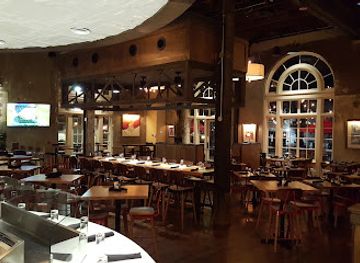
Downtown Chattanooga's evenings are shaped by restaurants, hotel bars, breweries, live music and theatre more than by a single dense nightclub strip. Broad Street and the blocks around the riverfront provide the main concentration of places for a drink, while venues near the Tivoli Theatre and other performance spaces become busier before and after shows. The district's nightlife includes casual bars, cocktail-led rooms and music settings, with the precise mix changing as businesses open and close. Seasonal festivals, concerts and sports-related gatherings can bring crowds into the central streets, but quieter residential and office blocks remain close by. Visitors seeking a late night should check current venue information, as opening patterns and event schedules vary; the free downtown shuttle and pre-arranged rides can be useful when continuing towards Southside or other parts of the city.
-
Grill
Pickle Barrel
Discover the vibrant grill experience at Pickle Barrel in Chattanooga, serving delicious food in a lively atmosphere perfect for all occasions.
3 min walk · 0.3 km from neighbourhood centre
-
Pub
Hair of the Dog Pub
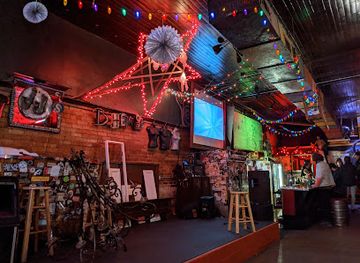
Discover the vintage charm and vibrant atmosphere of Hair of the Dog Pub, a must-visit spot in Chattanooga for great food and craft beer.
9 min walk · 0.7 km from neighbourhood centre
-
Bar
The Bitter Alibi
Experience the vibrant atmosphere and delightful flavors at The Bitter Alibi, Chattanooga's favorite bar and brewpub.
6 min walk · 0.5 km from neighbourhood centre
-
Cocktail bar
Unknown Caller
Experience Chattanooga's nightlife at Unknown Caller, where craft cocktails and a vibrant atmosphere await your arrival.
3 min walk · 0.3 km from neighbourhood centre


Best nightclubs in Downtown Chattanooga
Downtown Chattanooga's evenings are shaped by restaurants, hotel bars, breweries, live music and theatre more than by a single dense nightclub strip. Broad Street and the blocks around the riverfront provide the main concentration of places for a drink, while venues near the Tivoli Theatre and other performance spaces become busier before and after shows. The district's nightlife includes casual bars, cocktail-led rooms and music settings, with the precise mix changing as businesses open and close. Seasonal festivals, concerts and sports-related gatherings can bring crowds into the central streets, but quieter residential and office blocks remain close by. Visitors seeking a late night should check current venue information, as opening patterns and event schedules vary; the free downtown shuttle and pre-arranged rides can be useful when continuing towards Southside or other parts of the city.
-
Karaoke bar
Sing It or Wing It
Join the excitement at Sing It or Wing It, Chattanooga's vibrant karaoke bar offering a perfect blend of food, fun, and unforgettable music moments.
8 min walk · 0.6 km from neighbourhood centre
-
Disco club
Alan Gold's Discotheque
Discover the vibrant nightlife at Alan Gold's Discotheque in Chattanooga, where unforgettable dance experiences and lively beats await you.
7 min drive · 2.5 km from neighbourhood centre
-
Lounge
Whiskey Thief
Experience the best of Chattanooga's nightlife at Whiskey Thief, where exceptional cocktails meet a vibrant atmosphere and live music.
13 min walk · 1.1 km from neighbourhood centre
-
Live music bar
JJ's Bohemia
Discover the heart of Chattanooga's nightlife at JJ's Bohemia, a live music bar boasting local talent and an inviting atmosphere.
6 min walk · 0.5 km from neighbourhood centre


Best shops in Downtown Chattanooga
Shopping in Downtown Chattanooga is mixed rather than dominated by a single traditional market. Broad Street and adjoining central blocks contain independent boutiques, specialist retailers, galleries, bookshops and gift shops alongside cafés and service businesses, while Warehouse Row occupies a renovated commercial complex with shops, restaurants and offices. The district's retail character is strongest when combined with a museum, theatre or riverfront walk, rather than approached as a large department-store destination. Visitors can look for locally made art, design objects, books, regional food products and Chattanooga-themed gifts, but stock and individual businesses change regularly. The nearby Bluff View Art District adds galleries and art-related browsing across the river, while larger retail areas elsewhere in the city should not be mistaken for part of Downtown Chattanooga.
-
Gift shop
Locals Only Gifts & Goods
Explore Locals Only Gifts & Goods for unique local treasures, handcrafted gifts, and a true taste of Chattanooga's creative spirit.
5 min drive · 1.8 km from neighbourhood centre
-
Gift shop
I Go Tokyo
Explore the charm of Japanese culture at I Go Tokyo, your go-to gift shop in Chattanooga for unique souvenirs and delightful treasures.
5 min drive · 1.8 km from neighbourhood centre
-
Gift shop
blue skies
Explore Blue Skies Gift Shop in Chattanooga for unique local gifts, artisanal crafts, and souvenirs that capture the spirit of your travels.
5 min drive · 1.8 km from neighbourhood centre
-
Boutique
All Things Groovy
Explore All Things Groovy: A boutique paradise in Chattanooga offering unique treasures from glass art to jewelry and metaphysical supplies.
5 min drive · 1.8 km from neighbourhood centre


Downtown Chattanooga essentials
Getting There
Getting Around
Safety
Emergency Situations
Do's and Don'ts
Local Tips

From Eve
Local phrases worth knowing
You don't need to get them perfect. A few words go a long way, and locals appreciate the effort.
Basics
| English | Local | Say it |
|---|---|---|
| Hello | Howdy | [haw-dee] |
| Goodbye | See ya | [see yuh] |
| Yes | Yep | [yep] |
| No | Nah | [nah] |
| Please/You're welcome | Please/No problem | [pleez/no prob-lem] |
| Thank you | Thanks | [thanks] |
| Excuse me/Sorry | Pardon me/My bad | [par-d'n me/my bad] |
| How are you? | How y'all doin'? | [how y'all doin'] |
| Fine. And you? | Fine. How 'bout you? | [fine. how 'bout yuh] |
| Do you speak English? | Ya speak English? | [ya speak ing-glish] |
| I don't understand | I ain't gettin' it | [I ain't get-tin' it] |
Eating & Drinking
| English | Local | Say it |
|---|---|---|
| I'd like to see the menu, please | I'd like to check out the menu, please | [I'd like to check out the menu, please] |
| I don't eat meat | I don't do meat | [I don't do meat] |
| Cheers! | Cheers! | [Cheers!] |
| I would like to pay, please | I'd like to settle up, please | [I'd like to settle up, please] |
Emergencies
| English | Local | Say it |
|---|---|---|
| Help! | Help! | [Help!] |
| Go away! | Get lost! | [Get lost!] |
| Call the Police! | Call the cops! | [Call the cops!] |
| Call a doctor! | Call a doc! | [Call a doc!] |
| I'm lost | I'm turned around | [I'm turned around] |
| I'm ill | I'm feelin' poorly | [I'm feelin' poorly] |
Shopping
| English | Local | Say it |
|---|---|---|
| I'd like to buy... | I'm fixin' to buy... | [I'm fixin' to buy...] |
| I'm just looking | I'm just browsin' | [I'm just browsin'] |
| How much is it? | How much for this? | [How much for this?] |
| That's too expensive | That's a bit steep | [That's a bit steep] |
| Can you lower the price? | Can you come down on the price? | [Can you come down on the price?] |
Time & Numbers
| English | Local | Say it |
|---|---|---|
| What time is it? | What's the time? | [What's the time?] |
| It's one o'clock | It's one | [It's one] |
| Half past (10) | Ten-thirty | [Ten-thirty] |
| Morning | Mornin' | [Mornin'] |
| Afternoon | Afternoon | [Afternoon] |
| Evening | Evenin' | [Evenin'] |
| Yesterday | Yest'day | [Yest'day] |
| Today | Today | [Today] |
| Tomorrow | Tomorrah | [Tomorrah] |
| 1 | One | [One] |
| 2 | Two | [Two] |
| 3 | Three | [Three] |
| 4 | Four | [Four] |
| 5 | Five | [Five] |
| 6 | Six | [Six] |
| 7 | Seven | [Seven] |
| 8 | Eight | [Eight] |
| 9 | Nine | [Nine] |
| 10 | Ten | [Ten] |
Transport & Directions
| English | Local | Say it |
|---|---|---|
| Where's a/the...? | Where's the...? | [Where's the...?] |
| What's the address? | What's the addy? | [What's the addy?] |
| Can you show me (on the map)? | Can you point it out (on the map)? | [Can you point it out (on the map)?] |
| When's the next (bus)? | When's the next (bus)? | [When's the next (bus)?] |
| A ticket (to ....) | A ticket (to ....) | [A ticket (to ....)] |
History of Downtown Chattanooga
River Settlement and Ross's Landing
The downtown riverfront developed around a long-used Tennessee River landing associated with the Cherokee community and later known as Ross's Landing, after Cherokee leader John Ross. The area became part of the forced removal of Cherokee people in the 1830s, when detachments travelling west passed through the Chattanooga area on the route remembered as the Trail of Tears. The modern Ross's Landing park and its interpretive features preserve this connection, although the present city centre is the product of much later urban development. The river's crossing point, transport value and access to surrounding valleys continued to shape the location's importance.
Founding of Chattanooga
Chattanooga was incorporated in 1839, and the settlement expanded around river transport, roads and commercial activity. Its position between the Tennessee River and the surrounding mountain corridors made it a natural point for regional exchange. Commercial streets gradually formed inland from the landing, while warehouses, banks and other businesses followed the growing town. The name Chattanooga is commonly associated with a Creek-language expression interpreted as referring to a rock or mountain rising to a point, though the precise linguistic history is debated. Downtown's later street plan and surviving commercial buildings reflect this nineteenth-century shift from river landing to urban centre.
Railways and Civil War Chattanooga
Rail connections transformed Chattanooga in the nineteenth century, strengthening its role as a freight, manufacturing and military centre. During the American Civil War, control of the town and its rail junction was strategically important. The Battles for Chattanooga in 1863 included fighting for nearby ridges and approaches, while Union forces used the city as a base after breaking the Confederate siege. Downtown was not the sole battlefield, but its river crossings, rail infrastructure and commercial position linked the central town to the wider military campaign. The city's post-war recovery was closely tied to the same transport advantages.
Industry, Commerce and Civic Buildings
Industrial growth and regional trade gave downtown Chattanooga a dense collection of commercial, institutional and warehouse buildings during the late nineteenth and early twentieth centuries. Broad Street became a principal business corridor, while banks, department stores, hotels and theatres supported a growing urban centre. The surviving Read House and the Tivoli Theatre are reminders of the period's hospitality and entertainment culture, although both have changed substantially over time. Rail and manufacturing activity also shaped the wider city, bringing prosperity alongside pollution, labour disputes and uneven urban conditions. Downtown remained the civic and commercial focus even as new districts developed around it.
Riverfront Renewal and Downtown Reinvestment
Like many American industrial cities, Chattanooga's central area faced disinvestment and declining riverfront industry during the twentieth century. Civic planning and public investment later redirected attention towards the Tennessee River, heritage buildings, cultural institutions and walkable public spaces. The Tennessee Aquarium opened in 1992 and became a major catalyst for downtown visitation, while riverfront improvements connected Ross's Landing with parks, promenades and bridges. Subsequent redevelopment brought apartments, restaurants, offices and renovated historic properties. The contemporary district balances tourism and entertainment with everyday civic uses, while redevelopment continues to influence the relationship between downtown's residents, businesses and public waterfront.
Downtown Chattanooga in Photos
Browse through our photo collection highlighting the charm and character of the destination.
Neighbourhoods near Downtown Chattanooga
The closest neighbourhoods to Downtown Chattanooga, if you have time for more than one stop.
-

-


Swipe for more neighbourhoods
Explore more

Explore more of Chattanooga
Chattanooga pairs Tennessee River scenery with Civil War history, the Tennessee Aquarium, Lookout Mountain adventures and a lively Southside cultural scene.
Explore Chattanooga