

Free Chattanooga Travel Guide & Mobile App
Plan your Chattanooga trip with Evendo. Get free guides to top attractions, restaurants, hotels, and bars. Web access or download the mobile app.


Chattanooga pairs Tennessee River scenery with Civil War history, the Tennessee Aquarium, Lookout Mountain adventures and a lively Southside cultural scene.
A River City in the Tennessee Valley
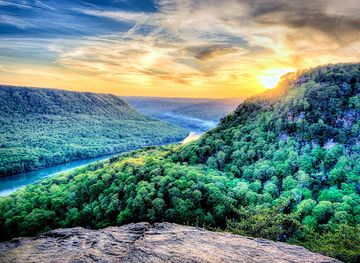
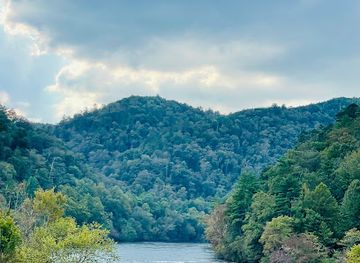
Chattanooga occupies a dramatic bend of the Tennessee River in southeastern Tennessee, where wooded ridges, limestone cliffs and broad water views give the city a strong sense of landscape. The riverfront is central to the experience: paved paths connect parks, bridges and public spaces, while the Tennessee Riverwalk extends for miles through changing scenery. Across the water, Lookout Mountain rises sharply above the city and frames many of its best-known views.Read more about Chattanooga
History in the Landscape
Museums, Neighbourhoods and Outdoor Life
When is the best time to visit Chattanooga?
Best: April–May, October · 22–27°C| Month | High (°C) | Rainfall (mm) |
|---|---|---|
| January | 12 | 127 |
| February | 14 | 125 |
| March | 18 | 151 |
| April (best) | 22 | 122 |
| May (best) | 27 | 127 |
| June | 31 | 132 |
| July | 32 | 149 |
| August | 31 | 131 |
| September | 28 | 118 |
| October (best) | 22 | 104 |
| November | 17 | 117 |
| December | 12 | 133 |
Getting to and around Chattanooga
How to get there
Transportation
Best attractions in Chattanooga
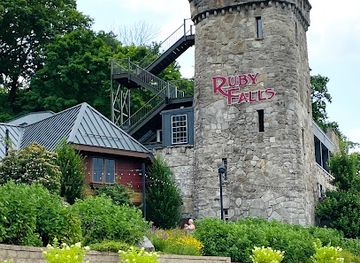
Chattanooga's principal attractions are concentrated around the Tennessee River and the central districts. The Tennessee Aquarium follows freshwater and ocean habitats through carefully designed galleries, while the nearby Creative Discovery Museum offers hands-on learning for children and families. At the Hunter Museum of American Art, collections occupy both a historic mansion and modern buildings above the river, creating a cultural link between Bluff View and downtown. The Tennessee Riverwalk provides a longer outdoor experience through parks, bridges and changing waterfront scenery, with the Walnut Street Bridge especially appealing for pedestrians. Southside adds the Chattanooga Choo Choo complex, restored railway surroundings, public art and independent businesses. On Lookout Mountain, within Chattanooga's wider urban setting, Ruby Falls leads visitors underground to a large waterfall inside the mountain; the adjoining landscape also offers trails and viewpoints. The Chickamauga and Chattanooga National Military Park, extending beyond the city, provides a more expansive encounter with the Civil War terrain.
-
Tourist attraction
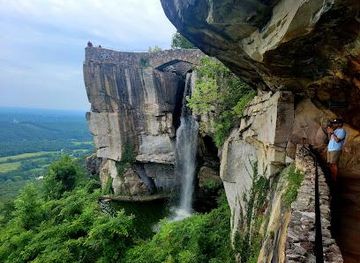
Rock City Gardens
Explore the breathtaking Rock City Gardens, a stunning botanical paradise offering panoramic views and unique rock formations in Lookout Mountain, Georgia.
30 min drive · 10 km from city centre
-
Tourist attraction
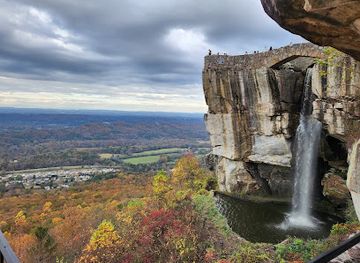
Rock City Gardens
Explore Rock City Gardens: A Scenic Marvel with Stunning Views and Enchanting Landscapes on Lookout Mountain, Georgia.
30 min drive · 10 km from city centre
-
 Tourist attraction
Tennessee Aquarium
Explore the vibrant marine life and freshwater ecosystems at the Tennessee Aquarium, a top tourist attraction in Chattanooga, Tennessee.
4 min walk · 0.3 km from city centre
-
Tourist attraction
Tennessee Aquarium
Discover the fascinating world of aquatic life at the Tennessee Aquarium in Chattanooga, a premier destination for family fun and education.
4 min walk · 0.3 km from city centre
Best landmarks in Chattanooga
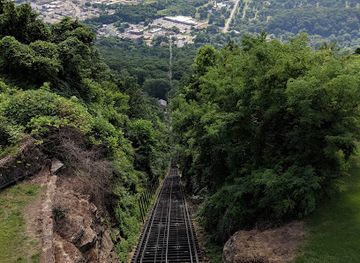
Chattanooga's landmarks trace the city's Cherokee, military, railway and riverfront histories. The Walnut Street Bridge, completed in 1891, is a prominent surviving example of a late nineteenth-century American bridge and now serves pedestrians and cyclists above the Tennessee River. The Chattanooga Choo Choo complex preserves the former Terminal Station, whose Beaux-Arts railway architecture recalls the city's importance as a Southern transport junction. The Bessie Smith Cultural Center honours the Chattanooga-born blues singer and the wider African American cultural history of the region. The Hunter Museum's historic mansion and later modern galleries form a distinctive architectural presence above the river, while the Tennessee Aquarium has become a defining contemporary building on the waterfront. On nearby Lookout Mountain, the Incline Railway and Ruby Falls are closely associated with Chattanooga sightseeing, although both are reached in the mountain districts rather than the compact downtown core.
-
Aquarium
Tennessee Aquarium
Discover the underwater wonders at the Tennessee Aquarium, where aquatic life springs to life in a breathtaking setting in Chattanooga.
4 min walk · 0.3 km from city centre
-
Tourist attraction
Ruby Falls
Explore the breathtaking underground waterfall at Ruby Falls in Chattanooga, TN, a must-see scenic spot and historical landmark for nature enthusiasts and tourists alike.
15 min drive · 5.1 km from city centre
-
Rail museum
Tennessee Valley Railroad Museum
Discover the rich heritage of rail travel at the Tennessee Valley Railroad Museum in Chattanooga, where history comes alive on scenic train rides.
28 min drive · 9.4 km from city centre
-
Tourist attraction
Lookout Mountain Incline Railway
Discover the breathtaking views and rich history of Lookout Mountain Incline Railway, a historic cable car journey above Chattanooga, TN.
17 min drive · 5.6 km from city centre
Explore Chattanooga on the map
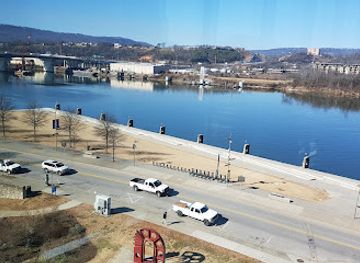
Plan your Chattanooga trip on one map. See where the top attractions, landmarks, restaurants, bars and hotels are, find what's near where you're staying, and book hotels and experiences in a few clicks.
Neighbourhoods in Chattanooga
-

-

-


Swipe for more neighbourhoods
Best hotels in Chattanooga
Best restaurants in Chattanooga
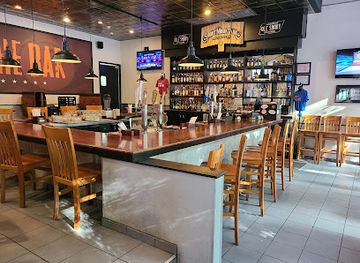
Chattanooga's food scene draws on Southern cooking while reflecting the city's modern, increasingly independent restaurant culture. Menus may feature biscuits, fried chicken, barbecue, catfish, pimento cheese, seasonal vegetables and other preparations associated with the American South, alongside contemporary cooking shaped by local farms and wider regional influences. Downtown, North Shore and Southside contain the greatest concentration of restaurants, cafés, breweries and casual eateries, while the historic Market Street and Warehouse Row areas are useful for combining meals with city explorations. The Chattanooga Market, held seasonally at the First Tennessee Pavilion, brings together regional producers, prepared food and local makers when operating. Coffee shops and bakeries occupy former industrial and commercial buildings, and craft beer is an established part of the social scene. Menus vary considerably, from relaxed counter service and food trucks to chef-led dining, with Southern ingredients often interpreted rather than presented traditionally.
-
Seafood
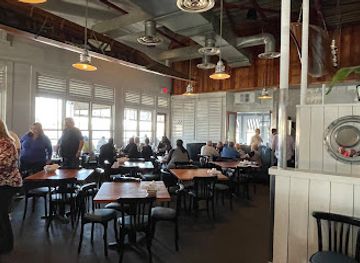
Boathouse Rotisserie & Raw Bar
Experience fresh seafood delights at Boathouse Rotisserie & Raw Bar in Chattanooga—where taste meets stunning riverside views.
7 min drive · 2.2 km from city centre
-
Barbecue
Sticky Fingers Rib House
Delve into authentic Southern barbecue at Sticky Fingers Rib House in Chattanooga—where every bite is a celebration of flavor and tradition.
8 min walk · 0.6 km from city centre
-
Brazilian
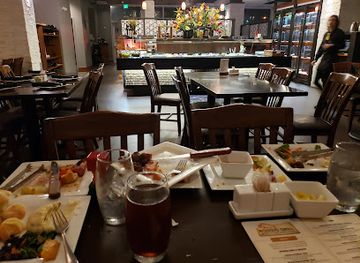
Rodizio Grill Brazilian Steakhouse Chattanooga Downtown
Indulge in endless Brazilian flavors at Rodizio Grill Chattanooga—where every bite is a celebration of tradition and taste.
8 min walk · 0.7 km from city centre
-
American
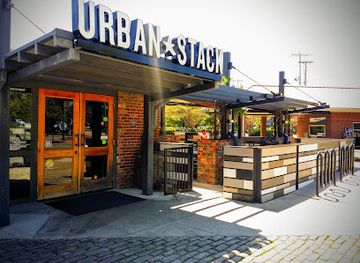
Urban Stack
Experience Chattanooga's culinary delight at Urban Stack – where gourmet burgers meet a vibrant atmosphere in the heart of the city.
6 min drive · 1.9 km from city centre
Best bars in Chattanooga
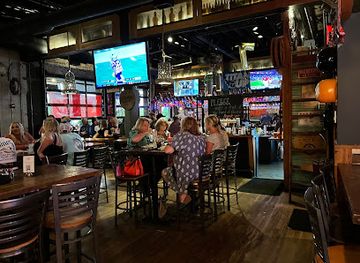
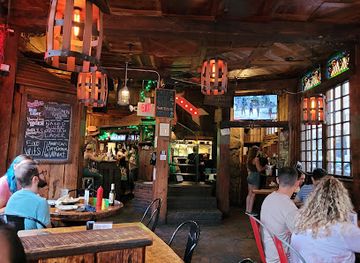
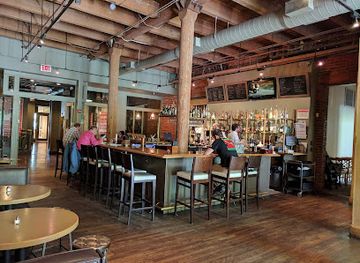
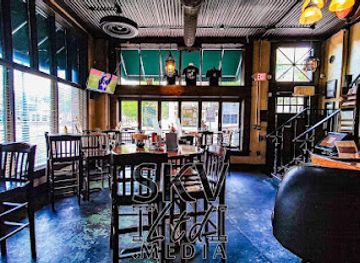
Chattanooga's evening scene is centred more on neighbourhood bars, breweries, live music and cultural venues than on large nightclubs. Southside, Station Street and the blocks around the Chattanooga Choo Choo are associated with breweries, cocktail bars, restaurants and venues in adapted railway or industrial spaces. North Shore and downtown offer quieter options for drinks, while the riverfront and theatre districts support evening walks and performances. Live music ranges from touring acts and local bands to smaller acoustic and roots-oriented shows, reflecting Chattanooga's position within the musical geography of the American South. Breweries often serve as social gathering places, though the city also has wine bars and alcohol-free choices. Evening conditions vary by district, and visitors should use established routes or arranged transport when moving between neighbourhoods after dark.
-
American
Feed Table and Tavern
Savor the best of Southern cuisine and vibrant nightlife at Feed Table and Tavern in Chattanooga's historic district.
7 min drive · 2.2 km from city centre
-
Grill
Pickle Barrel
Savor the vibrant flavors of Pickle Barrel in Chattanooga, where delicious grilled dishes and a welcoming atmosphere await every visitor.
17 min walk · 1.4 km from city centre
-
American
Public House Restaurant
Experience the best of American and Southern cuisine at Public House Restaurant in Chattanooga, where local flavors meet a vibrant cocktail scene.
5 min drive · 1.6 km from city centre
-
Pub
Hair of the Dog Pub
Discover the heart of Chattanooga at Hair of the Dog Pub – where vintage charm meets modern American cuisine.
6 min walk · 0.5 km from city centre
Best nightclubs in Chattanooga
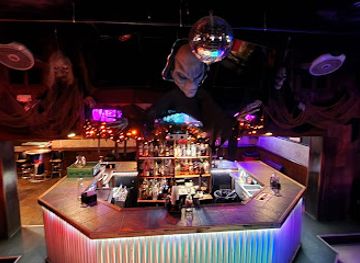
Chattanooga's evening scene is centred more on neighbourhood bars, breweries, live music and cultural venues than on large nightclubs. Southside, Station Street and the blocks around the Chattanooga Choo Choo are associated with breweries, cocktail bars, restaurants and venues in adapted railway or industrial spaces. North Shore and downtown offer quieter options for drinks, while the riverfront and theatre districts support evening walks and performances. Live music ranges from touring acts and local bands to smaller acoustic and roots-oriented shows, reflecting Chattanooga's position within the musical geography of the American South. Breweries often serve as social gathering places, though the city also has wine bars and alcohol-free choices. Evening conditions vary by district, and visitors should use established routes or arranged transport when moving between neighbourhoods after dark.
-
Disco club
Alan Gold's Discotheque
Discover the electrifying nightlife at Alan Gold's Discotheque in Chattanooga, where dancing, drinks, and unforgettable memories await you.
8 min drive · 2.8 km from city centre
-
Night club
Reagan's Retro Bar
Immerse yourself in the retro vibes and lively atmosphere of Reagan's Retro Bar in Chattanooga - a nightlife gem in the Southside Historic District.
7 min drive · 2.2 km from city centre
-
Bar
Exile
Discover Exile, Chattanooga's vibrant bar nestled in the Southside Historic District, where unforgettable nights and craft cocktails await.
8 min drive · 2.6 km from city centre
-
Night club
Bar Watson
Discover Bar Watson, Chattanooga's ultimate nightlife destination offering a perfect blend of dance, drinks, and karaoke fun.
34 min drive · 14 km from city centre


Best shops in Chattanooga
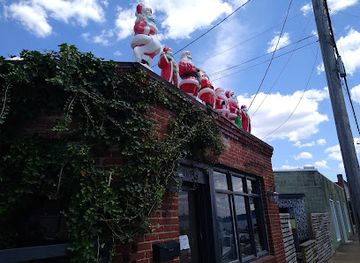
Shopping in Chattanooga combines independent businesses, local crafts and adapted historic commercial spaces with practical modern retail. Frazier Avenue and the North Shore district contain boutiques, galleries, homewares shops and small retailers, while downtown's Warehouse Row occupies a restored nineteenth-century warehouse complex with shops and food outlets. Southside and nearby Station Street add design-led stores, vintage goods, books, art and locally made products among former industrial buildings. The Chattanooga Market offers regional food, handmade goods and seasonal produce when its programme is running, and smaller farmers' markets provide opportunities to browse Tennessee-grown ingredients and crafts. Souvenirs often reflect the city's river, railway and Civil War associations, though independent makers also sell ceramics, artwork, textiles and locally branded goods. Retail hours and market schedules vary, particularly outside the main visitor season, so shopping is best combined with neighbourhood exploration rather than treated as a single enclosed district.
-
Shopping mall
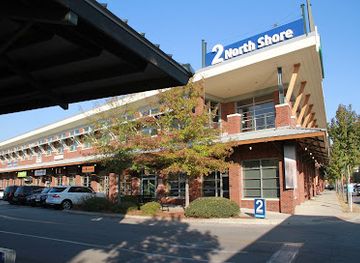
2 North Shore
Discover the charm of 2 North Shore, a shopping oasis in Chattanooga, offering unique boutiques, outdoor gear, and more for an unforgettable retail experience.
12 min walk · 0.9 km from city centre
-
Novelty store
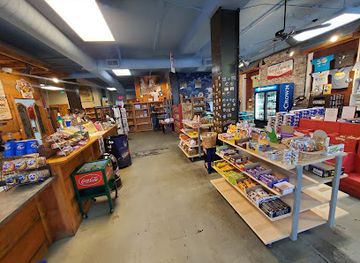
Moon®Pie General Store
Experience the unique charm of the Moon®Pie General Store in Chattanooga, where sweet nostalgia and delightful treats await every visitor.
8 min walk · 0.6 km from city centre
-
Shopping mall
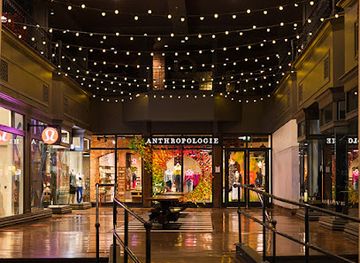
Warehouse Row
Explore Warehouse Row, Chattanooga's historic shopping destination, where unique boutiques meet delicious dining experiences.
5 min drive · 1.6 km from city centre
-
Antique store
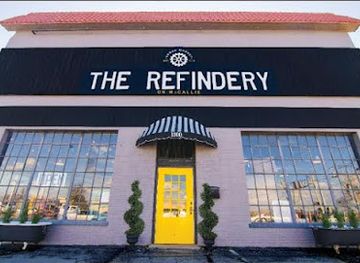
THE REFINDERY ON MCCALLIE
Discover unique antiques, vintage clothing, and architectural salvage at The Refindery on McCallie, an unmissable treasure in Chattanooga.
9 min drive · 3.1 km from city centre
Get your free copy of our complete guide to Chattanooga, delivered straight to you.
Everything on this page, from attractions and restaurants to essentials and local phrases, in one PDF you can read offline, print or share.
Already have an account? Sign in
Your Chattanooga guide is ready.
We'll send it to · Not you? Sign out

Getting your guide ready…
We are putting together a fresh copy of the Chattanooga guide. This can take up to a minute.
This can take a few moments. If your browser asks, choose Allow so the download can start. You'll find the guide in your Downloads folder.
Nothing happened? Download it again
Sorry, the guide is taking longer than usual. Please try again in a minute, or get it by email instead.
Chattanooga essentials
Currency and Payment
Safety
Emergency Situations
Do's and Don'ts
Local Tips
From Eve
Local phrases worth knowing
You don't need to get them perfect. A few words go a long way, and locals appreciate the effort.
Basics
| English | Local | Say it |
|---|---|---|
| Hello | Howdy | [haw-dee] |
| Goodbye | See ya | [see yuh] |
| Yes | Yup | [yuhp] |
| No | Nah | [nuh] |
| Please/You're welcome | Please/No problem | [pleez/no prob-lem] |
| Thank you | Thanks | [thanks] |
| Excuse me/Sorry | Pardon me/My bad | [par-dn me/my bad] |
| How are you? | How y'all doin'? | [how yall doin] |
| Fine. And you? | Fine. How 'bout you? | [fine how bout yuh] |
| Do you speak English? | Y'all speak English? | [yall speak ing-lish] |
| I don't understand | I ain't gettin' it | [i aint get-tin it] |
Eating & Drinking
| English | Local | Say it |
|---|---|---|
| I'd like to see the menu, please | Can I see the menu, please | [kan ai see the menu please] |
| I don't eat meat | I don't eat meat | [i dont eat meet] |
| Cheers! | Cheers! | [cheers] |
| I would like to pay, please | I need to settle up, please | [ai need tuh set-ul up please] |
Emergencies
| English | Local | Say it |
|---|---|---|
| Help! | Help! | [help] |
| Go away! | Git! | [git] |
| Call the Police! | Call the cops! | [call the cops] |
| Call a doctor! | Get a doc! | [get a doc] |
| I'm lost | I'm lost | [im lost] |
| I'm ill | I'm sick | [im sick] |
Shopping
| English | Local | Say it |
|---|---|---|
| I'd like to buy... | I wanna buy... | [ai wanna buy] |
| I'm just looking | I'm just lookin' | [im just look-in] |
| How much is it? | How much? | [how much] |
| That's too expensive | That's a bit steep | [thats a bit steep] |
| Can you lower the price? | Can ya do any better? | [can yuh do any bet-ter] |
Time & Numbers
| English | Local | Say it |
|---|---|---|
| What time is it? | What's the time? | [whats the time] |
| It's one o'clock | It's one | [its one] |
| Half past (10) | Half past ten | [half past ten] |
| Morning | Morning | [morning] |
| Afternoon | Afternoon | [afternoon] |
| Evening | Evening | [evening] |
| Yesterday | Yesterday | [yester-day] |
| Today | Today | [to-day] |
| Tomorrow | Tomorrow | [to-mor-row] |
| 1 | One | [wun] |
| 2 | Two | [too] |
| 3 | Three | [three] |
| 4 | Four | [four] |
| 5 | Five | [five] |
| 6 | Six | [six] |
| 7 | Seven | [seven] |
| 8 | Eight | [eight] |
| 9 | Nine | [nine] |
| 10 | Ten | [ten] |
Transport & Directions
| English | Local | Say it |
|---|---|---|
| Where's a/the...? | Where's the...? | [wheres the] |
| What's the address? | What's the address? | [whats the address] |
| Can you show me (on the map)? | Can you show me (on the map)? | [can yuh show me on the map] |
| When's the next (bus)? | When's the next bus? | [whens the next bus] |
| A ticket (to ....) | A ticket (to ....) | [a ticket to] |
History of Chattanooga
Cherokee Homeland and Ross's Landing
The Chattanooga area was part of the homeland and wider trading networks of the Cherokee before the United States established control over the region. A settlement known as Ross's Landing grew on the Tennessee River in the early nineteenth century, associated with Cherokee leader John Ross and river commerce. The landing became a significant point in the history of Cherokee removal: in 1838 and 1839, Cherokee people gathered there before being transported west during the forced removal remembered as the Trail of Tears. Chattanooga was incorporated in 1839, and the river crossing, fertile valley and routes through the surrounding mountains helped establish its longer-term importance.
Railways Create an Industrial City
During the nineteenth century, Chattanooga developed as a transport and manufacturing centre because railways converged on the Tennessee Valley and connected the city with markets across the South. Its river landing continued to support trade, while ironworking, foundries and other industries expanded around the growing rail network. The city's strategic position between the Appalachian foothills and the Deep South meant that roads, rail lines and waterways all met in the same corridor. This transport role shaped neighbourhoods, employment and architecture, leaving Chattanooga with an industrial inheritance that remains visible in its former warehouses, railway buildings and riverfront infrastructure.
Civil War Crossroads
Chattanooga became a crucial military objective during the American Civil War because control of its railways opened routes into the Deep South. Confederate forces occupied the city in 1861, and Union forces captured it after the campaigns of 1863. The Battles for Chattanooga, including fighting at Lookout Mountain and Missionary Ridge, secured a major Union supply base and helped prepare the way for the Atlanta Campaign. The surrounding terrain made the conflict unusually legible: ridges, passes and river crossings determined military movement. Much of the battlefield landscape is now interpreted through the Chickamauga and Chattanooga National Military Park, established in 1890 as the country's first national military park.
Rail, Industry and the Choo Choo
After the Civil War, Chattanooga's rail connections accelerated industrial growth and reinforced its role as a gateway between the Ohio Valley and the South. Manufacturing, foundries, warehouses and river commerce expanded, while the city's population became increasingly diverse through migration and industrial employment. The terminal station opened in 1909 as part of the Southern Railway's passenger network, and its later cultural afterlife was secured when the song 'Chattanooga Choo Choo' popularised the city's railway identity in the 1940s. The station complex, subsequently known as the Chattanooga Choo Choo, preserves a tangible link with the era when rail travel structured urban life.
Civil Rights and Urban Challenges
Chattanooga's industrial prosperity was accompanied by racial segregation and unequal access to housing, education and public life. African American communities established churches, businesses and cultural institutions despite these restrictions, and local civil rights activism contributed to challenges against segregation during the twentieth century. Like many American industrial cities, Chattanooga faced pollution, declining manufacturing employment and deteriorating downtown districts after the Second World War. These pressures affected the riverfront and historic buildings, but they also prompted civic debates about environmental repair, heritage conservation and the future of the central city.
Riverfront Renewal and Contemporary Chattanooga
From the late twentieth century, Chattanooga pursued a broad programme of environmental and urban renewal centred on the Tennessee River, public parks, cultural institutions and historic buildings. The Tennessee Aquarium opened in 1992 and became a major catalyst for downtown redevelopment, while the Tennessee Riverwalk linked waterfront districts and industrial landscapes through a long public route. Former railway and factory areas were adapted for restaurants, galleries, offices and entertainment, particularly around Southside. The contemporary city still retains its manufacturing and transport foundations, but its public identity now also rests on river access, museums, outdoor recreation and the preservation of sites connected with Cherokee history and the Civil War.
Chattanooga in Photos
Browse through our photo collection highlighting the charm and character of the destination.
Cities near Chattanooga
The closest cities to Chattanooga, if you have time for more than one stop.
-

-

-

-

-


Swipe for more cities
Explore more

Explore more of Tennessee
Discover Tennessee: A melting pot of music, history, and natural beauty, offering visitors an authentic taste of Southern hospitality and unforgettable experiences.
Explore Tennessee