

East Austin (Austin) Travel Guide - Free
Explore East Austin in Austin with Evendo's free guide. Find the best shops, historic streets, restaurants, and gems on web or mobile.


East Austin, Austin: explore Black and Mexican American history, East 6th music, murals, inventive food, local markets and distinctive neighbourhood culture.
Historic East Austin
East Austin stretches across a broad, changing part of the city east of Interstate 35, where long-established Black and Mexican American communities share the streets with newer creative businesses, restaurants and residential development. Its identity is not uniform: the quieter blocks around East 12th Street feel different from the restaurant and bar concentrations along East Sixth and East Cesar Chavez streets, while the area around the George Washington Carver Museum carries a particularly important record of African American life in Austin.Read more about East Austin
Streets, Buildings and Public Life
Everyday Culture and Change
Best attractions in East Austin
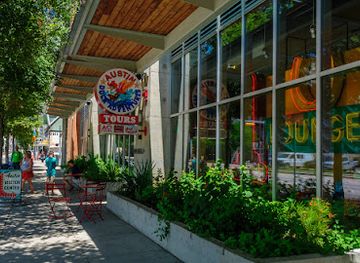
East Austin’s attractions range from cultural institutions to streets best understood through their layered history. The George Washington Carver Museum and Cultural Center is the principal place to explore African American art, history and community life in the district, while the Texas Music Museum presents the state’s musical heritage through changing exhibitions and educational programmes. The Victory Grill, a former Black-owned club on East 11th Street, offers an especially tangible connection to Austin’s segregated-era music circuit, although visitors should check access arrangements rather than assuming it operates as a conventional daily museum. East Sixth Street and East Cesar Chavez Street provide an active sequence of murals, restaurants, bars and small businesses, and the East Austin Studio Tour periodically opens creative spaces across the wider area. For a quieter experience, residential streets and local parks reveal the district’s everyday architectural and community character.
-
Visitor center
Austin Visitor Center
Explore the vibrant culture of Austin at the Austin Visitor Center, your ultimate guide to the city's attractions, music, and culinary delights.
7 min drive · 2.4 km from neighbourhood centre
-
Local history museum
French Legation State Historic Site
Explore the rich history and French cultural influence at the French Legation State Historic Site in East Austin, TX, featuring a museum and delightful café.
5 min drive · 1.8 km from neighbourhood centre
-
Museum
O. Henry Museum
Explore the O. Henry Museum in Austin, a charming tribute to the life and works of the beloved American author, nestled in a historic Victorian home.
7 min drive · 2.5 km from neighbourhood centre
-
Tourist attraction
East Austin Street Art
Discover the colorful street art of East Austin, where creativity and local culture come alive in vibrant murals and artistic expressions.
7 min drive · 2.2 km from neighbourhood centre


Best landmarks in East Austin
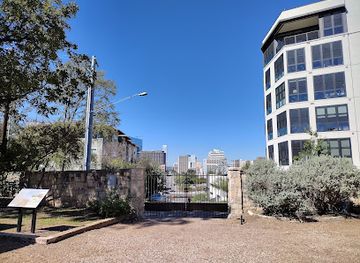
East Austin’s landmarks embody the political, cultural and architectural history of the city’s eastern districts. The George Washington Carver Museum and Cultural Center is a major civic and cultural landmark dedicated to African American history, art and achievement. The Victory Grill on East 11th Street is significant as a surviving Black-owned music venue linked to the Chitlin’ Circuit and the era of segregation. The Texas Music Museum provides another institutional marker of Austin’s long musical story, though its focus extends beyond East Austin alone. Historic churches, modest bungalows, older commercial buildings and surviving streetscapes around East 11th and East 12th streets add local scale to the larger landmarks. Interstate 35 is also a defining physical feature: its construction and expansion separated East Austin from the central city and remain central to understanding the neighbourhood’s urban history.
-
Museum
Brush Square (O. Henry Museum)
Discover the historic charm of Brush Square and the O. Henry Museum in downtown Austin, where literature meets serene park beauty.
7 min drive · 2.5 km from neighbourhood centre
-
Local history museum
French Legation State Historic Site
Explore the French Legation State Historic Site in Austin, a charming blend of history and French culinary delights in a picturesque setting.
5 min drive · 1.8 km from neighbourhood centre
-
Museum
O. Henry Museum
Explore the literary legacy of O. Henry at the charming O. Henry Museum in Austin, where storytelling comes alive in a historic setting.
7 min drive · 2.5 km from neighbourhood centre
-
Historical landmark
Hood's Confederate Texas Brigade Monument
Discover the rich history behind Hood's Confederate Texas Brigade Monument in Austin, a significant landmark honoring Texas soldiers from the Civil War.
7 min drive · 2.5 km from neighbourhood centre


Explore East Austin on the map
A handpicked selection of must-see spots in East Austin, mapped for you.
Best hotels in East Austin
Best restaurants in East Austin
East Austin has one of Austin’s most varied dining scenes, shaped by Mexican American foodways, Texas barbecue, immigrant culinary traditions and a newer generation of ambitious independent restaurants. East Sixth Street, East Cesar Chavez Street and East 11th Street contain some of the best-known concentrations, with options ranging from tacos and pan dulce to wood-fired cooking, contemporary Mexican food and carefully made cocktails. Franklin Barbecue on East 11th is a major draw, while Veracruz All Natural, Suerte, Nixta Taqueria, Launderette and Kemuri Tatsu-ya are among the established names associated with the broader East Austin dining landscape. Food trucks and casual counters remain as important to the area’s character as destination restaurants. Because the district is large and businesses change, visitors should distinguish commercial clusters from residential blocks and check current service arrangements before travelling across town for a particular meal.
-
American
Salty Sow
Discover Salty Sow in East Austin: where rustic charm meets innovative American cuisine in a delightful farm-to-table experience.
5 min drive · 1.6 km from neighbourhood centre
-
Mexican
Suerte
Experience the fusion of traditional Mexican cuisine and modern culinary artistry at Suerte in East Austin.
17 min walk · 1.3 km from neighbourhood centre
-
American
Launderette
Discover Launderette in East Austin - where modern American cuisine meets vibrant ambiance for an unforgettable dining experience.
7 min drive · 2.3 km from neighbourhood centre
-
French
Justine's
Experience authentic French cuisine at Justine's in Austin - where elegance meets exceptional taste in every dish.
7 min drive · 2.4 km from neighbourhood centre


Best bars in East Austin
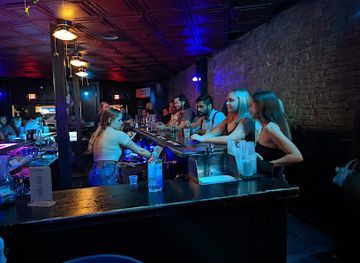
After dark, East Austin is best known for a social scene concentrated along East Sixth, East Seventh, East Cesar Chavez and nearby cross-streets rather than for one continuous nightlife strip. Bars such as Nickel City, Latchkey and Kitty Cohen’s are associated with the district’s contemporary drinking culture, while historic venues including the Victory Grill connect evening entertainment with Austin’s Black musical history. The area also includes live music, DJs, patios and relaxed neighbourhood bars, with the tone shifting from busy late-night corridors to quieter residential edges within a few blocks. Some venues are small and popular, so entry, programming and operating arrangements can change. Visitors should keep voices down when leaving bars, use marked crossings on the major streets and remember that East Austin’s nightlife sits within established communities rather than a self-contained entertainment quarter.
-
Bar
Whisler's
Discover Whisler's, East Austin's premier bar for innovative cocktails and vibrant nightlife, featuring live music and a welcoming atmosphere.
17 min walk · 1.3 km from neighbourhood centre
-
Grill
Lustre Pearl
Experience the vibrant atmosphere of Lustre Pearl in Austin, where delicious grilled food meets live music and a welcoming outdoor setting.
6 min drive · 2.0 km from neighbourhood centre
-
Bar
Nickel City
Discover the vibrant nightlife at Nickel City, an inclusive bar in East Austin serving unique cocktails and a welcoming atmosphere for all.
17 min walk · 1.4 km from neighbourhood centre
-
Bar
Yellow Jacket Social Club
Discover the vibrant ambiance and delicious local flavors at Yellow Jacket Social Club, a dog-friendly bar and restaurant in East Austin.
18 min walk · 1.5 km from neighbourhood centre


Best nightclubs in East Austin
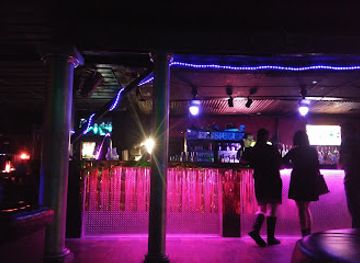
After dark, East Austin is best known for a social scene concentrated along East Sixth, East Seventh, East Cesar Chavez and nearby cross-streets rather than for one continuous nightlife strip. Bars such as Nickel City, Latchkey and Kitty Cohen’s are associated with the district’s contemporary drinking culture, while historic venues including the Victory Grill connect evening entertainment with Austin’s Black musical history. The area also includes live music, DJs, patios and relaxed neighbourhood bars, with the tone shifting from busy late-night corridors to quieter residential edges within a few blocks. Some venues are small and popular, so entry, programming and operating arrangements can change. Visitors should keep voices down when leaving bars, use marked crossings on the major streets and remember that East Austin’s nightlife sits within established communities rather than a self-contained entertainment quarter.
-
Night club
Barbarella Austin
Experience the vibrant nightlife at Barbarella Austin, a lively night club blending disco energy with a laid-back bar atmosphere.
7 min drive · 2.2 km from neighbourhood centre
-
Night club
Elysium
Discover the Heart of Austin's Nightlife at Elysium - A Vibrant Night Club and Live Music Venue.
7 min drive · 2.2 km from neighbourhood centre
-
Night club
Voodoo Room
Discover the vibrant nightlife of Austin at Voodoo Room, where eclectic beats and creative cocktails come together for an unforgettable experience.
7 min drive · 2.4 km from neighbourhood centre
-
Dance club
Outer Heaven Disco Club
Discover the electrifying atmosphere of Outer Heaven Disco Club, Austin's ultimate dance club with karaoke and a vibrant bar scene.
9 min walk · 0.7 km from neighbourhood centre


Best shops in East Austin
Shopping in East Austin is dispersed rather than organised around a single traditional retail street. Independent boutiques, vintage sellers, plant shops, galleries, record-oriented businesses and design stores appear among restaurants and bars along East Sixth, East Cesar Chavez and East 12th streets, while small food businesses reflect the district’s Mexican American and broader multicultural character. Boggy Creek Farm, on the eastern side of the broader East Austin area, is associated with locally grown produce and seasonal farm shopping, subject to its own visiting arrangements. The neighbourhood is also known for temporary markets, studio events and the East Austin Studio Tour, when makers and creative businesses open spaces to the public. Visitors should expect a mixed-use community with residential gaps between retail clusters, not a conventional shopping district, and should check dates and opening information before making a special trip.
-
Boutique
take heart
Explore Take Heart, East Austin's boutique for unique home goods and gifts that celebrate local craftsmanship and creativity.
16 min walk · 1.3 km from neighbourhood centre
-
Vintage clothing store
Charm School Vintage
Discover unique vintage clothing at Charm School Vintage in East Austin, where every piece has a story and sustainability meets style.
18 min walk · 1.4 km from neighbourhood centre
-
Gift shop
Small World Goods
Explore Small World Goods in East Austin for unique gifts, fashion, and local artisan treasures that celebrate the spirit of Austin.
18 min walk · 1.4 km from neighbourhood centre
-
Women's clothing store
lovecraft
Explore Lovecraft, a unique women's clothing store in East Austin, featuring vintage fashion and sustainable styles that celebrate individuality.
18 min walk · 1.5 km from neighbourhood centre


East Austin essentials
Getting There
Getting Around
Safety
Emergency Situations
Do's and Don'ts
Local Tips

From Eve
Local phrases worth knowing
You don't need to get them perfect. A few words go a long way, and locals appreciate the effort.
Basics
| English | Local | Say it |
|---|---|---|
| Hello | Howdy | [haʊ-di] |
| Goodbye | See ya | [si jə] |
| Yes | Yep | [yɛp] |
| No | Nah | [nɑ] |
| Please/You're welcome | Please and thank you | [pliz ænd θæŋk ju] |
| Thank you | Much obliged | [mʌtʃ əˈblaɪdʒd] |
| Excuse me/Sorry | Pardon me | [ˈpɑrdn mi] |
| How are you? | How y'all doin'? | [haʊ jɔl ˈduɪn] |
| Fine. And you? | All good. How 'bout you? | [ɔl ɡʊd haʊ bəʊt ju] |
| Do you speak English? | Ya speak English? | [jə spik ˈɪŋɡlɪʃ] |
| I don't understand | I ain't catchin' on | [aɪ eɪnt ˈkæʧɪn ɒn] |
Eating & Drinking
| English | Local | Say it |
|---|---|---|
| I'd like to see the menu, please | Can I check out the menu, please? | [kæn aɪ tʃɛk aʊt ðə ˈmɛnju pliz] |
| I don't eat meat | I don't do meat | [aɪ doʊnt du mit] |
| Cheers! | Salud! | [səˈlʊd] |
| I would like to pay, please | I'm ready to settle up | [aɪm ˈrɛdi tu ˈsɛtl ʌp] |
Emergencies
| English | Local | Say it |
|---|---|---|
| Help! | S.O.S.! | [ɛs oʊ ɛs] |
| Go away! | Get on with ya! | [ɡɛt ɒn wɪð jə] |
| Call the Police! | Ring the Five-O! | [rɪŋ ðə faɪv oʊ] |
| Call a doctor! | Holler for a doc! | [ˈhɑlər fɔr ə dɑk] |
| I'm lost | I'm turned around | [aɪm tɜrnd əˈraʊnd] |
| I'm ill | I'm feelin' under the weather | [aɪm ˈfiːlɪn ˈʌndər ðə ˈwɛðər] |
Shopping
| English | Local | Say it |
|---|---|---|
| I'd like to buy... | I'm fixin' to purchase... | [aɪm ˈfɪksɪn tu ˈpɜrtʃəs] |
| I'm just looking | Just browsin' | [ʤʌst ˈbraʊzɪn] |
| How much is it? | What's the damage? | [wɑts ðə ˈdæmɪʤ] |
| That's too expensive | That's a bit steep | [ðæts ə bɪt stip] |
| Can you lower the price? | Can y'all work on the cost? | [kæn jɔl wɜrk ɑn ðə kɔst] |
Time & Numbers
| English | Local | Say it |
|---|---|---|
| What time is it? | What's the clock say? | [wɑts ðə klɑk seɪ] |
| It's one o'clock | It's one | [ɪts wʌn] |
| Half past (10) | Ten-thirty | [tɛn-ˈθɜr.di] |
| Morning | Mornin' | [ˈmɔrnɪn] |
| Afternoon | Afternoon | [ˌæftərˈnun] |
| Evening | Evenin' | [ˈivnɪn] |
| Yesterday | Yest'day | [ˈjɛstˈdeɪ] |
| Today | Today | [təˈdeɪ] |
| Tomorrow | Tomorra | [təˈmɔr.ə] |
| 1 | One | [wʌn] |
| 2 | Two | [tu] |
| 3 | Three | [θri] |
| 4 | Four | [fɔr] |
| 5 | Five | [faɪv] |
| 6 | Six | [sɪks] |
| 7 | Seven | [ˈsɛvən] |
| 8 | Eight | [eɪt] |
| 9 | Nine | [naɪn] |
| 10 | Ten | [tɛn] |
Transport & Directions
| English | Local | Say it |
|---|---|---|
| Where's a/the...? | Where's the... | [wɛr z ðə] |
| What's the address? | Where's it at? | [wɛr z ɪt æt] |
| Can you show me (on the map)? | Can y'all point it out? | [kæn jɔl pɔɪnt ɪt aʊt] |
| When's the next (bus)? | When's the next ride? | [wɛnz ðə nɛkst raɪd] |
| A ticket (to ....) | A pass (to ....) | [ə pæs tu] |
History of East Austin
Austin’s Segregated East Side
East Austin’s modern identity was shaped significantly by segregation and the city’s 1928 urban plan, which directed Black residents and many institutions east of what became Interstate 35. Although African American communities had already developed in other parts of Austin, the plan concentrated schools, churches, businesses and homes in the eastern districts. Mexican American residents also established enduring communities, businesses and cultural institutions across the East Side. The result was not a single settlement with one origin story, but a network of neighbourhoods whose social and institutional life grew under unequal access to land, services and political power.
Music, Churches and Community Institutions
During the twentieth century, East Austin became an important centre for Black music and community life in Austin. The Victory Grill, opened in 1945 by bandleader Johnny Holmes, became a significant stop on the Chitlin’ Circuit, the network of venues where Black performers could tour during segregation. Churches, schools, social clubs and locally owned businesses provided spaces for worship, education, entertainment and organising. Institutions such as the George Washington Carver Museum and Cultural Center continue that legacy by preserving African American history and presenting cultural programmes in a part of the city where community memory is closely tied to place.
Urban Renewal and Displacement
The construction and expansion of Interstate 35 created a powerful physical and symbolic divide between East Austin and central Austin, while urban renewal and infrastructure projects disrupted established communities. Later decades brought uneven investment, rising property values and redevelopment along commercial corridors including East Sixth, East Cesar Chavez and East 12th streets. These changes introduced new restaurants, bars, galleries and housing, but also intensified concerns about displacement, affordability and the loss of long-standing businesses. East Austin’s current landscape reflects both economic reinvestment and the continuing effort to protect its Black and Mexican American heritage.
A Contemporary Cultural District
In the twenty-first century, East Austin became closely associated with independent restaurants, cocktail bars, live music, street art and creative businesses, while historic institutions continued to anchor its older cultural identity. The neighbourhood’s food scene includes Mexican American traditions, barbecue and newer interpretations of regional and international cooking. Preservation campaigns, heritage interpretation and community-led cultural work have become increasingly important as development reshapes the area. Rather than replacing its earlier history, the contemporary district sits visibly on top of it, with historic venues, family homes, new hospitality businesses and contested development occupying the same broad urban landscape.
East Austin in Photos
Browse through our photo collection highlighting the charm and character of the destination.
Neighbourhoods near East Austin
The closest neighbourhoods to East Austin, if you have time for more than one stop.
-
-

-


Swipe for more neighbourhoods
Explore more

Explore more of Austin
Austin, Texas blends live music, Hill Country landscapes, food culture, historic landmarks and creative neighbourhoods for memorable city sightseeing.
Explore Austin