

Free Austin Travel Guide & Mobile App
Plan your Austin trip with Evendo. Get free guides to top attractions, restaurants, hotels, and bars. Web access or download the mobile app.


Austin, Texas blends live music, Hill Country landscapes, food culture, historic landmarks and creative neighbourhoods for memorable city sightseeing.
A City Shaped by Water and Music
Austin, the capital of Texas, occupies a distinctive setting where the Colorado River cuts through the limestone landscapes of the Hill Country. Its broad natural spaces, warm climate and independent cultural spirit have helped make it one of the American South’s most recognisable cities. Downtown rises above Lady Bird Lake with a mixture of glass towers, historic commercial buildings and leafy public spaces, while neighbourhoods such as South Congress, East Austin and Hyde Park each offer a different view of the city’s character.Read more about Austin
Heritage and Contemporary Culture
Outdoors in the Capital
When is the best time to visit Austin?
Best: March–April, October · 24–27°C| Month | High (°C) | Rainfall (mm) |
|---|---|---|
| January | 17 | 48 |
| February | 19 | 48 |
| March (best) | 24 | 74 |
| April (best) | 26 | 66 |
| May | 30 | 109 |
| June | 34 | 83 |
| July | 35 | 51 |
| August | 35 | 62 |
| September | 32 | 86 |
| October (best) | 27 | 89 |
| November | 21 | 67 |
| December | 16 | 56 |
Getting to and around Austin
How to get there
Transportation
Best attractions in Austin
Austin’s attractions range from civic monuments to swimming holes and cultural institutions. The Texas State Capitol offers a close look at the political history and architecture of Texas, while the Bullock Texas State History Museum presents the state’s past through exhibitions and objects. At the Blanton Museum of Art, collections span European, American and modern works, and the Mexic-Arte Museum focuses on Mexican, Latin American and Latino art and culture. Zilker Metropolitan Park brings together open lawns, botanical gardens, the Austin Nature and Science Center and Barton Springs Pool, a spring-fed swimming site. The Ann and Roy Butler Hike-and-Bike Trail traces Lady Bird Lake through the centre, providing woodland, skyline and river views. South Congress combines independent shops, galleries and street life, while the Congress Avenue Bridge is associated with a seasonal colony of Mexican free-tailed bats.
-
Escape room center
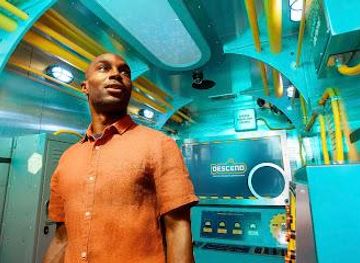
The Escape Game Austin
Immerse yourself in thrilling adventures at The Escape Game Austin, where unique escape rooms challenge your wits and teamwork in a captivating environment.
7 min walk · 0.6 km from city centre
-
Car racing track
Circuit of the Americas
Circuit of the Americas: A premier racing and live music venue in Texas, offering thrilling events and unforgettable experiences for all visitors.
38 min drive · 18 km from city centre
-
Tourist attraction
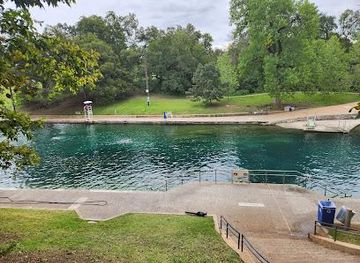
Barton Springs Municipal Pool
Experience the refreshing waters and vibrant atmosphere of Barton Springs Pool, Austin's beloved natural oasis nestled in Zilker Park.
8 min drive · 2.7 km from city centre
-
Tourist attraction
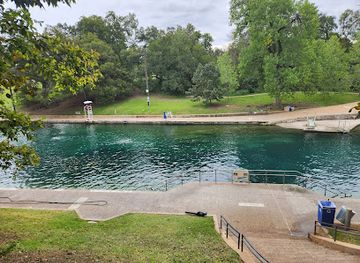
Barton Springs Municipal Pool
Experience the refreshing allure of Barton Springs Municipal Pool, a natural spring-fed oasis in the heart of Austin, Texas, perfect for swimming and relaxation.
8 min drive · 2.7 km from city centre

Best landmarks in Austin
The Texas State Capitol is Austin’s defining civic landmark, built from locally quarried pink granite in the late nineteenth century and crowned by a prominent dome. On Congress Avenue, the Driskill Hotel represents the city’s Victorian commercial heritage, while the Paramount Theatre preserves an ornate entertainment tradition in the historic downtown district. The University of Texas Tower is a recognisable modern landmark and a visual marker of the university campus. Along the Colorado River, the Congress Avenue Bridge is both an important piece of urban infrastructure and the seasonal roost of a large bat colony. The Moonlight Tower at the intersection of West Ninth and Nueces streets belongs to a nineteenth-century lighting system that survives in parts of Austin. Together these structures express the city’s political, commercial, educational and environmental history.
-
 History museum
Bullock Texas State History Museum
Explore the rich history and culture of Texas at the Bullock Texas State History Museum in Austin, a captivating journey through the Lone Star State's past.
5 min drive · 1.5 km from city centre
-
Historical landmark
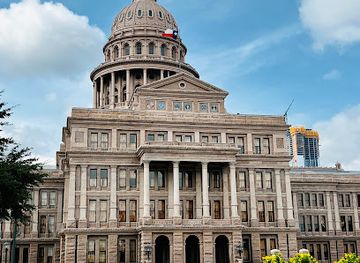
Texas Capitol
Explore the Texas Capitol, a stunning historical landmark in Austin, rich in culture and history, showcasing the state's vibrant legacy.
11 min walk · 0.9 km from city centre
-
Art museum
Blanton Museum of Art
Explore the Blanton Museum of Art in Austin, Texas, home to thousands of artworks, stunning architecture, and vibrant cultural events.
5 min drive · 1.6 km from city centre
-
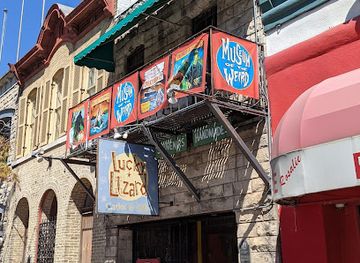
Museum
Museum of the Weird
Discover the quirky and captivating world of oddities at the Museum of the Weird in Austin, Texas, where the bizarre and extraordinary come to life.
5 min walk · 0.4 km from city centre
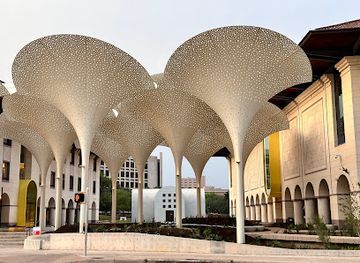
Explore Austin on the map
Plan your Austin trip on one map. See where the top attractions, landmarks, restaurants, bars and hotels are, find what's near where you're staying, and book hotels and experiences in a few clicks.
Neighbourhoods in Austin
-

-

-

-


Swipe for more neighbourhoods
Best hotels in Austin
Best restaurants in Austin
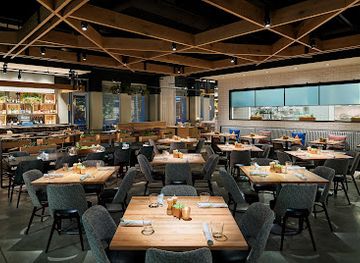
Austin’s dining identity is built on the meeting of Texas barbecue, Tex-Mex, Mexican cooking and a broad contemporary food culture. Slow-smoked brisket, ribs and sausage remain central to the city’s culinary reputation, while breakfast tacos, queso, migas and enchiladas reflect the enduring influence of Mexican and Texan traditions. Barbecue restaurants and food trucks are found across the city rather than in one formal quarter, and East Austin, South Congress and the areas around downtown offer particularly varied dining scenes. Farmers’ markets bring Texas produce, baked goods and prepared foods into public life, while cafés and bakeries support a strong daytime culture. Contemporary chefs draw on Gulf, Southern, Mexican, Asian and international influences, often working through compact food-truck kitchens as well as established restaurants.
-
American
Caroline
Discover the best of American cuisine and artisanal coffee at Caroline in Downtown Austin – where every meal is a celebration of flavor.
2 min walk · 0.2 km from city centre
-
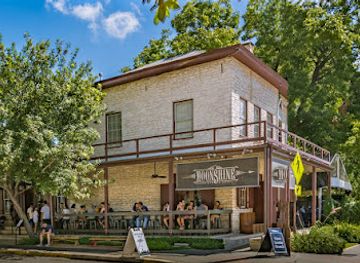
Grill
Moonshine Grill
Experience the best Southern cuisine at Moonshine Grill in Downtown Austin – where flavor meets Southern hospitality.
8 min walk · 0.6 km from city centre
-
Tex Mex
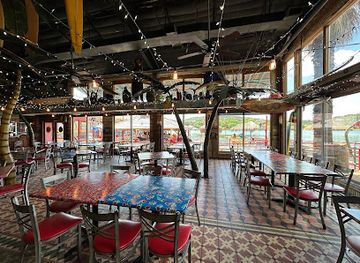
Hula Hut
Discover Hula Hut: A vibrant Tex-Mex restaurant on Lake Austin offering flavorful dishes in a tropical lakeside setting.
15 min drive · 5.0 km from city centre
-
Barbecue
Stubb's Bar-B-Q
Austin's ultimate fusion of smoky Texas BBQ ribs, brisket, and live music under the stars at the legendary Red River venue where legends like Stevie Ray Vaughan once played for supper.
8 min walk · 0.7 km from city centre
Best bars in Austin
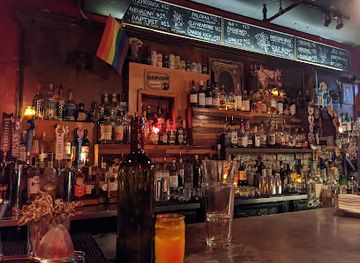
Austin’s evening life is closely associated with live music, but it extends well beyond the phrase traditionally used to describe its musical reputation. Sixth Street contains a concentrated run of bars and performance venues, while the Red River Cultural District is known for smaller clubs and a broad range of live acts. South Congress, East Austin and the Warehouse District offer cocktail bars, lounges, patios and late-night venues with distinct atmospheres. Larger spaces host touring musicians, while smaller rooms continue to support local country, blues, rock, folk and experimental performers. Austin City Limits Live and other cultural venues add concerts and performances outside the bar circuit. Festival periods can transform the city’s night-time rhythm, bringing temporary stages, crowded streets and changing access around central districts.
-
Sports bar
Twin Peaks
Discover Twin Peaks in South Austin: A vibrant sports bar with mouthwatering American cuisine and a lively atmosphere perfect for any sports fan.
24 min drive · 7.9 km from city centre
-
Cocktail bar
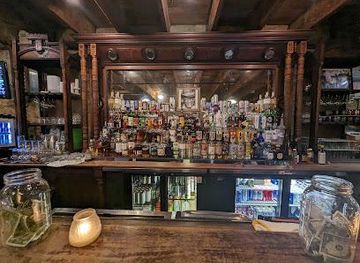
The Roosevelt Room
Discover The Roosevelt Room, Austin’s premier cocktail bar, where mixology meets sophistication in an unforgettable nightlife experience.
4 min walk · 0.3 km from city centre
-
Bar
Whisler's
Discover Whisler's, an iconic bar in East Austin known for its creative cocktails and vibrant atmosphere, perfect for a night out.
6 min drive · 2.0 km from city centre
-
Cocktail bar
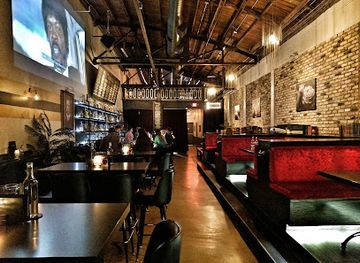
Firehouse Lounge
Experience the vibrant nightlife of Austin at Firehouse Lounge, a lively cocktail bar with live music and an eclectic atmosphere.
3 min walk · 0.2 km from city centre
Best nightclubs in Austin
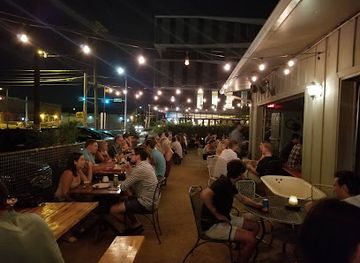
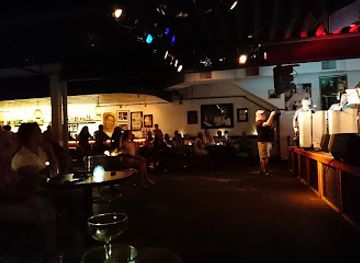
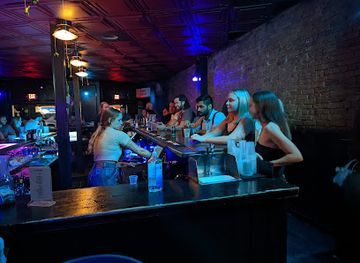
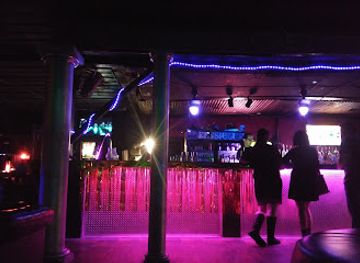
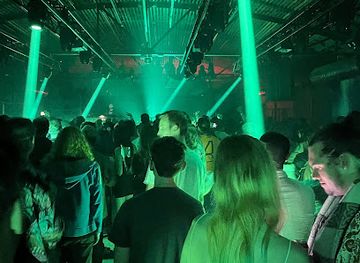
Austin’s evening life is closely associated with live music, but it extends well beyond the phrase traditionally used to describe its musical reputation. Sixth Street contains a concentrated run of bars and performance venues, while the Red River Cultural District is known for smaller clubs and a broad range of live acts. South Congress, East Austin and the Warehouse District offer cocktail bars, lounges, patios and late-night venues with distinct atmospheres. Larger spaces host touring musicians, while smaller rooms continue to support local country, blues, rock, folk and experimental performers. Austin City Limits Live and other cultural venues add concerts and performances outside the bar circuit. Festival periods can transform the city’s night-time rhythm, bringing temporary stages, crowded streets and changing access around central districts.
-
Night club
Antone's Nightclub
Discover the legendary Antone's Nightclub in Austin, where live blues and cocktails create unforgettable nights filled with music and memories.
4 min walk · 0.3 km from city centre
-
Night club
Barbarella Austin
Experience the electrifying nightlife at Barbarella Austin, a premier night club offering themed dance parties and vibrant music in downtown Austin.
7 min walk · 0.6 km from city centre
-
Night club
Elysium
Experience the vibrant nightlife at Elysium, Austin's premier night club and live music venue in the heart of the Red River Cultural District.
8 min walk · 0.6 km from city centre
-
Night club
Kingdom
Unleash your nightlife adventure at Kingdom Nightclub, a top destination in Austin for electrifying music, stunning visuals, and an unforgettable party atmosphere.
7 min walk · 0.5 km from city centre
Best shops in Austin
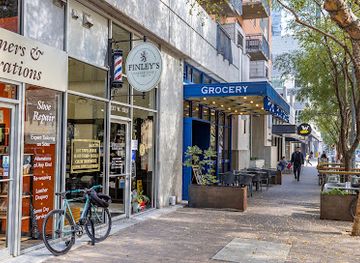
Austin’s shopping districts reflect its independent creative culture as much as its retail growth. South Congress Avenue is known for boutiques, vintage clothing, footwear, design shops, galleries and Texas-themed goods, while the nearby South First Street area has a more neighbourhood-oriented collection of independent businesses. East Austin combines small retailers, makers’ studios, cafés and galleries, with offerings that often include ceramics, prints, jewellery and locally designed clothing. Downtown provides larger stores and specialist shops, and the Domain to the north is a substantial modern retail and dining development. Farmers’ markets are useful places to find Texas honey, preserves, seasonal produce and prepared foods. Visitors should distinguish locally made crafts from generic souvenirs, particularly when shopping for boots, textiles, artwork or other goods associated with the state.
-
Shopping mall
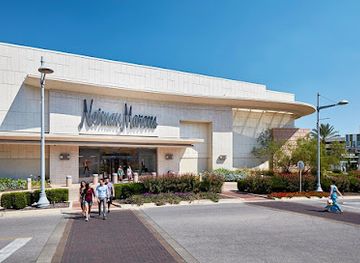
The Domain
Discover The Domain in Austin: A vibrant outdoor shopping mall with luxury brands, unique boutiques, and a delightful dining scene for every visitor.
35 min drive · 15 km from city centre
-
Store
2nd Street District
Discover Austin's eclectic 2nd Street District, a vibrant hub of shopping, dining, and local culture in the heart of downtown.
7 min walk · 0.5 km from city centre
-
Gift shop
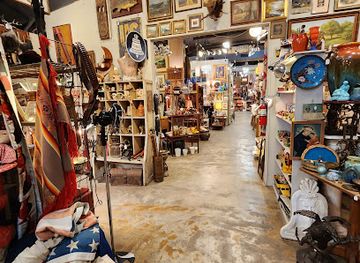
Uncommon Objects
Discover a unique blend of vintage treasures and quirky finds at Uncommon Objects, Austin's beloved gift shop and antique destination.
17 min drive · 5.7 km from city centre
-
Sporting goods store
YETI
Explore the great outdoors with YETI in Austin, your one-stop shop for top-notch camping, fishing, and outdoor gear.
12 min walk · 0.9 km from city centre

Get your free copy of our complete guide to Austin, delivered straight to you.
Everything on this page, from attractions and restaurants to essentials and local phrases, in one PDF you can read offline, print or share.
Already have an account? Sign in
Your Austin guide is ready.
We'll send it to · Not you? Sign out

Getting your guide ready…
We are putting together a fresh copy of the Austin guide. This can take up to a minute.
This can take a few moments. If your browser asks, choose Allow so the download can start. You'll find the guide in your Downloads folder.
Nothing happened? Download it again
Sorry, the guide is taking longer than usual. Please try again in a minute, or get it by email instead.
Austin essentials
Currency and Payment
Safety
Emergency Situations
Do's and Don'ts
Local Tips
From Eve
Local phrases worth knowing
You don't need to get them perfect. A few words go a long way, and locals appreciate the effort.
Basics
| English | Local | Say it |
|---|---|---|
| Hello | Howdy | [haw-dee] |
| Goodbye | See ya later | [see ya lay-ter] |
| Yes | Yup | [yuhp] |
| No | Nah | [nuh] |
| Please/You're welcome | Please and thank you | [pleez and thank yuh] |
| Thank you | Thanks a lot | [thanks uh lot] |
| Excuse me/Sorry | Pardon me | [par-dun me] |
| How are you? | Howdy, how're you? | [haw-dee, how-er yuh] |
| Fine. And you? | Doing good. How 'bout you? | [doo-in good. How 'bout yuh] |
| Do you speak English? | Y'all speak English? | [yawl speak ing-glish] |
| I don't understand | I'm fixin' to need some help | [ahm fix-in to need sum help] |
Eating & Drinking
| English | Local | Say it |
|---|---|---|
| I'd like to see the menu, please | Can I take a look at the menu? | [kan eye take uh look at the menu] |
| I don't eat meat | I don't do meat | [ahm fix-in tuh meat] |
| Cheers! | Here's to ya! | [herez tuh yuh] |
| I would like to pay, please | Can I settle up? | [kan eye set-tul up] |
Emergencies
| English | Local | Say it |
|---|---|---|
| Help! | SOS! | [ess-oh-ess] |
| Go away! | Git! | [git] |
| Call the Police! | Ring up the cops! | [ring up the cops] |
| Call a doctor! | Get a Doc on the line! | [get uh doc on the line] |
| I'm lost | I'm turned around | [ahm turned uh-round] |
| I'm ill | I'm feelin' poorly | [ahm feel-in poor-lee] |
Shopping
| English | Local | Say it |
|---|---|---|
| I'd like to buy... | I reckon I'll take... | [eye wreck-in eye'll take] |
| I'm just looking | I'm just browsin' | [ahm just brow-sin] |
| How much is it? | What's the damage? | [wuts the dam-ij] |
| That's too expensive | That's a bit steep | [thats uh bit steep] |
| Can you lower the price? | Can you do any better on the price? | [kan yuh do en-nee bet-ter on the price] |
Time & Numbers
| English | Local | Say it |
|---|---|---|
| What time is it? | What's the time? | [wuts the time] |
| It's one o'clock | It's high noon | [its hi noon] |
| Half past (10) | Ten-thirty | [ten-thur-tee] |
| Morning | Mornin' | [morn-in] |
| Afternoon | Afternoon | [after-noon] |
| Evening | Evenin' | [even-in] |
| Yesterday | Yest'day | [yes-t-day] |
| Today | Today | [to-day] |
| Tomorrow | Tomorrah | [tom-or-rah] |
| 1 | One | [wun] |
| 2 | Two | [too] |
| 3 | Three | [three] |
| 4 | Four | [four] |
| 5 | Five | [five] |
| 6 | Six | [six] |
| 7 | Seven | [seven] |
| 8 | Eight | [eight] |
| 9 | Nine | [nine] |
| 10 | Ten | [ten] |
Transport & Directions
| English | Local | Say it |
|---|---|---|
| Where's a/the...? | Where's the... | [wheres the] |
| What's the address? | What's the addy? | [wuts the add-ee] |
| Can you show me (on the map)? | Can you point it out (on the map)? | [kan yuh point it out on the map] |
| When's the next (bus)? | When's the next bus comin'? | [whens the next bus com-in] |
| A ticket (to ....) | A pass (to ....) | [uh pass to] |
History of Austin
Indigenous Lands and Early Settlement
The Austin area lies within the traditional homeland of Indigenous peoples including the Tonkawa, Apache and Comanche, while the Colorado River and nearby springs supported movement and settlement long before the modern city appeared. Spanish exploration reached the region in the eighteenth century, followed by Mexican administration and the establishment of settlements connected with the wider frontier. After Texas won independence from Mexico in 1836, the area remained lightly developed but strategically placed along the Colorado River. Its springs, crossings and fertile valleys would later influence the selection of a permanent capital.
The Founding of Waterloo
In 1839, the Republic of Texas selected the small settlement of Waterloo as its capital and renamed it Austin in honour of Stephen F. Austin, often called the father of Anglo-American colonisation in Texas. The decision reflected the desire for a centrally located seat of government rather than the commercial dominance of coastal settlements. Edwin Waller surveyed the town on a grid near the river, establishing the framework of the present central city. Government buildings, modest businesses and residences gradually gathered around the new capital, despite early concerns about the region’s remoteness and frontier insecurity.
A Permanent Texas Capital
Austin retained its capital status when Texas joined the United States in 1845, although political debate periodically challenged the city’s position. The arrival of the Houston and Texas Central Railway in the 1870s strengthened Austin’s connection with wider markets and encouraged population growth. Investment in public buildings and civic institutions followed, including the construction of the present Texas State Capitol between 1882 and 1888. Built from Texas pink granite in a Renaissance Revival style, the capitol became a powerful symbol of statehood and remains the architectural centre of the city’s government district.
Growth, Industry and Segregated Austin
During the late nineteenth and early twentieth centuries, Austin expanded through government, education, commerce and industries connected with the river and railway. The University of Texas opened in 1883 and became a major intellectual and cultural institution. Like many American cities, Austin developed under racial segregation, and the 1928 city plan concentrated many Black residents and businesses into the area now known as East Austin while restricting access to services elsewhere. Despite these constraints, East Austin developed strong churches, civic organisations, businesses and cultural traditions that continue to shape the city’s identity.
Dams, Parks and Modernisation
The construction of Austin Dam No. 1 in 1893, later destroyed by flooding, and the completion of Tom Miller Dam in 1940 transformed the Colorado River through the city. The resulting lakes supported flood control, water management, recreation and later lakeside development. Austin’s population and economy grew substantially after the Second World War as state government, the university, technology and service industries expanded. Suburban development spread beyond the original grid, while new roads and bridges connected a widening metropolitan area. The river corridor and Zilker Park became increasingly important as public landscapes within this growth.
The Rise of the Live Music Capital
From the 1960s onward, Austin’s music scene gained national attention through venues, radio programmes and a community that welcomed country, blues, rock, folk and later many other genres. Willie Nelson’s association with the city helped strengthen its reputation for progressive country music, while the television programme Austin City Limits, first broadcast in 1976, brought local performances to a wider audience. The annual South by Southwest festival, founded in 1987, expanded the city’s international profile through music, film and interactive media. Rapid technology-led growth has since brought investment and demographic change, alongside continuing debates about affordability, development and cultural preservation.
Austin in Photos
Browse through our photo collection highlighting the charm and character of the destination.
Cities near Austin
The closest cities to Austin, if you have time for more than one stop.
-

-

-

-

-


Swipe for more cities
Explore more
Explore more of Texas
Discover the diverse landscapes, rich history, vibrant cities, and culinary delights of Texas, the Lone Star State, where adventure and culture await at every turn.
Explore Texas