

Downtown Austin (Austin) Travel Guide - Free
Explore Downtown Austin in Austin with Evendo's free guide. Find the best shops, historic streets, restaurants, and gems on web or mobile.


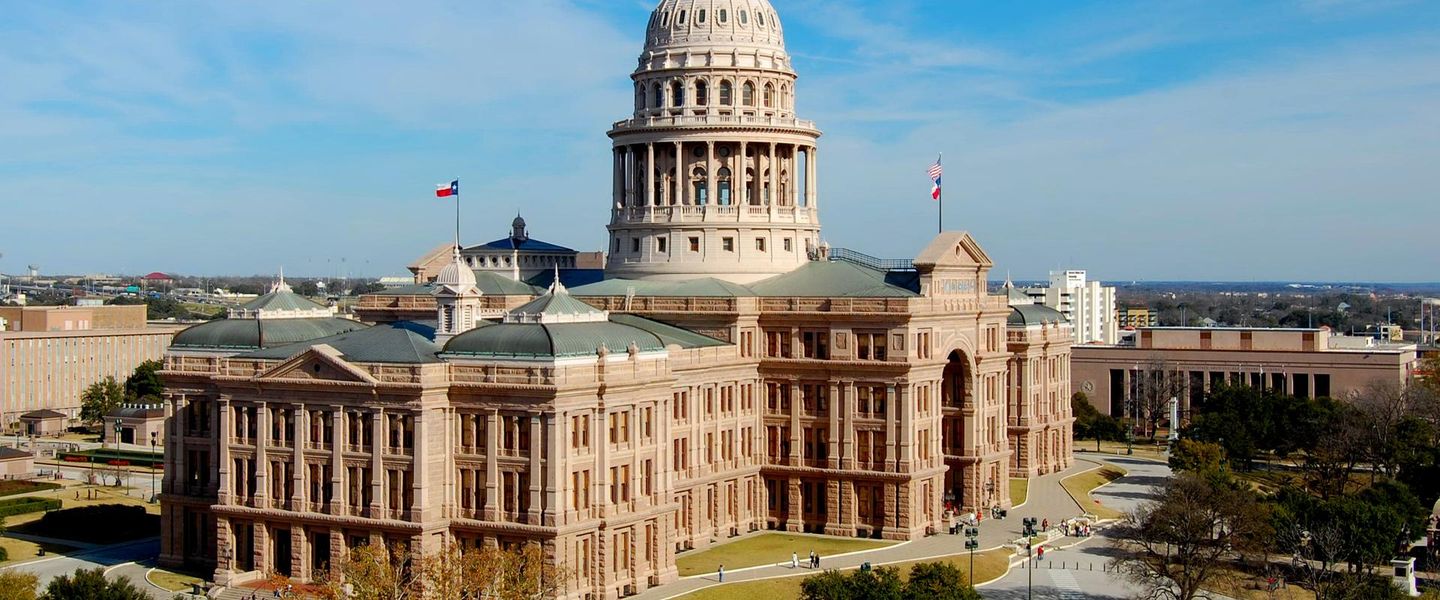


Downtown Austin blends Texas history, live music, Lady Bird Lake trails, museums, dining, nightlife and Capitol views in central Austin.
A Compact Centre with Several Identities
Downtown Austin occupies the central grid between the Texas State Capitol and Lady Bird Lake, with Congress Avenue providing its principal north–south axis. The area is not a single, uniform district: government buildings, historic hotels, office towers, music venues, restaurants, museums, public squares and entertainment streets sit within a relatively walkable urban core. The Capitol rises at the northern end, while the Colorado River and its broad lakeside trail mark the southern edge. West and east of Congress Avenue, the character changes from formal civic streets to the Warehouse District, the Second Street District, the Red River Cultural District and the nightlife corridor of East Sixth Street.Read more about Downtown Austin
Architecture, Music and Public Life
From Civic Core to Lakeside Walks
Best attractions in Downtown Austin
Downtown Austin's attractions range from the domed Texas State Capitol and its surrounding grounds to the cultural venues clustered along the central grid. The Bullock Texas State History Museum lies just north of the Capitol complex and interprets the history of Texas through permanent and temporary exhibitions, while the Mexic-Arte Museum on Congress Avenue presents Mexican, Latino and Latin American art. The Paramount Theatre and Austin City Limits Live at the Moody Theater anchor the performing-arts scene, with live music venues concentrated nearby. Republic Square and Wooldridge Square provide historic open space, and the Ann and Roy Butler Hike-and-Bike Trail offers lakeside walking, cycling and skyline views south of the main streets. The former Seaholm Power Plant and surrounding waterfront redevelopment add a strong industrial and contemporary dimension to the central Austin experience.
-
Bridge
Pfluger Pedestrian Bridge
Discover the Pfluger Pedestrian Bridge, where stunning views of Austin meet vibrant outdoor activities, perfect for tourists seeking adventure and relaxation.
18 min walk · 1.4 km from neighbourhood centre
-
Toy museum
Texas Toy Museum and Arcade
Explore nostalgia and fun at the Texas Toy Museum and Arcade in Austin, where toys meet gaming in an unforgettable experience for all ages.
3 min walk · 0.3 km from neighbourhood centre


Best landmarks in Downtown Austin
The Texas State Capitol is Downtown Austin's defining civic landmark, a nineteenth-century Renaissance Revival building whose pink granite exterior and prominent dome dominate the northern end of Congress Avenue. The Driskill, opened in 1886, is a major surviving hotel landmark that reflects the aspirations of the young capital. The Paramount Theatre, established in 1915 in an earlier theatre building, represents the district's long performance tradition, while the Austin History Center occupies the former central library building on Guadalupe Street. Republic Square and Wooldridge Square retain the civic open-space pattern of the nineteenth-century plan. Closer to Lady Bird Lake, the former Seaholm Power Plant recalls Austin's municipal-industrial infrastructure and now forms a striking contrast with the newer buildings around the waterfront.
-
Historical landmark
Texas Capitol
Explore the stunning Texas Capitol in Austin, a historical landmark showcasing the state's rich heritage and architectural beauty.
11 min walk · 0.9 km from neighbourhood centre
-
Museum
Museum of the Weird
Explore the bizarre at the Museum of the Weird in Austin, where every corner reveals an extraordinary curiosity waiting to be discovered.
3 min walk · 0.3 km from neighbourhood centre
-
Park
Republic Square
Discover the charm of Republic Square, a vibrant park in Downtown Austin, where nature meets the urban pulse in a cultural haven for all.
7 min walk · 0.6 km from neighbourhood centre
-
Visitor center
Austin Visitor Center
Explore Austin's vibrant culture and attractions at the Austin Visitor Center, your essential hub for local insights and travel resources.
6 min walk · 0.4 km from neighbourhood centre


Explore Downtown Austin on the map
A handpicked selection of must-see spots in Downtown Austin, mapped for you.
Best hotels in Downtown Austin
Best restaurants in Downtown Austin
Downtown Austin's dining scene reflects the city's long association with barbecue, Tex-Mex and tacos while also supporting polished contemporary restaurants, cafés, bakeries and international cooking. Congress Avenue and the blocks around Sixth Street contain a mixture of established dining rooms, casual counters and hotel restaurants, while the Warehouse District and Second Street District offer concentrated choices for pre-theatre meals, business lunches and evening dining. Food trucks and casual taquerias are part of the wider downtown pattern, though locations and operating arrangements change regularly. The neighbourhood's historic commercial buildings have been adapted for restaurants and bars, creating distinctive interiors alongside newer mixed-use developments. Visitors should also distinguish Downtown proper from nearby Rainey Street and South Congress, both of which have their own dining identities beyond the central grid.
-
Grill
Moonshine Grill
Discover the vibrant flavors of Southern cuisine at Moonshine Grill in Downtown Austin - where every meal tells a story.
6 min walk · 0.5 km from neighbourhood centre
-
Restaurant
Stella San Jac
Discover Stella San Jac: A premier American restaurant & bar offering fresh flavors and vibrant ambiance in downtown Austin.
1 min walk · 0.1 km from neighbourhood centre
-
Restaurant
Corinne Austin
Discover modern American cuisine at Corinne Austin—where fresh ingredients meet innovative flavors in the heart of downtown.
6 min walk · 0.4 km from neighbourhood centre
-
American
Roaring Fork
Experience upscale American dining at Roaring Fork in Downtown Austin - where local ingredients meet culinary creativity.
4 min walk · 0.3 km from neighbourhood centre


Best bars in Downtown Austin
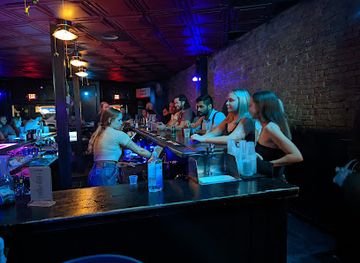
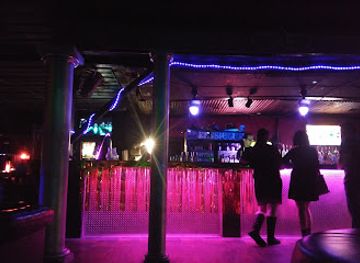
After dark, Downtown Austin divides into several different entertainment zones rather than one continuous nightlife district. East Sixth Street is the best-known concentration of bars, live-music rooms and late-night venues, with a busy, highly social atmosphere that can become crowded. Red River Street has a stronger small-venue and concert identity, while the Warehouse District is associated with cocktail bars, lounges, dance spaces and restaurants in converted commercial buildings. The Second Street area tends towards restaurants, hotel bars and more polished evening venues, and the Paramount Theatre and Moody Theater provide scheduled cultural entertainment rather than club nightlife. Downtown is also central to Austin's wider music economy, but venue programmes, entry arrangements and opening patterns vary, so checking the current schedule is important.
-
Cocktail bar
The Roosevelt Room
Discover The Roosevelt Room in Downtown Austin, where innovative cocktails meet a vibrant atmosphere for an unforgettable night out.
6 min walk · 0.5 km from neighbourhood centre
-
Lounge
Speakeasy
Experience Austin's nightlife at Speakeasy, where live music, bowling, and delicious cocktails create unforgettable memories in the heart of downtown.
3 min walk · 0.2 km from neighbourhood centre
-
Cocktail bar
Firehouse Lounge
Discover the heart of Austin's nightlife at Firehouse Lounge – a cocktail bar with live music and a vibrant atmosphere.
2 min walk · 0.2 km from neighbourhood centre
-
Cocktail bar
Garage
Unwind at Garage, where creative cocktails meet the vibrant atmosphere of Downtown Austin, making it a must-visit for tourists.
4 min walk · 0.3 km from neighbourhood centre


Best nightclubs in Downtown Austin
After dark, Downtown Austin divides into several different entertainment zones rather than one continuous nightlife district. East Sixth Street is the best-known concentration of bars, live-music rooms and late-night venues, with a busy, highly social atmosphere that can become crowded. Red River Street has a stronger small-venue and concert identity, while the Warehouse District is associated with cocktail bars, lounges, dance spaces and restaurants in converted commercial buildings. The Second Street area tends towards restaurants, hotel bars and more polished evening venues, and the Paramount Theatre and Moody Theater provide scheduled cultural entertainment rather than club nightlife. Downtown is also central to Austin's wider music economy, but venue programmes, entry arrangements and opening patterns vary, so checking the current schedule is important.
-
Night club
Antone's Nightclub
Discover the heart of Austin's nightlife at Antone's Nightclub, a legendary venue for live blues and vibrant cocktails.
1 min walk · 0.1 km from neighbourhood centre
-
Night club
Barbarella Austin
Dive into the vibrant nightlife at Barbarella, where eclectic parties and unforgettable dance experiences await you in Austin.
6 min walk · 0.4 km from neighbourhood centre
-
Night club
Elysium
Discover Elysium in Austin, where electrifying nightlife and live music collide for an unforgettable experience.
6 min walk · 0.5 km from neighbourhood centre
-
Night club
Voodoo Room
Discover the heart of Austin's nightlife at Voodoo Room, where vibrant energy and unforgettable experiences await every night.
3 min walk · 0.3 km from neighbourhood centre


Best shops in Downtown Austin
Shopping in Downtown Austin is concentrated around Congress Avenue, the Second Street District and the blocks adjoining the Warehouse District rather than a single traditional market street. Congress Avenue combines independent retailers, jewellery and Western-influenced goods with cafés and long-established commercial façades, while Second Street offers contemporary fashion, lifestyle shops and design-led businesses in a newer public-realm setting. Bookshops, galleries and specialist stores appear among offices, hotels and restaurants, although individual businesses and stock change over time. The Capitol area is useful for Texas-themed gifts and official visitor purchases, but shoppers seeking larger vintage, craft or farmers' markets will generally need to travel beyond the downtown core. The commercial landscape is therefore strongest for browsing, design and local souvenirs rather than bargain shopping.
-
Store
2nd Street District
Explore the eclectic mix of shops, restaurants, and events in the 2nd Street District, Austin's vibrant downtown shopping destination.
9 min walk · 0.7 km from neighbourhood centre
-
Gift shop
Wild About Music
Explore Wild About Music, Austin's vibrant gift shop and art gallery, showcasing unique musical treasures and local artistry.
3 min walk · 0.2 km from neighbourhood centre
-
Gift shop
Texas Capitol Gift Shop
Explore a treasure trove of Texan souvenirs and artisanal crafts at the Texas Capitol Gift Shop, located in the heart of Austin.
13 min walk · 1.0 km from neighbourhood centre
-
Clothing store
Urban Outfitters
Discover unique fashion, accessories, and home goods at Urban Outfitters, a trendy shopping destination in the heart of Austin.
7 min walk · 0.6 km from neighbourhood centre


Downtown Austin essentials
Getting There
Getting Around
Safety
Emergency Situations
Do's and Don'ts
Local Tips

From Eve
Local phrases worth knowing
You don't need to get them perfect. A few words go a long way, and locals appreciate the effort.
Basics
| English | Local | Say it |
|---|---|---|
| Hello | Howdy | [haʊ-di] |
| Goodbye | See ya later | [siː jə ˈleɪtər] |
| Yes | Yup | [jʌp] |
| No | Nah | [nɑː] |
| Please/You're welcome | Please/No problem | [pliːz/nəʊ ˈprɑbləm] |
| Thank you | Thanks a bunch | [θæŋks ə bʌntʃ] |
| Excuse me/Sorry | Pardon me/My bad | [pɑːrdn miː/maɪ bæd] |
| How are you? | Howdy, how y'all doin'? | [haʊ-di, haʊ jɔːl ˈduɪn] |
| Fine. And you? | Do right. How 'bout y'all? | [duː raɪt. haʊ baʊt jɔːl] |
| Do you speak English? | Ya speak English? | [jə spiːk ˈɪŋɡlɪʃ] |
| I don't understand | I ain't catchin' on | [aɪnt ˈkætʃɪn ɒn] |
Eating & Drinking
| English | Local | Say it |
|---|---|---|
| I'd like to see the menu, please | Can I check out the menu? | [kæn aɪ tʃɛk aʊt ðə ˈmɛnjuː] |
| I don't eat meat | I don't do meat | [aɪ doʊnt duː mit] |
| Cheers! | Cheers! | [ʧɪrz] |
| I would like to pay, please | Can I settle up, please | [kæn aɪ ˈsɛtl ʌp pliːz] |
Emergencies
| English | Local | Say it |
|---|---|---|
| Help! | SOS! | [ɛs ˌoʊ ˈɛs] |
| Go away! | Scram! | [skræm] |
| Call the Police! | Call the 5-0! | [kɔl ðə faɪv ˈoʊ] |
| Call a doctor! | Call a doc! | [kɔl ə dɑk] |
| I'm lost | I'm all turned around | [aɪm ɔːl tɜrnd əˈraʊnd] |
| I'm ill | I'm feelin' under the weather | [aɪm ˈfiliŋ ˈʌndər ðə ˈwɛðər] |
Shopping
| English | Local | Say it |
|---|---|---|
| I'd like to buy... | I'm fixin' to buy... | [aɪm ˈfɪksɪn tuː baɪ] |
| I'm just looking | I'm just browsin' | [aɪm ˈdʒʌst ˈbraʊzɪn] |
| How much is it? | How much does it run? | [haʊ ˈmʌtʃ dʌz ɪt rʌn] |
| That's too expensive | That's a bit steep | [ðæts ə bɪt stip] |
| Can you lower the price? | Can ya cut a deal? | [kæn jə kʌt ə dil] |
Time & Numbers
| English | Local | Say it |
|---|---|---|
| What time is it? | What's the time? | [wɑːts ðə taɪm] |
| It's one o'clock | It's one | [ɪts wʌn] |
| Half past (10) | Half past (10) | [hæf pæst (ˈtɛn)] |
| Morning | Mornin' | [ˈmɔrnɪn] |
| Afternoon | Afternoon | [ˌæftərˈnun] |
| Evening | Evenin' | [ˈivnɪn] |
| Yesterday | Yest'day | [ˈjɛstˌdeɪ] |
| Today | Today | [təˈdeɪ] |
| Tomorrow | Tomorra | [təˈmɔrə] |
| 1 | One | [wʌn] |
| 2 | Two | [tuː] |
| 3 | Three | [θriː] |
| 4 | Four | [fɔːr] |
| 5 | Five | [faɪv] |
| 6 | Six | [sɪks] |
| 7 | Seven | [ˈsɛvən] |
| 8 | Eight | [eɪt] |
| 9 | Nine | [naɪn] |
| 10 | Ten | [tɛn] |
Transport & Directions
| English | Local | Say it |
|---|---|---|
| Where's a/the...? | Where's the...? | [wɛərz ðə] |
| What's the address? | What's the addy? | [wɑːts ðə ˈædi] |
| Can you show me (on the map)? | Can you point me out? | [kæn jə pɔɪnt miː aʊt] |
| When's the next (bus)? | When's the next bus? | [wɛnz ðə nɛkst bʌs] |
| A ticket (to ....) | A ticket (to ....) | [eɪ ˈtɪkɪt (tuː)] |
History of Downtown Austin
A Planned Capital on the Colorado
Downtown Austin grew from the planned settlement established in 1839 as the capital of the Republic of Texas. The site was laid out around a central avenue and a series of public squares, with Congress Avenue linking the future Capitol grounds to the Colorado River. Republic Square and Wooldridge Square preserve parts of that early civic plan, although the original landscape has been substantially altered. The capital's location gave the young settlement political importance even when its population and commercial base were modest, and government activity continued to shape the district's street pattern, institutions and architecture.
Congress Avenue and Civic Ambition
As Austin developed during the late nineteenth century, Congress Avenue became the principal commercial and ceremonial street of the central city. The present Texas State Capitol was completed in 1888 after the earlier capitol building burned, giving the northern end of Downtown Austin a monumental focus. Hotels, banks, offices and shops followed along the avenue and adjoining blocks. The opening of the Driskill hotel in 1886 reflected Austin's growing ambition as a political and commercial centre, while the surviving late-nineteenth-century buildings around Congress Avenue and Sixth Street reveal the scale of the period's downtown expansion.
Commerce, Segregation and Urban Change
Downtown Austin served as the city's principal marketplace and employment centre during the twentieth century, but public life was shaped by segregation and unequal access. Black businesses, churches and institutions were concentrated east of the central district, while formal and informal barriers affected movement, education and commerce. The construction of roads, bridges and later urban renewal projects altered connections between Downtown Austin, East Austin and the river. The central business district also changed as department stores declined, offices expanded and some older commercial buildings were adapted for restaurants, clubs and cultural uses.
From Industrial Edge to Cultural District
The southern and western parts of Downtown Austin underwent major changes in the late twentieth and early twenty-first centuries. The former Seaholm Power Plant, which operated from 1951 until 1989, became part of a mixed-use redevelopment beside the lake, while the Warehouse District evolved from a light-industrial and storage area into a concentration of restaurants, bars, offices and music venues. Red River Street developed a strong live-music identity, and the Second Street area added newer retail, residential and public-realm projects. These changes brought investment and new visitors while also intensifying debate about affordability, preservation and the character of central Austin.
Downtown Austin in Photos
Browse through our photo collection highlighting the charm and character of the destination.
Neighbourhoods near Downtown Austin
The closest neighbourhoods to Downtown Austin, if you have time for more than one stop.
-

-

-


Swipe for more neighbourhoods
Explore more

Explore more of Austin
Austin, Texas blends live music, Hill Country landscapes, food culture, historic landmarks and creative neighbourhoods for memorable city sightseeing.
Explore Austin