

Silom (Bangkok) Travel Guide - Free
Explore Silom in Bangkok with Evendo's free guide. Find the best shops, historic streets, restaurants, and gems on web or mobile.


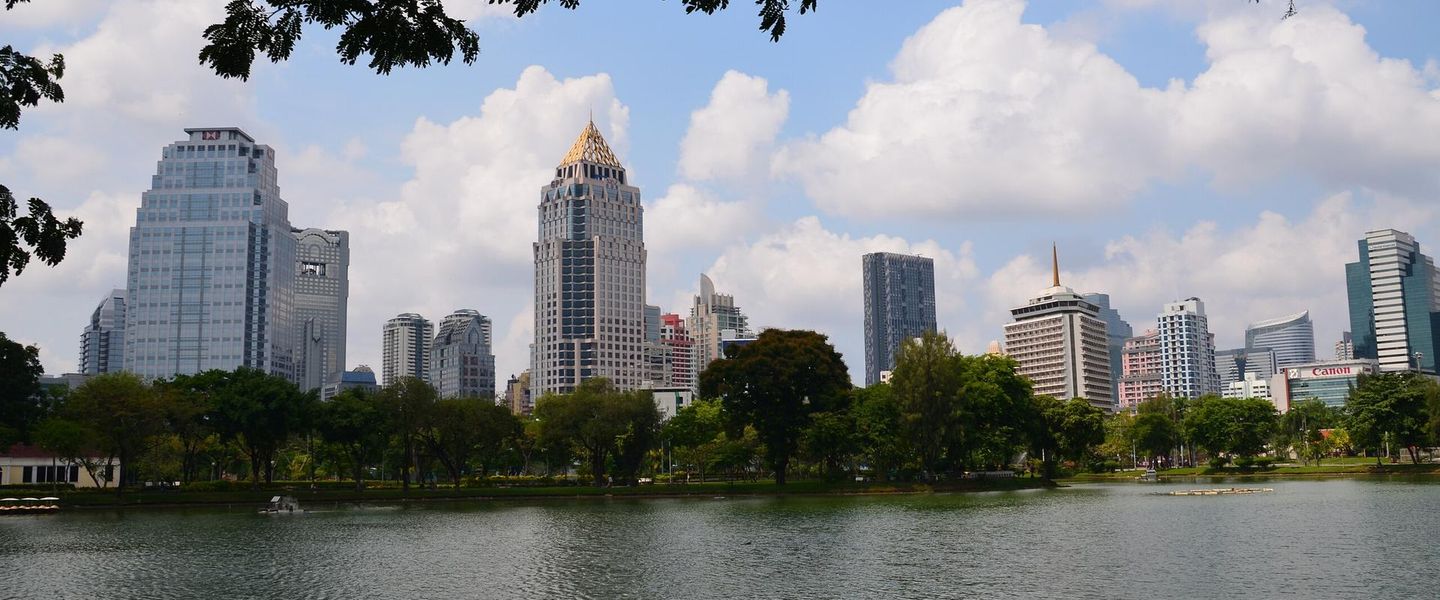


Silom Bangkok blends historic temples, office towers, Patpong nightlife, street food, markets and easy BTS-MRT access for culture, dining and city exploration.
Business Streets and Old Bangkok Connections
Silom occupies a distinctive stretch of central Bangkok where financial towers, narrow lanes, Hindu shrines, food stalls and long-established commercial streets meet. Its main artery, Silom Road, runs between the Chao Phraya-facing districts of Bang Rak and the wider Sathon area, linking offices and hotels with markets, temples and some of the city’s best-known nightlife. The neighbourhood is intensely urban, but its character changes quickly from one block to the next: glass-fronted towers rise near Sala Daeng, while smaller sois preserve local restaurants, tailors, family businesses and busy daytime markets.Read more about Silom
Temples, Markets and Public Life
From Daytime Commerce to Nightlife
Best attractions in Silom
Silom’s attractions are concentrated in a compact mixture of religious sites, markets, nightlife streets and urban public spaces. Sri Maha Mariamman Temple on Pan Road is the area’s most distinctive cultural stop, with a richly coloured façade and an active Hindu religious life; visitors should treat it as a place of worship rather than simply a photographic backdrop. Patpong’s lanes and evening market reveal a different side of the neighbourhood, combining entertainment history with informal retail. The Neilson Hays Library on Surawong Road offers an architectural and literary counterpoint, while the streets around Convent Road and Silom Road are rewarding for observing food vendors, office life and older shophouses. Lumphini Park lies at the edge of the district and provides lakeside paths, lawns and shade, though its boundaries extend beyond Silom proper.
-
City park
Lumphini Park
Discover the tranquility of Lumphini Park, Bangkok's largest green space, perfect for relaxation, recreation, and wildlife observation in the heart of the city.
12 min walk · 1.0 km from neighbourhood centre
-
Hindu temple
Sri Maha Mariamman Temple (Wat Khaek)
Explore the vibrant Sri Maha Mariamman Temple in Bangkok, a stunning Hindu sanctuary filled with intricate architecture and rich cultural significance.
15 min walk · 1.2 km from neighbourhood centre
-
Night market
Patpong Night Market
Explore the vibrant Patpong Night Market in Bangkok, a bustling hub of shopping, street food, and nightlife that captures the essence of Thai culture.
3 min walk · 0.2 km from neighbourhood centre


Best landmarks in Silom
Sri Maha Mariamman Temple, commonly known as Wat Khaek, is Silom’s foremost cultural landmark, its ornate exterior marking the South Asian Hindu community’s long association with Pan Road and the surrounding commercial district. The Neilson Hays Library on Surawong Road represents another strand of local history, linking Silom with Bangkok’s early international club and publishing culture through its historic library building and grounds. Patpong’s lanes are landmarks of a different kind: their significance lies in the way they record the neighbourhood’s transformation into an international entertainment centre. Silom Road itself is also an important urban marker, carrying the name of the district through a landscape of older shophouses, banks and high-rise offices. At the western edge, the view towards the Chao Phraya corridor and the dense fabric of Bang Rak helps explain Silom’s position within Bangkok’s historic commercial expansion.
-
Tourist attraction
King Power Mahanakhon
Experience the breathtaking views and vibrant atmosphere of King Power Mahanakhon, Bangkok's iconic skyscraper with shopping and dining.
9 min walk · 0.7 km from neighbourhood centre
-
Shopping mall
Silom Complex
Experience the heart of Bangkok shopping at Silom Complex, where diverse retail, dining, and entertainment await every visitor.
2 min walk · 0.2 km from neighbourhood centre
-
Market
Lalai Sap Market
Explore the vibrant Lalai Sap Market in Bangkok, a culinary haven showcasing fresh produce, delicious street food, and local craftsmanship.
5 min walk · 0.4 km from neighbourhood centre
-
Market
Silom Village Trade Center
Explore Silom Village Trade Center: A vibrant market in Bangkok offering shopping, dining, and cultural experiences in one lively destination.
16 min walk · 1.3 km from neighbourhood centre


Explore Silom on the map
A handpicked selection of must-see spots in Silom, mapped for you.
Best hotels in Silom
Best restaurants in Silom
Silom’s dining scene reflects its location between long-established commercial communities and Bangkok’s modern office economy. Around Silom Road, Sala Daeng and Convent Road, visitors find Thai restaurants, noodle shops, rice-and-curry counters, cafes and polished dining rooms serving workers by day and hotel guests by night. Lalai Sap Market and the lanes near Silom Soi 20 are useful for observing the weekday food culture, with vendors preparing quick meals and snacks for local customers. Pan Road and the streets near Sri Maha Mariamman Temple add South Asian influences to the area’s culinary mix, while Surawong Road and nearby high-rise buildings provide more formal restaurants and contemporary menus. The range is broad but uneven, shifting from inexpensive, practical eating to destination dining within a short walk; the most atmospheric meals are often found in small side-street establishments rather than the main towers.
-
Restaurant
EAT ME RESTAURANT
Discover culinary excellence at EAT ME RESTAURANT in Bangkok, where global flavors meet artistic presentation in a chic atmosphere.
3 min walk · 0.3 km from neighbourhood centre
-
German
G's
Experience the fusion of German and Thai flavors at G's in Bangkok's vibrant Silom district - where every meal is a celebration.
1 min walk · 0.1 km from neighbourhood centre
-
French
Indigo
Discover exquisite French cuisine at Indigo in Silom, Bangkok – where every meal is a celebration of culinary art.
1 min walk · 0.1 km from neighbourhood centre
-
Thai
Mama Mia
Experience authentic Thai cuisine at Mama Mia in Bangkok's vibrant Silom district – a must-visit culinary gem for all food enthusiasts.
15 min walk · 1.2 km from neighbourhood centre


Best bars in Silom
Silom’s nightlife has several distinct layers. Patpong remains the best-known entertainment zone, with bars and an evening market occupying streets whose international reputation was established in the second half of the twentieth century. Nearby Silom Soi 4 has long been associated with LGBTQ+ nightlife, while the Sala Daeng and Surawong area contains pubs, cocktail bars, hotel lounges and restaurants that become busier after office hours. High-rise venues around the business district offer evening drinks and elevated city views, although individual premises and operating arrangements change over time. Not every part of Silom is loud after dark: streets around offices, temples and residential buildings can become comparatively quiet once the working day ends. Visitors should check menus and charges carefully, respect venue policies and use licensed or clearly identifiable transport when leaving late.
-
Cocktail bar
Vesper
Experience the art of mixology at Vesper, Bangkok's stylish cocktail bar in the vibrant Silom district.
1 min walk · 0.1 km from neighbourhood centre
-
Cocktail bar
Revolucion Cocktail
Experience Bangkok's vibrant nightlife at Revolucion Cocktail, where innovative mixology meets delectable tapas in a lively atmosphere.
5 min drive · 1.6 km from neighbourhood centre
-
Bar
YOU KNOW WHERE
Experience Bangkok's vibrant nightlife at YOU KNOW WHERE, a hidden bar in Silom offering unique cocktails and an inviting atmosphere.
2 min walk · 0.2 km from neighbourhood centre
-
Bar
Throwback.bkk
Discover the vibrant nightlife at Throwback.bkk, a rooftop bar in Bangkok serving exquisite cocktails and delectable dishes with stunning skyline views.
4 min walk · 0.3 km from neighbourhood centre


Best nightclubs in Silom
Silom’s nightlife has several distinct layers. Patpong remains the best-known entertainment zone, with bars and an evening market occupying streets whose international reputation was established in the second half of the twentieth century. Nearby Silom Soi 4 has long been associated with LGBTQ+ nightlife, while the Sala Daeng and Surawong area contains pubs, cocktail bars, hotel lounges and restaurants that become busier after office hours. High-rise venues around the business district offer evening drinks and elevated city views, although individual premises and operating arrangements change over time. Not every part of Silom is loud after dark: streets around offices, temples and residential buildings can become comparatively quiet once the working day ends. Visitors should check menus and charges carefully, respect venue policies and use licensed or clearly identifiable transport when leaving late.
-
Cocktail bar
Revolucion Cocktail
Discover the vibrant atmosphere and exquisite cocktails at Revolucion Cocktail, one of Bangkok's top nightlife destinations for cocktail lovers.
5 min drive · 1.6 km from neighbourhood centre
-
Night club
DJ Station
Experience the electrifying nightlife at DJ Station, Bangkok's premier gay nightclub with dazzling performances and an inclusive atmosphere.
3 min walk · 0.3 km from neighbourhood centre
-
Night club
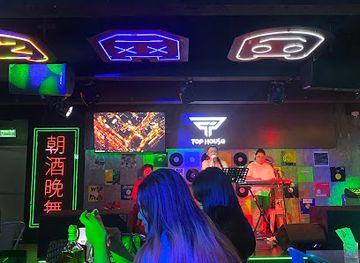
Top House Bangkok
Discover the energetic nightlife of Top House Bangkok, a premier night club in Silom offering an electrifying atmosphere and top-notch entertainment.
3 min walk · 0.2 km from neighbourhood centre
-
Night club
G Bangkok (GOD)
Experience the electrifying nightlife at G Bangkok (GOD), where music, dance, and vibrant energy come alive in the heart of the city.
2 min walk · 0.2 km from neighbourhood centre



Best shops in Silom
Shopping in Silom ranges from practical weekday retail to tourist-oriented evening browsing. Lalai Sap Market, reached through the lane commonly known as Soi Lalai Sap, is the clearest expression of the district’s daytime commercial culture, with clothing, accessories, household goods and prepared food aimed largely at office workers and nearby residents. Patpong’s evening market is more visitor-facing and is associated with souvenirs, clothing and an atmosphere shaped by the surrounding entertainment businesses; prices and quality vary, so polite bargaining and careful inspection are sensible. Silom Complex provides a conventional air-conditioned mall experience near Sala Daeng, while smaller streets contain tailors, jewellers, pharmacies, beauty businesses and specialist retailers serving the local working population. The neighbourhood is not Bangkok’s principal destination for antiques or designer shopping, but its strength lies in the contrast between efficient everyday trade, market commerce and the polished retail found inside newer urban developments.
-
Shopping mall
Silom Complex
Discover the heart of shopping in Bangkok at Silom Complex, where retail meets culinary delights in a vibrant atmosphere.
2 min walk · 0.2 km from neighbourhood centre
-
Department store
Central Silom Complex
Discover the best of shopping and dining at Central Silom Complex, a vibrant department store in the heart of Bangkok's Silom district.
2 min walk · 0.2 km from neighbourhood centre
-
Shopping mall
Jewelry Trade Center Thailand
Explore Thailand's premier destination for exquisite jewelry and gemstones at the Jewelry Trade Center in Bangkok's vibrant Silom district.
5 min drive · 1.5 km from neighbourhood centre
-
Home goods store
Muji Silom Complex
Experience minimalist elegance and Japanese-inspired home goods at Muji Silom Complex in the heart of Bangkok.
2 min walk · 0.1 km from neighbourhood centre


Silom essentials
Getting There
Getting Around
Safety
Emergency Situations
Do's and Don'ts
Local Tips

From Eve
Local phrases worth knowing
You don't need to get them perfect. A few words go a long way, and locals appreciate the effort.
Basics
| English | Local | Say it |
|---|---|---|
| Hello | สวัสดี | [sawasdee] |
| Goodbye | ลาก่อน | [laa kon] |
| Yes | ใช่ | [chai] |
| No | ไม่ | [mai] |
| Please/You're welcome | โปรด/ยินดี | [proht/yindee] |
| Thank you | ขอบคุณ | [kop khun] |
| Excuse me/Sorry | ขอโทษ | [khor toht] |
| How are you? | สบายดีไหม? | [sabai dee mai?] |
| Fine. And you? | สบายดีครับ/ค่ะ คุณละ? | [sabai dee khrap/kha kun la?] |
| Do you speak English? | คุณพูดภาษาอังกฤษได้ไหม? | [kun poot paa-sa ang-grit dai mai?] |
| I don't understand | ฉันไม่เข้าใจ | [chan mai khao jai] |
Eating & Drinking
| English | Local | Say it |
|---|---|---|
| I'd like to see the menu, please | ขอดูเมนูหน่อยค่ะ/ครับ | [khor doo menu noi kha/khrap] |
| I don't eat meat | ฉันไม่กินเนื้อ | [chan mai gin nuea] |
| Cheers! | ชนเค้ก | [chon kek] |
| I would like to pay, please | ชำระเงินหน่อย | [cham ra ngoen noi] |
Emergencies
| English | Local | Say it |
|---|---|---|
| Help! | ช่วยด้วย! | [chuai doei!] |
| Go away! | ไปหายไป! | [pai hai pai!] |
| Call the Police! | โทรตำรวจ! | [thor tam-ruat!] |
| Call a doctor! | โทรหมอ! | [thor mor!] |
| I'm lost | ฉันหลงทาง | [chan long tang] |
| I'm ill | ฉันไม่สบาย | [chan mai sabai] |
Shopping
| English | Local | Say it |
|---|---|---|
| I'd like to buy... | ฉันอยากซื้อ... | [chan yak sue...] |
| I'm just looking | ฉันเข้ามาชมของเท่านั้น | [chan khao ma chom khong tao nan] |
| How much is it? | ราคาเท่าไหร่คะ/ครับ | [ra-ka tao rai kha/khrap] |
| That's too expensive | แพงเกินไป | [paeng gein pai] |
| Can you lower the price? | ลดราคาได้ไหม? | [lot ra-ka dai mai?] |
Time & Numbers
| English | Local | Say it |
|---|---|---|
| What time is it? | เวลากี่แล้ว | [wela kee laeo] |
| It's one o'clock | เป็นโมงหนึ่ง | [pen mong nueang] |
| Half past (10) | ยี่สิบครึ่ง | [yee-sip khrung] |
| Morning | เช้า | [chao] |
| Afternoon | บ่าย | [bai] |
| Evening | เย็น | [yen] |
| Yesterday | เมื่อวาน | [meua wan] |
| Today | วันนี้ | [wan nee] |
| Tomorrow | พรุ่งนี้ | [phrung nee] |
| 1 | หนึ่ง | [nueang] |
| 2 | สอง | [song] |
| 3 | สาม | [sam] |
| 4 | สี่ | [see] |
| 5 | ห้า | [ha] |
| 6 | หก | [hok] |
| 7 | เจ็ด | [jet] |
| 8 | แปด | [paet] |
| 9 | เก้า | [gao] |
| 10 | สิบ | [sip] |
Transport & Directions
| English | Local | Say it |
|---|---|---|
| Where's a/the...? | ...อยู่ที่ไหน? | [...yoo tee nai?] |
| What's the address? | ที่อยู่อย่างไร? | [tee yoo yang rai?] |
| Can you show me (on the map)? | จะดูให้ได้ไหม? | [ja doo hai dai mai?] |
| When's the next (bus)? | รถเมล์ต่อไปเมื่อไหร่? | [rot mel tor pai meua rai?] |
| A ticket (to ....) | บัตรโดยสารไป... | [bat doy saan pai...] |
History of Silom
Canals, Fields and the Silom Name
Before the modern business district emerged, the area around present-day Silom was part of Bangkok’s low-lying landscape of fields, waterways and scattered settlement beyond the older riverfront core. The name Silom is generally translated as “windmill”, linked in local accounts to a wind-powered device once used in the area’s water-management landscape. Silom Road developed as a route through this semi-rural zone, while canals and waterways supported movement and irrigation. The district’s later importance grew from its position between the historic commercial areas near the Chao Phraya and expanding inland neighbourhoods.
Roads, Commerce and New Communities
During the nineteenth and early twentieth centuries, Bangkok’s expanding road network transformed Silom from an outer landscape into a commercial corridor. Roads connecting the riverfront, Surawong and the developing southern part of the city encouraged warehouses, offices, shops and residences. Pan Road became associated with Indian merchants and communities, helping establish the commercial and religious setting around Sri Maha Mariamman Temple. The temple, commonly called Wat Khaek, remains a visible expression of the area’s long relationship with South Asian trade, migration and Hindu worship.
Patpong and the Entertainment Economy
The Patpong area took its name from the Patpongpanich family, which acquired land here in the mid-twentieth century and developed lanes and commercial premises on the formerly less urbanised site. From the 1960s onwards, bars and entertainment businesses gave Patpong an international profile, particularly during the period when Bangkok became an important rest and recreation centre for American military personnel connected with the Vietnam War. Its later nightlife economy became closely associated with the city’s tourism industry, while the surrounding Silom streets continued to function as offices, markets, residences and places of worship.
High-Rise Silom
The late twentieth century brought rapid office construction and a major shift in Silom’s skyline. Banks, insurance companies, hotels and multinational businesses concentrated along Silom Road and surrounding streets, turning the district into one of Bangkok’s principal financial centres. The arrival of the BTS Skytrain in 1999 and the MRT system in 2004 improved connections with Sukhumvit, the old city and other central districts, reinforcing Silom’s role as both a workplace and visitor base. Older shophouses, markets and religious institutions survived amid redevelopment, producing the layered urban character visible today.
Silom in Photos
Browse through our photo collection highlighting the charm and character of the destination.
Neighbourhoods near Silom
The closest neighbourhoods to Silom, if you have time for more than one stop.
-

-
-

-

-


Swipe for more neighbourhoods
Explore more

Explore more of Bangkok
Discover the vibrant heart of Thailand in Bangkok, a city where ancient temples meet modern skyscrapers, and bustling markets offer a taste of local life.
Explore Bangkok