
Pitch Lake, Trinidad and Tobago Travel Guide
Explore Pitch Lake in Trinidad and Tobago, the world's largest natural asphalt deposit, offering guided tours and a unique, otherworldly landscape to discover.
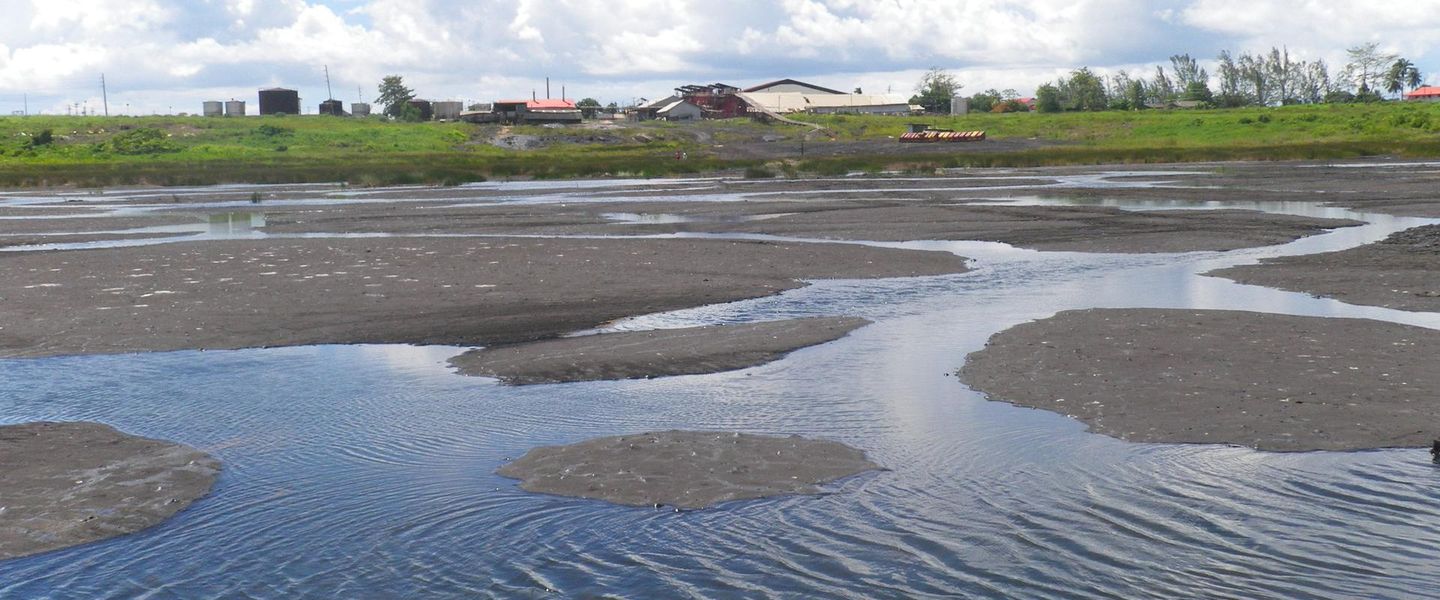
Pitch Lake in Trinidad and Tobago is a natural wonder and the largest deposit of asphalt in the world. This unique geological site is located in the village of La Brea, on the southwestern coast of Trinidad. The lake covers about 100 acres and is estimated to be 250 feet deep. It has been a source of pitch for hundreds of years and continues to be an important natural resource for the island. A visit to Pitch Lake is like stepping onto another planet. The surface is a mix of soft, sticky asphalt and harder, more solid ground, creating an almost lunar landscape. Despite its industrial use, the lake is also a tourist attraction and offers guided tours. These tours provide insight into the lake's history, its formation, and its role in local culture and industry. Local legend says that the lake was created as a punishment from the gods, adding a layer of mystique to your visit. You can also find small pools of water on the lake's surface, which locals believe have healing properties. The nearby Pitch Lake Museum offers additional information and exhibits about the lake and its significance. Whether you're a geology enthusiast or just curious about this natural wonder, Pitch Lake is a must-see destination. The contrasting views of the dark asphalt against the lush greenery surrounding the area make it a photographer's dream. Don't forget to explore the nearby village of La Brea, where you can experience local Trinidadian culture and cuisine.

Know before you go
Hi, I'm Eve. Here are a few practical things to know before exploring Pitch Lake.
- Wear old shoes; the asphalt can be sticky and may damage new footwear.
- Visit during the dry season (January to May) for the best experience.
- Bring a hat and sunscreen; there's little shade on the lake.
- Check out the Pitch Lake Museum for more information about the lake's history.
- Try local dishes in the village of La Brea after your tour.
Explore Pitch Lake: Things to Do, Places to Eat, Hotels & More
Handpicked recommendations for top attractions, local dining, accommodations, and more

Best attractions in Pitch Lake
Top-rated picks
Best Attractions

Palmiste Park
Explore Palmiste Park: A serene escape in San Fernando with lush greenery, recreational activities, and a perfect setting for relaxation.

Clifton Hill Beach
Experience the serene beauty and vibrant culture at Clifton Hill Beach, a perfect coastal getaway in Trinidad.

La Vega Estate
Explore the lush landscapes and serene beauty of La Vega Estate, a captivating nature preserve in Gran Couva, Trinidad that promises tranquility and adventure.

Fort Abercromby
Discover the historical significance and stunning views at Fort Abercromby, a must-visit landmark in Trinidad's Las Cuevas.

Best landmarks in Pitch Lake
Top-rated picks
Best Landmarks

La Brea Pitch Lake
Explore the unique geological marvel of La Brea Pitch Lake, a natural asphalt wonder and cultural treasure in Trinidad.

Devil's Woodyard
Discover the serene beauty of Devil's Woodyard National Park in Trinidad - a paradise for nature lovers and outdoor adventurers.

Pointe-a-Pierre Wildfowl Trust
Explore the enchanting wildlife of Pointe-a-Pierre Wildfowl Trust, a serene destination for nature lovers and birdwatchers in Trinidad and Tobago.

Yerettê - Home of the Hummingbird
Discover the beauty of nature at Yerettêa, Tobago's premier birdwatching destination, home to vibrant hummingbirds and tropical wildlife.

Best restaurants in Pitch Lake
Top-rated picks
Best Restaurants

Richard's Bake & Shark
Experience authentic Trinidadian flavors at Richard's Bake & Shark, where every bite tells a story against a backdrop of stunning Maracas Bay.

Bite Me Bistro
Discover exquisite Caribbean cuisine at Bite Me Bistro in Curepe—where every meal is a celebration of flavor!

Jenny's on the Boulevard
Experience a culinary adventure at Jenny's on the Boulevard in Port of Spain, where local flavors meet international cuisine in a warm atmosphere.

Rizzoni's Ristorante Italiano
Discover authentic Italian cuisine at Rizzoni's Ristorante Italiano in Port of Spain—where tradition meets Trinidadian flair.

Best bars in Pitch Lake
Top-rated picks
Best Bars

Frankie's Bar
Discover the charm of Frankie's Bar in Aripero, where great drinks meet a warm, inviting atmosphere for an unforgettable experience.

Lil's Bar
Experience the local nightlife at Lil's Bar in Rousillac, where refreshing drinks and great company await.

Millennium Bar
Experience the vibrant atmosphere of Millennium Bar in Rousillac, where great drinks and live music create unforgettable memories.

D'Ice Sports Bar
Experience the energetic vibe of D'Ice Sports Bar in Silver Stream, where sports, food, and camaraderie collide in a thrilling atmosphere.

Best nightclubs in Pitch Lake
Top-rated picks
Best Nightclubs

VAS Lounge
Discover the electrifying nightlife at VAS Lounge, the ultimate night club experience in Port of Spain, Trinidad.

Three Roads Bar
Experience the vibrant nightlife of Mon Desir at Three Roads Bar, where affordable drinks and great company await you.

Rush Sports Bar and Night Club
Experience the vibrant nightlife of Tacarigua at Rush Sports Bar and Night Club, where sports and entertainment unite for an unforgettable evening.

Lil's Bar
Experience the vibrant local culture and hospitality at Lil's Bar, a must-visit destination in Rousillac, Trinidad.

Best shops in Pitch Lake
Top-rated picks
Best Shops

Welcome Supermarket
Explore local flavors at Welcome Supermarket in La Brea, Trinidad, your one-stop destination for groceries and local delicacies.

Bridglalsingh Minimart & Hardware Ltd
Explore essential tools and supplies at Bridglalsingh Minimart & Hardware Ltd, your trusted hardware store in La Brea, Trinidad.

Emery One Stop Mini Mart
Explore unique fashion and local culture at Emery One Stop Mini Mart in Sobo Village, the perfect spot for souvenirs and stylish finds.
Tang Poy’s Supermarket and Hardware Ltd
Explore Tang Poy’s Supermarket and Hardware Ltd in La Brea for all your hardware needs and everyday essentials at great prices.

Explore Pitch Lake on the Map
A handpicked selection of must-see spots in Pitch Lake, mapped for you.
Pitch Lake Essentials
-
Pitch Lake is located in the southwestern part of Trinidad, near the village of La Brea. The nearest international airport is Piarco International Airport in Port of Spain, approximately 80 kilometers away. From the airport, you can rent a car or take a taxi to La Brea, which typically takes around 1.5 to 2 hours by road. Alternatively, you can use public transportation by taking a bus from Port of Spain to San Fernando and then another bus or taxi to La Brea.
-
While in the La Brea area, the most convenient transportation options include renting a car or taking taxis, as public transportation can be infrequent. If you prefer using public transport, buses and maxi-taxis (shared taxis) are available but may require some waiting. Car rentals offer the flexibility to explore the surrounding areas at your own pace. Ensure that you are familiar with local driving laws and road signs.
-
The official currency of Trinidad and Tobago is the Trinidad and Tobago Dollar (TTD). Credit cards are widely accepted in hotels, restaurants, and larger shops, but it is advisable to carry cash for smaller establishments and local vendors. ATMs are available in larger towns such as San Fernando, so it is wise to withdraw sufficient cash before heading to La Brea.
-
Trinidad and Tobago, including the area around Pitch Lake, is generally safe for tourists. However, it is important to exercise standard precautions. Avoid walking alone at night, especially in unfamiliar areas. Areas like Port of Spain and San Fernando have higher crime rates, so stay vigilant and avoid displaying valuable items. Always keep your belongings secure and stay aware of your surroundings.
-
In case of an emergency, dial 999 for police, 990 for fire, and 811 for ambulance services. La Brea has a local police station and basic medical facilities. For serious medical emergencies, the nearest major hospital is in San Fernando. It is recommended to have travel insurance that covers medical emergencies. Pharmacies are available in larger towns for over-the-counter medications.
-
Fashion: Do dress comfortably and wear sturdy, closed-toe shoes for exploring Pitch Lake. Avoid wearing overly revealing clothing. Religion: Do respect local religious practices. While Trinidad and Tobago is diverse, always be mindful of places of worship. Public Transport: Do be courteous to drivers and fellow passengers. Avoid loud conversations and keep the environment clean. Greetings: Do greet people with a friendly 'Good day' or 'Good afternoon.' A friendly handshake is also common. Eating & Drinking: Do try local delicacies and accept food offerings graciously. Don't refuse hospitality, as it is considered impolite.
-
To experience Pitch Lake like a local, take a guided tour to learn about its history and geological significance. Engage with local guides who often have fascinating stories and insights. Visit the nearby La Brea village to try local foods like roti and doubles. Don't miss the chance to explore the surrounding nature trails and enjoy the scenic beauty of the area.
When is the best time to visit Pitch Lake?
Useful Local Phrases for Pitch Lake
You don't need to speak the language perfectly. Even learning a few simple words can make conversations warmer—and locals usually appreciate the effort.
— Eve

Here are the phrases I use most often in Pitch Lake. Try a few—you'll be surprised how far they go! 😊
❤️
-
- HelloWah Gwan
[wah gwan] - GoodbyeLater
[lay-ter] - YesYes
[yes] - NoNah
[nah] - Please/You're welcomePlease/Tank yuh
[please/tank yuh] - Thank youThank you
[thank you] - Excuse me/SorrySarry
[sarry] - How are you?How yuh doin?
[how yuh doin] - Fine. And you?Irie. An yuh?
[irie. an yuh] - Do you speak English?Yuh speak English?
[yuh speak english] - I don't understandI eh get yuh
[i eh get yuh]
- HelloWah Gwan
-
- I'd like to see the menu, pleaseLemme see de menu, please
[lemme see de menu, please] - I don't eat meatI eh eat meat
[i eh eat meat] - Cheers!Cheers!
[cheers] - I would like to pay, pleaseLemme pay nah
[lemme pay nah]
- I'd like to see the menu, pleaseLemme see de menu, please
-
- Help!Help!
[help] - Go away!Geh way!
[geh way] - Call the Police!Call de Police!
[call de police] - Call a doctor!Call ah doctor!
[call ah doctor] - I'm lostAh lost
[ah lost] - I'm illAh feel sick
[ah feel sick]
- Help!Help!
-
- I'd like to buy...I wan buy...
[i wan buy] - I'm just lookingI jus lookin
[i jus lookin] - How much is it?How much dis cost?
[how much dis cost] - That's too expensiveDat too costly
[dat too costly] - Can you lower the price?Yuh cud drop de price?
[yuh cud drop de price]
- I'd like to buy...I wan buy...
-
- What time is it?Wa time it is?
[wa time it is] - It's one o'clockIt one o'clock
[it one o'clock] - Half past (10)Half ten
[half ten] - MorningMornin
[mornin] - AfternoonAfternoon
[afternoon] - EveningEvenin
[evenin] - YesterdayYesterday
[yesterday] - TodayToday
[today] - TomorrowTomorrow
[tomorrow] - 1One
[one] - 2Two
[two] - 3Tree
[tree] - 4Fo'
[fo'] - 5Five
[five] - 6Six
[six] - 7Seven
[seven] - 8Eight
[eight] - 9Nine
[nine] - 10Ten
[ten]
- What time is it?Wa time it is?
-
- Where's a/the...?Weh de...
[weh de] - What's the address?Weh de address dey?
[weh de address dey] - Can you show me (on the map)?Yuh cud show me (on de map)?
[yuh cud show me (on de map)] - When's the next (bus)?When de nex (bus)?
[when de nex (bus)] - A ticket (to ....)A ticket (to ....)
[a ticket (to ....)]
- Where's a/the...?Weh de...
History of Pitch Lake
-
Pitch Lake, located in La Brea, Trinidad and Tobago, is the largest natural deposit of asphalt in the world. It was formed over 10,000 years ago due to the unique geological conditions in the area. The lake's formation is attributed to the subduction of the Caribbean tectonic plate beneath another, causing oil to seep through faults and fissures. This oil then underwent bacterial degradation, leaving behind a dense, viscous asphalt.
-
Before the arrival of Europeans, the indigenous Amerindian people of Trinidad were well aware of Pitch Lake. They used the asphalt for waterproofing their canoes and other tools. The lake held great significance for the indigenous tribes, who believed it to be a sacred site with spiritual properties.
-
In 1595, the English explorer Sir Walter Raleigh visited Pitch Lake during his search for the mythical city of El Dorado. Raleigh was struck by the lake's abundance of pitch, which he found useful for caulking and waterproofing his ships. He described the lake in his writings and took samples back to England, where it was highly appreciated for its quality.
-
During the 19th and early 20th centuries, Pitch Lake became a valuable resource for the British colonial administration. The asphalt extracted from the lake was extensively used for paving roads and other infrastructure projects across the British Empire. The lake's exploitation contributed significantly to the economic development of Trinidad and Tobago during this period.
-
Today, Pitch Lake remains an important industrial site. The asphalt extracted is used in road construction and maintenance worldwide. The Trinidad Lake Asphalt company manages the extraction and export of the material, ensuring that the lake continues to be a valuable natural resource for the country.
-
Pitch Lake holds significant cultural importance for the people of Trinidad and Tobago. It is a popular tourist attraction, drawing visitors from around the world who are fascinated by its unique geological features and historical significance. The lake is also featured in local folklore and is considered a symbol of natural wonder and resilience.
-
Pitch Lake has attracted the interest of scientists due to its unique chemical and biological properties. Researchers study the lake to understand the processes of biodegradation and the extremophiles—organisms that thrive in extreme conditions—found within its depths. These studies contribute to a broader understanding of similar natural phenomena around the world.
Neighbouring destination travel guides
Browse our curated selection of top destinations, scenic points, and must-visit spots in the area.



Your all‑in‑one travel companion app
Explore expert travel guides, compare and book tours, experiences, hotels, and more—all from the palm of your hand. Download now for seamless trip planning wherever your wanderlust takes you.


Explore More of Siparia

Looking beyond Pitch Lake? Discover Siparia for broader travel guides, local hot-spots, and regional highlights.
Explore SipariaExplore More of Trinidad and Tobago
Looking beyond Pitch Lake? Discover Trinidad and Tobago for broader travel guides, local hot-spots, and regional highlights.
Explore Trinidad and TobagoPitch Lake in Photos
Browse through our photo collection highlighting the charm and character of the destination.





Pitch Lake: The World's Largest Natural Asphalt Deposit
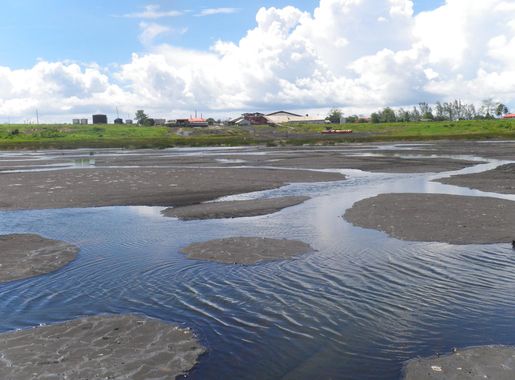
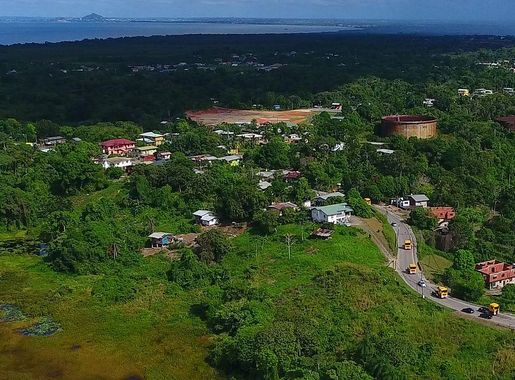
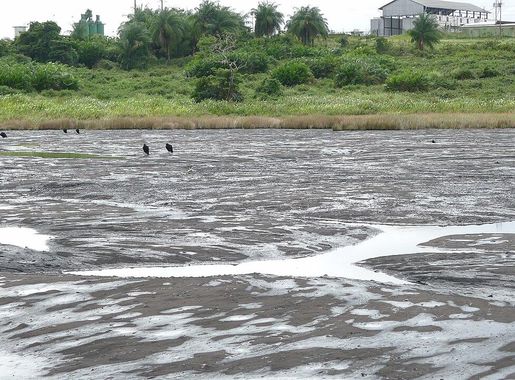
Pitch Lake in Trinidad and Tobago is a natural wonder and the largest deposit of asphalt in the world. This unique geological site is located in the village of La Brea, on the southwestern coast of Trinidad. The lake covers about 100 acres and is estimated to be 250 feet deep. It has been a source of pitch for hundreds of years and continues to be an important natural resource for the island. A visit to Pitch Lake is like stepping onto another planet. The surface is a mix of soft, sticky asphalt and harder, more solid ground, creating an almost lunar landscape. Despite its industrial use, the lake is also a tourist attraction and offers guided tours. These tours provide insight into the lake's history, its formation, and its role in local culture and industry. Local legend says that the lake was created as a punishment from the gods, adding a layer of mystique to your visit. You can also find small pools of water on the lake's surface, which locals believe have healing properties. The nearby Pitch Lake Museum offers additional information and exhibits about the lake and its significance. Whether you're a geology enthusiast or just curious about this natural wonder, Pitch Lake is a must-see destination. The contrasting views of the dark asphalt against the lush greenery surrounding the area make it a photographer's dream. Don't forget to explore the nearby village of La Brea, where you can experience local Trinidadian culture and cuisine.