

Tamerza Travel Guide - Free Web & App
Your ultimate guide to Tamerza. Discover top landmarks, proposed trips, and local tips. Free on the web or via the Evendo companion app.


Tamerza, Tunisia, reveals mountain oases, palm groves, desert canyons, waterfalls and village ruins near Tozeur, with landscapes for walking and photography.
A Mountain Oasis in Southern Tunisia
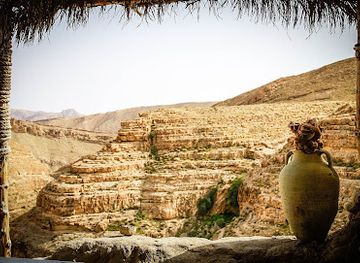
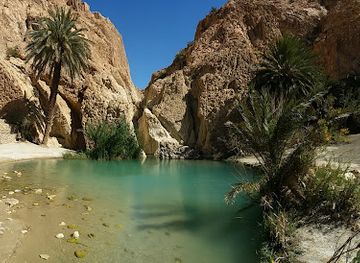
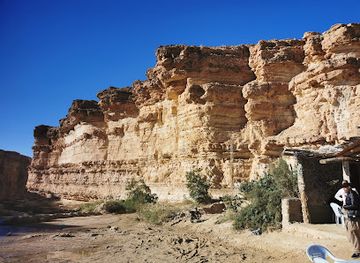
Tamerza lies in western Tunisia’s arid highlands, about 70 kilometres west of Tozeur and close to the Algerian frontier. Unlike the broad, level expanses of the Sahara, this is a country of escarpments, ravines and sudden springs. Date palms gather around the oasis, while pale limestone hills rise above the settlement and the dry landscape is cut by the Tamerza canyon. The contrast between green cultivated pockets and bare mountain terrain gives the area its distinctive character.Read more about Tamerza
Oasis, Canyon and Ruined Village
Exploring the Western Oases
When is the best time to visit Tamerza?
Best: February–March, November · 23–28°C| Month | High (°C) | Rainfall (mm) |
|---|---|---|
| January | 22 | 27 |
| February (best) | 23 | 24 |
| March (best) | 27 | 20 |
| April | 30 | 14 |
| May | 34 | 7 |
| June | 39 | 2 |
| July | 41 | 1 |
| August | 43 | 1 |
| September | 39 | 5 |
| October | 33 | 10 |
| November (best) | 28 | 17 |
| December | 23 | 25 |
Getting to and around Tamerza
How to get there
Transportation
Best attractions in Tamerza
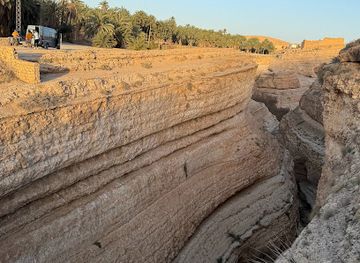
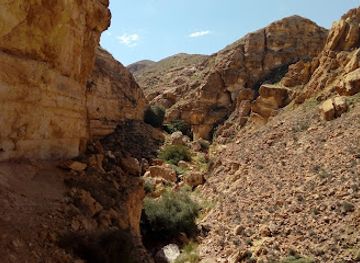
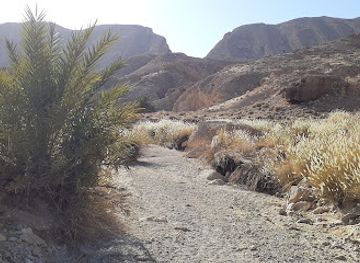
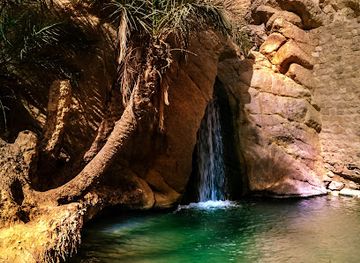
Tamerza’s principal attractions are concentrated around the oasis and the dramatic terrain immediately beyond the modern settlement. The abandoned old village, built in earthen materials on the mountainside, is the area’s defining cultural sight, with ruined lanes and walls overlooking palms and the valley. Nearby, Tamerza waterfall appears where spring water descends through the rocky landscape, although its flow is naturally variable. The Tamerza canyon offers a closer experience of the pale escarpments, ravines and oasis vegetation. Travellers with transport can continue to Chebika, a separate mountain oasis known for its spring and gorge, and Midès, another nearby settlement associated with a deep canyon and old village. These sites form a dispersed circuit rather than one walkable attraction complex, while Tozeur provides access to the wider desert and oasis region.
-
Tourist attraction
Vue panoramique
Experience the stunning vistas and serene ambiance of Vue Panoramique in Midès, Tunisia, a must-visit destination for nature lovers and photographers.
-
Hiking area
EL Majba
Discover the breathtaking hiking trails of El Majba in Ain El Ouchika, where nature and adventure await every outdoor enthusiast.
-
Hiking area
La route touristique de Midès
Explore La Route Touristique de Midès, a stunning hiking area in Tunisia offering breathtaking landscapes, rich biodiversity, and cultural experiences.
-
Hiking area
BLIJOUX
Discover the stunning hiking trails of Blijoux in Ain El Ouchika, a hidden gem for outdoor enthusiasts and nature lovers seeking adventure and tranquility.
Best landmarks in Tamerza
The ruined old village of Tamerza is the destination’s most recognisable human landmark, its eroded earthen walls illustrating the relationship between traditional settlement and the oasis below. The Tamerza waterfall is a prominent natural feature where spring water cuts through the dry mountain environment, while the adjoining canyon exposes steep rock faces and narrow ravines. The oasis itself is also a landmark landscape: palms, cultivated plots and water channels form a green counterpoint to the pale highlands. Nearby Chebika and Midès, although separate settlements, contribute to the wider chain of western Tunisian mountain oases, with their own springs, ravines and abandoned village remains. Together these features explain why Tamerza is associated with both desert scenery and long-established oasis habitation.
-
Tourist attraction
Chebika Oasis
Explore Chebika Oasis, a stunning natural wonder in Tunisia, where lush palm groves meet ancient history in a breathtaking desert landscape.
-
Tourist attraction
Mides Oasis
Discover the breathtaking beauty of Mides Oasis, a serene tourist attraction nestled between Algeria and Tunisia, perfect for nature lovers and adventure seekers.
-
Tourist attraction
Tamaghza Oasis
Explore the enchanting Tamaghza Oasis, a tranquil escape in Tunisia, where nature meets culture amidst stunning desert landscapes.
-
Scenic spot
Grand Falls of Tamaghza
Discover the breathtaking Grand Falls of Tamaghza, a scenic wonder in Tunisia that offers stunning views and a serene escape into nature's beauty.
Explore Tamerza on the map
Plan your trip on one map. See where the top attractions, landmarks, restaurants and hotels are, and book hotels and experiences in a few clicks.
Best hotels in Tamerza
Best restaurants in Tamerza
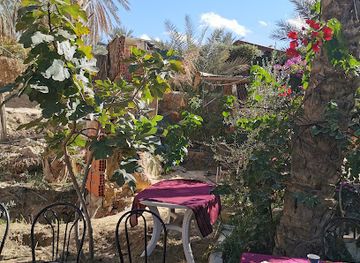
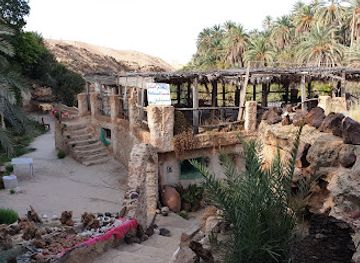
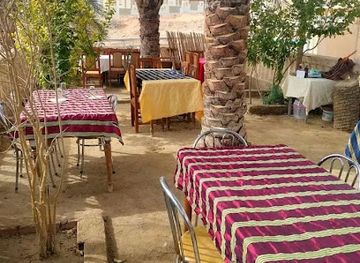
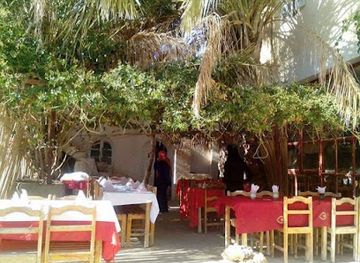
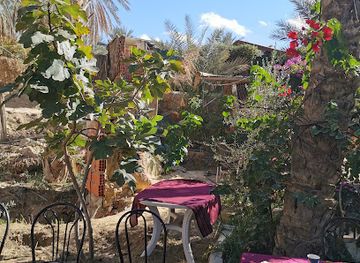
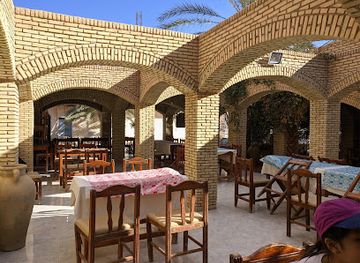
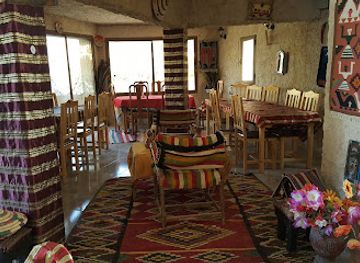
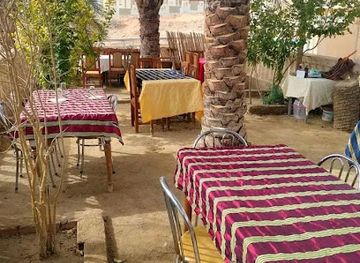
Dining in Tamerza is modest and generally linked to local accommodation, cafés and small informal establishments rather than a substantial restaurant district. Visitors can expect Tunisian staples such as couscous, soups, salads, bread, grilled meats and sweet tea, with dates and other oasis produce appearing where locally available. Meals arranged through hotels or guesthouses may offer a more dependable introduction to regional cooking than relying on services at individual viewpoints. Tozeur, the main gateway, has a broader range of restaurants and cafés, including places serving southern Tunisian dishes and international options for travellers returning from the mountain oases. Carrying water and a simple snack is sensible on excursions, as the roads between Tamerza, Chebika and Midès have limited food services.
-
Restaurant
Diari tamerza
Experience authentic Tunisian flavors at Diari Tamerza in Tamaqzah – where every meal is a celebration of local culinary traditions.
-
Restaurant
Restaurant Cascade
Discover authentic Tunisian cuisine at Restaurant Cascade in Tamaqzah - where every meal tells a story.
-
Restaurant
Restaurant de la soleil
Experience authentic Tunisian flavors at Restaurant de la Soleil in Tamaqzah – where every dish tells a story.
-
Arab restaurant
Restaurant Jilaine
Experience authentic Tunisian flavors at Restaurant Jilaine in Tamaqzah - where every dish tells a story.
Best bars in Tamerza
Tamerza is a quiet mountain oasis rather than a nightlife destination, and visitors should not expect a concentration of bars, clubs or late-night entertainment. Evenings are more likely to centre on tea, conversation and dinner at accommodation or a local café, with the surrounding darkness making the landscape itself part of the experience. Alcohol availability may be limited, particularly outside established hotels, and local customs should be respected. Tozeur offers the western region’s broader selection of hotel lounges, cafés and occasional cultural entertainment, but it remains comparatively subdued after dark. Seasonal festivals and local events can add activity at particular times, although programmes and opening arrangements are not constant.
-
Restaurant
Diari tamerza
Experience the rich flavors of Tunisia at Diari Tamerza, a must-visit restaurant in Tamaqzah, blending tradition with taste.
-
Restaurant
Restaurant Chedli
Experience authentic Tunisian flavors in a cozy atmosphere at Restaurant Chedli, a culinary treasure in Tamaqzah.
-
Restaurant
Restaurant Cascade
Experience the vibrant flavors of Tunisia at Restaurant Cascade, where culinary tradition meets modern dining in the heart of Tamaqzah.
-
Restaurant
Restaurant de la soleil
Discover the authentic flavors of Tunisia at Restaurant de la Soleil, a culinary gem in the heart of Tamaqzah, offering a delightful dining experience.
Best nightclubs in Tamerza
Tamerza is a quiet mountain oasis rather than a nightlife destination, and visitors should not expect a concentration of bars, clubs or late-night entertainment. Evenings are more likely to centre on tea, conversation and dinner at accommodation or a local café, with the surrounding darkness making the landscape itself part of the experience. Alcohol availability may be limited, particularly outside established hotels, and local customs should be respected. Tozeur offers the western region’s broader selection of hotel lounges, cafés and occasional cultural entertainment, but it remains comparatively subdued after dark. Seasonal festivals and local events can add activity at particular times, although programmes and opening arrangements are not constant.
-
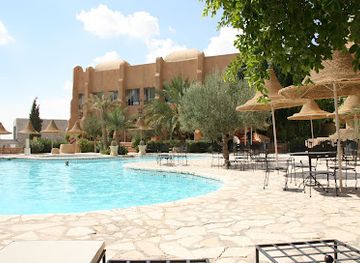
Hotel
Tamerza Palace
Experience luxury and tradition at Tamerza Palace, a stunning hotel nestled in the scenic beauty of Tamerza, Tunisia.
-
 Night club
dar ousail isonse
Discover the vibrant nightlife at Dar Ousail, the ultimate night club in Umm Al Arais, where music, dancing, and unforgettable experiences await.
Best shops in Tamerza
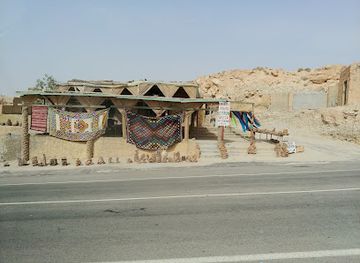
Shopping in Tamerza is limited and focused on practical purchases, local hospitality and small-scale souvenirs rather than dedicated retail streets. Visitors may find dates, simple woven goods, regional handicrafts or locally sourced products through accommodation, cafés or informal sellers, but availability varies. Tozeur is the more reliable place for browsing southern Tunisian crafts, including palm-related products, textiles, pottery, spices and foodstuffs associated with the oasis region. The best purchases are those whose origin and materials can be explained clearly, rather than generic desert-themed merchandise. Bargaining may occur in informal markets and craft settings, but it should remain courteous, and visitors should avoid buying archaeological fragments or anything removed from the ruined village or surrounding landscape.
-
Gift shop
Canyon Panorama
Explore Canyon Panorama, a charming gift shop offering unique local crafts and breathtaking canyon views for an unforgettable shopping experience.
-
Clothing store
Boutique Elkanaa - القناعة
Discover the charm of Boutique Elkanaa in Al-Rudayyif, where local craftsmanship meets modern fashion for an unforgettable shopping experience.
-
Pharmacy
Pharmacie
Discover health and wellness at Pharmacie in Tamaqzah, your essential pharmacy for all your medicinal and personal care needs.
-
Store
Ali belathmoun
Discover the essence of Tunisian culture at Ali Belathmoun in Tamaqzah, where unique handcrafted treasures await every visitor.

Get your free copy of our complete guide to Tamerza, delivered straight to you.
Everything on this page, from attractions and restaurants to essentials and local phrases, in one PDF you can read offline, print or share.
Already have an account? Sign in
Your Tamerza guide is ready.
We'll send it to · Not you? Sign out

Getting your guide ready…
We are putting together a fresh copy of the Tamerza guide. This can take up to a minute.
This can take a few moments. If your browser asks, choose Allow so the download can start. You'll find the guide in your Downloads folder.
Nothing happened? Download it again
Sorry, the guide is taking longer than usual. Please try again in a minute, or get it by email instead.
Tamerza essentials
Currency and Payment
Safety
Emergency Situations
Do's and Don'ts
Local Tips
From Eve
Local phrases worth knowing
You don't need to get them perfect. A few words go a long way, and locals appreciate the effort.
Basics
| English | Local | Say it |
|---|---|---|
| Hello | مرحبا | [marhaba] |
| Goodbye | وداعا | [wadaa'] |
| Yes | نعم | [naam] |
| No | لا | [laa] |
| Please/You're welcome | من فضلك | [min fadlik] |
| Thank you | شكرا | [shukran] |
| Excuse me/Sorry | عذرا | [aadhara] |
| How are you? | كيف حالك؟ | [kayfa haaluk?] |
| Fine. And you? | بخير. وأنت؟ | [bikhayr. wa-ant?] |
| Do you speak English? | هل تتحدث الإنجليزية؟ | [hal tatahadath al-inglizia?] |
| I don't understand | لا أفهم | [laa afham] |
Eating & Drinking
| English | Local | Say it |
|---|---|---|
| I'd like to see the menu, please | أريد أن أرى القائمة، من فضلك | [uriidu an araa al-qaima, min fadlik] |
| I don't eat meat | أنا لا أأكل اللحوم | [ana la aakul al-lahm] |
| Cheers! | في صحتك! | [fi sahtik!] |
| I would like to pay, please | أريد أن أدفع، من فضلك | [uriidu an adfa', min fadlik] |
Emergencies
| English | Local | Say it |
|---|---|---|
| Help! | النجدة! | [al-najda!] |
| Go away! | ارحل! | [irhal!] |
| Call the Police! | اتصل بالشرطة! | [itassil bial-shurtah!] |
| Call a doctor! | اتصل بطبيب! | [itassil bitalib!] |
| I'm lost | لقد ضاعت طريقي | [laqad da'at tariqi] |
| I'm ill | أنا مريض | [ana mareed] |
Shopping
| English | Local | Say it |
|---|---|---|
| I'd like to buy... | أريد أن أشتري... | [uriidu an ashtari...] |
| I'm just looking | أنا فقط أتفرج | [ana faqat atfarij] |
| How much is it? | كم سعره؟ | [kam sa'ruhu?] |
| That's too expensive | هذا غالي جدا | [hatha ghali jiddan] |
| Can you lower the price? | هل يمكنك خفض السعر؟ | [hal yumkinuka khafd al-sa'ra?] |
Time & Numbers
| English | Local | Say it |
|---|---|---|
| What time is it? | كم الساعة؟ | [kam al-sa'ah?] |
| It's one o'clock | الواحدة | [al-wahida] |
| Half past (10) | العاشرة والنصف | [al-ashira wal-nisf] |
| Morning | الصباح | [al-sabah] |
| Afternoon | المساء | [al-masa'] |
| Evening | المساء | [al-masa'] |
| Yesterday | البارحة | [al-barah] |
| Today | اليوم | [al-yawm] |
| Tomorrow | غدا | [ghadan] |
| 1 | واحد | [wahid] |
| 2 | اثنان | [ithnan] |
| 3 | ثلاثة | [thalatha] |
| 4 | أربعة | [arba'a] |
| 5 | خمسة | [khamsa] |
| 6 | ستة | [sitta] |
| 7 | سبعة | [sab'a] |
| 8 | ثمانية | [thamania] |
| 9 | تسعة | [tis'a] |
| 10 | عشرة | [ashara] |
Transport & Directions
| English | Local | Say it |
|---|---|---|
| Where's a/the...? | أين...؟ | [ayn...?] |
| What's the address? | ما هو العنوان؟ | [ma huwa al-unwan?] |
| Can you show me (on the map)? | هل يمكنك أن تريني (على الخريطة)؟ | [hal yumkinuka an tureeni (ala al-kharitah)?] |
| When's the next (bus)? | متى يأتي الحافلة التالية؟ | [mata yaati al-hafilat al-taliyah?] |
| A ticket (to ....) | تذكرة (إلى ....) | [tadhkirah (ila ....)] |
History of Tamerza
An Oasis Shaped by Water and Stone
Tamerza’s history begins with its physical setting: springs emerging from the highland escarpment created a habitable pocket in an otherwise dry region. Water supported date palms, orchards and small-scale cultivation, while the surrounding ravines provided defensible and sheltered locations for settlement. Across the mountain oases of western Tunisia, communities developed close relationships with seasonal rainfall, spring water and carefully managed agricultural land. The oasis was therefore not an isolated patch of greenery, but a cultivated landscape requiring sustained local knowledge and maintenance.
Antiquity and the Roman Frontier
The Tamerza area formed part of the inland zone bordering the Roman province of Africa, where mountain routes linked the northern territories with the pre-Saharan oases. Tamerza is commonly associated with the ancient settlement of Ad Turres, although the precise identification and extent of the ancient remains should be treated with care. Roman and later Christian influence reached the region, and Tamerza became a bishopric in late antiquity. Its position illustrates the importance of oasis settlements as waypoints between the Mediterranean provinces and the desert margins.
Berber and Arab-Islamic Landscapes
The mountain oases of southern Tunisia preserve cultural influences formed over many centuries by Amazigh, Arab and wider Maghrebi communities. Tamerza’s traditional settlement grew through the adaptation of local building methods to a dry climate, with earthen walls, compact lanes and houses grouped around the oasis. Following the Arab-Islamic expansion, the area became part of the changing networks of religious, agricultural and caravan movement across the south. The surviving village ruins are valuable less as a single monumental complex than as evidence of how a community organised life around limited water and difficult terrain.
Flooding, Relocation and Modern Tourism
The old settlement was abandoned after damaging floods in the late twentieth century, and residents moved to the modern town built nearby. The ruined houses now form one of Tamerza’s most recognisable cultural landscapes, set above the palms and canyon. In recent decades, improved roads and the growth of tourism in Tozeur have brought visitors to the western mountain oases, while Tamerza has also appeared in film and television locations. Modern interest has increased the value of the landscape as a tourism resource, but the old structures remain vulnerable to erosion and weathering.
Tamerza in Photos
Browse through our photo collection highlighting the charm and character of the destination.
Neighbouring destination travel guides
The closest destinations to Tamerza, if you have time for more than one.
-

-

-

-

-


Swipe for more destinations
Explore more
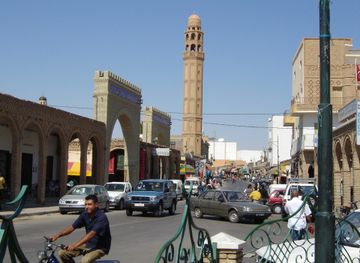
Explore more of The Djerid
Explore The Djerid’s palm oases, Tozeur and Nefta, salt-lake landscapes, desert heritage and celebrated Deglet Nour dates in south-west Tunisia.
Explore The Djerid
Explore more of Tunisia
Discover Tunisia: A captivating blend of ancient history, stunning Mediterranean beaches, and vibrant cultures. Explore the wonders of Carthage, the beauty of Sousse, and the allure of the Sahara.
Explore Tunisia