

Free The Djerid Travel Guide & Mobile App
Explore The Djerid with free travel guides. Discover regional history, expert tips, proposed trips, and audio guides on web or mobile app.


Explore The Djerid’s palm oases, Tozeur and Nefta, salt-lake landscapes, desert heritage and celebrated Deglet Nour dates in south-west Tunisia.
Read more about The Djerid
When is the best time to visit The Djerid?
Best: March–April, November · 22–28°C| Month | High (°C) | Rainfall (mm) |
|---|---|---|
| January | 16 | 10 |
| February | 18 | 8 |
| March (best) | 23 | 7 |
| April (best) | 28 | 5 |
| May | 34 | 4 |
| June | 40 | 3 |
| July | 43 | 1 |
| August | 42 | 3 |
| September | 38 | 6 |
| October | 31 | 7 |
| November (best) | 22 | 9 |
| December | 17 | 10 |
Getting to and around The Djerid
How to get there
Transportation
Top city travel guides in The Djerid
The cities of The Djerid, and the easiest places to base yourself.

Swipe for more cities
Destinations in The Djerid
Resorts, valleys and scenic spots worth a trip of their own.
-

-


Swipe for more destinations
Best attractions in The Djerid
The Djerid’s attractions arise from the close contrast between cultivated oasis and open desert. Tozeur offers a historic medina, distinctive patterned brickwork, museums and access to palm-grove paths where agriculture remains part of everyday life. Nefta provides a different atmosphere, with old quarters, religious heritage and the Corbeille, the depression associated with the town’s oasis and springs. Around both towns, guided walks and short excursions reveal irrigation channels, date palms and gardens layered beneath taller trees. Chott el Djerid is the region’s defining natural feature: a vast salt lake whose colours, reflections and apparent horizons change with weather and light. Visitors should use established viewpoints and heed local advice about the surface. Desert excursions may include remote dunes, rocky terrain and film-related locations near the Nefta area, but access and conditions should be confirmed locally. The Djerid is less about a long list of enclosed sights than about reading a living landscape in which water, cultivation, trade and desert travel remain visibly connected.
-
National museum
National Museum of Bardo
Explore the National Museum of Bardo in Tunis, home to breathtaking mosaics and a rich collection of artifacts reflecting Tunisia's vibrant history.
-
Historical place
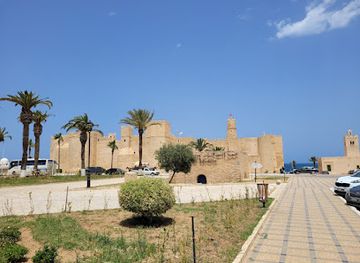
Ribat of Monastir
Explore Tunisia's rich Islamic heritage at the Ribat of Monastir, a historical landmark blending stunning architecture and breathtaking views.
-
Tourist attraction
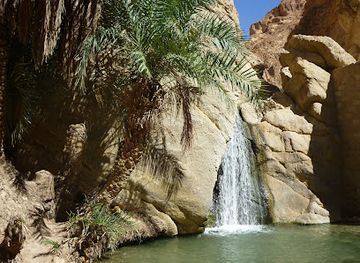
Chebika Oasis
Experience the breathtaking beauty and tranquility of Chebika Oasis, a captivating gem nestled in the stunning landscapes of Tunisia.
-
Dougga
Discover Dougga, Tunisia’s ancient Roman ruins, a UNESCO World Heritage Site that captivates with its breathtaking architecture and rich history.
Best landmarks in The Djerid
Chott el Djerid is the Djerid’s most recognisable natural landmark, a huge salt depression stretching across south-western Tunisia and forming the visual boundary between oasis country and the wider desert. Its flat, mineral surface is especially striking from the road and from established stopping points, where heat haze can make the horizon appear to dissolve. Tozeur’s old quarter is notable for façades built with carefully arranged bricks forming geometric patterns, an architectural language strongly associated with the town. The palm oasis beside Tozeur is another defining landmark, not a single monument but a historic cultivated environment sustained by water management. In Nefta, the Corbeille marks the town’s distinctive oasis depression, while domed religious monuments and old neighbourhoods express the town’s long association with Islamic scholarship and Sufi traditions. The region’s importance lies in the relationship between these places: salt lake, palms, water sources, mud-brick and brick architecture, and routes leading towards the Sahara. Together they create a landscape that is both geographically unusual and historically legible.
-
Historical landmark
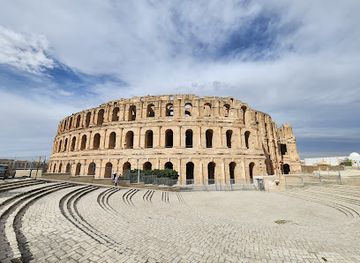
Amphitheater of El Jem
Explore the stunning Amphitheater of El Jem, a UNESCO World Heritage site, and witness the grandeur of Roman architecture in the heart of Tunisia.
-
Historical landmark
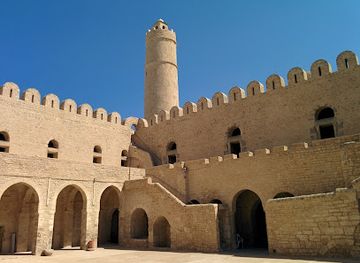
Ribat of Sousse
Explore the Ribat of Sousse, a UNESCO World Heritage site that reveals the rich history and stunning architecture of Tunisia's ancient past.
-
Historical place
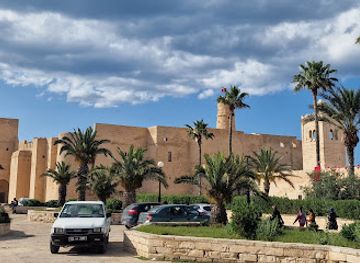
Ribat of Monastir
Discover the Ribat of Monastir, a historical gem in Tunisia, where stunning architecture meets rich cultural heritage.
-
Tourist attraction
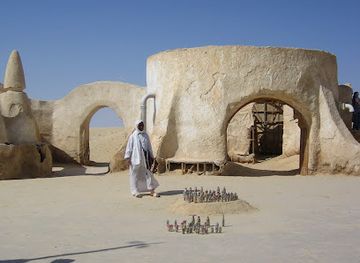
Chebika Oasis
Explore the stunning beauty and rich history of Chebika Oasis, a tranquil desert retreat in Tunisia's breathtaking landscape.
Explore The Djerid on the map
Plan your trip on one map. See where the top cities, national parks and sights are, and book hotels and experiences in a few clicks.
Best hotels in The Djerid
Best restaurants in The Djerid
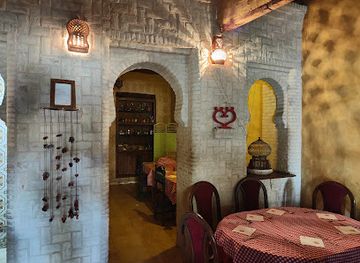
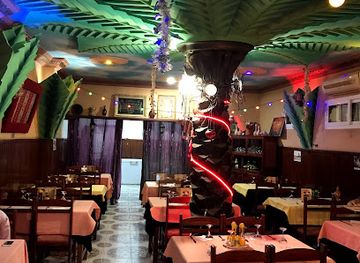
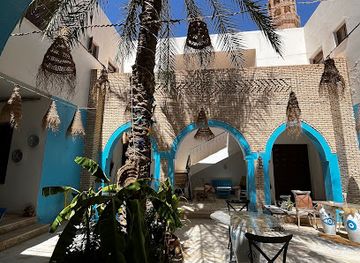
Dining in the Djerid is closely tied to oasis agriculture and the wider culinary traditions of southern Tunisia. Dates, especially Deglet Nour, are the region’s signature produce and appear fresh, dried or alongside nuts and sweets. Tozeur and Nefta have cafés, hotel restaurants, family-run eateries and traditional establishments serving Tunisian staples such as couscous, brik, stews, grilled meats and salads, with recipes varying between households rather than forming a single Djerid menu. Oasis gardens supply seasonal fruit and vegetables, while bread, olive oil and harissa remain familiar parts of the table. Visitors may also encounter dishes and cooking styles associated with the south more broadly, including hearty preparations suited to a dry inland climate. Date markets and local shops are useful for edible gifts, but check packaging and transport rules before taking fresh produce across borders. In smaller settlements, meal times and choice can be limited, so accommodation is often the most dependable place to arrange dinner.
-
Restaurant
Restaurant La Porte De Sahara
Experience authentic Tunisian flavors at Restaurant La Porte De Sahara in Douz - where culinary tradition meets warm hospitality.
-
Traditional restaurant
Restaurant Dar Deda ⵍⵇⵀⵡⴰ ⵄⵉⵜ ⴷⴻⴷⴰ
Discover authentic Tunisian flavors at Restaurant Dar Deda in Tozeur - a traditional dining experience steeped in culture.
-
Tunisian
مطعم الشمس
Experience authentic Tunisian cuisine in Tozeur at مطعم الشمس - where every dish tells a story.
-
Arab restaurant
Le Minaret Ferkous
Experience authentic Tunisian cuisine at Le Minaret Ferkous in Tozeur – where tradition meets flavor.

Best bars in The Djerid
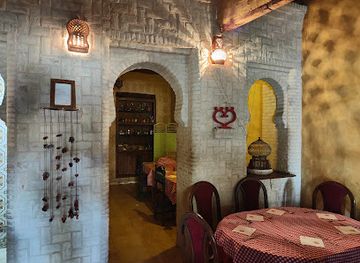
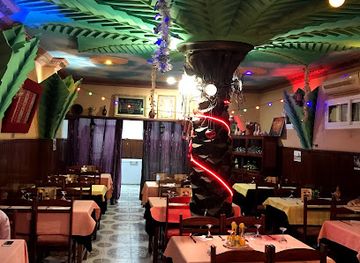
Evening life in the Djerid is generally quieter than in Tunisia’s major coastal resorts. Tozeur has the broadest choice of hotel lounges, cafés and restaurants, while Nefta’s evenings tend to centre on cafés, family gatherings and the calm atmosphere of its old quarters. Traditional cafés are places to drink coffee or tea and watch local life, rather than guaranteed nightlife venues, and alcohol is mainly available in licensed hotels and selected restaurants. There is little reason to expect a large nightclub scene, especially outside the principal towns. Some visitor-oriented establishments arrange cultural performances or music, but programmes are variable and should not be assumed to operate year-round. Desert camps and oasis excursions may offer an evening meal or stargazing, although these are organised experiences rather than a permanent nightlife district. Respect local religious and social customs, particularly during Ramadan, when opening arrangements and evening rhythms can change.
-
Traditional restaurant
Restaurant Dar Deda ⵍⵇⵀⵡⴰ ⵄⵉⵜ ⴷⴻⴷⴰ
Experience the authentic taste of Tunisian cuisine at Restaurant Dar Deda in Tozeur, where tradition meets flavor in a warm atmosphere.
-
Bar
مطعم الشمس
Discover authentic Tunisian cuisine at مطعم الشمس in Tozeur, where tradition meets flavor in every dish.
-
Arab restaurant
Le Minaret Ferkous
Experience the essence of Tunisian cuisine at Le Minaret Ferkous, a top-rated Arab restaurant in Tozeur, where every meal is a celebration of flavor.
-
Restaurant
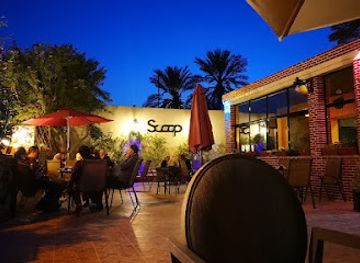
Scoop Café-Resto
Experience the blend of Tunisian flavors and cozy ambiance at Scoop Café-Resto in Tozeur, a culinary gem for every traveler.

Best nightclubs in The Djerid
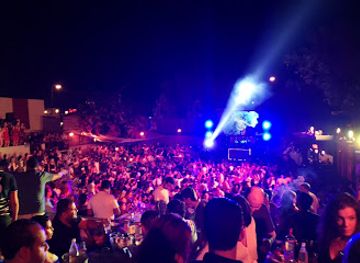
Evening life in the Djerid is generally quieter than in Tunisia’s major coastal resorts. Tozeur has the broadest choice of hotel lounges, cafés and restaurants, while Nefta’s evenings tend to centre on cafés, family gatherings and the calm atmosphere of its old quarters. Traditional cafés are places to drink coffee or tea and watch local life, rather than guaranteed nightlife venues, and alcohol is mainly available in licensed hotels and selected restaurants. There is little reason to expect a large nightclub scene, especially outside the principal towns. Some visitor-oriented establishments arrange cultural performances or music, but programmes are variable and should not be assumed to operate year-round. Desert camps and oasis excursions may offer an evening meal or stargazing, although these are organised experiences rather than a permanent nightlife district. Respect local religious and social customs, particularly during Ramadan, when opening arrangements and evening rhythms can change.
-
Lounge
Sahara Lounge
Sahara Lounge: A tranquil tea house and park in Tozeur, Tunisia, offering a serene escape with local flavors and cultural charm.
-
Night club
Calypso Club Hammamet
Dive into the vibrant nightlife of Hammamet at Calypso Club, where music and dance create unforgettable memories.
-
Lounge
Lotus Club
Experience the vibrant nightlife at Lotus Club in Sousse, Tunisia. A must-visit lounge for tourists seeking relaxation and entertainment.
-
Disco club
El Pacha Club
Experience the vibrant nightlife of Hammamet at El Pacha Club, where music, dance, and delicious cuisine create unforgettable memories.



Best shops in The Djerid
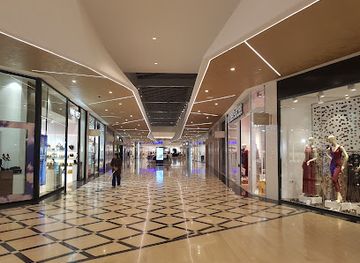
Shopping in the Djerid is centred on practical local produce, crafts and the commercial streets of Tozeur and Nefta rather than large retail complexes. Dates are the principal purchase, with Deglet Nour sold fresh during the harvest period and dried or packaged throughout much of the year. Small shops and markets may also stock date-based sweets, olive oil, spices, harissa, woven goods and desert-inspired handicrafts. Tozeur generally offers the wider selection, including souvenirs connected with oasis culture and regional architecture, while Nefta’s shops reflect the town’s more intimate scale. Ask about the origin and quality of food products, especially when buying loose dates, and compare items before purchasing. Traditional ceramics, baskets and textiles can make useful souvenirs when their materials and production are clear. Bargaining may be appropriate in some tourist-oriented settings, but it should be conducted courteously and is not expected in every shop. The most meaningful purchases tend to be agricultural or locally made rather than generic desert-themed items.
-
Shopping mall
Mall of Sousse
Experience a blend of modern shopping, local culture, and delightful dining at the Mall of Sousse, Tunisia's ultimate shopping destination.
-
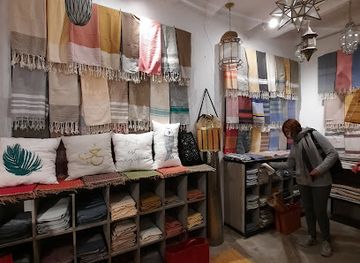
Home goods store
ALEF Boutique
Explore ALEF Boutique in Tozeur for unique home goods that embody the spirit of Tunisian art and craftsmanship, perfect for souvenirs and decor.
-
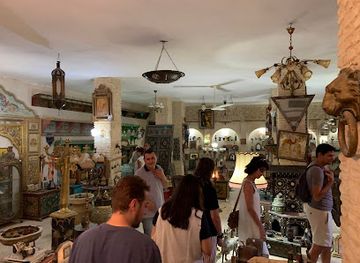
Antique store
La Grande Boutique de la Medina
Explore a treasure trove of unique antiques and local crafts at La Grande Boutique de la Medina in Tozeur, where history and culture come alive.
-
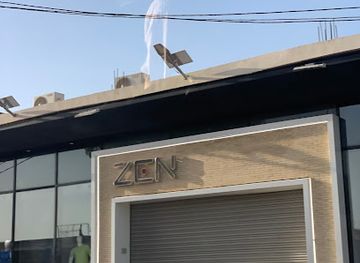
Clothing store
ZEN
Experience the essence of Tunisian fashion at ZEN, a must-visit clothing store in Tozeur, offering unique styles and a welcoming atmosphere.
Get your free copy of our complete guide to The Djerid, delivered straight to you.
Everything on this page, from attractions and restaurants to essentials and local phrases, in one PDF you can read offline, print or share.
Already have an account? Sign in
Your The Djerid guide is ready.
We'll send it to · Not you? Sign out

Getting your guide ready…
We are putting together a fresh copy of the The Djerid guide. This can take up to a minute.
This can take a few moments. If your browser asks, choose Allow so the download can start. You'll find the guide in your Downloads folder.
Nothing happened? Download it again
Sorry, the guide is taking longer than usual. Please try again in a minute, or get it by email instead.
The Djerid essentials
Currency and Payment
Safety
Emergency Situations
Do's and Don'ts
Local Tips
From Eve
Local phrases worth knowing
You don't need to get them perfect. A few words go a long way, and locals appreciate the effort.
Basics
| English | Local | Say it |
|---|---|---|
| Hello | أهلا | [Ahlan] |
| Goodbye | وداعا | [Wada'an] |
| Yes | نعم | [Na'am] |
| No | لا | [La] |
| Please/You're welcome | من فضلك | [Min fadlik] |
| Thank you | شكرا | [Shukran] |
| Excuse me/Sorry | عفوا | [Afwan] |
| How are you? | كيف حالك؟ | [Kayfa halak?] |
| Fine. And you? | بخير. وأنت؟ | [Bikhayr. Wa anta?] |
| Do you speak English? | هل تتحدث الإنجليزية؟ | [Hal tatahadath al-ingliziyya?] |
| I don't understand | لا أفهم | [La afham] |
Eating & Drinking
| English | Local | Say it |
|---|---|---|
| I'd like to see the menu, please | أود رؤية القائمة، من فضلك | [Awad ru'yat al-qaimah, min fadlik] |
| I don't eat meat | لا آكل اللحم | [La akul al-lahm] |
| Cheers! | في صحتك! | [Fi sihatak!] |
| I would like to pay, please | أود الدفع، من فضلك | [Awad al-daf', min fadlik] |
Emergencies
| English | Local | Say it |
|---|---|---|
| Help! | نجدة! | [Najda!] |
| Go away! | ابتعد! | [Ibt'id!] |
| Call the Police! | اتصل بالشرطة! | [Ittasil bil-shurta!] |
| Call a doctor! | اتصل بطبيب! | [Ittasil bi-tabeeb!] |
| I'm lost | أنا ضائع | [Ana da'i'] |
| I'm ill | أنا مريض | [Ana marid] |
Shopping
| English | Local | Say it |
|---|---|---|
| I'd like to buy... | أود شراء... | [Awad shira'a...] |
| I'm just looking | أنا فقط أنظر | [Ana faqat anzur] |
| How much is it? | كم ثمنه؟ | [Kam thamanuh?] |
| That's too expensive | هذا مكلف جداً | [Hatha mukallaf jiddan] |
| Can you lower the price? | هل يمكنك خفض السعر؟ | [Hal yumkinuka khafdh al-si'r?] |
Time & Numbers
| English | Local | Say it |
|---|---|---|
| What time is it? | كم الساعة؟ | [Kam al-saa'ah?] |
| It's one o'clock | الساعة الواحدة | [Al-saa'ah al-wahidah] |
| Half past (10) | نصف (10) | [Nisf (10)] |
| Morning | صباحًا | [Sabahan] |
| Afternoon | بعد الظهر | [Ba'd al-duhr] |
| Evening | مساءً | [Masa'an] |
| Yesterday | أمس | [Ams] |
| Today | اليوم | [Al-yawm] |
| Tomorrow | غدًا | [Ghad'an] |
| 1 | واحد | [Wahid] |
| 2 | اثنان | [Ithnan] |
| 3 | ثلاثة | [Thalatha] |
| 4 | أربعة | [Arba'a] |
| 5 | خمسة | [Khamsa] |
| 6 | ستة | [Sitta] |
| 7 | سبعة | [Sab'a] |
| 8 | ثمانية | [Thamaniya] |
| 9 | تسعة | [Tis'a] |
| 10 | عشرة | [Ashara] |
Transport & Directions
| English | Local | Say it |
|---|---|---|
| Where's a/the...? | أين...؟ | [Ayna...?] |
| What's the address? | ما هو العنوان؟ | [Ma huwa al-'unwan?] |
| Can you show me (on the map)? | هل يمكنك إظهار لي (على الخريطة)؟ | [Hal yumkinuka izhar li (ala al-kharita)?] |
| When's the next (bus)? | متى يأتي (الحافلة) التالية؟ | [Mata yati (al-hafila) al-taliya?] |
| A ticket (to ....) | تذكرة (إلى ....) | [Tadhkirah (ila....)] |
History of The Djerid
Early Oasis Settlement and Ancient Thusuros
The Djerid’s history was shaped by its position between the northern Mediterranean world and routes crossing the Sahara. Oasis communities developed around reliable springs and underground water, allowing date palms, fruit trees and vegetables to grow in an otherwise arid environment. Tozeur is associated with ancient Thusuros, a settlement recorded in classical sources and connected to Roman communications across southern Tunisia. Although later urban layers have transformed the town, the region’s enduring pattern is already visible in this period: agriculture concentrated around water, with movement and trade extending far beyond the oasis.
Roman and Late Antique Connections
During Roman rule, the Djerid occupied a useful position on the southern margins of the province of Africa. Roads and military communications linked oasis settlements with larger centres in present-day Tunisia, while agricultural production and local trade supported communities near the Chott. The region was never simply an isolated desert outpost; it formed part of a wider network connecting inland settlements, the coast and trans-Saharan routes. Later Byzantine control was less extensive, but the survival of oasis communities helped preserve the importance of the area through the political changes of late antiquity.
Arab-Islamic Rule and the Growth of Caravan Trade
From the seventh century onwards, the Djerid became part of the Islamic political and cultural world of Ifriqiya. New religious institutions, languages and trading connections reshaped the oasis towns, while caravan routes helped move dates, textiles and other goods between the north and the Sahara. Tozeur developed as a commercial and agricultural centre, and the region’s cultivated wealth depended on intricate systems for distributing spring and underground water. The compact lanes, mosques and oasis settlements visible today reflect many centuries of adaptation rather than a single period of construction.
Nefta, Sufism and Religious Scholarship
Nefta acquired particular importance as a centre of Islamic scholarship and Sufi devotion. Religious teachers, schools and zawiyas, or lodges associated with spiritual orders, shaped the town’s social and architectural identity. The local tradition of Sufi practice remains visible in shrines, domed monuments and the reverence attached to the old oasis and its springs. Nefta’s influence extended well beyond its immediate palm grove, helping make the Djerid an important cultural meeting point between inland Tunisia and the communities connected by Saharan travel.
Caravan Commerce, Date Cultivation and Water Management
For centuries, the Djerid’s prosperity rested on the relationship between trade and agriculture. Caravans connected the oasis towns with markets to the north and routes leading towards the Sahara, while date palms provided food, building materials and a valuable commodity. Beneath and among the palms, farmers cultivated smaller crops in layered gardens. The system required detailed knowledge of springs, channels, wells and seasonal maintenance. The date economy remains central today, particularly the Deglet Nour variety, and the surviving palm groves represent both an agricultural landscape and a long-established body of local expertise.
The French Protectorate and Modern Infrastructure
Under the French Protectorate, the Djerid was drawn more closely into Tunisia’s modern administrative and transport systems. Roads, communications and commercial networks altered the relationship between oasis towns and the coast, while older caravan patterns declined in importance. Colonial economic policies also affected agriculture and land use. The period did not erase local institutions or traditions, but it introduced new forms of administration and infrastructure that continued to influence the region after Tunisian independence in 1956.
Tourism, Film and Contemporary Oasis Life
Since the twentieth century, the Djerid has become known internationally for its salt lake, palm oases and desert scenery. Tozeur and Nefta developed visitor services, and nearby desert landscapes have been used as settings for film and television productions, adding a modern cultural layer to older caravan geography. Tourism now complements, rather than replaces, date cultivation and oasis agriculture. The region also faces contemporary pressures, including water management, environmental change and the need to balance visitor access with the protection of fragile salt-lake and desert environments.
The Djerid in Photos
Browse through our photo collection highlighting the charm and character of the destination.
Neighbouring regions of The Djerid
The closest regions to The Djerid, if you have time for more than one.
-

-

-

-

-


Swipe for more regions
Explore more

Explore more of Tunisia
Discover Tunisia: A captivating blend of ancient history, stunning Mediterranean beaches, and vibrant cultures. Explore the wonders of Carthage, the beauty of Sousse, and the allure of the Sahara.
Explore Tunisia