Free The Chott El Jerid Travel Guide & Mobile App
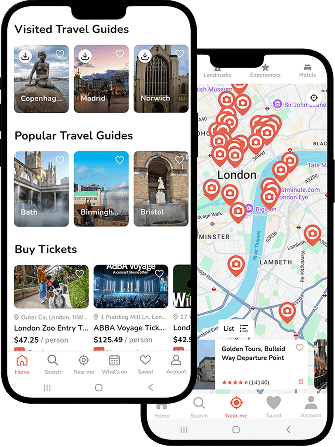
Explore The Chott El Jerid with free travel guides. Discover regional history, expert tips, proposed trips, and audio guides on web or mobile app.


Explore Chott El Jerid in southern Tunisia for salt-crust panoramas, oasis culture, desert roads and an extraordinary Sahara landscape.
Read more about The Chott El Jerid
When is the best time to visit The Chott El Jerid?
Best: April–May, October · 24–29°C| Month | High (°C) | Rainfall (mm) |
|---|---|---|
| January | 14 | 5 |
| February | 17 | 4 |
| March | 20 | 5 |
| April (best) | 24 | 4 |
| May (best) | 29 | 2 |
| June | 36 | 1 |
| July | 38 | 0 |
| August | 38 | 1 |
| September | 34 | 2 |
| October (best) | 29 | 4 |
| November | 21 | 5 |
| December | 16 | 5 |
Getting to and around The Chott El Jerid
How to get there
Transportation
Top city travel guides in The Chott El Jerid
The cities of The Chott El Jerid, and the easiest places to base yourself.

Swipe for more cities
Destinations in The Chott El Jerid
Resorts, valleys and scenic spots worth a trip of their own.
-

-


Swipe for more destinations
Best attractions in The Chott El Jerid
The main attraction is the landscape itself: a vast evaporative basin where salt crust, shallow pools, mineral streaks and distant desert horizons form a constantly changing visual field. The road crossing between Tozeur and Kebili provides the most accessible introduction, with opportunities for photography and observation from safe roadside points. The surrounding region broadens the experience through the irrigated palm groves and oasis environments associated with Tozeur and Kebili, where date cultivation, wells and traditional water management contrast with the barren centre of the chott. Visitors may also use the area as a starting point for guided desert excursions, geological interpretation and landscape photography, although routes away from the main road require local knowledge. Wildlife is not the principal reason to visit, and the salt flat lacks the developed recreational infrastructure of a conventional lake or national park. Its appeal lies instead in scale, geology, light and the abrupt transition from productive oasis to mineral desert. Seasonal water can make the surface reflective, but conditions are variable and should not be confused with a permanent lake.
-
 Tourist attraction
Chott el Djerid- sunset stop
Explore the mesmerizing landscapes of Chott el Djerid, Tunisia's breathtaking salt flats, renowned for their stunning sunsets and tranquil beauty.
Best landmarks in The Chott El Jerid
Chott El Jerid itself is the defining natural landmark, a huge low-lying salt depression whose white surface and occasional pools mark the boundary between the Jerid oases and the wider Sahara. The raised road crossing between Tozeur and Kebili is its most recognisable built feature, allowing travellers to pass across the basin while observing the sharp contrast between salt plain, desert edge and irrigated settlement. The salt crust is visually striking but fragile and uneven, so it should be viewed from firm ground rather than treated as an open walking surface. Beyond the basin, the palm-filled margins around Tozeur and Kebili provide important cultural landmarks of a different kind: they reveal how wells, irrigation and date agriculture made permanent life possible in an otherwise arid setting. The contrast between the mineral flat and the dense green of the oases is central to the area’s identity. There are no grand monuments standing in the middle of the chott; its significance is geological, geographical and symbolic, expressed through scale, surface and the long human effort to live around it.
-
Nature preserve
Chott El Jerid
Explore the stunning Chott El Jerid salt flats in Tunisia, a natural wonder where earth and sky meet in breathtaking harmony.
-
Tourist attraction
Chott el Djerid’s Abandoned Bus
Discover the haunting beauty of Chott el Djerid’s Abandoned Bus, a unique landmark in the Sahara Desert, perfect for photography and adventure.
-
Nature preserve
Chott El Jérid شط الجريد
Explore the surreal beauty of Chott El Jérid, Tunisia's breathtaking salt flats, where nature creates stunning landscapes that mesmerize every visitor.
-
Observatory
Chott el Djerid Viewpoint
Experience the surreal beauty of Chott el Djerid Viewpoint, where stunning salt flats meet breathtaking horizons in Tunisia.


Explore The Chott El Jerid on the map
Plan your trip on one map. See where the top cities, national parks and sights are, and book hotels and experiences in a few clicks.
Best hotels in The Chott El Jerid
Best restaurants in The Chott El Jerid
Dining around Chott El Jerid is concentrated in Tozeur, Kebili and the oasis settlements rather than beside the salt flat. Local meals commonly draw on the wider culinary traditions of southern Tunisia, including couscous, soups, stews, grilled meats, brik and bread-based dishes, with dates providing the region’s most recognisable agricultural product. Deglet Nour dates from the surrounding oases are sold fresh or dried and may appear in pastries, snacks and gift assortments. Restaurants and hotel dining rooms in the gateway towns cater to visitors with Tunisian staples, while cafés provide simple drinks and light food before or after a crossing. In smaller communities, dining is more limited and arrangements may need to be made through accommodation or an organised excursion. Bottled water is sensible for the road, and travellers should not expect a choice of outlets or regular meal stops in the open basin itself. The strongest culinary context comes from combining a chott visit with an exploration of oasis agriculture and local date commerce.
-
Traditional restaurant
Restaurant Dar Deda ⵍⵇⵀⵡⴰ ⵄⵉⵜ ⴷⴻⴷⴰ
Experience authentic Tunisian cuisine at Restaurant Dar Deda in Tozeur—where tradition meets flavor in every dish.
-
Arab restaurant
Le Minaret Ferkous
Experience authentic Tunisian cuisine at Le Minaret Ferkous - A top-rated Arab restaurant in Tozeur offering flavorful dishes and warm hospitality.
-
Country food restaurant
Restaurant De La République Tozeur
Experience authentic Tunisian cuisine at Restaurant De La République Tozeur – a culinary journey through local flavors awaits you.
-
Restaurant
Scoop Café-Resto
Discover delightful flavors at Scoop Café-Resto in Tozeur—where local charm meets culinary excellence.


Best bars in The Chott El Jerid
Nightlife in the Chott El Jerid area is quiet and town-based rather than centred on clubs or a defined entertainment district. Tozeur offers the broadest choice of hotel lounges, cafés and restaurants for an evening drink or meal, while Kebili and smaller oasis settlements tend to close earlier and focus on social cafés and family-oriented dining. Alcohol is available in some licensed hotels and establishments, but it is not central to the region’s evening culture and availability varies. After dark, the open salt basin becomes a place for silence, clear horizons and, when conditions permit, stargazing rather than organised nightlife; visitors should arrange transport in advance and never walk into the chott at night. Some desert camps and excursions may offer traditional music or hosted evening meals, but these are arranged experiences rather than a permanent local club scene. Always confirm current facilities through accommodation providers before relying on a particular venue.
-
Arab restaurant
Le Minaret Ferkous
Discover the essence of Arabian cuisine at Le Minaret Ferkous in Tozeur, where traditional flavors and warm hospitality await.
-
Nature preserve
Chott El Jerid
Explore the breathtaking beauty of Chott El Jerid, Tunisia's mesmerizing salt flat, and experience nature's stunning artistry at its finest.
-
Restaurant
Scoop Café-Resto
Discover the flavors of Tunisia at Scoop Café-Resto, a cozy spot in Tozeur offering delightful dishes and a warm atmosphere.
-
Lounge
Sahara Lounge
Discover the serene ambiance of Sahara Lounge in Tozeur, where traditional Tunisian tea meets lush park landscapes for a unique relaxation experience.


Best nightclubs in The Chott El Jerid
Nightlife in the Chott El Jerid area is quiet and town-based rather than centred on clubs or a defined entertainment district. Tozeur offers the broadest choice of hotel lounges, cafés and restaurants for an evening drink or meal, while Kebili and smaller oasis settlements tend to close earlier and focus on social cafés and family-oriented dining. Alcohol is available in some licensed hotels and establishments, but it is not central to the region’s evening culture and availability varies. After dark, the open salt basin becomes a place for silence, clear horizons and, when conditions permit, stargazing rather than organised nightlife; visitors should arrange transport in advance and never walk into the chott at night. Some desert camps and excursions may offer traditional music or hosted evening meals, but these are arranged experiences rather than a permanent local club scene. Always confirm current facilities through accommodation providers before relying on a particular venue.
-
Sahara Lounge
Discover tranquility at Sahara Lounge in Tozeur, where exotic teas and serene surroundings create the perfect retreat from the desert heat.
-
Lounge
Planet Oasis
Experience relaxation at Planet Oasis in Tozeur, Tunisia – where serenity meets local flavors in a charming lounge setting.
-
Disco club
Le Palais Night Club
Discover the dynamic nightlife of Tozeur at Le Palais Night Club, where vibrant music and dancing create unforgettable memories.


Best shops in The Chott El Jerid
Shopping connected with Chott El Jerid is found mainly in Tozeur, Kebili and the surrounding oasis communities rather than on the salt road. The most characteristic purchase is a selection of Tunisian dates, particularly Deglet Nour, sold loose, boxed or prepared as part of gift assortments. Markets and small food shops may also stock olive oil, spices, harissa, dried produce and locally made sweets. In Tozeur, visitors can look for woven goods, baskets, traditional textiles and desert-themed handicrafts, while smaller settlements offer a more limited range shaped by local demand. Pottery, leatherwork and decorative objects may be available through craft shops or guided visits, but quality and provenance vary, so it is sensible to ask what is locally made. There is no large retail centre or permanent commercial strip beside the chott, and roadside stalls may be seasonal. Carry cash for small purchases and pack food products securely, especially in the heat. Buying directly from established local shops or cooperatives can provide clearer information about ingredients and origin.
-
Shopping mall
Mall of Sousse
Explore the vibrant Mall of Sousse, Tunisia's premier shopping destination, blending fashion, dining, and entertainment in a stunning atmosphere.
-
Park
Chott El Jérid شط الجريد
Experience the breathtaking beauty of Chott El Jérid, Tunisia's vast salt flats, where nature's artistry meets serene landscapes.
-
Home goods store
ALEF Boutique
Explore ALEF Boutique in Tozeur for an enchanting collection of unique Tunisian home goods and artisan crafts that embody local culture.
-
Clothing store
Hamadi Abid
Explore Hamadi Abid in Tozeur for an exquisite selection of traditional and modern clothing, offering a true taste of Tunisian fashion culture.


Get your free copy of our complete guide to The Chott El Jerid, delivered straight to you.
Everything on this page, from attractions and restaurants to essentials and local phrases, in one PDF you can read offline, print or share.
Already have an account? Sign in
Your The Chott El Jerid guide is ready.
We'll send it to · Not you? Sign out

Getting your guide ready…
We are putting together a fresh copy of the The Chott El Jerid guide. This can take up to a minute.
This can take a few moments. If your browser asks, choose Allow so the download can start. You'll find the guide in your Downloads folder.
Nothing happened? Download it again
Sorry, the guide is taking longer than usual. Please try again in a minute, or get it by email instead.
The Chott El Jerid essentials
Currency and Payment
Safety
Emergency Situations
Do's and Don'ts
Local Tips
From Eve
Local phrases worth knowing
You don't need to get them perfect. A few words go a long way, and locals appreciate the effort.
Basics
| English | Local | Say it |
|---|---|---|
| Hello | مرحبا | [Marhba] |
| Goodbye | مع السلامة | [Ma'a as-salama] |
| Yes | نعم | [Na'am] |
| No | لا | [La] |
| Please/You’re welcome | من فضلك | [Min fadlik] |
| Thank you | شكرا | [Shukran] |
| Excuse me/Sorry | عفوا | [Afwan] |
| How are you? | كيف حالك؟ | [Kayfa halak?] |
| Fine. And you? | بخير. وأنت؟ | [Bikhayr. Wa anta?] |
| Do you speak English? | هل تتحدث الإنجليزية؟ | [Hal tatahaddath al-ingliziyya?] |
| I don't understand | لا أفهم | [La afham] |
Eating & Drinking
| English | Local | Say it |
|---|---|---|
| I’d like to see the menu, please | أود رؤية القائمة، من فضلك | [Awad ru'yat al-qa'ima, min fadlik] |
| I don't eat meat | لا أتناول اللحم | [La atanawal al-lahm] |
| Cheers! | في صحتك! | [Fi sihatak!] |
| I would like to pay, please | أود الدفع، من فضلك | [Awad ad-daf', min fadlik] |
Emergencies
| English | Local | Say it |
|---|---|---|
| Help! | ساعدني! | [Sa'idni!] |
| Go away! | ابتعد! | [Ibt'id!] |
| Call the Police! | اتصل بالشرطة! | [Ittasil bil-shurta!] |
| Call a doctor! | اتصل بالطبيب! | [Ittasil bil-tabeeb!] |
| I’m lost | أنا ضائع | [Ana da'i'] |
| I’m ill | أنا مريض | [Ana marid] |
Shopping
| English | Local | Say it |
|---|---|---|
| I’d like to buy... | أود شراء... | [Awad shira'...] |
| I’m just looking | أنا فقط أتصفح | [Ana faqat at'tasaf] |
| How much is it? | كم ثمنه؟ | [Kam thamanuh?] |
| That’s too expensive | هذا مكلف جدا | [Hatha mukallaf jidan] |
| Can you lower the price? | هل يمكنك تخفيض السعر؟ | [Hal yumkinuka takhfid as-si'r?] |
Time & Numbers
| English | Local | Say it |
|---|---|---|
| What time is it? | كم الساعة؟ | [Kam as-saa'a?] |
| It’s one o'clock | الساعة الواحدة | [As-saa'a al-wahidah] |
| Half past (10) | نصف الساعة (10) | [Nisf as-saa'a (10)] |
| Morning | صباحا | [Sabahan] |
| Afternoon | بعد الظهر | [Ba'd az-zuhur] |
| Evening | مساء | [Masa'a] |
| Yesterday | أمس | [Ams] |
| Today | اليوم | [Al-yawm] |
| Tomorrow | غدا | [Ghadan] |
| 1 | واحد | [Wahid] |
| 2 | اثنان | [Ithnan] |
| 3 | ثلاثة | [Thalatha] |
| 4 | أربعة | [Arba'a] |
| 5 | خمسة | [Khamsa] |
| 6 | ستة | [Sitta] |
| 7 | سبعة | [Sab'a] |
| 8 | ثمانية | [Thamaniya] |
| 9 | تسعة | [Tis'a] |
| 10 | عشرة | [Ashara] |
Transport & Directions
| English | Local | Say it |
|---|---|---|
| Where's a/the...? | أين...؟ | [Ayna...?] |
| What’s the address? | ما هو العنوان؟ | [Ma huwa al-'unwan?] |
| Can you show me (on the map)? | هل يمكنك إظهار ذلك (على الخريطة)؟ | [Hal yumkinuka izhar dhalik (ala al-kharita)?] |
| When’s the next (bus)? | متى يأتي (الحافلة) القادمة؟ | [Mata ya'ti (al-hafila) al-qadima?] |
| A ticket (to ....) | تذكرة (إلى ...) | [Tathkira (ila ...)] |
History of The Chott El Jerid
Formation of the Chott Basin
Chott El Jerid is the remnant of a much larger inland water system shaped by climatic changes over geological time. As wetter periods ended and evaporation intensified, water receded from the depression, leaving behind layers of salt and other minerals. Seasonal water still collects after rainfall, but the modern chott is primarily an evaporative salt flat. Its unusual surface is therefore the result of long environmental change rather than a single historical event. The basin’s geology explains both its apparent emptiness and the striking patterns that appear after rain and evaporation.
Human Settlement around the Oasis Margins
Permanent settlement developed around springs, wells and cultivated strips at the edges of the chott, where date palms and smaller crops could be sustained through irrigation. The contrast between the salt depression and the productive oases encouraged communities to develop detailed water-management practices and compact settlements. Although the centre of the chott was not suitable for permanent agriculture, its margins formed part of a wider network linking the Jerid and Nefzaoua oasis zones. The continuing importance of Tozeur, Kebili and neighbouring settlements reflects this long relationship between desert mobility and irrigated cultivation.
Caravan Routes and Trans-Saharan Exchange
For centuries, the oases around Chott El Jerid occupied a strategic position on routes crossing southern Tunisia. Travellers, merchants and herders used knowledge of wells, seasonal conditions and reliable stopping places to move through an otherwise demanding environment. Goods carried across the wider Sahara included dates, salt, livestock, textiles and other commodities, although routes and their relative importance changed over time. The chott itself was an obstacle as well as a geographical guide, and movement generally depended on choosing suitable margins and crossings rather than attempting to traverse the wettest areas.
Islamic and Ottoman-Era Oasis Society
The incorporation of southern Tunisia into successive Islamic and North African political spheres strengthened the role of oasis towns as centres of trade, religious learning and local administration. From the medieval period onwards, settlement patterns around the Jerid reflected a combination of palm cultivation, pastoral movement, commerce and religious institutions. Later Ottoman influence formed part of the broader political history of Tunisia, while local communities retained considerable importance in managing water, land and trade. The surviving oasis landscape is a material expression of these layered economic and social relationships.
French Protectorate and Modern Road Connections
During the French Protectorate of Tunisia, routes, mapping and administrative control increasingly connected the southern oases with the country’s emerging modern transport network. Roads altered the movement of people and goods that had previously relied more heavily on caravan and local transport systems. Engineering across difficult desert terrain also made journeys around the chott more predictable, although seasonal weather continued to affect travel. The modern road between the Tozeur and Kebili approaches is part of this longer transformation from caravan geography to motor-road geography.
Tourism, Cinema and the Contemporary Desert Landscape
From the later twentieth century, southern Tunisia’s oases and salt landscapes became increasingly associated with desert tourism, excursions and film production. Chott El Jerid’s stark horizons and unusual light have helped popularise the region internationally, while nearby settlements provide accommodation and services for visitors. Tourism has not replaced agriculture: date cultivation and oasis management remain central to the local economy. The contemporary landscape therefore combines an ancient environmental setting, long-established oasis livelihoods and a modern visitor industry based on scenery, culture and access to the Sahara.
The Chott El Jerid in Photos
Browse through our photo collection highlighting the charm and character of the destination.
Neighbouring regions of The Chott El Jerid
The closest regions to The Chott El Jerid, if you have time for more than one.
-

-

-

-

-


Swipe for more regions
Explore more

Explore more of Tunisia
Discover Tunisia: A captivating blend of ancient history, stunning Mediterranean beaches, and vibrant cultures. Explore the wonders of Carthage, the beauty of Sousse, and the allure of the Sahara.
Explore Tunisia