

Kadikoy (Istanbul) Travel Guide - Free
Explore Kadikoy in Istanbul with Evendo's free guide. Find the best shops, historic streets, restaurants, and gems on web or mobile.


Kadıköy in Istanbul pairs ferry rides, the historic market, Moda’s seafront, Bahariye Street, live music and cafés with everyday neighbourhood life.
Market Streets and Ferry Arrivals
Kadıköy occupies a broad stretch of Istanbul’s Asian side, facing the historic peninsula across the Bosphorus. For many visitors, the first encounter is the ferry landing at Kadıköy İskelesi, where the waterfront opens into a dense network of fishmongers, produce stalls, bakeries, cafés and small restaurants. The central market is particularly atmospheric in the morning, when traders arrange seasonal fruit, olives, cheese and seafood beneath signs recalling the area’s long-established Greek, Armenian and Jewish commercial presence. Nearby Bahariye Caddesi is a busy pedestrian shopping street, served by the nostalgic red tram that runs towards Kadıköy’s inland quarters.Read more about Kadikoy
Moda, Yeldeğirmeni and Everyday Kadıköy
A District Best Explored on Foot
Best attractions in Kadikoy
Kadıköy’s principal attraction is the district itself: a walk from the ferry landing through the market reveals fishmongers, spice shops, bakeries, cheese counters and narrow streets filled with everyday commerce. Bahariye Caddesi provides a livelier pedestrian route, with the red T3 tram passing the Süreyya Opera House and continuing towards Moda. In Yeldeğirmeni, murals and adapted industrial or residential buildings create a more informal cultural landscape, while Moda offers tree-lined streets, small parks and a broad waterfront promenade with views across the Bosphorus. Barış Manço House, the former home of the celebrated Turkish musician, offers a more focused cultural visit, and the Moda Tea Garden is a long-established place to pause above the shore. The Haydarpaşa waterfront and station area, close to the district’s eastern ferry approaches, add railway history and a striking seafront perspective.
-
Museum
Barış Manço House Museum
Discover the legacy of Barış Manço at his charming house museum in Kadıköy, Istanbul, and immerse yourself in Turkish music history.
11 min walk · 0.9 km from neighbourhood centre
-
Tourist attraction
Kadıköy İnciburnu Feneri
Discover Kadıköy İnciburnu Feneri, a historical lighthouse offering stunning views and a glimpse into Istanbul's maritime heritage.
13 min walk · 1.1 km from neighbourhood centre
-
Tourist attraction
Fenerbahce Museum
Discover the rich history of Fenerbahçe Sports Club at the Fenerbahçe Museum in Kadıköy, Istanbul—where sports and culture come alive.
12 min walk · 0.9 km from neighbourhood centre
-
Tourist attraction
Dog statue on pillow
Discover the whimsical Dog Statue on a Pillow in Kadıköy, a charming landmark reflecting Istanbul's love for dogs and artistic expression.
13 min walk · 1.0 km from neighbourhood centre


Best landmarks in Kadikoy
Kadıköy’s most recognisable landmarks include the ornate Haydarpaşa railway station on the waterfront, the market’s historic commercial fabric, the Kadıköy clock tower at the seafront and the Süreyya Opera House on Bahariye Caddesi. Haydarpaşa station symbolises the district’s role as a gateway to Anatolia, although rail operations and access around the complex have changed over time. The Süreyya Opera House, opened in 1927, reflects Kadıköy’s long-standing place in Istanbul’s performing-arts life. The market’s religious and civic buildings, including historic mosques and churches in the surrounding streets, reveal the area’s layered community history, while Moda’s older villas and apartment blocks preserve the character of an established residential quarter. Barış Manço House adds a modern cultural landmark rooted in Turkish popular music rather than monumental architecture.
-
Sculpture
Kadikoy Bull Statue
Explore the iconic Kadikoy Bull Statue, a cultural landmark in Istanbul's vibrant Kadikoy district, surrounded by markets, cafes, and rich history.
3 min walk · 0.2 km from neighbourhood centre
-
Historical landmark
Kadıköy İnciburnu Feneri
Discover the historic Kadıköy İnciburnu Feneri, a stunning lighthouse offering breathtaking views and a glimpse into Istanbul's maritime heritage.
13 min walk · 1.1 km from neighbourhood centre
-
Sculpture
Kadikoy Square, the Statue of Ataturk
Explore Kadikoy Square, home to the Statue of Ataturk, where vibrant culture meets history in the heart of Istanbul.
5 min walk · 0.4 km from neighbourhood centre
-
Drinking water fountain
Osman Aga Fountain
Explore the Osman Aga Fountain in Kadıköy, a historic drinking water fountain that embodies the charm and culture of Istanbul.
2 min walk · 0.2 km from neighbourhood centre


Explore Kadikoy on the map
A handpicked selection of must-see spots in Kadikoy, mapped for you.
Best hotels in Kadikoy
Best restaurants in Kadikoy
Kadıköy’s food culture is concentrated around the market and the streets leading towards Bahariye, where traditional lokantas, meyhane-style restaurants, bakeries, cafés and contemporary kitchens occupy a dense mix of old and modern premises. Çiya Sofrası is widely associated with regional Anatolian cooking, while Yanyalı Fehmi Lokantası represents the district’s long-standing restaurant tradition; Baylan’s Kadıköy branch also belongs to the area’s historic café culture. The market remains valuable for ingredients as well as meals, with shops selling seafood, olives, cheese, pickles and sweets. Moda adds cafés, ice-cream parlours and relaxed restaurants, while the streets around the central market are particularly useful for sampling small plates, grilled foods and seasonal produce. Individual businesses change, so the strongest experience comes from combining a recognised establishment with unplanned browsing through the market lanes.
-
Restaurant
My Chef
Discover culinary excellence at My Chef in Kadıköy—where traditional flavors meet modern flair.
3 min walk · 0.3 km from neighbourhood centre
-
Seafood
Koço
Experience the best of Istanbul's seafood culture at Koço, where tradition meets flavor in an unforgettable dining atmosphere.
13 min walk · 1.1 km from neighbourhood centre
-
Restaurant
Aida - vino e cucina
Discover culinary excellence at Aida - Vino e Cucina in Kadıköy, where authentic Italian cuisine meets Mediterranean charm.
6 min walk · 0.5 km from neighbourhood centre
-
Italian
ForchettaPlus Taze Makarna-italian pasta
Experience authentic Italian flavors at ForchettaPlus in Kadıköy – where every dish is crafted with passion and tradition.
4 min walk · 0.3 km from neighbourhood centre


Best bars in Kadikoy
Kadıköy has one of Istanbul’s most established evening scenes, though it is varied rather than dominated by large clubs. The streets around the market and Caferağa contain long-running bars, music venues and small drinking rooms, with Arkaoda known for its alternative music culture and Karga associated with live performances, DJs and an arts-oriented atmosphere. Dorock XL and other venues have helped make the district a significant stop for rock and independent music audiences, while smaller bars in Yeldeğirmeni and Moda offer a quieter rhythm. Many evenings begin with meze or dinner and continue through several nearby venues, making the compact central area easy to explore on foot. Transport can become less convenient late at night, and Moda’s residential lanes call for quieter behaviour than the busier entertainment streets.
-
Pub
Rock'n Rolla
Experience the vibrant nightlife of Kadıköy at Rock'n Rolla, where live music and a lively atmosphere meet delicious drinks.
3 min walk · 0.2 km from neighbourhood centre
-
Irish pub
The Harp Irish Pub
Experience authentic Irish hospitality at The Harp Irish Pub in Kadıköy, offering delicious food, live music, and a welcoming atmosphere.
5 min walk · 0.4 km from neighbourhood centre
-
Bar
Pablo Pub
Experience the vibrant nightlife of Kadıköy at Pablo Pub, where locals and tourists gather for delightful drinks and vibrant atmosphere.
1 min walk · 0.1 km from neighbourhood centre
-
Pub
London Pub
Discover the vibrant atmosphere of London Pub in Kadıköy, Istanbul, where great drinks and good company meet in a lively pub setting.
1 min walk · 0.1 km from neighbourhood centre


Best nightclubs in Kadikoy
Kadıköy has one of Istanbul’s most established evening scenes, though it is varied rather than dominated by large clubs. The streets around the market and Caferağa contain long-running bars, music venues and small drinking rooms, with Arkaoda known for its alternative music culture and Karga associated with live performances, DJs and an arts-oriented atmosphere. Dorock XL and other venues have helped make the district a significant stop for rock and independent music audiences, while smaller bars in Yeldeğirmeni and Moda offer a quieter rhythm. Many evenings begin with meze or dinner and continue through several nearby venues, making the compact central area easy to explore on foot. Transport can become less convenient late at night, and Moda’s residential lanes call for quieter behaviour than the busier entertainment streets.
-
Night club
Tren Kadıköy
Dive into the electrifying nightlife of Istanbul at Tren Kadıköy, where vibrant music and a lively crowd create unforgettable experiences.
1 min walk · 0.1 km from neighbourhood centre
-
Night club
Groundy Kadıköy
Unleash your spirit at Groundy Kadıköy, a vibrant night club in Istanbul’s trendiest district, perfect for unforgettable nights out.
1 min walk · 0.1 km from neighbourhood centre
-
Night club
Dip Disco Kadıköy
Experience the electrifying nightlife at Dip Disco Kadıköy, where music, dance, and vibrant energy come together in Istanbul's premier night club.
3 min walk · 0.3 km from neighbourhood centre
-
Night club
BOA Club
Discover the electrifying nightlife at BOA Club, Kadıköy's premier night club offering unforgettable experiences and vibrant music.
1 min walk · 0.1 km from neighbourhood centre


Best shops in Kadikoy
Shopping in Kadıköy begins with the central market, where visitors can browse fish counters, greengrocers, spice shops, cheese merchants, olive sellers, bakeries, confectioners and specialist food stores. The experience is more local and ingredient-led than a conventional department-store district, and the narrow lanes around the market are well suited to browsing rather than a single planned purchase. Bahariye Caddesi provides mainstream clothing, footwear, bookshops and everyday retail, while side streets towards Caferağa and Moda contain independent cafés, design-oriented businesses, second-hand finds and small lifestyle shops. Yeldeğirmeni has a more modest but distinctive creative-retail presence, interspersed with residential buildings and studios. The commercial character changes frequently, so Kadıköy is best approached as a market and street-shopping district, with contemporary chains forming only one part of a much older pattern of small specialist businesses.
-
Gift shop
Kostebek
Explore Kostebek in Kadıköy, Istanbul – your go-to gift shop for unique souvenirs, stylish clothing, and fashionable accessories.
3 min walk · 0.2 km from neighbourhood centre
-
Boutique
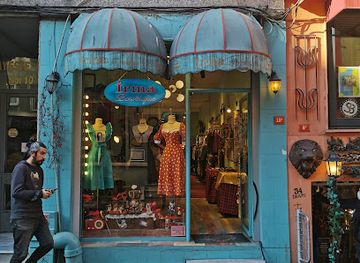
İrma Butik
Explore İrma Butik in Kadıköy for exquisite haute couture and unique footwear that redefine elegance in fashion.
3 min walk · 0.3 km from neighbourhood centre
-
Souvenir store
Lemur Store
Explore the Lemur Store in Kadıköy for unique souvenirs and clothing that capture the essence of Istanbul's vibrant culture.
3 min walk · 0.3 km from neighbourhood centre
-
Clothing store
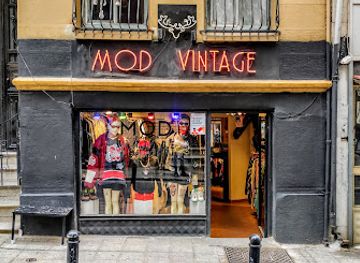
Vintage Mode
Discover the latest trends in youth fashion and sportswear at Vintage Mode in Kadıköy, a vibrant shop for the stylish traveler.
7 min walk · 0.5 km from neighbourhood centre


Kadikoy essentials
Getting There
Getting Around
Safety
Emergency Situations
Do's and Don'ts
Local Tips

From Eve
Local phrases worth knowing
You don't need to get them perfect. A few words go a long way, and locals appreciate the effort.
Basics
| English | Local | Say it |
|---|---|---|
| Hello | Merhaba | [Mehr-hah-bah] |
| Goodbye | Hoşçakal | [Hosh-cha-kal] |
| Yes | Evet | [Eh-vet] |
| No | Hayır | [Ha-yuhr] |
| Please/You're welcome | Lütfen | [Loot-fen] |
| Thank you | Teşekkür ederim | [Teh-sheh-kur eh-deh-reem] |
| Excuse me/Sorry | Özür dilerim | [Oz-oor dee-leh-reem] |
| How are you? | Nasılsınız? | [Nah-suhl-suhn-uhz] |
| Fine. And you? | İyiyim. Ya siz? | [Ee-yee-yim. Yah siz?] |
| Do you speak English? | İngilizce konuşuyor musunuz? | [Ing-ee-leez-jeh ko-noo-shu-yor moos-oo-nooz] |
| I don't understand | Anlamıyorum | [Ahn-lahm-uh-yor-um] |
Eating & Drinking
| English | Local | Say it |
|---|---|---|
| I'd like to see the menu, please | Menüyü görmek istiyorum, lütfen | [Meh-noo-yoo gur-mek is-tee-yor-um, loot-fen] |
| I don't eat meat | Et yemem | [Et yeh-mem] |
| Cheers! | Şerefe! | [Sheh-reh-feh] |
| I would like to pay, please | Ödemek istiyorum, lütfen | [Uh-deh-mek is-tee-yor-um, loot-fen] |
Emergencies
| English | Local | Say it |
|---|---|---|
| Help! | Yardım! | [Yar-duhm] |
| Go away! | Uzaklaş! | [Oo-zahk-lash] |
| Call the Police! | Polisi arayın! | [Poh-lee-see ah-ryun] |
| Call a doctor! | Doktor çağırın! | [Dok-tor chah-ee-run] |
| I'm lost | Kayboldum | [Kai-bol-doom] |
| I'm ill | Hasta oldum | [Has-tah ol-doom] |
Shopping
| English | Local | Say it |
|---|---|---|
| I'd like to buy... | Satın almak istiyorum... | [Sa-tuhn al-mak is-tee-yor-um] |
| I'm just looking | Sadece bakıyorum | [Sah-deh-jeh ba-ku-yor-um] |
| How much is it? | Ne kadar? | [Neh kah-dar] |
| That's too expensive | Bu çok pahalı | [Boo chook pah-ha-luh] |
| Can you lower the price? | Fiyatı indirebilir misiniz? | [Fee-yah-tuh in-dee-reh-bee-leer mees-ee-neez] |
Time & Numbers
| English | Local | Say it |
|---|---|---|
| What time is it? | Saat kaç? | [Saht kach] |
| It's one o'clock | Saat bir | [Saht beer] |
| Half past (10) | On buçuk | [On boo-chook] |
| Morning | Sabah | [Sah-bah] |
| Afternoon | Öğleden sonra | [O-leh-dehn ah-son-rah] |
| Evening | Akşam | [Ahk-shahm] |
| Yesterday | Dün | [Doon] |
| Today | Bugün | [Boo-goon] |
| Tomorrow | Yarın | [Yah-run] |
| 1 | Bir | [Beer] |
| 2 | İki | [Ee-kee] |
| 3 | Üç | [Ooch] |
| 4 | Dört | [Durt] |
| 5 | Beş | [Besh] |
| 6 | Altı | [Ahl-tuh] |
| 7 | Yedi | [Yeh-dee] |
| 8 | Sekiz | [Seh-keez] |
| 9 | Dokuz | [Doh-kooz] |
| 10 | On | [Ohn] |
Transport & Directions
| English | Local | Say it |
|---|---|---|
| Where's a/the...? | ...nerede? | [Neh-reh-deh] |
| What's the address? | Adres nedir? | [Ah-dres neh-deer] |
| Can you show me (on the map)? | Bana gösterebilir misiniz (haritada)? | [Bah-nah guh-steh-reh-bee-leer mees-ee-neez (hah-ree-tah-dah)] |
| When's the next (bus)? | Sonraki ne zaman (otobüs)? | [Sohn-rah-kee neh zah-mahn (oh-toh-boo-s)] |
| A ticket (to ....) | Bir bilet (....'ye) | [Beer bee-let (yeh)] |
History of Kadikoy
Chalcedon on the Asian Shore
The settlement associated with present-day Kadıköy was known in antiquity as Chalcedon. Ancient sources traditionally date its foundation to the early seventh century BCE, when Greek settlers established a town on the Asian side of the Bosphorus, before the foundation of Byzantium on the opposite shore. Its position gave it access to maritime routes and the agricultural hinterland of Bithynia, although the later prominence of Constantinople shaped how Chalcedon was remembered. The ancient settlement occupied the general area of modern Kadıköy, but archaeological remains are dispersed and the contemporary district cannot be read as a preserved classical town.
From Chalcedon to Ottoman Kadıköy
Chalcedon remained connected to the political and commercial life of Constantinople through the Roman, Byzantine and later Ottoman periods. After the Ottoman conquest of Constantinople in 1453, the area developed as a settlement and agricultural zone across the water from the imperial capital. The name Kadıköy is generally understood as ‘the judge’s village’, referring to an Ottoman religious-legal official associated with the district. Mosques, fountains, gardens and waterfront activity gradually joined older routes and village landscapes, while the area’s distance from the historic peninsula allowed it to retain a distinct local identity.
Railways, Ferries and Urban Growth
Kadıköy’s transformation accelerated in the nineteenth century as steam ferries made regular crossings to the European shore and new roads and tramways improved connections inland. The railway to İzmit, opened in stages from the 1870s, made the Haydarpaşa waterfront an important transport edge, and the monumental Haydarpaşa station building became a defining feature of the district’s skyline. Residential development expanded around the market, Bahariye and later Moda, with apartment buildings and villas reflecting the growth of Istanbul’s Asian suburbs. Greek, Armenian, Jewish, Levantine, Muslim and other communities contributed to the district’s commercial and social life.
Republican Kadıköy and Cultural Change
During the twentieth century, Kadıköy became one of Istanbul’s principal residential and cultural districts. The opening of institutions such as the Süreyya Opera House in 1927 gave Bahariye a prominent performing-arts venue, while ferries, buses and later rail services continued to draw commuters through the centre. Population movements and the political changes affecting Istanbul’s non-Muslim communities altered the social composition of the market area, even as many buildings and businesses retained traces of earlier communities. From the late twentieth century, neighbourhoods such as Yeldeğirmeni and Moda attracted artists, students, cafés and music venues, adding new layers to an established urban culture.
A Contemporary Asian-Side Hub
Kadıköy’s central streets have continued to change through independent retail, restaurants, nightlife and the restoration or adaptation of older buildings. The district’s connection to the M4 metro, ferries and wider rail network strengthened its role as a gateway between the Asian side and the rest of Istanbul. At the same time, rising rents and redevelopment have placed pressure on long-standing businesses and residential communities. The result is a district where traditional food shops, historic market trades, apartment neighbourhoods, creative venues and heavily used transport spaces exist in close proximity rather than forming separate urban worlds.
Kadikoy in Photos
Browse through our photo collection highlighting the charm and character of the destination.
Neighbourhoods near Kadikoy
The closest neighbourhoods to Kadikoy, if you have time for more than one stop.
-

-

-

-

-


Swipe for more neighbourhoods
Explore more

Explore more of Istanbul
Istanbul blends Byzantine and Ottoman heritage with Bosphorus views, grand bazaars, distinctive cuisine and neighbourhoods rich in culture and local life.
Explore Istanbul