

Fatih (Istanbul) Travel Guide - Free
Explore Fatih in Istanbul with Evendo's free guide. Find the best shops, historic streets, restaurants, and gems on web or mobile.


Explore Fatih in Istanbul for Ottoman mosques, Byzantine monuments, Grand Bazaar streets, Golden Horn views, local food and historic neighbourhood walks.
Layers of the Historic Peninsula
Fatih occupies the core of Istanbul’s historic peninsula, stretching from the Golden Horn towards the Sea of Marmara and encompassing a dense succession of quarters, monuments, markets and residential streets. The name refers both to the district and, more narrowly, to the area around the Fatih Mosque. For visitors, its identity is best understood as a collection of distinct local worlds: the monumental Sultanahmet area, the scholarly streets around Süleymaniye, the market districts of Laleli and Aksaray, and the neighbourhoods of Fener and Balat along the Golden Horn.Read more about Fatih
Monuments and Neighbourhood Life
From Golden Horn to Marmara
Best attractions in Fatih
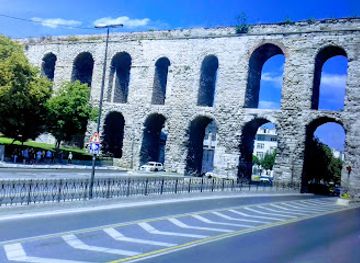
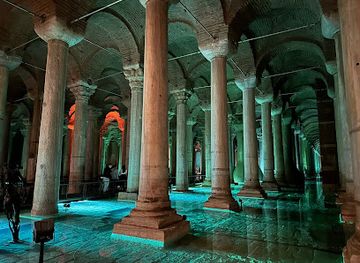
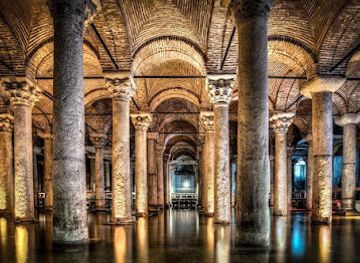
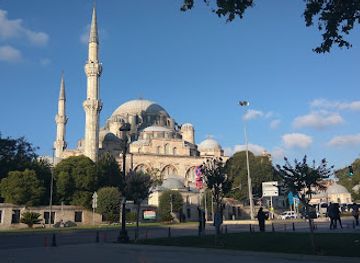
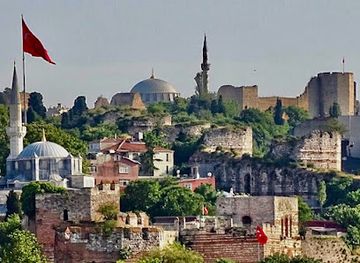
Fatih contains Istanbul’s densest collection of historic attractions. In Sultanahmet, Hagia Sophia, the Blue Mosque, the Basilica Cistern, the Hippodrome and Topkapı Palace form the city’s best-known monumental cluster, while the Istanbul Archaeological Museums deepen the story of the Byzantine and Ottoman capital. North of this core, the Grand Bazaar offers a vast network of covered market streets, and the Süleymaniye Mosque provides both architectural interest and broad views towards the Golden Horn. The Fatih Mosque complex is an important local landmark, while Fener and Balat invite slower exploration among historic houses, churches, synagogues and neighbourhood cafés. The Theodosian land walls and nearby fragments of the old city’s defensive landscape add a different perspective, showing how the peninsula was once protected from approach across Thrace.
-
 Tourist attraction
The Blue Mosque
Discover the architectural beauty and spiritual serenity of the Blue Mosque, a must-visit landmark in the heart of Istanbul, Turkey.
6 min drive · 2.1 km from neighbourhood centre
-
Tourist attraction
Sarachane Park
Experience the tranquility and historical charm of Sarachane Park, a beautiful green oasis in the heart of Istanbul's Fatih district.
13 min walk · 1.0 km from neighbourhood centre
-
Tourist attraction
Cisterna
Explore the architectural beauty and historical significance of Cisterna in the heart of Istanbul, a must-visit tourist attraction for every traveler.
6 min drive · 1.9 km from neighbourhood centre
-
Tourist attraction
Statue of sultan on horse
Explore Istanbul's rich history at the Statue of Sultan on Horse, a stunning monument in Fatih Anıt Parkı celebrating the grandeur of the Ottoman Empire.
14 min walk · 1.1 km from neighbourhood centre
Best landmarks in Fatih
Fatih’s landmarks reveal successive imperial and religious phases of Istanbul. Hagia Sophia remains the peninsula’s defining architectural presence, while the Blue Mosque and the Süleymaniye Mosque demonstrate the Ottoman practice of combining a monumental mosque with educational and charitable institutions. The Fatih Mosque complex marks the district’s association with Mehmed II, although the present building reflects later reconstruction after earthquake damage. The Grand Bazaar and Egyptian Bazaar preserve the commercial importance of the old city, even as their functions have changed. The Basilica Cistern represents the sophisticated Byzantine water infrastructure beneath the streets, and the Theodosian land walls provide a powerful reminder of Constantinople’s defensive perimeter. Fener’s Greek Orthodox Patriarchate, historic churches and surviving houses, together with Balat’s religious buildings and timber-fronted streets, express the peninsula’s formerly more visibly plural urban society.
-
Mosque
The Blue Mosque
Explore the Blue Mosque: A stunning architectural gem and cultural landmark in Istanbul that embodies the grandeur of Ottoman history.
6 min drive · 2.1 km from neighbourhood centre
-
Historical landmark
Basilica Cistern
Explore the Basilica Cistern, an architectural wonder beneath Istanbul, showcasing Byzantine engineering and stunning artistry in a captivating atmosphere.
7 min drive · 2.2 km from neighbourhood centre
-
Park
Fatih Memorial Park
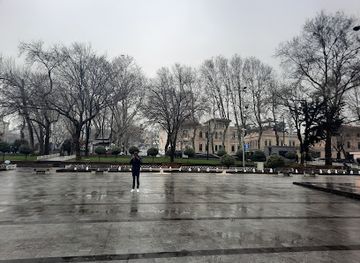
Experience the serene beauty and historical significance of Fatih Memorial Park, a tranquil escape in the heart of Istanbul.
14 min walk · 1.1 km from neighbourhood centre
-
Fortress
Historic Areas of Istanbul Walls
Explore the Historic Areas of Istanbul Walls, a UNESCO World Heritage site showcasing the grandeur of Byzantine and Ottoman fortifications.
8 min drive · 2.8 km from neighbourhood centre
Explore Fatih on the map
A handpicked selection of must-see spots in Fatih, mapped for you.
Best hotels in Fatih
Best restaurants in Fatih
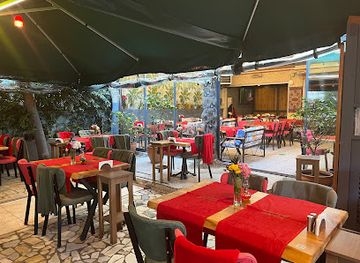
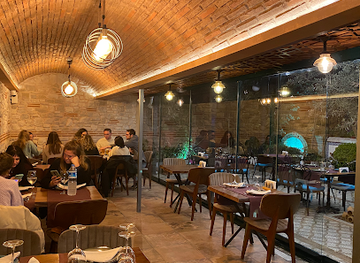
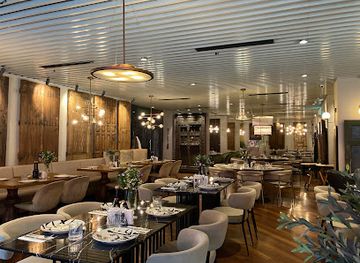
Eating in Fatih ranges from practical local cafés and bakeries to established restaurants serving Turkish specialities for residents, workers and visitors. Around Aksaray and Laleli, diners encounter a broad mix of Turkish, Balkan, Central Asian and Middle Eastern influences, reflecting the district’s commercial connections and diverse population. The streets around the Grand Bazaar and Tahtakale offer kebabs, pide, soups, grilled foods, lokanta-style dishes and sweets, while Eminönü, at the edge of the historic peninsula, is known for quick fish sandwiches and market-oriented eating. Fener and Balat have a smaller café and brunch scene in restored streets, though visitors should distinguish these neighbourhoods from the area around Fatih Mosque itself. Tea houses, pastry shops and modest restaurants often provide a more useful window into everyday life than the dining rooms closest to the principal monuments.
-
Restaurant
Hidden Garden
Experience the best of Turkish cuisine at Hidden Garden - where tradition meets taste in an enchanting setting.
5 min drive · 1.7 km from neighbourhood centre
-
Restaurant
Seher Restaurant
Discover the best of Turkish cuisine at Seher Restaurant in Istanbul - where tradition meets flavor in every dish.
7 min drive · 2.2 km from neighbourhood centre
-
Turkish
Olive Garden Cafe & Restaurant
Discover authentic Turkish flavors at Olive Garden Cafe & Restaurant in Istanbul – where every meal feels like home.
5 min drive · 1.6 km from neighbourhood centre
-
Restaurant
Galeyan Restaurant
Experience authentic Turkish cuisine at Galeyan Restaurant in Istanbul - where tradition meets flavor in every dish.
6 min drive · 2.0 km from neighbourhood centre
Best bars in Fatih
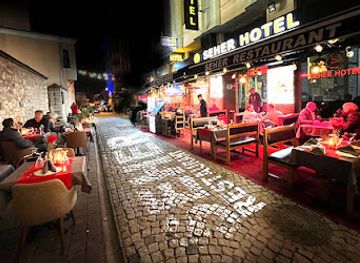
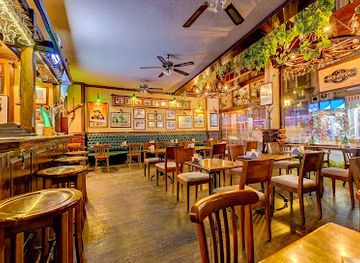
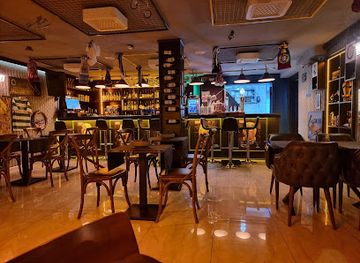
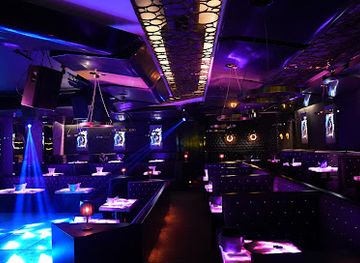
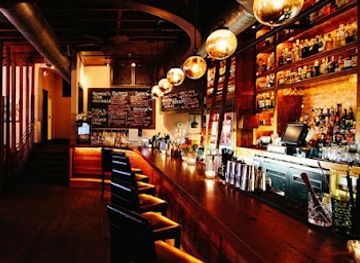
Fatih is not Istanbul’s principal late-night club district, and much of the historic peninsula becomes quieter once offices, shops and major attractions close. Evening life is more visible in tea houses, dessert shops, casual restaurants and cafés around Sultanahmet, Aksaray, Fener and Balat than in large entertainment venues. Sultanahmet has hotel bars and tourist-oriented restaurants, while the streets around Fener and Balat contain a modest selection of cafés and licensed bars in converted historic buildings. Aksaray and Laleli remain active later because of transport, accommodation and commerce, though their atmosphere is functional rather than club-focused. Visitors seeking extensive live music, cocktail bars or nightclubs usually need to continue to Beyoğlu, Karaköy or Kadıköy elsewhere in Istanbul, rather than assuming that the whole of Fatih operates as a nightlife quarter.
-
Restaurant
Red River Pub
Experience the vibrant atmosphere of Red River Pub in Istanbul, where delicious food, refreshing drinks, and live sports come together.
7 min drive · 2.3 km from neighbourhood centre
-
Pub
Rounders İrish Bar
Discover the vibrant atmosphere of Rounders Irish Bar in Istanbul, where Irish charm meets Turkish hospitality, creating a unique pub experience.
7 min drive · 2.4 km from neighbourhood centre
-
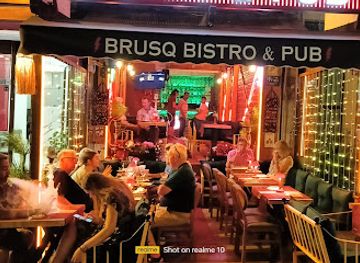
Bar
BrusQ Bar
Experience Istanbul's vibrant nightlife at BrusQ Bar, where exquisite cocktails and a dynamic atmosphere await every visitor.
7 min drive · 2.4 km from neighbourhood centre
-
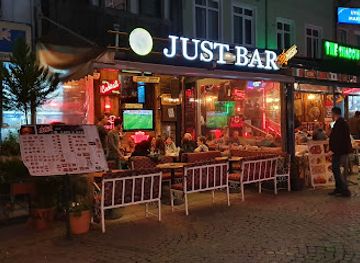
Bar
Just Bar
Discover the vibrant nightlife at Just Bar, a lively Istanbul bar offering an extensive drink menu and a welcoming atmosphere for tourists and locals alike.
7 min drive · 2.4 km from neighbourhood centre
Best nightclubs in Fatih
Fatih is not Istanbul’s principal late-night club district, and much of the historic peninsula becomes quieter once offices, shops and major attractions close. Evening life is more visible in tea houses, dessert shops, casual restaurants and cafés around Sultanahmet, Aksaray, Fener and Balat than in large entertainment venues. Sultanahmet has hotel bars and tourist-oriented restaurants, while the streets around Fener and Balat contain a modest selection of cafés and licensed bars in converted historic buildings. Aksaray and Laleli remain active later because of transport, accommodation and commerce, though their atmosphere is functional rather than club-focused. Visitors seeking extensive live music, cocktail bars or nightclubs usually need to continue to Beyoğlu, Karaköy or Kadıköy elsewhere in Istanbul, rather than assuming that the whole of Fatih operates as a nightlife quarter.
-
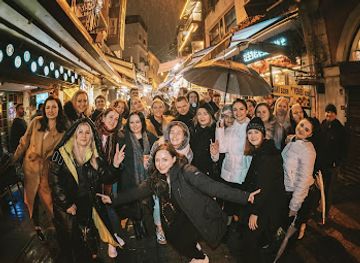
Party planner
Istanbul Party Pub Crawl
Dive into the electrifying nightlife of Istanbul with the Istanbul Party Pub Crawl for an unforgettable experience filled with music, drinks, and new friends.
7 min drive · 2.4 km from neighbourhood centre
-
Night club
SWITCH Night Club
Immerse yourself in the vibrant nightlife of Istanbul at SWITCH Night Club, where electrifying beats and stylish ambiance converge.
12 min walk · 0.9 km from neighbourhood centre
-
Night club
Menu club
Discover the electrifying nightlife of Istanbul at Menu Club, where music, dance, and excitement come together for an unforgettable evening.
7 min drive · 2.5 km from neighbourhood centre
-
Night club
The Cocktail Disco
Experience the electric nightlife of Istanbul at The Cocktail Disco, where vibrant music and expertly crafted cocktails create unforgettable evenings.
5 min walk · 0.4 km from neighbourhood centre
Best shops in Fatih
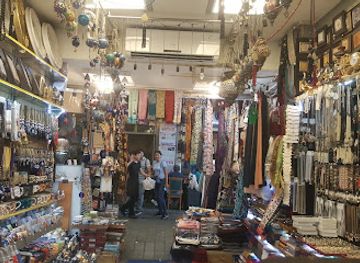
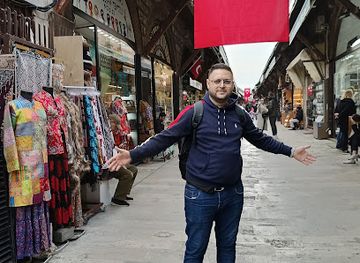
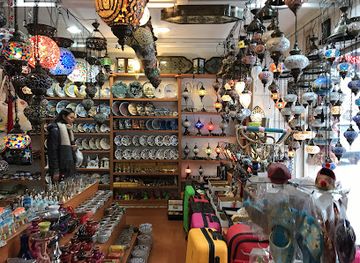
Shopping in Fatih is shaped by the old city’s historic wholesale and market economy rather than by a single modern retail street. The Grand Bazaar is the major landmark, with covered lanes devoted to jewellery, textiles, leather, ceramics, carpets and souvenirs, while the Egyptian Bazaar and surrounding Tahtakale streets concentrate on spices, confectionery, dried foods, kitchen goods and small household merchandise. Beyazıt, Laleli and Aksaray extend this commercial landscape with clothing, luggage, shoes and wholesale businesses, although the character changes from heritage market to working trade district. Independent bakeries, food shops and small household retailers are often more representative of local life than souvenir outlets around Sultanahmet. Bargaining may be part of some market transactions, but visitors should compare goods, clarify prices and distinguish handmade products from mass-produced merchandise.
-
Gift shop
ASLAN GİFT SHOP
Explore ASLAN GIFT SHOP in Istanbul for authentic Turkish gifts, unique souvenirs, and a delightful shopping experience that captures the spirit of Turkey.
6 min drive · 2.2 km from neighbourhood centre
-
Store
Souk fatihe
Experience the vibrant culture and delightful flavors of Istanbul at Souk Fatihe, a bustling market filled with unique crafts and local delicacies.
18 min walk · 1.5 km from neighbourhood centre
-
Gift shop
Ottoman Art Istanbul
Explore Ottoman Art Istanbul for exquisite souvenirs, stylish accessories, and authentic Turkish home goods, capturing the essence of Turkey's rich heritage.
7 min drive · 2.2 km from neighbourhood centre
-
Gift shop
Gallery Fatih
Discover a treasure trove of unique gifts and local art at Gallery Fatih, a delightful gift shop in Istanbul's historic Sultan Ahmet district.
6 min drive · 2.0 km from neighbourhood centre
Fatih essentials
Getting There
Getting Around
Safety
Emergency Situations
Do's and Don'ts
Local Tips

From Eve
Local phrases worth knowing
You don't need to get them perfect. A few words go a long way, and locals appreciate the effort.
Basics
| English | Local | Say it |
|---|---|---|
| Hello | Merhaba | [Mer-ha-ba] |
| Goodbye | Hoşçakal | [Hosh-cha-kal] |
| Yes | Evet | [Eh-vet] |
| No | Hayır | [Ha-yur] |
| Please/You're welcome | Lütfen | [Loot-fen] |
| Thank you | Teşekkür ederim | [Te-shek-kur ed-er-im] |
| Excuse me/Sorry | Özür dilerim | [O-zur dee-le-rim] |
| How are you? | Nasılsınız? | [Na-sul-suh-nuz] |
| Fine. And you? | İyiyim. Siz? | [Ee-yee-yim. Sez] |
| Do you speak English? | İngilizce konuşuyor musunuz? | [Ing-ee-leez-je ko-noo-shu-yor moos-oo-nooz] |
| I don't understand | Anlamıyorum | [An-la-mi-yor-um] |
Eating & Drinking
| English | Local | Say it |
|---|---|---|
| I'd like to see the menu, please | Menüyü görmek istiyorum, lütfen | [Men-oo-yu gor-mek is-tee-yor-um, loot-fen] |
| I don't eat meat | Et yemem | [Et ye-mem] |
| Cheers! | Şerefe! | [She-re-fe] |
| I would like to pay, please | Ödemek istiyorum, lütfen | [O-de-mek is-tee-yor-um, loot-fen] |
Emergencies
| English | Local | Say it |
|---|---|---|
| Help! | Yardım edin! | [Yar-dum ed-een] |
| Go away! | Uzaklaş! | [Oo-zak-lash] |
| Call the Police! | Polisi arayın! | [Po-lee-see a-ryun] |
| Call a doctor! | Doktor çağırın! | [Dok-tor cha-ee-run] |
| I'm lost | Kayboldum | [Kai-bol-dum] |
| I'm ill | Hastaım | [Has-tai-um] |
Shopping
| English | Local | Say it |
|---|---|---|
| I'd like to buy... | Satın almak istiyorum... | [Sat-un al-mak is-tee-yor-um] |
| I'm just looking | Sadece bakıyorum | [Sa-de-je ba-ki-yor-um] |
| How much is it? | Kaç lira? | [Kach lee-ra] |
| That's too expensive | Çok pahalı | [Chok pa-ha-luh] |
| Can you lower the price? | Fiyatı indirebilir misiniz? | [Fee-yat-uh in-de-re-bee-ler mee-see-neez] |
Time & Numbers
| English | Local | Say it |
|---|---|---|
| What time is it? | Saat kaç? | [Sa-at kach] |
| It's one o'clock | Saat bir | [Sa-at beer] |
| Half past (10) | On buçuk | [On boo-chuk] |
| Morning | Sabah | [Sa-bah] |
| Afternoon | Öğleden sonra | [O-le-den af-ter-na] |
| Evening | Akşam | [Ak-sham] |
| Yesterday | Dün | [Doon] |
| Today | Bugün | [Boo-goon] |
| Tomorrow | Yarın | [Ya-rin] |
| 1 | Bir | [Beer] |
| 2 | İki | [Ee-kee] |
| 3 | Üç | [Ooch] |
| 4 | Dört | [Durt] |
| 5 | Beş | [Besh] |
| 6 | Altı | [Al-tuh] |
| 7 | Yedi | [Ye-dee] |
| 8 | Sekiz | [Se-keez] |
| 9 | Dokuz | [Doe-kooz] |
| 10 | On | [On] |
Transport & Directions
| English | Local | Say it |
|---|---|---|
| Where's a/the...? | ...nerede? | [Ne-re-de] |
| What's the address? | Adres nedir? | [Ad-res ne-dir] |
| Can you show me (on the map)? | Haritada gösterebilir misiniz? | [Ha-ree-ta-da gor-ste-re-bee-leer mee-see-neez] |
| When's the next (bus)? | Sonraki (otobüs) ne zaman? | [Son-ra-kee o-to-booos ne za-man] |
| A ticket (to ....) | Bir bilet (....'e) | [Beer bee-let ....-e] |
History of Fatih
Byzantine Constantinople
Fatih occupies much of the area that formed Constantinople’s historic peninsula, the centre of Byzantine political and religious life for centuries. The peninsula was enclosed by the Theodosian land walls to the west and bordered by the Golden Horn, the Bosporus and the Sea of Marmara. The ancient city’s major institutions were concentrated here, although many visible remains survive only as fragments or beneath later construction. Hagia Sophia, founded under the emperor Justinian in the sixth century, and the Hippodrome area in present-day Sultanahmet preserve the clearest reminders of Constantinople’s imperial role. The district’s street plan and surviving cisterns, walls and foundations still reflect this long period of urban occupation.
Ottoman Transformation
After the Ottoman conquest of Constantinople in 1453, the area was gradually reshaped around imperial mosques, charitable foundations and new commercial networks. Mehmed II, known as Fatih or ‘the Conqueror’, gave his name to the district and commissioned the Fatih Mosque complex on the site associated with the Byzantine Church of the Holy Apostles. Earthquakes and later rebuilding mean that the present mosque is not the original fifteenth-century structure, but the surrounding külliye established an enduring institutional centre. Other major Ottoman foundations, including the Süleymaniye complex commissioned by Süleyman the Magnificent in the sixteenth century, altered the skyline and provided schools, kitchens, baths and religious facilities alongside worship.
Commerce and Diverse Communities
For centuries, Fatih’s location between the imperial centre, the Golden Horn waterfront and the landward approaches made it a place of trade, craft production and migration. The Grand Bazaar, Egyptian Bazaar and adjoining streets developed as linked commercial zones, while inns, workshops and market buildings supported the movement of goods through the old city. Fener and Balat became associated with Greek Orthodox, Armenian and Jewish communities, whose schools, churches, synagogues and houses contributed to the peninsula’s layered social history. Population movements, fires, changing state policies and the transformation of port and market economies altered these communities over time, leaving a built environment in which religious and commercial landmarks stand close together.
Modern Pressures and Preservation
During the nineteenth and twentieth centuries, new roads, tramways, rail connections and port activity tied the historic peninsula more closely to the expanding city. The area experienced fires, earthquakes, demographic change and periods of building neglect, while later conservation efforts sought to protect its monuments and historic housing. The historic areas of Istanbul, including Fatih’s principal heritage zones, were inscribed on the UNESCO World Heritage List in 1985. Contemporary Fatih combines tourism, wholesale trade, religious life, transport infrastructure and established residential quarters. Restoration in places such as Fener and Balat has improved the appearance of some streets but has also brought commercial change, making the relationship between conservation, local life and redevelopment an ongoing feature of the district.
Fatih in Photos
Browse through our photo collection highlighting the charm and character of the destination.
Neighbourhoods near Fatih
The closest neighbourhoods to Fatih, if you have time for more than one stop.
-

-

-

-

-


Swipe for more neighbourhoods
Explore more

Explore more of Istanbul
Istanbul blends Byzantine and Ottoman heritage with Bosphorus views, grand bazaars, distinctive cuisine and neighbourhoods rich in culture and local life.
Explore Istanbul