

Bornova (Izmir) Travel Guide - Free
Explore Bornova in Izmir with Evendo's free guide. Find the best shops, historic streets, restaurants, and gems on web or mobile.


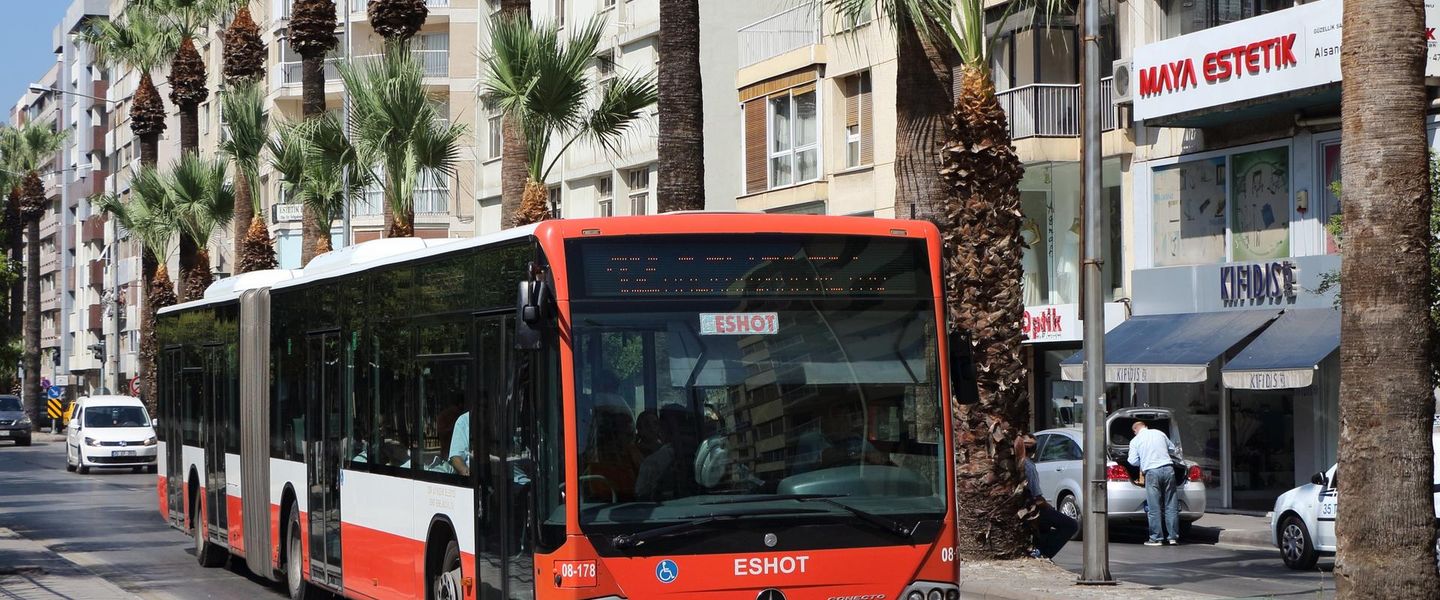


Bornova, Izmir, blends university life, Levantine mansions, ancient Yeşilova Höyük, leafy parks, lively cafés and easy metro links for curious travellers.
A Plain Shaped by Many Eras
Bornova lies north-east of central Izmir, spread across a broad plain between the city’s inner districts and the wooded slopes leading towards Kemalpaşa. It is commonly understood both as an urban neighbourhood and as a large district of Izmir, so its character changes noticeably from the metro corridor and university zones to quieter residential edges. The area’s deepest history is represented by Yeşilova Höyük, where archaeological remains document settlement in the Izmir region from the Neolithic period onwards.Read more about Bornova
Levantine Houses and Everyday City Life
University Energy and Open Spaces
Best attractions in Bornova
Bornova’s attractions are spread across an urban district rather than concentrated in one postcard centre. Yeşilova Höyük is the outstanding archaeological experience, presenting the long human history of the plain through excavated remains and interpretation. In the historic core, Büyükpark makes a useful starting point for seeing Bornova’s public life, while nearby streets contain surviving Levantine mansions and older villas, some with restricted access or institutional uses. Ege University’s campus and museum-related facilities give the district a strong educational character, although visitors should check access arrangements before entering university buildings. Forum Bornova offers a polished contrast, with shops, restaurants and open-air public areas in a planned complex. Küçükpark, surrounded by cafés and student businesses, is less a formal attraction than a lively setting for observing contemporary Bornova, particularly in the late afternoon and evening.
-
Tourist attraction
Büyükpark
Experience the beauty and tranquility of Büyükkpark, İzmir's urban oasis, a perfect destination for relaxation, recreation, and cultural events.
6 min walk · 0.5 km from neighbourhood centre
-
Tourist attraction
Ataturk Museum
Discover the Ataturk Museum in Izmir, where history comes alive through the life of Turkey's founding father, Mustafa Kemal Ataturk.
23 min drive · 7.7 km from neighbourhood centre
-
Park
Küçükpark
Explore the serene beauty of Küçükpark in İzmir, a perfect escape for nature lovers and families seeking relaxation and outdoor activities.
11 min walk · 0.9 km from neighbourhood centre
-
Tourist attraction
Homeros Vadisi
Explore the breathtaking Homeros Vadisi, a nature preserve in İzmir, where enchanting landscapes meet the legendary tales of Homer.
14 min drive · 4.6 km from neighbourhood centre


Best landmarks in Bornova
Bornova’s landmarks express the meeting of archaeology, Levantine history and modern education. Yeşilova Höyük is the district’s most important historical site, preserving evidence of prehistoric settlement beneath the contemporary plain. In the older centre, Peterson Mansion and other surviving Levantine residences recall the nineteenth-century summer-estate culture of Bournabat; their architectural value lies in the way gardens, villas and local urban streets preserve traces of Izmir’s merchant history. Büyükpark is a civic landmark rather than an ancient monument, providing Bornova with a recognisable public centre. Ege University forms another defining presence, its campus and institutions shaping the district’s identity and daily movement. The metro corridor and major roads are less picturesque, but they are equally significant in explaining how a former retreat became part of metropolitan Izmir.
-
Park
Büyükpark
Explore the lush beauty of Büyükpark in Bornova, a perfect urban getaway with gardens, walking paths, and recreational facilities.
6 min walk · 0.5 km from neighbourhood centre
-
Park
Atatürk Parkı
Discover the tranquil beauty of Atatürk Parkı, İzmir's urban park with lush greenery, playgrounds, and art installations perfect for relaxation.
11 min drive · 3.8 km from neighbourhood centre
-
Nature preserve
Homeros Vadisi
Explore the stunning landscapes and rich biodiversity of Homeros Vadisi, a breathtaking nature preserve in İzmir, perfect for all nature lovers.
14 min drive · 4.6 km from neighbourhood centre
-
Community garden
Bornova Meydan
Discover the serene beauty of Bornova Meydan, İzmir's beloved community garden, where nature and local culture flourish in harmony.
1 min walk · 0.1 km from neighbourhood centre


Explore Bornova on the map
A handpicked selection of must-see spots in Bornova, mapped for you.
Best hotels in Bornova
Best restaurants in Bornova
Bornova’s dining scene reflects its student population, large residential communities and proximity to the agricultural hinterland. Around Küçükpark and the streets serving Ege University, visitors find affordable cafés, casual restaurants, bakeries, takeaway counters and international-style menus designed for a young, mobile clientele. The wider district also has Turkish grill restaurants, pide and kebab shops, breakfast places, dessert cafés and family dining rooms, with choices becoming more substantial around busy roads and shopping areas. Forum Bornova gathers chain restaurants and contemporary food outlets in a modern setting, while smaller local businesses provide a more ordinary view of daily eating habits. Menus often include familiar Aegean ingredients such as seasonal vegetables, olive oil dishes and herbs, though Bornova is better understood as a broad urban dining district than as the home of one narrowly defined speciality.
-
Restaurant
Buenas Bistro & Lounge
Experience exceptional dining at Buenas Bistro & Lounge in Bornova - where local flavors meet international flair.
3 min walk · 0.2 km from neighbourhood centre
-
Seafood
Buzuki Meyhane
Experience the essence of Turkish seafood dining at Buzuki Meyhane in İzmir - where tradition meets flavor in every dish.
7 min walk · 0.6 km from neighbourhood centre
-
Restaurant
Cumba
Experience exquisite Turkish cuisine at Cumba in Bornova – where tradition meets modern gastronomy in an inviting atmosphere.
8 min drive · 2.7 km from neighbourhood centre
-
Restaurant
Gandi'nin Yeri
Discover delicious Turkish cuisine at Gandi'nin Yeri in Bornova – where tradition meets modern dining in a vibrant atmosphere.
13 min walk · 1.1 km from neighbourhood centre


Best bars in Bornova
Bornova’s evening life is led by cafés, casual bars and student-oriented venues rather than by a dense club district. Küçükpark is the principal focus, with tables spilling into lively streets and businesses serving coffee, beer, cocktails, snacks and late meals to Ege University students and local residents. Büyükpark and the historic centre are quieter, with evening activity centred more on strolling, family outings and cafés than on loud nightlife. Larger entertainment options may be found in shopping and commercial zones, but the district’s character remains social and informal rather than centred on major nightclubs. Visitors should expect noise and crowds around popular student streets while respecting nearby homes, and should check current venue arrangements because businesses and entertainment programmes change frequently.
-
 Pub
Biralem Pub
Experience the vibrant atmosphere of Biralem Pub in Bornova, İzmir, where great drinks and unforgettable moments await you.
12 min walk · 1.0 km from neighbourhood centre
-
Bar
Dungeon
Explore the vibrant nightlife at Dungeon Bar in Bornova, İzmir, where cocktails and music create unforgettable evenings.
4 min walk · 0.3 km from neighbourhood centre
-
Bar
Beri Blues
Experience the vibrant nightlife at Beri Blues, a lively bar in Bornova, İzmir, where local culture meets electric vibes.
11 min walk · 0.9 km from neighbourhood centre
-
Pub
Will Pub
Dive into the vibrant nightlife of Bornova at Will Pub, where great drinks, music, and unforgettable moments await every visitor.
11 min walk · 0.9 km from neighbourhood centre


Best nightclubs in Bornova
Bornova’s evening life is led by cafés, casual bars and student-oriented venues rather than by a dense club district. Küçükpark is the principal focus, with tables spilling into lively streets and businesses serving coffee, beer, cocktails, snacks and late meals to Ege University students and local residents. Büyükpark and the historic centre are quieter, with evening activity centred more on strolling, family outings and cafés than on loud nightlife. Larger entertainment options may be found in shopping and commercial zones, but the district’s character remains social and informal rather than centred on major nightclubs. Visitors should expect noise and crowds around popular student streets while respecting nearby homes, and should check current venue arrangements because businesses and entertainment programmes change frequently.
-
Night club
Bornova Sahne Performance Hall
Discover the vibrant nightlife at Bornova Sahne Performance Hall, İzmir's premier night club with electrifying performances and unforgettable experiences.
4 min walk · 0.3 km from neighbourhood centre
-
Night club
Bornova Müzikhol
Discover the vibrant nightlife and eclectic music scene at Bornova Müzikhol, the ultimate night club experience in İzmir.
5 min drive · 1.6 km from neighbourhood centre
-
Night club
Lion King Night Club
Immerse yourself in vibrant nightlife at Lion King Night Club in Bornova, İzmir, where music, dance, and unforgettable moments await.
13 min drive · 4.2 km from neighbourhood centre
-
Disco club
Nox-x Clup
Discover the vibrant nightlife at Nox-x Club in Bornova, İzmir, where the beats are infectious and the atmosphere is electric.
4 min walk · 0.3 km from neighbourhood centre


Best shops in Bornova
Shopping in Bornova ranges from student-focused independent businesses to large contemporary retail. Küçükpark and the streets around Ege University are useful for casual clothing, stationery, books, cafés, takeaway food and everyday services aimed at students and local residents. The older centre has small shops and neighbourhood businesses rather than a single specialist market tradition, while Forum Bornova provides a sizeable open-air retail complex with national and international brands, restaurants and leisure facilities. Visitors interested in local food can browse bakeries, delicatessens, produce shops and ordinary grocers, although Bornova is not primarily a craft-shopping quarter. The contrast between university commerce, residential high streets and organised shopping at Forum Bornova gives a clearer picture of the district than searching for one concentrated bazaar.
-
Shopping mall
Forum Bornova
Experience the ultimate shopping journey at Forum Bornova, İzmir's leading mall with diverse shops, dining, and entertainment options.
6 min drive · 1.9 km from neighbourhood centre
-
Outlet mall
Park Bornova Outlet Center
Explore the vibrant Park Bornova Outlet Center in İzmir for unbeatable shopping deals, diverse dining options, and family-friendly entertainment.
8 min drive · 2.6 km from neighbourhood centre
-
Clothing store
Mavi - İzmir Bornova
Explore contemporary fashion at Mavi - İzmir Bornova, where style meets quality in the heart of İzmir.
2 min walk · 0.2 km from neighbourhood centre
-
Gift shop
Metro 1001 Çeşit Hediyelik Eşya
Explore the charm of Metro 1001 Çeşit Hediyelik Eşya in Bornova, Izmir – your go-to destination for authentic Turkish gifts and souvenirs.
12 min walk · 1.0 km from neighbourhood centre


Bornova essentials
Getting There
Getting Around
Safety
Emergency Situations
Do's and Don'ts
Local Tips

From Eve
Local phrases worth knowing
You don't need to get them perfect. A few words go a long way, and locals appreciate the effort.
Basics
| English | Local | Say it |
|---|---|---|
| Hello | Merhaba | [Mer-ha-ba] |
| Goodbye | Hoşça kal | [Hosh-cha kal] |
| Yes | Evet | [Eh-vet] |
| No | Hayır | [Ha-yuhr] |
| Please/You're welcome | Lütfen | [Loot-fen] |
| Thank you | Teşekkür ederim | [Te-she-kur eh-deh-rim] |
| Excuse me/Sorry | Özür dilerim | [O-zur dee-leh-rim] |
| How are you? | Nasılsınız? | [Nah-suhl-suh-nuhz] |
| Fine. And you? | İyiyim. Ya siz? | [Ee-yee-yim. Yah siz] |
| Do you speak English? | İngilizce konuşuyor musunuz? | [Een-gee-leez-jeh ko-noo-shu-yor moo-soo-nooz] |
| I don't understand | Anlamıyorum | [An-la-muh-yor-um] |
Eating & Drinking
| English | Local | Say it |
|---|---|---|
| I'd like to see the menu, please | Menüyü görmek istiyorum, lütfen | [Men-oo-yu gore-mek is-tee-yor-um, loot-fen] |
| I don't eat meat | Et yemem | [Et ye-mem] |
| Cheers! | Şerefe! | [She-reh-feh] |
| I would like to pay, please | Ödemek istiyorum, lütfen | [Uh-deh-mek is-tee-yor-um, loot-fen] |
Emergencies
| English | Local | Say it |
|---|---|---|
| Help! | Yardım! | [Yar-duhm] |
| Go away! | Uzaklaş! | [Oo-zak-lash] |
| Call the Police! | Polisi arayın! | [Poh-lee-see ah-rah-yun] |
| Call a doctor! | Doktor çağırın! | [Dok-tor cha-uh-ruhn] |
| I'm lost | Kayboldum | [Kai-bol-doom] |
| I'm ill | Hasta'yım | [Has-tai-yum] |
Shopping
| English | Local | Say it |
|---|---|---|
| I'd like to buy... | Satın almak istiyorum... | [Sat-uhn al-mak is-tee-yor-um] |
| I'm just looking | Sadece bakınıyorum | [Sa-de-je ba-ki-nuh-yor-um] |
| How much is it? | Ne kadar? | [Neh ka-dar] |
| That's too expensive | Bu çok pahalı | [Boo chook pah-ha-luh] |
| Can you lower the price? | Fiyatı indirebilir misiniz? | [Fee-ya-tuh in-de-re-bee-leer mee-see-neez] |
Time & Numbers
| English | Local | Say it |
|---|---|---|
| What time is it? | Saat kaç? | [Saat kach] |
| It's one o'clock | Saat bir | [Saat beer] |
| Half past (10) | On buçuk | [On boo-chuk] |
| Morning | Sabah | [Sah-bah] |
| Afternoon | Öğleden sonra | [Oo-led-den ah-so-ra] |
| Evening | Akşam | [Ahk-sham] |
| Yesterday | Dün | [Doon] |
| Today | Bugün | [Boo-goon] |
| Tomorrow | Yarın | [Yah-run] |
| 1 | Bir | [Beer] |
| 2 | İki | [Ee-kee] |
| 3 | Üç | [Ooch] |
| 4 | Dört | [Durt] |
| 5 | Beş | [Besh] |
| 6 | Altı | [Al-tuh] |
| 7 | Yedi | [Yeh-dee] |
| 8 | Sekiz | [Seh-keez] |
| 9 | Dokuz | [Doh-kooz] |
| 10 | On | [On] |
Transport & Directions
| English | Local | Say it |
|---|---|---|
| Where's a/the...? | ...nerede? | [Neh-reh-deh?] |
| What's the address? | Adres nedir? | [A-dres neh-deer?] |
| Can you show me (on the map)? | (Haritada) bana gösterebilir misiniz? | [(Ha-ree-ta-da) bah-na go-shte-re-bee-leer mee-see-neez] |
| When's the next (bus)? | Sonraki (otobüs) ne zaman? | [Son-rah-kee (o-to-boo-s) neh zah-man?] |
| A ticket (to ....) | Bir bilet (....'e) | [Beer bee-let (eh)] |
History of Bornova
Neolithic Settlement at Yeşilova
The earliest substantial evidence connected with modern Bornova comes from Yeşilova Höyük, an archaeological mound on the plain. Excavations have revealed settlement layers extending back to the Neolithic period, making the site one of the most important places for understanding the early communities of the Izmir region. The inhabitants lived in a landscape shaped by fertile soils, watercourses and access to the Aegean hinterland. Later occupation at and around the mound demonstrates that the plain remained useful over many centuries. Yeşilova is significant not because it represents the whole history of Izmir, but because it preserves a local record of how settled life developed in the area before the rise of the classical city of Smyrna.
From Agricultural Plain to Bornova
For much of its later history, Bornova was a settlement and agricultural area outside the dense commercial core of Smyrna. Ottoman-era references use forms of the name such as Birunabad, while European visitors and Levantine communities commonly used Bournabat. Orchards, vineyards and gardens were important to the character of the plain, whose cooler inland setting made it attractive as a summer retreat. The area’s position between the port city and routes towards the eastern interior also encouraged movement and exchange. Rather than developing as a single planned quarter, Bornova grew through the gradual consolidation of a village centre, agricultural land, estates and transport connections.
Levantine Estates and the Railway
During the nineteenth century, merchant families connected with Izmir’s expanding port economy built substantial summer residences in Bornova. The surviving Levantine mansions, including Peterson Mansion and other villas around the historic centre, combined domestic gardens with architectural details reflecting the families’ European backgrounds and local materials. The railway linking Izmir with Aydın, opened in the 1860s, strengthened Bornova’s relationship with the port and the inland economy, making movement between the settlement and Izmir easier. This period gave Bornova much of the architectural character for which its historic core is known, while its gardens and country houses distinguished it from the crowded waterfront districts.
Urban Growth and University Life
The twentieth century brought the gradual transformation of Bornova from a semi-rural retreat into a major urban district. New roads, housing and public services extended across the plain, while the establishment and expansion of Ege University from the 1950s created a powerful institutional and demographic focus. Students, staff, hospitals and research facilities changed the rhythm of the area, particularly around the metro corridor and Küçükpark. Residential construction and commercial development continued as Izmir spread inland and north-east. Historic mansions survived unevenly within this expansion, leaving Bornova with a layered landscape in which archaeological sites, nineteenth-century houses, university buildings and dense modern neighbourhoods stand close together.
Bornova in Photos
Browse through our photo collection highlighting the charm and character of the destination.
Neighbourhoods near Bornova
The closest neighbourhoods to Bornova, if you have time for more than one stop.
-
-

-

-


Swipe for more neighbourhoods
Explore more

Explore more of Izmir
Discover Izmir, the vibrant Pearl of the Aegean, where ancient ruins meet modern charm, offering a rich blend of history, culture, and stunning seaside views.
Explore Izmir