

Khor Fakkan Travel Guide - Free Web & App
Your ultimate guide to Khor Fakkan. Discover top landmarks, proposed trips, and local tips. Free on the web or via the Evendo companion app.


Khor Fakkan, United Arab Emirates, combines Gulf of Oman beaches, Hajar Mountain scenery, diving, heritage villages and Sharjah cultural landmarks.
A Gulf of Oman Landscape
Khor Fakkan occupies a sheltered bay on the Gulf of Oman, on the United Arab Emirates’ east coast. Although it belongs to the Emirate of Sharjah, the town is separated from Sharjah’s western territory by the Hajar Mountains and is reached by crossing a dramatic mountain pass. The result is a destination with a character distinct from the UAE’s large inland cities: a compact coastal settlement backed by rugged limestone slopes, wadis and dry valleys.Read more about Khor Fakkan
Coast, Mountains and Water
Heritage and Contemporary Sharjah
When is the best time to visit Khor Fakkan?
Best: December–February · 27–28°C| Month | High (°C) | Rainfall (mm) |
|---|---|---|
| January (best) | 27 | 15 |
| February (best) | 27 | 12 |
| March | 30 | 9 |
| April | 34 | 2 |
| May | 38 | 0 |
| June | 43 | 0 |
| July | 45 | 0 |
| August | 45 | 0 |
| September | 40 | 0 |
| October | 35 | 0 |
| November | 32 | 1 |
| December (best) | 28 | 10 |
Getting to and around Khor Fakkan
How to get there
Transportation
Best attractions in Khor Fakkan
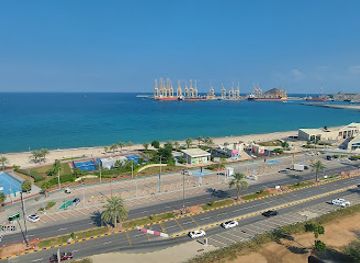
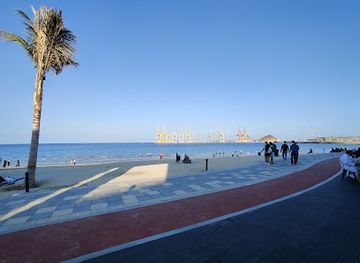
Khor Fakkan Beach is the natural starting point, offering a broad public shoreline beneath the Hajar Mountains and views across the bay. Beside it, the Khorfakkan Amphitheatre and waterfall create a prominent cultural and architectural setting, while the waterfront provides access to leisure facilities and organised marine activities. Inland, Al Rafisah Dam introduces a contrasting mountain-reservoir landscape with picnic areas and boating facilities, subject to local conditions. Shees, reached through the mountain roads, is known for its wadi setting, agricultural character and family-oriented park environment. The restored Khorfakkan Heritage Village and nearby Al Maqsar heritage area interpret older homes, defensive structures and rural life. For wider panoramas, Al Suhub Rest House sits high above the coast, and the coastal waters around Khor Fakkan are used for diving and other water-based excursions arranged through local providers.
-
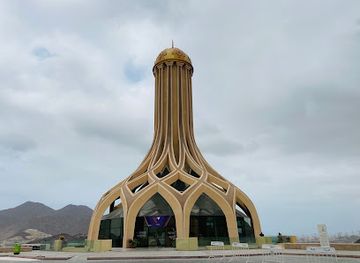
نصب المقاومة
Explore the breathtaking Al Mqawma Monument in Sharjah - a stunning blend of heritage, modern architecture, and panoramic city views.
-
Hiking area
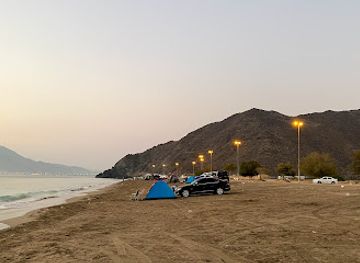
Luluyah Beach
Discover the tranquil beauty of Luluyah Beach in Sharjah, a perfect destination for relaxation, hiking, and marine exploration.
-
Park
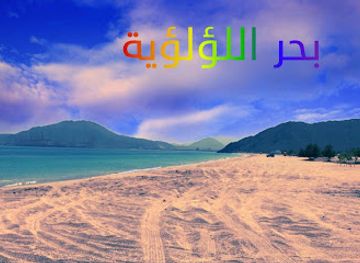
Pearl Beach (شاطئ اللؤلؤية)
Experience the tranquility and natural beauty of Pearl Beach in Sharjah, the perfect destination for relaxation and recreation.
-
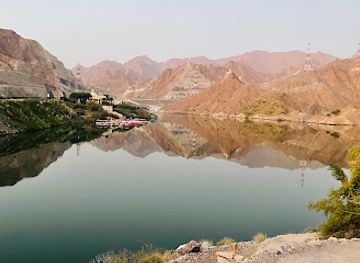
Al Rafisah Dam - The Walk
Explore the breathtaking Al Rafisah Dam - The Walk in Sharjah, a perfect haven for hiking, nature photography, and serene escapes into the great outdoors.
Best landmarks in Khor Fakkan
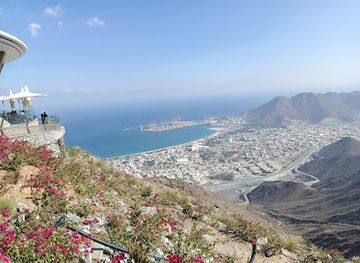
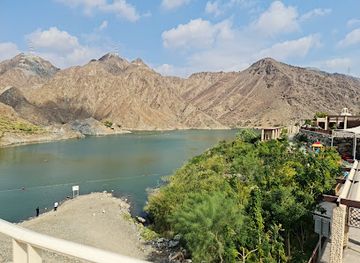
Khor Fakkan’s defining natural landmark is its sheltered Gulf of Oman bay, set between steep Hajar Mountain slopes and rocky coastal headlands. Al Rafisah Dam is a major modern water landmark, retaining a mountain reservoir within a landscape of dry valleys and exposed rock. Above the town, Al Suhub Rest House is valued for its elevated outlook over the coastline and surrounding mountains. The Khorfakkan Amphitheatre is a prominent contemporary landmark built into the coastal slope, with the adjacent waterfall forming a recognisable public gateway. Historical landmarks include the Khorfakkan Heritage Village and Al Maqsar heritage area, where traditional architecture and defensive elements evoke earlier coastal settlement. Together, these features show how the town’s identity has been shaped by maritime access, mountain geography, water management and Sharjah’s modern cultural investment.
-
Tourist attraction
Al Suhub Rest Area
Discover the breathtaking views and serene ambiance of Al Suhub Rest Area, a must-visit tourist attraction in Sharjah, UAE.
-
Tourist attraction
Khorfakkan Waterfalls
Experience the tranquility of Khorfakkan Waterfalls, a stunning natural attraction in Sharjah, UAE, perfect for nature lovers and outdoor enthusiasts.
-
Tourist attraction
Al Rafisah Dam
Explore the serene Al Rafisah Dam in Sharjah, a picturesque nature preserve perfect for relaxation and outdoor adventures amidst stunning landscapes.
-
Tourist attraction
Khorfakkan Beach
Discover Khorfakkan Beach, where stunning views, water sports, and serene sands create the perfect getaway on the UAE's east coast.
Explore Khor Fakkan on the map
Plan your trip on one map. See where the top attractions, landmarks, restaurants and hotels are, and book hotels and experiences in a few clicks.
Best hotels in Khor Fakkan
Best restaurants in Khor Fakkan
Khor Fakkan’s food scene is concentrated in the town and along its main commercial roads rather than in the mountain interior. Visitors can find Emirati and wider Gulf cooking, including rice-based dishes, grilled meats, dates and spiced meals, alongside South Asian, Arab and international food reflecting the UAE’s diverse population. Fresh seafood is an important coastal presence, with fish markets and casual restaurants contributing to the town’s maritime character, although daily selection and preparation vary. Cafés and family restaurants serve coffee, tea, juices, sandwiches and sweets around the beach and central districts, while picnic areas near the mountains are better suited to food bought in town than to relying on extensive on-site dining. Traditional hospitality venues are generally more useful for regional flavours than the remote viewpoints and wadis themselves.
-
Lebanese
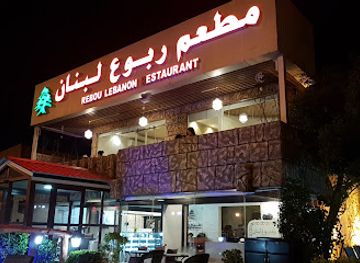
Rebou Lebanon Restaurant
Discover the flavors of Lebanon at Rebou Lebanon Restaurant in Sharjah—where culinary excellence meets warm hospitality.
-
Lebanese
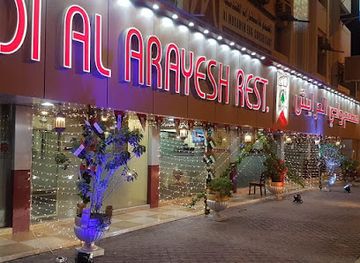
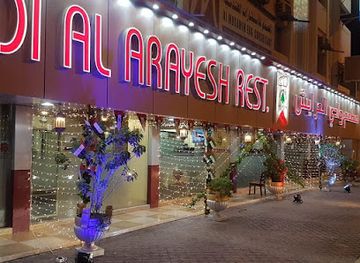
Wadi Al Arayesh Restaurant
Experience authentic Lebanese flavors at Wadi Al Arayesh Restaurant in Sharjah – where every meal is a celebration of taste.
-
Restaurant
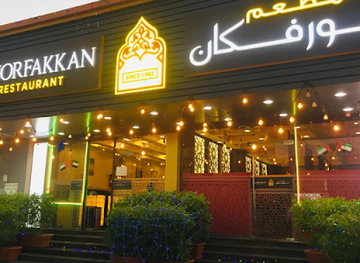
Khorfakkan Restaurant
Experience authentic Middle Eastern flavors at Khorfakkan Restaurant in Sharjah—where every dish tells a story.
-
Seafood
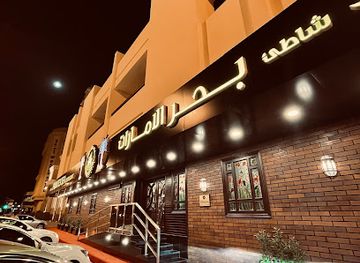
Emirates Sea Restaurant - Khorfakkan Beach
Experience exquisite seafood dining with stunning beach views at Emirates Sea Restaurant in Khorfakkan.
Best bars in Khor Fakkan
Khor Fakkan is not a nightlife destination in the club-oriented sense, and visitors should expect quiet evenings rather than a concentration of bars or nightclubs. Alcohol service in the town is limited by the UAE’s licensing framework, and visitors should not assume that ordinary restaurants or cafés serve alcohol. Evening activity centres on family restaurants, coffee shops, waterfront walks and the illuminated public architecture around the amphitheatre and waterfall. The town can feel livelier during public holidays, cultural programmes or seasonal events, but schedules vary. Those seeking licensed hotel bars or a broader late-evening scene generally need to look towards larger resort and urban centres elsewhere in the UAE, outside Khor Fakkan itself.
-
Lebanese
Wadi Al Arayesh Restaurant
Experience authentic Lebanese flavors at Wadi Al Arayesh Restaurant, where every meal is a delightful culinary adventure in Sharjah.
-
Seafood
Emirates Sea Restaurant - Khorfakkan Beach
Experience exquisite seafood dining at Emirates Sea Restaurant, Khorfakkan Beach, where fresh catches meet stunning ocean views.
-
Restaurant
The View By Wave
Discover the breathtaking views and exquisite dining at The View By Wave in Sharjah, where every meal is a celebration of flavor and ambiance.
-
Thai Gate Restaurant
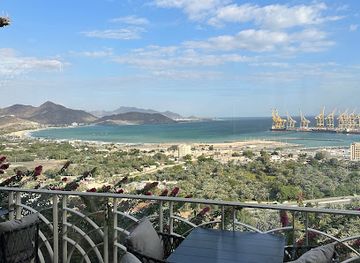
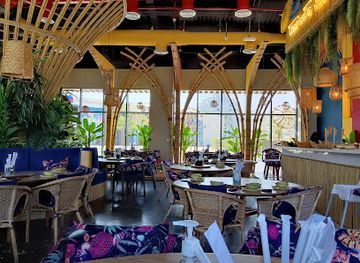
Discover the exquisite flavors of Thailand at Thai Gate Restaurant, where culinary tradition meets breathtaking seaside views in Khor Fakkan.
Best nightclubs in Khor Fakkan
Khor Fakkan is not a nightlife destination in the club-oriented sense, and visitors should expect quiet evenings rather than a concentration of bars or nightclubs. Alcohol service in the town is limited by the UAE’s licensing framework, and visitors should not assume that ordinary restaurants or cafés serve alcohol. Evening activity centres on family restaurants, coffee shops, waterfront walks and the illuminated public architecture around the amphitheatre and waterfall. The town can feel livelier during public holidays, cultural programmes or seasonal events, but schedules vary. Those seeking licensed hotel bars or a broader late-evening scene generally need to look towards larger resort and urban centres elsewhere in the UAE, outside Khor Fakkan itself.
-
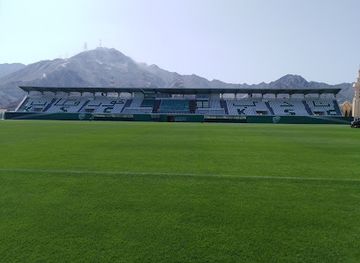
KhorFakkan Club
Discover KhorFakkan Club, the ultimate sports complex in Sharjah for soccer fans and families seeking fun and fitness in a vibrant atmosphere.
-
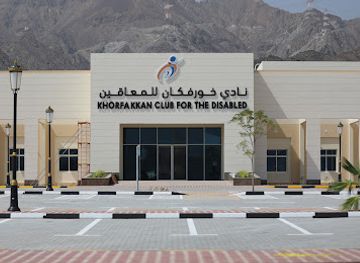
Khorfakkan Club For The Disabled
Discover empowerment and inclusion at Khorfakkan Club for The Disabled, a non-profit organization fostering community support and advocacy for individuals with disabilities.
-
Khorfakkan Ladies Club
Experience empowerment and relaxation at Khorfakkan Ladies Club, a serene retreat for women in the heart of Sharjah.
-
beach for bbq
Enjoy a scenic barbecue experience at Al Mudeife Beach in Sharjah, where sun, sand, and sea meet delectable outdoor grilling.
Best shops in Khor Fakkan
Shopping in Khor Fakkan is practical and locally focused rather than centred on a large luxury retail district. The town’s commercial areas provide supermarkets, general shops, pharmacies, cafés and everyday services, while fish and produce markets reflect the east coast’s relationship with the sea and surrounding agricultural settlements. Visitors may find dates, Arabic sweets, spices, coffee, fresh produce and locally used household goods, although product availability changes between businesses. Heritage areas and cultural events may offer Emirati-inspired crafts, souvenirs or small artisan displays, but these should not be confused with a permanent craft market. For larger malls, specialist outdoor equipment and a wider selection of branded goods, visitors usually travel to bigger urban centres in Sharjah, Dubai or Fujairah rather than shop in the mountain villages.
-
Shopping mall
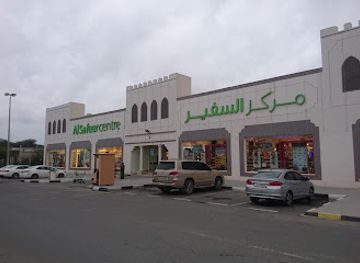
Al Safeer Centre - khorfakkan
Discover Al Safeer Centre in Sharjah for an exciting shopping experience, featuring diverse retail options and delightful dining choices for every visitor.
-
Coffee shop
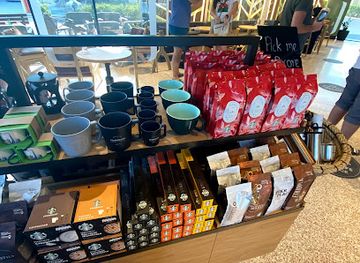
Starbucks
Immerse yourself in the coastal charm of Khor Fakkan while enjoying your favorite coffee at Starbucks – a serene retreat for every traveler.
-
Supermarket
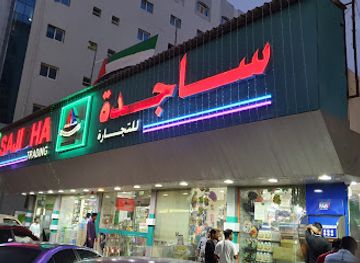
Sajidha Trading
Explore Sharjah's Sajidha Trading Supermarket for fresh produce, daily essentials, and seamless delivery services, perfect for tourists and locals alike.
-
Clothing store
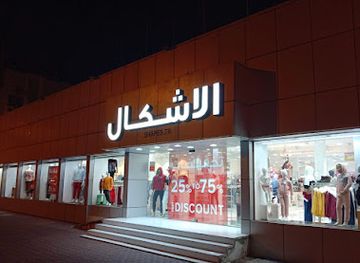
SHAPES
Explore SHAPES in Khorfakkan for a unique blend of local and contemporary fashion, just steps away from the iconic Omar Ibn Alkhattab Mosque.
Get your free copy of our complete guide to Khor Fakkan, delivered straight to you.
Everything on this page, from attractions and restaurants to essentials and local phrases, in one PDF you can read offline, print or share.
Already have an account? Sign in
Your Khor Fakkan guide is ready.
We'll send it to · Not you? Sign out

Getting your guide ready…
We are putting together a fresh copy of the Khor Fakkan guide. This can take up to a minute.
This can take a few moments. If your browser asks, choose Allow so the download can start. You'll find the guide in your Downloads folder.
Nothing happened? Download it again
Sorry, the guide is taking longer than usual. Please try again in a minute, or get it by email instead.
Khor Fakkan essentials
Currency and Payment
Safety
Emergency Situations
Do's and Don'ts
Local Tips
From Eve
Local phrases worth knowing
You don't need to get them perfect. A few words go a long way, and locals appreciate the effort.
Basics
| English | Local | Say it |
|---|---|---|
| Hello | مرحبا | [marhaban] |
| Goodbye | وداعا | [wadaeaan] |
| Yes | نعم | [naam] |
| No | لا | [laa] |
| Please/You're welcome | من فضلك | [min fadlik] |
| Thank you | شكرا لك | [shukran lak] |
| Excuse me/Sorry | عذرا | [aadharaan] |
| How are you? | كيف حالك؟ | [kaifa haaluk?] |
| Fine. And you? | بخير. وأنت؟ | [bikhayr. wa ant?] |
| Do you speak English? | هل تتحدث الإنجليزية؟ | [hal tatahadath alinjlizia?] |
| I don't understand | أنا لا أفهم | [ana la afham] |
Eating & Drinking
| English | Local | Say it |
|---|---|---|
| I'd like to see the menu, please | أريد أن أرى القائمة، من فضلك | [urid an ara alqaemah, min fadlik] |
| I don't eat meat | أنا لا آكل اللحم | [ana la aakol allaham] |
| Cheers! | صحتين! | [sahatayn] |
| I would like to pay, please | أريد أن أدفع، من فضلك | [urid an adfae, min fadlik] |
Emergencies
| English | Local | Say it |
|---|---|---|
| Help! | النجدة! | [alnajdah!] |
| Go away! | اذهب بعيدا! | [athhab baeedan!] |
| Call the Police! | اتصل بالشرطة! | [atsal bialshurtah!] |
| Call a doctor! | اتصل بطبيب! | [atsal bithyib!] |
| I'm lost | لقد ضللت | [laqad dalalt] |
| I'm ill | أنا مريض | [ana mareed] |
Shopping
| English | Local | Say it |
|---|---|---|
| I'd like to buy... | أريد أن أشتري... | [urid an ashtari...] |
| I'm just looking | أنا فقط أتطلع | [ana faqat atatallu] |
| How much is it? | كم سعره؟ | [kam saeruh?] |
| That's too expensive | هذا غالي جدا | [hadha ghaali jiddan] |
| Can you lower the price? | هل يمكنك خفض السعر؟ | [hal yumkinuk khafd alsaeer?] |
Time & Numbers
| English | Local | Say it |
|---|---|---|
| What time is it? | كم الساعة؟ | [kam alsaeah?] |
| It's one o'clock | الساعة الواحدة | [alsaeah alwahidah] |
| Half past (10) | الساعة العاشرة والنصف | [alsaeah alashirah walnisf] |
| Morning | الصباح | [alsabah] |
| Afternoon | الظهر | [alzuhur] |
| Evening | المساء | [almasa] |
| Yesterday | الأمس | [al'ams] |
| Today | اليوم | [alyawm] |
| Tomorrow | غدا | [ghadan] |
| 1 | واحد | [wahid] |
| 2 | اثنان | [ithnan] |
| 3 | ثلاثة | [thalatha] |
| 4 | أربعة | [arbaa] |
| 5 | خمسة | [khamsa] |
| 6 | ستة | [sitta] |
| 7 | سبعة | [sabaa] |
| 8 | ثمانية | [thamania] |
| 9 | تسعة | [taseaa] |
| 10 | عشرة | [ashara] |
Transport & Directions
| English | Local | Say it |
|---|---|---|
| Where's a/the...? | أين ال... | [ayn al...] |
| What's the address? | ما هو العنوان؟ | [ma huwa al'anaan?] |
| Can you show me (on the map)? | هل يمكنك أن تريني (على الخريطة)؟ | [hal yumkinuk 'an tureeni (ala alkhareetah)?] |
| When's the next (bus)? | متى الحافلة التالية؟ | [mata alhafilah alttaliyah?] |
| A ticket (to ....) | تذكرة (إلى ...) | [tathkirah (ila ...)] |
History of Khor Fakkan
A Coast Shaped by the Hajar Mountains
Khor Fakkan’s physical setting has long influenced its human history. The bay lies on the Gulf of Oman behind a coastal plain narrowed by the Hajar Mountains, with wadis providing routes inland towards settlements and agricultural areas. The harbour’s position gave it value beyond the immediate town: it offered an anchorage on the maritime approaches around the Arabian Peninsula and a point of contact between coastal communities and the interior. The surrounding mountains also encouraged a pattern of settlement linked to springs, seasonal watercourses, date cultivation and small-scale farming rather than extensive urban development.
The Portuguese on the East Coast
During the early sixteenth century, Portuguese naval expansion reached the Gulf of Oman and the east coast of the Arabian Peninsula. Khor Fakkan was occupied as part of Portugal’s effort to control shipping routes and strategic harbours connecting the Indian Ocean with the Gulf. The occupation formed part of a wider period of conflict and competition involving Portuguese forces and local rulers. Surviving historical interpretation in Khor Fakkan presents the harbour’s strategic role and its coastal fortifications, while the town’s heritage sites help visitors understand how maritime power affected settlements along this coast.
Harbour, Trade and Coastal Communities
After the Portuguese period, Khor Fakkan continued to develop through its relationship with the sea and with settlements in the eastern Hajar foothills. Fishing, seafaring and coastal trade were significant elements of local life, while inland communities relied on agriculture adapted to the region’s dry climate. The bay also remained important because it offered a natural maritime setting close to routes through the mountains. Traditional houses, defensive structures and the layout of older settlements reflected the practical needs of communities living between the coast and the rugged interior.
Heritage Conservation and Sharjah Development
The formation of the United Arab Emirates in 1971 brought Khor Fakkan into the modern federation as part of the Emirate of Sharjah. Roads, public services and port development changed the relationship between the town, the west-coast cities and the mountain villages. Alongside this modernisation, Sharjah has invested in presenting Khor Fakkan’s coastal and architectural heritage through restored or recreated historic settings, including the Khorfakkan Heritage Village and Al Maqsar heritage area. These projects interpret earlier domestic, defensive and agricultural traditions for contemporary visitors.
A Contemporary Coastal Destination
Recent development has expanded Khor Fakkan’s identity beyond a working coastal settlement. Khorfakkan Beach, the amphitheatre, waterfall, Al Rafisah Dam and mountain viewpoints form a connected visitor landscape combining recreation, public architecture and heritage interpretation. Improved roads make the east coast more accessible from other parts of the UAE, while the surrounding wadis and coastline remain subject to environmental pressures typical of rapidly developing dry regions. Tourism is therefore presented alongside respect for local communities, water resources, mountain terrain and marine habitats.
Khor Fakkan in Photos
Browse through our photo collection highlighting the charm and character of the destination.
Cities in Khor Fakkan
The towns and cities of Khor Fakkan, and the easiest places to base yourself.

Swipe for more cities
Neighbouring destination travel guides
The closest destinations to Khor Fakkan, if you have time for more than one.
-

-

-

-

-


Swipe for more destinations
Explore more

Explore more of Gulf of Oman Coast
Discover the Gulf of Oman Coast in the UAE: Pristine beaches, vibrant marine life, and rich cultural heritage await in this serene coastal paradise.
Explore Gulf of Oman Coast
Explore more of United Arab Emirates
Discover the United Arab Emirates: A land where futuristic cities meet timeless deserts, offering luxury, adventure, and rich cultural experiences.
Explore United Arab Emirates