

Saadiyat Island, United Arab Emirates Travel Guide
Discover Saadiyat Island: a unique blend of pristine beaches, world-class museums, and luxurious resorts in the heart of the United Arab Emirates.
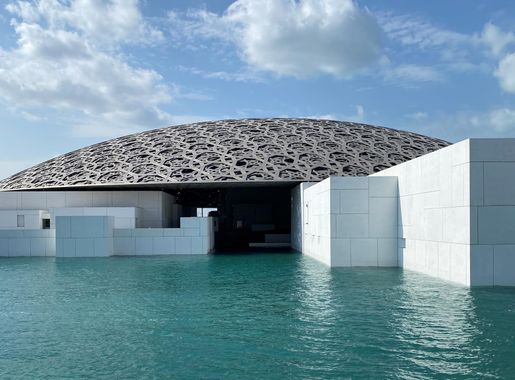
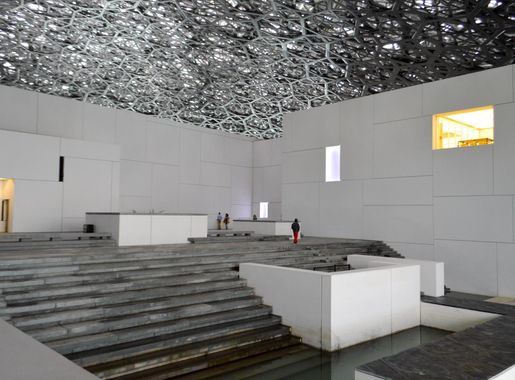
Saadiyat Island, located in the United Arab Emirates, is a haven of natural beauty and cultural richness. Just a short drive from Abu Dhabi, this island offers a perfect blend of serene beaches, luxurious resorts, and world-class cultural institutions. The pristine white sandy beaches are ideal for sunbathing and water sports, providing a picturesque setting for relaxation and adventure alike. One of the island's standout attractions is the Louvre Abu Dhabi, an architectural marvel that houses an impressive collection of art from around the globe. The museum's innovative design and engaging exhibitions make it a must-visit for art enthusiasts. Nearby, the upcoming Guggenheim Abu Dhabi promises to further elevate the island's cultural landscape with its focus on contemporary art. Beyond its cultural offerings, Saadiyat Island is also home to the Saadiyat Beach Golf Club, where golfers can enjoy an 18-hole championship course set against stunning coastal views. For those seeking relaxation, the island's luxury resorts, such as the St. Regis Saadiyat Island Resort, offer world-class spa treatments and top-notch amenities. With its unique blend of culture, leisure, and natural beauty, Saadiyat Island is a destination that promises an unforgettable experience.

Know before you go
Hi, I'm Eve. Here are a few practical things to know before exploring Saadiyat Island.
- Visit the Louvre Abu Dhabi early in the morning to avoid crowds and enjoy a peaceful experience.
- Book your golf tee times at Saadiyat Beach Golf Club in advance, especially during peak tourist seasons.
- Make reservations at the island's luxury resorts well ahead of time to secure the best rooms and rates.
- Take advantage of the complimentary shuttle services provided by many hotels to explore the island conveniently.
- Stay hydrated and wear sunscreen, as the UAE's sun can be very strong, especially during midday.
Explore Saadiyat Island: Things to Do, Places to Eat, Hotels & More
Handpicked recommendations for top attractions, local dining, accommodations, and more

Best attractions in Saadiyat Island
Top-rated picks
Best Attractions

Umm Al Emarat Park
Discover the beauty of Umm Al Emarat Park, a lush urban oasis in Abu Dhabi, perfect for relaxation, recreation, and cultural experiences.

Khalifa Park
Explore Khalifa Park in Abu Dhabi - a serene blend of lush greenery, cultural heritage, and family-friendly attractions in the heart of the UAE.

Heritage Park
Explore the serene Heritage Park in Abu Dhabi, where lush landscapes meet traditional Emirati culture in a picturesque setting.

Reem Mall
Discover unparalleled shopping and entertainment at Reem Mall in Abu Dhabi, where modern design meets diverse retail and dining experiences.

Best landmarks in Saadiyat Island
Top-rated picks
Best Landmarks

Louvre Abu Dhabi
Discover the stunning beauty and profound cultural heritage at Louvre Abu Dhabi – where art meets history in a breathtaking architectural masterpiece.

Saadiyat Rotana Resort & Villas
Discover the ultimate luxury at Saadiyat Rotana Resort & Villas, where Arabian elegance meets modern sophistication in Abu Dhabi.
Rixos Premium Saadiyat Island
Experience unparalleled luxury at Rixos Premium Saadiyat Island, where stunning beaches and exceptional service create unforgettable moments in Abu Dhabi.
The St. Regis Saadiyat Island Resort, Abu Dhabi
Discover unparalleled luxury and natural beauty at The St. Regis Saadiyat Island Resort in Abu Dhabi, where elegance meets relaxation.

Best restaurants in Saadiyat Island
Top-rated picks
Best Restaurants

Beirut Sur Mer Restaurant
Experience authentic Middle Eastern cuisine at Beirut Sur Mer in Abu Dhabi's Cultural District with stunning waterfront views and exquisite flavors.

Antonia - Mamsha Al Saadiyat
Experience exquisite Mediterranean cuisine with stunning views at Antonia on Mamsha Al Saadiyat - a must-visit culinary destination in Abu Dhabi.

Society Abu Dhabi
Experience exquisite dining with breathtaking views at Society Abu Dhabi on Al Saadiyat Island's Soul Beach.

Buddha-Bar Beach
Discover culinary excellence at Buddha-Bar Beach in Abu Dhabi—a luxurious fusion of Pacific Rim and Japanese cuisine with stunning ocean views.

Best bars in Saadiyat Island
Top-rated picks
Best Bars

Society Abu Dhabi
Experience the fusion of exquisite flavors and breathtaking beach views at Society Abu Dhabi, a premier dining destination on Al Saadiyat Island.

Buddha-Bar Beach
Experience the luxury of Pacific Rim and Japanese cuisine at Buddha-Bar Beach, where exquisite dishes meet stunning beachfront views in Abu Dhabi.

NIRI Restaurant and Bar
Discover the exquisite flavors of Japanese cuisine at NIRI Restaurant and Bar on Al Saadiyat Island, Abu Dhabi.

Ting Irie
Discover the vibrant flavors of Jamaica at Ting Irie, a Caribbean restaurant in Abu Dhabi's Cultural District, perfect for a unique culinary experience.

Best nightclubs in Saadiyat Island
Top-rated picks
Best Nightclubs

Nasma Beachfront Bar
Experience the vibrant nightlife and stunning views at Nasma Beachfront Bar, the perfect tropical escape on Al Saadiyat Island, Abu Dhabi.

Social lounge restaurant
Discover the perfect blend of ambiance and culinary excellence at the Social Lounge Restaurant in Abu Dhabi's Saadiyat Marina District.

Manhattan Lounge
Experience unparalleled elegance at the Manhattan Lounge, where exquisite cocktails and breathtaking views meet in Abu Dhabi's luxurious setting.

Shala Lounge Abu Dhabi
Experience luxury at Shala Lounge in Abu Dhabi, where stunning views and exquisite cocktails create an unforgettable evening.

Best shops in Saadiyat Island
Top-rated picks
Best Shops

One To Ten Gifts
Explore One To Ten Gifts in Abu Dhabi for unique home goods and memorable souvenirs that reflect the region's rich culture and artistry.

The Collection Saadiyat
Explore The Collection Saadiyat for luxury shopping and local culture in a stunning setting on Saadiyat Island, Abu Dhabi.

Waitrose
Discover the flavors of Abu Dhabi at Waitrose - your go-to supermarket for fresh produce and gourmet delights.

Lulu Express - Saadiyat Abu Dhabi
Discover local flavors and international products at Lulu Express on Saadiyat Island, your ultimate shopping destination in Abu Dhabi.

Explore Saadiyat Island on the Map
A handpicked selection of must-see spots in Saadiyat Island, mapped for you.
Saadiyat Island Essentials
-
Saadiyat Island is located just off the coast of Abu Dhabi in the United Arab Emirates. The nearest airport is Abu Dhabi International Airport (AUH), approximately 20 kilometers away. From the airport, you can take a taxi, which is the most convenient option, or use the Abu Dhabi public bus service. If you are coming from Dubai, Saadiyat Island is about a 90-minute drive, and taxis or private car services are readily available.
-
Within Saadiyat Island, taxis are the most common form of transportation and are easily accessible. Car rental services are also available for those who prefer to explore the island at their own pace. There is a limited bus service that connects Saadiyat Island with other parts of Abu Dhabi. Bicycles can be rented for a more eco-friendly way to get around, and many of the island's attractions are within walking distance of each other.
-
The official currency of the United Arab Emirates is the Emirati Dirham (AED). Credit cards are widely accepted on Saadiyat Island, including in hotels, restaurants, and shops. ATMs are plentiful and can be found in most commercial areas. It's advisable to carry some cash for smaller establishments or in case of emergencies.
-
Saadiyat Island is generally very safe for tourists with low crime rates. However, it is always wise to take standard precautions such as not leaving belongings unattended and avoiding poorly lit areas at night. There are no specific high-crime areas targeting tourists on the island. The local police are helpful and responsive in case of any issues.
-
In case of an emergency, dial 999 for police, 998 for ambulance services, and 997 for fire emergencies. Medical facilities are available on Saadiyat Island, including emergency services at nearby hospitals in Abu Dhabi. It is recommended to have travel insurance that covers medical emergencies. For minor health issues, pharmacies are available where you can purchase over-the-counter medications.
-
Fashion: Do dress modestly, especially when visiting cultural or religious sites. Avoid wearing revealing clothing. Religion: Do respect local customs and traditions. Public Transport: Do be respectful and avoid eating or drinking on public transport. Greetings: Do greet people with a handshake. A slight bow of the head is also a sign of respect. Eating & Drinking: Do try local delicacies and accept food offerings graciously. Don’t refuse hospitality, as it is considered impolite.
-
To experience Saadiyat Island like a local, visit the Saadiyat Beach, known for its pristine white sand and crystal-clear waters. Explore the Manarat Al Saadiyat for art exhibitions and cultural events. Dine at local restaurants offering Emirati cuisine and interact with residents to learn more about the island's culture and history. Don’t miss the Louvre Abu Dhabi, a significant cultural landmark on the island.
When is the best time to visit Saadiyat Island?
Useful Local Phrases for Saadiyat Island
You don't need to speak the language perfectly. Even learning a few simple words can make conversations warmer—and locals usually appreciate the effort.
— Eve

Here are the phrases I use most often in Saadiyat Island. Try a few—you'll be surprised how far they go! 😊
❤️
-
- Helloمرحبا
[Marhaba] - Goodbyeوداعا
[Wadaea] - Yesنعم
[Naam] - Noلا
[La] - Please/You're welcomeمن فضلك
[Min fadlik] - Thank youشكرا لك
[Shukran lak] - Excuse me/Sorryعذرا
[Aatharana] - How are you?كيف حالك؟
[Kayf halik?] - Fine. And you?بخير. وأنت؟
[Bikhair. Wa ant?] - Do you speak English?هل تتحدث الإنجليزية؟
[Hal tatahadath alinjlezia?] - I don't understandأنا لا أفهم
[Ana la afham]
- Helloمرحبا
-
- I'd like to see the menu, pleaseأود أن أرى القائمة، من فضلك
[Awd an ara alqaima, min fadlik] - I don't eat meatأنا لا آكل اللحوم
[Ana la akl allahum] - Cheers!في صحتك!
[Fi sahtak!] - I would like to pay, pleaseأود أن أدفع، من فضلك
[Awd an adfa, min fadlik]
- I'd like to see the menu, pleaseأود أن أرى القائمة، من فضلك
-
- Help!النجدة!
[Alnajda!] - Go away!انصرف!
[Ansref!] - Call the Police!اتصل بالشرطة!
[Itsal bialshurta!] - Call a doctor!اتصل بطبيب!
[Itsal bitabib!] - I'm lostلقد ضللت
[Laqad dalelt] - I'm illأنا مريض
[Ana mareed]
- Help!النجدة!
-
- I'd like to buy...أرغب في شراء...
[Arghab fi shira...] - I'm just lookingأنا فقط أتفرج
[Ana faqat atfarg] - How much is it?كم سعره؟
[Kam siroh?] - That's too expensiveهذا غالي جدا
[Hatha ghali jiddan] - Can you lower the price?هل يمكنك خفض السعر؟
[Hal yumkinuk khafd alsiroh?]
- I'd like to buy...أرغب في شراء...
-
- What time is it?كم الساعة؟
[Kam alsaa?] - It's one o'clockالساعة الواحدة
[Alsaa alwahida] - Half past (10)العاشرة والنصف
[Alashra wannahf] - Morningالصباح
[Alsabah] - Afternoonالظهر
[Adhuhur] - Eveningالمساء
[Almasa] - Yesterdayأمس
[Ams] - Todayاليوم
[Alyawm] - Tomorrowغدا
[Ghadan] - 1واحد
[Wahid] - 2اثنان
[Ithnan] - 3ثلاثة
[Thalatha] - 4أربعة
[Arbaa] - 5خمسة
[Khamsa] - 6ستة
[Sitta] - 7سبعة
[Saba'a] - 8ثمانية
[Thamaneya] - 9تسعة
[Tisa'a] - 10عشرة
[Ashara]
- What time is it?كم الساعة؟
-
- Where's a/the...?أين ...؟
[Ayna...?] - What's the address?ما هو العنوان؟
[Ma hu alunwan?] - Can you show me (on the map)?هل يمكنك أن تريني (على الخريطة)؟
[Hal yumkinuk an tarini (ala alkhariata)?] - When's the next (bus)?متى يكون الحافلة التالية؟
[Mata yakun alhafla altaliat?] - A ticket (to ....)تذكرة (إلى ...)
[Tazkirat (ila ...)]
- Where's a/the...?أين ...؟
History of Saadiyat Island
-
Saadiyat Island, meaning 'Happiness Island' in Arabic, has a rich natural habitat that has been home to various species of flora and fauna for centuries. The island’s beaches are a nesting ground for the critically endangered Hawksbill turtles, and its mangroves have been a vital part of the coastal ecosystem.
-
Archaeological finds on Saadiyat Island indicate human activity dating back thousands of years. Artifacts such as pottery and tools have been unearthed, shedding light on the island’s ancient inhabitants and their way of life.
-
In the early 20th century, Saadiyat Island played a crucial role in the pearling industry, which was the backbone of the local economy. The island’s location along the Persian Gulf made it an ideal spot for pearl divers who contributed significantly to the trade and commerce of the region.
-
In the early 21st century, Saadiyat Island became a focal point of Abu Dhabi’s Vision 2030, aimed at diversifying the economy and promoting cultural tourism. The island was earmarked for significant development, including luxury resorts, residential communities, and cultural institutions.
-
Saadiyat Island is home to the Saadiyat Cultural District, a sprawling area dedicated to arts and culture. Notable institutions include the Louvre Abu Dhabi, designed by Jean Nouvel, which opened in 2017, and the upcoming Guggenheim Abu Dhabi, designed by Frank Gehry. These institutions aim to position Abu Dhabi as a global cultural hub.
-
The island also hosts NYU Abu Dhabi, a world-class university that opened its doors in 2010. The campus offers a liberal arts education and serves as a center for research, fostering intellectual growth and cultural exchange.
-
Environmental sustainability is a key focus on Saadiyat Island. Efforts have been made to preserve its natural habitats, including the establishment of protected areas for the Hawksbill turtles and the conservation of its mangrove forests. Eco-friendly practices are encouraged in all developments to maintain the island's ecological balance.
Neighbouring destination travel guides
Browse our curated selection of top destinations, scenic points, and must-visit spots in the area.



Your all‑in‑one travel companion app
Explore expert travel guides, compare and book tours, experiences, hotels, and more—all from the palm of your hand. Download now for seamless trip planning wherever your wanderlust takes you.


Explore More of Abu Dhabi Region

Looking beyond Saadiyat Island? Discover Abu Dhabi Region for broader travel guides, local hot-spots, and regional highlights.
Explore Abu Dhabi RegionExplore More of United Arab Emirates

Looking beyond Saadiyat Island? Discover United Arab Emirates for broader travel guides, local hot-spots, and regional highlights.
Explore United Arab EmiratesSaadiyat Island in Photos
Browse through our photo collection highlighting the charm and character of the destination.


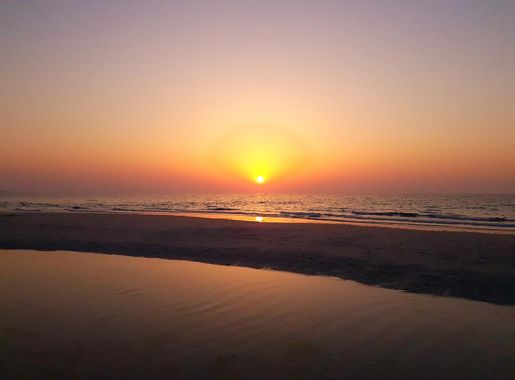


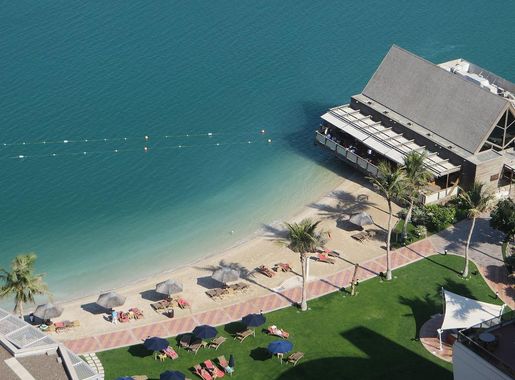

Saadiyat Island: A Jewel of Culture and Tranquility
Saadiyat Island, located in the United Arab Emirates, is a haven of natural beauty and cultural richness. Just a short drive from Abu Dhabi, this island offers a perfect blend of serene beaches, luxurious resorts, and world-class cultural institutions. The pristine white sandy beaches are ideal for sunbathing and water sports, providing a picturesque setting for relaxation and adventure alike. One of the island's standout attractions is the Louvre Abu Dhabi, an architectural marvel that houses an impressive collection of art from around the globe. The museum's innovative design and engaging exhibitions make it a must-visit for art enthusiasts. Nearby, the upcoming Guggenheim Abu Dhabi promises to further elevate the island's cultural landscape with its focus on contemporary art. Beyond its cultural offerings, Saadiyat Island is also home to the Saadiyat Beach Golf Club, where golfers can enjoy an 18-hole championship course set against stunning coastal views. For those seeking relaxation, the island's luxury resorts, such as the St. Regis Saadiyat Island Resort, offer world-class spa treatments and top-notch amenities. With its unique blend of culture, leisure, and natural beauty, Saadiyat Island is a destination that promises an unforgettable experience.