

Jebel Hafeet Travel Guide - Free Web & App
Your ultimate guide to Jebel Hafeet. Discover top landmarks, proposed trips, and local tips. Free on the web or via the Evendo companion app.


Jebel Hafeet in the UAE rises above Al Ain with desert views, Bronze Age tombs, Green Mubazzarah hot springs and a renowned mountain scenic road.
A Mountain Above Al Ain
Jebel Hafeet rises dramatically from the desert south of Al Ain in the Emirate of Abu Dhabi, reaching approximately 1,240 metres and forming one of the United Arab Emirates’ most recognisable natural landmarks. Its steep limestone flanks, deeply eroded folds and isolated position create a striking contrast with the surrounding gravel plains. The mountain lies close to the UAE–Oman border, although the recognised visitor experience is centred on the UAE side and the nearby city of Al Ain.Read more about Jebel Hafeet
Roads, Springs and Desert Landscapes
Archaeology and the Al Ain Oasis Region
When is the best time to visit Jebel Hafeet?
Best: December–February · 27–28°C| Month | High (°C) | Rainfall (mm) |
|---|---|---|
| January (best) | 27 | 0 |
| February (best) | 28 | 0 |
| March | 31 | 3 |
| April | 35 | 1 |
| May | 42 | 1 |
| June | 44 | 0 |
| July | 45 | 0 |
| August | 45 | 0 |
| September | 42 | 0 |
| October | 37 | 1 |
| November | 32 | 1 |
| December (best) | 28 | 0 |
Getting to and around Jebel Hafeet
How to get there
Transportation
Best attractions in Jebel Hafeet
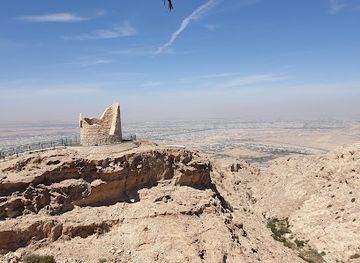
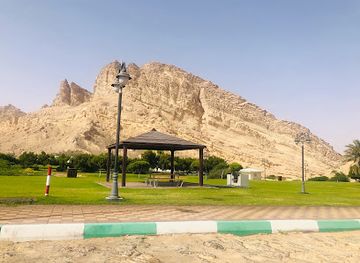
The main attraction is the ascent of Jebel Hafeet itself, where a winding paved road climbs through folded limestone terrain to elevated viewpoints over Al Ain and the surrounding desert. At the northern foot, Green Mubazzarah combines lawns, palms, pools and naturally warm spring water in a landscaped recreational setting, offering a gentler experience than the exposed upper slopes. The Jebel Hafeet Desert Park presents the foothill desert through open landscapes and archaeology-focused visits, while the Bronze Age tombs around the mountain connect the scenery with the early Hafit period. Al Ain’s nearby oasis landscapes, including Al Ain Oasis and Al Jahili Oasis, add falaj irrigation, date palms and shaded paths to the mountain experience. Further city attractions such as Al Ain Palace Museum and Al Jahili Fort are outside Jebel Hafeet itself but are easily combined with a visit from an Al Ain base.
-
Garden
Jabel Hafeet hot springs garden
Discover the tranquil beauty of Jabel Hafeet hot springs garden, a soothing oasis at the foot of Jebel Hafeet mountain, perfect for relaxation and rejuvenation.
-
Tourist attraction
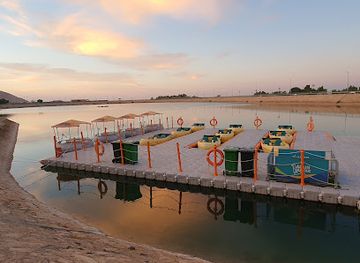
Alain kayak
Discover the beauty of Abu Dhabi on water at Alain Kayak, where adventure and tranquility combine for an unforgettable experience.
-
Tourist attraction
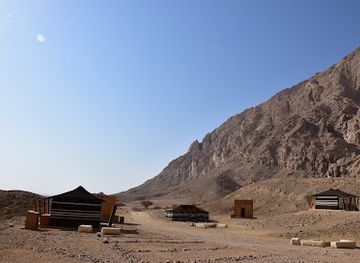
Heritage Tents- (Traditional Campsite)
Discover the rich traditions and serene beauty of Arabian culture at Heritage Tents, a traditional campsite in Mazyad, Abu Dhabi.
-
Park
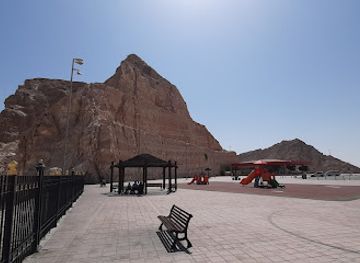
Jabal Hafeet Kids park
Discover a delightful outdoor escape at Jabal Hafeet Kids Park, where families can enjoy playgrounds, scenic views, and relaxing picnics in Abu Dhabi.

Best landmarks in Jebel Hafeet
Jebel Hafeet is the defining natural landmark, a high limestone ridge whose folded strata rise abruptly above the Al Ain plain and give the inland city its most recognisable mountain backdrop. The summit road is a notable modern feature in its own right, tracing the mountain’s slopes towards viewpoints over the UAE–Oman border region and the surrounding desert. At the foot, Green Mubazzarah is distinguished by warm spring water, irrigated gardens and pools in an otherwise arid setting. The Bronze Age tombs around the mountain’s foothills are the principal historical landmarks, associated with the Hafit period and the wider archaeological landscape of Al Ain. The mountain’s significance therefore combines geology, water, engineering and ancient settlement rather than relying on a single monumental building.
-
Zoo
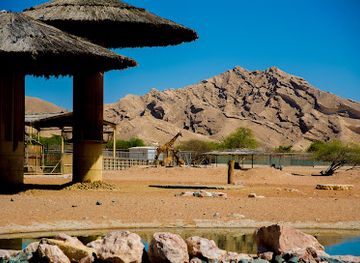
Al Ain Zoo
Experience the beauty of wildlife at Al Ain Zoo, a top attraction in Abu Dhabi, where conservation meets family fun in a stunning natural setting.
-
 Hotel
HotelMercure Grand Jebel Hafeet Al Ain Hotel
Discover unparalleled luxury and breathtaking views at the Mercure Grand Jebel Hafeet Al Ain Hotel, your gateway to adventure in Abu Dhabi.
-
Tourist attraction
Jabel Hafeet Mountain
Discover breathtaking views and serene landscapes at Jabel Hafeet Mountain, Abu Dhabi's iconic natural wonder, where adventure meets tranquility.
-
Tourist attraction
Al Ain Park
Explore Al Ain Park, a serene oasis in Abu Dhabi perfect for relaxation, family outings, and a taste of nature's beauty amidst the desert landscape.
Explore Jebel Hafeet on the map
Plan your trip on one map. See where the top attractions, landmarks, restaurants and hotels are, and book hotels and experiences in a few clicks.
Best hotels in Jebel Hafeet
Best restaurants in Jebel Hafeet
Dining on Jebel Hafeet is limited compared with central Al Ain, so visitors usually eat in the city or at accommodation and recreation facilities near the mountain rather than expecting a continuous restaurant scene along the summit road. Al Ain offers the broadest choice, from Emirati and Gulf cooking to South Asian, Arab and international food reflecting the UAE’s diverse population. Traditional dishes may include rice and meat preparations, grilled foods, breads, dates and Arabic coffee, while the oasis setting gives local produce and dates a visible place in the regional food culture. Green Mubazzarah and nearby visitor areas may provide casual refreshments, but facilities and opening arrangements can vary. Carrying water and a small supply of snacks is sensible for longer mountain outings, particularly when travelling between the summit, desert park and city.
-
Indian
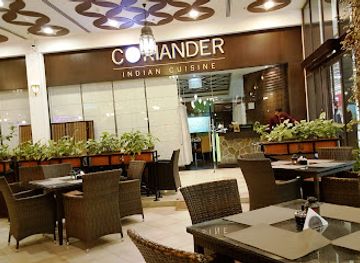
Coriander Indian Cuisine
Experience authentic Indian cuisine at Coriander Indian Cuisine in Abu Dhabi's Al Bawadi Mall - where every meal is a celebration of flavor.
-
Restaurant
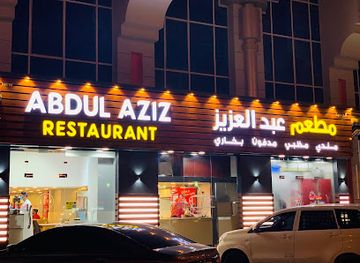
Abdul Aziz Restaurant new sanayya
Experience authentic local cuisine at Abdul Aziz Restaurant in Abu Dhabi's Industrial Area - where flavor meets tradition.
-
Italian
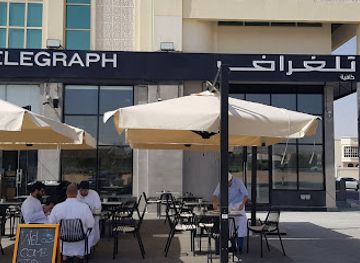
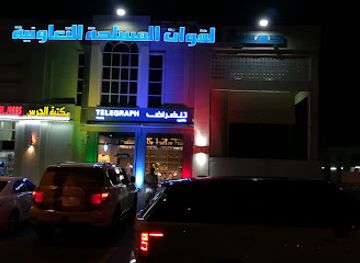
Telegraph cafe
Savor authentic Italian flavors in the heart of Abu Dhabi at Telegraph Cafe – perfect for breakfast lovers and culinary enthusiasts alike.
-
Indian
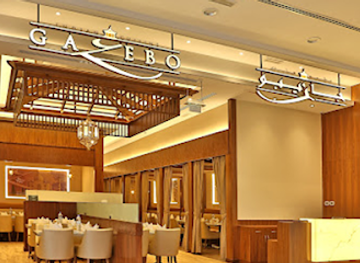
Gazebo - Makani Zakher Mall
Experience authentic Indian cuisine at Gazebo in Makani Zakher Mall – where every meal is a celebration of flavor.
Best bars in Jebel Hafeet
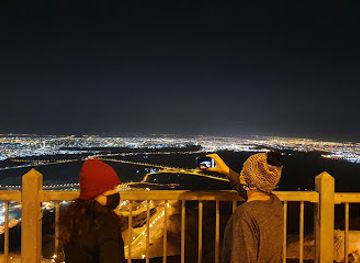
Jebel Hafeet is not a nightlife destination and has no concentrated entertainment district, nightclub scene or pedestrian strip of evening venues. After sunset, the mountain is primarily experienced through its cooler air, illuminated road views and the quieter atmosphere of Green Mubazzarah, subject to local operating arrangements and safety guidance. More conventional evening entertainment is found in Al Ain, where hotel restaurants, lounges and other licensed venues provide the principal social settings; alcohol service in the UAE is regulated and is generally associated with licensed establishments rather than public outdoor areas. Evenings in the wider oasis city tend to centre on dining, cafés, family recreation and cultural attractions rather than late-night clubbing, while the mountain itself is best treated as a natural and scenic area.
-
State park
Jebel Hafeet
Discover the breathtaking beauty of Jebel Hafeet, a stunning state park in Abu Dhabi with spectacular views, wildlife, and adventure.
-
Hotel
Mercure Grand Jebel Hafeet Al Ain Hotel
Discover the luxurious Mercure Grand Jebel Hafeet Al Ain Hotel, your perfect retreat in the stunning Jebel Hafeet mountains of Abu Dhabi.
-
Park
Jebel Hafeet Park
Discover Jebel Hafeet Park: A Serene Oasis of Nature and Adventure in Abu Dhabi, Perfect for Family Outings and Scenic Views.
-
Italian
Telegraph cafe
Experience the best of Italian breakfast at Telegraph Cafe, a culinary gem in the heart of Abu Dhabi, where taste meets tradition.
Best nightclubs in Jebel Hafeet
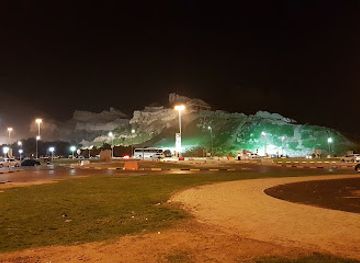
Jebel Hafeet is not a nightlife destination and has no concentrated entertainment district, nightclub scene or pedestrian strip of evening venues. After sunset, the mountain is primarily experienced through its cooler air, illuminated road views and the quieter atmosphere of Green Mubazzarah, subject to local operating arrangements and safety guidance. More conventional evening entertainment is found in Al Ain, where hotel restaurants, lounges and other licensed venues provide the principal social settings; alcohol service in the UAE is regulated and is generally associated with licensed establishments rather than public outdoor areas. Evenings in the wider oasis city tend to centre on dining, cafés, family recreation and cultural attractions rather than late-night clubbing, while the mountain itself is best treated as a natural and scenic area.
-
Night club
حديقة الحيوانات
Dive into the vibrant nightlife at Abu Dhabi's Zoo, where music, dance, and unforgettable moments await you under the stars.
-
Bar
Lawrence's Bar
Experience the vibrant nightlife at Lawrence's Bar, a lively hotspot in Jabal Hafeet, Abu Dhabi offering great drinks and live music.
-
Night club
Waziristan hayat
Discover the vibrant nightlife at Waziristan Hayat, Abu Dhabi's go-to night club for unforgettable nights filled with music and dance.
-
Night club
Mcdo uae
Unleash your nightlife spirit at Mcdo UAE, the ultimate destination for live music, dancing, and unforgettable evenings in Abu Dhabi.
Best shops in Jebel Hafeet
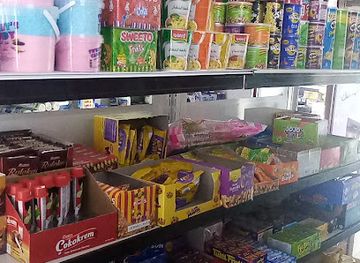
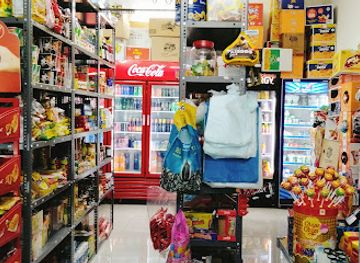
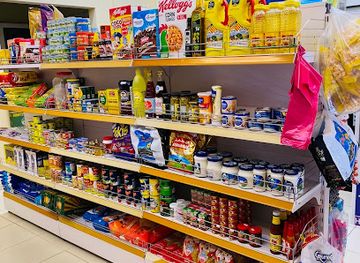
Jebel Hafeet has little dedicated shopping, and visitors should use Al Ain for substantial purchases, groceries, souvenirs and practical outdoor supplies. The city’s shops and markets reflect the wider culture of inland Abu Dhabi through dates, Arabic coffee, spices, perfumes, textiles, traditional garments and small craft items, although individual products and retail arrangements vary. Local date products have a natural connection with Al Ain’s extensive oasis agriculture, while larger commercial centres provide international brands and everyday necessities. Small refreshment outlets and visitor facilities near recreational areas may offer limited essentials, but they should not be treated as a substitute for city shopping. Buying only legal, commercially produced goods and leaving archaeological stones, fossils and desert objects in place is particularly important around the mountain.
-
Gift shop
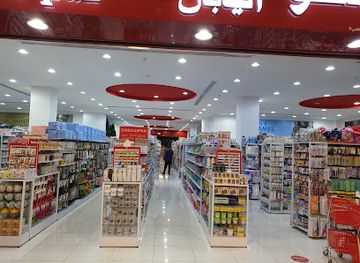
Daiso Japan
Explore Daiso Japan in Abu Dhabi: Your one-stop shop for affordable gifts, home essentials, and beauty products, all inspired by Japanese creativity.
-
Grocery store
Saqoor al arab
Experience the vibrant flavors of Abu Dhabi at Saqoor al Arab, your go-to grocery store in Al Ain for local and international culinary delights.
-
Grocery store
Snowberry Grocery Delivery | سنوباري توصيل البقالة
Discover fresh groceries and exceptional convenience at Snowberry Grocery Delivery in Abu Dhabi, your go-to spot for all your grocery needs.
-
Grocery store
Mr ELITE
Discover the vibrant flavors of Abu Dhabi at Mr ELITE, your go-to grocery store for fresh produce and gourmet products.
Get your free copy of our complete guide to Jebel Hafeet, delivered straight to you.
Everything on this page, from attractions and restaurants to essentials and local phrases, in one PDF you can read offline, print or share.
Already have an account? Sign in
Your Jebel Hafeet guide is ready.
We'll send it to · Not you? Sign out

Getting your guide ready…
We are putting together a fresh copy of the Jebel Hafeet guide. This can take up to a minute.
This can take a few moments. If your browser asks, choose Allow so the download can start. You'll find the guide in your Downloads folder.
Nothing happened? Download it again
Sorry, the guide is taking longer than usual. Please try again in a minute, or get it by email instead.
Jebel Hafeet essentials
Currency and Payment
Safety
Emergency Situations
Do's and Don'ts
Local Tips
From Eve
Local phrases worth knowing
You don't need to get them perfect. A few words go a long way, and locals appreciate the effort.
Basics
| English | Local | Say it |
|---|---|---|
| Hello | Marhaba | [mar-ha-ba] |
| Goodbye | Ma'a as-salama | [ma-a as-sa-la-ma] |
| Yes | Na'am | [na-am] |
| No | La | [la] |
| Please/You're welcome | Min fadlik | [min fad-lik] |
| Thank you | Shukran | [shuk-ran] |
| Excuse me/Sorry | Asef | [a-sef] |
| How are you? | Kif halak? | [keef ha-lak] |
| Fine. And you? | Mnih. Wa ant? | [m-ni-hu. wa ant] |
| Do you speak English? | Hal tatakallam al-ingliziya? | [hal ta-ta-ka-llam al-ing-lee-zi-ya] |
| I don't understand | Ana la afham | [a-na la af-ham] |
Eating & Drinking
| English | Local | Say it |
|---|---|---|
| I'd like to see the menu, please | Arjoo an ara al-qayima, min fadlik | [ar-joo an a-ra al-ka-yi-ma, min fad-lik] |
| I don't eat meat | Ana la akul al-lahma | [a-na la a-kul al-la-hma] |
| Cheers! | Saha | [sa-ha] |
| I would like to pay, please | Uridd an adfa', min fadlik | [u-ri-dd an ad-fa', min fad-lik] |
Emergencies
| English | Local | Say it |
|---|---|---|
| Help! | Musaidah! | [mu-sai-dah] |
| Go away! | Imshi! | [im-shi] |
| Call the Police! | Itasal bil-shurta! | [i-ta-sal bil-shur-ta] |
| Call a doctor! | Itasal bil-tabib! | [i-ta-sal bil-ta-bib] |
| I'm lost | Ana tadha | [a-na tad-ha] |
| I'm ill | Ana mareed | [a-na ma-reed] |
Shopping
| English | Local | Say it |
|---|---|---|
| I'd like to buy... | Arjoo an ashtari... | [ar-joo an ash-ta-ri] |
| I'm just looking | Ana faqat atadabbar | [a-na fa-qat a-ta-dab-bar] |
| How much is it? | Kam thamanuh? | [kam tha-ma-nuh] |
| That's too expensive | Hadha ghalin jiddan | [ha-dha gha-lin jid-dan] |
| Can you lower the price? | Hal yumkinuka tanzil al-sa'ar? | [hal yum-ki-nu-ka tan-zil al-sa-ar] |
Time & Numbers
| English | Local | Say it |
|---|---|---|
| What time is it? | Kam al-waqt? | [kam al-waqt] |
| It's one o'clock | Al-sa'a waahida | [al-sa-a wa-hi-da] |
| Half past (10) | Nisf ba'd al-'ashir | [nisf bad al-a-shir] |
| Morning | Sabaah | [sa-baah] |
| Afternoon | Dhuhr | [dhuh-r] |
| Evening | Masaa | [ma-saa] |
| Yesterday | Ams | [ams] |
| Today | Al-yawm | [al-yawm] |
| Tomorrow | Ghadan | [gha-dan] |
| 1 | Waahid | [wa-hi-d] |
| 2 | Ithnayn | [ith-na-yn] |
| 3 | Thalatha | [tha-la-tha] |
| 4 | Arba'a | [ar-ba-a] |
| 5 | Khamsa | [kham-sa] |
| 6 | Sitta | [sit-ta] |
| 7 | Saba'a | [sa-ba-a] |
| 8 | Thamania | [tha-ma-ni-a] |
| 9 | Tis'a | [ti-sa-a] |
| 10 | Ashara | [a-sha-ra] |
Transport & Directions
| English | Local | Say it |
|---|---|---|
| Where's a/the...? | Ayna... | [ay-na] |
| What's the address? | Ma huwa al-wasila? | [ma hu-wa al-wa-si-la] |
| Can you show me (on the map)? | Hal yumkinuka an turiyani (alaa al-kharita)? | [hal yum-ki-nu-ka an tu-ri-ya-ni (ala al-kha-ri-ta)] |
| When's the next (bus)? | Mata huwa al-autobis al-tali? | [ma-ta hu-wa al-aw-to-bis al-ta-li] |
| A ticket (to ....) | Talib ta'arif (ila ....) | [ta-lib ta-a-rif (ila)] |
History of Jebel Hafeet
Limestone Formation and Mountain Uplift
Jebel Hafeet is a folded limestone mountain that rises sharply above the Al Ain plain. Its exposed strata and eroded gullies record long geological processes rather than a single historical event, while the mountain’s isolated form has made it a defining feature of the inland Abu Dhabi landscape. Fossils and sedimentary rocks in the wider Jebel Hafeet area have helped demonstrate that the rock was formed in ancient marine environments before later uplift and erosion shaped the present mountain. These geological characteristics remain central to the destination’s identity, visible in the pale cliffs, ridges and deeply cut slopes encountered on the approach road.
The Hafit Period Tombs
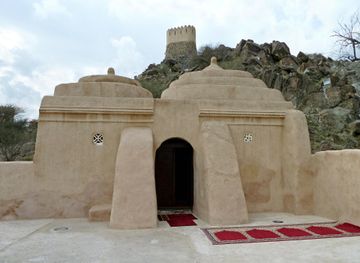
The foothills of Jebel Hafeet contain important Bronze Age tombs dating broadly from the late fourth to early third millennium BCE. Their distinctive beehive-like forms gave the early Hafit period its name, and the mountain has consequently become an important reference point in the archaeology of the United Arab Emirates and Oman. The tombs indicate organised communities with connections to the wider landscapes and trading networks of southeastern Arabia. Many are situated in the broader archaeological landscape around Al Ain rather than along the modern summit road, so visitors should distinguish the mountain itself from the protected archaeological sites at its foothills and in nearby areas.
Oasis Settlement at Al Ain
Jebel Hafeet developed alongside the wider settlement history of Al Ain, whose springs and groundwater supported permanent oasis communities in an otherwise arid interior. Falaj irrigation systems, palm groves and cultivated land allowed agriculture to flourish, while the mountain provided a prominent geographical reference on the southern edge of the oasis region. Al Ain’s historic forts, oases and archaeological sites reflect successive periods of local settlement and regional exchange. The relationship between mountain, groundwater and cultivated oasis remains essential to understanding why this inland part of Abu Dhabi became a long-standing centre of human habitation.
Modern Access and Landscape Protection
The modern mountain road transformed access to Jebel Hafeet, allowing visitors to reach high viewpoints that were once available only through more demanding travel across the desert landscape. Development at Green Mubazzarah created a landscaped recreational area around the mountain’s warm springs, while the Jebel Hafeet Desert Park introduced further opportunities to experience the foothill environment. Today, the mountain is visited as part of Al Ain’s cultural and natural heritage, with its geological character, archaeological importance and desert ecology requiring careful management as tourism and urban development continue around the oasis city.
Jebel Hafeet in Photos
Browse through our photo collection highlighting the charm and character of the destination.
Cities in Jebel Hafeet
The towns and cities of Jebel Hafeet, and the easiest places to base yourself.

Swipe for more cities
Neighbouring destination travel guides
The closest destinations to Jebel Hafeet, if you have time for more than one.
-

-

-

-

-


Swipe for more destinations
Explore more
Explore more of Eastern Region (Al Sharqiyah)
Discover the beauty and tranquility of the Eastern Region (Al Sharqiyah) in the UAE, where stunning landscapes, rich history, and vibrant culture await.
Explore Eastern Region (Al Sharqiyah)
Explore more of United Arab Emirates
Discover the United Arab Emirates: A land where futuristic cities meet timeless deserts, offering luxury, adventure, and rich cultural experiences.
Explore United Arab Emirates