Melin Llynon, Llanddeusant, Anglesey Travel Guide
Discover Melin Llynon, Wales’ only working windmill, where history, heritage, and ancient landscapes blend on the island of Anglesey.
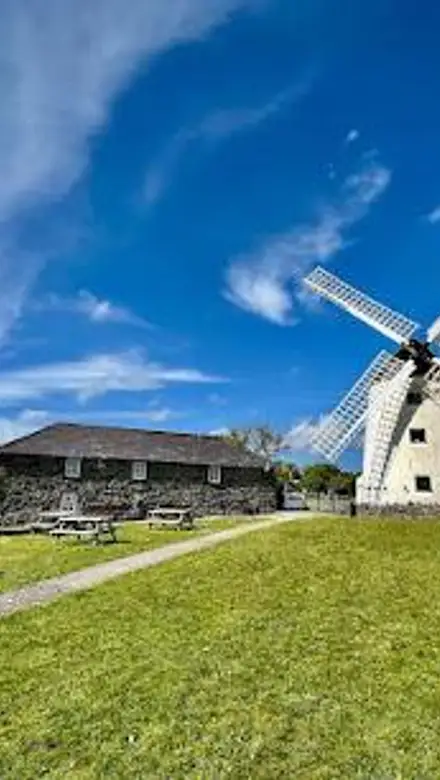
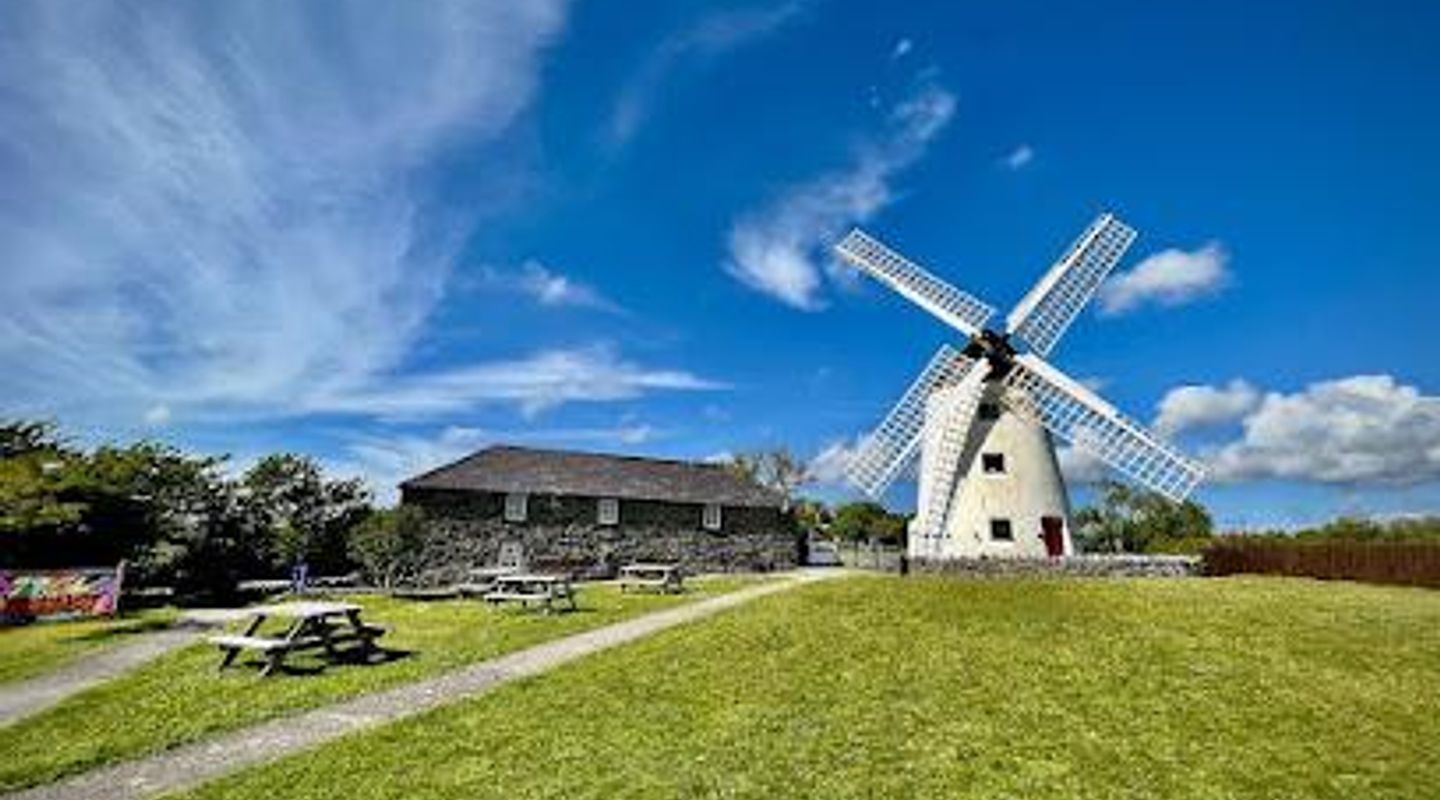
Melin Llynon, near Llanddeusant on Anglesey, is the only working windmill in Wales, built in 1775-76. This historic tower mill grinds grain into stoneground flour and features a fascinating restoration story. The site also includes Iron Age roundhouse reconstructions and woodland trails, offering a unique glimpse into ancient and agricultural heritage.
A brief summary to Melin Llynon, Llanddeusant
- Llynon Mill, Holyhead, Llanddeusant, LL65 4AB, GB
- Click to display
- Click to display
- Duration: 1 to 3 hours
- Mid ranged
-
 Outdoor
- Mobile reception: 4 out of 5

Know before you go
Hi, I'm Eve. Here are a few practical things to know before exploring Melin Llynon, Llanddeusant.
- Check opening times in advance as the mill can be temporarily closed for maintenance or restoration.
- Explore the Iron Age roundhouse reconstructions and woodland trails to enrich your visit beyond the mill itself.
- Try the locally produced stoneground flour products and inquire about special events or workshops.
- Bring a camera for picturesque views of the mill’s sails and the surrounding Anglesey countryside.
Do you manage this location?
Take control to get all the benefits, like improved information, better appearance, and stronger visibility across AI-powered discovery. Learn more about listing your business on Evendo
Activate your presenceOther nearby places you may find interesting
The closest places of the same kind, if this one is not quite what you had in mind.
Explore Melin Llynon, Llanddeusant on the Map
A handpicked selection of must-see spots near Melin Llynon, Llanddeusant, mapped for you.
Unlock the Best of Melin Llynon, Llanddeusant
Buy tickets
-
No tickets available
Book tours with entry
-
No tours available
Book tours without entry

Getting There
-
Car
Driving from Holyhead town center takes approximately 15-20 minutes via the A5 and local roads. Parking is available on site but can be limited during peak times. There is no charge for parking.
-
Bus
Local bus services connect Holyhead with Llanddeusant village, with a travel time of around 25-35 minutes. From the village, a 10-minute walk on rural paths leads to the mill. Services run several times daily but check schedules in advance.
-
Walking
For those staying nearby in Llanddeusant, a pleasant 10-15 minute walk over gently undulating terrain leads to the mill. Paths are mostly unpaved and may be muddy after rain, so suitable footwear is recommended.
For the on-the-go comforts that matter to you
-
 Restrooms
-
 Drink Options
-
 Food Options
-
 Seating Areas
-
 Information Boards
Discover more about Melin Llynon, Llanddeusant
Historic Roots and Architectural Significance
Melin Llynon was constructed over seven months between 1775 and 1776 on land owned by surgeon Herbert Jones near Llanddeusant. This tower mill, characterized by its sturdy stone structure and a rotating cap that allows its four large sails to catch the wind, was built at a cost equivalent to about £53,700 in modern money. It is the only surviving working windmill in Wales, representing a rare example of 18th-century agricultural engineering. The mill was originally operated by the Jones family for several generations until storm damage in 1918 impaired its functionality.The Mill’s Operational Journey and Restoration
After the 1918 storm damaged the mill’s cap, it continued limited operation only when the wind was favorable, eventually closing by the mid-20th century due to deterioration. In 1978, Anglesey County Council purchased the mill and undertook extensive restoration, reopening it in 1984 as a fully functional gristmill producing traditional stoneground flour. This restoration preserved the mill’s original mechanisms and historic character, reviving its role in local heritage and education.Living History: Iron Age Roundhouses and Landscape
The mill site expanded in 2007 to include replicas of Iron Age roundhouses, built to reflect dwellings from 3,000 years ago found throughout Anglesey. These reconstructions, alongside newly planted woodlands featuring native Iron Age species and archaeological features like an excavated 19th-century bakery, create a rich cultural landscape. Visitors can explore these immersive environments, connecting the island’s ancient past with its agricultural traditions.Visitor Experience and Educational Opportunities
Melin Llynon offers visitors a chance to witness traditional milling in action, with demonstrations of grain grinding using wind power. The site also hosts educational programs about local history, archaeology, and sustainable farming practices. The combination of the mill’s working machinery, historic buildings, and reconstructed prehistoric dwellings provides a multi-layered learning environment that appeals to history enthusiasts and families alike.Community and Cultural Impact
Beyond its historical importance, Melin Llynon has become a cultural landmark on Anglesey, celebrated for preserving Welsh heritage and craftsmanship. It has collaborated with local producers, including a distillery creating a special gin, and features a model safari to engage younger visitors. The mill’s reopening was marked by a royal visit, underscoring its significance as a treasured community asset.Preservation and Future Prospects
Continued conservation efforts ensure Melin Llynon remains operational and accessible, balancing heritage preservation with sustainable tourism. The site’s integration of natural and archaeological elements supports environmental stewardship and educational outreach, securing its role as a vibrant heritage destination for future generations.More to explore near Melin Llynon, Llanddeusant













Your all‑in‑one travel companion app
Explore expert travel guides, compare and book tours, experiences, hotels, and more—all from the palm of your hand. Download now for seamless trip planning wherever your wanderlust takes you.


Explore More of Anglesey
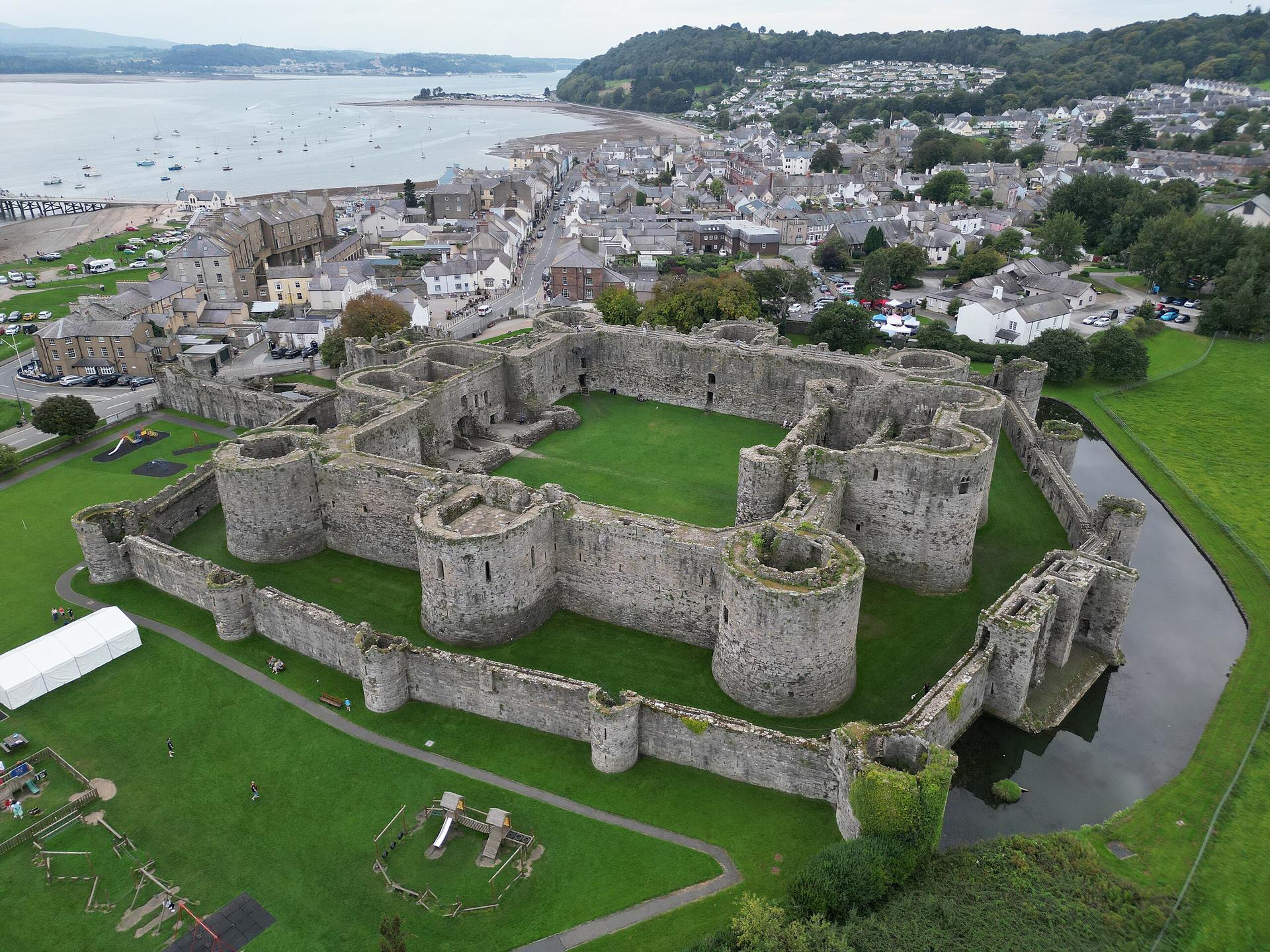
Looking beyond Melin Llynon, Llanddeusant? Discover Anglesey for broader travel guides, local hot-spots, and regional highlights.
Explore Anglesey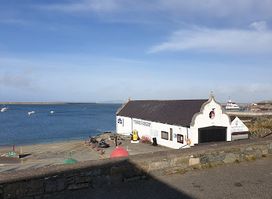
Explore Wales’ oldest lifeboat station and WWII air raid shelter, unveiling Holyhead’s rich maritime and wartime heritage by the scenic Newry Beach.
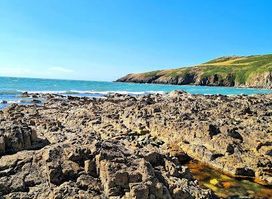
A serene Blue Flag beach on Anglesey’s northwest coast, offering stunning views, rock pools, and a peaceful retreat near historic Church Bay village.