
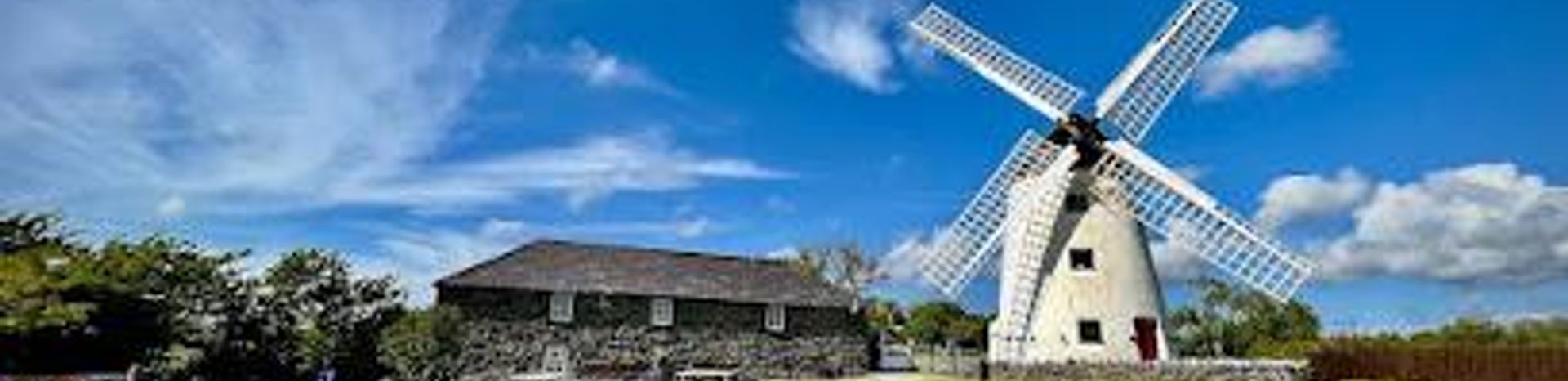
Melin Llynon: Wales' Last Working Windmill
Wales' only working windmill—a living monument to 18th-century milling heritage and rural craftsmanship.
Melin Llynon, or Llynon Mill, stands as Wales' only surviving working windmill, built in 1776 on the island of Anglesey near Llanddeusant. This historic gristmill grinds grain using traditional methods and has been restored to full operational status after a comprehensive five-year restoration project. The mill produces flour and baked goods, offering visitors a glimpse into 18th-century milling heritage and rural Welsh craftsmanship.
A brief summary to Melin Llynon, Llanddeusant
- Llynon Mill, Holyhead, Llanddeusant, LL65 4AB, GB
- +441248858324
- Visit website
- Duration: 1 to 2.5 hours
- Budget
-
 Outdoor
- Mobile reception: 4 out of 5
Local tips
- Visit during clear, breezy days when the windmill's sails are most likely to be turning—this provides the best photographic opportunities and demonstrates the mill's working mechanics.
- Purchase freshly milled flour or artisanal baked goods produced on-site to support the mill's operations and take home an authentic souvenir of your visit.
- Allow time to explore the surrounding Anglesey countryside, which offers additional heritage sites and coastal walks within easy reach of the mill.
- Check opening hours before visiting, as the mill operates seasonally and may have limited hours during winter months.
- Bring a camera or smartphone to capture the distinctive architecture and working machinery—the mill's setting provides excellent photographic subjects throughout the day.

For the on-the-go comforts that matter to you
- Food Options
- Seating Areas
- Information Boards
- Trash Bins
Getting There
-
Car
From Holyhead town center, drive south on the A5025 toward Llanddeusant, approximately 8 kilometers. Follow signs to Llanddeusant village and continue to the mill's location on the outskirts. Travel time is approximately 15–20 minutes. Parking is available on-site. The road is well-maintained and suitable for all vehicles year-round.
-
Bus
Local bus services operate from Holyhead to Llanddeusant village, with journey times of 20–30 minutes depending on route and stops. Services are less frequent in winter months. From the village center, the mill is approximately 1.5 kilometers away, requiring a walk or local taxi. Check current timetables with Anglesey's public transport provider before traveling.
-
Taxi
Taxis are available from Holyhead town center to Melin Llynon, approximately 8 kilometers away. Journey time is typically 15–20 minutes. Estimated fare ranges from £12–18 depending on the taxi company and time of day. This option is most practical for visitors without access to a car or those preferring direct transport.
-
Walking
From Llanddeusant village center, the mill is accessible via a 1.5-kilometer walk along country lanes. The terrain is generally flat but involves walking along rural roads with limited pedestrian infrastructure. Allow 20–25 minutes. This option is suitable for those comfortable with countryside walking and is most practical during daylight hours and fair weather.
Melin Llynon, Llanddeusant location weather suitability
-
 Any Weather
-
 Clear Skies
-
 Windy Conditions
Discover more about Melin Llynon, Llanddeusant
A Monument to Welsh Industrial Heritage
Melin Llynon, known in English as Llynon Mill, represents a remarkable survivor of Wales' industrial past. Built in 1776, this stone-built windmill stands as the sole operational example of its kind in Wales, making it an irreplaceable link to the nation's milling traditions. The mill's distinctive architecture reflects the practical engineering of the Georgian era, designed to harness Anglesey's coastal winds for grinding grain into flour. Its longevity is testament to both its original construction and the dedication of those who have worked to preserve it.Restoration and Revival
After decades of decline, Melin Llynon underwent a comprehensive restoration beginning in the 1980s under the stewardship of Anglesey County Council. The mill was subsequently managed as one of the island's principal tourist attractions until 2019. Following a five-year restoration project, the windmill has been returned to full working order, with its machinery once again grinding grain using traditional methods. This revival has breathed new life into the structure, allowing it to function as both a working mill and a living museum of agricultural heritage.The Art of Traditional Milling
The mill operates as a genuine gristmill, utilizing wind power to turn its stones and process grain into flour. Visitors can observe the mechanical systems that have remained largely unchanged since the 18th century, understanding how millers once converted raw grain into a staple commodity. The mill produces flour and baked goods, including artisanal donuts, which are available for purchase. This working production adds authenticity to the visitor experience, demonstrating that the mill is not merely a museum piece but a functioning enterprise rooted in historical practice.Anglesey's Windmill Landscape
Located on the outskirts of Llanddeusant village on the island of Anglesey, Melin Llynon occupies a landscape rich in maritime and agricultural history. Anglesey's exposed position and consistent winds made it ideal for windmill development during the 18th and 19th centuries. The mill's survival, while others have vanished, reflects both fortunate circumstances and the commitment of local communities to preserve their heritage. The surrounding countryside offers context for understanding how mills like this once served rural communities across Wales.Educational and Cultural Significance
Beyond its role as a working mill, Melin Llynon serves as an educational resource for visitors seeking to understand pre-industrial and early industrial Welsh life. The mill illustrates principles of mechanical engineering, renewable energy, and agricultural economics that shaped rural society for centuries. For families and school groups, the mill provides hands-on learning about grain processing, wind power, and the daily work of millers. The site connects visitors to the practical ingenuity of their ancestors and the technological solutions they developed to harness natural resources.Iconic landmarks you can’t miss

Borth Wen
18.0 km
Sheltered sandy cove on Anglesey’s southern shore, blending coastal beauty with historic charm and natural tranquility.

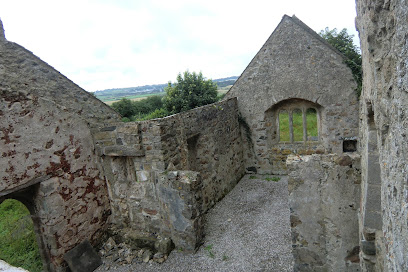
Hen Eglwys Llanfihangel Ysgeifiog
18.1 km
Explore the evocative ruins of Hen Eglwys Llanfihangel Ysgeifiog, a medieval Welsh church steeped in history and nestled in tranquil Anglesey countryside.
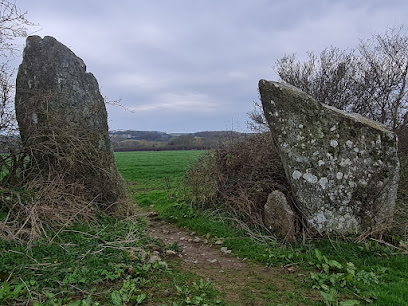
Bryn Gwyn Standing Stones
22.0 km
Discover the towering Neolithic Bryn Gwyn Standing Stones, ancient sentinels of Anglesey’s prehistoric past and ritual heritage.
Cadair y Cythraul
22.2 km
Discover the mysterious 'Chair of the Devil' in Llanfairpwllgwyngyll, a historic landmark steeped in Welsh myth and ancient landscape charm.
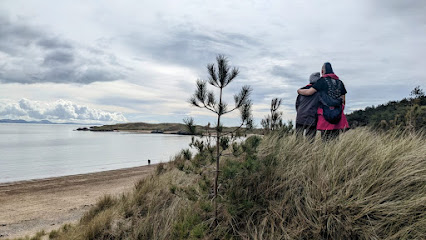
Caer Leb (Prehistoric Castle Enclosure)
22.2 km
Explore Caer Leb, a prehistoric fortified enclosure with water-filled ditches that reveal ancient defensive ingenuity on scenic Anglesey.
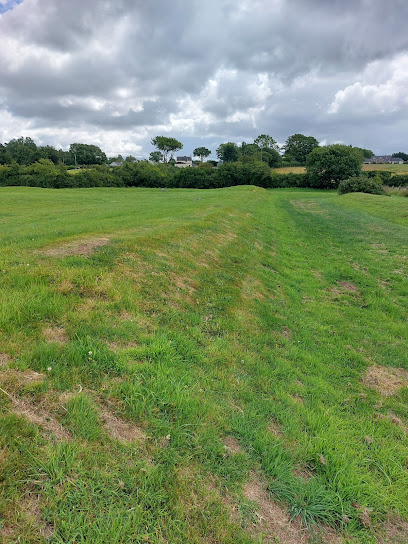
Celtic cross
22.9 km
A serene Celtic Cross memorial honoring Welsh poet Syr John Morris-Jones, set beside historic St. Mary's Church with stunning Menai Strait views.
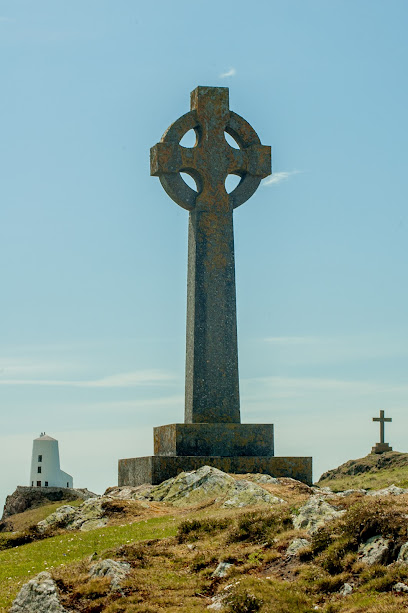
Porth y Clochydd
23.0 km
Explore the historical landmark of Porth y Clochydd in Llanfairpwllgwyngyll, a captivating site steeped in rich Welsh heritage and scenic beauty.
Tŷ-Gwyn Menhir
24.0 km
Discover the ancient Tŷ-Gwyn Menhir near Menai Bridge, a prehistoric standing stone steeped in druidic mystery and Welsh heritage.
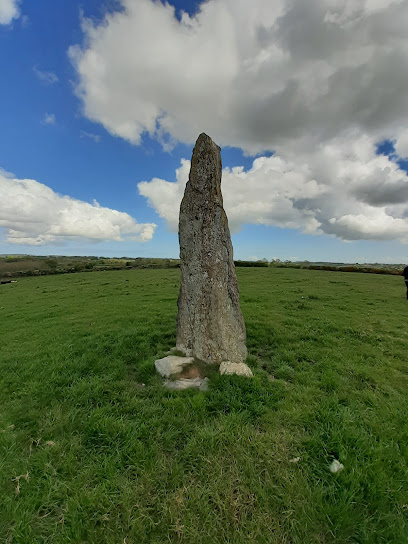
Ynys yr Eglwys
25.0 km
Discover the serene charm and rich heritage of Ynys yr Eglwys, a peaceful island gem beside the iconic Menai Suspension Bridge.
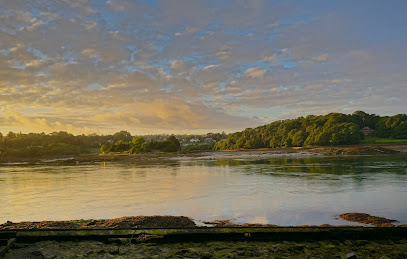
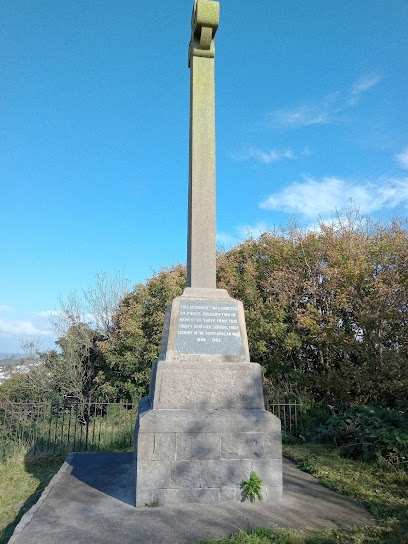
South African War Memorial
26.3 km
A wheel-headed Celtic cross honouring 173 Caernarfonshire soldiers lost in the Boer War, unveiled in 1904.
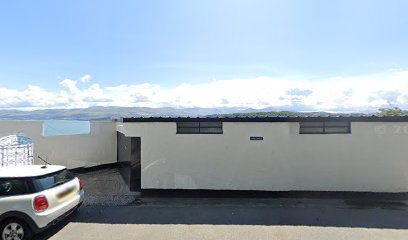
Glan-y-môr
26.3 km
Explore Glan-y-môr, a historical landmark in Menai Bridge, where rich heritage meets stunning natural beauty for an unforgettable experience.
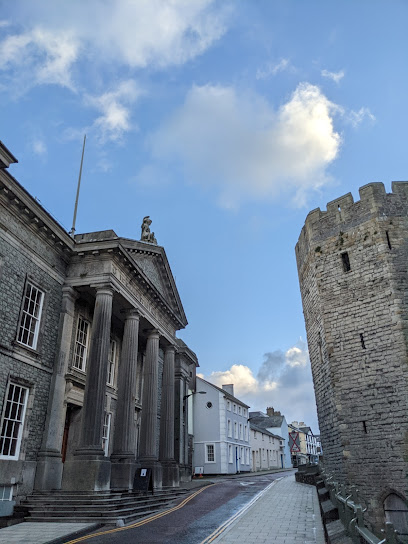
CARN / Oriel Pendeitsh
26.3 km
Discover contemporary Welsh art and culture in Caernarfon’s inspiring Oriel Pendeitsh gallery, a vibrant creative hub above the Tourist Information Centre.
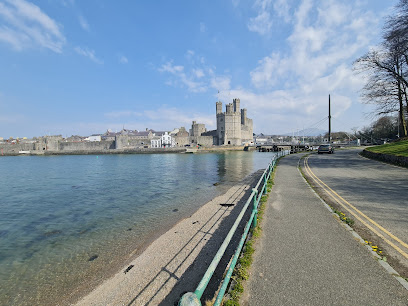
Pont Yr Aber
26.3 km
A scenic swing bridge linking Caernarfon Castle with woodland paths, offering iconic views and a touch of maritime theatre as boats pass beneath.
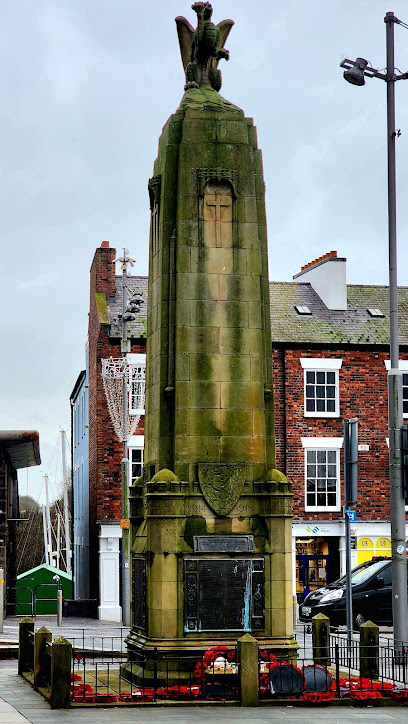
Caernarfon War Memorial
26.5 km
A dignified stone pillar in Castle Square honoring Caernarfon’s fallen heroes from the World Wars and beyond.
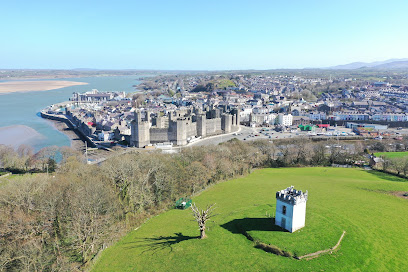
Caernarfon Tower
26.5 km
Explore Caernarfon Tower, a medieval fortress sentinel offering breathtaking views and rich Welsh history in a UNESCO World Heritage setting.
Unmissable attractions to see

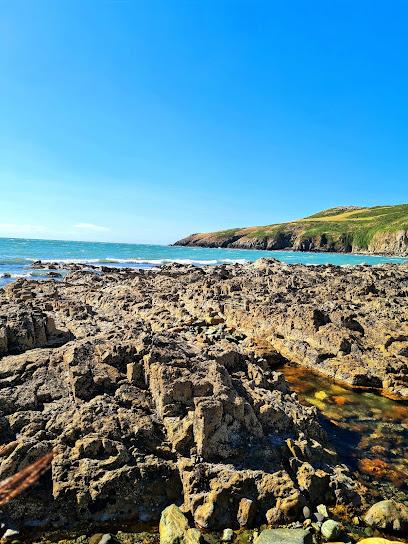
Porth Swtan
5.8 km
Discover Porth Swtan, a pristine Blue Flag beach on Anglesey’s northwest coast, famed for its clear waters, rock pools, and tranquil natural beauty.
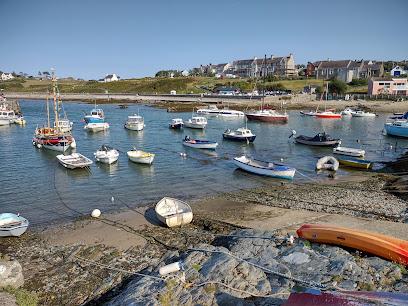
Cemaes Bay Harbour
8.9 km
Discover the serene charm of Cemaes Bay Harbour, where coastal beauty meets rich maritime heritage on Anglesey’s north shore.
Holyhead Maritime Museum
9.7 km
Explore Wales’ oldest lifeboat station and WWII air raid shelter, unveiling Holyhead’s rich maritime and wartime heritage by the scenic Newry Beach.
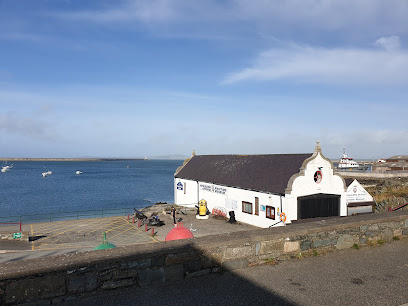
Anglesey Coastal Path
12.5 km
Explore the historic copper port town of Amlwch along the stunning Anglesey Coastal Path, where rugged cliffs meet serene sea views and rich heritage.
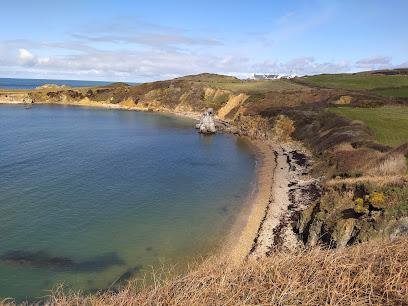
Anglesey Area of Outstanding Natural Beauty
13.1 km
Explore Anglesey’s stunning coastal landscapes, rich history, and vibrant wildlife within this protected Area of Outstanding Natural Beauty.
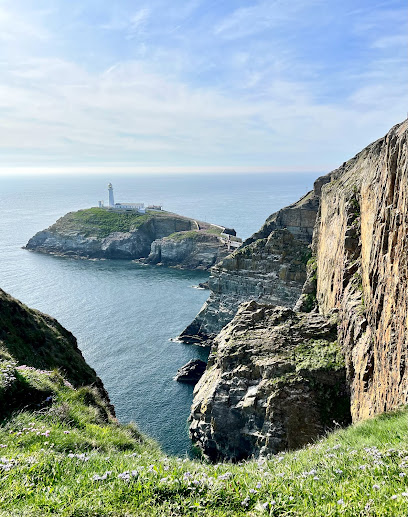
Maen Mawr
13.1 km
Discover Maen Mawr, a majestic prehistoric stone monument in Rhosneigr, where ancient heritage meets the wild coastal beauty of Anglesey.
Copper Kingdom Centre
13.7 km
Discover the fascinating history of copper mining and industrial heritage at Anglesey’s award-winning Copper Kingdom Centre in Amlwch Port.
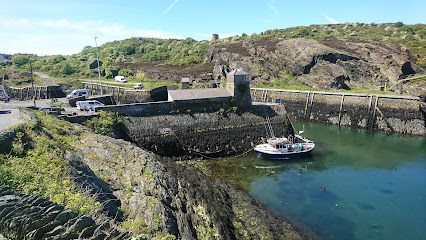
Goleudy Ynys Lawd
14.1 km
Historic lighthouse perched on a rugged island with breathtaking sea views and vibrant seabird colonies off Holyhead, Anglesey.
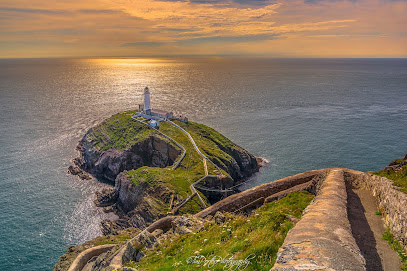
Mynydd Mawr
14.5 km
Historic coastal lookout with panoramic sea views, ancient cairns, and WWII heritage on Anglesey’s scenic Llŷn Peninsula.
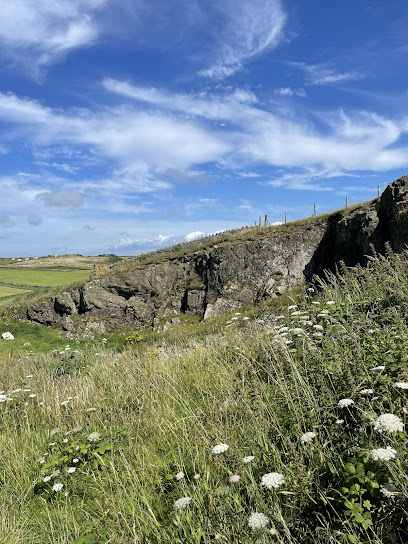
Barclodiad y Gawres
14.5 km
Explore Anglesey’s ancient chambered tomb with rare Neolithic carvings and stunning coastal views at Barclodiad y Gawres.
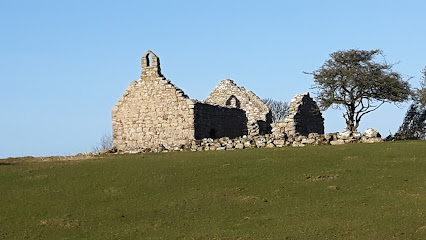
Twll Bwgan
14.6 km
Explore Twll Bwgan, a mysterious historical landmark in Ty Croes where Welsh folklore and serene landscapes intertwine.
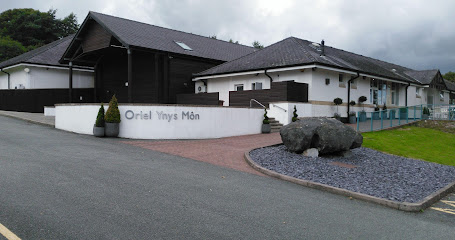
Oriel Môn
14.6 km
Discover Anglesey’s rich heritage through art, history, and community at Oriel Môn, a vibrant museum and gallery in Llangefni.
Din Lligwy
15.6 km
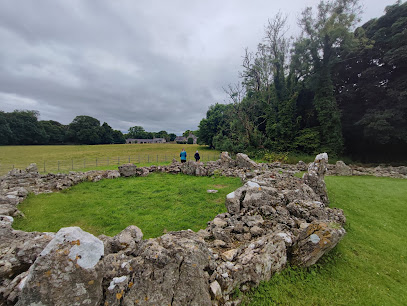
Explore Din Lligwy, a captivating Romano-British village ruin on Anglesey showcasing ancient stone huts, ironworking workshops, and sweeping coastal views.
Lligwy Burial Chamber
16.1 km
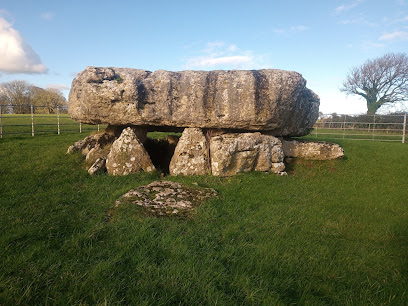
Explore Lligwy Burial Chamber, a monumental Neolithic tomb with a colossal 25-tonne capstone, revealing ancient burial rituals on scenic Anglesey coast.
Eglwys Cwyfan
16.9 km
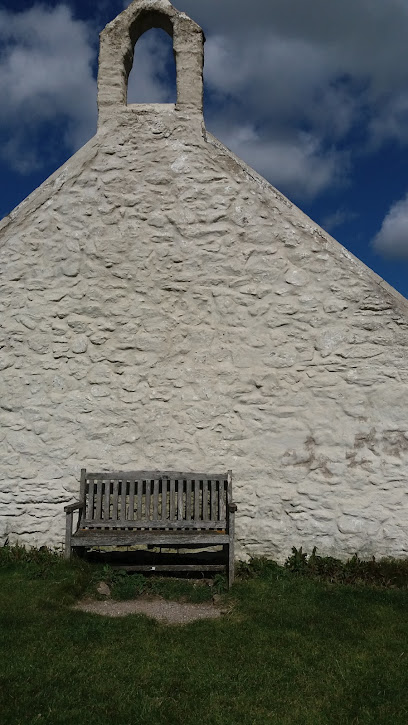
A serene 12th-century medieval church perched on a tidal island, blending history, sea, and Welsh heritage in a stunning coastal setting.
Essential places to dine

Catch 22 Brasserie
7.5 km
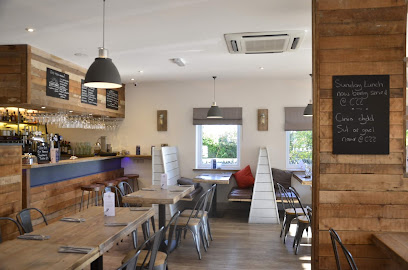
Family-run brasserie in Valley, Anglesey, serving fresh, locally sourced Welsh dishes with Mediterranean flair in a warm, modern setting.
The White Eagle
11.9 km
Coastal dining with warm hospitality, fresh local flavors, and a dog-friendly welcome in the heart of Rhoscolyn, Anglesey.
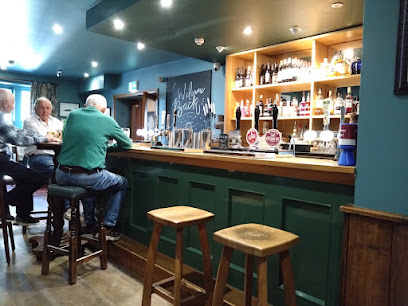
Sandy Mount House
12.4 km
A stylish beach house hotel and restaurant in Rhosneigr, blending contemporary comfort with coastal charm just minutes from the sandy shore.
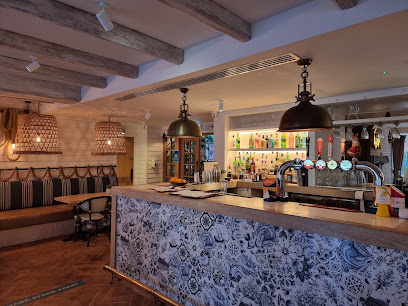
PEBBLES BISTRO
17.9 km
A family-run bistro in Benllech serving high-quality local British cuisine with warm hospitality in a cozy setting.
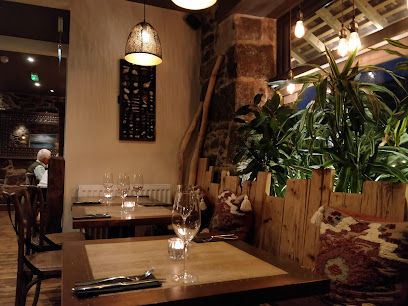
The Tavern on The Bay
19.2 km
Seaside gastropub and live music venue offering stunning views, quality food, and warm hospitality in Red Wharf Bay, Anglesey.
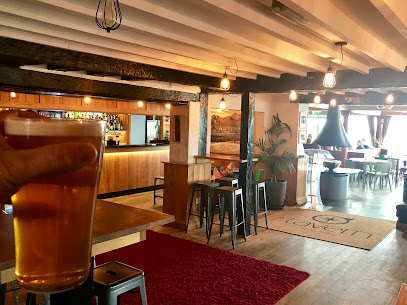
The Boathouse
19.3 km
A charming Welsh seafood restaurant nestled by the scenic Red Wharf Bay, offering fresh coastal flavors in a warm, welcoming setting.
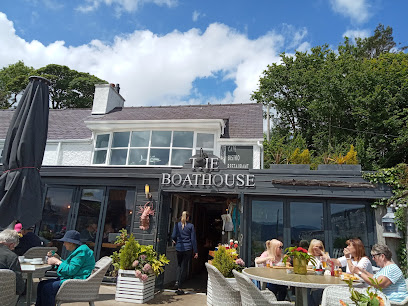
Y Marram
22.1 km
Discover Y Marram, Anglesey’s fine dining gem offering innovative dishes crafted from fresh, local ingredients in a serene coastal setting.
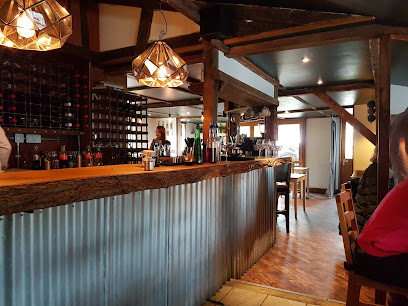
Freckled Angel
25.1 km
Discover British tapas with a global twist in a bright, relaxed setting overlooking Menai Bridge’s scenic straits.
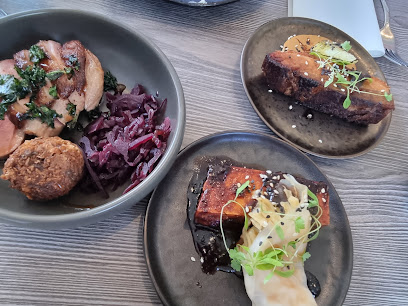
Theodore's
25.2 km
A warm, intimate restaurant in Menai Bridge serving modern British and European dishes with local Welsh ingredients and heartfelt hospitality.
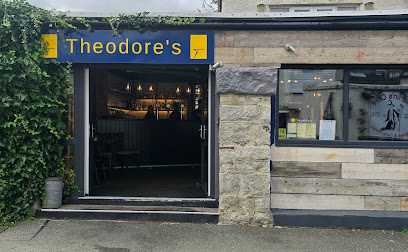
Sosban
25.3 km
A Michelin-starred intimate dining experience in Menai Bridge offering bold, locally inspired tasting menus in a converted butcher’s shop.
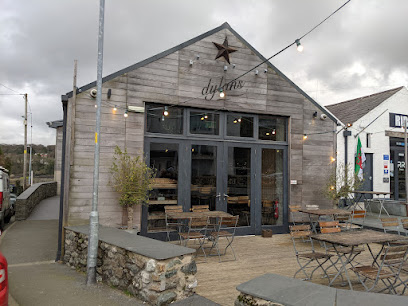
Dylan's Menai Bridge
25.4 km
Seaside dining with stunning Menai Strait views, fresh local seafood, and a welcoming family-friendly atmosphere in the heart of Menai Bridge.
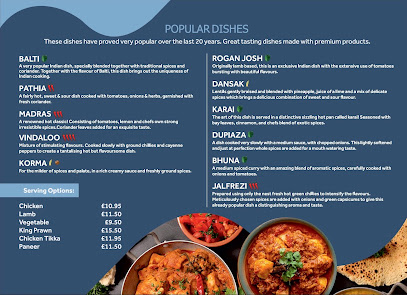
SeaView Indian Restaurant
26.0 km
Authentic Indian flavors by Caernarfon harbour, blending culinary excellence with a serene waterfront setting.
Fu's
26.0 km
Authentic Cantonese dining with family-friendly warmth in Caernarfon's scenic marina setting.
Tŷ Golchi
26.0 km
Cozy breakfast restaurant in Bangor offering fresh, generous meals and a family-friendly atmosphere with a charming outdoor play area.
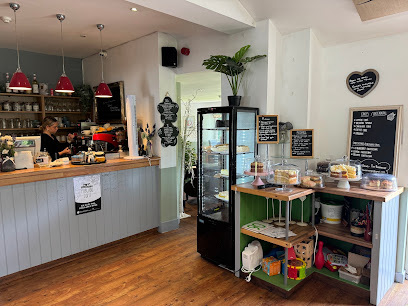
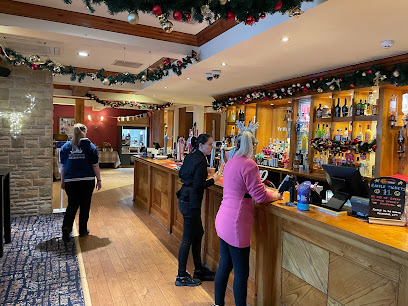
Harbour Table Table
26.0 km
Family-friendly British pub and restaurant overlooking Caernarfon’s Victoria Dock, offering hearty meals and scenic views of the Menai Strait.
Markets, malls and hidden boutiques

E&T Clothing and Gifts
7.5 km
Discover stylish clothing and unique gifts infused with local charm at E&T Clothing and Gifts in Valley, Holyhead.
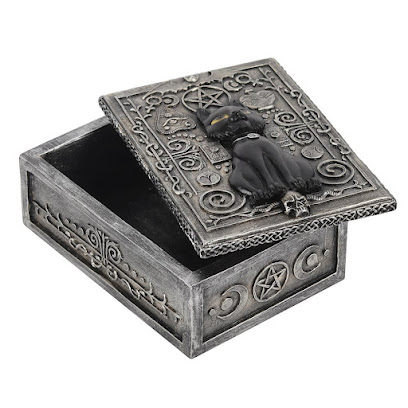
Anglesey Hamper Company
9.7 km
Discover bespoke Welsh luxury hampers crafted with locally sourced artisan produce from the heart of Anglesey.
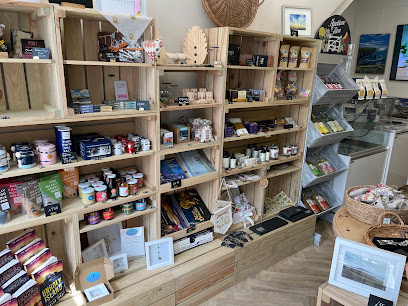
Quba & Co
12.3 km
Discover stylish nautical and beachwear at Quba & Co, a welcoming boutique in Rhosneigr’s scenic coastal village.
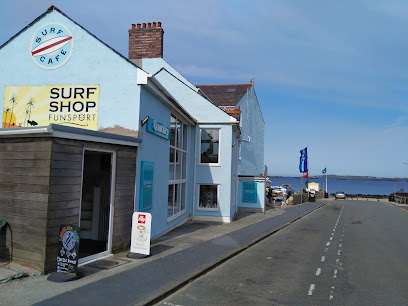
Hiraeth Vintage
15.0 km
Discover timeless vintage and antique homewares blending Welsh heritage with modern style in a charming family-run online boutique.
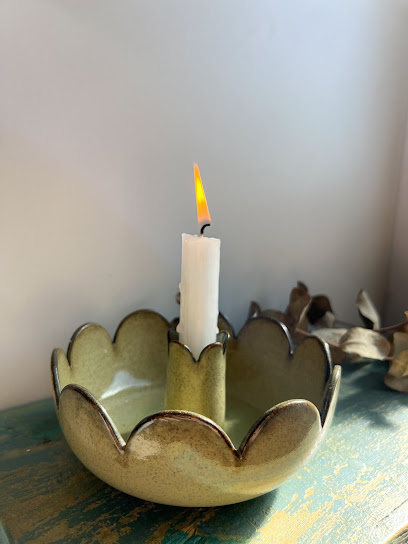
The Last Trading Post
15.0 km
Discover unique Welsh craftsmanship and handcrafted homewares at The Last Trading Post in the heart of Llangefni.
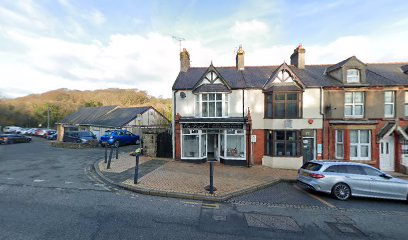
Siop Ellis - SPAR
15.1 km
Discover local flavors and everyday essentials at Siop Ellis - SPAR, a convenience store in the heart of Llangefni, Anglesey.
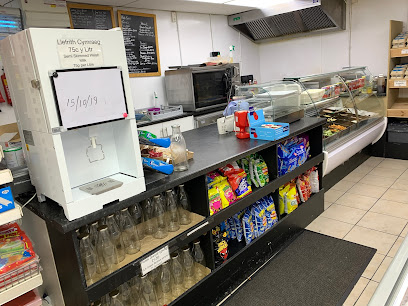
Gwynedd A Môn Age Cymru
15.1 km
Explore unique treasures at Gwynedd A Môn Age Cymru, where every purchase supports local community initiatives in Llangefni.
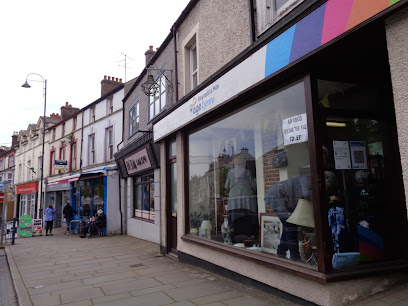
Sew Picturesque/Oriel Cefni
15.2 km
Discover exquisite fabrics, unique handmade gifts, and local artistry at Sew Picturesque, Llangefni’s beloved sewing and gift boutique.
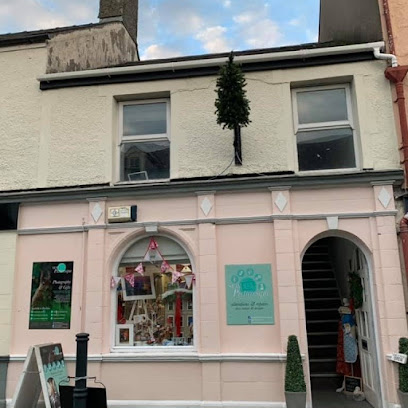
Mon Fashion
15.2 km
Discover unique local fashion and personalized style at Mon Fashion, a charming boutique in the heart of Llangefni.
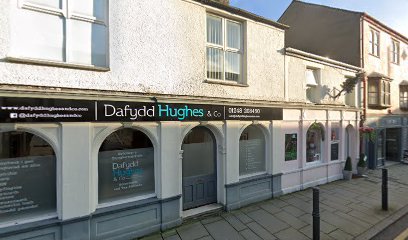
Ann's Pantry
17.2 km
Discover the charm of Ann's Pantry in Moelfre, Anglesey—a delightful gift shop and café offering homemade treats and unique souvenirs.
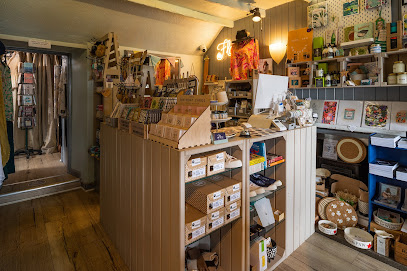
Edinburgh Woollen Mill
22.9 km
Discover authentic Welsh woolen fashion and heritage at Edinburgh Woollen Mill in the uniquely named village of Llanfairpwllgwyngyll.
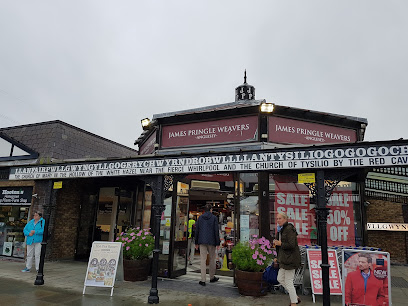
Hootons Homegrown Farm Shop.+ Farmer Hooton's Tatws Poeth Hot Potatoes
23.1 km
Experience fresh, homegrown produce and traditional Welsh hot potatoes at Hootons Homegrown Farm Shop in the heart of Anglesey’s countryside.
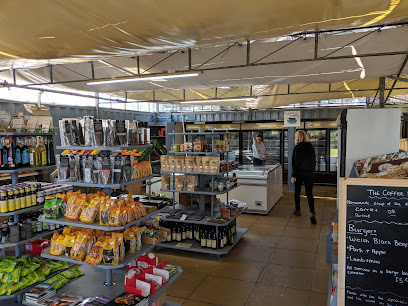
Llan Gifts
23.1 km
Discover authentic Welsh crafts, jewelry, and wedding treasures at Llan Gifts, a family-run boutique in the heart of Llanfairpwllgwyngyll.
Merlin's Cave Antiques, North Wales
25.2 km
Discover unique antiques and collectibles at Merlin's Cave Antiques in North Wales, a treasure trove for history lovers and collectors alike.
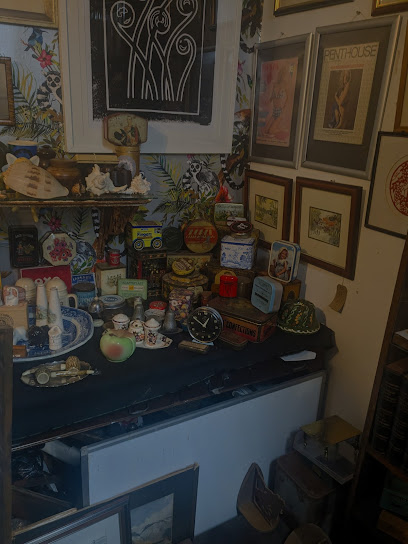
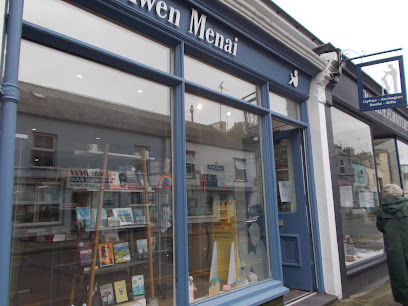
Awen Menai
25.3 km
Discover Welsh culture and language treasures at Awen Menai, a welcoming gift and book shop in the heart of Menai Bridge.
Essential bars & hidden hideouts

Tafarn Yr Iorwerth
7.8 km
Experience authentic Welsh hospitality and traditional flavors at Tafarn Yr Iorwerth, Bryngwran’s vibrant community pub and live music venue.
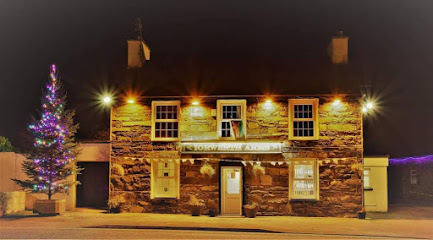
Stag Inn
8.8 km
Cozy, dog-friendly pub in Cemaes Bay with a lively atmosphere, great drinks, and a welcoming community spirit.
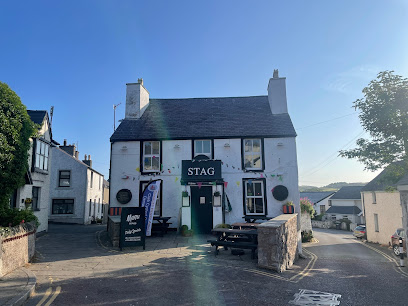
Albert Vaults
9.7 km
A welcoming and lively traditional pub in the heart of Holyhead, offering authentic Welsh coastal charm and friendly local vibes daily from noon to late.
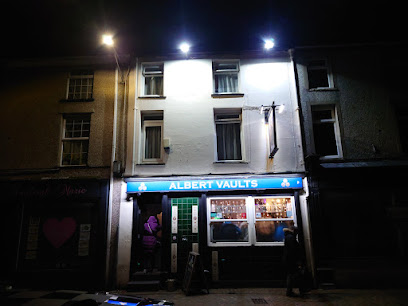
Y Morfa
12.3 km
A cozy, lively pub in Rhosneigr offering friendly vibes, affordable drinks, and a true taste of coastal Anglesey community spirit.
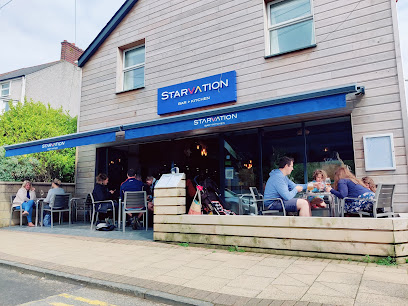
Starvation Bar & Kitchen
12.4 km
Chic cocktail bar in Rhosneigr serving American street food and classic pub dishes in a lively coastal setting.
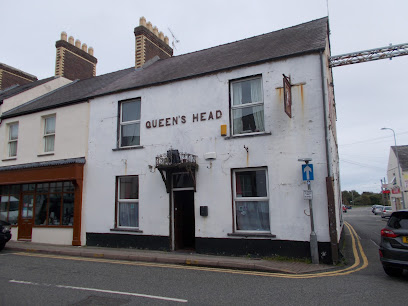
The Queens Head
12.7 km
A welcoming traditional pub in Amlwch offering local ales, live events, and a cozy atmosphere from noon till midnight daily.
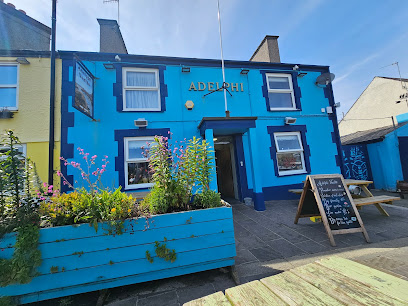
Adelphi Vaults
13.4 km
A welcoming pub in Amlwch offering hearty pies, a fine selection of ales, and genuine Welsh hospitality in a cozy coastal setting.
Pilot Boat, Dulas
13.7 km
A welcoming coastal pub in Dulas, Anglesey, offering hearty fare, friendly service, and scenic charm near the Welsh shoreline.
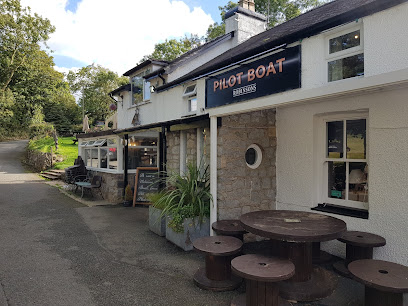
Tafarn Y Rhos
14.4 km
A lively and welcoming pub with hearty local fare and cozy guesthouse rooms nestled in the heart of Rhostrehwfa near Llangefni.
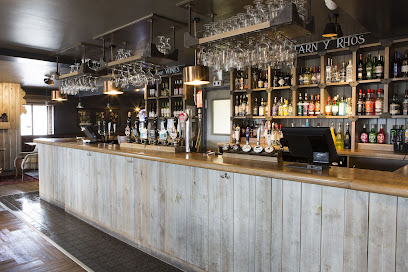
Tafarn Y Railway
15.0 km
A traditional Welsh village pub in Llangefni offering local ales, lively events, and a warm community atmosphere.
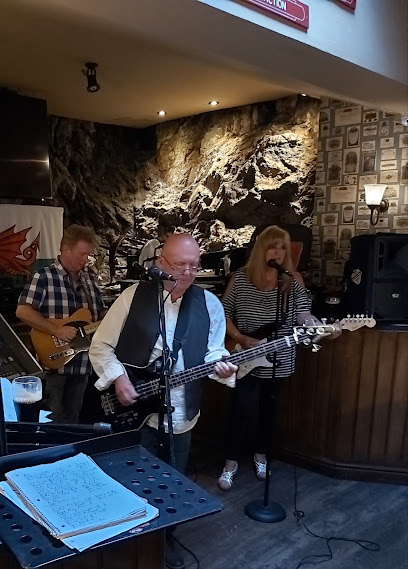
The Foundry Vaults
15.1 km
A lively pub and sports bar in Llangefni’s heart, offering drinks, karaoke, and a welcoming atmosphere for locals and visitors alike.
The Market Vaults
15.2 km
A lively and friendly traditional pub in Llangefni’s town centre, known for great music, local charm, and affordable drinks.
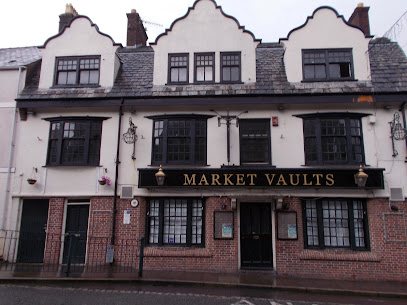
The Kinmel Arms
17.1 km
A lively nautical-themed pub in Moelfre offering hearty meals, local ales, and a vibrant coastal atmosphere.
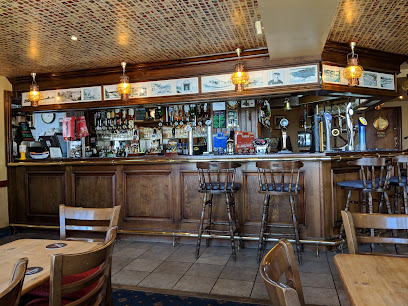
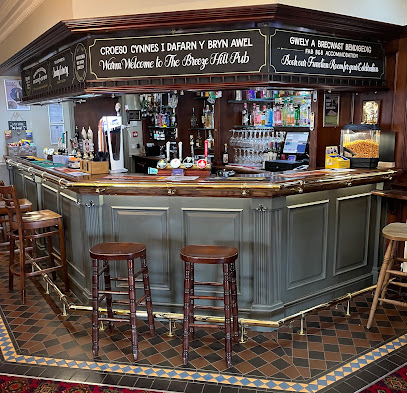
The Breeze Hill
17.9 km
Historic pub and award-winning dining with stunning views over Benllech Bay on the Isle of Anglesey.
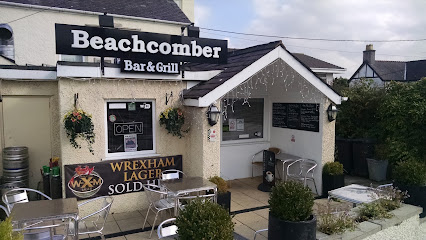
Beachcomber Bar & Grill
17.9 km
Charming Mediterranean-inspired grill and bar just steps from Benllech beach, offering fresh local flavors and a wide selection of spirits.
Nightclubs & after hour spots

The Buffs
9.8 km
A welcoming social club in Holyhead offering lively nights, friendly faces, and a true taste of local nightlife on Cambria Street.
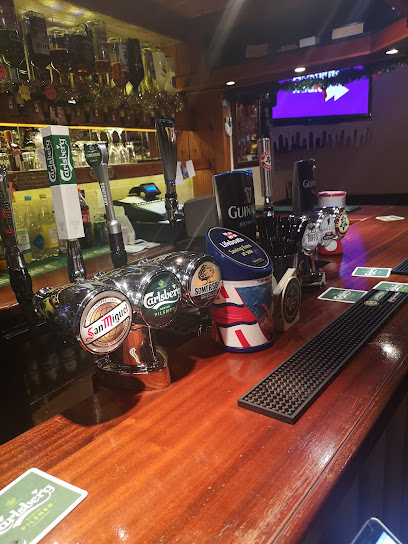
Wellman's Sports & Social Club
15.8 km
Llangefni’s vibrant social hub with lively entertainment, spacious dance floor, and a welcoming community atmosphere.
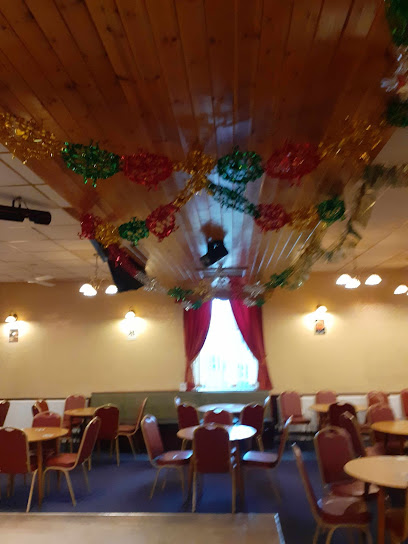
Academi
27.1 km
Bangor’s beloved student nightclub, offering vibrant music, a welcoming atmosphere, and a central role in university social life.
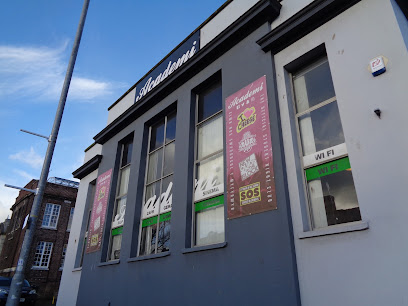
Trilogy Nightclub
27.5 km
Experience Bangor’s vibrant nightlife at Trilogy Nightclub, where diverse music rooms and lively weekend parties create unforgettable nights.
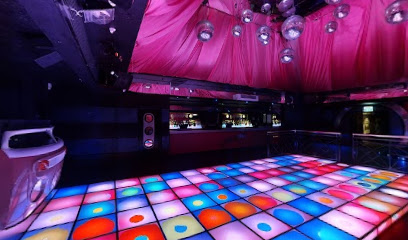
Club 147
43.9 km
Llandudno’s energetic nightclub and sports bar offering electronic beats, pool, and a lively social scene in the town centre.

Broadway Boulevard
45.1 km
Llandudno’s largest nightclub, Broadway Boulevard pulses with vibrant music, themed events, and a lively party atmosphere in the heart of town.

Vics Boogie-Nights
48.8 km
Experience the vibrant nightlife at Vic's Boogie-Nights, Abererch's premier bar for music, dancing, and unforgettable memories.
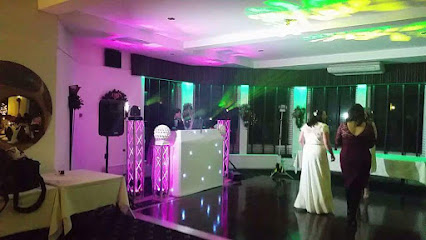
The Cove
49.3 km
Experience the vibrant nightlife at The Cove in Hafan Y Mor, North Wales, where music, dancing, and unforgettable memories await.

Clwb Llyn Bach
51.7 km
Discover the lively spirit of Clwb Llyn Bach, a top pub in Porthmadog offering great drinks, vibrant events, and a friendly atmosphere.
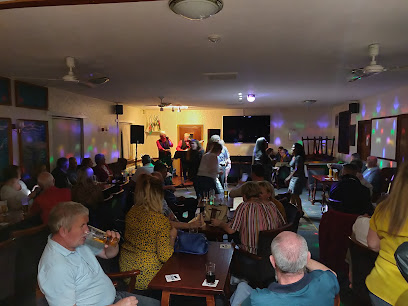
Black Rock Beach Club
52.4 km
Experience the ultimate beachside retreat at Black Rock Beach Club with delicious grilled dishes and breathtaking coastal views.
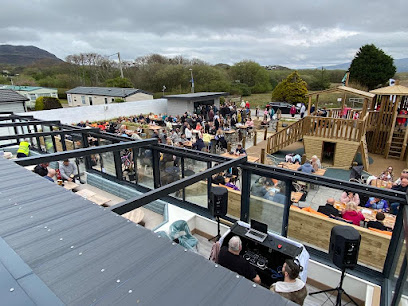
Bryn Arms
57.1 km
A cozy pub in Gellilydan offering hearty homemade meals, lively events, and charming gardens for a welcoming Welsh experience.
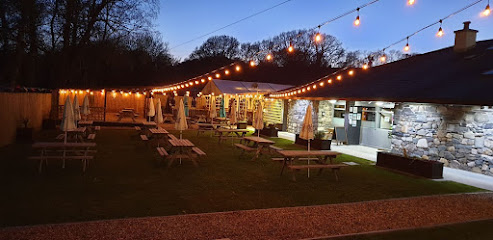
Bentley’s Sports Bar & NightClub
63.7 km
Experience Towyn’s vibrant nightlife at Bentley’s Sports Bar & NightClub, where music, dancing, and great vibes come alive every weekend.
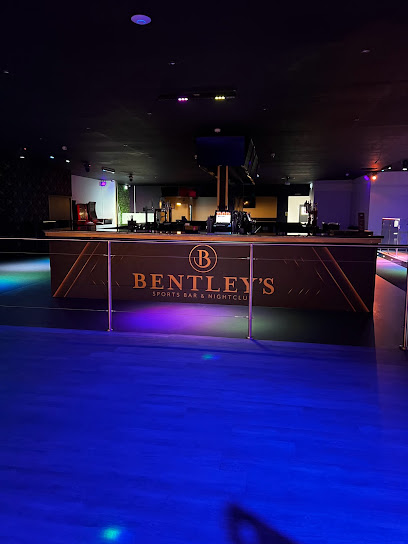
Ellis's Bar
66.4 km
Discover the lively nightlife at Ellis's Bar in Rhyl, a vibrant spot for cocktails, music, and unforgettable moments.
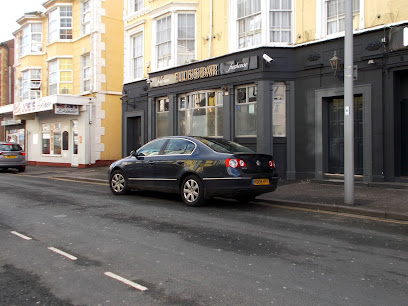
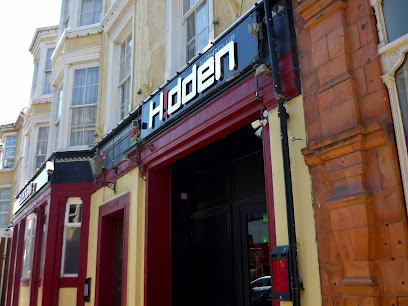
Hidden Nightclub
66.5 km
Discover the vibrant nightlife at Hidden Nightclub in Rhyl, where electrifying music and an energetic atmosphere create unforgettable nights out.
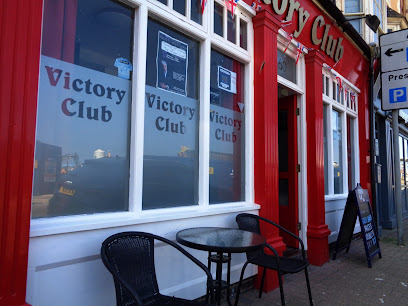
Victory Club
66.5 km
Rhyl’s last members-only club, offering traditional real ale, live music, and a welcoming community atmosphere steeped in 70 years of history.
For the vibe & atmosphere seeker
- Scenic
- Unique
- Relaxing
- Cultural Heritage
For the design and aesthetic lover
- Rustic Designs
- Vintage Styles
- Industrial Designs
For the architecture buff
- Historic
- Landmarks
- Heritage Neighborhoods
For the view chaser and sunset hunter
- Iconic Views
- Panoramas
For the social media creator & influencer
- Instagrammable
- Photo Spots
- Architectural Shots
For the eco-conscious traveler
- Sustainable
- Eco-Friendly
- Low Impact
- Locally Managed
For the kind of experience you’re after
- Cultural Heritage
- Photowalk
- Day Trip
- Myth & Legends
For how adventurous you want the journey to be
- Easy Access
Location Audience
- Family Friendly
- Child Friendly
- Senior Friendly
- Solo Friendly
- Couple Friendly
- Educational Groups


