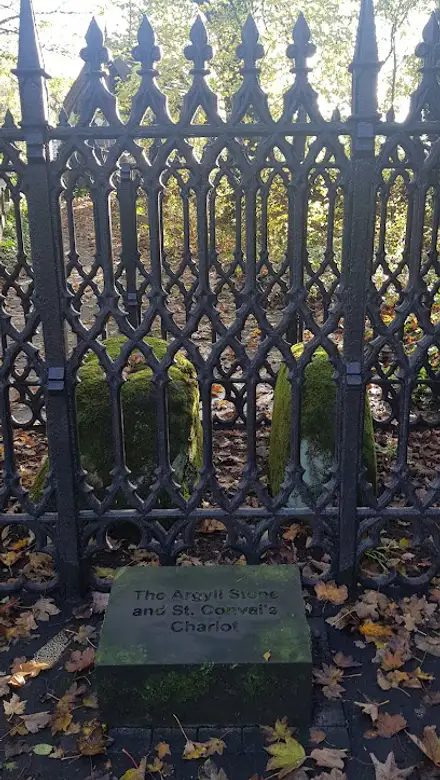
The Argyll Stone Travel Guide
Free Guide: Discover the historic Argyll Stone in Renfrew, a silent witness to rebellion, legend, and Scotland’s rich cultural heritage by the riverside.


A brief summary of The Argyll Stone
Discover the historic Argyll Stone in Renfrew, a silent witness to rebellion, legend, and Scotland’s rich cultural heritage by the riverside.
The Argyll Stone, located in Renfrew, Scotland, is a historic monument linked to the 9th Earl of Argyll’s capture in 1685. This ancient stone stands near the confluence of the River Cart and River Clyde and is steeped in local legend and history, including connections to St Conval’s Chariot, a stone linked to early Christian pilgrimage and miracles. It offers visitors a glimpse into Scotland’s rich cultural heritage amid a unique riverside setting.
On-site amenities
 Seating areas
 Information boards
Opening hours
- Every dayOpen 24 hours
Opening hours as listed on the venue’s Google Business Profile. Hours can change for services and special events, so check with the venue before you go.
- Address
- Renfrew PA4 9EG
- Website
Getting there
Train and Bus Combination
Car Travel
Local Bus Service
Discover more about The Argyll Stone
Historic Significance Rooted in Scottish Rebellion
The Argyll Stone is famously associated with the 9th Earl of Argyll, who was captured while resting on this very stone following a failed uprising against King James VII of Scotland in 1685. This pivotal event in Scottish history marks the stone as a silent witness to the turbulent political struggles of the 17th century. The stone’s name commemorates this connection, anchoring it firmly in the narrative of Scotland’s fight for sovereignty and resistance against royal authority.
Legend of St Conval’s Chariot and Spiritual Heritage
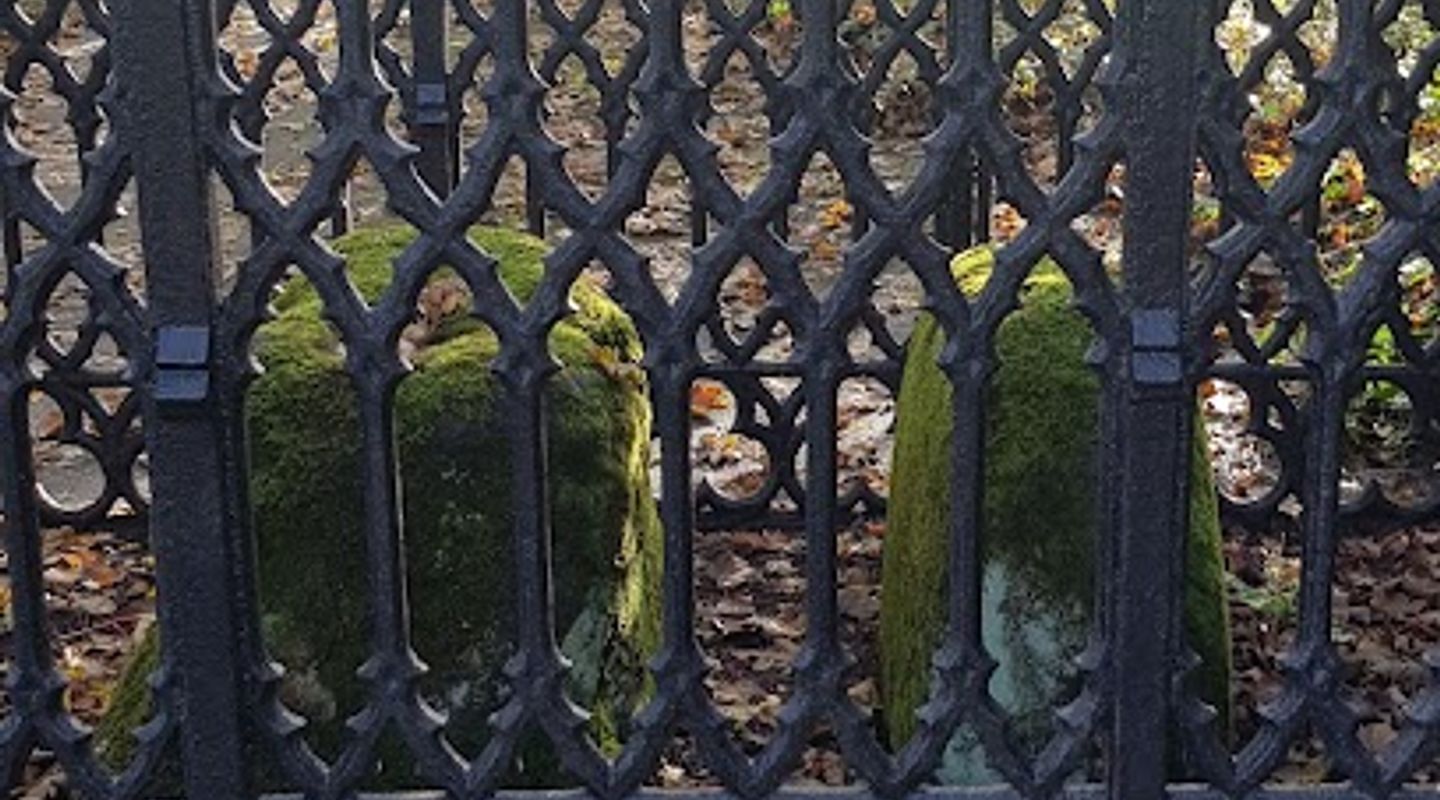
Adjacent to the Argyll Stone lies St Conval’s Chariot, a stone steeped in early Christian lore. According to legend, St Conval, an Irish saint from the 6th century, was transported across the sea on this floating stone to the Firth of Clyde, where he founded a church. The stone is said to have healing properties, with rainwater collected in its hollow believed to cure ailments. Though the original church was demolished and the cross lost, the stones remain a testament to the spiritual and cultural heritage of the area.
Setting Amidst a Unique Riverside Landscape
The Argyll Stone is situated near the confluence of the River Cart and River Clyde, an area characterized by a mix of industrial remnants, woods, golf courses, and residential estates. This eclectic environment contrasts with the stone’s ancient origins, offering visitors a striking juxtaposition of history and modernity. The nearby White Cart Bridge and surrounding landscape provide atmospheric views that enrich the experience of visiting this historic landmark.
Preservation and Contemporary Context
Though the stone is located in a somewhat overlooked area amid scrapyards and old warehouses, it remains a protected monument of local importance. The stones were moved to their current location in 1836 to preserve them from urban development, including the expansion of Glasgow Airport. Today, the Argyll Stone stands as a cultural relic, quietly reminding visitors of the layers of history embedded in Scotland’s landscape.
Visitor Experience and Cultural Reflection
Visitors to the Argyll Stone can reflect on the rich tapestry of Scottish history and legend encapsulated by this monument. The site invites contemplation of the past—from ancient Christian pilgrimage and miraculous tales to the harsh realities of political rebellion. Its modest appearance belies a profound cultural significance that resonates with Scotland’s identity and heritage.
Continuing Mystique and Local Myths
Like many ancient stones, the Argyll Stone is surrounded by myths and stories that have evolved over centuries. While some claims remain unverified, the stone’s enduring presence continues to inspire curiosity and respect. It stands as a symbol of resilience and faith, echoing Glasgow’s motto, "Let Glasgow flourish," and inviting visitors to connect with Scotland’s enduring spirit.
Evendo Review Centre
 Google
Guest reviews
Best time to go
Quietest: Jan, Feb & Dec · before 6am or from 11pm
Busy times are Evendo estimates for a typical year, to help you plan. Actual crowds vary with events, school holidays and the weather.
Explore The Argyll Stone on the map
A handpicked selection of must-see spots near The Argyll Stone, mapped for you.
Get your free copy of our complete guide to The Argyll Stone, delivered straight to you.
Everything on this page, from opening hours and how to get there to Eve’s tips and the best time to go, in one PDF you can read offline, print or share.
Already have an account? Sign in
Your The Argyll Stone guide is ready.
We'll send it to · Not you? Sign out

Getting your guide ready…
We are putting together a fresh copy of the The Argyll Stone guide. This can take up to a minute.
This can take a few moments. If your browser asks, choose Allow so the download can start. You'll find the guide in your Downloads folder.
Nothing happened? Download it again
Sorry, the guide is taking longer than usual. Please try again in a minute, or get it by email instead.
Other nearby places you may find interesting
The closest places of the same kind, if this one is not quite what you had in mind.
-
-
-
-
-


Swipe for more places
More to explore near The Argyll Stone

 Best experiences near The Argyll Stone
 Best hotels near The Argyll Stone
 Best landmarks near The Argyll Stone
 Best attractions near The Argyll Stone
 Best shops near The Argyll Stone
 Best restaurants near The Argyll Stone
 Best bars near The Argyll Stone
Do you manage this location?
Take control to get all the benefits, like improved information, better appearance, and stronger visibility across AI-powered discovery.
Explore more

Explore more of Argyllshire
Explore Argyllshire: A Scottish paradise of rugged coastlines, ancient castles, and charming villages, offering a blend of natural beauty and rich history.
Explore Argyllshire
Explore more of United Kingdom
Discover the United Kingdom: A blend of rich history, stunning landscapes, and vibrant cities, offering a unique travel experience for every visitor.
Explore United Kingdom