

International Asbestos Memorial, Clydebank
A solemn tribute in Clydebank honoring victims of asbestos exposure and the town’s industrial heritage.
The International Asbestos Memorial in Clydebank, Scotland, solemnly honors the victims of asbestos exposure and related illnesses. Located at 12 Alexander Street, this poignant monument features five polished metallic blocks etched with names of known victims, set in a reflective plaza. It commemorates Clydebank’s industrial heritage and the tragic human cost of asbestos used extensively in shipbuilding and manufacturing in the area.
A brief summary to International Asbestos Memorial
- 12 Alexander St, Clydebank, G81 1RZ, GB
- Duration: 0.5 to 1.5 hours
- Free
-
 Outdoor
- Mobile reception: 4 out of 5
- Monday 12 am-12 am
- Tuesday 12 am-12 am
- Wednesday 12 am-12 am
- Thursday 12 am-12 am
- Friday 12 am-12 am
- Saturday 12 am-12 am
- Sunday 12 am-12 am
Local tips
- Take a moment to sit on the plaza benches to reflect quietly on the memorial’s significance.
- Visit nearby Clydebank Museum to explore more about the town’s shipbuilding and industrial history.
- Respect the solemn nature of the site; photography is allowed but keep noise to a minimum.
- Learn about the local Clydebank Asbestos Group’s ongoing support for affected families.

For the on-the-go comforts that matter to you
- Seating Areas
- Information Boards
- Trash Bins
Getting There
-
Bus
Take the local bus services from Glasgow city center to Clydebank, which typically take 25 to 35 minutes. Buses stop within walking distance of Alexander Street. Service frequency is moderate, with fares around £2 to £4 one way.
-
Train
Use the train from Glasgow Queen Street to Clydebank station, approximately a 15-minute journey. From the station, it is a 10-minute walk to the memorial. Trains run frequently during the day, with fares starting at about £3.
-
Car
Driving to 12 Alexander Street offers flexible access with parking options nearby. Travel time from Glasgow is around 20 minutes depending on traffic. Note that parking may be limited during peak hours.
-
Walking
If staying locally, the memorial is accessible on foot via paved urban routes. Walking times vary but expect about 15 minutes from central Clydebank. Terrain is flat and suitable for most visitors.
International Asbestos Memorial location weather suitability
-
 Any Weather
-
 Rain / Wet Weather
-
 Clear Skies
-
 Mild Temperatures
Discover more about International Asbestos Memorial
The Legacy of Asbestos in Clydebank’s Industrial Rise
Clydebank was once a powerhouse of heavy industry, particularly known for shipbuilding and engineering. From the late 19th century through much of the 20th century, asbestos was widely used in this region for insulation and fireproofing, especially in ship construction. Major companies such as Turner & Newall operated factories producing asbestos-cement products, and the John Brown shipyard famously used asbestos in building liners like the Queen Elizabeth II. This industrial boom came at a grave human cost, as many workers were exposed to asbestos dust, leading to severe health consequences including mesothelioma. Clydebank recorded one of the highest rates of asbestos-related mortality in the UK, marking a dark chapter in its industrial history.A Monument to Remember the Known and Unknown
The International Asbestos Memorial stands as a tribute to all those affected by asbestos-related diseases, both known victims and those unrecorded. The memorial comprises five highly polished metallic blocks, each etched with the names of known victims, symbolizing both remembrance and respect. The monument is situated in a small public plaza that includes seating areas, inviting visitors to reflect on the sacrifices made by workers and the wider community impacted by asbestos exposure. The pavement bears an inscription reading “International Asbestos Memorial, For All Those Known And Unknown,” underscoring the inclusive nature of this remembrance.Community and Artistic Vision Behind the Memorial
The memorial was initiated by the Clydebank Asbestos Group, a community organization formed in 1992 to support victims and families affected by asbestos. The project was driven by a desire to acknowledge industrial achievements alongside the human cost, blending commemoration with social justice. Local artist Tom McKendrick, born in Clydebank, was commissioned to create a contemporary yet respectful piece that honors the skill and pride of the workers while confronting the tragedy of occupational disease. Funded through community subscriptions and sponsorships, the memorial reflects Clydebank’s unique industrial heritage and its commitment to remembering those lost.The Memorial’s Setting and Atmosphere
Located at 12 Alexander Street, the memorial’s modest plaza offers a tranquil space amid Clydebank’s urban environment. The polished metallic blocks gleam in changing light, creating a contemplative atmosphere. The seating invites quiet reflection, making the site not only a place of remembrance but also a space for mindfulness and respect. The memorial’s design and setting evoke both the industrial past and the enduring human spirit, connecting visitors emotionally to the history and ongoing legacy of asbestos exposure.Significance Beyond Clydebank
Though rooted in Clydebank’s local history, the International Asbestos Memorial carries an international message about the dangers of asbestos and the importance of workplace safety. It stands as a symbol of solidarity with victims worldwide and a call for corporate responsibility and social justice. The memorial highlights the global impact of industrial hazards and the need for continued vigilance to protect workers’ health.Preserving Memory and Inspiring Awareness
The memorial continues to serve as a focal point for remembrance events and educational efforts. It honors the courage and sacrifices of workers while raising awareness about the ongoing risks of asbestos. By preserving the memory of those affected, the site fosters a deeper understanding of industrial history’s human dimension and the vital importance of health and safety in the workplace.Iconic landmarks you can’t miss

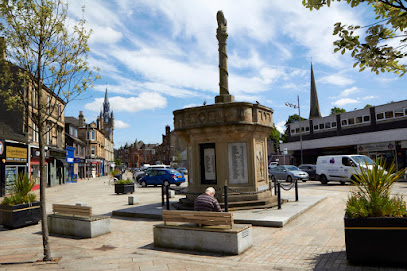
Renfrew War Memorial
2.6 km
A dignified Scottish mercat cross memorial in Renfrew honoring the brave who served and sacrificed in world conflicts.
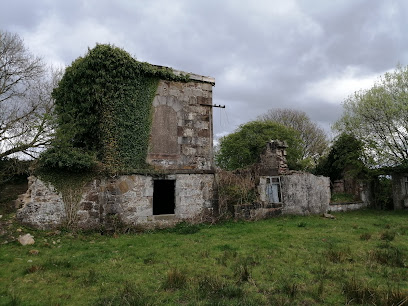
Walkinshaw Brickworks
4.5 km
Explore the historic site of Walkinshaw Brickworks, a cornerstone of Renfrew’s industrial past and Scottish brickmaking heritage.
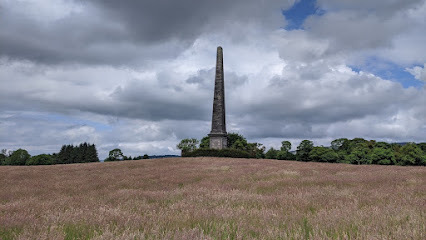
Blantyre Monument
6.0 km
An 80-foot obelisk in Bishopton honoring Major-General Robert Walter Stuart, the 11th Lord Blantyre, and his Napoleonic War legacy.
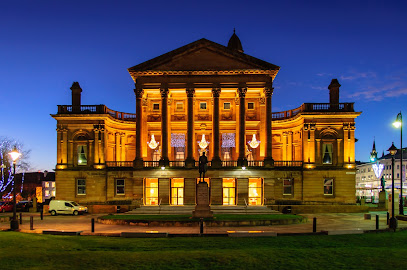
Paisley Town Hall
6.2 km
A majestic Victorian landmark at Paisley’s heart, blending historic grandeur with vibrant arts, events, and festive celebrations.
Renfrewshire House
6.3 km
Explore the architectural beauty and rich history of Renfrewshire House, a key landmark in the vibrant town of Paisley, Scotland.
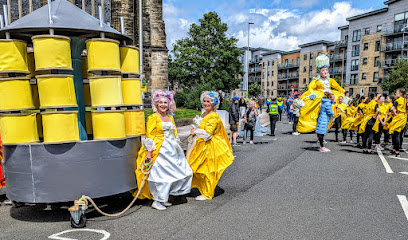
Coats Paisley
6.4 km
Historic wedding and events venue on Paisley’s High Street, blending heritage charm with cinematic interiors and versatile celebration spaces.
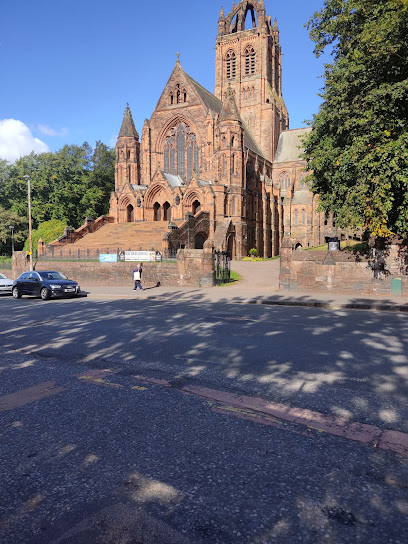
The Sixty Steps
7.9 km
Discover Glasgow’s historic Sixty Steps, a beautifully designed Victorian staircase by Alexander 'Greek' Thomson nestled in the charming Kelvinside district.
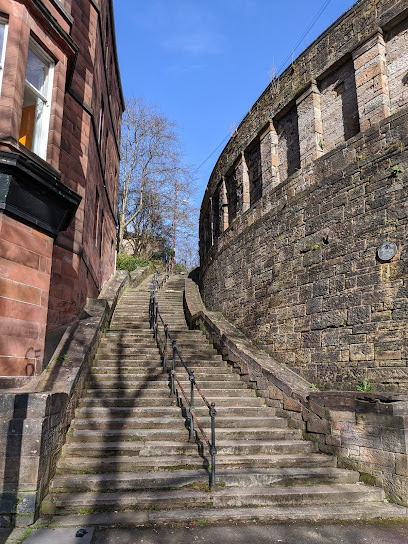
Caledonian Mansions
8.2 km
Discover Glasgow’s Victorian charm at Caledonian Mansions, a stunning landmark showcasing intricate stonework and historic grandeur on Great Western Road.
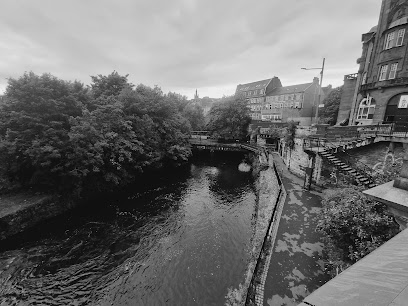
Kelvingrove Park
8.3 km
Explore the serene beauty and cultural treasures of Kelvingrove Park, a stunning urban oasis in Glasgow's vibrant West End.

Glasgow Science Centre
8.3 km
Explore the exciting world of science and technology at Glasgow Science Centre, a must-visit destination for curious minds and families alike.

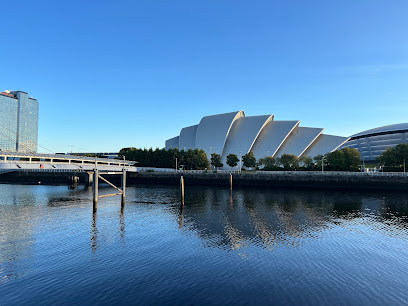
SEC Armadillo
8.6 km
Discover the SEC Armadillo, Glasgow's iconic events venue, where music, culture, and an unforgettable atmosphere come together.
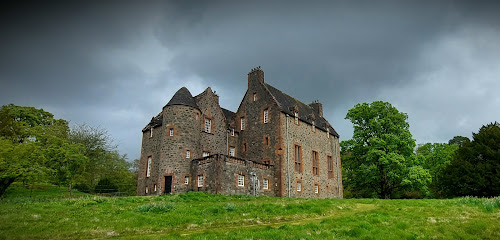
Formakin House
8.8 km
Discover Formakin House, a stunning castle in Bishopton, surrounded by breathtaking nature and steeped in rich Scottish history.
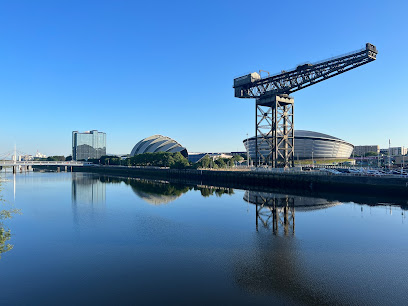
Finnieston Crane
8.8 km
Glasgow's iconic industrial sentinel—a 175-ton testament to engineering brilliance and maritime heritage.
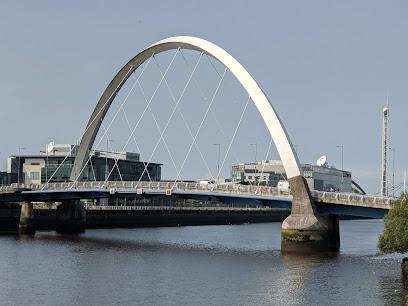
The Clyde Arc
9.0 km
Glasgow’s Squinty Bridge: A modern architectural icon spanning the River Clyde with stunning views and vibrant urban energy.
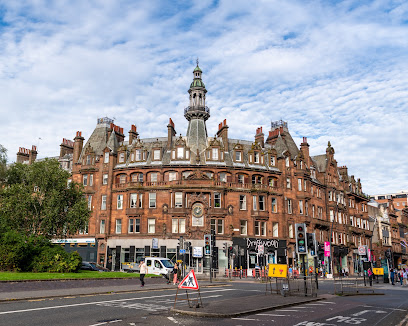
Charing Cross Mansions
9.1 km
Explore the architectural beauty of Charing Cross Mansions in Glasgow, an iconic Victorian landmark surrounded by vibrant city life and rich cultural experiences.
Unmissable attractions to see

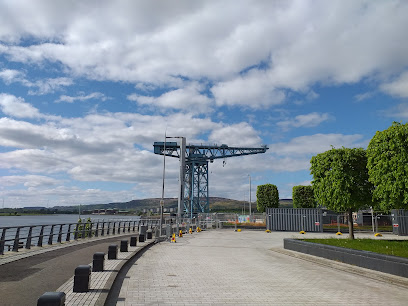
Titan Clydebank
0.4 km
Comfortable rooms, a lively restaurant and bar, and friendly service make The Titan a vibrant stay in Clydebank’s Queens Quay.
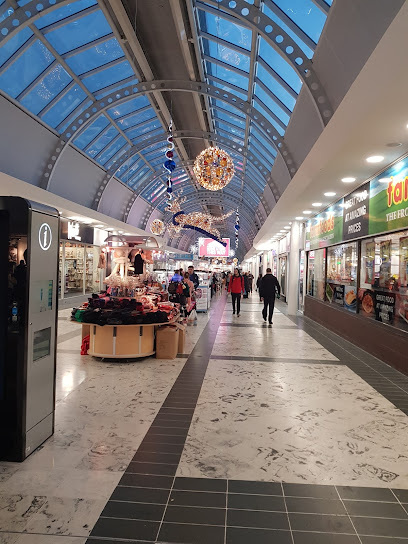
Clyde Shopping Centre
0.4 km
Clyde Shopping Centre – Clydebank’s vibrant retail and leisure destination with extensive shops, dining, and family-friendly amenities.
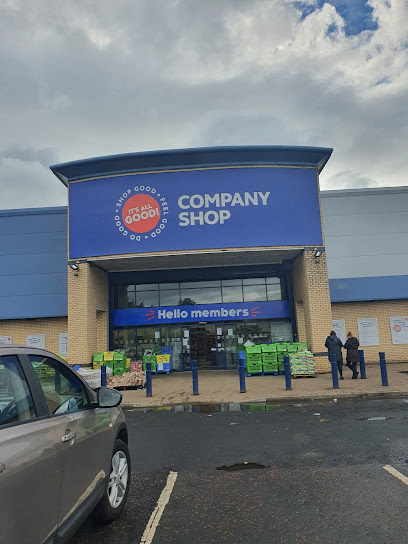
Company Shop
2.1 km
Unlock incredible savings on surplus goods while supporting sustainability at Company Shop Renfrew, the UK’s trusted membership-based discount supermarket.
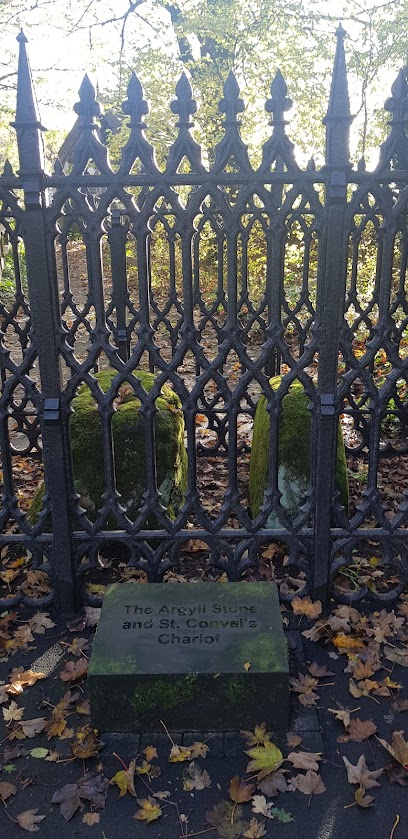
The Argyll Stone
2.2 km
Discover the historic Argyll Stone in Renfrew, a silent witness to rebellion, legend, and Scotland’s rich cultural heritage by the riverside.
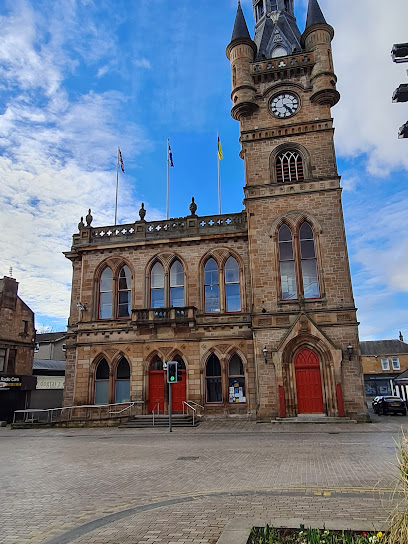
Renfrew Town Hall & Museum
2.6 km
Discover Renfrew’s rich industrial heritage and architectural charm at this vibrant mid-Victorian Town Hall and intimate museum.
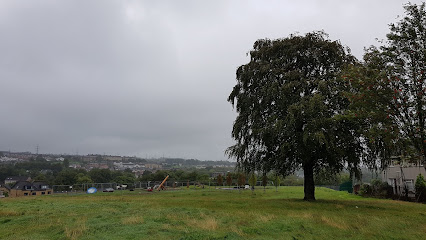
Golden Hill Antonine Wall Fort
2.6 km
Explore the western gateway to the Antonine Wall, where Roman history meets scenic Clydebank views and family-friendly discovery.
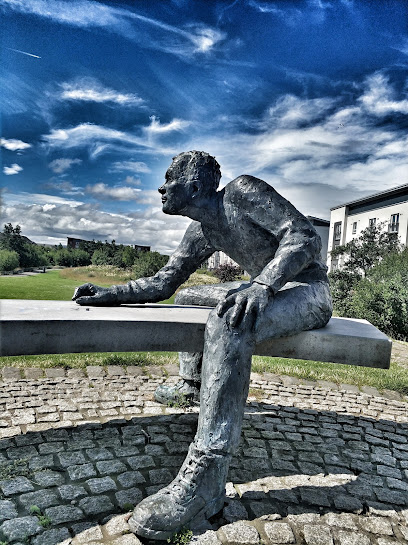
Clyde View Park
2.6 km
A peaceful riverside park in Renfrew offering scenic views, family-friendly amenities, and a gateway to the Clyde’s historic waterfront.
Robertson Park
2.7 km
A 27.8-acre family haven blending recreational facilities, natural beauty, and community spirit in Renfrew.
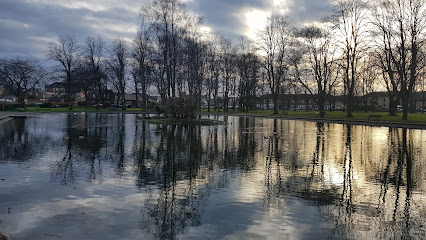
Pandamonium Play Centre
3.1 km
A lively indoor playground in Erskine where kids enjoy slides, trampolines, mascot entertainers, and toddler sessions in a colorful, safe environment.
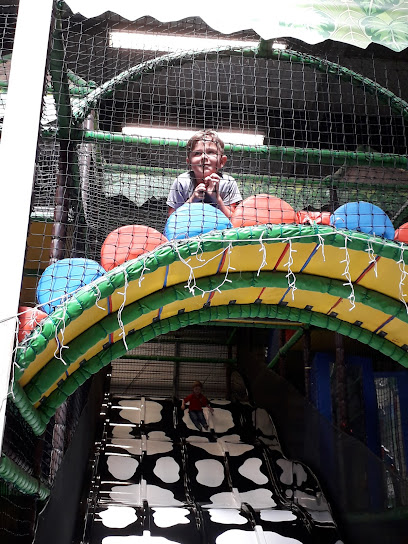
Laser Station Xsite
3.1 km
Experience thrilling laser tag battles in Glasgow’s top indoor arena, perfect for families and groups seeking active fun near Braehead.
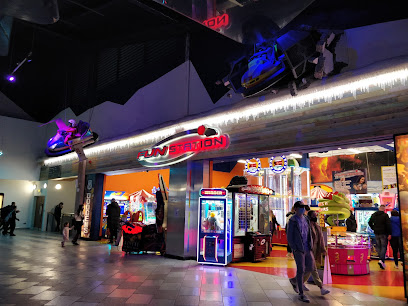
Braehead Shopping Centre
3.6 km
A vibrant shopping and entertainment destination near Glasgow with over 100 stores, dining, and family-friendly fun all under one roof.
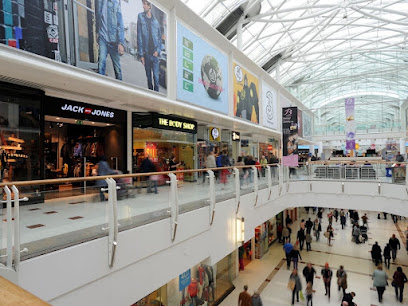
Erskine Beach
4.4 km
A peaceful riverside retreat beneath the iconic Erskine Bridge, perfect for family outings, nature walks, and scenic relaxation.
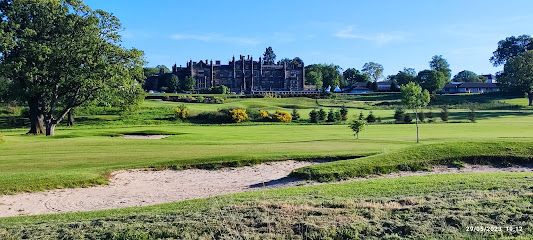
Fossil Grove
4.9 km
Explore 330-million-year-old fossilized trees preserved in Glasgow’s Victoria Park, a rare glimpse into prehistoric Earth beneath a protective shelter.
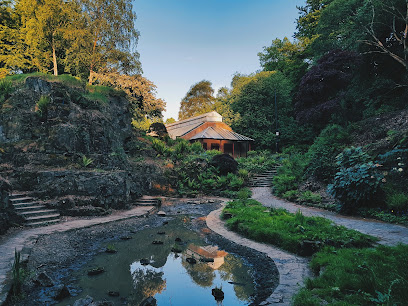
Antonine Wall: Bearsden Bath House
5.3 km
Explore the well-preserved Roman bath house at Bearsden, a vital social hub for soldiers along the Antonine Wall’s northern frontier.
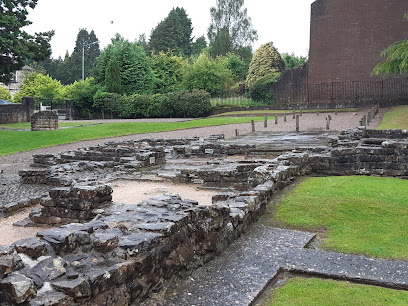
Fountain Gardens
5.7 km
Historic Fountain Gardens in Paisley: Scotland’s urban gem centered around a majestic Grade A-listed cast-iron fountain and serene green spaces.
Essential places to dine

Sixty Ate Bar and Kitchen
0.3 km
A lively Clydebank restaurant and bar serving fresh, locally sourced dishes with generous portions in a warm, modern setting.
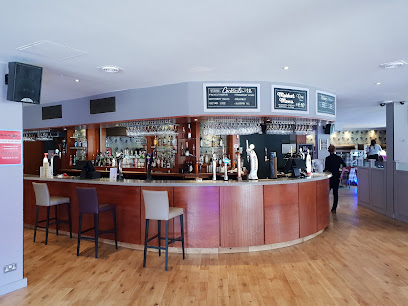
Booffi World Buffet
0.5 km
A vibrant all-you-can-eat buffet in Clydebank offering diverse global cuisines and a family-friendly atmosphere.
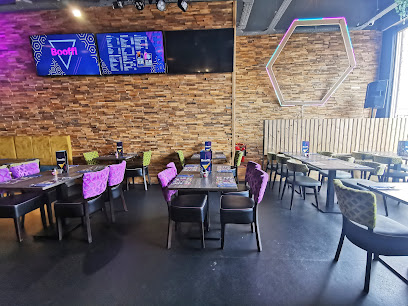
Green Gates Indian Restaurant Renfrew
2.1 km
Authentic Indian flavors and warm hospitality combine at Green Gates, Renfrew’s go-to spot for quality dining and generous portions.
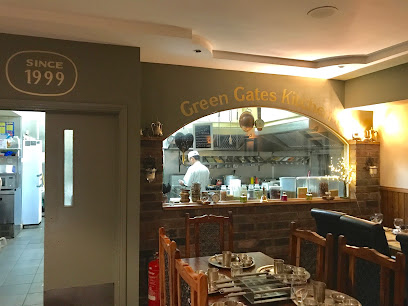
Luna Rossa
2.6 km
Contemporary Italian dining and coffee house where Mediterranean classics meet Scottish hospitality in vibrant Renfrew.
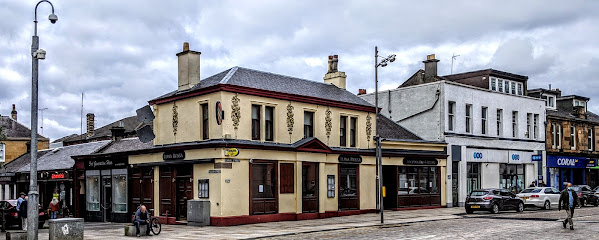
Piccolo Mondo Renfrew
2.7 km
Tuscan elegance and authentic Italian cuisine in an intimate Renfrew setting.
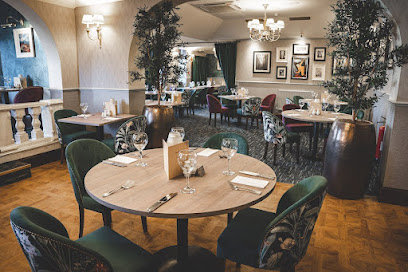
The Punjab Times - Indian Kitchen
2.7 km
Modern Indian dining in Renfrew with authentic flavors, generous portions, and a welcoming atmosphere for all tastes and occasions.
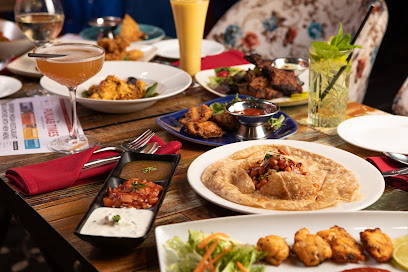
Vino's Cafe
3.2 km
Experience authentic Italian cuisine and warm hospitality at Vino's Cafe, a beloved culinary gem in the heart of Renfrew.
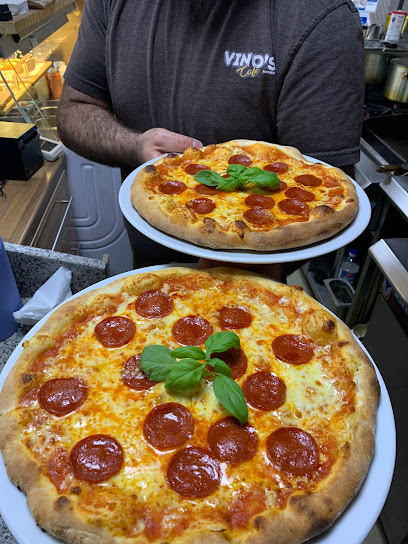
Flying Scotsman
3.7 km
A traditional Scottish pub in Renfrew serving hearty food, local ales, and live entertainment in a warm, community-focused setting.
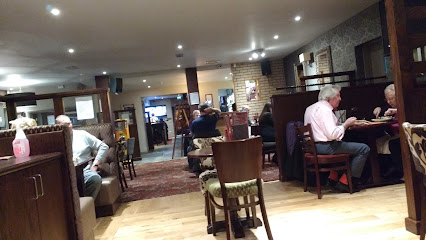
The Glen Lusset
4.0 km
A charming Scottish pub and restaurant in Old Kilpatrick offering freshly made dishes, diverse menus, and inviting indoor and outdoor spaces.
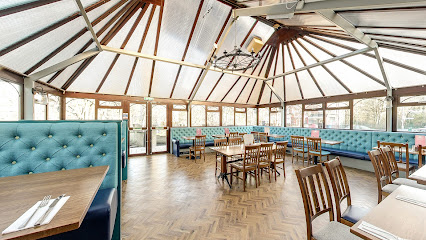
Beijing Banquet
4.2 km
Savor authentic Chinese buffet delights in Renfrew’s welcoming and spacious Beijing Banquet, where fresh flavors meet attentive service.
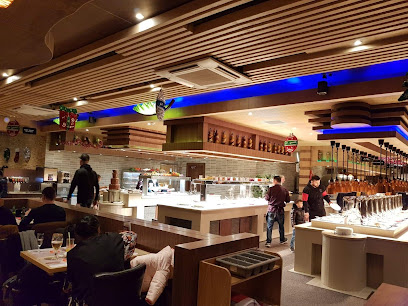
Bird & Signet Bar
4.3 km
A modern Scottish pub experience at Glasgow Airport, blending local flavors with traveler convenience and welcoming atmosphere.
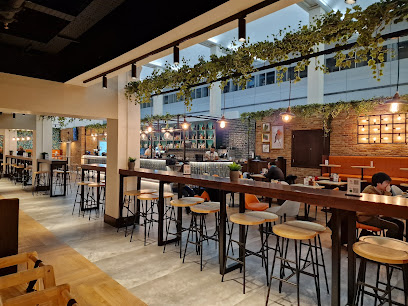
The Ettrick Bar
4.5 km
Experience the vibrant fusion of Indian cuisine and lively bar culture at The Ettrick Bar in Old Kilpatrick.
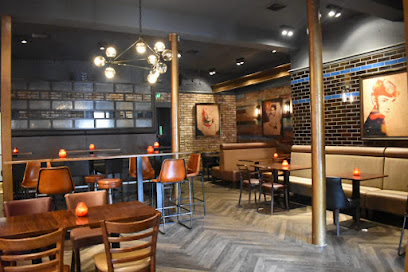
The Prancing Stag
5.3 km
A cozy Glasgow restaurant offering seasonal Scottish fare with a warm atmosphere and impeccable service in Jordanhill’s heart.
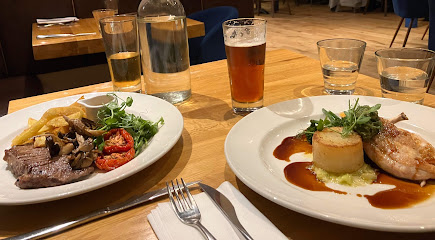
Japan Street Food
5.8 km
Authentic Japanese street food in the heart of Paisley, where fresh ingredients meet traditional technique.
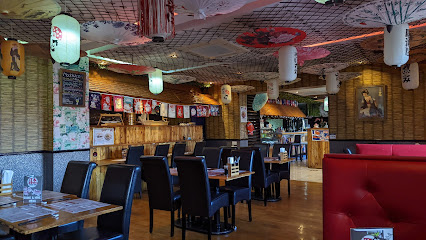
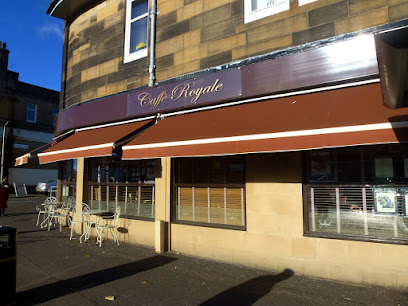
Caffé Royale
5.9 km
Authentic Italian cuisine and exceptional breakfasts in the heart of Paisley.
Markets, malls and hidden boutiques

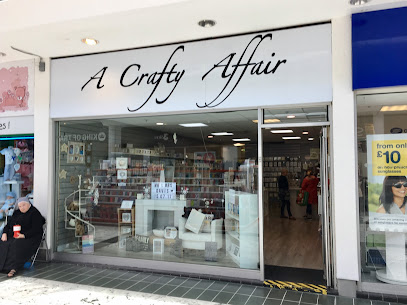
A Crafty Affair
0.5 km
Discover unique handcrafted gifts and warm local charm at A Crafty Affair, Clydebank’s beloved boutique in the Clyde Shopping Centre.
Kean on Antiques
0.7 km
Explore Kean on Antiques in Clydebank for a unique collection of vintage treasures and historical artifacts that tell stories of the past.
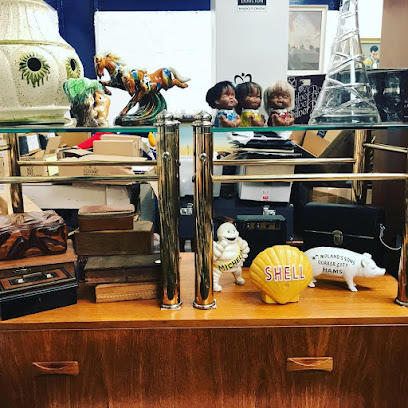
Ozzys Store
2.4 km
Discover unique treasures and local crafts at Ozzys Store in Renfrew, a charming shop that embodies the spirit of the community.
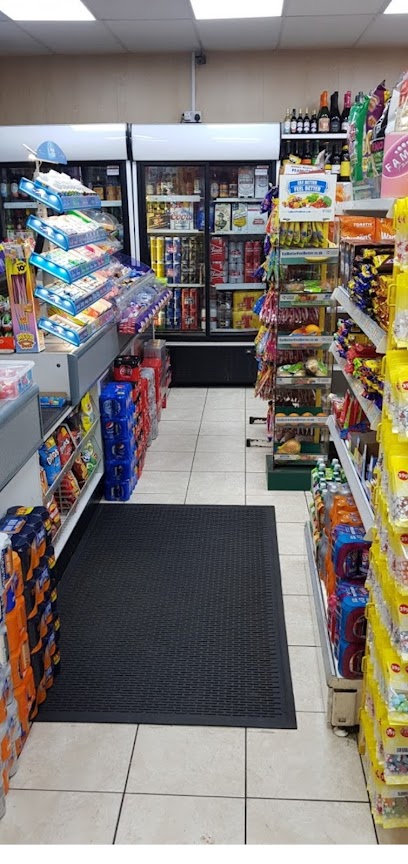
The Hidden Wool Shop
2.5 km
Discover quality wools and community crafting spirit at The Hidden Wool Shop, Renfrew’s cozy destination for knitters and crafters.
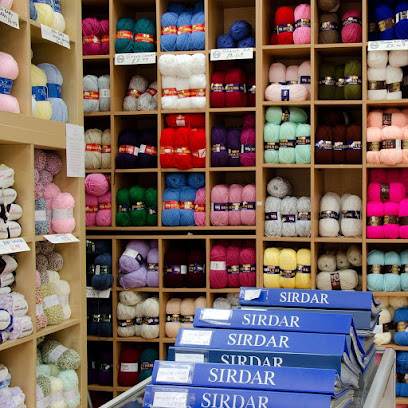
Experience Gift Scotland
3.5 km
Discover Scotland’s largest collection of unforgettable adventure and experience gifts in Paisley’s welcoming gift shop.

Menkind
3.6 km
Discover a vibrant selection of unique, fun gifts and gadgets for men at Menkind Glasgow Braehead, your go-to spot for memorable presents.
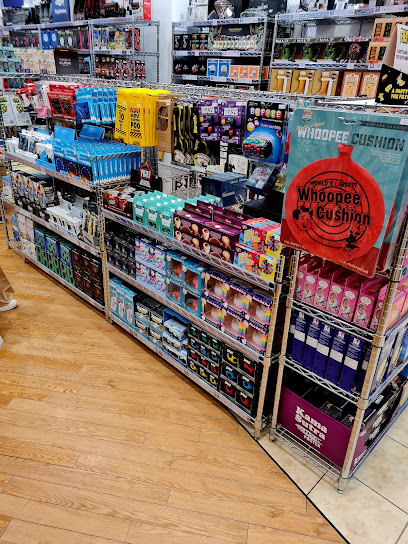
Abbotsinch Shopping Park
4.4 km
A premier retail park in Paisley offering extensive home furniture, DIY stores, and convenient shopping hours for all your renovation needs.
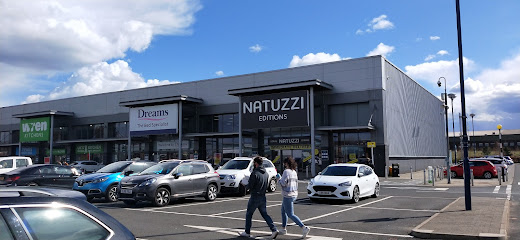
KeyStore
5.1 km
Explore KeyStore in Paisley for all your convenience needs, from snacks to exquisite wines, in a friendly and welcoming environment.

The Range, Paisley
5.6 km
A versatile homeware and lifestyle store in Paisley Retail Park offering extensive products, accessible amenities, and convenient hours.
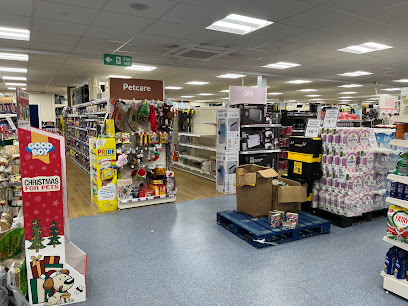
Ivad Gifts
6.0 km
Discover unique and pampering gifts with a personal touch at IVAD Gifts, Paisley’s charming boutique on Gauze Street.
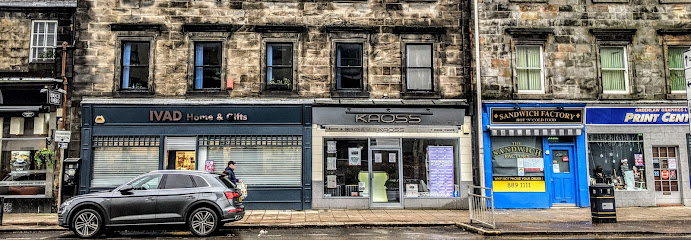
Gift World
6.2 km
Discover unique gifts and local treasures at Gift World, a charming shop in Paisley, perfect for souvenirs and special occasions.
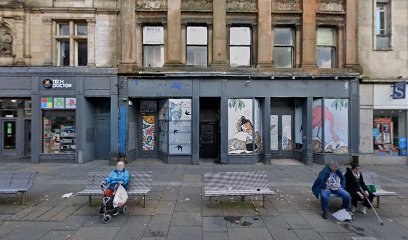
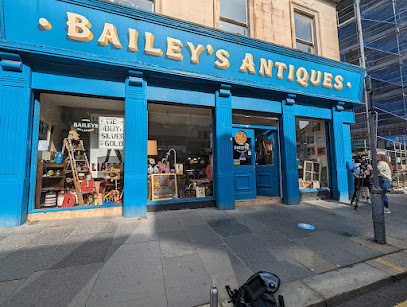
Bailey's Antiques
6.2 km
Discover timeless vintage treasures and antiques in the heart of Paisley’s historic High Street.
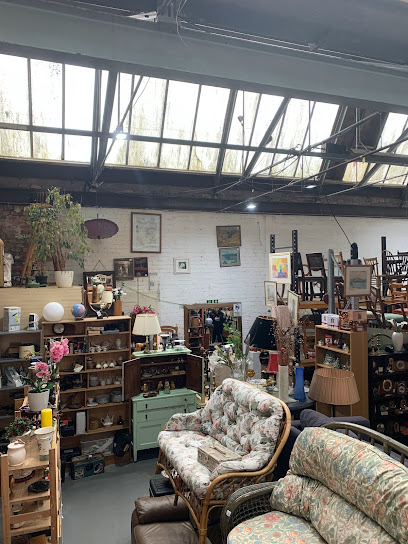
Warehouse 4 Ltd
6.3 km
Discover unique antique furniture and vintage treasures in Paisley’s welcoming Warehouse 4 Ltd, where history meets charm.
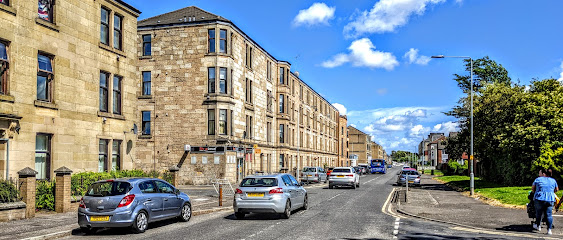
Shop Local
6.3 km
Explore a treasure trove of local crafts and artisanal products at Shop Local in Paisley—your gateway to authentic Scottish shopping.
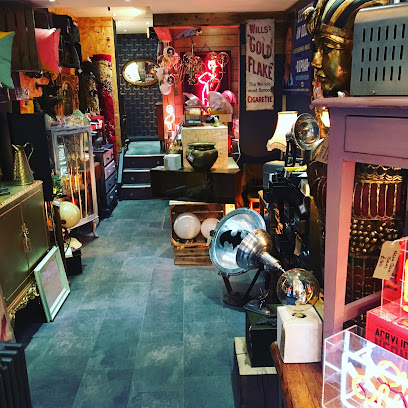
Found
6.4 km
Discover unique and vintage-inspired homewares and lighting in the heart of Partick, Glasgow’s creative shopping district.
Essential bars & hidden hideouts

The Park Bar
1.2 km
A friendly, inviting bar in Dalmuir offering quality drinks, cozy ambiance, and lively events for locals and visitors alike.
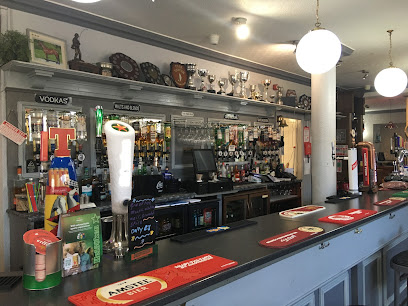
The Cabin Inn
1.5 km
A bright, modern pub in Clydebank offering friendly service, hearty meals, and great value in a welcoming atmosphere.
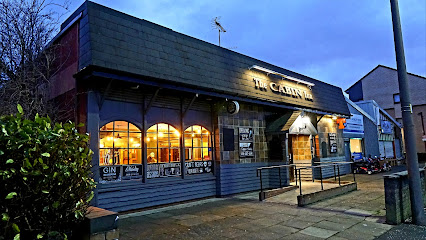
The Lovat
1.6 km
A friendly and affordable pub and restaurant on Dumbarton Road, perfect for casual dining and socializing in Glasgow’s G14 area.
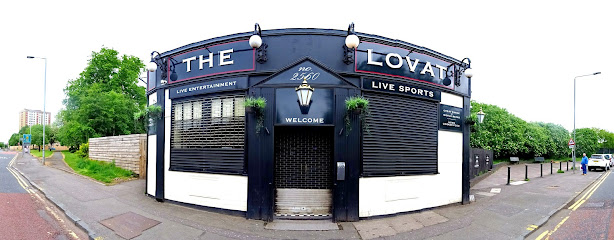
Station Bar
1.7 km
A cozy, traditional Glasgow pub offering friendly service, affordable drinks, and classic games in a welcoming local setting.
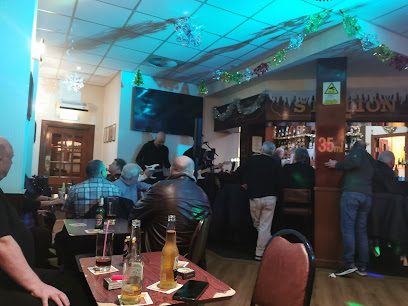
The Horse & Barge
1.9 km
A traditional Clydebank pub serving perfectly poured beers and ciders in a warm, community-focused setting on Dumbarton Road.
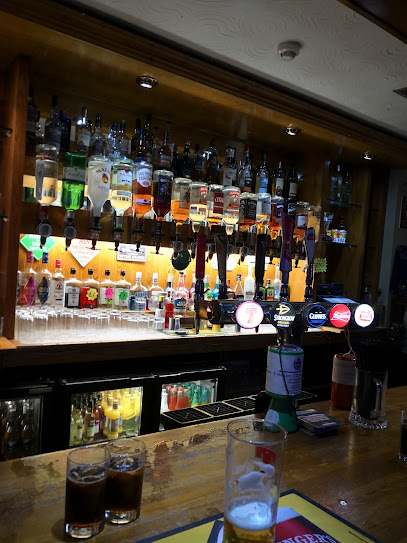
Mackintosh Bar
1.9 km
A cherished local pub in Clydebank offering friendly service, affordable drinks, and a welcoming atmosphere steeped in community spirit.
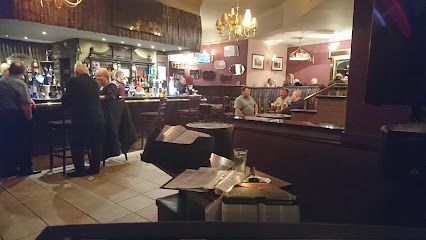
The Braehead Tavern
2.0 km
A lively and welcoming pub in Inchinnan offering great drinks, entertainment, and a friendly local atmosphere.
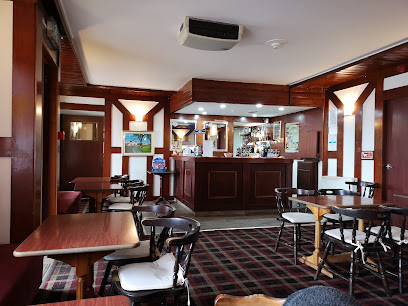
Pickwick's Bar
2.1 km
A friendly and affordable pub in Renfrew offering lively social vibes, great drinks, and a welcoming atmosphere for locals and visitors alike.
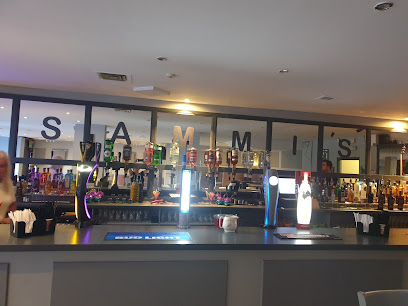
Bernie's Mountblow Bar
2.2 km
Experience authentic Scottish pub culture and local brews in the warm, welcoming atmosphere of Bernie's Mountblow Bar in Clydebank.
Cottons Bar
2.4 km
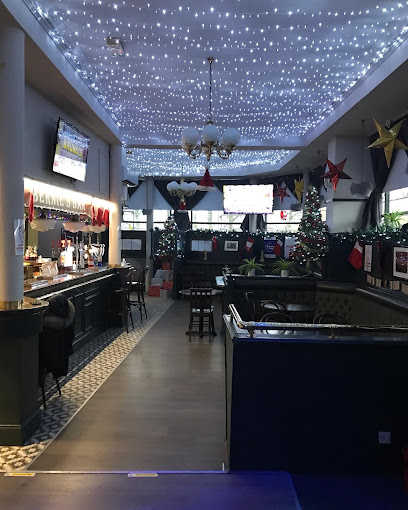
A cozy, friendly pub in Renfrew offering classic drinks, hearty food, and a welcoming atmosphere from morning till late night.
The Western Bar
2.6 km
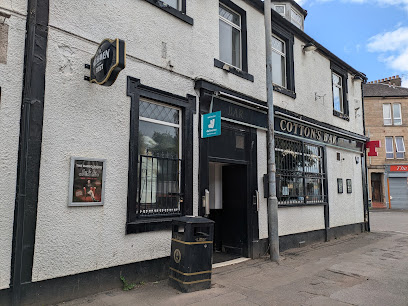
A lively Renfrew bar known for local ales, karaoke weekends, and a welcoming beer garden atmosphere.
The Wallace Bar
2.7 km
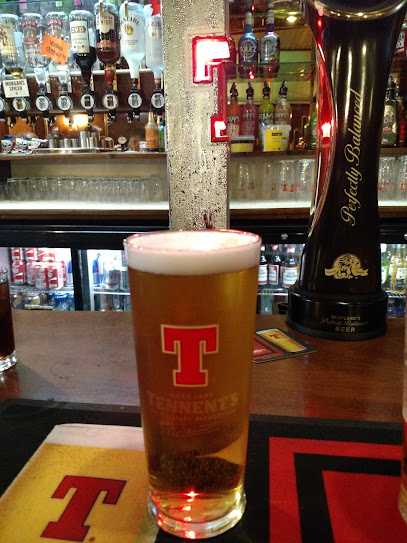
A charming and lively pub in Renfrew offering hearty meals, local ales, live music, and a welcoming atmosphere every day until midnight.
Quoiters Bar
2.8 km
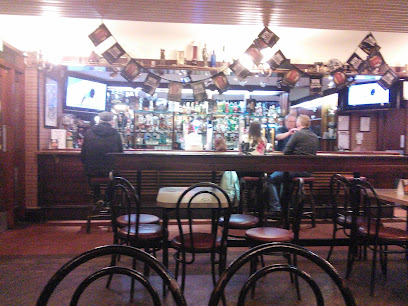
A friendly local pub in Clydebank’s Hardgate, Quoiters Bar offers a vibrant, no-frills atmosphere perfect for casual drinks and community gatherings.
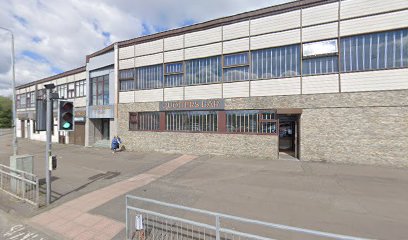
Duntiglennan Bar
2.8 km
A friendly, traditional pub in Clydebank offering casual drinks and dining in a welcoming community atmosphere.
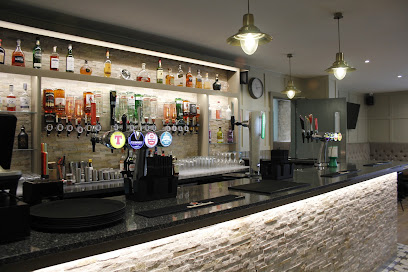
Victoria Bar
3.1 km
A welcoming traditional Scottish pub in Renfrew, known for its lively local atmosphere, live weekend music, and classic charm.
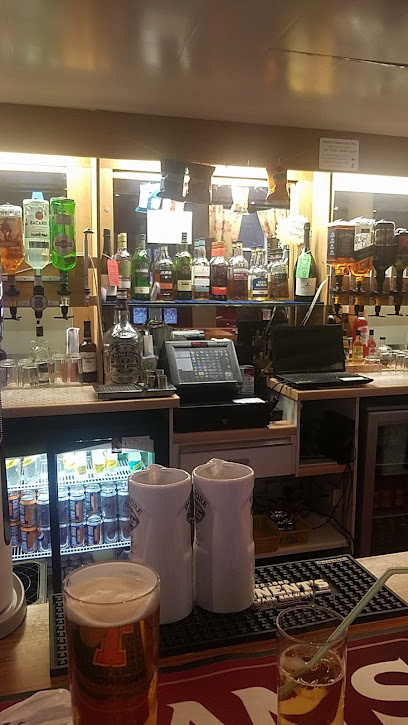
Nightclubs & after hour spots

Club 69 Paisley
5.7 km
Dive into Paisley’s legendary underground techno scene at Club 69, where pulsating beats and vibrant vibes keep the night alive.
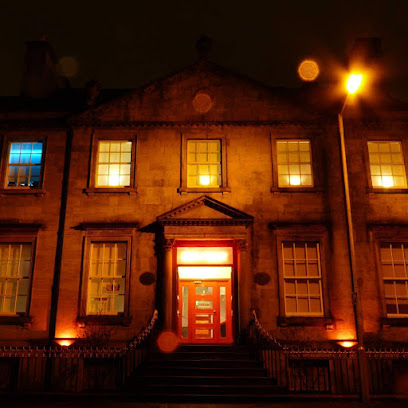
Fantoosh
6.3 km
A lively, intimate nightclub in Paisley’s heart, perfect for energetic nights with friends and local beats.
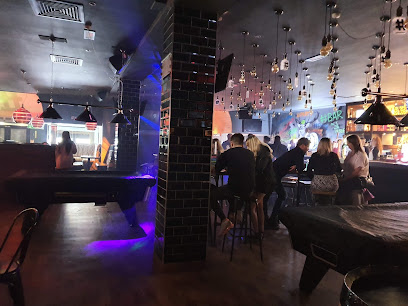
Vienna's Nightclub
6.4 km
Experience Paisley’s vibrant nightlife at Vienna's Nightclub, where energetic music and lively crowds come alive every weekend.
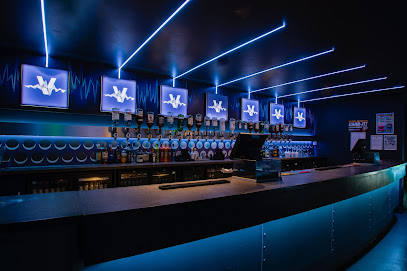
The Berkeley Suite
9.1 km
Discover Glasgow’s hidden vintage nightclub with top DJs, retro vibes, and an intimate dancehall atmosphere beneath a 1940s ballroom.
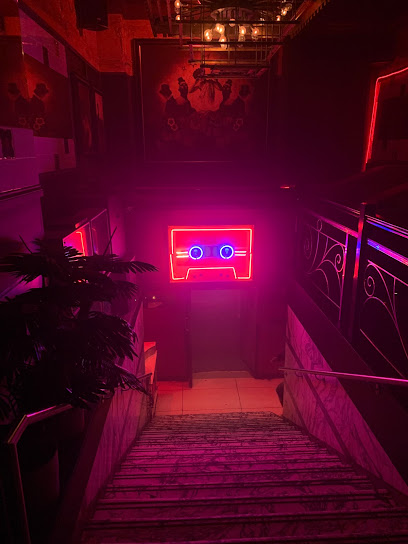
Seventh Heaven Lap Dancing Club
9.2 km
Discover the vibrant nightlife of Glasgow at Seventh Heaven Lap Dancing Club, where entertaining performances meet a lively atmosphere.

Firewater
9.5 km
Dive into Glasgow's indie nightlife at Firewater, where two rooms blast alternative anthems, cheap entry fuels the fun, and Sauchiehall Street's energy ignites until 2:30am Thu-Sat.
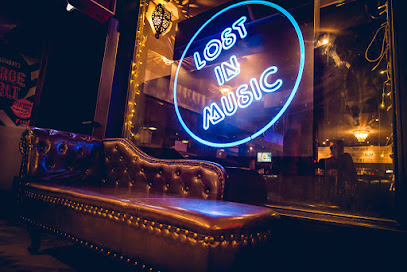
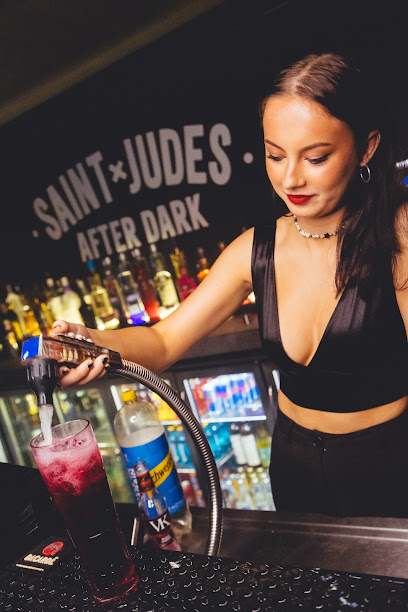
Saint Judes After Dark
9.7 km
Glasgow's electrifying after-dark escape: pulsating DJ beats, craft cocktails, and retro club vibes fuel nights until 3am on Bath Street.
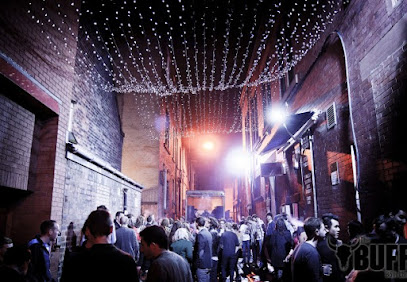
Buff Club
9.8 km
Dive into Glasgow's funky basement beats at The Buff Club, where soul, disco, and 80s grooves light up the night under disco ball magic.
The Plug Glasgow
9.8 km
Experience Glasgow’s premier Afrobeat nightclub where Nigerian wedding vibes meet luxury nightlife and vibrant celebration.
The Savoy
9.9 km
Experience Glasgow’s vibrant weekend nightlife at The Savoy, a lively nightclub on Sauchiehall Street pulsing with music and energy until dawn.

142B Lounge
10.0 km
Experience Glasgow’s vibrant Afrobeat and Amapiano hotspot with stylish vibes, great music, and authentic African flavors.
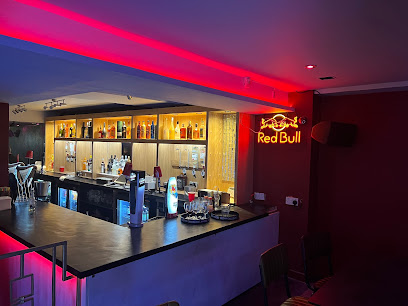
Bamboo
10.1 km
Glasgow’s energetic three-room basement nightclub offering affordable drinks and diverse music for a lively student crowd.
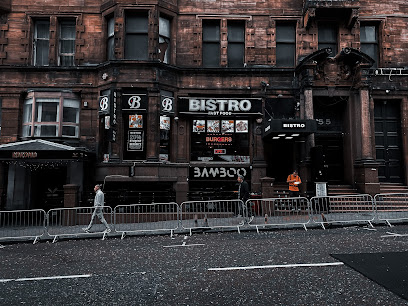
Kokomo Glasgow
10.1 km
Kokomo Glasgow was a late-night nightclub and bar known for its energetic vibe and central city location on West Regent Street.
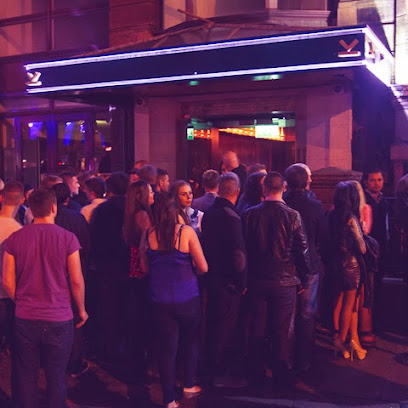
Popworld Glasgow
10.2 km
Dive into a whirlwind of 80s-00s pop anthems, retro props, and cocktail-fueled dance marathons at Glasgow's ultimate cheesy nightclub escape.

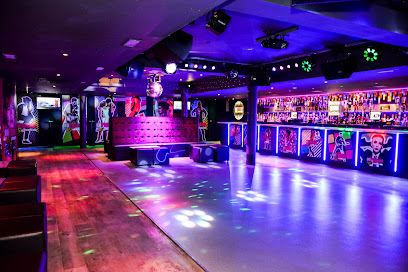
Club Tropicana & Venga
10.2 km
Two-room retro nightclub in central Glasgow with themed ’80s/’90s nights, booth bookings and a high-energy weekend atmosphere.
For the vibe & atmosphere seeker
- Tranquil
- Scenic
- Reflective
- Unique
For the design and aesthetic lover
- Modern Designs
For the architecture buff
- Landmarks
For the view chaser and sunset hunter
- Iconic Views
For the social media creator & influencer
- Photo Spots
- Selfie Spots
- Architectural Shots
For the eco-conscious traveler
- Public-Transport Accessible
- Locally Managed
For the kind of experience you’re after
- Cultural Heritage
- Mindfulness
- Spiritual / Energy Spot
- Day Trip
For how adventurous you want the journey to be
- Easy Access
Location Audience
- Family Friendly
- Senior Friendly
- Child Friendly
- Solo Friendly
- Couple Friendly
- Vegetarian Friendly
- Vegan Friendly


