

The Argyll Stone Travel Guide
Free Guide: A weathered monument marking the capture of a rebel earl and the birthplace of Scotland's royal Stewart dynasty.


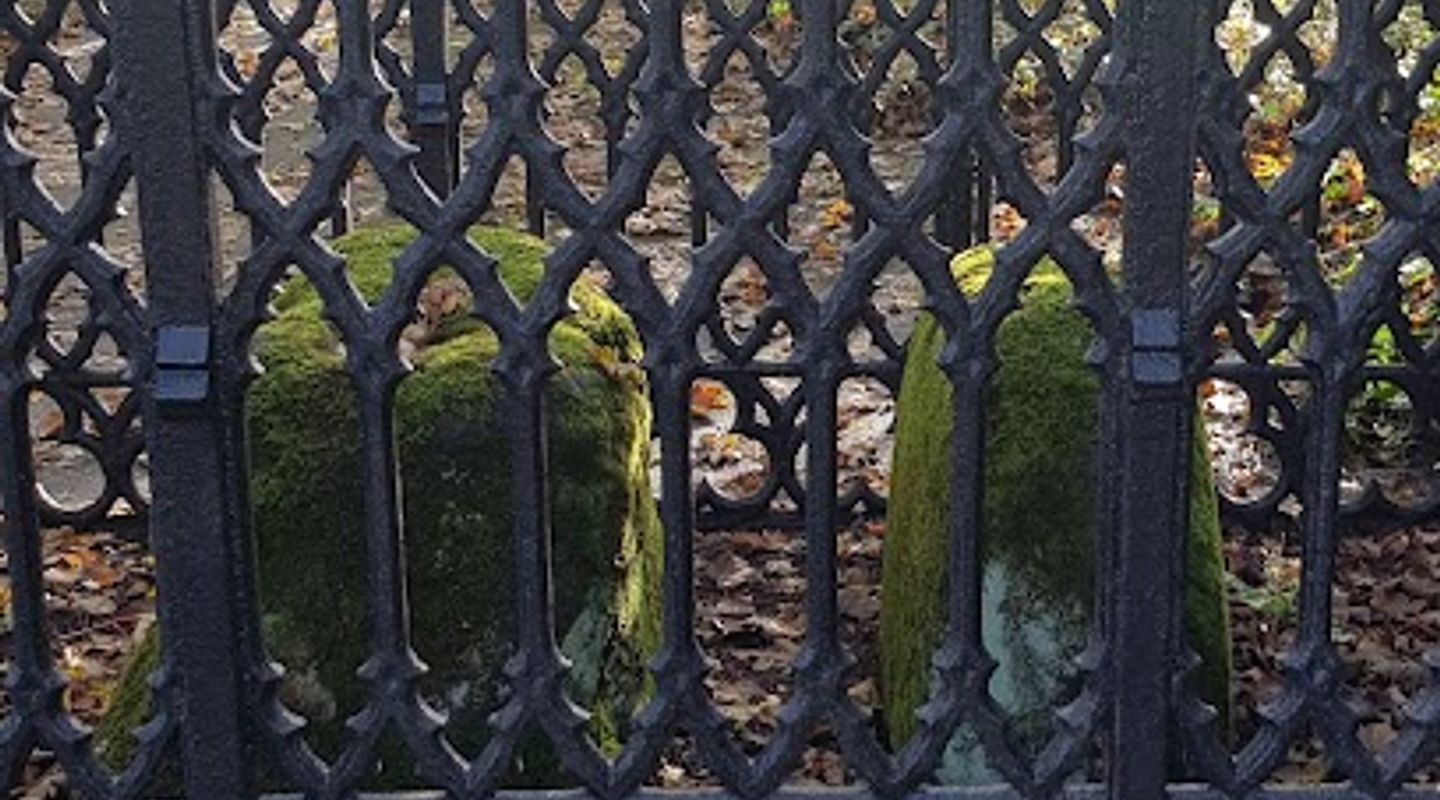
A brief summary of The Argyll Stone
A weathered monument marking the capture of a rebel earl and the birthplace of Scotland's royal Stewart dynasty.
A weathered stone monument at the confluence of the River Cart and River Clyde in Renfrew, Scotland, marking a pivotal moment in 17th-century Scottish history. The stone commemorates the capture of Archibald Campbell, 9th Earl of Argyll, in 1685 during his failed rebellion against King James VII. Situated near the White Cart Bridge in a landscape of industrial heritage and natural waterways, this modest but historically significant landmark offers insight into Scotland's turbulent past and the enduring legacy of the Stewart dynasty.
On-site amenities
 Information boards
Opening hours
- Every dayOpen 24 hours
Opening hours as listed on the venue’s Google Business Profile. Hours can change for services and special events, so check with the venue before you go.
- Address
- Renfrew PA4 9EG
- Website
Getting there
Bus from Glasgow City Centre
Train and Walk from Glasgow Central
Car from Glasgow City Centre
Taxi or Ride-Share from Glasgow
Discover more about The Argyll Stone
A Stone Marked by Royal Rebellion
The Argyll Stone stands as a silent witness to one of Scotland's most dramatic moments of political upheaval. In 1685, Archibald Campbell, the 9th Earl of Argyll, was captured at this very location during the Monmouth Rebellion—an ill-fated attempt to overthrow King James VII of Scotland (James II of England). The earl, injured and desperate, was apprehended here before being transported to Edinburgh, where he was executed for his treasonous actions. The stone itself, a carved pediment fragment, became forever associated with this moment of capture, earning its enduring name and place in Scottish historical memory.
Renfrew's Strategic Importance in Medieval Scotland
The town of Renfrew itself holds profound significance in Scottish history, earning the title "Cradle of the Royal Stewarts" for its foundational role in establishing one of Scotland's greatest dynasties. In the 12th century, King David I granted lands here to Walter fitz Alan, the High Steward of Scotland, positioning Renfrew as a strategic fortress against Norse invaders and the expansionist ambitions of Somerled, Lord of the Isles. The decisive Battle of Renfrew in 1164 saw the Scottish crown triumph over Somerled's forces, cementing Renfrew's importance as a bastion of royal power. This victory was so significant that the heir to the British throne has held the title of Baron Renfrew and Lord of the Isles ever since—a tradition continuing with Prince William, Duke of Rothesay.
The Stewart Dynasty's Rise to Power
The Stewart family's connection to Renfrew proved transformative for Scotland's future. Walter Stewart, the 6th High Steward, married Marjorie, daughter of King Robert the Bruce, and their son ascended to the Scottish throne as Robert II in 1371—the first of the Stewart kings. By 1402, Robert III established Renfrewshire as a shire, carved from the territory of Lanark and centered on Renfrew itself, formalizing the administrative power that the family had long wielded. The castle that once stood here served as the seat of this rising dynasty, making Renfrew not merely a town but the birthplace of a royal house that would shape Scotland for centuries.
A Landscape of Water and History
The Argyll Stone occupies a distinctive setting at the mouth of the White Cart Water, where it flows into the River Clyde. This confluence has long been a place of significance, marked by the presence of St Conval's Chariot—another ancient stone fragment with its own legendary history. According to tradition, St Conval, an Irish saint from the 6th century, miraculously arrived at this very spot when a stone upon which he was resting began to float across the sea, carrying him from Ireland to the Firth of Clyde. He subsequently founded his church at nearby Inchinnon and became a follower of St Mungo, Glasgow's patron saint. The rainwater that gathered in the hollow of St Conval's stone was believed to possess healing properties, making this waterside location sacred in both Christian and secular memory.
Modern Context and Accessibility
Today, the Argyll Stone sits in a landscape transformed by industrial and modern development. The surrounding area comprises scrapyards, woods, golf courses, and abandoned warehouses—a terrain that speaks to Scotland's industrial heritage. Glasgow Airport's expansion eventually absorbed the original site of St Conval's church, and the stones were relocated here in 1836 to preserve them from destruction. Despite this relocation and the changing character of the landscape, the stone remains an accessible landmark for those seeking to connect with Scotland's layered history, where medieval battles, royal dynasties, religious legend, and industrial progress intersect at a single point on the water's edge.
Evendo Review Centre
 Google
Guest reviews
Best time to go
Quietest: Jan, Feb & Dec · before 7am
Busy times are Evendo estimates for a typical year, to help you plan. Actual crowds vary with events, school holidays and the weather.
Explore The Argyll Stone on the map
A handpicked selection of must-see spots near The Argyll Stone, mapped for you.
Get your free copy of our complete guide to The Argyll Stone, delivered straight to you.
Everything on this page, from opening hours and how to get there to Eve’s tips and the best time to go, in one PDF you can read offline, print or share.
Already have an account? Sign in
Your The Argyll Stone guide is ready.
We'll send it to · Not you? Sign out

Getting your guide ready…
We are putting together a fresh copy of the The Argyll Stone guide. This can take up to a minute.
This can take a few moments. If your browser asks, choose Allow so the download can start. You'll find the guide in your Downloads folder.
Nothing happened? Download it again
Sorry, the guide is taking longer than usual. Please try again in a minute, or get it by email instead.
Other nearby places you may find interesting
The closest places of the same kind, if this one is not quite what you had in mind.
-
-
-

-
-


Swipe for more places
More to explore near The Argyll Stone

 Best experiences near The Argyll Stone
 Best hotels near The Argyll Stone
 Best landmarks near The Argyll Stone
 Best attractions near The Argyll Stone
 Best shops near The Argyll Stone
 Best restaurants near The Argyll Stone
 Best bars near The Argyll Stone
Do you manage this location?
Take control to get all the benefits, like improved information, better appearance, and stronger visibility across AI-powered discovery.
Explore more

Explore more of Argyllshire
Explore Argyllshire: A Scottish paradise of rugged coastlines, ancient castles, and charming villages, offering a blend of natural beauty and rich history.
Explore Argyllshire
Explore more of United Kingdom
Discover the United Kingdom: A blend of rich history, stunning landscapes, and vibrant cities, offering a unique travel experience for every visitor.
Explore United Kingdom
