
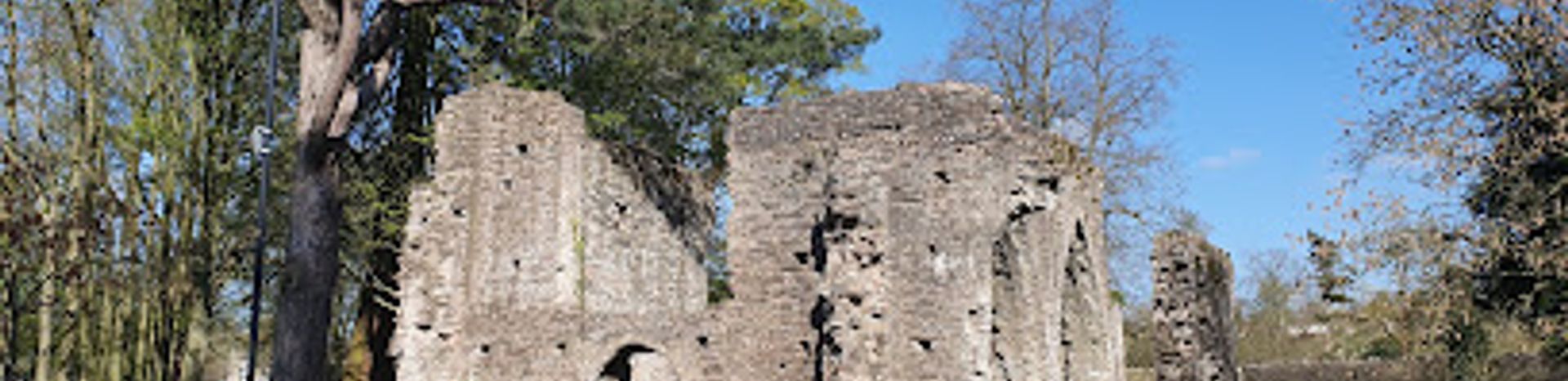
Armagh Friary: Ireland’s Longest Medieval Monastic Ruin
Explore the haunting ruins of Ireland’s longest Franciscan friary, a medieval monument steeped in centuries of spiritual and historical significance.
Armagh Friary, founded in 1263 by Archbishop Patrick O’ Scannail, is the longest Franciscan monastery church in Ireland. Situated at the southeast edge of Armagh city near the Palace Demesne, this evocative ruin reflects centuries of religious history, from its medieval origins through suppression in the 16th century to its present status as a State Care Monument open year-round for public visitation.
A brief summary to Armagh Friary (State Care Monument)
- 4 Friary Rd, Armagh, GB
- Duration: 0.5 to 1.5 hours
- Free
-
 Outdoor
- Mobile reception: 4 out of 5
- Monday 12 am-12 am
- Tuesday 12 am-12 am
- Wednesday 12 am-12 am
- Thursday 12 am-12 am
- Friday 12 am-12 am
- Saturday 12 am-12 am
- Sunday 12 am-12 am
Local tips
- Visit year-round as the friary is open daily with free admission, allowing flexible planning.
- Take time to observe the tomb recesses near the east end, which commemorate notable medieval patrons.
- Combine your visit with nearby heritage sites in Armagh, such as the Primate’s Palace and historic churches.
- Wear sturdy footwear as the friary grounds are outdoor ruins with uneven surfaces.

For the on-the-go comforts that matter to you
- Information Boards
- Seating Areas
- Trash Bins
Getting There
-
Bus
Local bus services from Armagh city center run frequently to stops within 1.5 km of the friary; travel time is approximately 10–15 minutes. Tickets cost around £2–£4. Note that service frequency may reduce on weekends.
-
Car
Driving from central Armagh takes about 5–10 minutes. Limited parking is available near Friary Road; some spaces may require payment. The area has narrow streets, so parking early or using nearby public car parks is advisable.
-
Walking
The friary is accessible on foot from Armagh city center with a 20–30 minute walk along mostly flat urban terrain. Suitable for most visitors, though uneven ground at the site requires caution.
Armagh Friary (State Care Monument) location weather suitability
-
 Any Weather
-
 Rain / Wet Weather
-
 Clear Skies
-
 Mild Temperatures
Discover more about Armagh Friary (State Care Monument)
Founding and Historical Significance
Founded in 1263/64 by Archbishop Patrick O’ Scannail, Armagh Friary was established to house the Franciscan Friars Minor, marking an important expansion of monastic life in medieval Ireland. The friary became a significant religious center in Armagh, supported by prominent local patrons who contributed to its growth and influence. It played a vital role in the spiritual and social life of the city for nearly three centuries.Architectural Grandeur and Monastic Life
The friary is renowned for its remarkable length, measuring approximately 163 feet, making it the longest friary church in Ireland. Its medieval stone ruins evoke the austere yet purposeful architecture typical of Franciscan establishments, designed to accommodate communal worship, study, and monastic duties. Notable features include tomb recesses and empty graves near the east end, which commemorate important patrons such as Gormlaith O’Donnell, wife of Domhnail O’Neill, who died in 1353.Suppression and Decline
The friary’s religious functions were disrupted in 1542 during the dissolution of the monasteries under Henry VIII. Although some religious activity lingered, the buildings were repurposed for welfare uses later in the 16th century. By 1600, the friary had fallen into ruin, reflecting the broader decline of monastic institutions in Ireland during this turbulent period.Present-Day Preservation and Visitor Experience
Today, Armagh Friary is a protected State Care Monument, maintained by government heritage authorities to preserve its historical fabric and facilitate public access. Located at the entrance to the Palace Demesne on Friary Road, it is open year-round without admission fees. Visitors can explore the evocative ruins, imagine medieval monastic life, and appreciate the friary’s role in Armagh’s religious heritage.Context within Armagh’s Heritage Landscape
The friary sits within a rich historical context, near other heritage landmarks such as the Primate’s Palace and Armagh’s historic churches. Its proximity to these sites highlights Armagh’s status as a spiritual and ecclesiastical capital in Northern Ireland. The friary’s ruins contribute to the city’s layered narrative of faith, power, and community across centuries.Architectural and Cultural Legacy
Armagh Friary’s enduring stone walls and tombs offer a tangible connection to Ireland’s medieval past. As the longest monastic church of its kind, it stands as a unique monument to Franciscan spirituality and medieval architecture. Its preservation ensures that this legacy continues to inspire visitors and scholars interested in Ireland’s religious and cultural history.Iconic landmarks you can’t miss

Armagh Windmill
0.7 km
Historic 1810 flour mill ruins perched on Windmill Hill, a striking symbol of Armagh’s agricultural past and heritage.
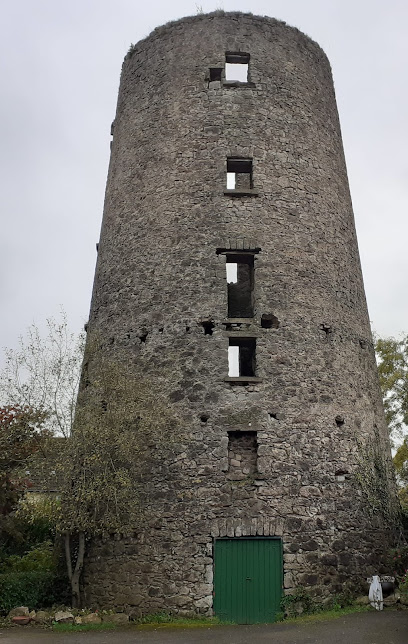
Rossmore Monument
23.0 km
Explore the Rossmore Monument in Monaghan, a captivating historical landmark surrounded by stunning Irish landscapes and rich cultural heritage.
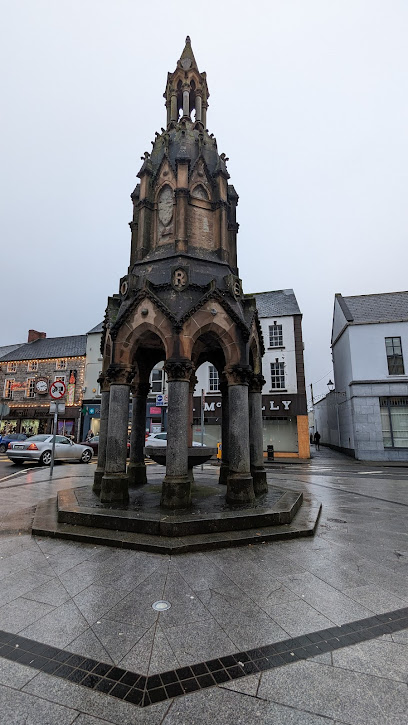
Dawson Monument
23.2 km
Explore the historical significance of Dawson Monument in Roosky, Monaghan - a captivating landmark steeped in Irish heritage.
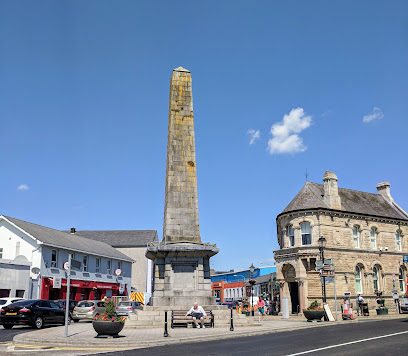
Rossmore Castle Ruins
26.0 km
Explore Rossmore Castle Ruins in Co. Monaghan, a serene historical landmark set in stunning natural beauty, perfect for history lovers and nature enthusiasts alike.
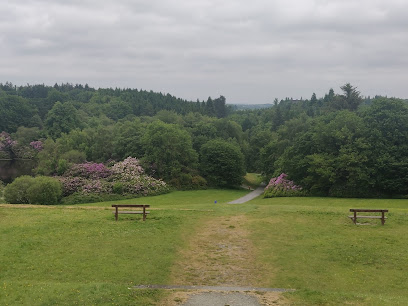
Ballykeel Dolmen (State Care Monument)
26.2 km
Discover the ancient allure of Ballykeel Dolmen, a stunning historical landmark that unveils Ireland's prehistoric past amidst breathtaking landscapes.
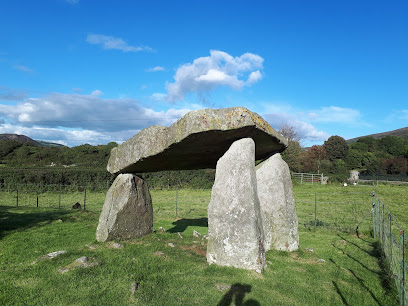
Rossmore Mausoleum
26.4 km
Discover the charm of Rossmore Mausoleum, a historical landmark in Monaghan, Ireland, nestled in the lush landscapes of Rossmore Park.
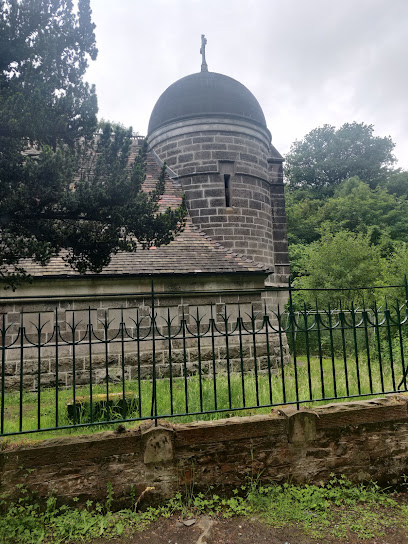
Bragan Penal Cross
29.8 km
Explore the Bragan Penal Cross, a historical landmark in Co. Monaghan, and immerse yourself in Ireland's rich cultural heritage and breathtaking landscapes.
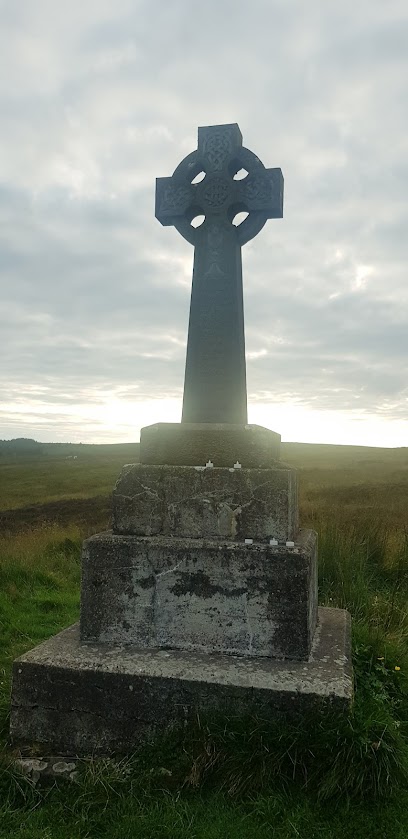
East Coast Adventure at Rostrevor Mountain Lodge, Mourne Mountains, Self Catering ensuite accommodation
37.7 km
Discover thrilling outdoor adventures and comfortable self-catering accommodations at East Coast Adventure in the scenic Mourne Mountains.
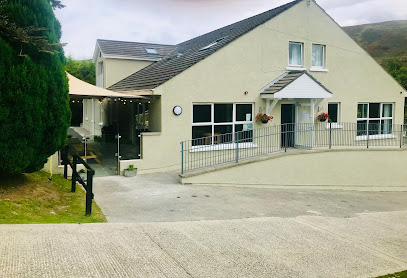
Creggandevesky Court Tomb
38.0 km
Discover the serene, 5,500-year-old Neolithic court tomb nestled on tranquil farmland overlooking a peaceful lake in County Tyrone.
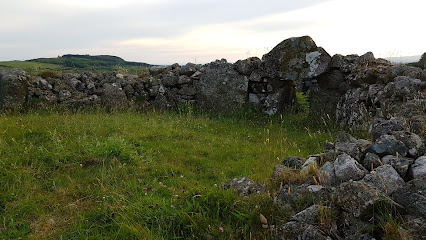
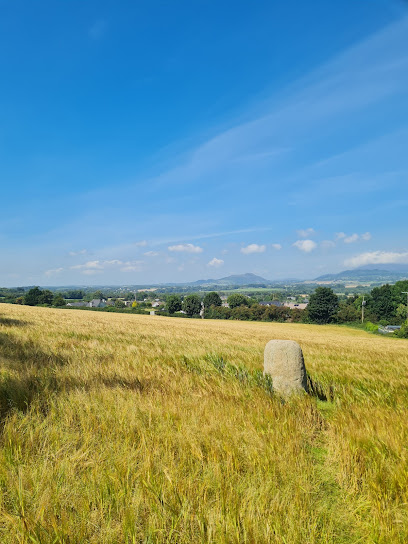
Bronze Age Monolith
39.4 km
Visit the Bronze Age Monolith in Dundalk, a historic landmark that reveals the ancient stories of Ireland's past amidst stunning natural beauty.
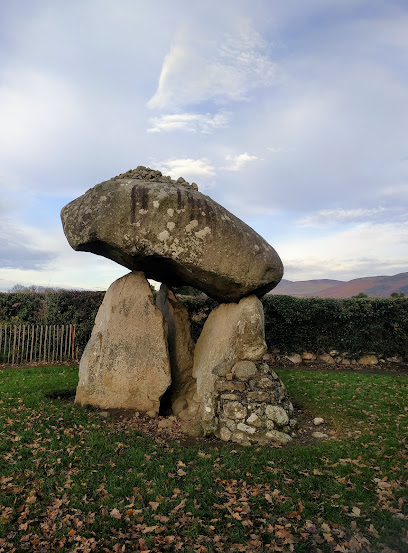
Proleek Wedge Tomb
39.5 km
Explore the ancient mysteries of the Proleek Wedge Tomb in Co. Louth, an essential stop for history lovers and nature enthusiasts alike.
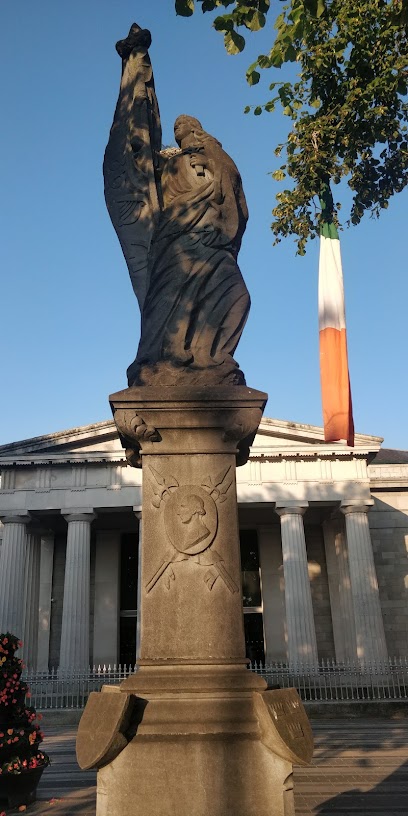
Maid of Erin
41.1 km
Explore the Maid of Erin, a celebrated historical landmark in Dundalk that embodies Ireland's rich cultural heritage and artistic expression.
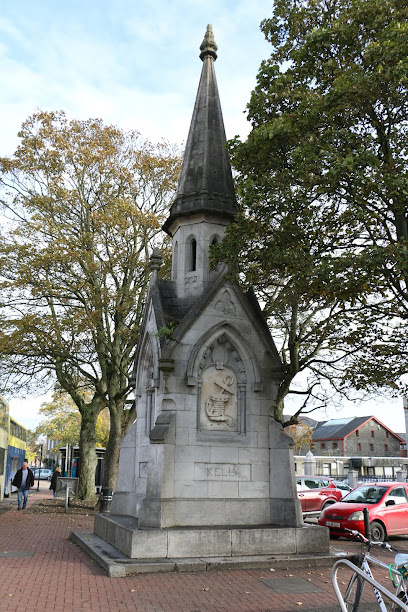
Kelly's Monument
41.2 km
Explore Kelly's Monument in Dundalk, a cherished historical landmark that embodies the rich heritage and culture of Co. Louth.
Monaghans cross
41.3 km
Explore Monaghans Cross, a historical landmark in Co. Monaghan, Ireland, where rich heritage meets stunning natural beauty.
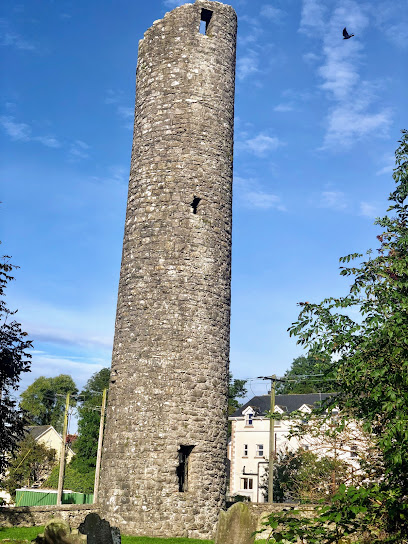
Clones Round Tower
41.9 km
Discover the historical marvel of Clones Round Tower, a captivating monument that embodies Ireland's rich heritage and architectural beauty.
Unmissable attractions to see

Saint Patrick's Way: The Pilgrim Walk
0.0 km
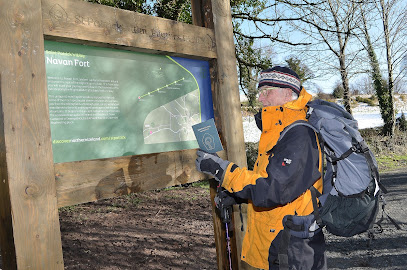
Walk the historic 82-mile pilgrimage trail linking Armagh and Downpatrick, tracing Saint Patrick’s footsteps through Northern Ireland’s stunning landscapes and heritage.
Palace Demesne Public Park
0.0 km
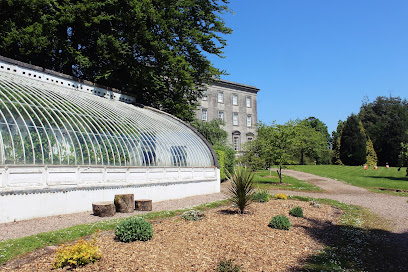
Historic 300-acre parkland in Armagh featuring gardens, wildlife, playgrounds, and accessible trails in a serene setting.
EUROSPAR Thomas Street
0.2 km
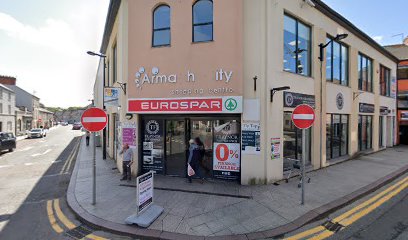
Conveniently located in Armagh Shopping Centre, EUROSPAR Thomas Street offers fresh groceries and essentials daily from early morning until late evening.
McAnerney's
0.4 km
McAnerney's in Armagh offers a rich blend of fresh local produce, specialty foods, and friendly service in a vibrant market setting.
Embers
0.4 km
Cozy family-friendly spot in Armagh serving hearty breakfasts, innovative sandwiches, and quality coffee with a welcoming local vibe.
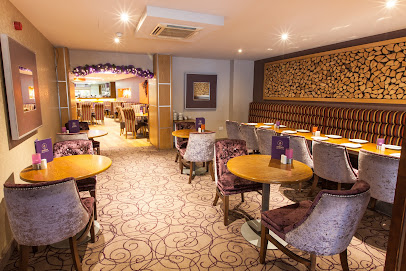
The Market Place Theatre & Arts Centre
0.5 km
Armagh’s premier cultural venue offering world-class theatre, music, visual arts, and community workshops in a modern, accessible setting.
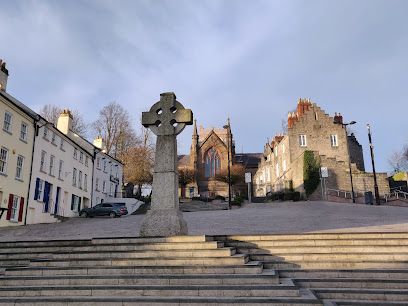
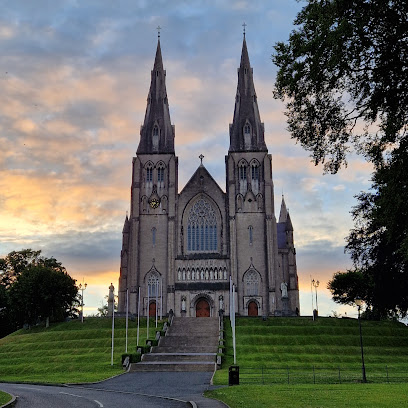
St. Patrick's Cathedral
0.5 km
Explore the majestic twin-spired Gothic Revival cathedral atop Armagh’s historic hill, a spiritual and architectural treasure since the 19th century.
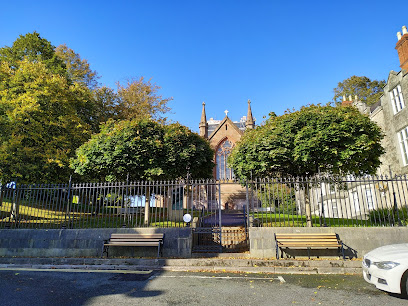
Palace Stables
0.5 km
Explore the historic Palace Stables in Armagh, a perfect blend of equestrian heritage and tranquil gardens offering fun for all ages.
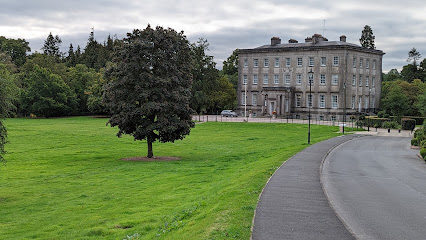
No 5 Vicars’ Hill
0.5 km
Discover Armagh’s Georgian gem showcasing ancient artefacts, fine art, and local history in a beautifully restored 18th-century diocesan registry.
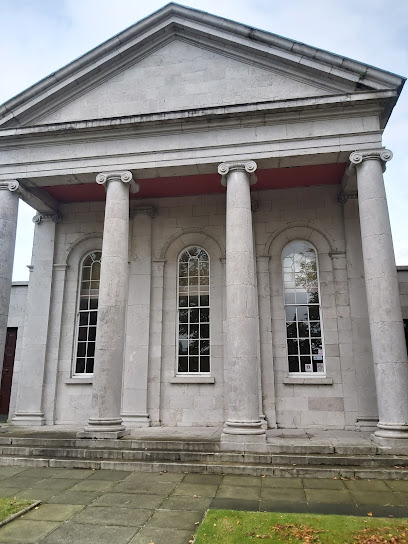
Armagh County Museum
0.7 km
Discover Ireland’s oldest county museum in Armagh, showcasing rich local history, art, and culture in a stunning classical building.
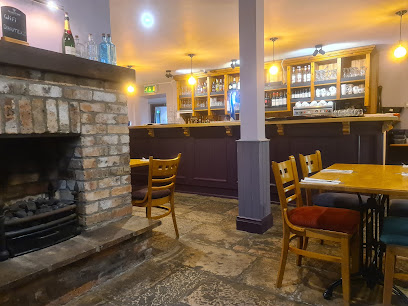
Dante’s Armagh
0.7 km
Enjoy delicious pizzas, gourmet burgers, and warm hospitality in a lively courtyard setting at Dante’s Armagh.
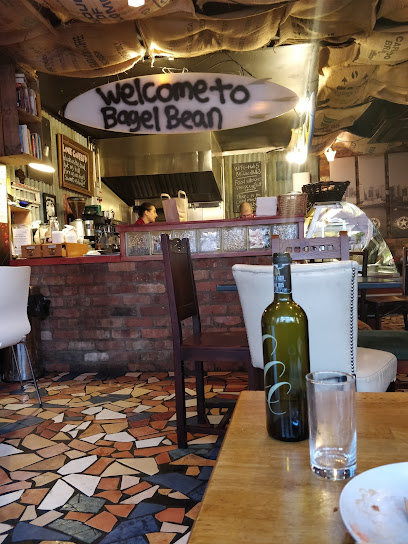
Bagel Bean
0.7 km
Freshly made bagels and friendly service in the heart of Armagh’s vibrant Lower English Street.
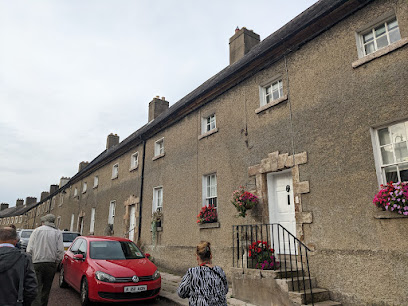
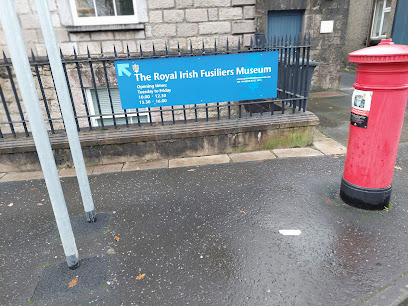
Royal Irish Fusiliers Museum
0.7 km
Explore the rich military heritage of the Royal Irish Fusiliers in Armagh’s historic Sovereign's House with free admission and compelling exhibits.
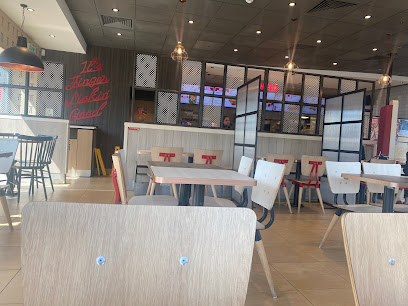
KFC Armagh - Lonsdale Road
0.8 km
Classic fried chicken and quick bites with drive-thru convenience and vegan options in the heart of Armagh.
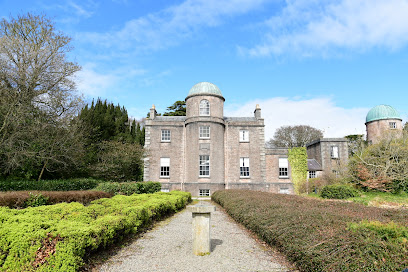
Armagh Observatory and Planetarium
0.9 km
Discover the wonders of the universe through immersive dome shows, historic telescopes, and interactive exhibits at Northern Ireland’s premier astronomy center.
Essential places to dine

Armagh City Hotel
0.2 km
Comfort and local charm meet modern amenities in the heart of historic Armagh at this welcoming 3-star city hotel with spa and dining excellence.

The Callan Bar
0.2 km
Experience the best of Armagh at The Callan Bar—where exquisite grills meet live music in an inviting pub atmosphere.
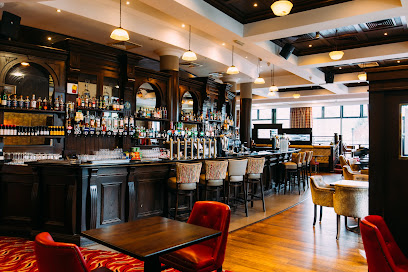
The Friary Restaurant
0.2 km
Intimate dining blending traditional Irish flavors with modern culinary artistry in the heart of Armagh.
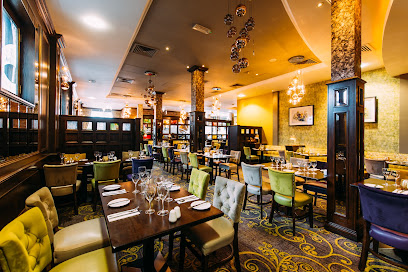
Raffertys Bar
0.2 km
Discover the heart of Armagh's nightlife at Raffertys Bar - where great drinks meet local stories in an authentic Irish pub experience.
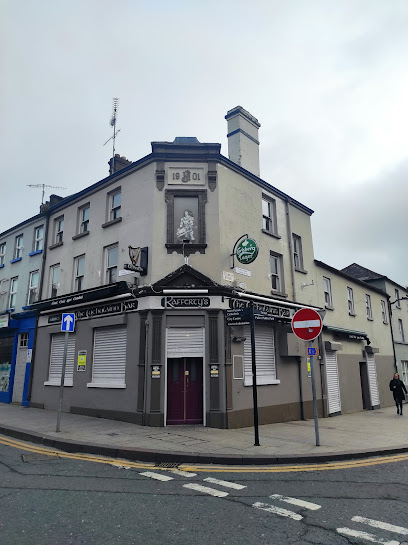
Keegan's Bar & Restaurant
0.3 km
Discover Keegan's Bar & Restaurant: A warm haven in Armagh offering delightful Irish cuisine and a lively atmosphere.
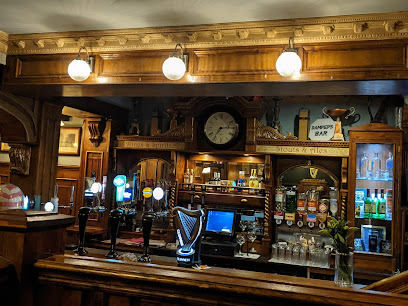
Cypros Giros Vasilis
0.3 km
Bold Mediterranean gyros and kebabs with generous portions and authentic flavours at unbeatable Armagh prices.
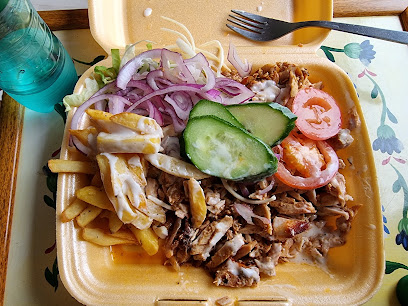
Armagh Indian Nights
0.4 km
Experience authentic Indian flavors with generous portions and friendly service in the heart of Armagh’s Scotch Street.
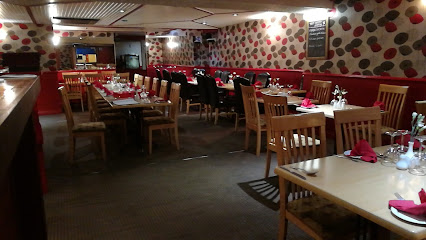
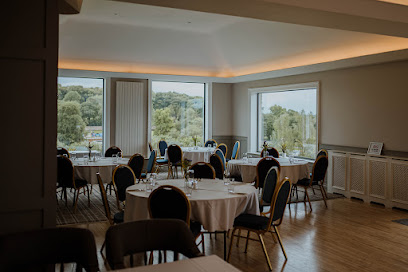
The Parkland Armagh
0.4 km
Modern dining with generous portions and scenic golf course views in the heart of Armagh’s vibrant culinary scene.
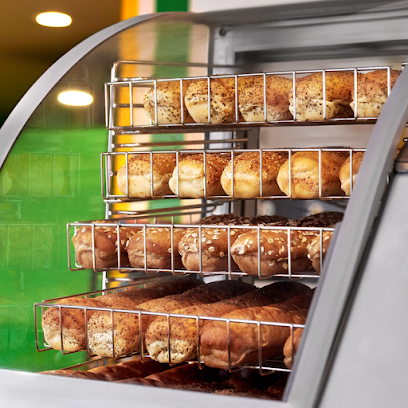
Subway
0.4 km
Fresh, customizable sandwiches and salads in the heart of Armagh, offering quick, friendly service daily.
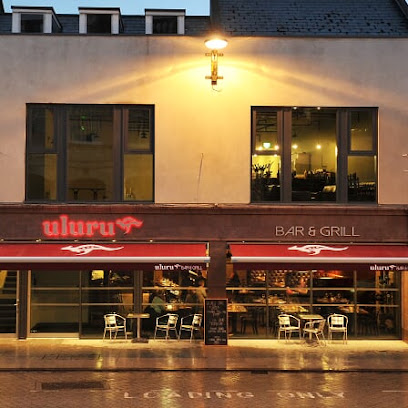
Uluru Bar & Grill
0.4 km
Experience authentic Australian-inspired dining with vibrant flavors and a welcoming atmosphere in the heart of Armagh.
Charlemont Arms Hotel
0.7 km
Historic hotel in central Armagh blending traditional charm with modern comforts, lively bar, and welcoming hospitality.
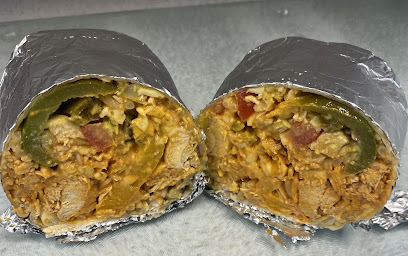
Desburrito Armagh
0.7 km
Fresh, vibrant Mexican burritos and bowls served quickly in a lively, casual spot at the heart of Armagh.
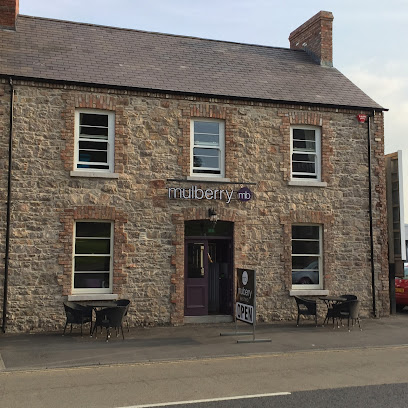
Mulberry Bistro
0.9 km
Cathedral views and homemade comfort food in Armagh's heart
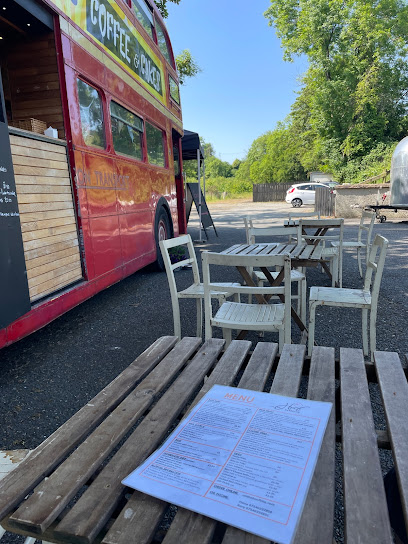
On The Hoof
7.0 km
Experience the best BBQ in Richhill at On The Hoof - where smoky flavors meet local charm.
The Scullery
7.8 km
Savor traditional homemade dishes in a cozy, family-friendly setting at The Scullery, Armagh’s beloved local restaurant.
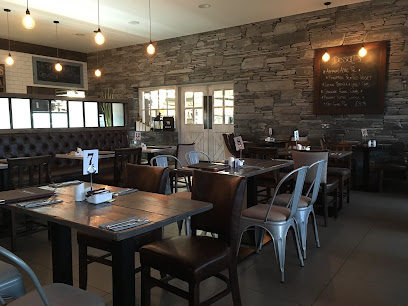
Markets, malls and hidden boutiques

Martins Discount Store Ltd
0.2 km
Family-run home furniture and carpet store in Armagh offering quality, value, and over 40 years of trusted service.
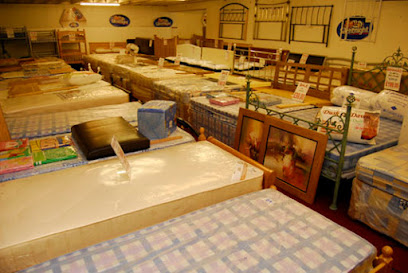
Tip Top Shop
0.2 km
Discover stylish ladies' fashion and personalized service at Tip Top Shop in Armagh Shopping Centre, your go-to for trendy wardrobe finds.
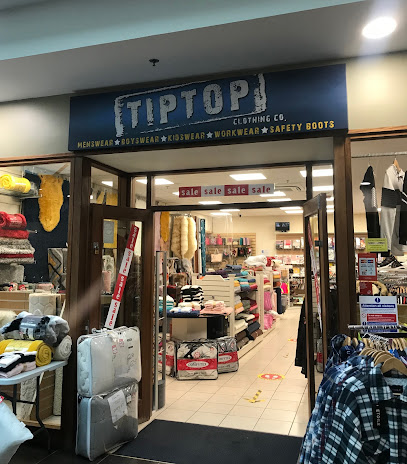
Pure Magic Boutique
0.3 km
Discover unique handmade crafts and chic accessories with friendly service at Pure Magic Boutique, a creative gem in Armagh’s vibrant shopping scene.
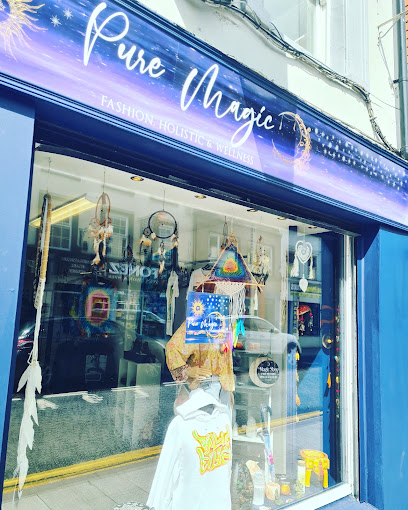
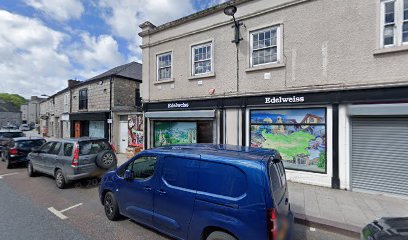
Edelweiss
0.3 km
Discover authentic European flavors and fresh gourmet produce at Edelweiss, Armagh’s specialty supermarket on Dobbin Street.
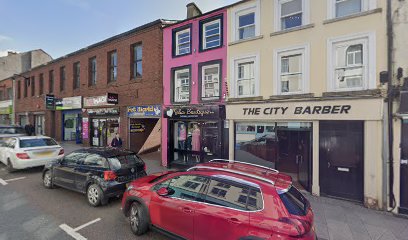
Melia Boutique Clothing & Accessories
0.3 km
Discover unique style and personalized fashion finds at Melia Boutique on Armagh’s vibrant Scotch Street.
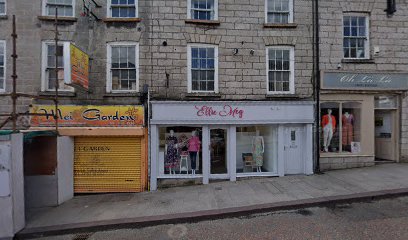
Ellie Meg Boutique
0.3 km
A stylish ladies' clothing boutique offering curated fashion and personalized service in the heart of Armagh.
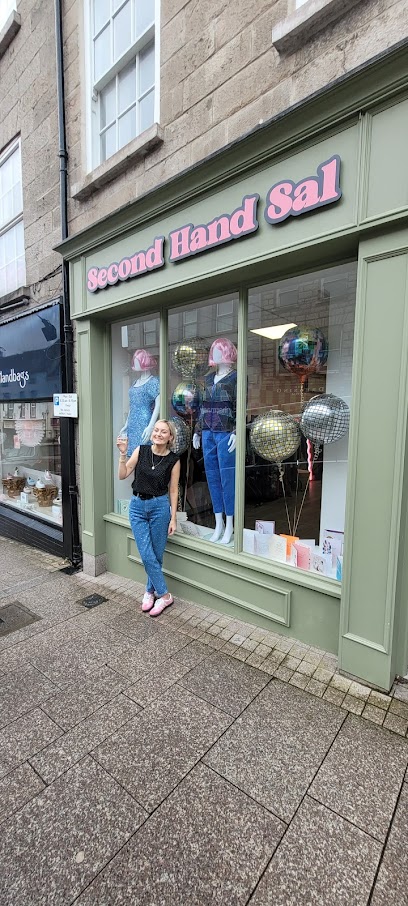
Second Hand Sal
0.3 km
Discover timeless vintage fashion and sustainable style at Second Hand Sal, Armagh’s curated treasure trove of classic clothing.
Oh lá lá Boutique
0.3 km
Discover chic bags and stylish accessories at Oh lá lá Boutique, Armagh’s premier destination for fashion-forward finds.
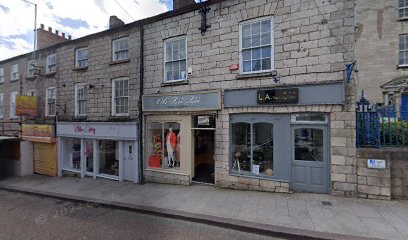
Crystal Ladies Boutique NI
0.3 km
Discover elegant and on-trend women's fashion with personalized service at Crystal Ladies Boutique NI in the heart of Armagh.
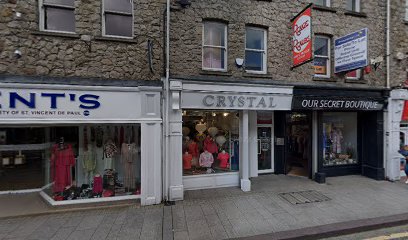
Our Secret Boutique Limited
0.3 km
Discover elegant ladies' fashion in Armagh’s welcoming boutique with personalized service and timeless style.
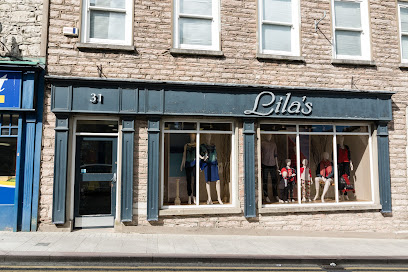
Lila's
0.4 km
Chic ladies' and children's fashion meets outdoor gear in Armagh’s welcoming boutique on Scotch Street.
The Dressing Room
0.4 km
Discover elegant ladies' fashion and accessories in the heart of Armagh at The Dressing Room boutique.
H Emerson & Son Ltd
0.4 km
A historic Armagh supermarket offering over 130 years of trusted service with a wide range of quality groceries and community spirit.
Creative Ideas Home & Gift
0.4 km
Discover unique homewares and gifts for every occasion in the heart of Armagh at Creative Ideas Home & Gift.
DV8
0.4 km
Discover stylish designer fashion and friendly service at DV8, Armagh’s chic boutique on Scotch Street.
Essential bars & hidden hideouts

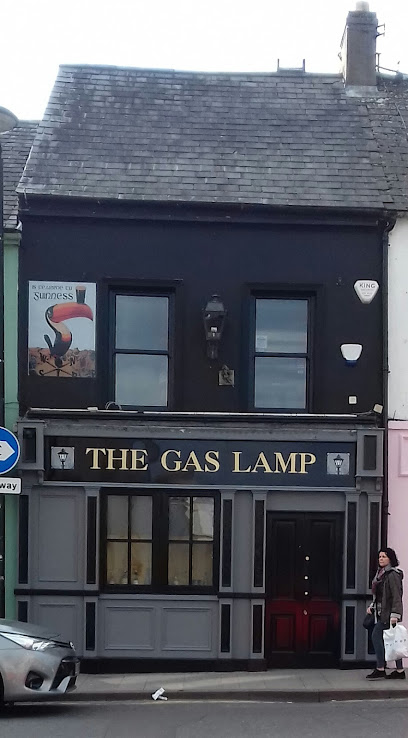
The Gas Lamp
0.2 km
A cozy, characterful pub in Armagh offering craft beers, fine gins, and a warm, welcoming atmosphere in a historic tiled basement setting.
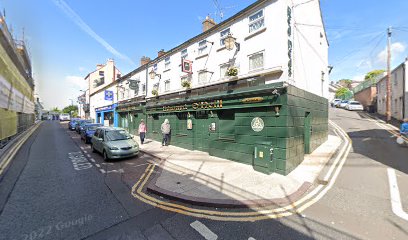
Edward O'Neill
0.2 km
Discover the heart of Irish culture at Edward O'Neill, where traditional music and local brews create an unforgettable experience.
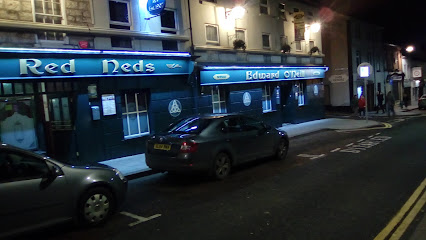
Red Neds
0.2 km
Experience authentic Irish hospitality, local ales, and lively live music at Red Neds, Armagh’s vibrant pub on Ogle Street.
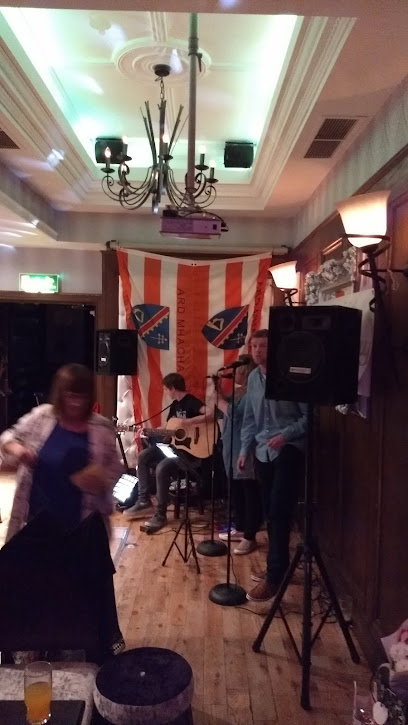
Toby Jug
0.3 km
Experience authentic Irish hospitality, hearty cuisine, and lively music at Toby Jug, Armagh’s beloved traditional pub on Irish Street.
The Hole in the Wall
0.4 km
Experience the warmth of Irish hospitality at The Hole in the Wall pub in Armagh, offering great drinks, food, and live music in a cozy setting.
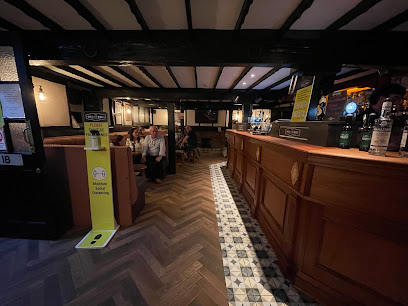
The Victoria Bar
0.4 km
Experience authentic Northern Irish hospitality and local ales in the cozy, traditional setting of The Victoria Bar, Armagh’s beloved community pub.
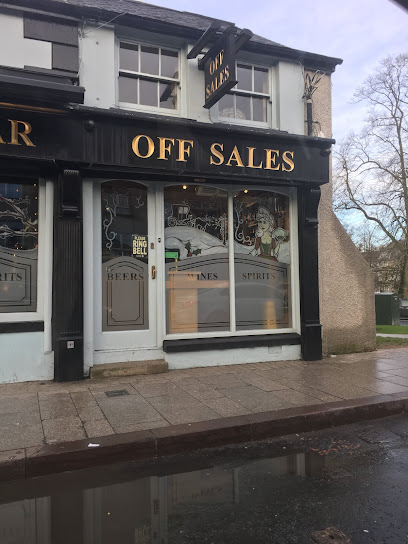
Rumour Espresso Bar
0.5 km
Discover expertly brewed espresso and fresh pastries in a cozy, welcoming café nestled in the heart of Armagh’s historic district.
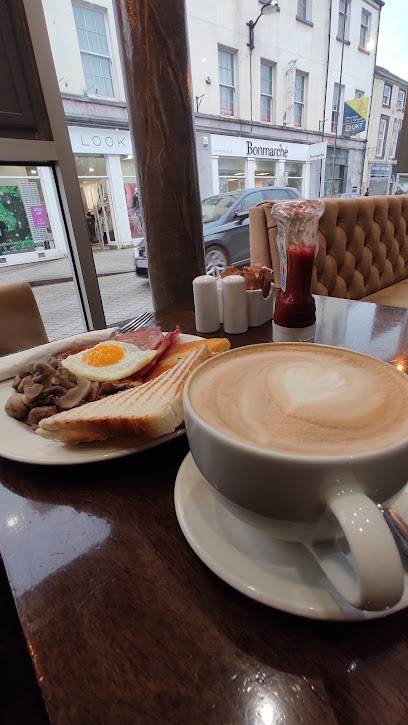
The Vintage Lounge Bar
0.6 km
A cozy vintage-style pub in Armagh offering local brews, classic cocktails, light bites, and lively community spirit with occasional live music.
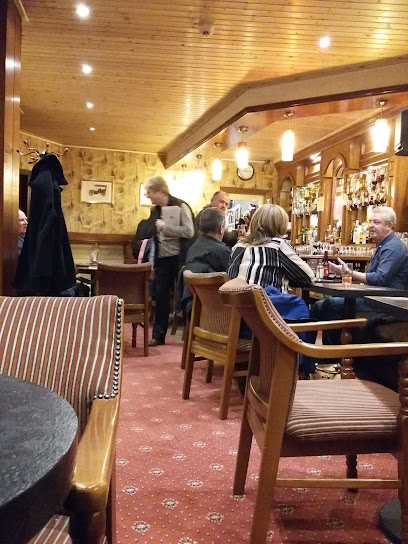
Turners
0.7 km
Traditional pub charm meets warm hospitality in the heart of historic Armagh at Turners Bar, part of the iconic Charlemont Arms Hotel.
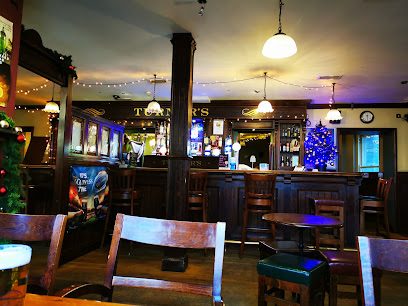
Hughes Bar & Venue
0.8 km
Experience authentic Northern Irish nightlife with live music, great drinks, and a welcoming atmosphere at Hughes Bar & Venue in Armagh.
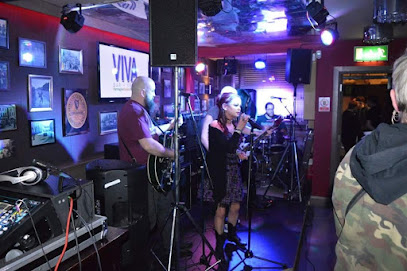
McKennas Bar
0.8 km
Historic Irish pub in Armagh offering authentic charm and a lively social atmosphere for over 130 years.
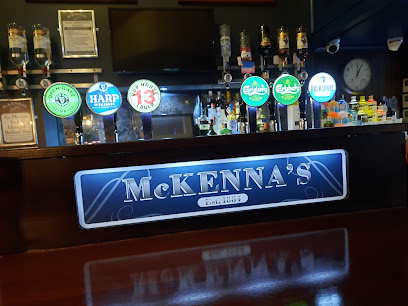
Strawberry Bar
0.9 km
Historic and lively cocktail bar in Armagh, blending sporting heritage with a welcoming atmosphere and quality drinks.
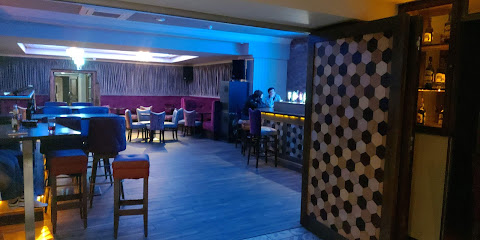
Devlin's
0.9 km
Experience authentic Irish hospitality and lively nightlife at Devlin's, Armagh’s beloved pub on Lower English Street.
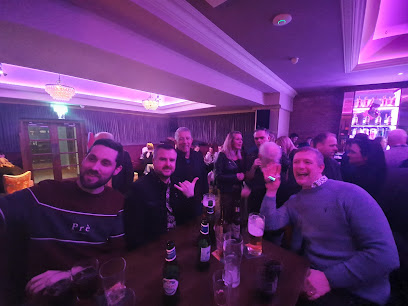
Railway Bar
1.3 km
A warm, traditional Irish pub in Armagh famed for its friendly atmosphere, great pints, and welcoming community spirit.
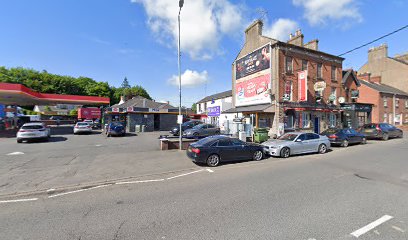
Mickey Kelly's Bar & Off licence
1.4 km
A warm, traditional Irish pub in Armagh offering great drinks, lively music, and a friendly community vibe every day from 11 AM to 11 PM.
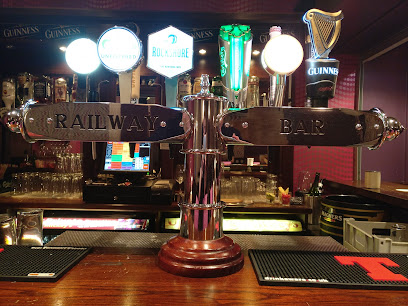
Nightclubs & after hour spots

Mexx Nitelife
22.1 km
Dive into the vibrant nightlife of Mexx Nitelife in Coolshannagh, where great music, delicious drinks, and an energetic crowd await every weekend.
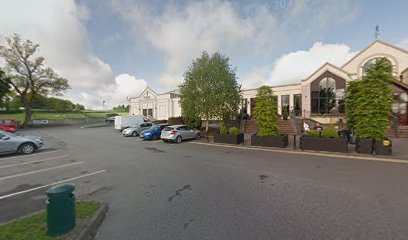
Spy
23.0 km
Experience the vibrant nightlife at Spy, Roosky's premier night club, where music, dancing, and unforgettable moments await.
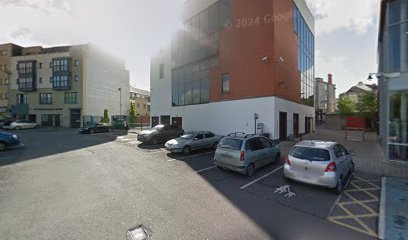
Switch Nightclub
25.5 km
Discover the vibrant nightlife at Switch Nightclub in Castleblayney, where music, dance, and unforgettable memories come together.
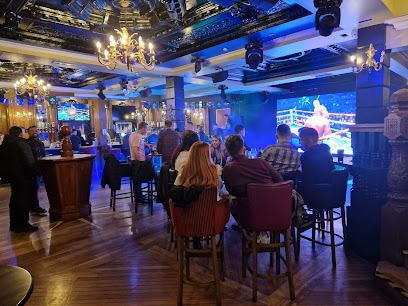
The Whistling Donkey
27.6 km
Experience the vibrant nightlife at The Whistling Donkey, Newry's premier sports bar and disco club, where fun and flavor meet.
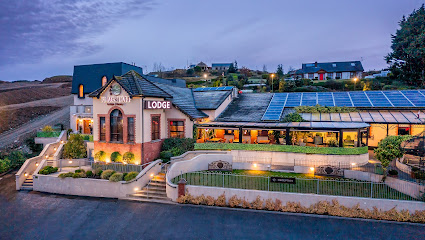
Flagstaff Lodge
29.1 km
Discover the rustic charm of Flagstaff Lodge, a perfect retreat in Newry with cozy accommodations, dining, and stunning views of Northern Ireland's landscapes.
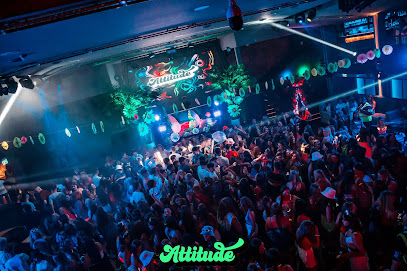
Attitude Disco
34.1 km
Unleash your energy at Attitude Disco, the ultimate night club in Cookstown, where vibrant beats and an electric atmosphere await.
Clubland
34.1 km
Discover the electrifying energy of Clubland, Cookstown's premier night club and event venue, where unforgettable nights await.
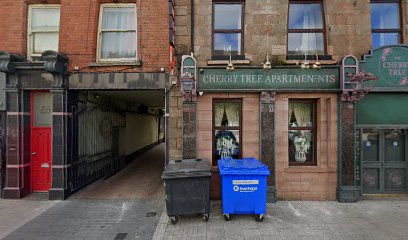
Eoin’s Bar
41.1 km
Experience the warmth of Irish hospitality at Eoin's Bar in Dundalk, where local brews and hearty meals create unforgettable moments.
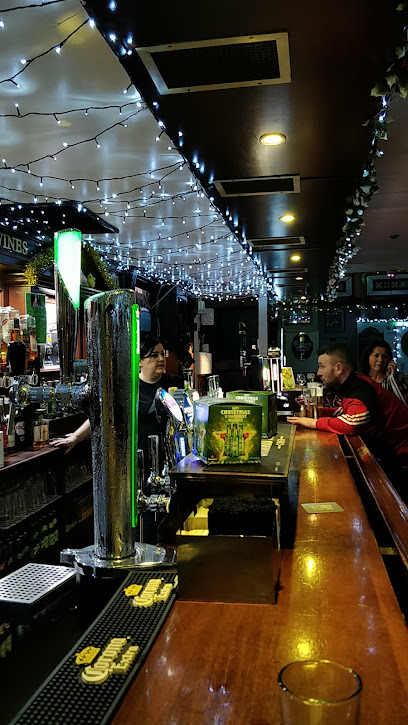
Castle Bar
41.2 km
Experience the vibrant atmosphere of Castle Bar, Dundalk’s favorite sports bar with live music and delicious pub food.
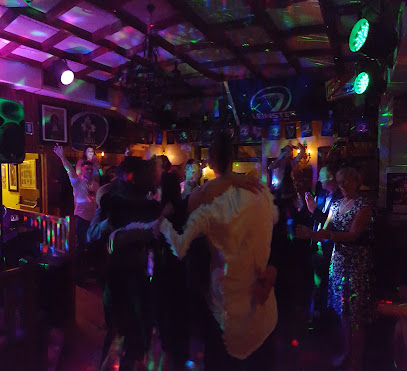
Punters Bar
41.3 km
Discover the lively atmosphere of Punters Bar in Dundalk, where sports and entertainment come together for an unforgettable night out.
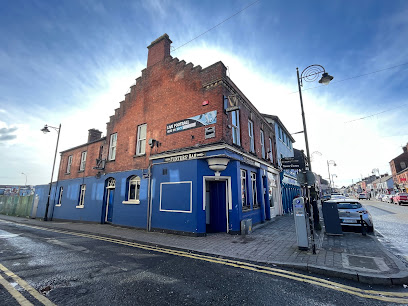
The Viper Room
41.3 km
Discover The Viper Room in Dundalk, a lively bar renowned for its vibrant atmosphere, exquisite drinks, and unforgettable live music experiences.
Ridleys
41.3 km
Experience the vibrant nightlife at Ridleys, Dundalk's premier night club, where music, dance, and fun come together in an unforgettable atmosphere.
The Causeway Lounge
45.2 km
Experience tranquility and comfort at The Causeway Lounge, your perfect pre-flight retreat at Belfast Airport.
The Elk Complex
47.7 km
Experience the perfect blend of dining, relaxation, and family fun at The Elk Complex in Antrim, where every visit is a delightful adventure.
The Anchor Bar
49.9 km
Discover the local charm of Antrim at The Anchor Bar, a welcoming pub filled with delicious food, great drinks, and a vibrant atmosphere.
For the vibe & atmosphere seeker
- Tranquil
- Scenic
- Historic
- Unique
For the design and aesthetic lover
- Rustic Designs
- Vintage Styles
For the architecture buff
- Historic
- Sacred Sites
- Landmarks
For the view chaser and sunset hunter
- Iconic Views
For the social media creator & influencer
- Instagrammable
- Photo Spots
For the eco-conscious traveler
- Protected Area
- Public-Transport Accessible
- Locally Managed
For the kind of experience you’re after
- Cultural Heritage
- Myth & Legends
- Photowalk
- Day Trip
- Weekend Getaway
For how adventurous you want the journey to be
- Easy Access
Location Audience
- Family Friendly
- Senior Friendly
- Child Friendly
- Teen Friendly
- Wheelchair Access
- Solo Friendly
- Couple Friendly


