

Armagh Windmill Travel Guide
Free Guide: Historic 1810 flour mill ruins perched on Windmill Hill, a striking symbol of Armagh’s agricultural past and heritage.


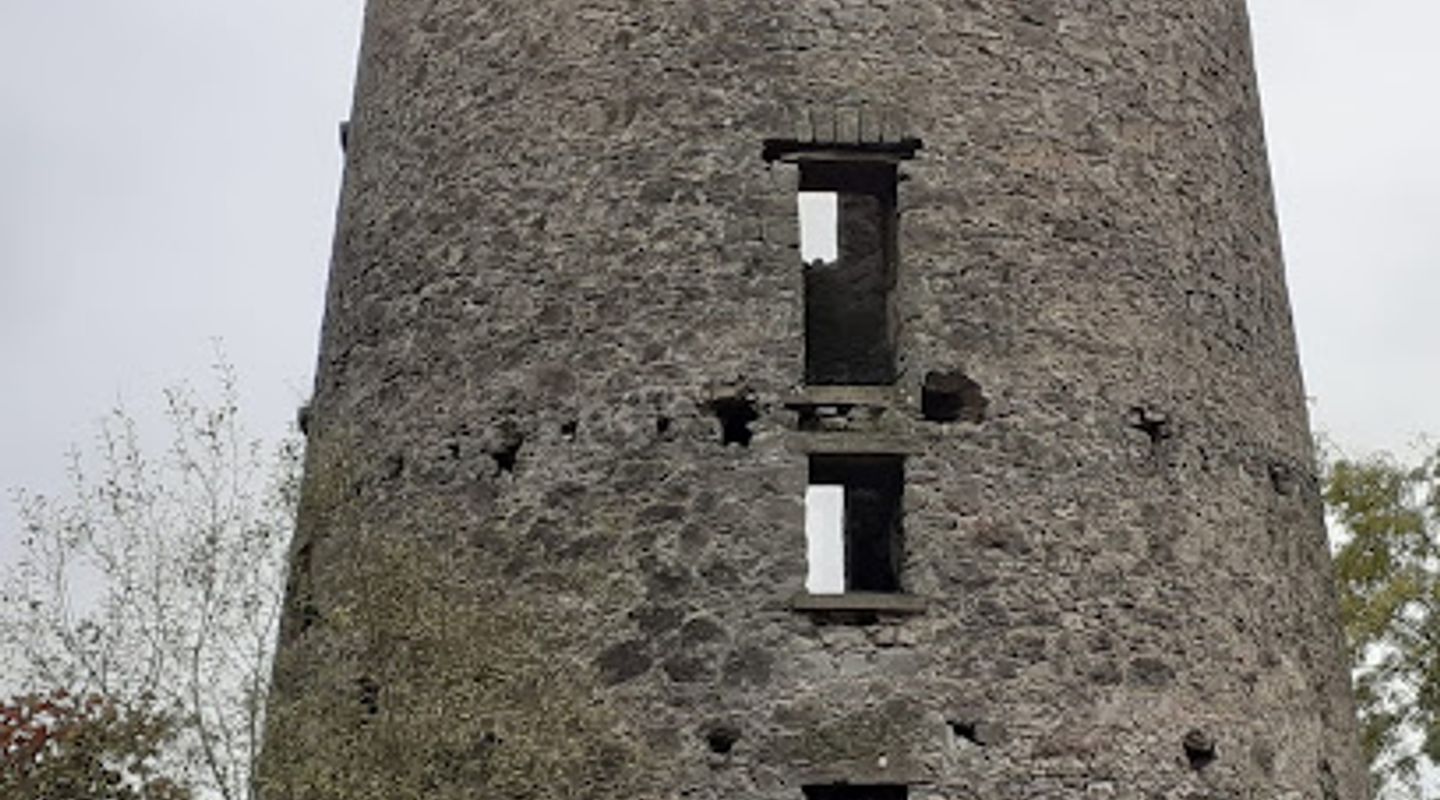
A brief summary of Armagh Windmill
Historic 1810 flour mill ruins perched on Windmill Hill, a striking symbol of Armagh’s agricultural past and heritage.
The Armagh Windmill, built in 1810 by Robert Jackson, stands as a prominent historic landmark on Windmill Hill in Armagh, Northern Ireland. Originally used as a flour mill until 1836, it suffered fire damage in the 1860s and has since remained a dormant, evocative ruin. Despite its neglected state, it remains a striking symbol of Armagh’s agricultural heritage and offers a glimpse into early 19th-century milling practices.
On-site amenities
 Seating areas
 Information boards
 Trash bins
- Address
- Armagh BT60 4BR
Getting there
Bus
Car
Taxi
Walking
Discover more about Armagh Windmill
Origins and Early Use of the Armagh Windmill
The Armagh Windmill was constructed in 1810 by Robert Jackson, a notable figure who operated the mill as a flour mill until 1836. The mill was then passed on to John Jackson, believed to be Robert’s son, continuing the family’s involvement in milling. Situated atop a hill that now bears its name, the windmill was an important agricultural facility in the early 19th century, serving the local community by grinding corn and flour. It was part of a broader landscape of mills that supported Armagh’s rural economy during this period.
Decline and Fire Damage
In the 1860s, the windmill suffered significant damage due to a fire, which marked the beginning of its decline. After the fire, the structure was no longer used for milling and reportedly served as a piggery for some years. Official records indicate that the windmill remained vacant until 1908, when a new house was constructed on the same site. Over time, the windmill fell into disuse and became a ruin, yet it retained its status as a visible and evocative landmark on the Armagh skyline.
Current Condition and Ownership Challenges
Today, the windmill stands as a ruin on private land, with the current owner having lived beside it since the 1960s. Despite its historical significance, the windmill has been neglected for over 150 years. Efforts to restore or maintain the structure have been hindered by lack of funding and planning permissions. The Department of the Environment oversees the site but has repeatedly rejected restoration proposals due to financial constraints. The structure is considered stable but remains inaccessible and untended, symbolizing a lost opportunity for heritage preservation.
Historical and Cultural Significance
The Armagh Windmill is more than just a derelict building; it is a tangible link to the city’s agricultural past and early industrial activity. As one of the most prominent historic structures in Armagh, it offers insight into the milling practices of the early 1800s and the rural economy of the time. Local historians advocate for its restoration to serve as a heritage landmark and tourist attraction, potentially opening it up during heritage days alongside other historic sites in Armagh, such as courthouses and cathedrals.
Visitor Experience and Surroundings
Although the windmill itself is not currently open to the public, its location on Windmill Hill provides scenic views of Armagh and the surrounding countryside. The site’s elevated position makes it a notable visual reference point in the city. Visitors can appreciate the silhouette of the ruined mill against the skyline, evoking a sense of history and the passage of time. Nearby amenities in Armagh include accommodations, dining, and other cultural attractions, making it a worthwhile stop for those interested in Northern Ireland’s heritage.
Preservation Prospects and Community Interest
Community interest in the windmill’s preservation remains strong, with local historians and residents expressing a desire to see the site secured and possibly restored. However, the high cost of restoration and ongoing regulatory hurdles have limited progress. The windmill’s future depends on securing funding and permissions to stabilize the structure and potentially develop it as a heritage site. Until then, it stands as a poignant reminder of Armagh’s historic landscape and the challenges of preserving rural industrial heritage.
Evendo Review Centre
 Google
Guest reviews
Best time to go
Quietest: Jan, Feb & Dec · before 6am
Busy times are Evendo estimates for a typical year, to help you plan. Actual crowds vary with events, school holidays and the weather.
Explore Armagh Windmill on the map
A handpicked selection of must-see spots near Armagh Windmill, mapped for you.
Get your free copy of our complete guide to Armagh Windmill, delivered straight to you.
Everything on this page, from opening hours and how to get there to Eve’s tips and the best time to go, in one PDF you can read offline, print or share.
Already have an account? Sign in
Your Armagh Windmill guide is ready.
We'll send it to · Not you? Sign out

Getting your guide ready…
We are putting together a fresh copy of the Armagh Windmill guide. This can take up to a minute.
This can take a few moments. If your browser asks, choose Allow so the download can start. You'll find the guide in your Downloads folder.
Nothing happened? Download it again
Sorry, the guide is taking longer than usual. Please try again in a minute, or get it by email instead.
Other nearby places you may find interesting
The closest places of the same kind, if this one is not quite what you had in mind.

Swipe for more places
More to explore near Armagh Windmill

 Best experiences near Armagh Windmill
 Best hotels near Armagh Windmill
 Best landmarks near Armagh Windmill
 Best attractions near Armagh Windmill
 Best shops near Armagh Windmill
 Best restaurants near Armagh Windmill
 Best bars near Armagh Windmill
Do you manage this location?
Take control to get all the benefits, like improved information, better appearance, and stronger visibility across AI-powered discovery.
Explore more
Explore more of Armagh
Discover the ancient city of Armagh, Northern Ireland's ecclesiastical capital, known for its twin cathedrals, rich history, and vibrant cultural festivals.
Explore Armagh
Explore more of United Kingdom
Discover the United Kingdom: A blend of rich history, stunning landscapes, and vibrant cities, offering a unique travel experience for every visitor.
Explore United Kingdom
