

Free Armagh Travel Guide & Mobile App
Explore Armagh with free travel guides. Discover regional history, expert tips, proposed trips, and audio guides on web or mobile app.


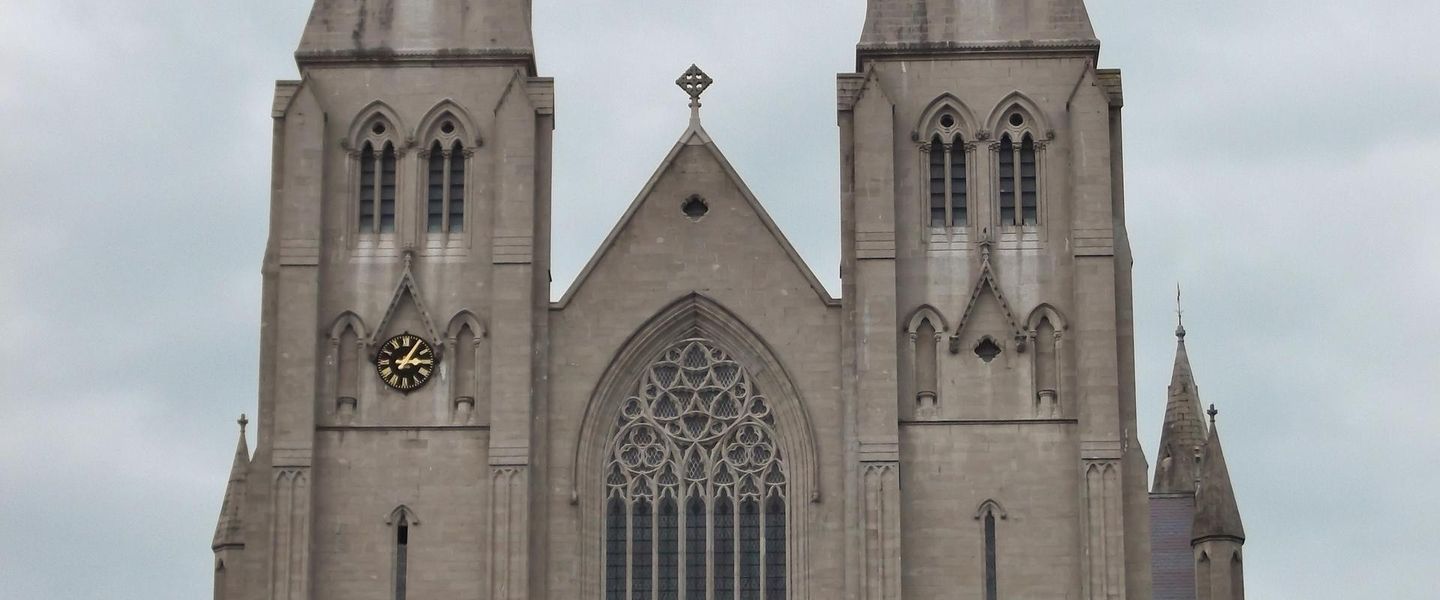


Explore Armagh’s cathedrals, apple orchards, ancient Navan Fort, forest parks and Slieve Gullion landscapes in Northern Ireland.
Read more about Armagh
When is the best time to visit Armagh?
Best: June–August · 18–20°C| Month | High (°C) | Rainfall (mm) |
|---|---|---|
| January | 7 | 65 |
| February | 8 | 55 |
| March | 10 | 60 |
| April | 13 | 55 |
| May | 16 | 60 |
| June (best) | 18 | 60 |
| July (best) | 20 | 65 |
| August (best) | 20 | 70 |
| September | 17 | 65 |
| October | 14 | 75 |
| November | 10 | 70 |
| December | 7 | 75 |
Getting to and around Armagh
How to get there
Transportation
Best attractions in Armagh
Armagh’s attractions combine sacred heritage, archaeology, countryside and horticulture. In Armagh city, visitors can explore the two cathedrals dedicated to Saint Patrick, the Armagh County Museum, the Robinson Library, the Observatory and the wooded Palace Demesne. These institutions explain why the city became an ecclesiastical and intellectual centre, while the surrounding avenues and parkland make the historic core easy to experience on foot. Navan Fort is the region’s major archaeological attraction, presenting the earthworks and cultural associations of Emain Macha. Outside the city, Gosford Forest Park offers extensive woodland, parkland and walking routes, and the orchard belt provides a strong seasonal focus on blossom, harvest and apple-based produce. In the south, Slieve Gullion and the Ring of Gullion landscape offer upland walks, prehistoric monuments and broad views across a more rugged part of County Armagh. Maghery Country Park, on the Armagh shore of Lough Neagh, adds waterside scenery and recreation, while the towns of Portadown, Lurgan and Markethill reflect the region’s industrial, market and rural histories.
-
Park and Garden
Tollymore Forest Park
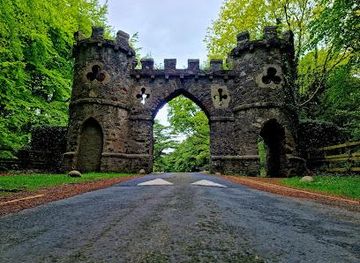
Discover Tollymore Forest Park’s enchanting trails, historic follies, and wildlife sanctuary at the foot of the Mourne Mountains.
-
Planetarium
Armagh Observatory and Planetarium
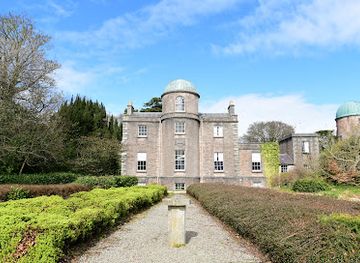
Northern Ireland’s leading centre for astronomy, where historic observatories meet immersive planetarium shows and a sprawling Astropark under the Armagh sky.
-
Family friendly
Embers
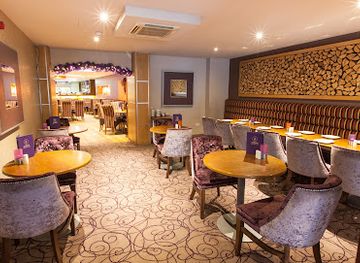
Cozy family-friendly spot in Armagh serving hearty breakfasts, innovative sandwiches, and quality coffee with a welcoming local vibe.
-
Performing arts theatre
The Market Place Theatre & Arts Centre
Armagh’s premier cultural venue offering world-class theatre, music, visual arts, and community workshops in a modern, accessible setting.
Best landmarks in Armagh
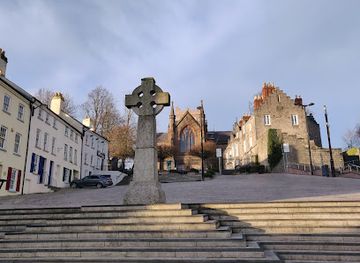
Armagh city’s most recognisable landmarks are its two cathedrals on opposing hills: Saint Patrick’s Roman Catholic Cathedral, a major nineteenth-century Gothic Revival building, and Saint Patrick’s Cathedral of the Church of Ireland, whose origins are linked to the city’s medieval ecclesiastical tradition. The Robinson Library and Armagh Observatory express the eighteenth-century vision that reshaped the city under Archbishop Richard Robinson, while the Georgian avenues and Palace Demesne extend that planned landscape. Navan Fort is the region’s most important ancient landmark, its prominent earthworks associated with Emain Macha and the early traditions of Ulster. In the wider county, Gosford Castle provides a substantial nineteenth-century architectural presence within Gosford Forest Park, although access to buildings and grounds can vary. Slieve Gullion is the principal natural landmark of southern Armagh, rising above the Ring of Gullion with prehistoric associations and extensive views. The Newry Canal, particularly around the northern canal corridor, represents the engineering and commercial infrastructure that connected Armagh’s hinterland with wider markets.
-
Cathedral
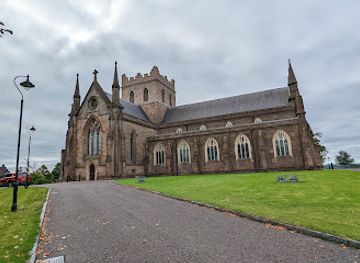
St. Patrick's Cathedral
Explore the majestic Gothic Revival St. Patrick’s Cathedral in Armagh, a historic spiritual beacon with stunning architecture and rich heritage.
-
Historical landmark
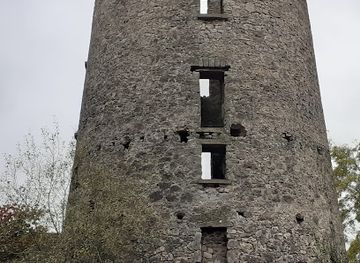
Armagh Windmill
Historic 1810 flour mill ruins perched on Windmill Hill, a striking symbol of Armagh’s agricultural past and heritage.
Explore Armagh on the map
Plan your trip on one map. See where the top cities, national parks and sights are, and book hotels and experiences in a few clicks.
Best hotels in Armagh
Best restaurants in Armagh
Food in Armagh is closely connected with Northern Ireland’s agricultural traditions and the county’s orchards. Apples are the defining local ingredient, appearing in juices, ciders, preserves, cakes and seasonal desserts, while farm shops and producers offer opportunities to buy regional fruit and other local goods. Town cafés provide breakfasts, baking and light meals, and traditional pubs often serve familiar Northern Irish dishes alongside contemporary menus. In rural districts, restaurants and country inns tend to emphasise locally sourced meat, dairy produce and vegetables, although the range varies considerably by settlement. Armagh city has the broadest choice, from casual cafés and bakeries to modern restaurants, while villages and market towns offer a more limited but often community-focused dining scene. Farmers’ markets and seasonal food events can be useful places to encounter local producers, but dates and participating traders change, so visitors should check arrangements in advance. Northern Irish specialities such as soda bread, wheaten bread and Ulster fry breakfasts are widely available, alongside international food in the larger towns.
-
 Hotel
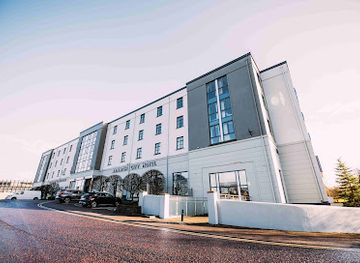
HotelArmagh City Hotel
Comfort and local charm meet modern amenities in the heart of historic Armagh at this welcoming 3-star city hotel with spa and dining excellence.
-
Family friendly
Embers
Family-run Armagh gem blending top-notch coffee house mornings with sizzling grill bar evenings, perfect for all-day casual dining with kids' menus and hearty specials.
-
Australian
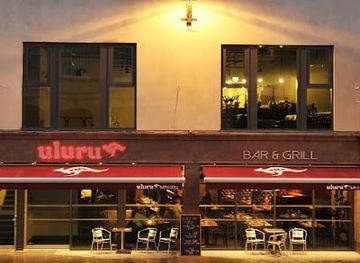
Uluru Bar & Grill
Experience authentic Australian-inspired dining with vibrant flavors and a welcoming atmosphere in the heart of Armagh.
-
Best bars in Armagh
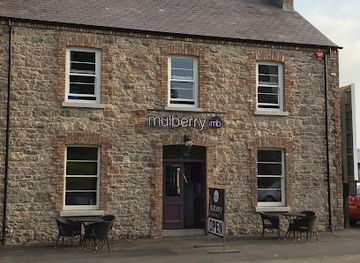
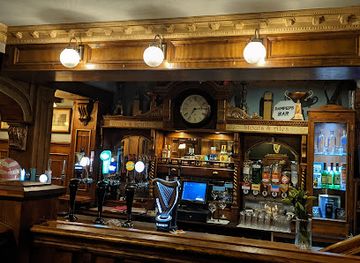
Evening life in Armagh is mainly based around traditional pubs, restaurants, live music and community venues rather than a large nightclub circuit. Armagh city has the widest concentration of places for an evening drink, with historic town-centre pubs, contemporary bars and venues that may host music or cultural events. Portadown and Lurgan also provide local nightlife, while smaller towns and villages tend to focus on sociable pubs and occasional live entertainment. Rural evenings are quieter, and visitors staying outside the main settlements should plan transport rather than rely on late public services. The region’s cider and apple-growing identity may appear on local drinks lists, but it is not necessary to drink alcohol to participate in the social scene. Opening arrangements, entertainment and licensed hours vary by establishment and season, so current checks are sensible when planning a late night.
-
Bar
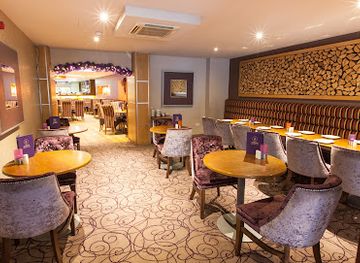
Armagh City Hotel
A welcoming 3-star hotel in Armagh offering spacious rooms, spa, indoor pool, and traditional dining near historic landmarks.
-
Bar
Keegan's Bar & Restaurant
A lively family-run bar and grill in Armagh offering hearty home-cooked meals, friendly atmosphere, and a true taste of local hospitality.
-
Pub
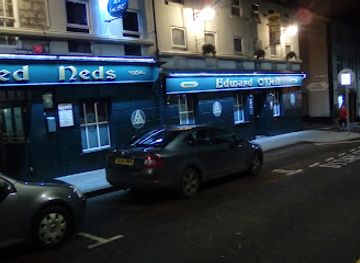
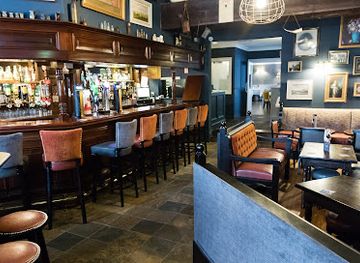
Red Neds
Experience authentic Irish hospitality, local ales, and lively live music at Red Neds, Armagh’s vibrant pub on Ogle Street.
-
Pub
Digby's Bar & Restaurant
Experience over a century of warm hospitality and authentic Irish cuisine at Digby's Bar & Restaurant in charming Killylea.
Best shops in Armagh
Shopping in Armagh is centred on the city’s compact streets, independent retailers, cafés, galleries and everyday services, with larger town centres in Portadown and Lurgan providing broader high-street choice. Market towns and village shops are useful for locally made food, homewares, books, gifts and practical supplies rather than luxury retail. The most distinctive purchases are connected with the orchard economy: apple juice, cider where available, preserves, chutneys, confectionery and seasonal baked goods. Farm shops and food producers can be found across the countryside, but many have limited opening arrangements and should be checked before travelling. Craft outlets and galleries offer Northern Irish art, ceramics, textiles and handmade gifts, while historic Armagh provides books and heritage-themed items linked to its cathedral and archaeological traditions. Seasonal markets and producer events may add variety, but they are not necessarily held every day. Visitors exploring southern Armagh and the Lough Neagh shore should expect small-scale local retail rather than a continuous shopping district.
-
Gift shop
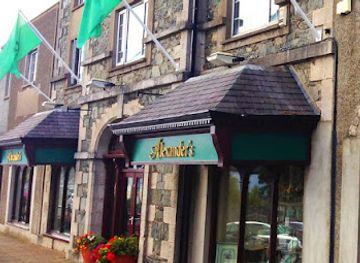
Alexanders of Markethill Gift Store
Discover unique gifts, homewares, and cozy coffee moments at Alexanders of Markethill, your welcoming local lifestyle store.
-
Coffee store
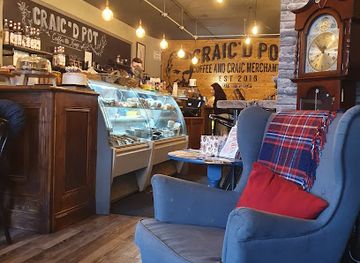
The Craic'd Pot Coffee House
A warm, independent café in Armagh serving locally roasted coffee, homemade treats, and a generous dose of local charm.
-
Discount shop
B&M Store
Affordable variety and convenience meet at B&M Store Armagh, your go-to discount and department store in County Armagh.
-
Shopping Centre
The Mall
Armagh’s vibrant city-centre shopping destination offering diverse retail, essential services, and a welcoming atmosphere for all visitors.
Get your free copy of our complete guide to Armagh, delivered straight to you.
Everything on this page, from attractions and restaurants to essentials and local phrases, in one PDF you can read offline, print or share.
Already have an account? Sign in
Your Armagh guide is ready.
We'll send it to · Not you? Sign out

Getting your guide ready…
We are putting together a fresh copy of the Armagh guide. This can take up to a minute.
This can take a few moments. If your browser asks, choose Allow so the download can start. You'll find the guide in your Downloads folder.
Nothing happened? Download it again
Sorry, the guide is taking longer than usual. Please try again in a minute, or get it by email instead.
Armagh essentials
Currency and Payment
Safety
Emergency Situations
Do's and Don'ts
Local Tips
From Eve
Local phrases worth knowing
You don't need to get them perfect. A few words go a long way, and locals appreciate the effort.
Basics
| English | Local | Say it |
|---|---|---|
| Hello | Hiya | [Hi-yuh] |
| Goodbye | See ya | [See yah] |
| Yes | Aye | [Eye] |
| No | Nah | [Nah] |
| Please/You're welcome | No bother | [No bot-ter] |
| Thank you | Cheers | [Cheers] |
| Excuse me/Sorry | Sorry | [Sorry] |
| How are you? | Howya? | [How-yuh?] |
| Fine. And you? | Grand, and you? | [Grand, and you?] |
| Do you speak English? | Do ya speak English? | [Doo yah speak English?] |
| I don't understand | I don’t get it | [I don’t get it] |
Eating & Drinking
| English | Local | Say it |
|---|---|---|
| I'd like to see the menu, please | Can I see the menu, please? | [Can I see the menu, please?] |
| I don't eat meat | I don’t eat meat | [I don’t eat meat] |
| Cheers! | Cheers! | [Cheers!] |
| I would like to pay, please | Can I get the bill, please? | [Can I get the bill, please?] |
Emergencies
| English | Local | Say it |
|---|---|---|
| Help! | Help! | [Help!] |
| Go away! | Get lost! | [Get lost!] |
| Call the Police! | Call the cops! | [Call the cops!] |
| Call a doctor! | Get a doctor! | [Get a doctor!] |
| I'm lost | I’m lost | [I'm lost] |
| I'm ill | I’m sick | [I'm sick] |
Shopping
| English | Local | Say it |
|---|---|---|
| I'd like to buy... | I want to buy... | [I want to buy...] |
| I'm just looking | Just having a look | [Just havin' a look] |
| How much is it? | How much is that? | [How much is that?] |
| That's too expensive | That's a bit pricey | [That's a bit pricey] |
| Can you lower the price? | Can ya bring it down a bit? | [Can yah bring it down a bit?] |
Time & Numbers
| English | Local | Say it |
|---|---|---|
| What time is it? | What time is it? | [What time is it?] |
| It's one o'clock | It's one o'clock | [It's one o'clock] |
| Half past (10) | Half past ten | [Half past ten] |
| Morning | Morning | [Morning] |
| Afternoon | Afternoon | [Afternoon] |
| Evening | Evening | [Evening] |
| Yesterday | Yesterday | [Yesterday] |
| Today | Today | [Today] |
| Tomorrow | Tomorrow | [Tomorrow] |
| 1 | One | [One] |
| 2 | Two | [Two] |
| 3 | Three | [Three] |
| 4 | Four | [Four] |
| 5 | Five | [Five] |
| 6 | Six | [Six] |
| 7 | Seven | [Seven] |
| 8 | Eight | [Eight] |
| 9 | Nine | [Nine] |
| 10 | Ten | [Ten] |
Transport & Directions
| English | Local | Say it |
|---|---|---|
| Where's a/the...? | Where's the...? | [Where's the...?] |
| What's the address? | What's the address? | [What's the address?] |
| Can you show me (on the map)? | Can ya show me on the map? | [Can yah show me on the map?] |
| When's the next (bus)? | When's the next bus? | [When's the next bus?] |
| A ticket (to ....) | A ticket to... | [A ticket to...] |
History of Armagh
Prehistoric Navan and Emain Macha
Navan Fort, west of Armagh city, is identified with Emain Macha, a major centre in early Irish tradition and one of the principal archaeological sites of Ulster. Excavations have revealed prehistoric occupation and a remarkable Iron Age timber and earth monument that was later deliberately covered. The site’s literary associations with the Ulster Cycle of heroic tales helped preserve its importance in cultural memory, while the archaeology demonstrates that the hill was significant long before the Christian city of Armagh developed.
The Foundation of Armagh’s Christian Centre
Armagh became a leading ecclesiastical centre in the early medieval period, traditionally connected with Saint Patrick, who is said to have founded a church there in the fifth century. Its primatial status gave the settlement influence far beyond its size, and monasteries, churches and scholarly activity helped make it an important religious centre in Ireland. Although the medieval buildings have largely disappeared or been replaced, the city’s cathedral tradition and street plan continue to reflect this long ecclesiastical significance.
Medieval Ulster and Armagh
During the medieval period, Armagh stood within a contested political landscape shaped by Gaelic lordships, ecclesiastical authority and the ambitions of Anglo-Norman and later English administrations. The wider county contained important routes between central Ulster and the borderlands, while religious institutions remained major landowners and cultural centres. Warfare, dynastic rivalry and changing authority affected settlement patterns, but Armagh’s religious reputation endured through periods of political instability.
The Plantation and the Shaping of County Armagh
Seventeenth-century settlement transformed the region as English and Scottish settlers arrived under the Plantation of Ulster and new towns, estates and religious communities developed. Armagh’s location made it part of a wider zone of tension between established Gaelic interests, settlers and the administrative ambitions of the English Crown. The county’s later mix of communities, landholding patterns and town development was influenced by these changes, as well as by conflict during the 1640s and the political upheavals that followed.
Georgian Armagh and the Primatial City
Armagh acquired much of its present architectural character during the eighteenth century, when Archbishop Richard Robinson helped remodel it as a dignified ecclesiastical and civic centre. His legacy includes the public library, observatory, tree-lined avenues and improvements to the cathedral precincts. The city’s Georgian planning was not simply decorative: it reinforced Armagh’s role as the Anglican ecclesiastical capital of Ireland while creating institutions that still serve as major visitor landmarks.
Canals, Linen and Industrial Change
From the eighteenth and nineteenth centuries, waterways, roads and railways connected Armagh’s agricultural hinterland with larger markets. The Newry Canal, completed in the eighteenth century, helped move goods between the interior and the port of Newry, while linen manufacturing became important in towns such as Lurgan and Portadown. Rail connections later strengthened links with Belfast and Dublin. Industrialisation altered employment and townscapes, although farming and horticulture remained central to the county’s economy.
Partition, Conflict and Peace
The partition of Ireland in 1921 placed Armagh within Northern Ireland, while the twentieth century brought political division, economic change and, from the late 1960s, the violence known as the Troubles. The region, particularly southern Armagh and border districts, experienced serious disruption and loss. The peace process and the 1998 Belfast Agreement transformed the political context, though the legacy of conflict remains part of local history. Contemporary travel is generally straightforward, but visitors should approach this past with care and respect.
Armagh in Photos
Browse through our photo collection highlighting the charm and character of the destination.
Neighbouring regions of Armagh
The closest regions to Armagh, if you have time for more than one.
-
-

-

-

-


Swipe for more regions
Explore more

Explore more of United Kingdom
Discover the United Kingdom: A blend of rich history, stunning landscapes, and vibrant cities, offering a unique travel experience for every visitor.
Explore United Kingdom