Albert Memorial Clock, Belfast Travel Guide
Belfast’s iconic leaning Victorian clock tower, blending Gothic grandeur with rich industrial heritage and local character.
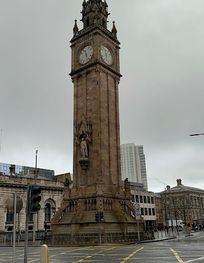
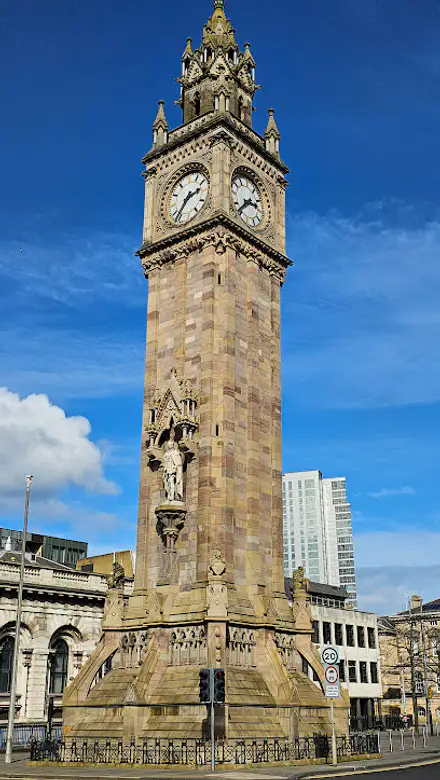
The Albert Memorial Clock, completed in 1869, is a striking Gothic-style clock tower in Belfast’s Queen’s Square. Built to honor Prince Albert, consort to Queen Victoria, it stands 34 metres tall and is famous for its distinctive lean caused by marshy ground beneath. This iconic monument, richly decorated with statues and heraldic details, marks the edge of the Cathedral Quarter and embodies Belfast’s rich industrial heritage and Victorian grandeur.
A brief summary to Albert Memorial Clock
- 17 Queen's Square, Belfast, BT1 3FF, GB
- Duration: 0.5 to 1.5 hours
- Free
-
 Outdoor
- Mobile reception: 4 out of 5

Know before you go
Hi, I'm Eve. Here are a few practical things to know before exploring Albert Memorial Clock.
- Visit during daylight hours for the best views and photo opportunities of the clock’s intricate Gothic details.
- Explore the surrounding Cathedral Quarter to experience Belfast’s vibrant arts, dining, and nightlife scene.
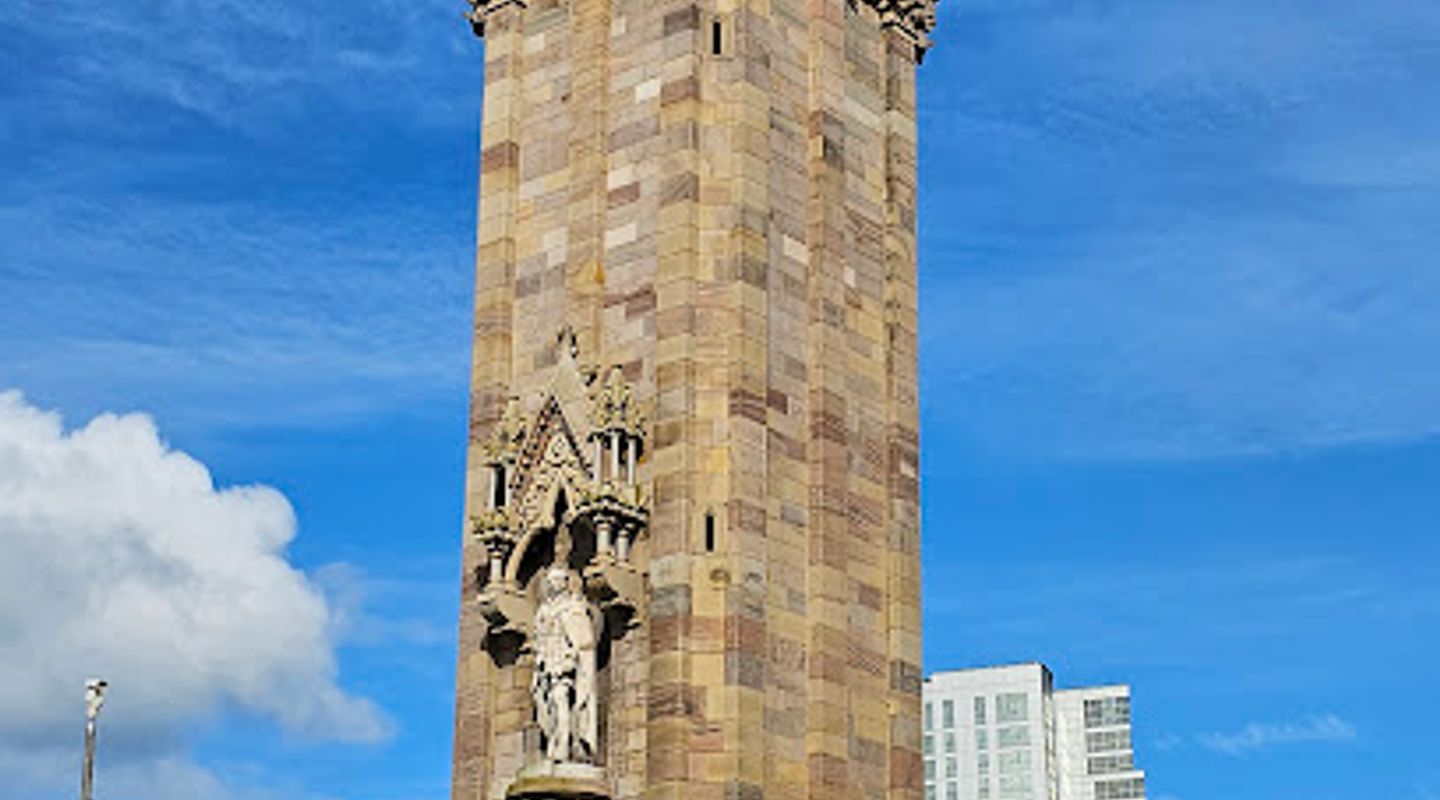
- Look for the statue of Prince Albert in the robes of a Knight of the Garter on the western side of the tower.
- Combine your visit with a walk to the nearby Big Fish sculpture to learn about Belfast’s maritime heritage.
Do you manage this location?
Take control to get all the benefits, like improved information, better appearance, and stronger visibility across AI-powered discovery. Learn more about listing your business on Evendo
Activate your presenceOther nearby places you may find interesting
The closest places of the same kind, if this one is not quite what you had in mind.
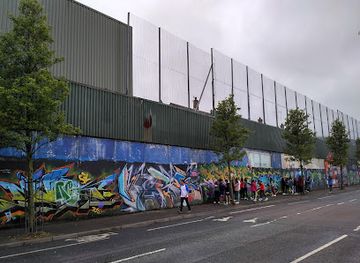
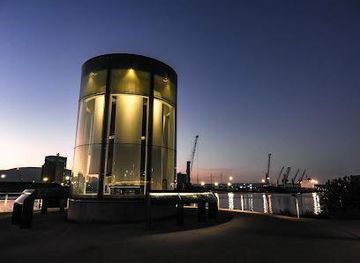
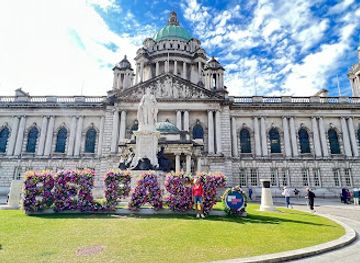
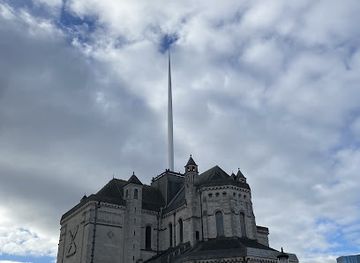
Explore Albert Memorial Clock on the Map
A handpicked selection of must-see spots near Albert Memorial Clock, mapped for you.
Unlock the Best of Albert Memorial Clock
Buy tickets
-
No tickets available
Book tours with entry


Getting There
-
Bus
Take the Metro bus routes 8A or 8B from Belfast city center, with a journey time of approximately 10-15 minutes. Buses run frequently every 10-20 minutes. Alight at Queen’s Square stop near the Albert Clock. Tickets cost around £2.50-£3.50 one way.
-
Train
From Belfast Central or Great Victoria Street stations, walk about 15 minutes to Queen’s Square. Trains run regularly from surrounding areas to these stations. Walking route is flat and accessible.
-
Taxi
A taxi ride from Belfast city center to the Albert Memorial Clock takes about 5-10 minutes depending on traffic, costing approximately £5-£8. Taxis are widely available but may be limited during peak hours.
For the on-the-go comforts that matter to you
-
 Seating Areas
-
 Information Boards
Discover more about Albert Memorial Clock
A Regal Tribute in Gothic Splendour
The Albert Memorial Clock was erected between 1865 and 1869 as a memorial to Prince Albert, husband of Queen Victoria, who died in 1861. Designed by local architect William J. Barre, the tower showcases an eclectic mix of Early French and Italian Gothic styles, featuring flying buttresses, heraldic lions, and intricate carvings. A life-sized statue of Prince Albert, sculpted by Samuel Ferris Lynn, stands prominently on the western side, dressed in the robes of a Knight of the Garter, gazing towards the River Lagan.The Leaning Tower of Belfast
Built on reclaimed marshland near the River Farset, the Albert Clock began to lean soon after completion due to unstable wooden foundations unable to fully support its 2,000-tonne weight. By the early 20th century, the lean was so pronounced—about 1.25 metres off vertical—that parts of the tower’s decoration were removed for safety. Despite this, the clock remained a beloved city landmark, affectionately nicknamed Belfast’s answer to the Leaning Tower of Pisa. A major restoration in 2002 stabilized the lean and repaired weather and traffic damage, preserving the tower’s historic charm.A Witness to Belfast’s Changing Times
Over its 150+ years, the Albert Memorial Clock has stood through Belfast’s industrial boom, the Troubles, and the city’s modern renaissance. Originally marking the gateway to the bustling docks, it now anchors the vibrant Cathedral Quarter, an area known for arts, music, and nightlife. The square around the clock has transformed from a once-notorious red-light district to a welcoming public space with trees, fountains, and sculptures. The clock tower has also served as a traditional meeting point for locals, including New Year’s Eve celebrations.Engineering and Timekeeping Innovations
The clock mechanism was manually wound twice a year, requiring a climb of 140 steps, until the year 2000 when it was electrified, bringing it into the modern era. The tower’s lean once affected the pendulum’s swing, causing timing inaccuracies, but restoration efforts have improved its reliability. The bell and clock, weighing two tonnes, continue to chime accurately, symbolizing Belfast’s blend of heritage and progress.Surrounding Environment and Cultural Context
Queen’s Square, where the Albert Clock stands, is built on the historic site of the River Farset’s ford—the origin point of Belfast itself. Though the river is now covered, its legacy lives on in the city’s name and landmarks like the nearby Big Fish sculpture, which celebrates Belfast’s maritime history and industries such as shipbuilding and linen production. The clock tower’s location at the edge of the Cathedral Quarter places it amid a lively district filled with pubs, restaurants, and cultural venues.A Photographic and Iconic Symbol
The Albert Memorial Clock remains one of Belfast’s most photographed and recognizable landmarks. Its distinctive lean and ornate Victorian design make it a popular subject for visitors capturing the city’s character. Whether admired from the bustling streets or as part of a cultural tour, the clock tower offers a tangible connection to Belfast’s past and present.












Your all‑in‑one travel companion app
Explore expert travel guides, compare and book tours, experiences, hotels, and more—all from the palm of your hand. Download now for seamless trip planning wherever your wanderlust takes you.


Explore More of Belfast
Looking beyond Albert Memorial Clock? Discover Belfast for broader travel guides, local hot-spots, and regional highlights.
Explore Belfast