
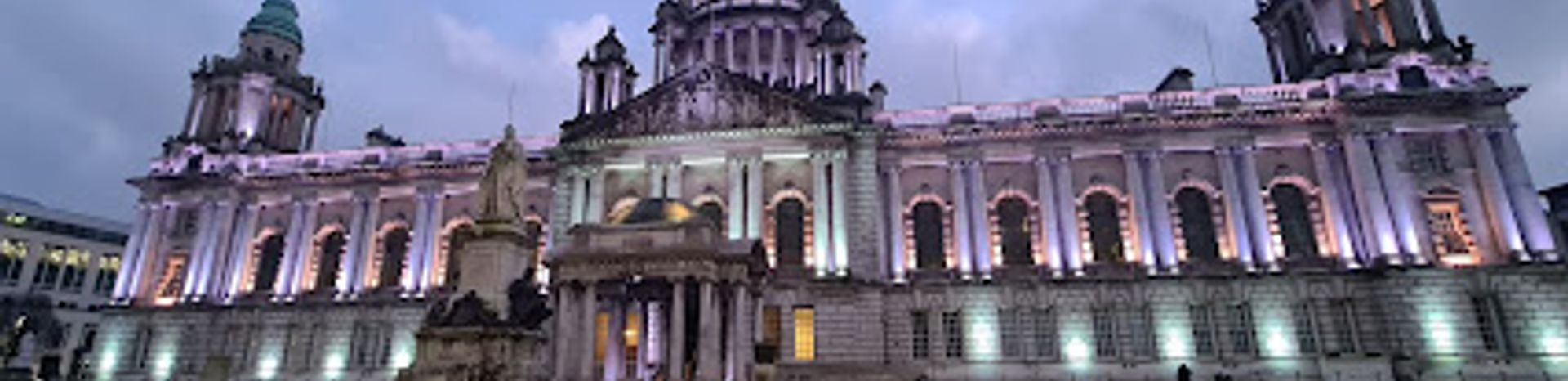
Belfast City Hall
Baroque Revival masterpiece and civic heart of Belfast, where industrial heritage meets contemporary culture.
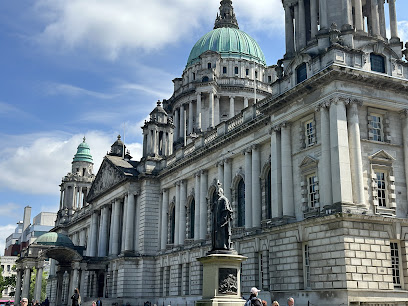
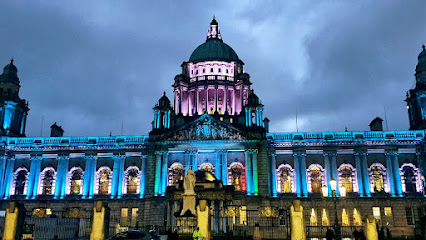
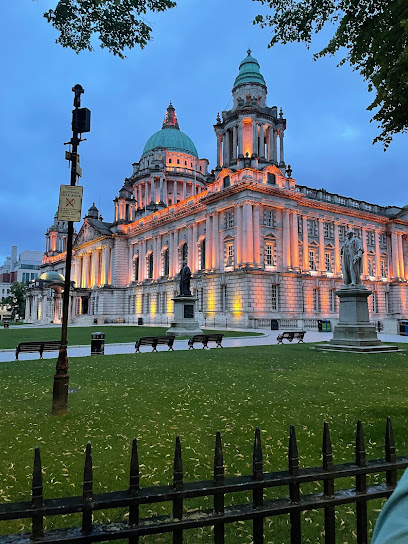
Belfast City Hall stands as the civic heart of Northern Ireland's capital, a magnificent Baroque Revival structure completed in 1906 with its distinctive copper dome visible across the city. Built from Portland stone during Belfast's industrial golden age, the building showcases ornate interiors featuring marble staircases, hand-carved woodwork, and stained-glass windows that tell the story of the city's heritage. Visitors can explore the building's grand rooms through guided tours, visit the 16-room visitor exhibition, relax in the Bobbin Coffee Shop, or stroll the manicured grounds featuring memorials including the Titanic Memorial Garden.
A brief summary to Belfast City Hall Tours
- City Hall, Belfast, Belfast, BT1 5GS, GB
- +442890270456
- Visit website
- Duration: 1.5 to 3 hours
- Budget
-
 Mixed
Mixed
- Mobile reception: 5 out of 5
Local tips
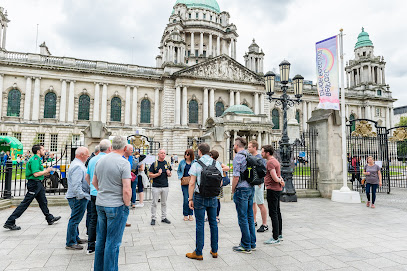
- Arrive 15 minutes early for guided tours, which operate on a first-come, first-served basis. Tours last 45–50 minutes and provide access to rooms normally closed to the public, including the Council Chamber and Mayor's Parlour.
- Visit during off-peak times (9:30–11:00 AM or 3:00–5:00 PM) for a quieter experience. A quiet room is available upon request for visitors who need a calmer environment.
- Combine your visit with the 16-room visitor exhibition, which uses interactive displays and multilingual audio guides to explore Belfast's history from industry to innovation.
- Plan your visit around the building's evening illumination schedule, which changes colours for seasonal events and special occasions, creating striking photo opportunities.
- Check the Christmas Market schedule if visiting between mid-November and December, as ground access times differ during this period and the atmosphere transforms with festive decorations and vendors.

For the on-the-go comforts that matter to you
- Restrooms
- Drink Options
- Drinking Water
- Food Options
- Seating Areas
- Sheltered Areas
- Picnic Areas
- Trash Bins
- Information Boards
- Visitor Center
Getting There
-
Bus
Multiple bus routes serve Donegall Square in the city centre. Journey times from Belfast Central Station are approximately 10–15 minutes depending on traffic and route. Translink operates the local bus network with frequent services throughout the day. Fares are typically £1.50–£2.50 for single journeys within the city centre zone. Buses run regularly Monday to Sunday, with reduced services on Sundays and bank holidays.
-
Walking
City Hall is centrally located and easily accessible on foot from most city-centre attractions. From Belfast Central Station, the walk takes approximately 10–12 minutes via Queen Street and Donegall Place. From St George's Market, it is a 5-minute walk. The route is flat, well-paved, and clearly signposted. All entry points to Donegall Square are accessible without steps.
-
Taxi
Licensed taxis are readily available throughout Belfast city centre. Journey times from Belfast Central Station are approximately 5–8 minutes depending on traffic. Typical fares range from £6–£10. Taxis can be hailed on the street, booked by phone, or arranged through ride-hailing apps. The building has a taxi rank nearby on Donegall Square.
-
Train
Belfast Central Station is the main railway hub, located approximately 0.5 km south of City Hall. The walk takes 10–12 minutes. Alternatively, take any city-centre bus service from the station (journey time 5–10 minutes). Train services connect Belfast to other parts of Northern Ireland and the Republic of Ireland. Ticket prices vary by destination and advance booking.
Belfast City Hall Tours location weather suitability
-
 Any Weather
-
 Clear Skies
-
 Cold Weather
-
 Mild Temperatures
Discover more about Belfast City Hall Tours
A Monument to Belfast's Industrial Legacy
Belfast City Hall was completed in 1906 on the site of the former White Linen Hall, marking the pinnacle of Belfast's status as a global industrial powerhouse. Designed by architect Sir Alfred Brumwell Thomas, the building was constructed from distinctive Portland stone at a cost of £369,000—equivalent to over £128 million in modern currency. The structure emerged during the height of Belfast's dominance in linen production, when the city earned the nickname "Linenopolis" and led the world in textile manufacturing. This grand civic building became a physical embodiment of the city's prosperity and ambition, standing as a testament to the wealth and confidence of the era.Architectural Splendour and Interior Treasures
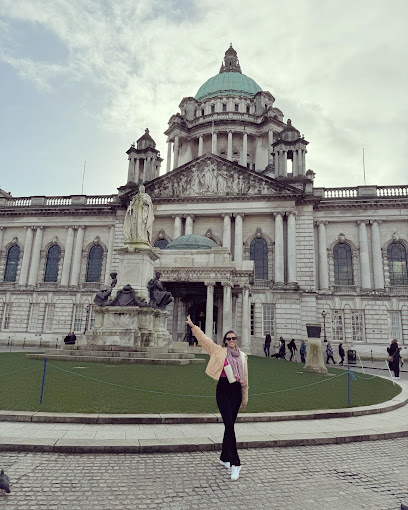
The building's exterior commands attention with its iconic copper dome, four corner towers, and elegant Portland stone façade featuring columns, arches, and a classical pediment. Inside, the opulence is immediately apparent. Visitors ascending the Grand Staircase encounter Italian and Greek marble cladding in the Rotunda, where the John Luke mural and the famous Whispering Gallery high in the central dome captivate the eye. The Council Chamber features Irish-oak panelling and remains the meeting place of Belfast's 60 elected city council members. Throughout the building, hand-carved woodwork, hand-woven silk and wool carpets, and an extraordinary collection of stained-glass windows create an atmosphere of refined grandeur. Each window tells part of Belfast's story—themes of industry, peace, hardship, and remembrance are woven into the glass.Living History and Civic Significance
Beyond its architectural magnificence, City Hall carries profound historical weight. The building hosts an annual unveiling of Lord Mayor portraits, creating a visual chronicle of civic leadership. One portrait remains deliberately unrestored—a poignant memorial to the damage inflicted during the Blitz of 1941, when German bombing devastated much of Belfast and claimed many lives. The Council Chamber displays two royal thrones used by King George V and Queen Mary during the state opening of the Parliament of Northern Ireland in June 1921, connecting the building to pivotal moments in Irish political history. Today, City Hall continues as the working headquarters of Belfast City Council while simultaneously functioning as a cultural institution and event venue.Exploring the Visitor Experience
The 16-room visitor exhibition presents Belfast's evolution from its industrial roots to contemporary innovation, with themed and interactive displays exploring the city's political movements, manufacturing heritage, the impact of the Blitz, local culture, street games, and notable figures from arts, sports, and science. Audio guides are available in eight languages—English, Irish, Ulster-Scots, French, German, Spanish, Mandarin, and Polish—allowing international visitors to engage deeply with the narratives. The Bobbin Coffee Shop, located in the east wing, provides refreshments while supporting a social enterprise that offers training and employment opportunities for people with learning disabilities and autism. The gift shop offers souvenirs ranging from books and ceramics to branded merchandise.The Grounds and Memorials
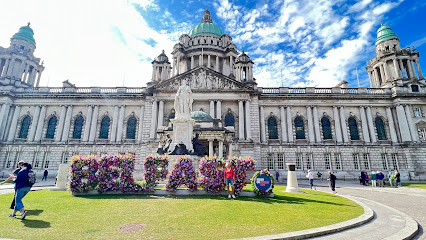
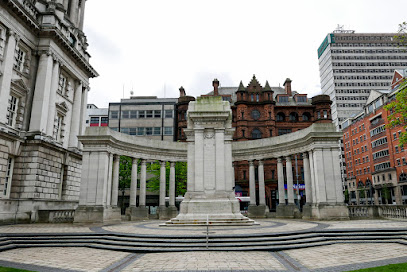
The City Hall grounds form the primary green space in Belfast's city centre, featuring manicured lawns, sculptures, and several significant memorials. The Titanic Memorial Garden honours those who perished when the ill-fated ship sank in 1912—a poignant reminder of Belfast's shipbuilding heritage. The Cenotaph and Garden of Remembrance pay tribute to those who died in conflict. Throughout the year, the grounds host continental markets, open-air concerts, and community events. During the festive season, the Christmas Market transforms the space from mid-November through December, creating a vibrant seasonal atmosphere. The grounds are accessible from multiple entry points around Donegall Square and serve as a gathering place for both locals and visitors.Seasonal Illumination and Year-Round Appeal
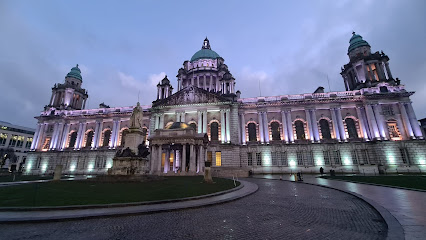
The building's copper dome and façade are illuminated at night, typically in white but changing colours for special occasions including Valentine's Day, St. Patrick's Day, Christmas, and other significant events. This lighting schedule adds visual drama to the cityscape and provides photographers with compelling opportunities. Whether visiting during the bright daylight hours to admire architectural details or returning at dusk to see the building illuminated against the evening sky, City Hall presents different facets of its character throughout the day and across seasons.Iconic landmarks you can’t miss

Belfast City Hall Tours
0.0 km
Baroque Revival masterpiece and civic heart of Belfast, where industrial heritage meets contemporary culture.
Frederick Temple Memorial
0.0 km
A striking bronze tribute to Lord Dufferin, reflecting Belfast’s imperial heritage and the legacy of a renowned British diplomat.
DC Tours - Belfast Walking Tours
0.1 km
Explore Belfast's rich history and vibrant culture with DC Tours, your premier walking tour agency for unforgettable sightseeing experiences.
Giant's Causeway Experiences
0.1 km
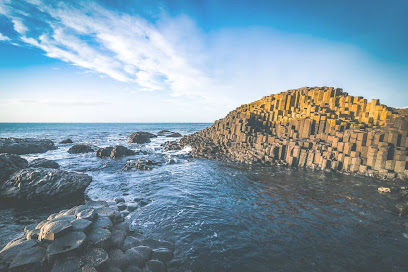
Discover the breathtaking beauty and rich mythology of Giant's Causeway, a UNESCO World Heritage Site in Northern Ireland, through guided tours and immersive experiences.
Mary Ann McCracken statue
0.1 km
Bronze monument to an abolitionist, feminist pioneer, and social reformer who stood for justice across three centuries.
If Buildings Could Talk - Belfast Walking Tour
0.1 km
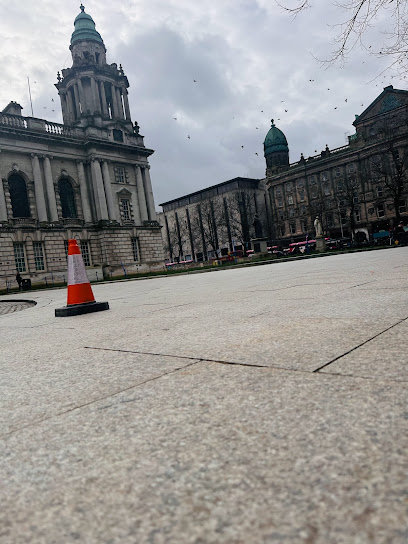
Belfast’s grand civic heart, where Edwardian architecture meets city history in Donegall Square’s green heart.
Donegall Square N & Donegall Square W
0.1 km
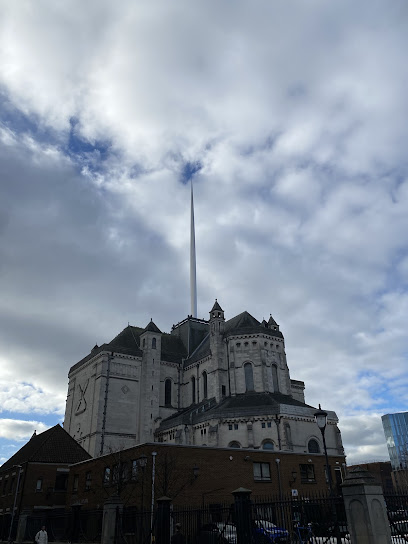
Belfast's grand civic square, where Victorian architecture frames the city's industrial heritage and maritime history.
Belfast Free Walking Tour
0.1 km
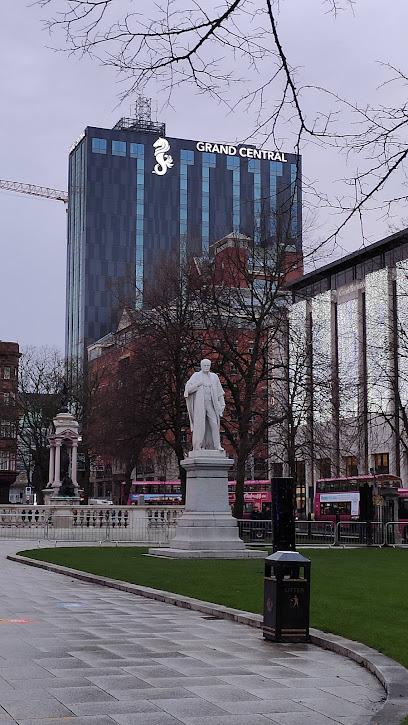
Discover the heart of Belfast with a free walking tour that unveils the city's history, culture, and hidden gems through the eyes of local guides.
Treasure Trails
0.1 km
Explore Belfast like never before with Treasure Trails, an interactive treasure hunt that uncovers the city's hidden gems and rich history.
The Back Of Boots
0.2 km
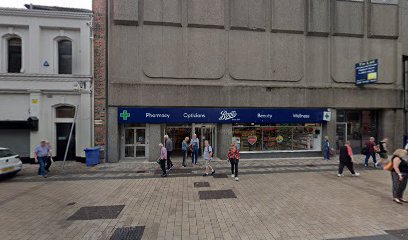
Discover the serene ambiance of The Back Of Boots in Belfast, a pilgrimage site steeped in history and spiritual significance.
Castle Buildings
0.3 km
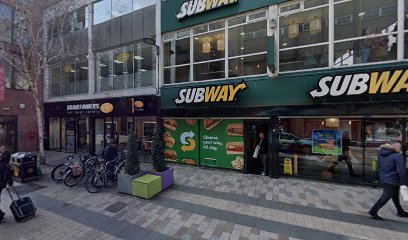
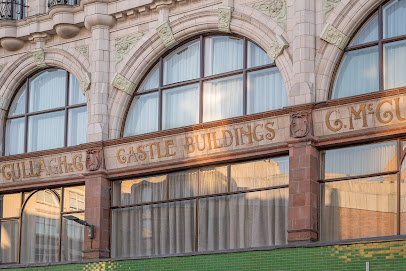
Discover the architectural beauty and modern comforts of the Castle Buildings in Belfast, a perfect stay for any traveler.
Numbers' Wall
0.5 km
A burst of colorful numbers and symbols celebrating Belfast's vibrant contemporary street art scene.
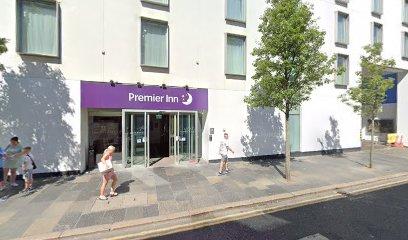
2-6 Waring St
0.5 km
Victorian banking masterpiece transformed into luxury hospitality on Belfast's historic mercantile street.
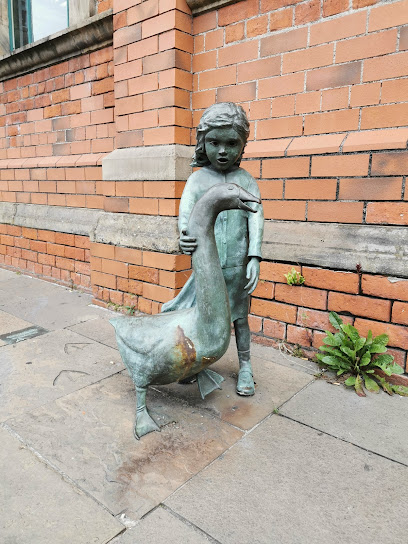
Alec the Goose
0.5 km
A bronze tribute to a beloved 1920s goose who walked schoolchildren to school in East Belfast.
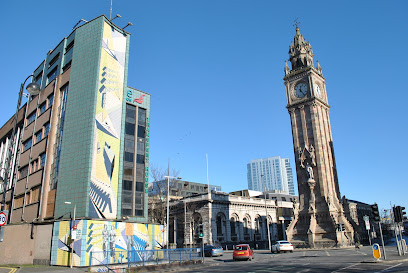
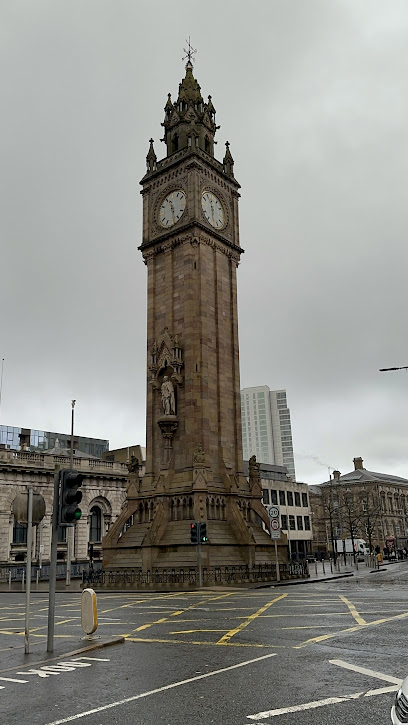
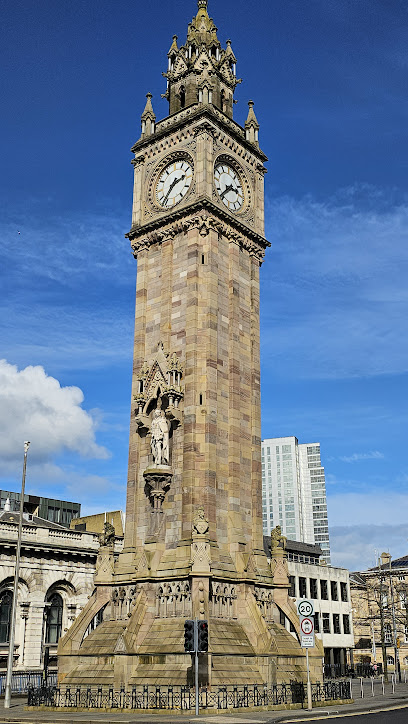
Albert Memorial Clock
0.6 km
Belfast’s iconic leaning Victorian clock tower, blending Gothic grandeur with rich industrial heritage and local character.
Unmissable attractions to see

Belfastology Walking Tours
0.0 km
Discover Belfast through the passionate eyes of locals who know every corner, story, and hidden gem.
Walking Tours Belfast
0.0 km
Expert-led walking tours of Belfast's history, culture, and urban landscape by Blue Badge qualified local guides.
City Hall Garden of Remembrance
0.1 km
A tranquil memorial garden honouring those who gave their lives for Irish freedom, nestled in Belfast's historic city centre.
Front of Belfast City Hall
0.1 km
Experience Belfast’s iconic Baroque Revival masterpiece and vibrant civic heart at the stunning Front of City Hall.
The Titanic Memorial Garden
0.1 km
A serene and symbolic garden beside Belfast City Hall honoring all who lost their lives on the RMS Titanic with a striking memorial and evocative plantings.
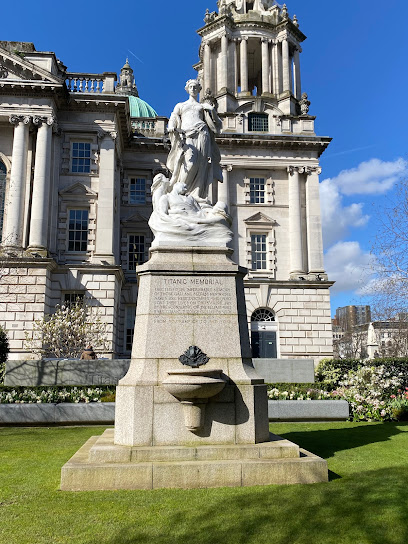
Memorial to World War I and II soldiers
0.1 km
A solemn Portland stone cenotaph in Belfast’s Donegall Square honoring the heroic sacrifices of World War I and II soldiers.
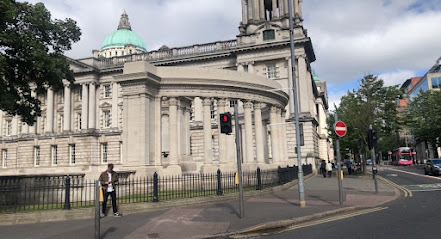
Hop On Hop Off Belfast Bus
0.1 km
Discover Belfast’s vibrant history and culture at your own pace with an open-top hop-on hop-off bus tour featuring live guides and panoramic city views.
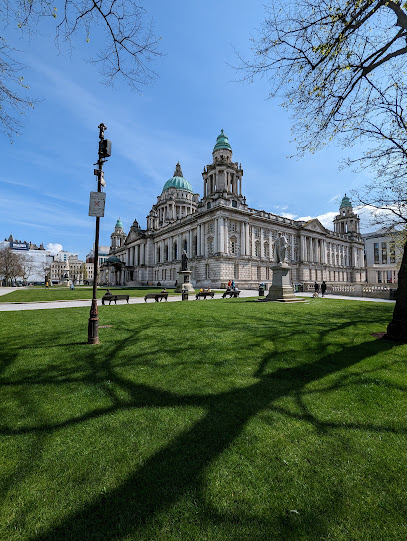
Donegall Square W
0.1 km
Historic heart of Belfast featuring City Hall, iconic architecture, the Titanic Memorial, and stories of commerce and heritage.
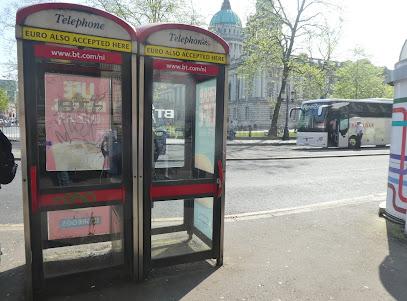
Belfast City Sightseeing
0.1 km
Discover Belfast’s heritage and vibrant culture aboard an open-top hop-on hop-off bus with live guides and flexible 1- or 2-day tickets.
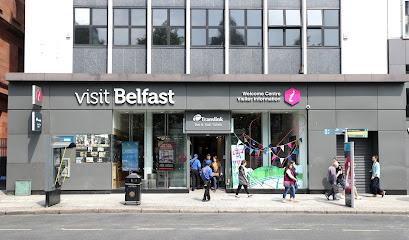
Visit Belfast
0.1 km
Your essential first stop in Belfast city centre for expert travel advice, tickets, maps, and local insights opposite City Hall.
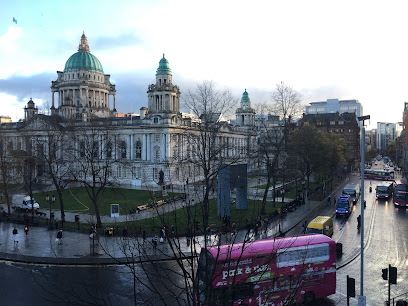
The Linen Hall
0.1 km
Belfast's independent cultural sanctuary housing rare collections, world-class exhibitions, and mythology-inspired café.
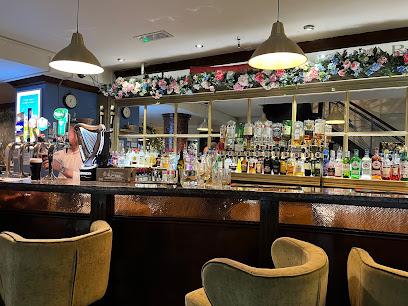
Queen's Café Bar
0.2 km
Experience the vibrant atmosphere and delicious grill offerings at Queen's Café Bar, the ultimate dining and nightlife destination in Belfast.
Queen's Arcade
0.2 km
Belfast’s only Victorian shopping arcade, where historic charm meets luxury boutiques and timeless elegance in the heart of the city.
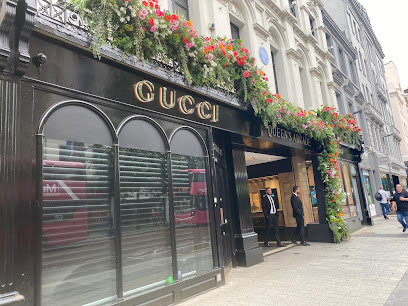
Philly Pump / The Allotment
0.2 km
Innovative vegan and vegetarian bistro in Belfast offering fresh, locally sourced plant-based dishes in a welcoming, sustainable setting.
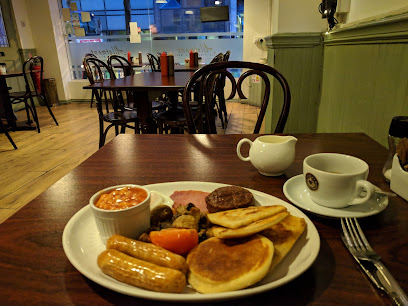
Royal Ulster Rifles Regimental Museum
0.2 km
Explore the rich military history of Northern Ireland at the Royal Ulster Rifles Regimental Museum, a captivating tribute to bravery and sacrifice.
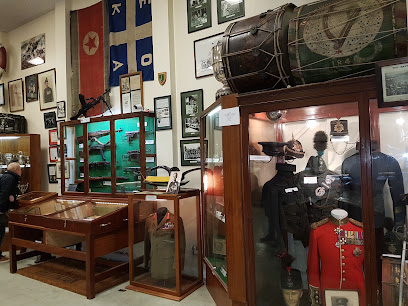
Essential places to dine

Parisien
0.1 km
Chic French brasserie in Belfast with elegant interiors, classic cuisine, and a terrace overlooking City Hall.
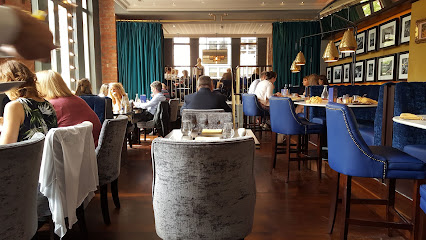
Coco
0.1 km
A quirky, stylish bistro in Belfast’s Linen Quarter serving creative dishes with attentive service in a vibrant atmosphere.
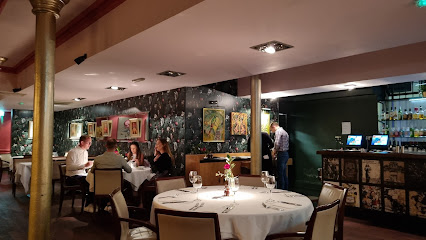
The Chubby Cherub
0.1 km
Authentic Italian flavors and cozy Mediterranean charm combine at The Chubby Cherub, a beloved Belfast restaurant for every occasion.
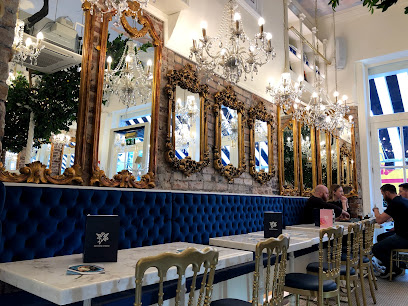
Yügo
0.2 km
Discover Yügo’s vibrant pan-Asian small plates in Belfast’s stylish industrial setting, perfect for sharing bold, creative flavors.
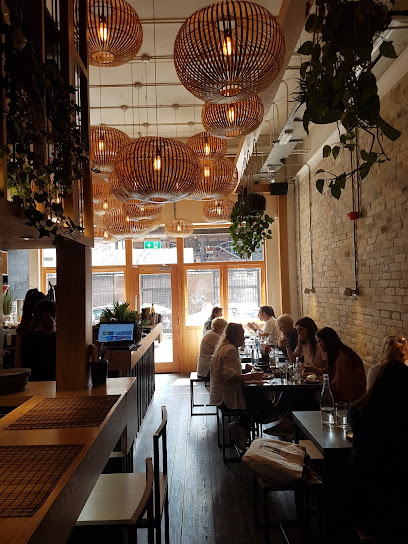
The Rusty Saddle
0.2 km
Experience the best grilled dishes at The Rusty Saddle in Belfast - where flavor meets atmosphere in a delightful dining experience.
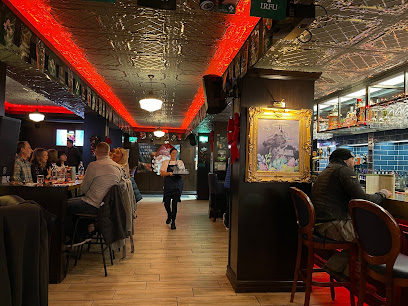
AMPM Restaurant
0.2 km
Eclectic bohemian dining in Belfast city centre with seasonal modern European cuisine and vibrant atmosphere for all occasions.
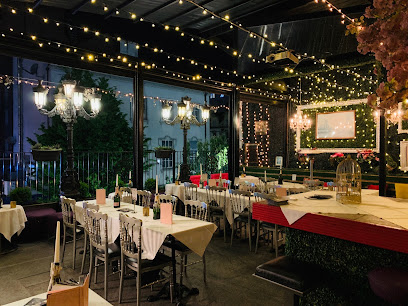
Home Restaurant
0.2 km
A modern European dining spot in Belfast offering fresh, local flavors with vegan and gluten-free options in a cozy, lively atmosphere.
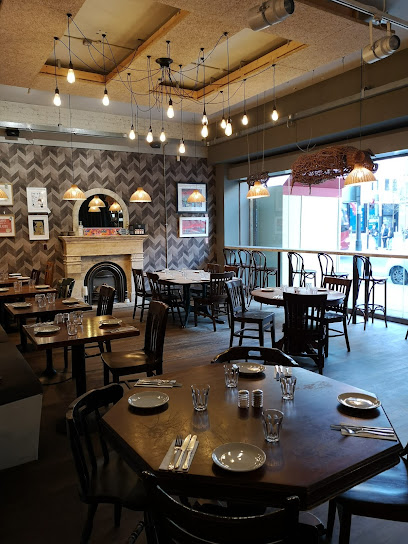
Deanes EIPIC
0.2 km
Michelin-starred modern European dining in Belfast’s city centre, blending innovation, local ingredients, and elegant atmosphere.
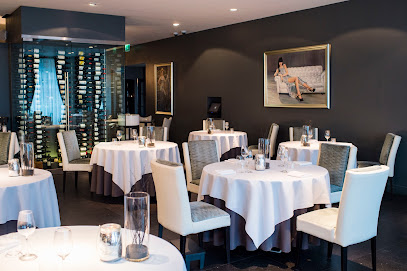
Stix and Stones City Centre
0.2 km
Interactive steakhouse where you cook premium beef on heated stones at your table in vibrant Belfast.
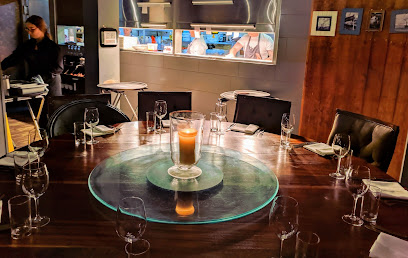
Roam
0.2 km
Discover Roam, Belfast’s intimate Irish restaurant blending classic flavors with modern flair in a stylish, welcoming setting.
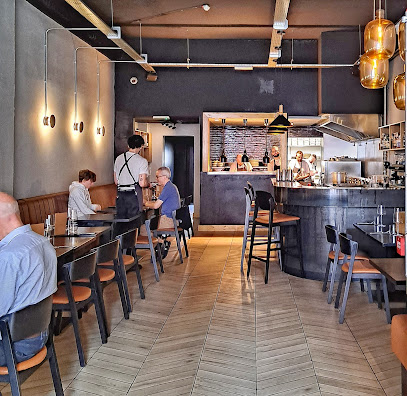
EDO Restaurant
0.2 km
Discover the best of modern European tapas at EDO Restaurant in Belfast - where flavor meets creativity.
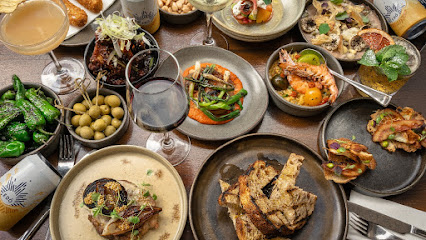
JAMES ST
0.2 km
Experience Belfast’s finest chargrilled steaks and warm hospitality in a stylish yet relaxed setting at James St.
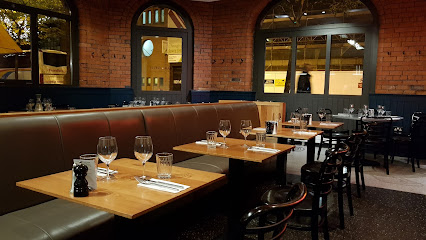
Flame
0.2 km
Savor expertly crafted steaks and Asian fusion dishes in a stylish, welcoming Belfast city center setting with curated cocktails and elegant ambiance.

Actons restaurant
0.3 km
Belfast's premier gluten-free dining destination with exceptional Irish cuisine and dedicated celiac protocols.
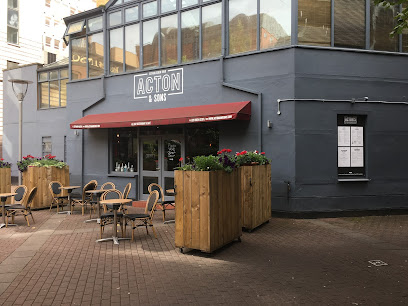
Jumon
0.3 km
Vibrant South Asian vegetarian cuisine with bold flavours and a lively atmosphere in the heart of Belfast.
Markets, malls and hidden boutiques

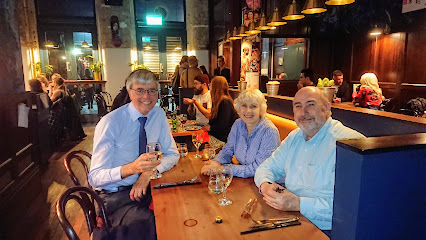
Carrolls Irish Gifts Belfast - Donegall Place
0.1 km
Discover authentic Irish culture and unique souvenirs at Carrolls Irish Gifts, a vibrant shop in Belfast’s bustling Donegall Place.
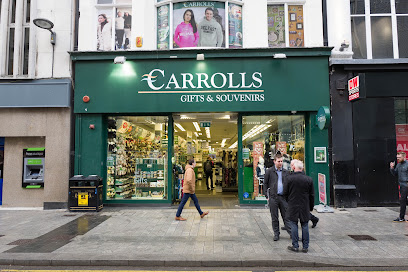
Norn Irish Gift Shop
0.1 km
Explore the heart of Irish culture at Norn Irish Gift Shop in Belfast, where unique souvenirs and artisan crafts await every traveler.
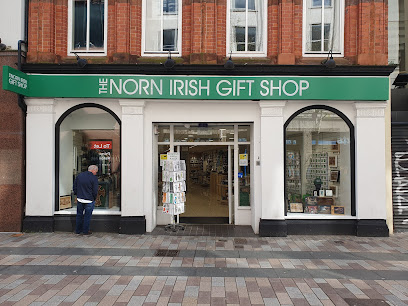
Little Heart
0.2 km
Discover heartfelt wire art and whimsical keepsakes in Belfast's sole Victorian arcade—a boutique gem blending heritage charm with personal creativity.
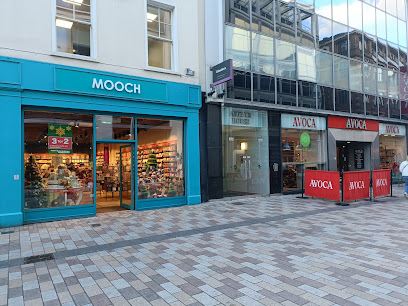
Mooch Belfast - Arthur Street
0.2 km
Discover Belfast's creative heart at Mooch: unique local crafts, handmade treasures, and artisan gifts that bring Northern Ireland home with you.
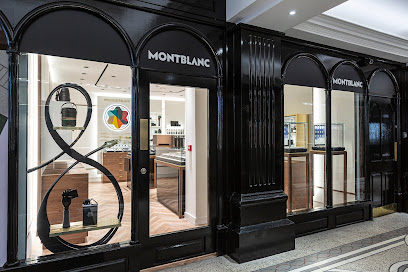
Montblanc Boutique Belfast
0.2 km
German luxury craftsmanship in Belfast's Victorian arcade—where timeless elegance meets artisanal mastery.
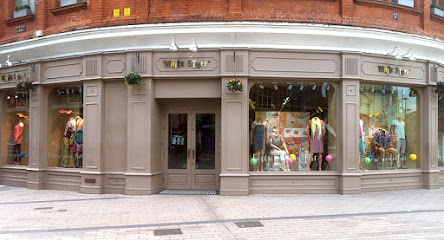
White Stuff Belfast
0.3 km
Discover stylish, sustainable fashion for all ages at White Stuff Belfast, where quality meets conscious design in the city centre.
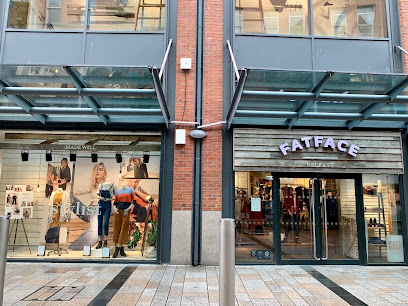
FatFace
0.3 km
Alpine-inspired casual wear and outdoor lifestyle fashion in Belfast's premier shopping destination.
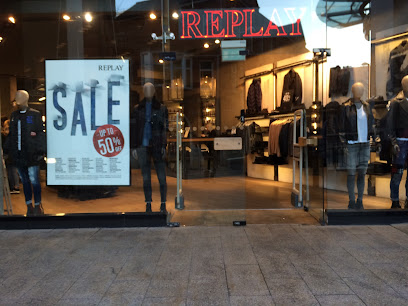
Replay Store Belfast
0.3 km
Discover stylish Italian-designed denim and casual wear at Replay Store Belfast, nestled in the vibrant Victoria Square shopping center.
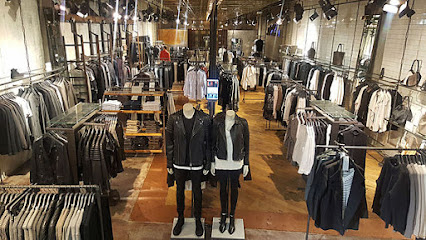
AllSaints
0.3 km
Discover edgy, contemporary fashion and premium leather goods at AllSaints Belfast in Victoria Square, a stylish destination for modern wardrobe essentials.
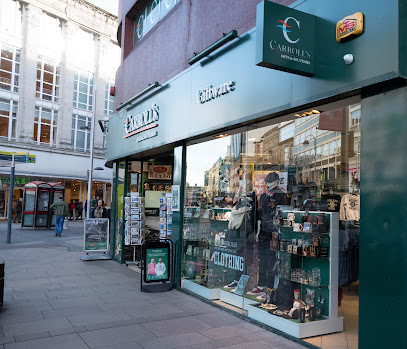
Carrolls Irish Gifts - Belfast
0.3 km
Discover authentic Irish treasures at Carrolls Irish Gifts in Belfast's bustling Castle Place—a shopper's haven for Claddagh rings, Aran knits, Guinness gear, and gourmet hampers evoking the Emerald Isle's timeless charm.
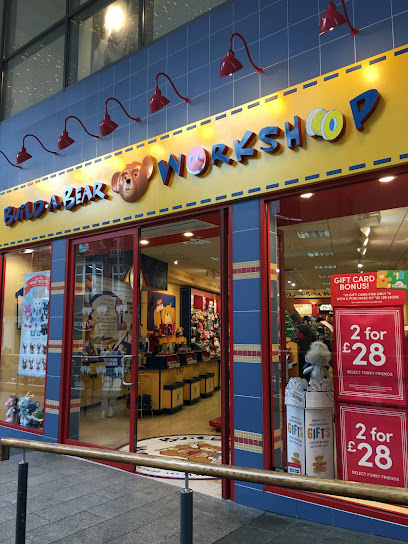
Build-A-Bear Workshop
0.3 km
Create your own stuffed friend in an interactive workshop experience at Belfast's Victoria Square.
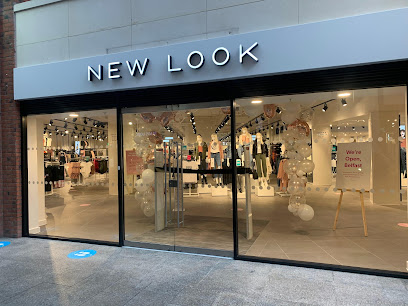
New Look
0.3 km
Contemporary fashion retail in Belfast's premier shopping destination with extended hours and convenient services.
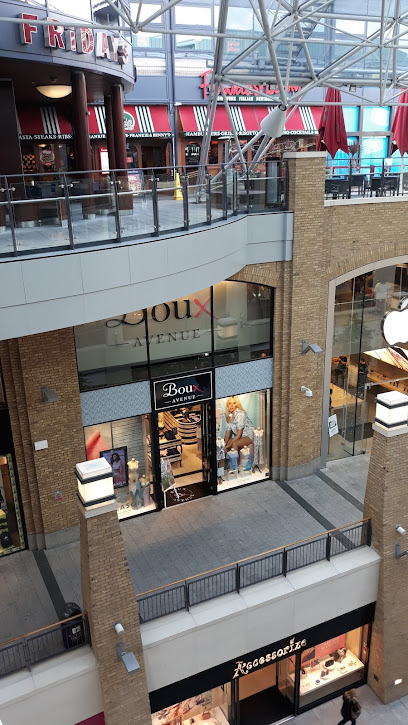
Boux Avenue
0.3 km
Discover affordable luxury lingerie and expert fittings in the heart of Belfast’s vibrant Victoria Square.
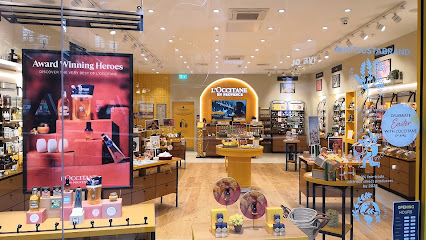
L'OCCITANE EN PROVENCE
0.4 km
Experience the natural beauty and timeless elegance of Provence at L'OCCITANE in Belfast’s vibrant Victoria Square.
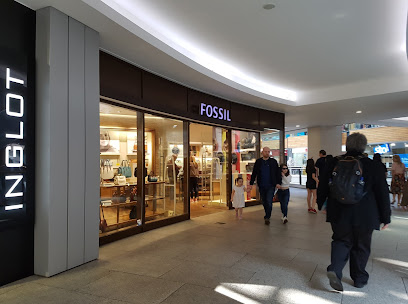
Fossil Store Belfast
0.4 km
Discover timeless American vintage-inspired watches and accessories in the heart of Belfast’s vibrant Victoria Square.
Essential bars & hidden hideouts

Margot
0.1 km
Discover Margot, a lively cocktail bar in Belfast, renowned for its crafted cocktails, vibrant atmosphere, and live music performances.
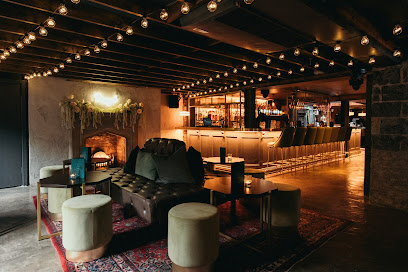
The Broken shaker Belfast
0.1 km
A vibrant Caribbean-inspired cocktail bar in Belfast’s city center, known for creative drinks and lively late-night energy.
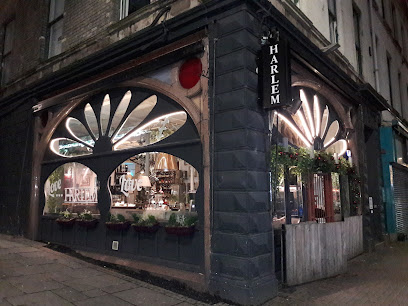
Revolución de Cuba Belfast
0.2 km
Experience the vibrant spirit of Havana with Cuban cocktails, tapas, live salsa, and a stunning Art Nouveau setting in the heart of Belfast.
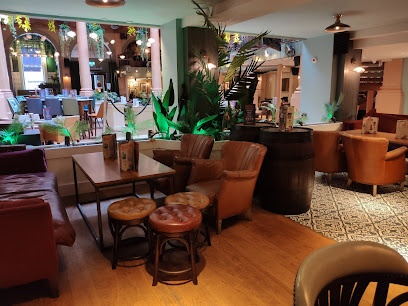
The Garrick
0.2 km
Authentic Victorian charm meets lively traditional music and hearty food in Belfast’s beloved Garrick Bar.
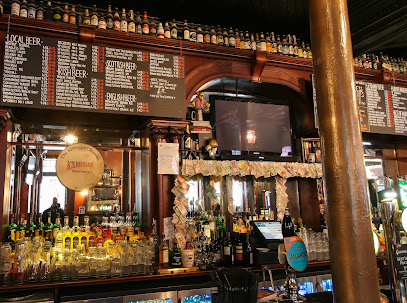
The Perch Rooftop Bar
0.2 km
Discover The Perch Rooftop Bar in Belfast: a vibrant cocktail bar with stunning views, premium drinks, and an unforgettable atmosphere.
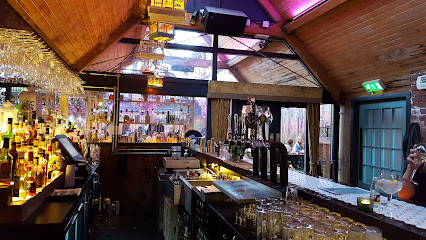
Pug Uglys
0.3 km
Belfast's go-to pub for gastropub grub, live gigs, comedy laughs, and sports cheers in a quirky, buzzing venue.
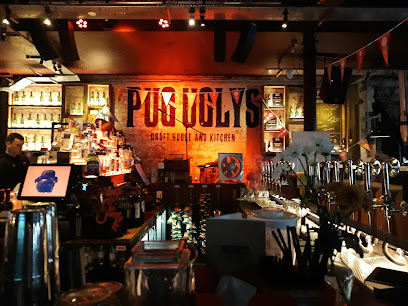
Henry's
0.4 km
A lively Belfast pub and restaurant blending historic charm with modern dining, live music, and a vibrant social scene.
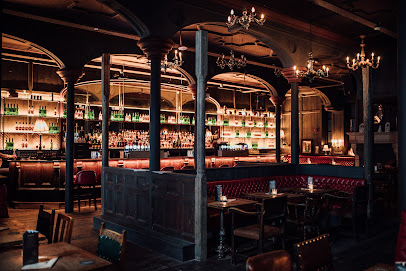
The Jailhouse
0.4 km
Historic Belfast pub blending vintage charm with lively cocktails and hearty fare in a character-filled setting at Joy’s Entry.
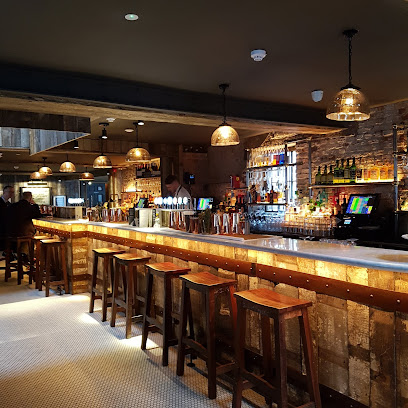
Monico Bars
0.4 km
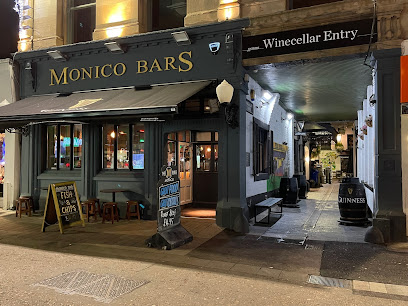
Classic Belfast pub on Lombard Street pouring pints, serving stews, and screening sports in a lively city-center haven.
Nancy Mulligans Bar & Kitchen
0.4 km
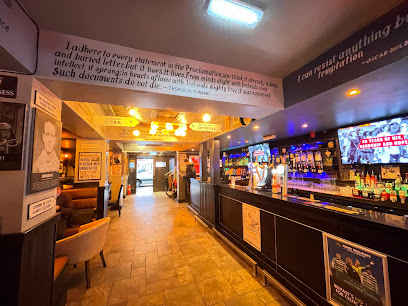
A lively Belfast gastropub blending traditional Irish hospitality with live music, hearty food, and spirited sports viewing.
Limelight Lounge
0.4 km
Discover the excitement of live music and vibrant nightlife at Limelight Lounge, Belfast's premier bar for entertainment and good vibes.
Bittles Bar
0.4 km
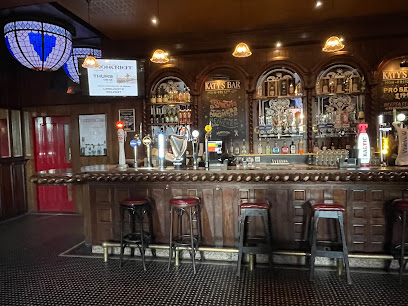
Discover Belfast’s iconic flatiron-shaped pub, Bittles Bar, where rich Irish culture, history, and a curated whiskey selection blend in a cozy, historic setting.
Maddens
0.4 km
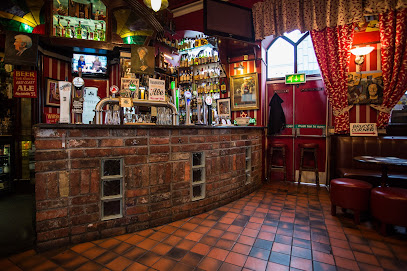
Discover the authentic charm of Maddens, a traditional Irish pub in Belfast known for its welcoming atmosphere and delightful local brews.
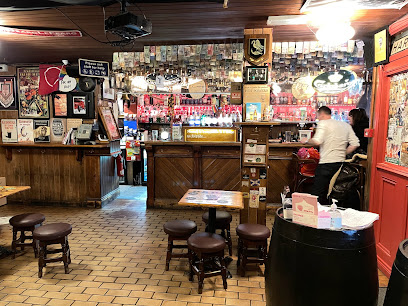
The National
0.5 km
Victorian grandeur meets modern Belfast buzz in this multi-bar haven for all-day eats, drinks, and live tunes on lively High Street.
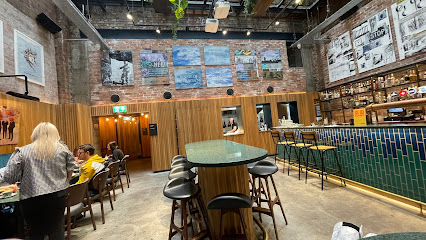
Bert's Jazz Bar
0.5 km
Discover the vibrant atmosphere of Bert's Jazz Bar in Belfast, where live music, exceptional cocktails, and delectable cuisine create an unforgettable experience.
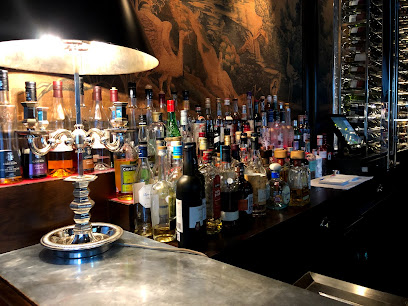
Nightclubs & after hour spots

Thompsons Garage
0.1 km
Experience the vibrant nightlife of Belfast at Thompsons Garage, where music, dancing, and unforgettable memories await every night.
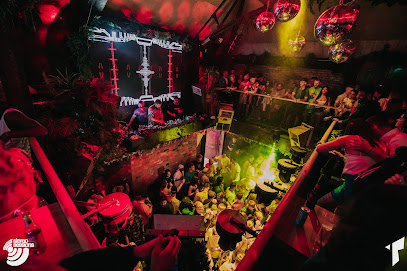
Cabaret Supper Club
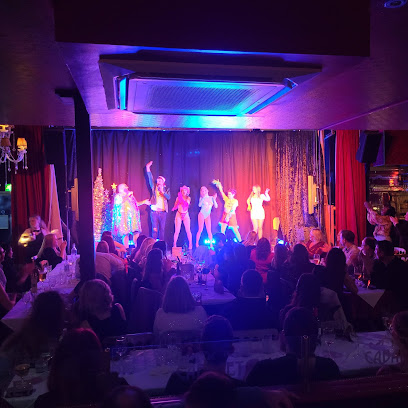
0.2 km
Discover the vibrant nightlife of Belfast at Cabaret Supper Club, where exquisite dining meets captivating performances for an unforgettable experience.
Voodoo
0.3 km
Experience the electric atmosphere of Voodoo, Belfast's top night club, featuring live music, great drinks, and an unforgettable nightlife experience.
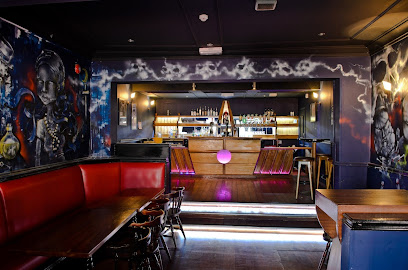
Ollie's Belfast
0.6 km
A compact, late-night nightclub beneath The Merchant Hotel — brick-vaulted interiors, VIP booths and a focused dancefloor for weekend clubbing.
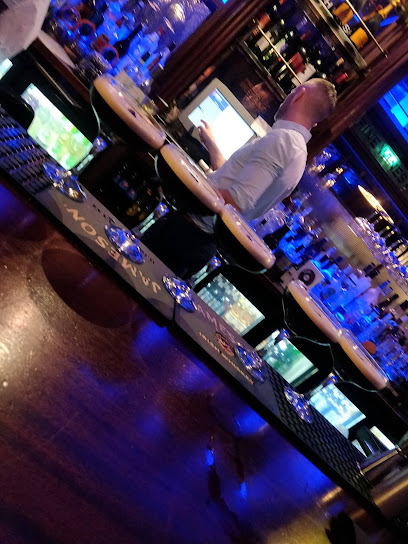
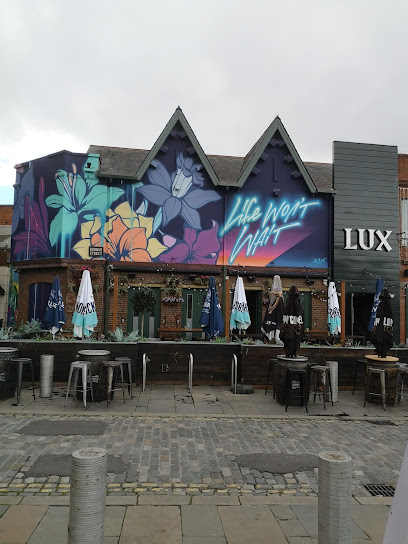
Club Lux
0.7 km
Dive into Belfast's vibrant nightlife at Club Lux, the ultimate disco club and bar experience with electrifying music and great company.
Craics Ninety
0.7 km
A compact, high‑energy clubnight in Belfast’s Common Market that celebrates 1990s music with DJs, themed entertainment and a pulsing dance atmosphere.
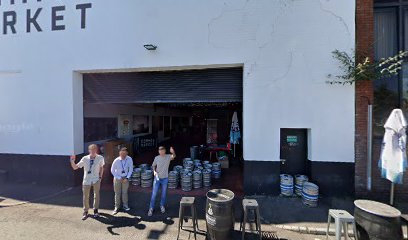
Kremlin
0.8 km
Belfast's beating heart of gay nightlife: dance floors ablaze, cocktails flowing, and community vibes till dawn on Donegall Street.
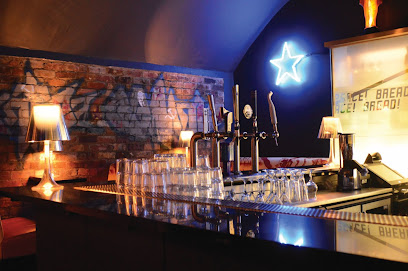
Shoe Factory
0.8 km
Experience the lively and inclusive nightlife at Shoe Factory, Belfast's top gay nightclub, where music, dance, and celebration come together.
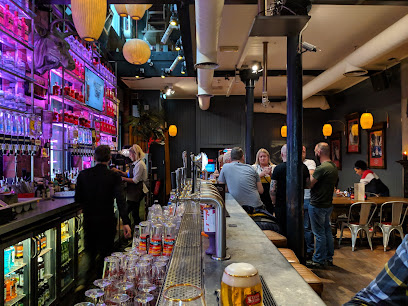
The Art Department
0.8 km
Experience the electrifying nightlife at The Art Department, Belfast's ultimate dance club with an artistic twist.
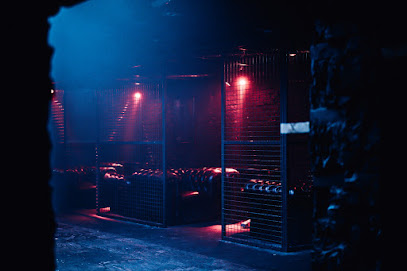
Anthology Ni
0.8 km
A high-energy Belfast nightclub within the Kremlin complex, known for DJ nights, themed performances and lively late‑hour clubbing.
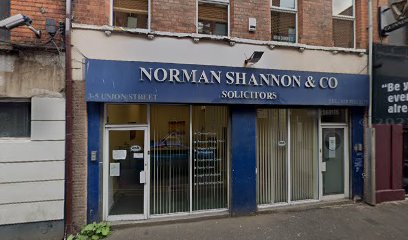
Boombox Belfast
0.8 km
A lively and inclusive gay nightclub in Belfast’s Cathedral Quarter, renowned for drag shows, DJ nights, and a welcoming queer atmosphere.
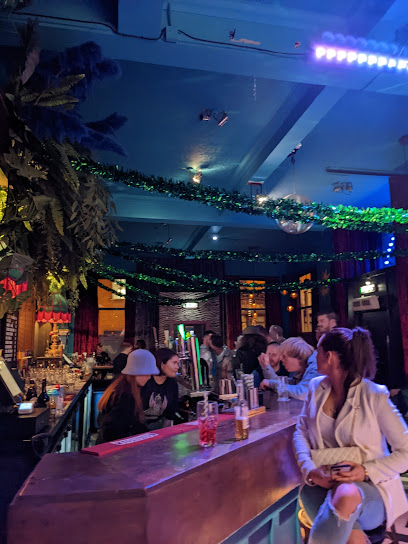
Alibi
0.9 km
Energetic R&B nightclub with guest DJs, cocktails, and a lively terrace in Belfast’s vibrant Queen’s Quarter.
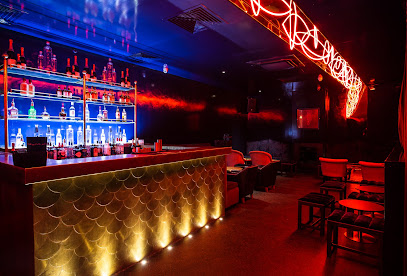
Scratch Nightclub
1.0 km
Experience Belfast’s vibrant nightlife at Scratch Nightclub, where diverse music and a lively atmosphere create unforgettable late-night memories.
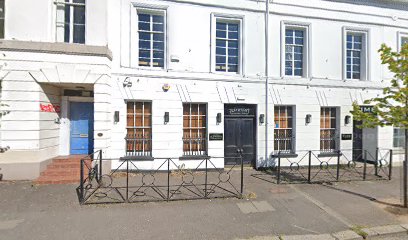
Club Honey
2.0 km
Experience Belfast’s vibrant nightlife at Club Honey, where energetic music and lively crowds create unforgettable nights on Falls Road.
Saturday Night Nightclub
14.3 km
Experience the vibrant pulse of Newtownards nightlife at Saturday Night Nightclub, where music, dancing, and social energy come alive.
For the vibe & atmosphere seeker
- Scenic
- Unique
- Lively
- Entertaining
For the design and aesthetic lover
- Vintage Styles
- Art Deco Styles
For the architecture buff
- Historic
- Landmarks
- Art & Design
- Heritage Neighborhoods
For the view chaser and sunset hunter
- Iconic Views
- Panoramas
- Skyline
For the social media creator & influencer
- Instagrammable
- Photo Spots
- Architectural Shots
- Iconic Views
For the eco-conscious traveler
- Public-Transport Accessible
- Locally Managed
For the kind of experience you’re after
- Cultural Heritage
- Photowalk
- Day Trip
- Festival / Event Nearby
For how adventurous you want the journey to be
- Easy Access
- Wheelchair Access
Location Audience
- Family Friendly
- LGBT Friendly
- Senior Friendly
- Child Friendly
- Teen Friendly
- Wheelchair Access
- Solo Friendly
- Couple Friendly
- Solo Female Friendly


