Bass Rock, Berwickshire Travel Guide
Scotland’s iconic volcanic island, home to the world’s largest northern gannet colony and historic castle ruins, accessible by scenic boat tours.
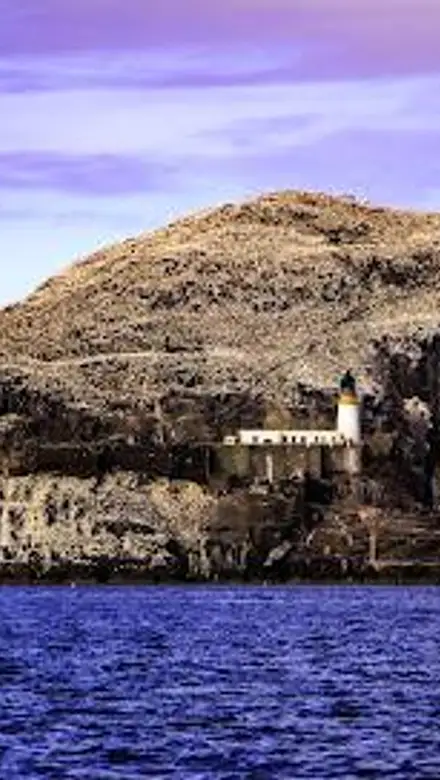
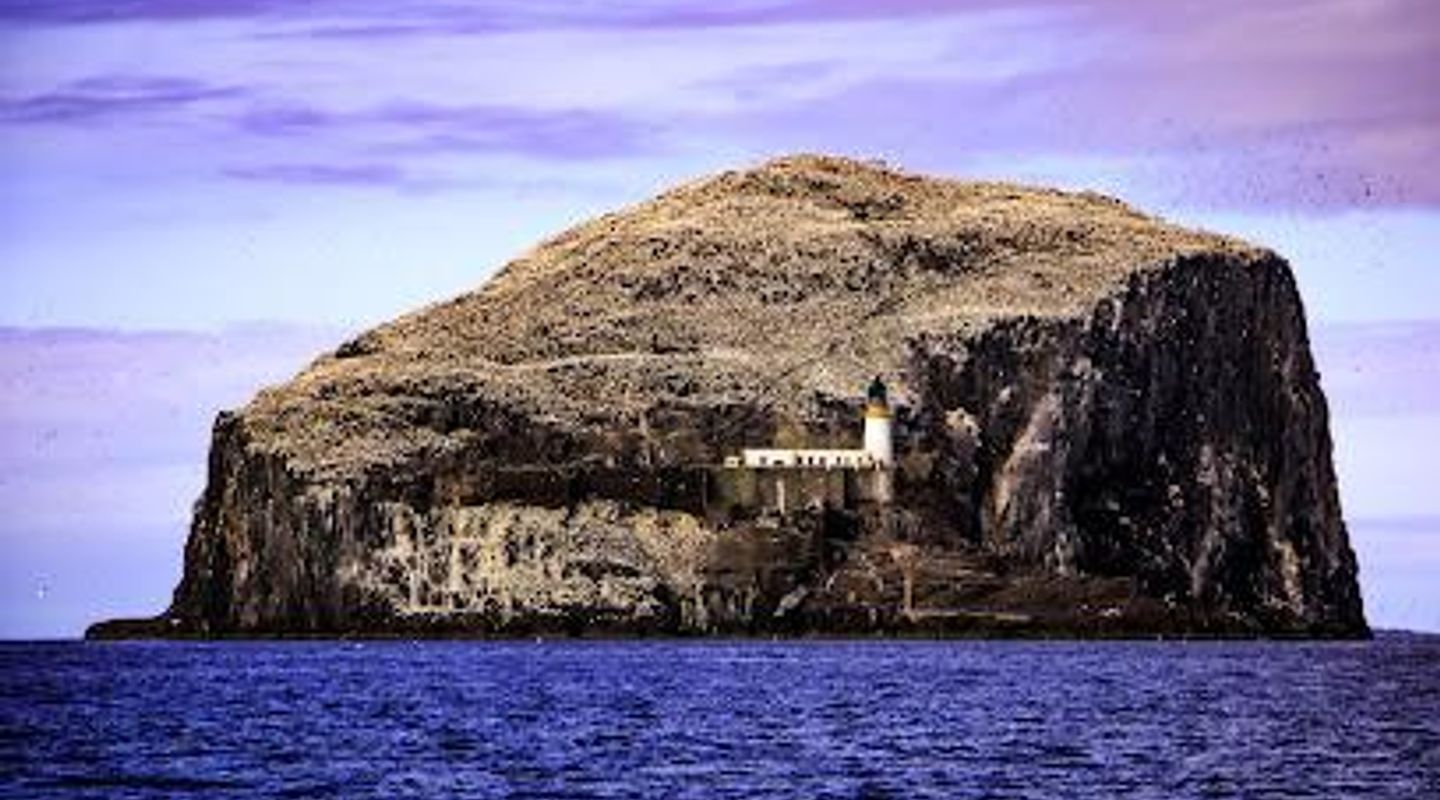
Bass Rock is a dramatic volcanic plug island rising 107 meters from the Firth of Forth, near North Berwick, Scotland. It hosts the world’s largest colony of northern gannets, with over 150,000 birds nesting here annually. The island features historic castle ruins, a lighthouse built in 1902, and a rich history as a hermitage and fortress. Accessible only by boat, Bass Rock offers unparalleled wildlife viewing and a striking coastal silhouette.
A brief summary to Bass Rock
- GB
- Duration: 1.5 to 3 hours
- Mid ranged
-
 Outdoor
- Mobile reception: 4 out of 5

Know before you go
Hi, I'm Eve. Here are a few practical things to know before exploring Bass Rock.
- Book boat tours from North Berwick in advance, especially in peak seasons, to secure your spot for the popular wildlife cruises.
- Bring binoculars and a telephoto lens for the best views and photographs of the gannets and other seabirds.
- Wear layered clothing and waterproofs as coastal weather can change quickly and the boat trips can be breezy.
- Consider visiting the nearby Scottish Seabird Centre in North Berwick to learn more about the island’s ecology and history.
Do you manage this location?
Take control to get all the benefits, like improved information, better appearance, and stronger visibility across AI-powered discovery. Learn more about listing your business on Evendo
Activate your presenceOther nearby places you may find interesting
The closest places of the same kind, if this one is not quite what you had in mind.

Explore Bass Rock on the Map
A handpicked selection of must-see spots near Bass Rock, mapped for you.
Unlock the Best of Bass Rock
Buy tickets
-
No tickets available
Book tours with entry

Book tours without entry
-
No tours available
Getting There
-
Train and Boat
Take a train from Edinburgh Waverley to North Berwick, a journey of about 30 minutes. From North Berwick Harbour, join a boat tour to Bass Rock lasting approximately 1.5 to 2 hours. Boat trips cost around £26 per person and operate seasonally, with bookings recommended in advance.
-
Car and Boat
Drive from Edinburgh to North Berwick, approximately 50 minutes via the A1. Parking is available near North Berwick Harbour. From there, join a boat tour to Bass Rock. Note that boat trips are weather dependent and seasonal, so check availability before traveling.
-
Guided Wildlife Landing Trip
Book an exclusive landing trip with the Scottish Seabird Centre, available from Easter to autumn. These guided tours last around 3 hours on the island and cost approximately £150 per adult. Suitable clothing and advance booking are essential due to exposed terrain and weather conditions.
For the on-the-go comforts that matter to you
-
 Restrooms
-
 Drink Options
-
 Food Options
-
 Seating Areas
-
 Information Boards
-
 Visitor Center
Discover more about Bass Rock
Geological Marvel and Natural Habitat
Bass Rock is a striking volcanic plug formed around 340 million years ago when magma solidified within a volcano’s vent and the surrounding softer rock eroded away. Rising to 107 meters (351 feet) and nearly a mile in circumference, it dominates the Firth of Forth’s seascape. Its sheer cliffs and natural tunnel, accessible at low tide, create a rugged environment that supports a vast array of wildlife. It is renowned globally for hosting the largest single colony of northern gannets, with over 150,000 birds nesting and breeding on its cliffs each year. The island’s lower ledges also shelter shags, guillemots, razorbills, and grey seals that haul out on the rocks below.Historical Significance and Human Presence
Though uninhabited today, Bass Rock’s history is rich and varied. It was once home to St Baldred, an 8th-century Christian hermit who lived in a cell on the island and founded a monastery nearby. The ruins of a castle dating back to at least 1405 stand on the southern promontory, built by the Lauder family who owned the rock for nearly six centuries. The castle served as a fortress and prison during turbulent periods, including the Commonwealth era. Ownership passed to the Dalrymple family in 1706, who still hold the island. The lighthouse, constructed in 1902 by famed engineer David Stevenson, remains a vital navigational aid, perched atop the castle ruins.Wildlife Spectacle and Conservation Importance
Bass Rock is internationally recognized as a Site of Special Scientific Interest due to its extraordinary seabird populations. The northern gannet colony is the largest in the world, making the island a key site for ornithologists and wildlife enthusiasts. The birds’ white guano “paints” the rock, giving it a snow-covered appearance from a distance. Seasonal boat trips from North Berwick offer close-up views of the gannets, other seabirds, and seals, providing unforgettable wildlife encounters. The island’s ecosystem is carefully protected, with guided landings available only during certain months and under strict regulations to preserve its fragile environment.Visitor Experience and Scenic Surroundings
Visitors cannot access the island independently but can enjoy boat tours lasting around 1.5 to 2 hours from North Berwick or Dunbar. These trips circle the rock, allowing ample time for photography and wildlife observation. The surrounding coastline features dramatic views of Tantallon Castle and other volcanic formations like Craigleith and Fidra islands. The nearby town of North Berwick offers amenities, shops, and transport links, making it the ideal base for exploring Bass Rock and the Firth of Forth’s natural beauty.Legacy and Cultural Connections
Bass Rock’s influence extends beyond natural history into Scottish heritage and culture. Its name was immortalized in the scientific name of the northern gannet, Sula bassana, reflecting the island’s importance to early ornithology. The rock’s castle and chapel ruins evoke stories of medieval Scotland, royal intrigue, and religious devotion. Its dramatic silhouette has inspired artists and photographers, capturing the essence of Scotland’s rugged east coast. Today, Bass Rock remains a symbol of wild nature, historical depth, and conservation success.Ongoing Research and Educational Value
The island continues to be a focus for scientific study and environmental education. The Scottish Seabird Centre in North Berwick provides live cameras and interactive exhibits about Bass Rock’s wildlife and marine environment. Seasonal guided landings and boat trips offer unique opportunities to learn about seabird ecology, volcanic geology, and conservation efforts. Bass Rock stands as a living laboratory where nature and history intertwine, inviting visitors to connect deeply with Scotland’s coastal heritage.












Your all‑in‑one travel companion app
Explore expert travel guides, compare and book tours, experiences, hotels, and more—all from the palm of your hand. Download now for seamless trip planning wherever your wanderlust takes you.


Explore More of Berwickshire
Looking beyond Bass Rock? Discover Berwickshire for broader travel guides, local hot-spots, and regional highlights.
Explore Berwickshire
Charming East Lothian seaside town with stunning beaches, rich history, vibrant wildlife, and world-class golf just 20 miles from Edinburgh.

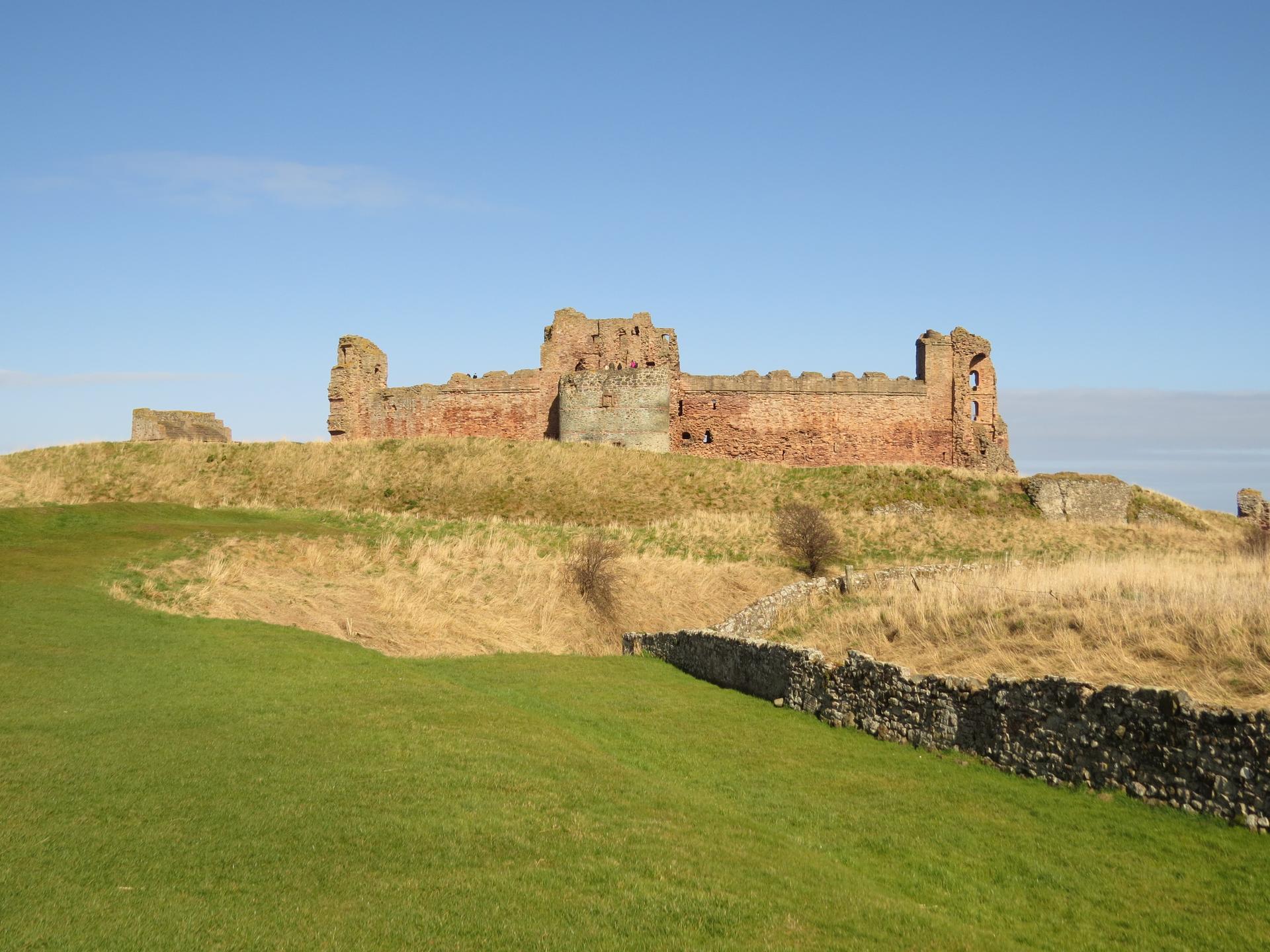
Explore the cliffside ruins of Tantallon Castle, Scotland’s last great medieval fortress with dramatic history and breathtaking coastal views.