Coldingham Priory Travel Guide
Free Guide: Explore Coldingham Priory, a serene medieval Benedictine site with ancient roots, peaceful gardens, and a rich Scottish religious heritage.


A brief summary of Coldingham Priory
Explore Coldingham Priory, a serene medieval Benedictine site with ancient roots, peaceful gardens, and a rich Scottish religious heritage.
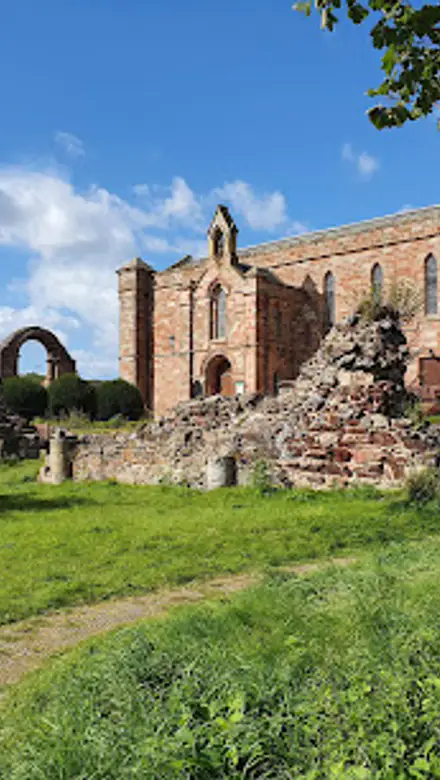
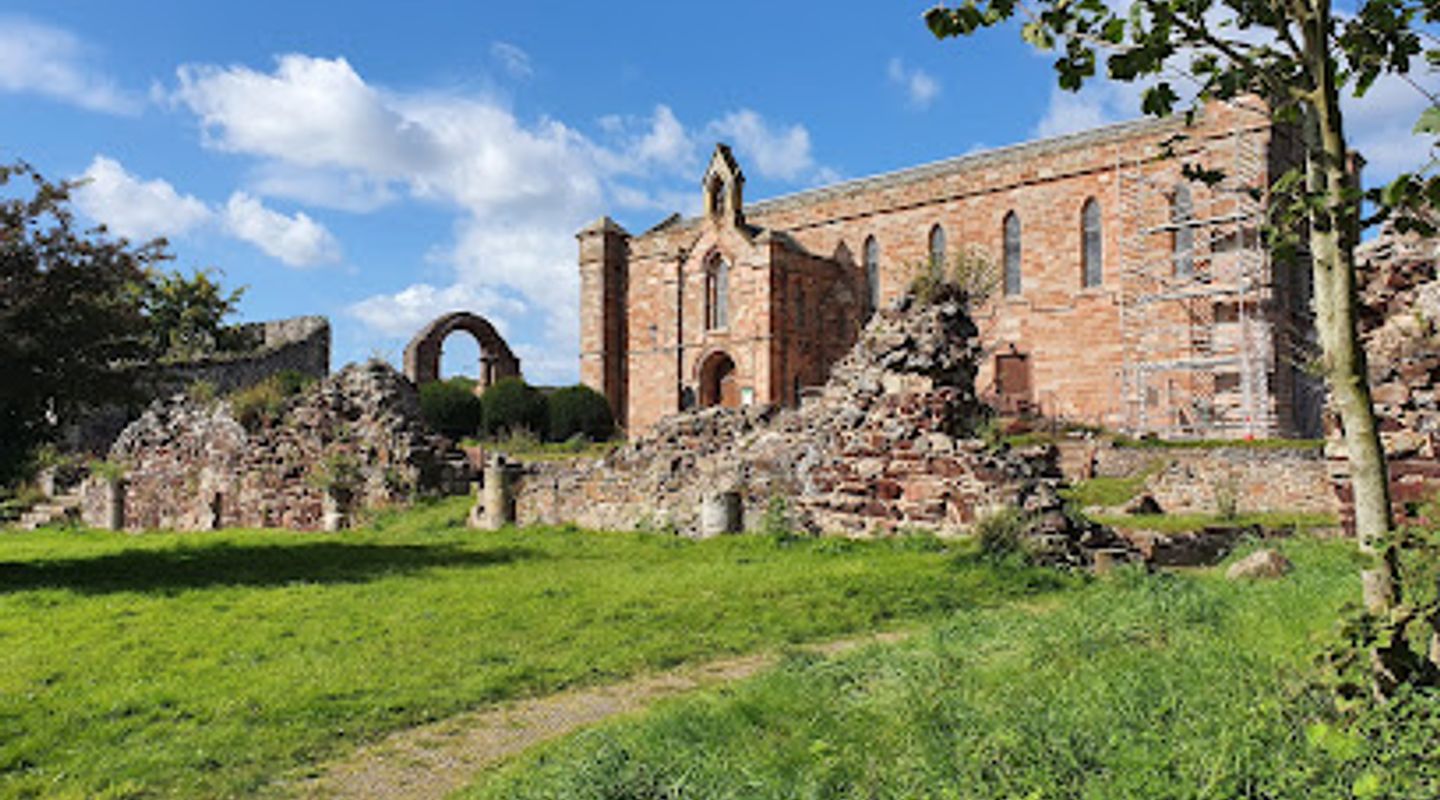
Coldingham Priory, located in the village of Coldingham on Scotland’s southeast coast, is a historic Benedictine monastery site founded in 1098 by King Edgar of Scotland. With origins tracing back to an earlier 7th-century monastery established by Saint Æbbe, the priory’s remains include a parish church incorporating parts of the medieval structure. The site offers peaceful gardens, interpretive displays, and a deep connection to Scotland’s religious and feudal history.
On-site amenities
 Restrooms
 Information boards
 Seating areas
 Drink options
 Food options
Opening hours
- Every dayOpen 24 hours
Opening hours as listed on the venue’s Google Business Profile. Hours can change for services and special events, so check with the venue before you go.
- Address
- The Bow, Coldingham, Eyemouth TD14 5NG
Getting there
Public Bus
Car
Walking
Discover more about Coldingham Priory
Foundations Rooted in Early Christianity
Coldingham Priory’s story begins with Saint Æbbe, a Northumbrian princess who founded a monastery open to both monks and nuns around 635 AD near St Abb’s Head. This early Christian community was one of the first in the region, closely linked to the spread of Christianity in northern Britain. Although Æbbe’s monastery was destroyed by fire in 683 AD, it was rebuilt and continued to be a religious centre until Viking raids devastated it in the late 9th century.
Establishment of the Benedictine Priory
The current priory was founded in 1098 by King Edgar of Scotland, son of Malcolm Canmore and Saint Margaret, as a Benedictine house affiliated with Durham. This foundation marked a new era, with the priory gaining extensive lands and wealth, becoming one of Scotland’s most powerful religious institutions. The priory church, dedicated to St Mary, was consecrated in 1100, and the community thrived under the patronage of Scottish kings and nobility.
Medieval Power and Turmoil
Throughout the Middle Ages, Coldingham Priory was a significant feudal lordship, with the prior acting as a local baron. The priory endured multiple attacks and destructions, including sacking by English forces in 1216 and again in 1545 during the Earl of Hertford’s raid. A fire in 1430, allegedly set by the prior himself, further damaged the complex. Despite these setbacks, the choir of the priory church survived and now forms the present parish church, reflecting architectural elements from the 12th and 13th centuries.
Decline and Legacy
The priory was largely destroyed by Oliver Cromwell’s forces in 1650 after a siege, and the grand central tower collapsed in the 18th century. Yet the surviving choir remains in use as the Coldingham Parish Church, maintaining the spiritual heritage of the site. Archaeological investigations have revealed evidence of the original Anglo-Saxon monastery beneath the priory, highlighting its deep historical layers.
Modern-Day Experience and Interpretation
Today, visitors can explore the peaceful gardens with monastic-themed plantings and discover the priory’s history through informative interpretation boards around the site. The nearby Coldingham Luckenbooth serves as an interpretation centre and community hub, offering interactive displays and a café. The priory grounds are open year-round, with the church accessible to visitors during certain times, providing a tranquil setting for reflection and appreciation of Scotland’s medieval ecclesiastical heritage.
Setting and Surroundings
Situated in the charming conservation village of Coldingham, the priory is surrounded by scenic countryside and close to the North Sea coast. Nearby attractions include Coldingham Sands beach and the Berwickshire Coastal Path, making the priory a fitting historical anchor for exploring the natural beauty and cultural richness of the Scottish Borders region.
Evendo Review Centre
 Google
Guest reviews
Best time to go
Quietest: Jan, Feb & Dec · before 6am or at 9pm
Busy times are Evendo estimates for a typical year, to help you plan. Actual crowds vary with events, school holidays and the weather.
Explore Coldingham Priory on the map
A handpicked selection of must-see spots near Coldingham Priory, mapped for you.
Get your free copy of our complete guide to Coldingham Priory, delivered straight to you.
Everything on this page, from opening hours and how to get there to Eve’s tips and the best time to go, in one PDF you can read offline, print or share.
Already have an account? Sign in
Your Coldingham Priory guide is ready.
We'll send it to · Not you? Sign out

Getting your guide ready…
We are putting together a fresh copy of the Coldingham Priory guide. This can take up to a minute.
This can take a few moments. If your browser asks, choose Allow so the download can start. You'll find the guide in your Downloads folder.
Nothing happened? Download it again
Sorry, the guide is taking longer than usual. Please try again in a minute, or get it by email instead.
Other nearby places you may find interesting
The closest places of the same kind, if this one is not quite what you had in mind.
-
-
-
-
-


Swipe for more places
More to explore near Coldingham Priory

 Best experiences near Coldingham Priory
 Best hotels near Coldingham Priory
 Best landmarks near Coldingham Priory
 Best attractions near Coldingham Priory
 Best shops near Coldingham Priory
 Best restaurants near Coldingham Priory
 Best bars near Coldingham Priory
Do you manage this location?
Take control to get all the benefits, like improved information, better appearance, and stronger visibility across AI-powered discovery.
Explore more
Explore more of Berwickshire
Discover Berwickshire: A blend of coastal beauty, historic landmarks, and charming villages in Scotland's serene southeastern corner.
Explore Berwickshire
Explore more of United Kingdom
Discover the United Kingdom: A blend of rich history, stunning landscapes, and vibrant cities, offering a unique travel experience for every visitor.
Explore United Kingdom