Chillingham Castle, Berwickshire Travel Guide
Explore Chillingham Castle, a medieval fortress steeped in history, haunting legends, and stunning gardens on the Anglo-Scottish border.
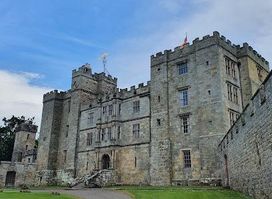
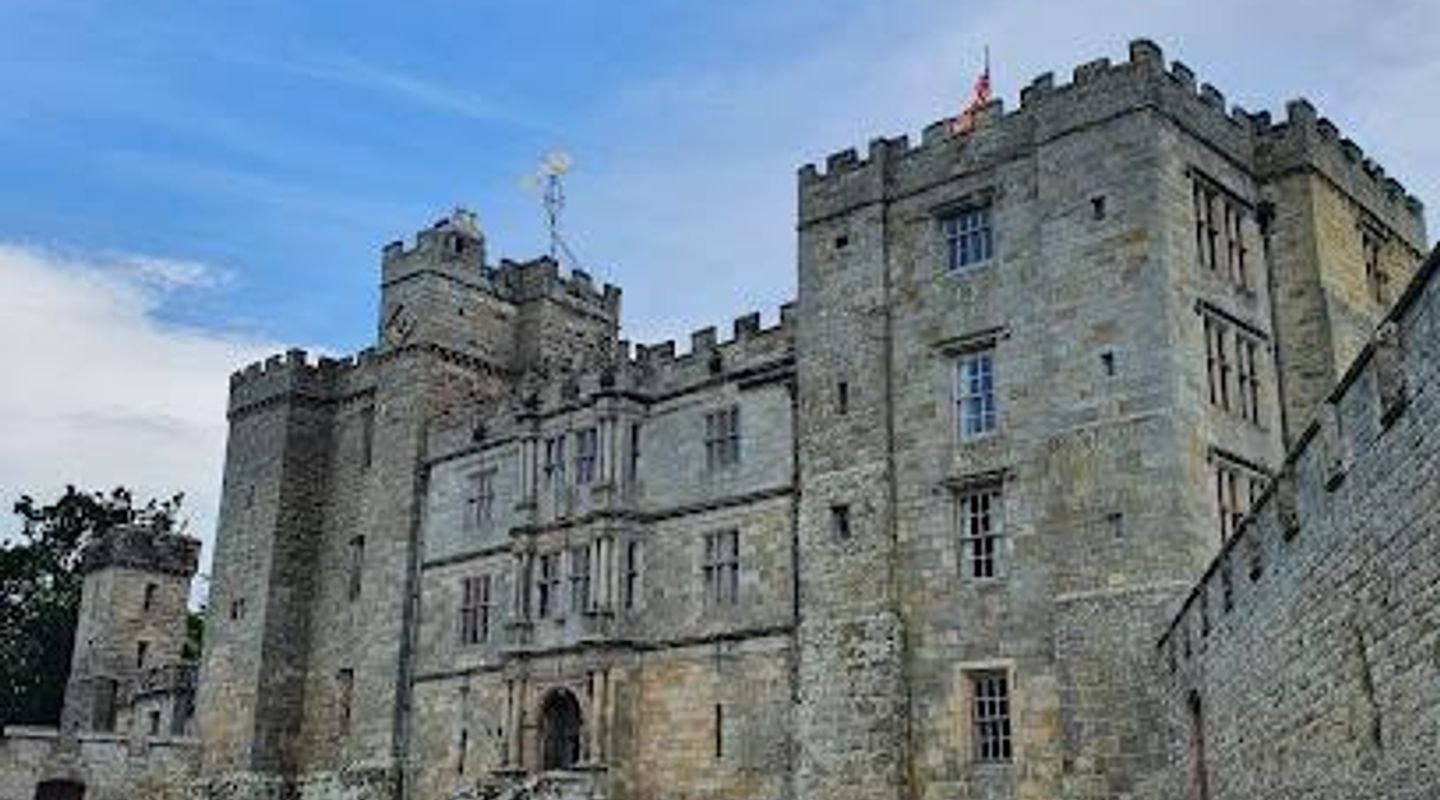
Chillingham Castle, located near Alnwick in Northumberland, England, is a formidable 13th-century medieval fortress renowned for its rich history, haunting atmosphere, and well-preserved architecture. Once a strategic border stronghold, it houses lavish state rooms, a notorious torture chamber, and expansive formal gardens, offering visitors a unique glimpse into England’s turbulent past and gothic heritage.
A brief summary to Chillingham Castle
- Alnwick, Chillingham, NE66 5NJ, GB
- Duration: 2 to 4 hours
- Mid ranged
-
 Outdoor
- Mobile reception: 4 out of 5

Know before you go
Hi, I'm Eve. Here are a few practical things to know before exploring Chillingham Castle.
- Visit between Easter and the end of October when the castle is open daily from 11am to 5pm, with last admission at 4pm.
- Book a ghost tour or overnight stay to experience the castle’s famous haunted atmosphere and paranormal stories.
- Wear sturdy shoes as some areas, like the dungeon, have uneven steps and low lighting.
- Allow time to explore the formal gardens and woodland walks surrounding the castle for panoramic views and wildlife spotting.
- Photography is generally allowed inside the castle for personal use, but check for any restrictions upon arrival.
Do you manage this location?
Take control to get all the benefits, like improved information, better appearance, and stronger visibility across AI-powered discovery. Learn more about listing your business on Evendo
Activate your presenceOther nearby places you may find interesting
The closest places of the same kind, if this one is not quite what you had in mind.

Explore Chillingham Castle on the Map
A handpicked selection of must-see spots near Chillingham Castle, mapped for you.
Unlock the Best of Chillingham Castle
Buy tickets
-
No tickets available
Book tours with entry

Book tours without entry

Getting There
-
Car
Driving to Chillingham Castle from Alnwick takes approximately 30-40 minutes via local roads. Parking is available on site. Renting a car is recommended due to limited public transport options in this rural area.
-
Bus
Bus services from Alnwick to Chillingham village run infrequently and require a 2-3 km walk on country lanes to the castle. Travel time including walking is around 1.5 to 2 hours. Check local bus schedules in advance.
-
Taxi
A taxi from Alnwick to Chillingham Castle typically takes 30-40 minutes and costs approximately £30-£40. This is a convenient option if public transport is unavailable or for visitors without a car.
For the on-the-go comforts that matter to you
-
 Restrooms
-
 Drink Options
-
 Food Options
-
 Seating Areas
-
 Information Boards
-
 Visitor Center
Discover more about Chillingham Castle
Origins and Strategic Importance on the Anglo-Scottish Border
Chillingham Castle’s origins trace back to the 12th century when it began as a monastery. By the 1200s, escalating conflicts along the England-Scotland border transformed it into a fortified manor house. The Grey family took possession in 1246, maintaining ownership for over 800 years. Its location was crucial as a military outpost during the turbulent border wars, serving as a base for English forces including King Edward I in 1298 during his campaign against William Wallace. The castle’s walls, some up to 10 feet thick, and its quadrangular design with massive towers reflect its defensive purpose in this contested region.Architectural Evolution and Historical Events
The castle evolved significantly over centuries. After a Scottish raid destroyed the original manor in 1296, it was rebuilt stronger with battlements granted by a 1344 license to crenellate. The Greys enhanced its defenses with towers, a moat, and thick curtain walls. Notable historical events include the 1537 siege during the Pilgrimage of Grace, where the castle withstood cannon fire from the Percy family. The 16th and 17th centuries brought Tudor and Stuart refurbishments, including the addition of cloisters and state rooms, and possible involvement from architect Inigo Jones in redesigning facades. The castle’s military role diminished after the 1603 union of the English and Scottish crowns.Atmospheric Interiors and Haunting Legacy
Inside, Chillingham Castle retains a hauntingly authentic medieval atmosphere with its dungeon, torture chamber featuring original devices like the Iron Maiden, and richly furnished state rooms filled with antiques and tapestries. The Great Hall, overlooked by a medieval minstrels’ gallery, is a centerpiece. The castle’s reputation as one of Britain’s most haunted sites adds to its allure, with numerous ghost stories and paranormal reports, including the famous legend of the 'Blue Boy.' Visitors can explore eerie corridors and rooms where chilling history and supernatural tales intertwine.Gardens, Grounds, and Wildlife
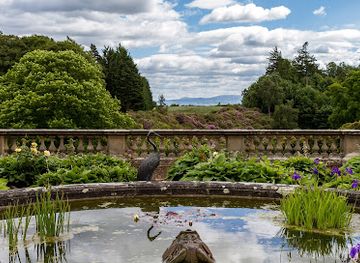
Surrounding the castle are manicured formal gardens laid out by Sir Jeffrey Wyatville, offering stunning views of the Cheviot Hills and a tranquil setting for exploration. The grounds include woodland walks and the opportunity to see the rare Chillingham White Cattle, a unique breed native to the area. The gardens provide a peaceful contrast to the castle’s dark history and are a highlight for visitors seeking both natural beauty and historical context.Modern Restoration and Visitor Experience
After falling into disrepair post-World War II, Chillingham Castle was purchased in 1982 by Sir Humphry Wakefield, who undertook extensive restoration to preserve its medieval character. Today, it is open to the public from Easter to October, offering self-guided tours supported by knowledgeable staff. The castle balances its raw, sometimes dusty charm with accessibility, providing a captivating experience for history buffs, paranormal enthusiasts, and families alike. Special events such as ghost tours and overnight stays enhance the immersive experience.Legacy and Cultural Significance
Chillingham Castle stands as a testament to centuries of border warfare, aristocratic life, and folklore. Its continuous evolution from a monastery to a fortified castle and stately home encapsulates the complex history of northern England. The Greys’ long stewardship and the castle’s survival through sieges, rebellions, and neglect highlight its resilience. Today, it remains a unique cultural landmark, blending architectural grandeur, historical depth, and supernatural intrigue in one of Northumberland’s most compelling destinations.












Your all‑in‑one travel companion app
Explore expert travel guides, compare and book tours, experiences, hotels, and more—all from the palm of your hand. Download now for seamless trip planning wherever your wanderlust takes you.


Explore More of Berwickshire
Looking beyond Chillingham Castle? Discover Berwickshire for broader travel guides, local hot-spots, and regional highlights.
Explore Berwickshire