

John Knox Monument Travel Guide
Free Guide: A historic monument in Edinburgh honoring John Knox, the fiery Scottish Reformer who shaped the nation’s Protestant identity.


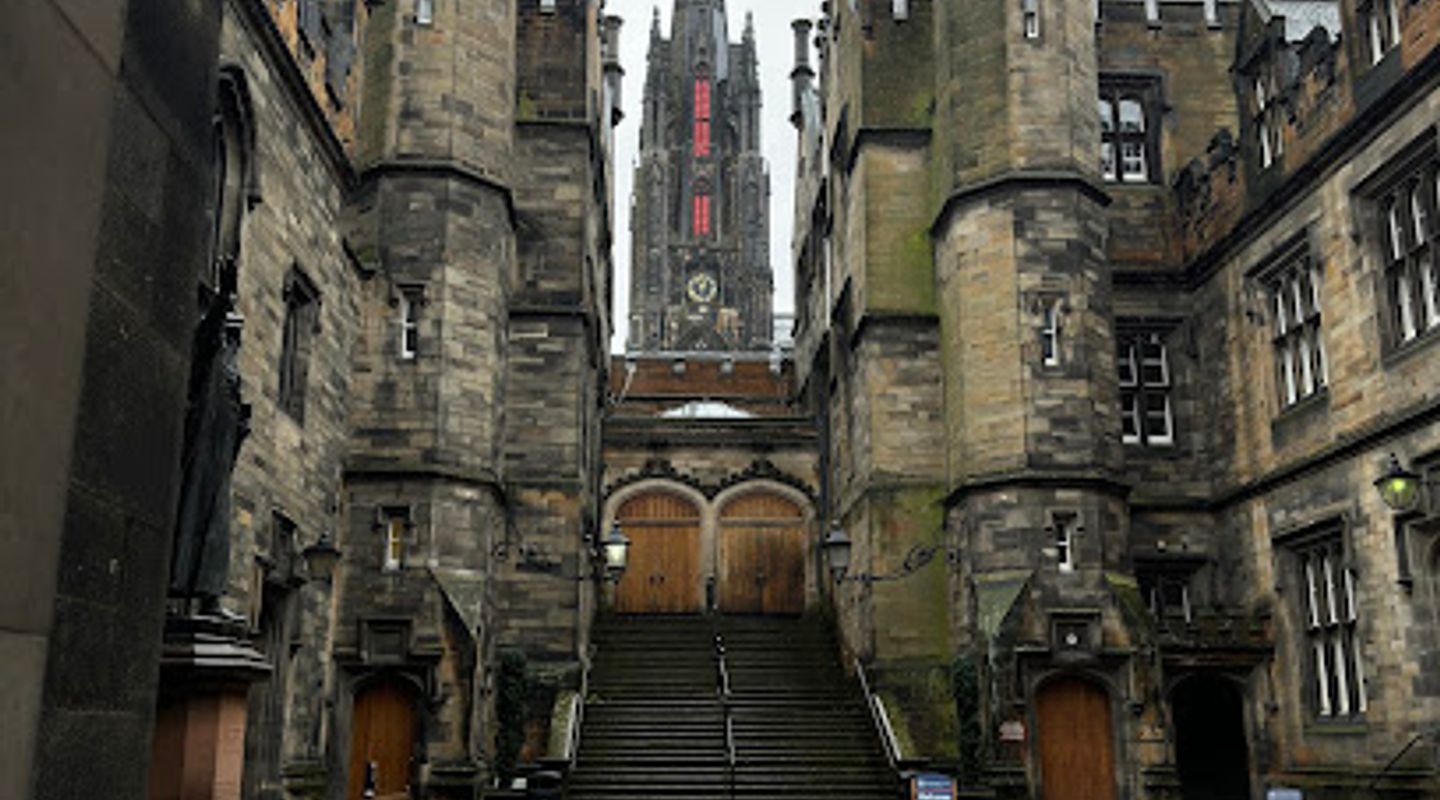
A brief summary of John Knox Monument
A historic monument in Edinburgh honoring John Knox, the fiery Scottish Reformer who shaped the nation’s Protestant identity.
The John Knox Monument in Edinburgh stands as a tribute to the influential Scottish Reformer who played a pivotal role in the Scottish Reformation. Erected in 1896, this historic monument is located on Mound Place near the University of Edinburgh's New College and commemorates Knox's legacy as a founder of Presbyterianism and a key figure in Scotland's religious transformation.
On-site amenities
 Information boards
 Seating areas
- Address
- Mound Pl, Edinburgh EH1 2LU
Getting there
Bus
Tram
Walking
Discover more about John Knox Monument
A Tribute to a Scottish Reformation Leader
The John Knox Monument in Edinburgh honors one of Scotland’s most significant historical figures, John Knox (c. 1514–1572), who was instrumental in the Scottish Reformation. Knox was a fiery preacher and theologian who helped establish Protestantism in Scotland, challenging the Catholic Church’s authority and reshaping the nation’s religious landscape. The monument was erected in 1896 by Scots who wished to commemorate Knox’s enduring influence on Scottish society, faith, and governance.
Location and Design Details
Situated on Mound Place, the monument is found between two buildings in the courtyard at the University of Edinburgh’s New College gate. It features a statue of John Knox atop a sandstone Doric column, designed by the Edinburgh architect Thomas Hamilton. The statue itself was sculpted by Robert Forrest, a self-taught artist. The monument’s elevated position and classical design reflect Knox’s towering importance in Scottish history and the reverence held for him by later generations.
Historical Significance and Legacy
John Knox’s role as minister of St Giles’ Cathedral in Edinburgh marked the beginning of the Reformation in Scotland. His preaching from the pulpit of St Giles’ in 1559 helped galvanize support for Protestantism, leading to the Scottish Parliament’s adoption of the Scots Confession and the outlawing of the Catholic Mass in 1560. Knox’s influence extended beyond religion into Scottish politics and culture, as he advocated for a church governed by presbyters rather than bishops, laying the foundation for the Presbyterian Church of Scotland.
Context Within Edinburgh’s Heritage
The monument is part of Edinburgh’s rich tapestry of historical markers and memorials, located near other significant sites such as the Black Watch Monument and the Lawnmarket Wellhead. Although John Knox’s actual burial site lies beneath what is now a car park adjacent to St Giles’ Cathedral, the monument on Mound Place serves as a visible and lasting symbol of his impact. It connects visitors to the city’s religious and political upheavals during the 16th century.
Visiting the Monument Today
While the monument itself is outdoors and accessible year-round, it stands within a busy university courtyard, offering a contemplative space amid the hustle of Edinburgh’s Old Town. The surrounding architecture and proximity to other heritage sites make it a compelling stop for those interested in Scotland’s Reformation history. The statue’s commanding presence invites reflection on Knox’s complex legacy as both a religious reformer and a controversial figure in Scottish history.
Commemorative Importance and Cultural Memory
Despite the absence of a grand tomb, the John Knox Monument embodies Scotland’s recognition of Knox’s foundational role in shaping the nation’s religious identity. His legacy is preserved not only in stone but in the ongoing traditions of the Church of Scotland and the cultural memory of Edinburgh. The monument stands as a testament to the enduring power of ideas and the individuals who champion them in shaping history.
Evendo Review Centre
 Google
Guest reviews
Best time to go
Quietest: Jan, Feb & Dec · before 6am or at 10pm
Busy times are Evendo estimates for a typical year, to help you plan. Actual crowds vary with events, school holidays and the weather.
Explore John Knox Monument on the map
A handpicked selection of must-see spots near John Knox Monument, mapped for you.
Get your free copy of our complete guide to John Knox Monument, delivered straight to you.
Everything on this page, from opening hours and how to get there to Eve’s tips and the best time to go, in one PDF you can read offline, print or share.
Already have an account? Sign in
Your John Knox Monument guide is ready.
We'll send it to · Not you? Sign out

Getting your guide ready…
We are putting together a fresh copy of the John Knox Monument guide. This can take up to a minute.
This can take a few moments. If your browser asks, choose Allow so the download can start. You'll find the guide in your Downloads folder.
Nothing happened? Download it again
Sorry, the guide is taking longer than usual. Please try again in a minute, or get it by email instead.
Unlock the best of John Knox Monument
Skip-the-line tickets, guided tours with entry, and walking tours of the area, booked in a few clicks.

Other nearby places you may find interesting
The closest places of the same kind, if this one is not quite what you had in mind.
-
-
-
-
-


Swipe for more places
More to explore near John Knox Monument

 Best experiences near John Knox Monument
 Best hotels near John Knox Monument
 Best landmarks near John Knox Monument
 Best attractions near John Knox Monument
 Best shops near John Knox Monument
 Best restaurants near John Knox Monument
 Best bars near John Knox Monument
Do you manage this location?
Take control to get all the benefits, like improved information, better appearance, and stronger visibility across AI-powered discovery.
Explore more
Explore more of Berwickshire
Discover Berwickshire: A blend of coastal beauty, historic landmarks, and charming villages in Scotland's serene southeastern corner.
Explore Berwickshire
Explore more of United Kingdom
Discover the United Kingdom: A blend of rich history, stunning landscapes, and vibrant cities, offering a unique travel experience for every visitor.
Explore United Kingdom
