

Repentance Tower, Berwickshire Travel Guide
Discover the historic 16th-century Repentance Tower on Trailtrow Hill, a watchtower with panoramic views and rich Scottish Border lore.
Perched atop Trailtrow Hill near Hoddom in Lockerbie, Repentance Tower is a rare mid-16th-century watchtower built by John Maxwell, 4th Lord Herries. This historic landmark, inscribed with the word 'Repentance,' offers panoramic views of the Solway Firth and surrounding countryside. Once a beacon against English invasions, the tower now stands as a poignant monument entwined with local legend and history, accessible by a scenic short climb.
A brief summary to Repentance Tower
- Lockerbie, Hoddom, GB
- Duration: 0.5 to 2 hours
- Free
-
 Outdoor
- Mobile reception: 3 out of 5

Know before you go
Hi, I'm Eve. Here are a few practical things to know before exploring Repentance Tower.
- Wear sturdy, comfortable shoes as the climb to the tower is steep but short.
- Visit on a clear day to enjoy the full 360-degree panoramic views from the hilltop.
- Bring a picnic to enjoy on the grassy slopes surrounding the tower.
- Explore nearby Lockerbie village for local shops and eateries after your visit.
- Check weather conditions before your visit, as the path can be slippery in wet weather.
Do you manage this location?
Take control to get all the benefits, like improved information, better appearance, and stronger visibility across AI-powered discovery. Learn more about listing your business on Evendo
Activate your presenceOther nearby places you may find interesting
The closest places of the same kind, if this one is not quite what you had in mind.

Explore Repentance Tower on the Map
A handpicked selection of must-see spots near Repentance Tower, mapped for you.
Getting There
-
Car
Driving from Dumfries, take the A75 towards Lockerbie, then the A709 and B6357 towards Hoddom. A small parking area near the tower provides convenient access. The drive typically takes 25 to 35 minutes. Roads are rural but well maintained.
-
Public Transport
Take a train from Dumfries to Lockerbie Station (about 15 minutes). From Lockerbie, catch bus number 500 towards Dumfries and alight at Hoddom Castle stop. From there, it’s a 15-minute walk on a grassy path with some incline to the tower. Check bus schedules for current times.
-
Walking
From Hoddom village, the walk to Repentance Tower is approximately 1.5 km with a steep but manageable climb on grassy terrain. Suitable for most walkers with good footwear; not wheelchair accessible.
For the on-the-go comforts that matter to you
-
 Seating Areas
-
 Information Boards
Discover more about Repentance Tower
Origins and Historical Significance of Repentance Tower
Repentance Tower was constructed in 1565 by John Maxwell, 4th Lord Herries, shortly after he completed Hoddom Castle nearby. The tower’s name derives from an inscription carved above its entrance, reading "Repentance," which reflects complex local history and lore. One explanation suggests Maxwell built the tower as an act of penitence after breaking a pledge not to fight the English, resulting in the execution of fourteen Scots held hostage at Carlisle Castle. Another theory ties the tower’s construction to religious atonement, as stones from the former Trailtrow Chapel—demolished to build Hoddom Castle—were repurposed for the tower, possibly under orders from the Archbishop of Glasgow as recompense. This watchtower thus embodies themes of conflict, faith, and reconciliation in the turbulent Scottish Borders of the 16th century.Architectural Features and Defensive Role
The tower is a rare surviving example of a mid-16th-century Scottish watchtower designed primarily for surveillance and defense rather than habitation. It features thick stone walls and was built to withstand direct assaults. Its elevated position on the 350-foot conical Trailtrow Hill provided sentinels with commanding views over the West March of the Border and the Solway Firth, enabling early warnings of English incursions. A bell and beacon fire atop the tower served as signaling devices to alert local communities. In the 18th century, the upper storey was converted into a dovecote, marking a shift from military to agricultural utility. The surrounding grounds also contain gravestones linked to the former Trailtrow Chapel, adding a sacred dimension to the site.The Tower’s Setting and Visitor Experience
Repentance Tower stands amid peaceful farmland and rolling hills, accessible by a short but steep climb from nearby roads. The ascent rewards visitors with sweeping 360-degree panoramas encompassing the Solway coast, the hills of Cumberland, and the remnants of Hoddom Castle’s estate. The tower itself is not open for interior access, but visitors can walk around its well-preserved exterior and explore the historic graveyard within its enclosure. The natural surroundings offer a tranquil atmosphere, blending historical intrigue with scenic beauty. Nearby Lockerbie village complements the visit with local shops and eateries, enriching the cultural experience.Local Legends and Cultural Context
The story of Repentance Tower is steeped in Border Reiver history and Scottish folklore. John Maxwell’s reputed repentance for past deeds, whether religious or political, lends the tower a symbolic weight beyond its physical form. It stands as a monument to the complex loyalties and turbulent times of the Scottish Borders during the 16th century. The tower’s inscription and its connection to the demolished Trailtrow Chapel evoke themes of redemption and remembrance. This blend of history and legend makes the tower a meaningful cultural landmark, inviting reflection on Scotland’s past struggles and reconciliations.Preservation and Access Today
Today, Repentance Tower remains in good condition as a protected historical site, though it is not open to the public for climbing inside due to safety concerns. The site is accessible year-round, with the best visits occurring in clear weather to fully appreciate the panoramic views. The walk to the tower is manageable for most visitors wearing comfortable footwear, though the incline is steep in places. Informational signage near the site provides historical context. While the tower is a quiet and contemplative spot, it also appeals to photographers and history enthusiasts seeking to connect with Scotland’s rich heritage.Surrounding Attractions and Regional Highlights
The tower’s location near Lockerbie offers additional opportunities to explore Dumfriesshire’s countryside and heritage. Hoddom Castle’s remains and estate lie nearby, providing further insight into the Maxwell family’s historical influence. The Solway coast and nearby hills invite nature walks and birdwatching. Lockerbie village, with its friendly atmosphere and local amenities, is a pleasant complement to a visit focused on history and landscape. Together, these elements create a well-rounded experience for travelers interested in Scotland’s Borderlands.












Your all‑in‑one travel companion app
Explore expert travel guides, compare and book tours, experiences, hotels, and more—all from the palm of your hand. Download now for seamless trip planning wherever your wanderlust takes you.


Explore More of Berwickshire
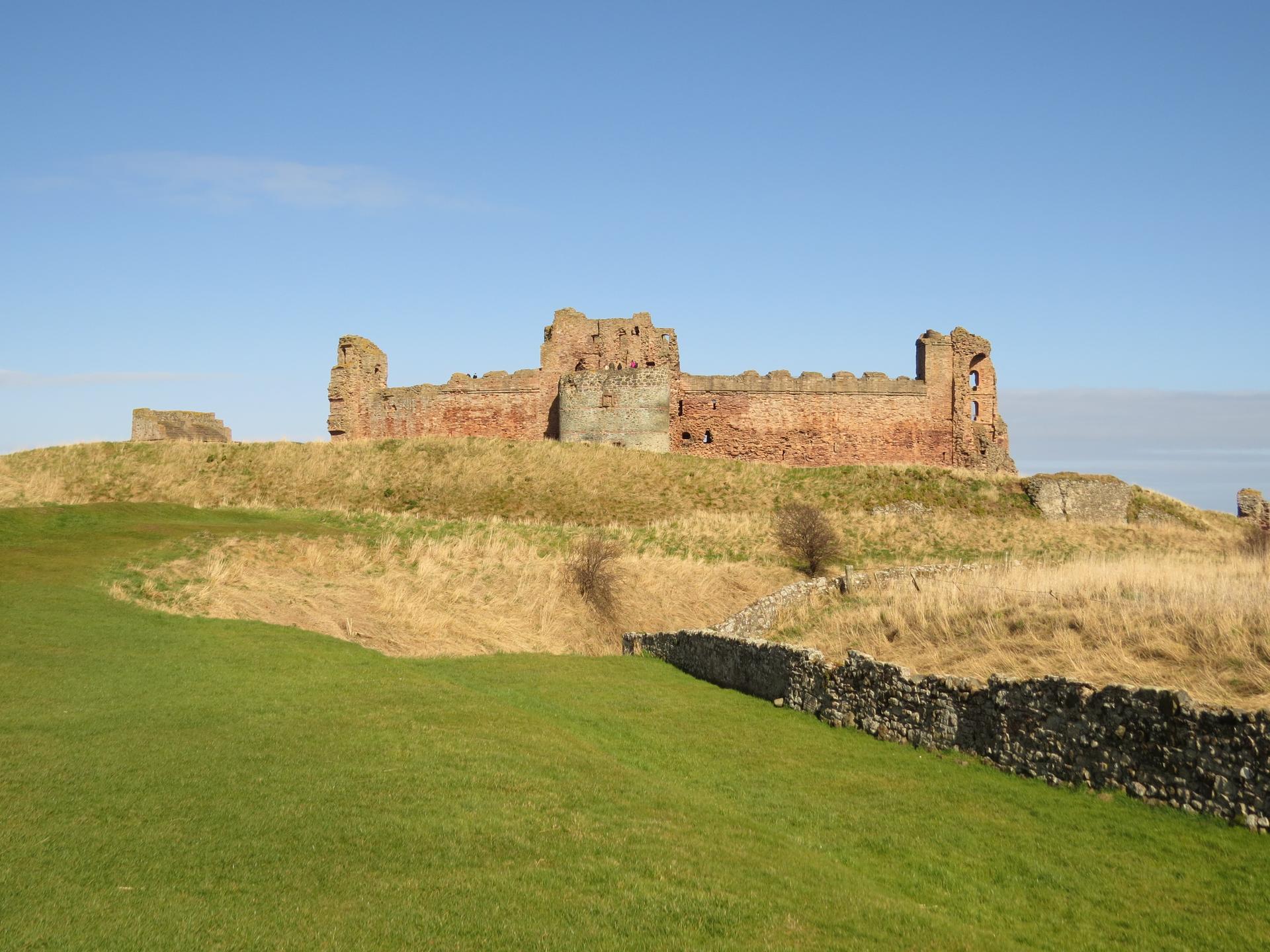
Looking beyond Repentance Tower? Discover Berwickshire for broader travel guides, local hot-spots, and regional highlights.
Explore Berwickshire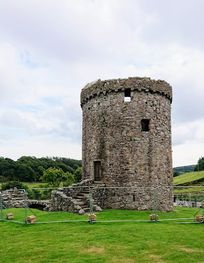
Explore Scotland’s only free-standing circular tower house, a rare 15th-century fortress steeped in border history and unique medieval architecture.
Discover the evocative ruins of Little Dalton Kirk, a medieval parish church nestled in tranquil Scottish countryside near Lockerbie.
