

Isle Tower Travel Guide
Free Guide: Explore Isle Tower, a serene 17th-century Scottish tower house ruin guarding historic routes near Dumfries in picturesque Dumfries and Galloway.


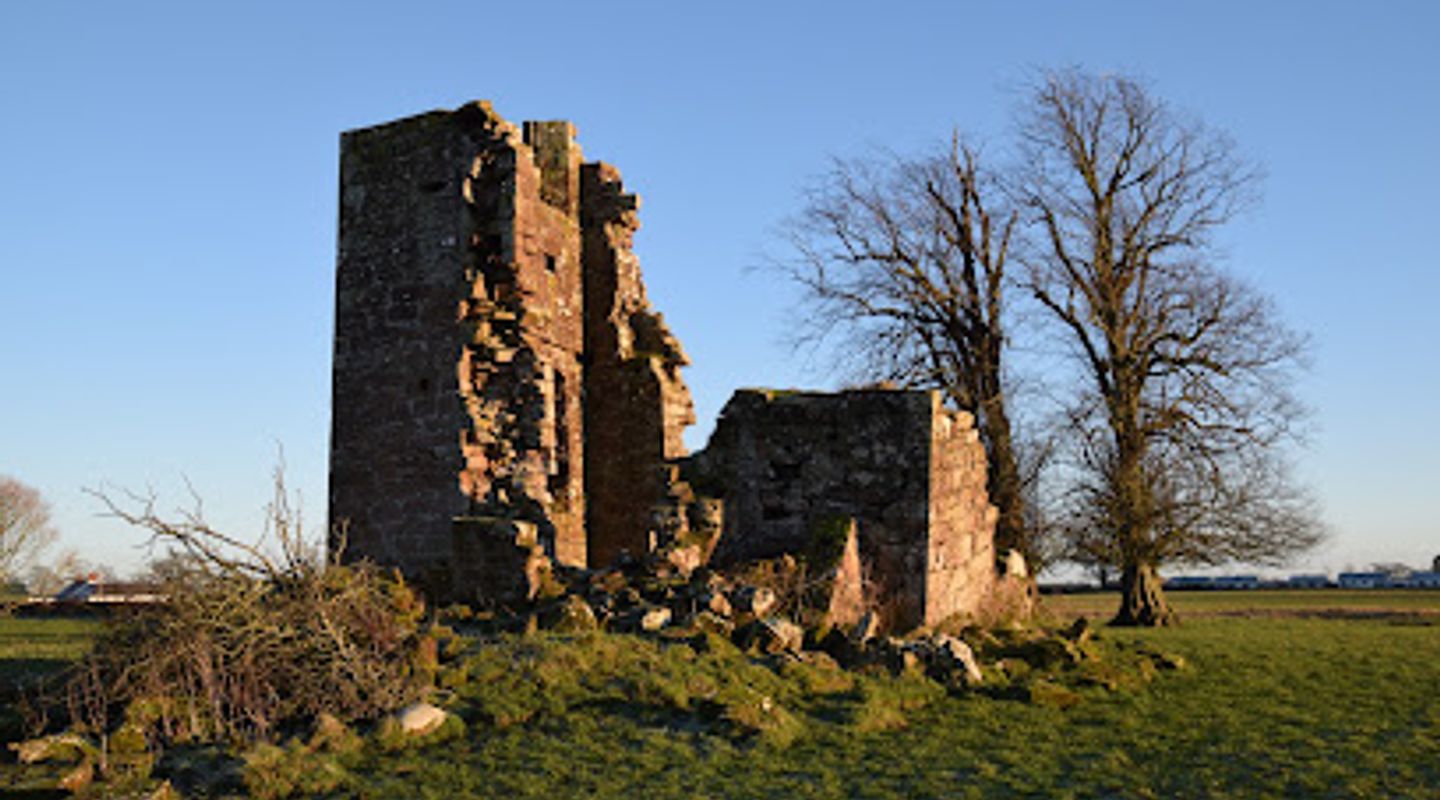
A brief summary of Isle Tower
Explore Isle Tower, a serene 17th-century Scottish tower house ruin guarding historic routes near Dumfries in picturesque Dumfries and Galloway.
Isle Tower is an early 17th-century stone T-plan tower house located in Bankend near Dumfries, Scotland. Historically significant for guarding the eastern approach to Caerlaverock Castle and a key route into Dumfries, this modest but evocative ruin reflects the defensive architecture of the Scottish Borders region during a turbulent era. Surrounded by tranquil rural landscapes, Isle Tower offers a glimpse into Scotland’s fortified past within the Dumfries and Galloway area.
On-site amenities
 Information boards
Opening hours
- Every dayOpen 24 hours
Opening hours as listed on the venue’s Google Business Profile. Hours can change for services and special events, so check with the venue before you go.
- Address
- Bankend, Dumfries DG1 4RL
- Website
Getting there
Car
Public Transport
Walking
Discover more about Isle Tower
Architectural Heritage of Isle Tower
Isle Tower is a stone-built T-plan tower house dating from the early 1600s, characteristic of Scottish defensive residences of the period. Its design reflects the need for security and surveillance in a region frequently affected by border conflicts. Though now a ruin, the tower’s footprint and remaining masonry reveal the compact, vertical style typical of tower houses, which combined residential and defensive functions. The tower’s strategic position allowed it to guard the eastern approach to the nearby Caerlaverock Castle and monitor one of the main routes leading into Dumfries from the south.
Historical Context and Strategic Importance
Situated in Bankend, Dumfries and Galloway, Isle Tower played a role in the border defenses of southwest Scotland. The tower’s proximity to Caerlaverock Castle—just two miles to the south—and Dumfries Castle, five miles northwest, placed it within a network of fortifications essential during the frequent Anglo-Scottish conflicts. The area’s history is marked by medieval and early modern warfare, with castles and tower houses like Isle Tower serving as strongholds and watchpoints to control movement and provide refuge.
Setting and Surrounding Landscape
Isle Tower stands amid the accessible rural landscape of Bankend, a small community within the Dumfries postal area. The surrounding countryside is gently rolling and pastoral, typical of Dumfries and Galloway’s lowland agricultural region. The tower’s location near the River Nith floodplain and the Solway Firth coast situates it within a rich natural environment that blends historical heritage with scenic tranquility.
Nearby Historic Sites and Cultural Connections
Visitors to Isle Tower can explore other significant historic sites nearby, including the renowned Caerlaverock Castle with its unique triangular moat and earthworks, and Dumfries Castle. This cluster of fortifications highlights the region’s strategic importance through centuries of Scottish history. Dumfries itself is known for its cultural legacy, including associations with Scotland’s national poet Robert Burns, enriching the visitor experience with layers of literary and historical significance.
Current Status and Visitor Experience
Isle Tower is currently an unstaffed historical landmark without formal visitor facilities or public access restrictions. It remains a point of interest for those fascinated by Scotland’s fortified architecture and border history. The site’s quiet rural setting offers a peaceful atmosphere for contemplation and photography, though visitors should prepare for limited amenities and mobile reception.
Preservation and Significance
While Isle Tower is less grand than nearby castles, its preservation as a tower house ruin contributes to understanding Scotland’s defensive residential architecture during the early 17th century. It embodies the regional history of border tensions and the architectural responses to those challenges. The tower’s enduring stone walls serve as a tangible link to the past, guarding stories of local families and historical events in Dumfries and Galloway.
Evendo Review Centre
 Google
Guest reviews
Best time to go
Quietest: Jan, Feb & Dec · before 7am or at 7pm
Busy times are Evendo estimates for a typical year, to help you plan. Actual crowds vary with events, school holidays and the weather.
Explore Isle Tower on the map
A handpicked selection of must-see spots near Isle Tower, mapped for you.
Get your free copy of our complete guide to Isle Tower, delivered straight to you.
Everything on this page, from opening hours and how to get there to Eve’s tips and the best time to go, in one PDF you can read offline, print or share.
Already have an account? Sign in
Your Isle Tower guide is ready.
We'll send it to · Not you? Sign out

Getting your guide ready…
We are putting together a fresh copy of the Isle Tower guide. This can take up to a minute.
This can take a few moments. If your browser asks, choose Allow so the download can start. You'll find the guide in your Downloads folder.
Nothing happened? Download it again
Sorry, the guide is taking longer than usual. Please try again in a minute, or get it by email instead.
Other nearby places you may find interesting
The closest places of the same kind, if this one is not quite what you had in mind.
-
-
-
-
-


Swipe for more places
More to explore near Isle Tower

 Best experiences near Isle Tower
 Best hotels near Isle Tower
 Best landmarks near Isle Tower
 Best attractions near Isle Tower
 Best shops near Isle Tower
 Best restaurants near Isle Tower
 Best bars near Isle Tower
Do you manage this location?
Take control to get all the benefits, like improved information, better appearance, and stronger visibility across AI-powered discovery.
Explore more

Explore more of Dumfriesshire
Discover Dumfriesshire: Immerse yourself in Scotland's rich history, stunning landscapes, and vibrant arts scene, all nestled in the serene southwest.
Explore Dumfriesshire
Explore more of United Kingdom
Discover the United Kingdom: A blend of rich history, stunning landscapes, and vibrant cities, offering a unique travel experience for every visitor.
Explore United Kingdom
