
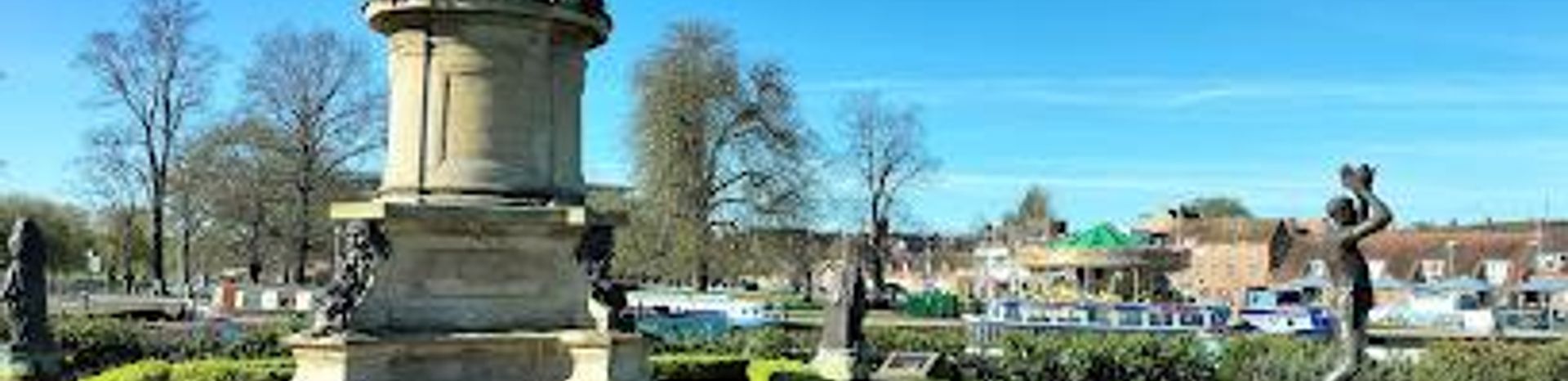
Gower Memorial, Stratford-upon-Avon
A striking bronze tribute to Shakespeare in Stratford-upon-Avon’s Bancroft Gardens, surrounded by Hamlet, Prince Hal, Lady Macbeth and Falstaff.
Standing proudly in Bancroft Gardens, the Gower Memorial is a striking bronze tribute to William Shakespeare, created by Lord Ronald Gower and unveiled in 1888. At its heart is a seated Shakespeare holding pen and manuscript, surrounded by four iconic characters: Hamlet, Prince Hal, Lady Macbeth, and Falstaff. These figures symbolise the breadth of Shakespeare’s genius—philosophy, history, tragedy, and comedy. The monument, originally sited behind the Shakespeare Memorial Theatre, was moved to its current riverside location in 1933 and is now a Grade II* listed landmark. Free to visit and beautifully integrated into the gardens, it offers a peaceful spot for reflection and photography, especially in the soft light of early morning or late afternoon.
A brief summary to Gower Memorial
- Stratford-upon-Avon, GB
- Duration: 0.5 to 1.5 hours
- Free
-
 Outdoor
- Mobile reception: 5 out of 5
- Monday 12 am-12 am
- Tuesday 12 am-12 am
- Wednesday 12 am-12 am
- Thursday 12 am-12 am
- Friday 12 am-12 am
- Saturday 12 am-12 am
- Sunday 12 am-12 am
Local tips
- Visit early in the morning or late afternoon for the best light and fewer crowds, ideal for photography and quiet reflection.
- Take time to walk around the monument and read the inscriptions from Shakespeare’s plays on the central plinth.
- Combine your visit with a stroll along the River Avon and a look at the Royal Shakespeare Theatre across the water.
- Look for the Greek masks at the corners of the plinth and the symbolic roles of the four surrounding characters: Hamlet (philosophy), Prince Hal (history), Lady Macbeth (tragedy), Falstaff (comedy).

For the on-the-go comforts that matter to you
- Seating Areas
- Sheltered Areas
- Trash Bins
- Information Boards
Getting There
-
On foot from Stratford town centre
From Stratford-upon-Avon’s main shopping streets, follow signs towards the Royal Shakespeare Theatre and Bancroft Gardens. The walk takes about 5–10 minutes along level, paved paths, passing the river and gardens. The memorial is clearly visible in the open lawns near the water’s edge.
-
By public transport
Stratford-upon-Avon railway station is about 15 minutes’ walk from Bancroft Gardens. From the station, follow signs for the town centre and the Royal Shakespeare Theatre, then continue along the river path. Local buses also stop near the town centre, from where the walk to the gardens is similar.
-
By car
Several public car parks are located in Stratford town centre, about a 10–15 minute walk from Bancroft Gardens. The route is mostly flat and well signposted, but parking can be limited in peak season. The memorial itself is in a pedestrianised garden area with no vehicle access.
Gower Memorial location weather suitability
-
 Any Weather
-
 Mild Temperatures
-
 Clear Skies
Discover more about Gower Memorial
A Bronze Tribute to the Bard
Rising from the lawns of Bancroft Gardens, the Gower Memorial is one of Stratford-upon-Avon’s most distinctive public sculptures. Unveiled in 1888, it was the work of Lord Ronald Gower, a British aristocrat and amateur sculptor who dedicated over a decade to its creation. The monument’s centrepiece is a seated bronze figure of William Shakespeare, shown in a relaxed pose on a cruciform chair, his right hand holding a pen and his left resting on a rolled manuscript. This intimate portrayal captures the playwright not as a distant icon, but as a working writer, deep in thought and ready to create.Characters from the Plays
The memorial’s design is rich with symbolism. At each corner of the central plinth stand four separate bronze statues representing key Shakespearean characters: Hamlet, Prince Hal, Lady Macbeth, and Sir John Falstaff. These figures were chosen to embody the different genres of Shakespeare’s work—Hamlet for philosophy and introspection, Prince Hal for history and kingship, Lady Macbeth for tragedy and ambition, and Falstaff for comedy and revelry. Each statue is placed on its own pedestal, creating a dynamic arrangement that invites visitors to walk around and view the monument from all sides, discovering new details with each step.Design and Craftsmanship
The monument was designed and constructed in Paris between 1876 and 1888, with the stone elements made from Yorkstone and Bath stone and the sculptures cast in bronze. The central plinth bears inscriptions from four of Shakespeare’s plays—Henry V, Henry IV, Part 2, Macbeth, and Hamlet—linking the physical structure directly to the words that made the playwright immortal. At each corner of the plinth, a bronze Greek mask adds a classical touch, reinforcing the monument’s role as a celebration of dramatic art. The craftsmanship, particularly in the detailed facial expressions and flowing drapery of the figures, reflects the high standards of late-Victorian sculpture.From Theatre Gardens to Riverside Setting
Originally, the Gower Memorial stood in the gardens behind the Shakespeare Memorial Theatre (now the Swan Theatre), where it was unveiled with speeches and a poem read by Oscar Wilde. After a fire damaged the theatre in 1926 and the surrounding area was redeveloped, the monument was moved to its present location in Bancroft Gardens in 1933. This riverside site, with views across the Avon and the Royal Shakespeare Theatre, gives the memorial a more prominent and accessible setting. In 1951, it was designated a Grade II* listed structure, recognising its special architectural and historic interest.A Place for Reflection and Photography
Today, the Gower Memorial is a focal point in Bancroft Gardens, a peaceful green space that draws both tourists and locals. The surrounding lawns and flowerbeds provide a soft, natural backdrop that contrasts beautifully with the dark bronze figures. It’s a popular spot for quiet contemplation, for reading a passage from Shakespeare, or simply for sitting on a bench and watching the river flow by. The monument is especially photogenic in the early morning light or at golden hour, when the bronze glows warmly against the greenery and the water. Information panels nearby offer context about the monument’s history and the characters it portrays, enriching the experience for those who want to look beyond the surface.A Symbol of Shakespeare’s Legacy
The Gower Memorial is more than just a statue; it is a symbolic representation of Shakespeare’s enduring influence. By surrounding the playwright with characters from his most famous works, the monument celebrates the full range of his creativity—his ability to explore the depths of human nature, from the tragic to the comic, from the political to the philosophical. For visitors to Stratford-upon-Avon, it serves as a powerful reminder of why the town is a place of pilgrimage for lovers of literature and theatre. Whether you come as a devoted Shakespeare fan or simply as a curious traveller, the memorial offers a moment of connection with one of the greatest writers in the English language.Iconic landmarks you can’t miss

The Countess of Evesham
0.1 km
Indulge in traditional British cuisine at The Countess of Evesham, a charming restaurant on the waterside in Stratford-upon-Avon, surrounded by natural beauty.
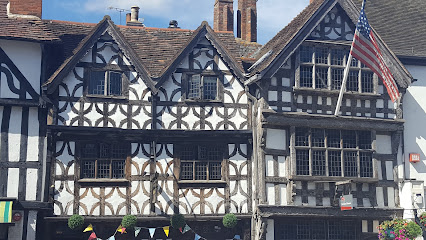
Stratford Waterside Market
0.1 km
Discover unique artisan treasures and vibrant street food in Stratford-upon-Avon's charming riverside market.
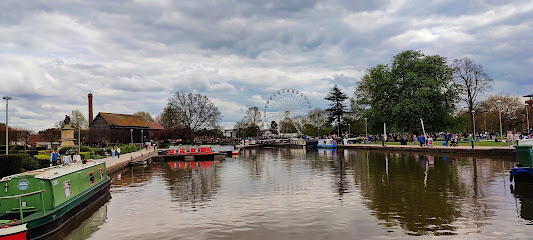
Tramway Bridge
0.1 km
Historic 1826 red brick pedestrian bridge over the River Avon, blending industrial heritage with tranquil riverside views in Stratford-upon-Avon.
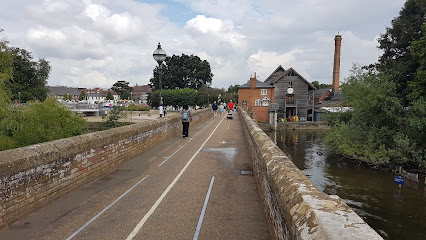
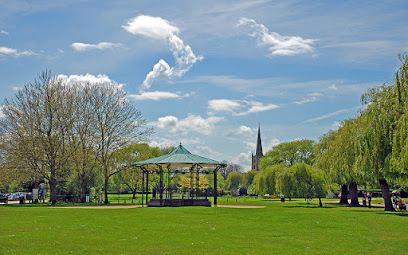
Stratford Upon Avon Bandstand
0.3 km
Historic bandstand in Stratford-upon-Avon offering free summer concerts and a vibrant community atmosphere in a scenic park setting.
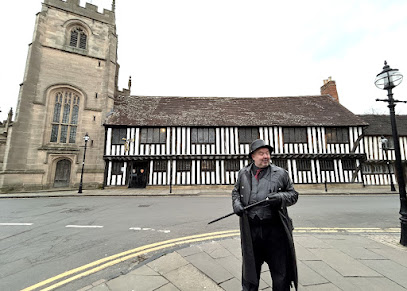
Sinister Stratford
0.3 km
Explore the darker side of Stratford-upon-Avon with Sinister Stratford's captivating tours of haunted history and folklore.
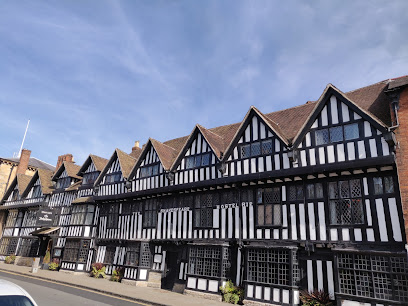
Stratford-upon-Avon Town Council
0.3 km
Explore Stratford-upon-Avon and its rich heritage at the Town Council, your gateway to local culture and events in Shakespeare's hometown.
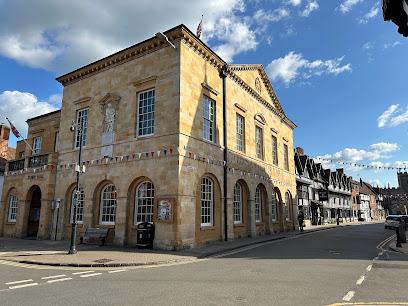
Stratford-upon-Avon Town Hall
0.3 km
Elegant Palladian landmark in Stratford-upon-Avon, blending rich history, Shakespearean heritage, and civic tradition since 1767.
Garrick
0.3 km
Step into Stratford-upon-Avon's oldest pub, where medieval charm meets hearty fare and centuries of captivating history.
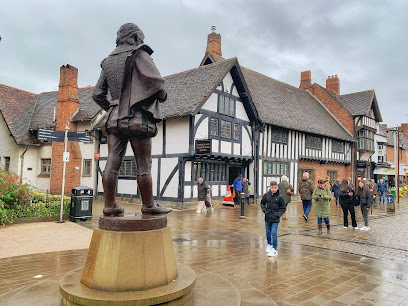
Statue Of Shakespeare Stratford-upon-Avon
0.4 km
A bronze tribute to the Bard in the heart of Stratford-upon-Avon, where literature and history come alive on Henley Street.
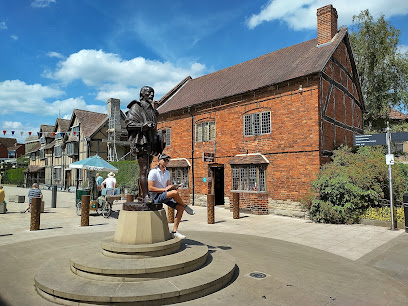
The Shakespeare Birthplace Shop
0.4 km
Discover the essence of Shakespeare's legacy at The Shakespeare Birthplace Shop, a unique gift shop in the heart of Stratford-upon-Avon.
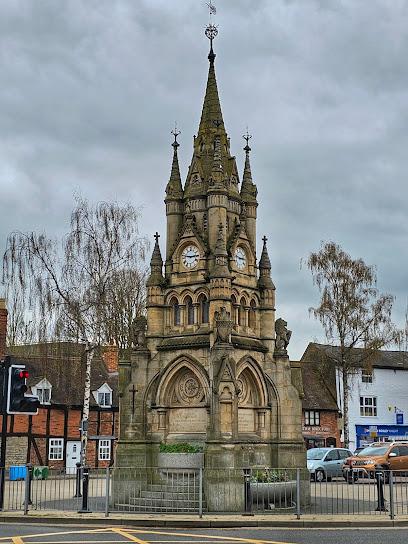
The Shakespeare Memorial Fountain
0.5 km
A Victorian Gothic tribute in Stratford’s marketplace celebrating Shakespeare, Queen Victoria, and Anglo-American friendship.
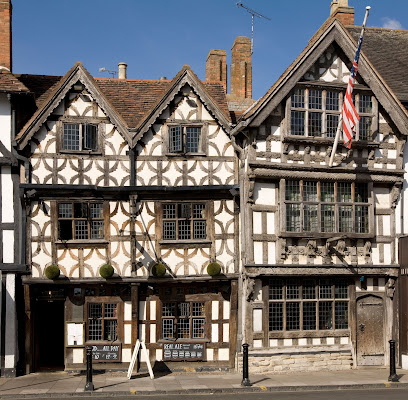
Shakespeare & Company Holiday Home
0.7 km
Discover the enchanting Shakespeare & Company Holiday Home in Stratford-upon-Avon, where history and comfort blend seamlessly for an unforgettable stay.

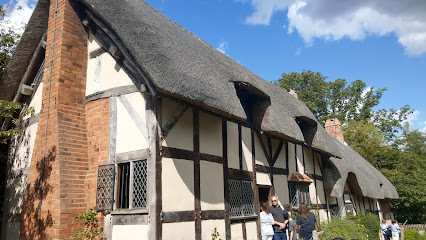
Anne Hathaway's Cottage
2.0 km
Discover the enchanting Anne Hathaway's Cottage, a historical museum celebrating Shakespeare's beloved wife in the heart of Stratford-upon-Avon.
Stratford Fountains
2.4 km
Discover the tranquil beauty of the Stratford Fountains, a must-visit tourist attraction in Stratford-upon-Avon, perfect for relaxation and cultural exploration.
Stratford Armouries
4.3 km
Discover the rich cultural heritage of Stratford-upon-Avon at Stratford Armouries, where history comes alive through engaging exhibits and interactive experiences.

Unmissable attractions to see

Bancroft Basin
0.0 km
Historic canal basin and marina at Stratford-upon-Avon’s heart, blending scenic beauty with rich Shakespearean heritage and lively community events.
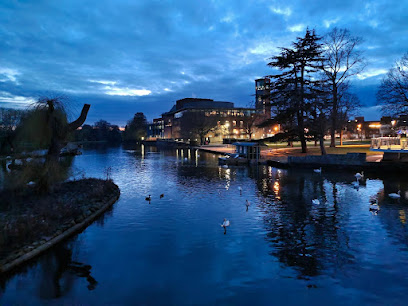
Canal River Cruises
0.1 km
Relax and explore Stratford-upon-Avon’s historic waterways on a scenic canal and river cruise featuring working locks and lively commentary.
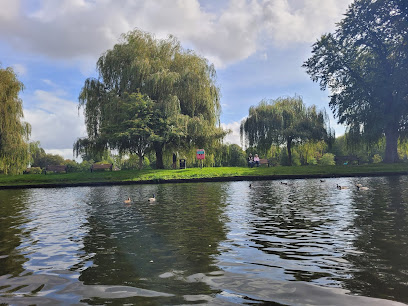
Stratford-upon-Avon Tourist Information Centre
0.1 km
Your welcoming gateway to Stratford-upon-Avon’s rich Shakespearean heritage and local discoveries.
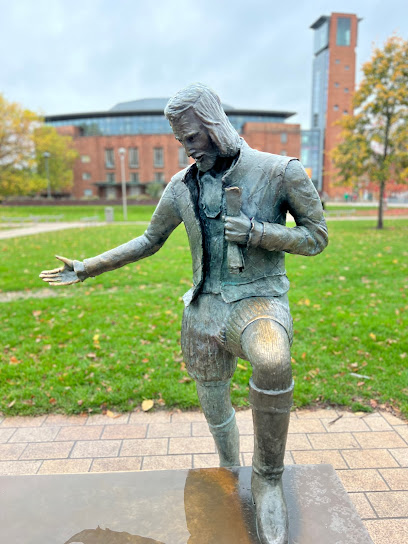
Young Will statue
0.1 km
A captivating bronze tribute to Shakespeare’s youth, inviting visitors to connect with the Bard amid Stratford’s tranquil Bancroft Garden.
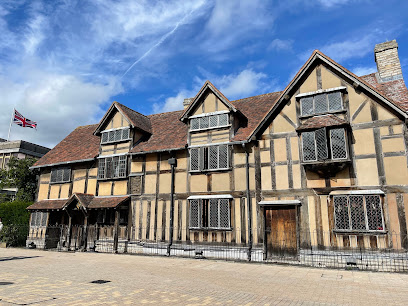
William Shakespeare
0.1 km
Step into the childhood home of William Shakespeare and explore the Tudor house where the world’s greatest playwright was born and raised.
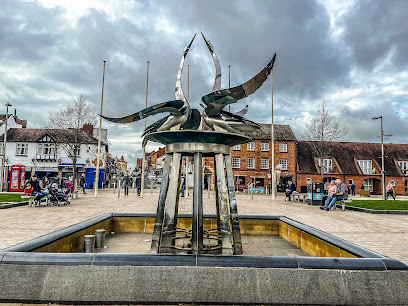
Swan Fountain
0.1 km
Celebrate 800 years of Stratford’s market heritage at the shimmering Swan Fountain in scenic Bancroft Gardens.
Bancroft Gardens
0.1 km
A tranquil riverside retreat in Stratford-upon-Avon blending Shakespearean heritage, lush gardens, and vibrant waterways beside the Royal Shakespeare Theatre.
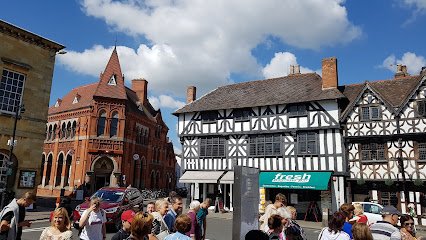
Stratford Town Walk and Stratford Ghost Walk
0.1 km
Discover Shakespeare’s hometown by day and its haunted secrets by night on engaging guided walks through Stratford-upon-Avon.
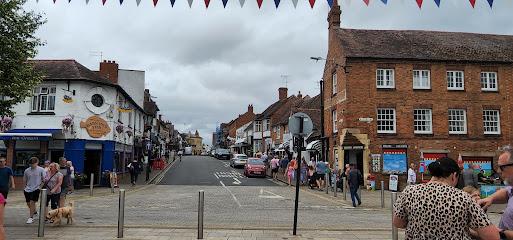
Clopton Bridge
0.2 km
Explore Stratford-upon-Avon's iconic 15th-century Clopton Bridge, a historic stone crossing with 14 arches and scenic River Avon views.
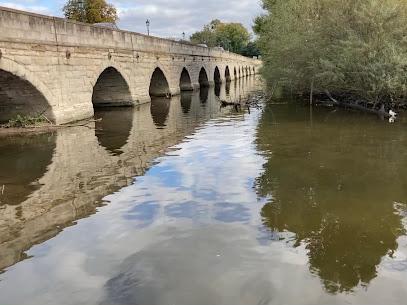
The Red Lion Table Table
0.2 km
Historic canalside gastro pub in Stratford-upon-Avon offering seasonal British fare, real ales, and a welcoming atmosphere for families and dogs.
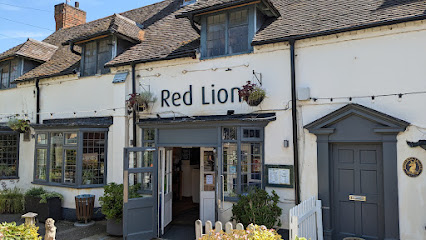
Bancroft River Cruises
0.2 km
Experience the tranquil beauty of Stratford-upon-Avon’s River Avon with Bancroft River Cruises—relaxing, scenic, and welcoming boat tours for all occasions.
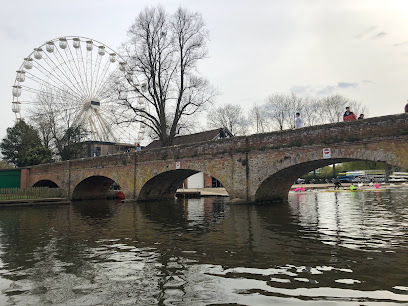
Royal Shakespeare Theatre
0.2 km
Experience Shakespeare’s world at the iconic Royal Shakespeare Theatre, where history, innovation, and the River Avon converge in Stratford-upon-Avon.
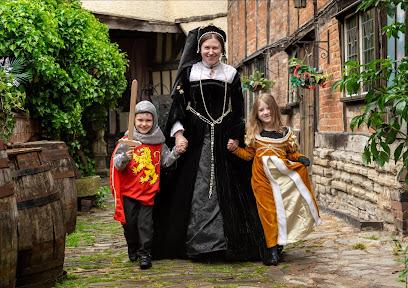
Tudor World
0.2 km
Step into Tudor England’s vibrant past with immersive exhibits and historic charm in the heart of Stratford-upon-Avon.
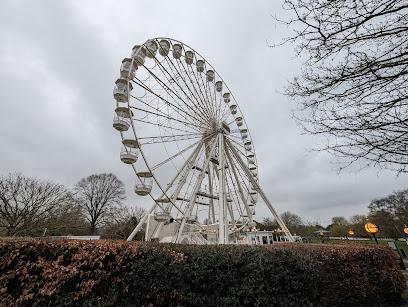
Stratford Big Wheel
0.2 km
Experience breathtaking panoramic views of Stratford-upon-Avon from the accessible and family-friendly Stratford Big Wheel.
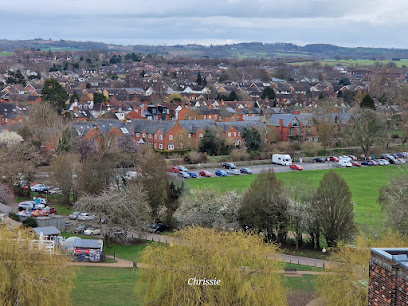
The Old Slaughterhouse
0.2 km
A charming heritage and arts centre in Stratford-upon-Avon blending history, creativity, and community spirit in a peaceful setting.
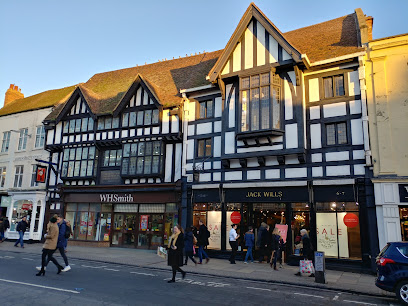
Essential places to dine

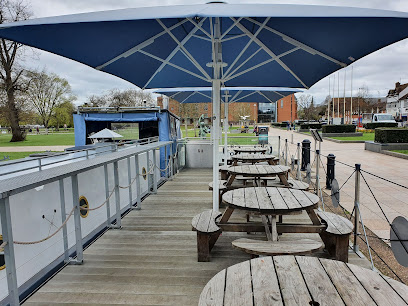
The Barge and Quarterdeck
0.1 km
Charming waterside restaurant and bar in Stratford-upon-Avon, famed for wood-fired pizzas and scenic canal views.
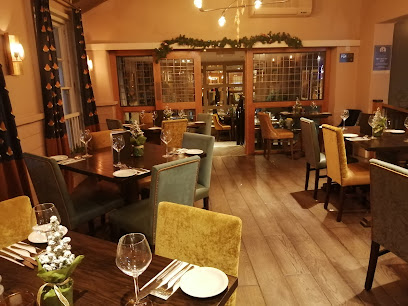
Encore Stratford Upon Avon
0.1 km
A stylish British pub and restaurant in Stratford-upon-Avon offering classic dishes, waterfront views, and a lively yet welcoming atmosphere.
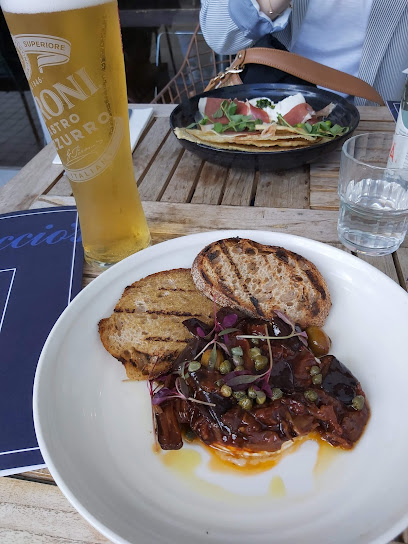
Carluccio's
0.1 km
Experience authentic Italian flavors in a charming riverside setting at Carluccio's Stratford-upon-Avon.
Thespians
0.2 km
Authentic Indian and Bangladeshi flavors in the heart of Stratford-upon-Avon, blending tradition with a welcoming atmosphere.
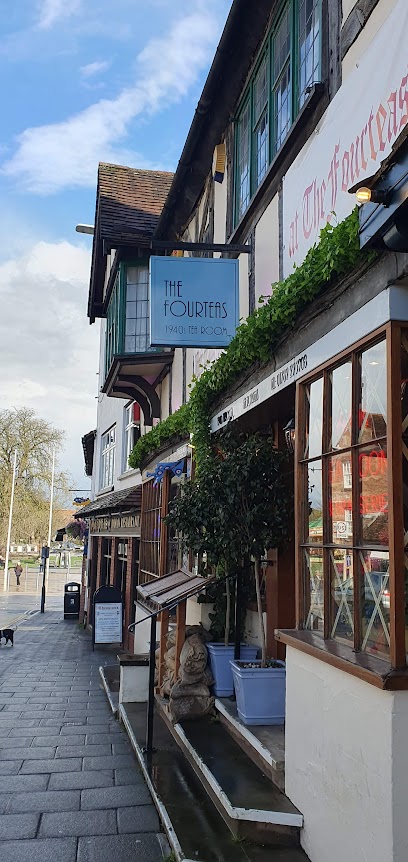
The Rooftop Restaurant at the Royal Shakespeare Theatre
0.2 km
Savor seasonal British cuisine with stunning river views atop Stratford’s iconic Royal Shakespeare Theatre.
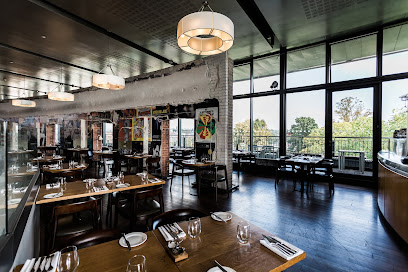
Zizzi - Stratford-upon-Avon
0.2 km
Italian flavours in the heart of Shakespeare’s Stratford, with wood-fired pizzas, fresh pasta, and a rooftop terrace for al fresco dining.
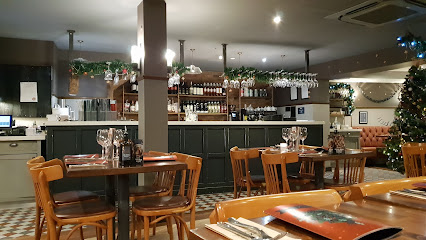
Coffee Clouds
0.2 km
A cozy Stratford-upon-Avon café serving expertly crafted coffee and homemade treats in a charming, intimate setting.
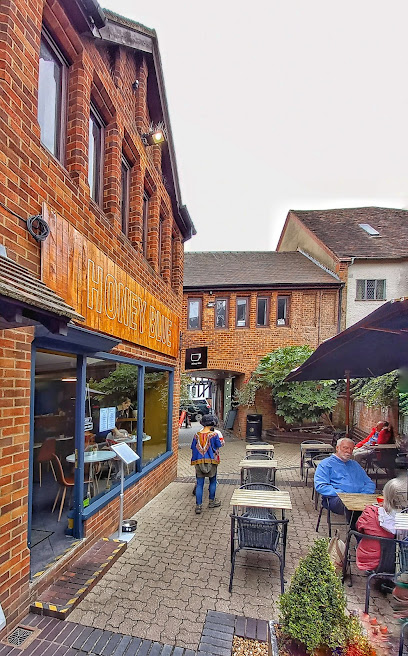
Café Rouge - Stratford Upon Avon
0.2 km
Classic French bistro charm with authentic cuisine and a welcoming atmosphere in Stratford-upon-Avon’s historic center.
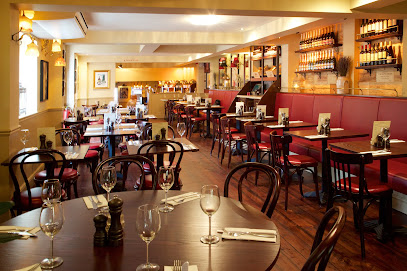
The Boat House
0.2 km
Historic riverside dining with fresh seafood, scenic views, and warm hospitality in the heart of Stratford-upon-Avon.
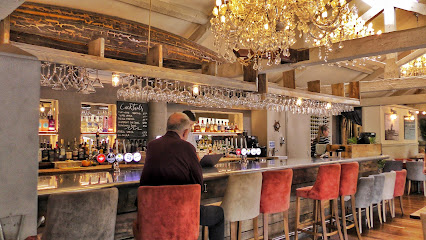
The Opposition
0.2 km
Historic bistro in Stratford-upon-Avon offering seasonal, hearty dishes in a cozy 16th-century setting, perfect for pre-theatre dining.
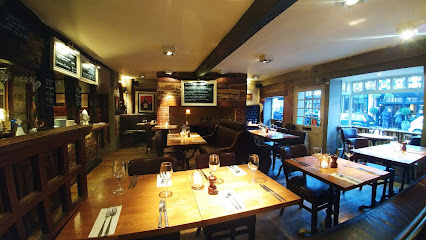
Bistrot Pierre - Stratford-upon-Avon
0.2 km
Relaxed French dining with scenic river views in Stratford-upon-Avon’s historic Swan’s Nest Hotel.
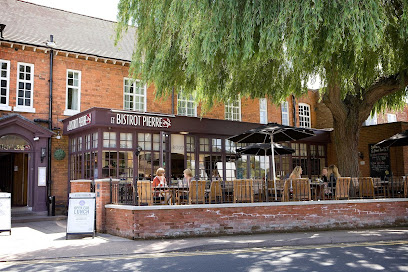
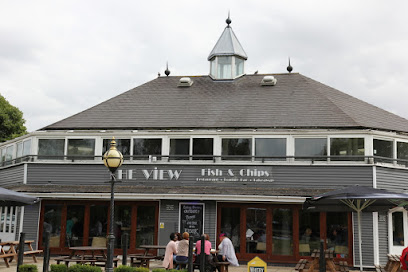
The View
0.2 km
Enjoy fresh British fare with stunning panoramic views over Warwickshire countryside at The View, a charming farm-based restaurant near Stratford-upon-Avon.
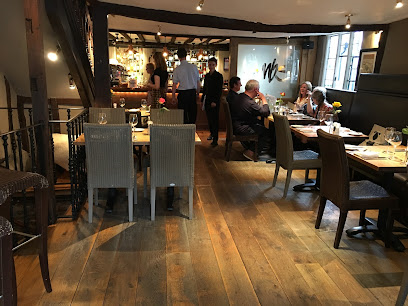
Lambs
0.3 km
Historic Tudor charm and classic English cuisine combine at Lambs, Stratford-upon-Avon's beloved cozy restaurant.
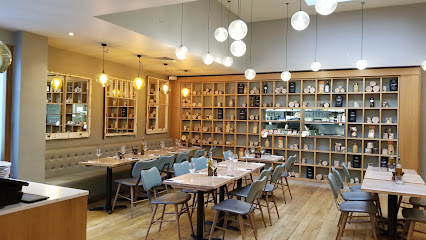
Wildwood Restaurants Stratford-upon-Avon
0.3 km
Contemporary Italian dining in Stratford-upon-Avon with standout vegan options and a bright, welcoming atmosphere.
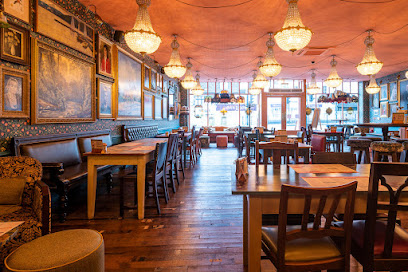
Prospero Lounge
0.3 km
Eclectic British dining with inclusive menus and lively atmosphere in the heart of Stratford-upon-Avon.
Markets, malls and hidden boutiques

Italy's Little Secret
0.2 km
Experience the authentic taste of Italy at Italy's Little Secret, a charming boutique restaurant in Stratford-upon-Avon, perfect for food lovers.
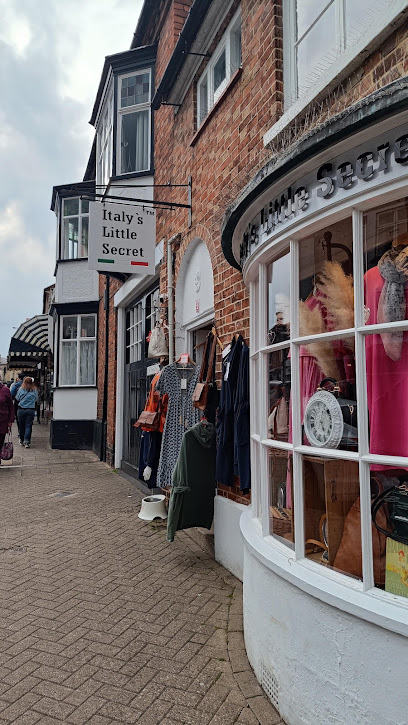
Auburn Fox Home
0.2 km
Discover unique furniture and homewares with personalized service in the heart of Stratford-upon-Avon.
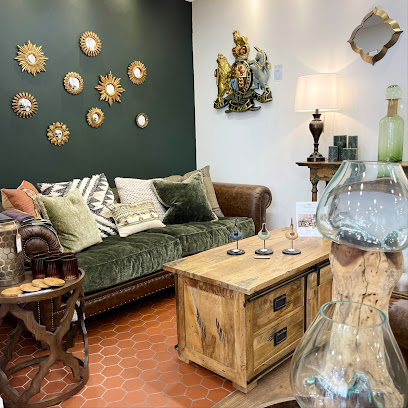
Marks and Spencer
0.2 km
A trusted British retail destination offering quality food, clothing, and convenience in the heart of Stratford-upon-Avon.
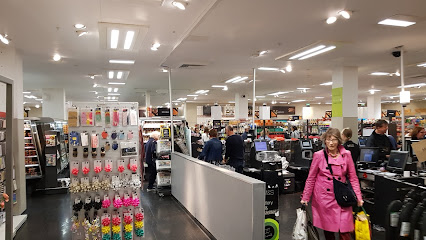
Boutique Jsk
0.2 km
Discover unique women's fashion and local craftsmanship at Boutique Jsk, a stylish independent shop on historic Sheep Street in Stratford-upon-Avon.
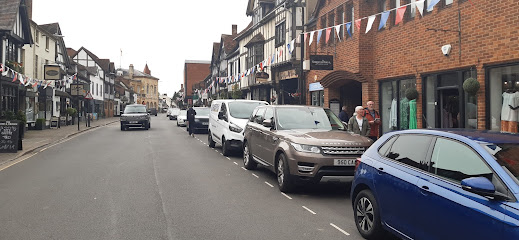
Jigsaw
0.2 km
Discover timeless British womenswear and accessories at Jigsaw, Stratford-upon-Avon's elegant fashion boutique on Bridge Street.
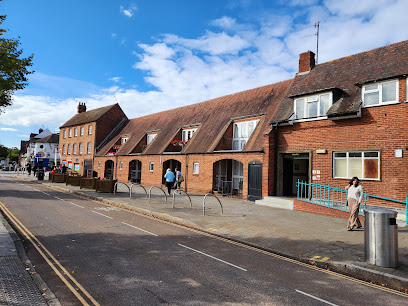
Accessorize
0.3 km
Discover stylish accessories, clothing, and jewelry at Accessorize in Stratford-upon-Avon, where fashion meets Shakespearean charm.
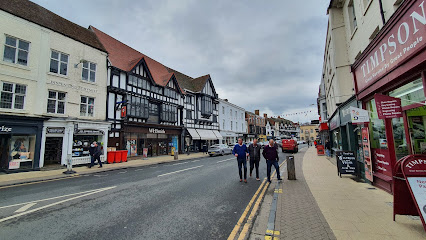
Jack Wills
0.3 km
Discover timeless British fashion and contemporary style at Jack Wills in the heart of Stratford-upon-Avon’s historic High Street.
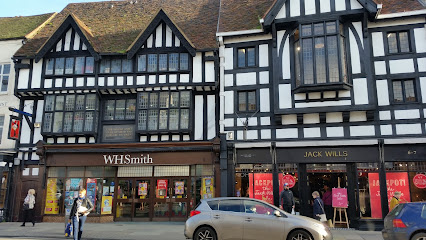
Vinegar Hill Wardrobe
0.3 km
Discover elegant ladies’ fashion in the historic charm of Stratford-upon-Avon’s Vinegar Hill Wardrobe boutique.
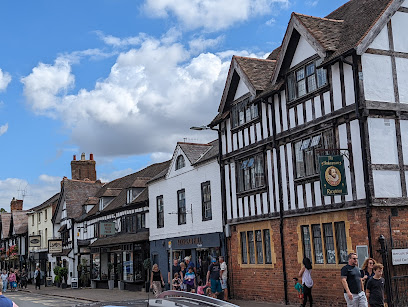
White Stuff Stratford Upon Avon
0.3 km
Contemporary, sustainable fashion for all ages in the heart of historic Stratford-upon-Avon.
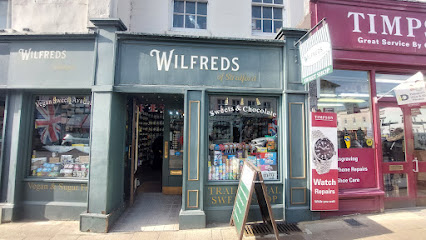
Wilfreds of Stratford
0.3 km
Discover timeless sweets and local charm at Wilfreds of Stratford, a beloved confectionery shop on Stratford-upon-Avon's historic High Street.
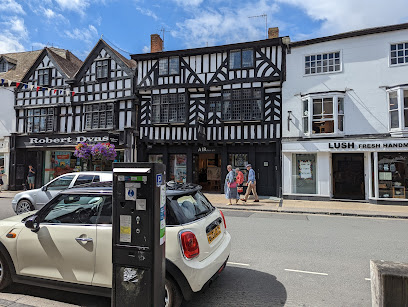
Lush Cosmetics Stratford Upon Avon
0.3 km
Discover fresh, handmade, and ethical beauty products at Lush Stratford Upon Avon, where sustainability meets vibrant community spirit.
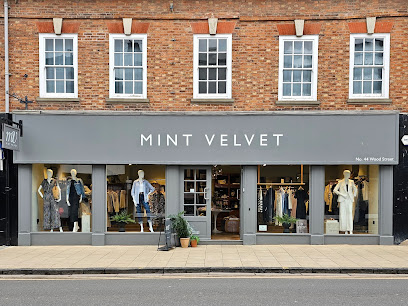
Mint Velvet Stratford-upon-Avon
0.3 km
Discover relaxed glamour and luxurious women's fashion at Mint Velvet Stratford-upon-Avon, your stylish boutique on Wood Street.
Any Witch Way
0.3 km
A mystical boutique in Stratford-upon-Avon offering crystals, candles, tarot, and witchcraft treasures in a charming antique centre setting.
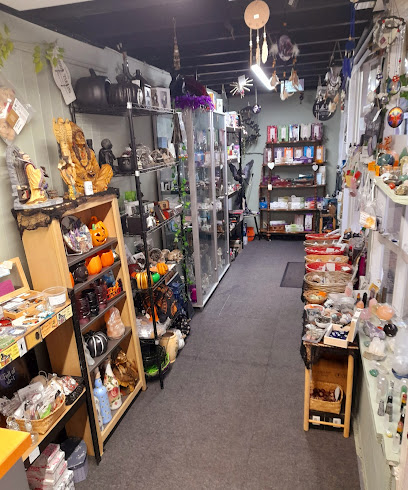
Ivy'ss Vintage Decor & Gifts
0.3 km
Explore a charming vintage shop in Stratford-upon-Avon, featuring unique decor and gifts that offer a glimpse into the past.
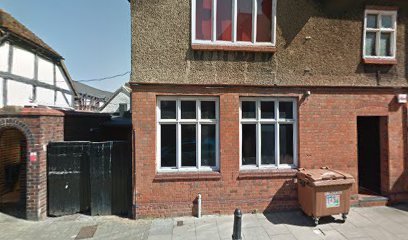
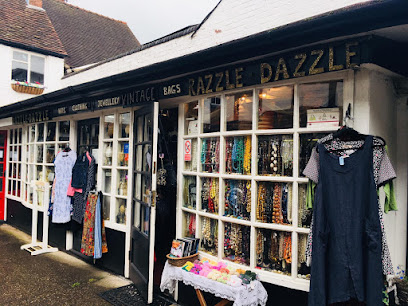
Razzle Dazzle
0.3 km
Discover timeless vintage fashion and unique costume treasures in the cozy charm of Razzle Dazzle, Stratford-upon-Avon’s beloved boutique.
Essential bars & hidden hideouts

Cox's Yard, Stratford-Upon-Avon
0.1 km
Lively riverside pub in Stratford-upon-Avon blending casual dining, sports, and scenic views by the River Avon.
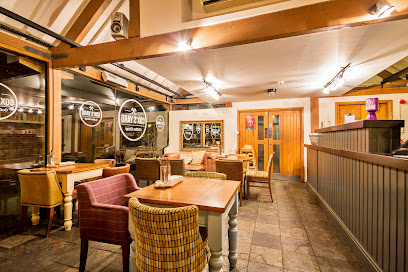
Officers Mess - 1940's Cocktail Bar
0.2 km
Step into the 1940s at Officers Mess, Stratford’s premier cocktail bar blending vintage charm, world-class drinks, and vibrant live entertainment.
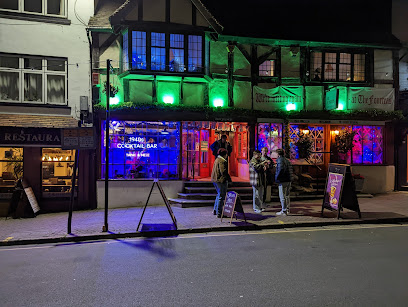
That Little Gin & Prosecco Bar
0.2 km
A cozy, intimate gin and Prosecco bar tucked away in Stratford-upon-Avon, offering an extensive spirit selection and warm, friendly vibes.
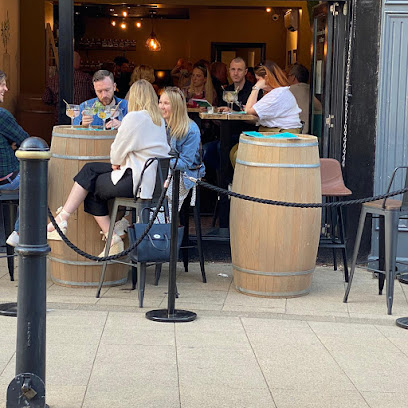
Rose & Crown
0.2 km
Classic English pub charm with hearty fare, friendly service, and a spacious garden in the heart of Stratford-upon-Avon.
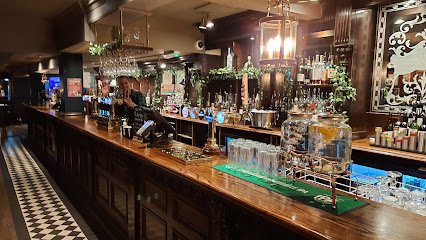
The Bear
0.2 km
Historic riverside pub in Stratford-upon-Avon serving classic ales and comforting British fare in a warm, cosy setting with scenic river views.
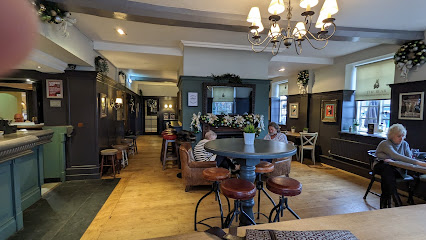
The Phoenix
0.3 km
A vibrant independent bar in Stratford-upon-Avon offering craft beers, authentic Neapolitan pizza, and a leafy rooftop terrace for a lively social experience.
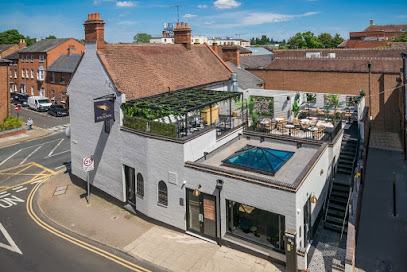
The Keys
0.4 km
A friendly and inviting pub in Stratford-upon-Avon with a quirky garden, great drinks, and classic pub fare in a relaxed atmosphere.
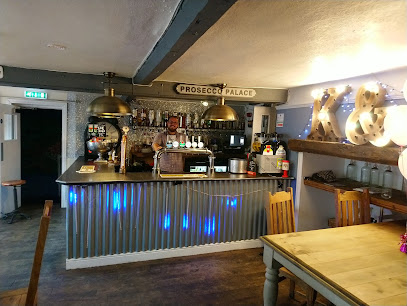
The Avon Lounge
0.5 km
A lively cocktail bar in Stratford-upon-Avon known for friendly hosts, great music, and a welcoming atmosphere perfect for evening socializing.
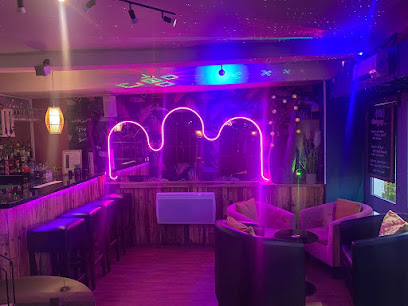
Windmill
0.5 km
A welcoming traditional British pub in Warwickshire serving classic dishes and local brews in a cozy, community-focused setting.
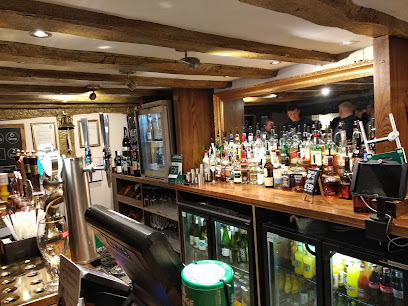
The Stratford Alehouse
0.6 km
A cozy micropub in Stratford-upon-Avon celebrated for exceptional real ales, live music, and a warm, welcoming atmosphere.
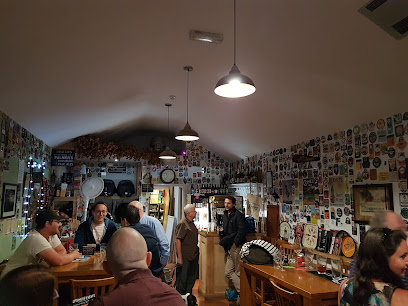
The Bull - El Toro | Stratford-Upon-Avon
0.8 km
A lively fusion of Spanish tapas and English pub charm in Stratford-upon-Avon, serving exceptional food and drink in a warm, inviting atmosphere.
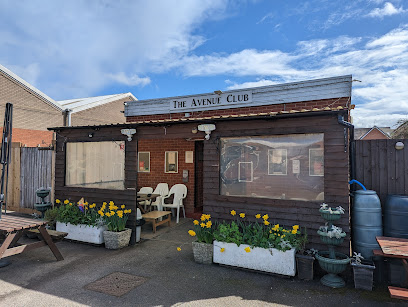
The Avenue Club
1.5 km
A friendly and affordable bar with live music and games, offering a relaxed social scene in Stratford-upon-Avon’s industrial heart.
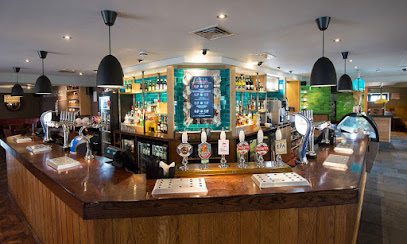
Unicorn
10.7 km
A warm, family-friendly pub in Warwick offering excellent British fare, accommodating service, and a welcoming local atmosphere.
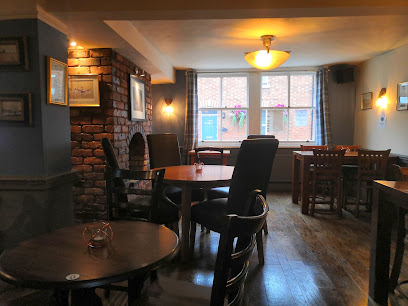
The Howard Arms Ilmington
11.2 km
A charming 400-year-old Cotswold inn blending historic warmth, fine dining, and stylish comfort in the heart of Ilmington village.
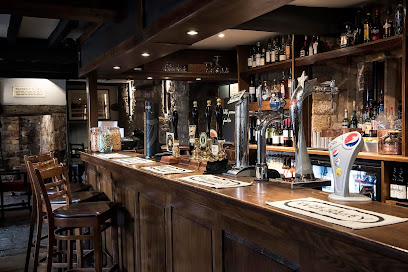
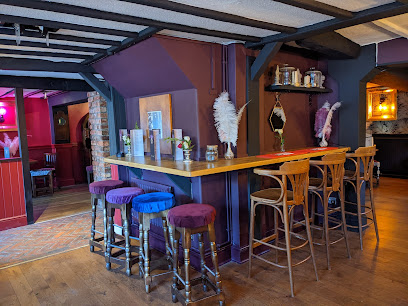
The Castle Inn
12.0 km
A historic Warwick pub with quirky charm, lively entertainment, and a welcoming beer garden for locals and visitors alike.
Nightclubs & after hour spots

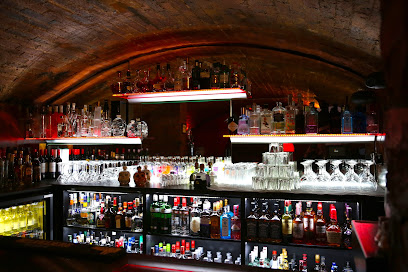
Caz Bar Nightclub
0.3 km
Experience Stratford-upon-Avon's glamorous late-night vibe at Caz Bar, a vintage cellar nightclub with live DJs, dancers, and premium drinks until dawn.
The Stratford Upon Avon Bridge Club
0.9 km
Explore the vibrant community of The Stratford Upon Avon Bridge Club, where bridge enthusiasts gather for games, camaraderie, and local culture in a picturesque setting.

The Cavern
13.3 km
A vibrant night club in Warwick offering energetic music, lively dancing, and a social atmosphere for unforgettable nights out.
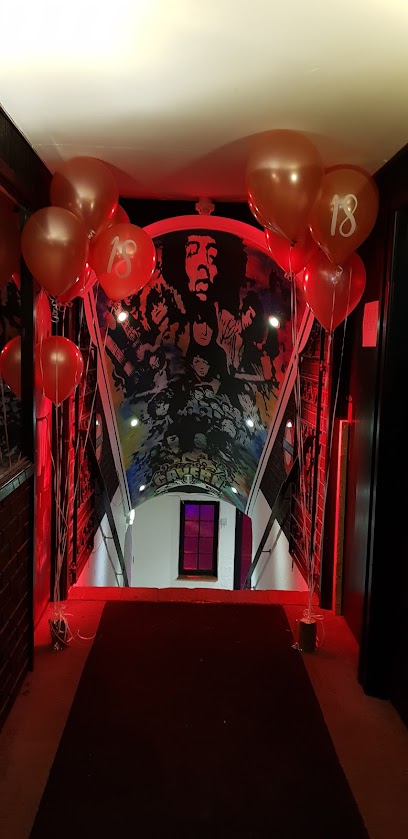
Neon
15.4 km
Leamington Spa’s largest nightclub, Neon delivers vibrant music, themed nights, and a dynamic party atmosphere every Friday until dawn.
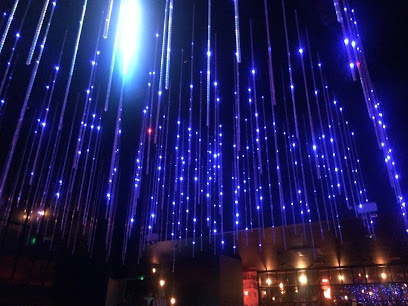
Altoria Nightclub
15.8 km
Experience Leamington Spa’s vibrant nightlife at Altoria Nightclub with diverse music floors, VIP service, and a unique rooftop terrace open till 3 am.
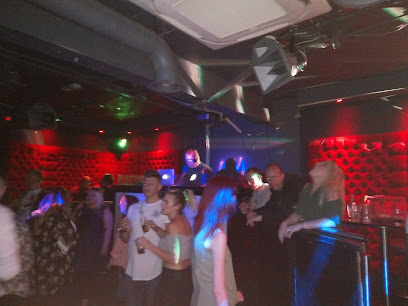
Smack
15.9 km
Leamington Spa’s energetic and affordable two-floor nightclub with a storied past and a lively, if sometimes challenging, atmosphere.
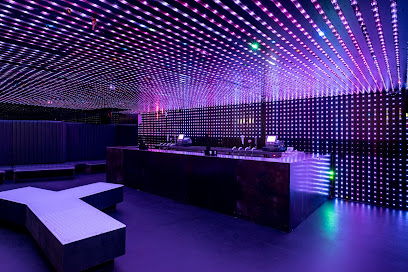
Club PST
33.5 km
Compact, bass-driven Digbeth club with reggae roots, stacked rooms and late-night underground parties.

Disco Wonderland
33.7 km
Dive into Birmingham's dazzling disco haven, where retro beats, neon lights, and endless energy light up Deritend's nightlife.

VOID Nightclub
33.7 km
Dive into Digbeth's underground heartbeat at VOID Nightclub, where marathon raves and thunderous bass fuel Birmingham's rawest nightlife from dusk till dawn.

The Night Owl
33.7 km
A cozy Digbeth venue where soulful retro beats and friendly vibes create unforgettable nights for all music lovers.
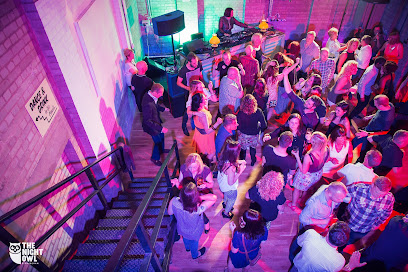
Quantum Vnues
33.8 km
Dive into Digbeth's beating heart: Quantum Venues delivers electrifying nights of music, lights, and unbridled energy in Birmingham's creative core.
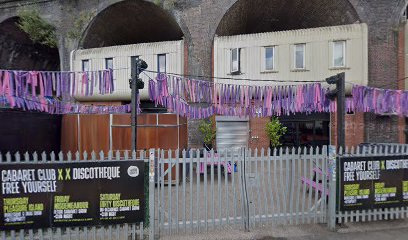
Next Door & Spotlight
33.8 km
Two adjoining Digbeth nightspots — a pulse-driven DJ room and an intimate bar space with street-food pop-ups and a raw, industrial vibe.
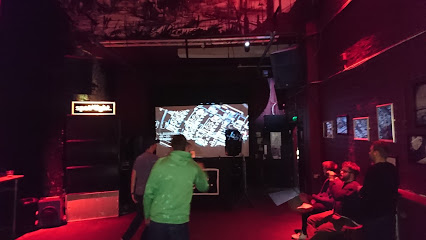
Nightingale Club
33.8 km
Birmingham's legendary LGBTQIA+ superclub: three floors of pulsating beats, go-go glamour, and five decades of unapologetic queer joy in the Gay Village.

Mango Night Club
33.9 km
A high‑energy Bristol Street nightclub serving Afrobeats, hip‑hop and R&B for late‑night dancers and party crowds in central Birmingham.

Sector 57
34.0 km
Experience Birmingham’s vibrant nightlife at Sector 57, where eclectic music and electric vibes create unforgettable nights in Deritend.

For the vibe & atmosphere seeker
- Relaxing
- Tranquil
- Scenic
- Cultural Heritage
For the design and aesthetic lover
- Vintage Styles
- Art Deco Styles
For the architecture buff
- Historic
- Landmarks
- Parks & Gardens
For the view chaser and sunset hunter
- Iconic Views
- Waterfront
For the social media creator & influencer
- Instagrammable
- Photo Spots
- Selfie Spots
- Architectural Shots
For the eco-conscious traveler
- Public-Transport Accessible
- Low Impact
For the kind of experience you’re after
- Cultural Heritage
- Photowalk
- Day Trip
For how adventurous you want the journey to be
- Easy Access
Location Audience
- Family Friendly
- Senior Friendly
- Child Friendly
- Teen Friendly
- Wheelchair Access
- Solo Friendly
- Couple Friendly
- Solo Female Friendly
- Business Friendly


