
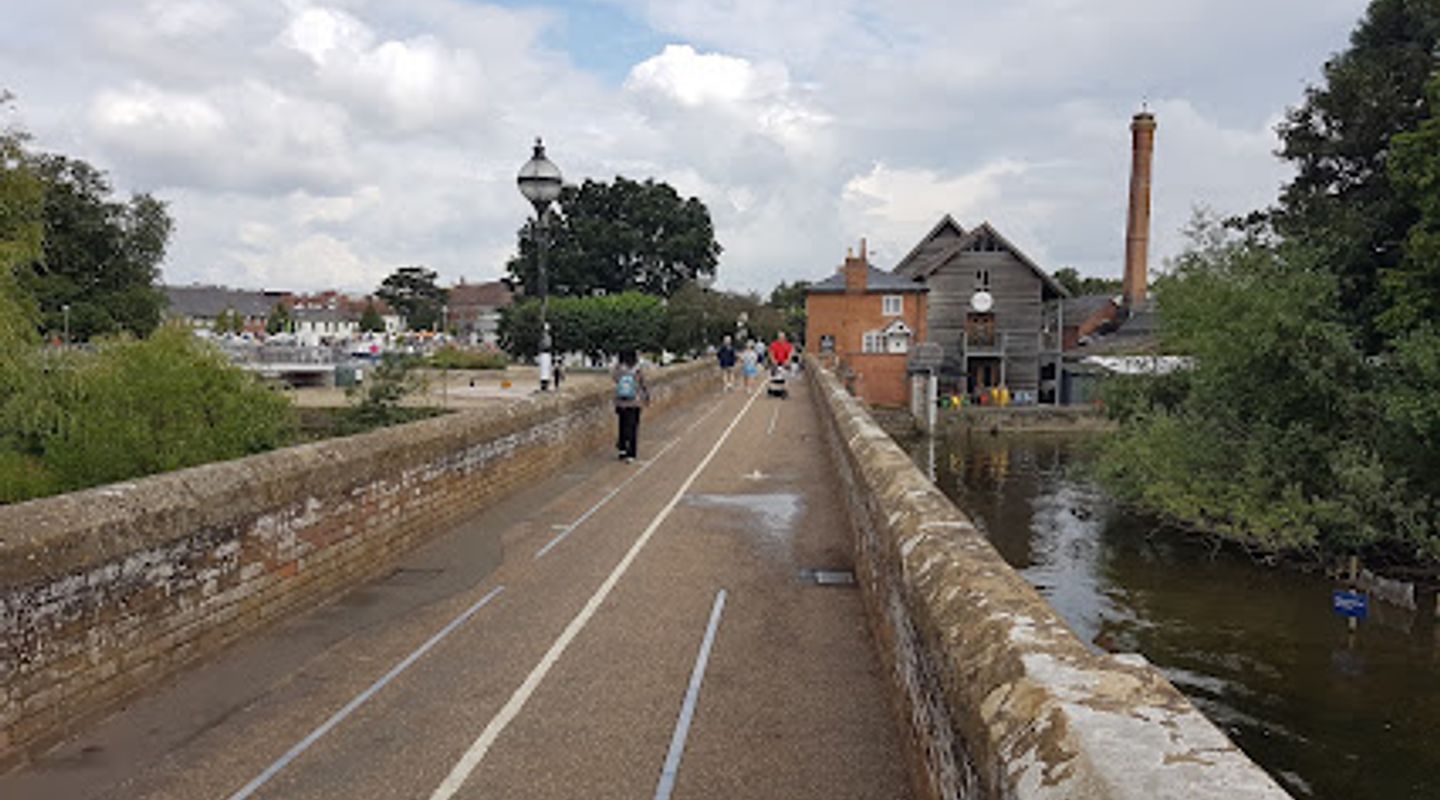
Tramway Bridge, Stratford Upon Avon Travel Guide
Historic 1826 red brick pedestrian bridge over the River Avon, blending industrial heritage with tranquil riverside views in Stratford-upon-Avon.
The Tramway Bridge in Stratford-upon-Avon is a historic pedestrian bridge built in 1826 with nine elegant red brick arches. Originally part of the Stratford and Moreton Tramway, it offers serene views over the River Avon and remains a cherished landmark for locals and visitors exploring the town’s industrial heritage alongside its literary fame.
A brief summary to Tramway Bridge
- National Cycle Rte 41, Stratford-upon-Avon, Stratford-upon-Avon, GB
- Duration: 0.5 to 1.5 hours
- Free
-
 Outdoor
- Mobile reception: 4 out of 5

Know before you go
Hi, I'm Eve. Here are a few practical things to know before exploring Tramway Bridge.
- Visit at dawn or sunset for atmospheric lighting and peaceful views of the River Avon and its wildlife.
- Combine your visit with a walk along National Cycle Route 41 to explore Stratford’s scenic riverside and canal basin.
- Look for the bridge’s distinctive nine red brick arches and appreciate its Grade II listed architectural features.
- Use the pedestrian footpath connections on both sides to enjoy a quiet stroll away from busy roads.
Do you manage this location?
Take control to get all the benefits, like improved information, better appearance, and stronger visibility across AI-powered discovery. Learn more about listing your business on Evendo
Activate your presenceOther nearby places you may find interesting
The closest places of the same kind, if this one is not quite what you had in mind.


Explore Tramway Bridge on the Map
A handpicked selection of must-see spots near Tramway Bridge, mapped for you.
Getting There
-
Bus
Take the Stagecoach bus services running from Stratford town centre to stops near the Stratford Canal Basin. The journey typically takes 10 to 15 minutes. Buses run frequently during the day, with tickets costing around £2-£4. From the basin, the Tramway Bridge is a short walk across pedestrian paths.
-
Walking
From Stratford town centre, a pleasant 20-minute walk along the riverside paths and National Cycle Route 41 leads to the Tramway Bridge. The terrain is flat and accessible, suitable for most walkers and wheelchairs.
-
Cycling
The bridge lies on National Cycle Route 41, making it easily reachable by bike from Stratford and surrounding areas. Cycle parking is available near the canal basin. The route is mostly flat and well signposted.
For the on-the-go comforts that matter to you
-
 Seating Areas
-
 Information Boards
-
 Trash Bins
Discover more about Tramway Bridge
Origins of the Tramway Bridge and Its Industrial Role
Constructed in 1826, the Tramway Bridge was designed by civil engineer John Urpeth Rastrick to serve the Stratford and Moreton Tramway, a horse-drawn wagonway connecting Stratford-upon-Avon to Moreton-in-Marsh. This 16-mile route was built to transport coal from the Black Country into rural Warwickshire and carry limestone and agricultural goods back north. The bridge’s nine semi-elliptical red brick arches span the River Avon just west of the town’s historic Clopton Bridge, marking a key point in this ambitious early 19th-century transport infrastructure.Engineering and Architectural Significance
The bridge exemplifies early industrial engineering with its robust brick construction and elegant arch design. Its Grade II listed status reflects its architectural and historic importance. The structure was built to accommodate horse-drawn trams, a precursor to steam railways, and its enduring presence is a testament to the craftsmanship of the era. The bridge’s design balances functionality with aesthetic appeal, fitting harmoniously into Stratford’s riverside landscape.The Tramway’s Evolution and Decline
Initially a horse-drawn tramway, the line experimented with steam locomotion in the mid-19th century but never fully prospered. The southern section converted to a conventional railway, while the northern branch, including the bridge, continued horse-drawn operations until disuse in the 1880s. The tracks were removed in 1918 during World War I for metal reclamation. Despite the tramway’s closure, the bridge survived and transitioned to pedestrian use, preserving a tangible link to Stratford’s industrial past.Present-Day Experience and Riverside Charm
Today, the Tramway Bridge is a peaceful pedestrian crossing offering scenic views over the River Avon, where swans, ducks, and geese often glide beneath. Its orange street lamps add a gentle glow in the evenings, enhancing the tranquil ambiance. The bridge provides an alternative to busier road crossings and invites visitors to reflect on Stratford’s layered history beyond its Shakespearean heritage. It is a favored spot for quiet strolls and photography, especially at dawn or sunset.Connection to Stratford’s Broader Heritage
While Stratford-upon-Avon is world-renowned for its Shakespearean landmarks, the Tramway Bridge offers insight into the town’s industrial and transport history. It recalls the vision of William James, the railway promoter behind the tramway, and the early challenges of integrating new transport technologies into a traditional market town. Walking the bridge and nearby paths connects visitors to this lesser-known but significant chapter of Stratford’s development.Accessibility and Surrounding Attractions
Located on National Cycle Route 41, the bridge is accessible from both the north and south riverbanks, linking Cox’s Yard and Swan’s Nest areas. It lies just west of Clopton Bridge, a historic road bridge, making it easy to combine visits. The setting along the Avon canal basin enhances its appeal for those exploring Stratford’s waterways and riverside walks.












Your all‑in‑one travel companion app
Explore expert travel guides, compare and book tours, experiences, hotels, and more—all from the palm of your hand. Download now for seamless trip planning wherever your wanderlust takes you.


Explore More of Stratford Upon Avon
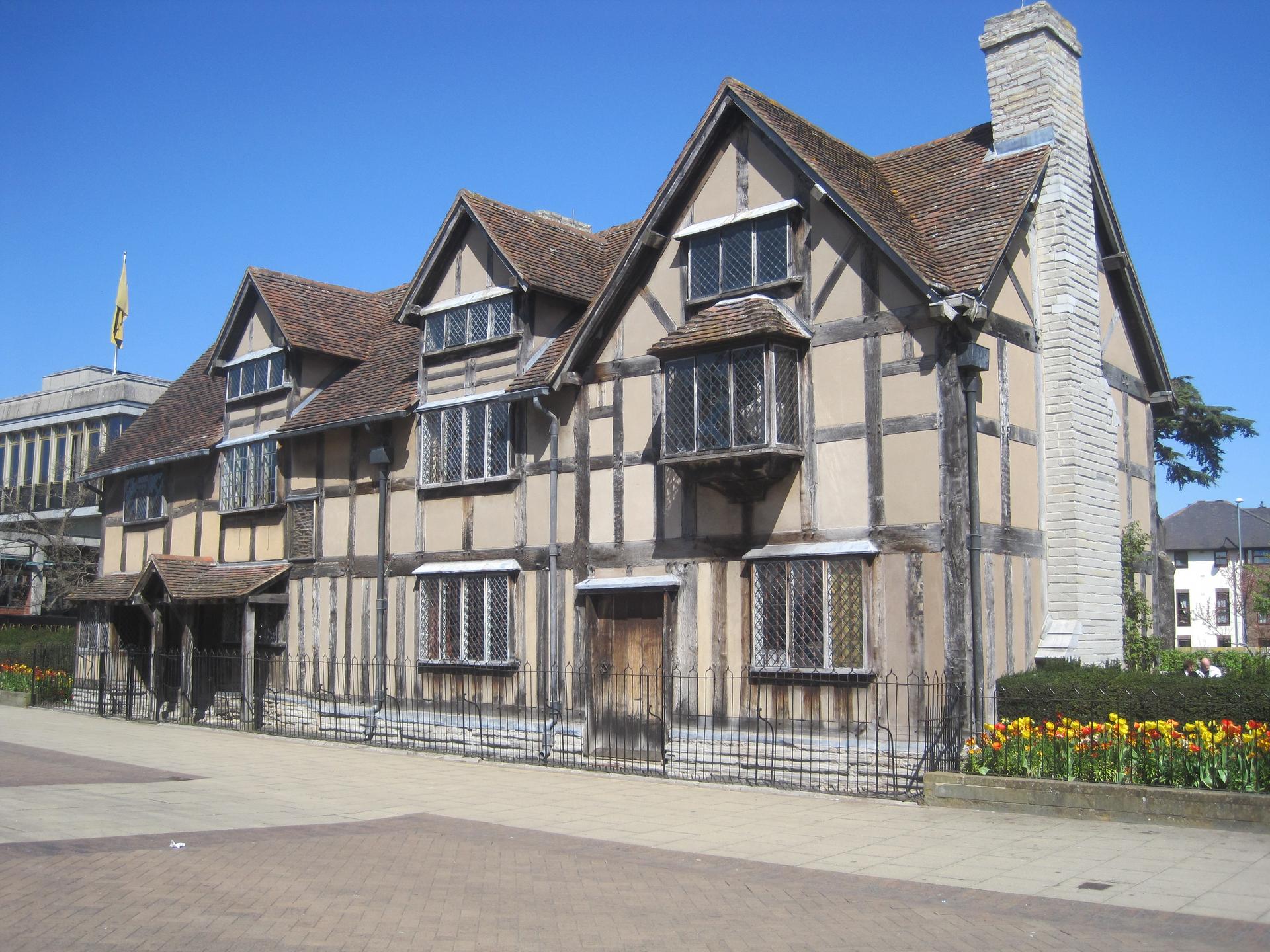
Looking beyond Tramway Bridge? Discover Stratford Upon Avon for broader travel guides, local hot-spots, and regional highlights.
Explore Stratford Upon Avon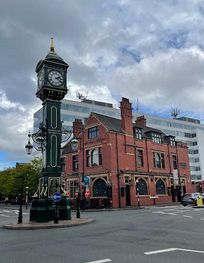
An elegant Edwardian clock tower at the heart of Birmingham’s Jewellery Quarter, built in 1903 as a memorial to Joseph Chamberlain and recently restored to its former glory.
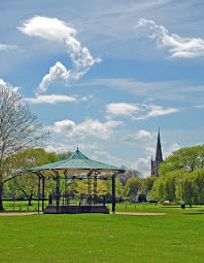
Historic bandstand in Stratford-upon-Avon offering free summer concerts and a vibrant community atmosphere in a scenic park setting.
