Hall of Memory, Birmingham Travel Guide
A solemn and beautifully crafted war memorial in Birmingham’s Centenary Square, honoring the city’s fallen heroes with striking art and quiet reflection.
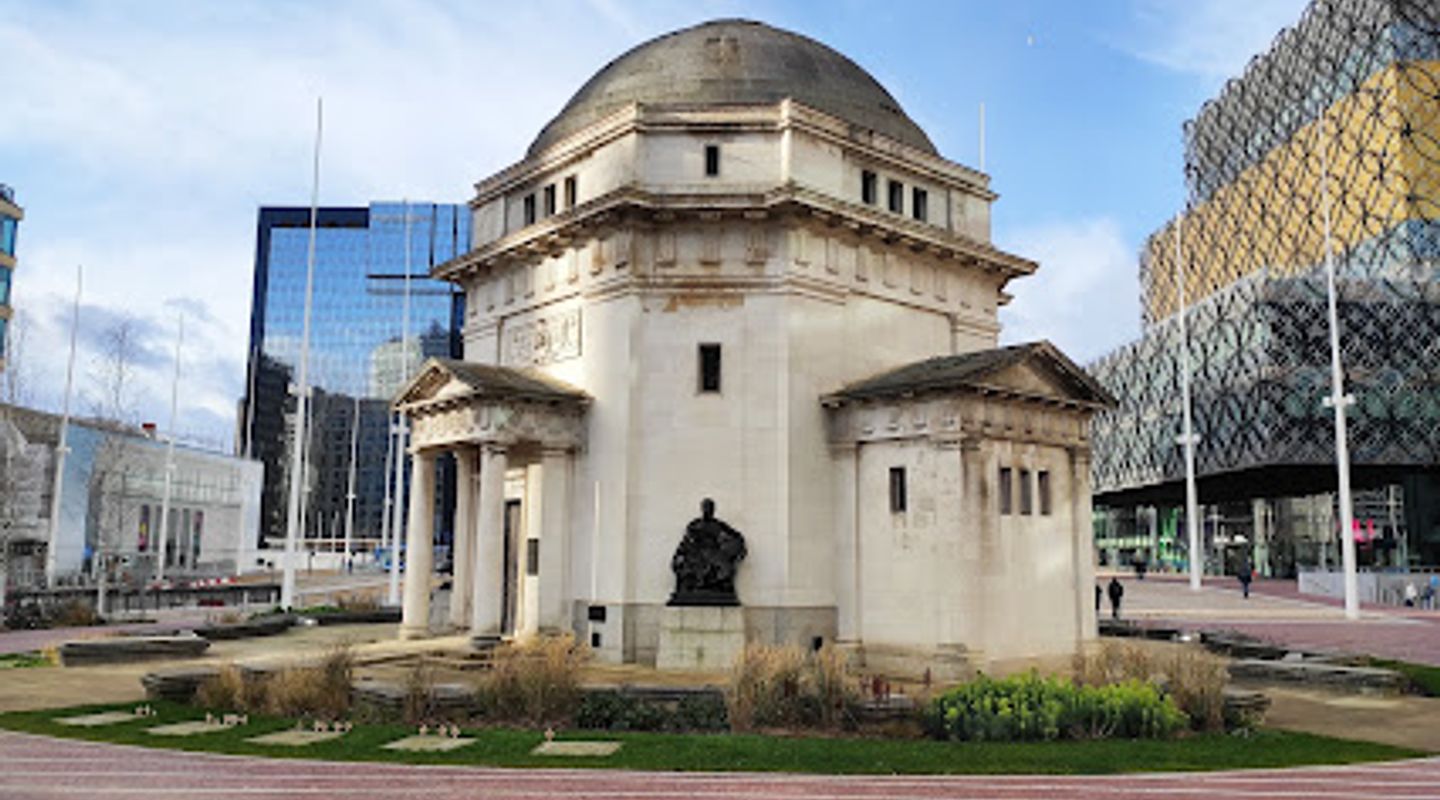
The Hall of Memory in Birmingham is a solemn war memorial built in the 1920s to honor the 12,320 citizens who died in World War I, later commemorating those lost in subsequent conflicts. Located in Centenary Square, it features striking bronze statues representing the British military services and a quiet interior space for reflection, with free public access during limited hours.
A brief summary to Hall of Memory
- Broad St, Birmingham, B1 2HF, GB
- Click to display
- Duration: 0.5 to 1.5 hours
- Free
-
 Outdoor
- Mobile reception: 4 out of 5
- Thursday 10 am-4 pm
- Friday 10 am-4 pm
- Saturday 10 am-4 pm

Know before you go
Hi, I'm Eve. Here are a few practical things to know before exploring Hall of Memory.
- Visit during weekdays from 10am to 4pm for interior access and a quieter experience.
- Take time to study the four bronze statues outside, each representing a branch of the British military.
- Combine your visit with nearby attractions like Birmingham Museum and Art Gallery or enjoy dining options around Centenary Square.
- Respect the quiet atmosphere inside the memorial to fully appreciate its reflective purpose.
Do you manage this location?
Take control to get all the benefits, like improved information, better appearance, and stronger visibility across AI-powered discovery. Learn more about listing your business on Evendo
Activate your presenceOther nearby places you may find interesting
The closest places of the same kind, if this one is not quite what you had in mind.

Explore Hall of Memory on the Map
A handpicked selection of must-see spots near Hall of Memory, mapped for you.
Unlock the Best of Hall of Memory
Buy tickets
-
No tickets available
Book tours with entry


Getting There
-
Public Transport
Take the West Midlands Metro tram to Centenary Square stop, approximately 15-20 minutes from Birmingham New Street Station. Trams run frequently, and the stop is a short walk to the Hall of Memory. Tickets cost around £2.50-£4.00 one way.
-
Bus
Multiple bus routes serve Centenary Square from across Birmingham, with journey times ranging from 15 to 30 minutes depending on starting point. Buses run regularly during the day, and single fares typically cost £2-£3.
-
Car
Driving to Centenary Square is possible, with nearby pay-and-display and multi-story parking facilities. Expect parking charges around £2-£4 per hour. Be aware that city center traffic can be busy during peak hours.
-
Walking
If staying in Birmingham city center, the Hall of Memory is within a 10-20 minute walk from major landmarks such as the Bullring shopping center and Birmingham Museum and Art Gallery. The terrain is flat and accessible.
For the on-the-go comforts that matter to you
-
 Restrooms
-
 Food Options
-
 Drink Options
-
 Seating Areas
-
 Information Boards
Discover more about Hall of Memory
A Tribute to Birmingham's Fallen Heroes
The Hall of Memory was constructed in the 1920s as a poignant tribute to the 12,320 Birmingham citizens who lost their lives during World War I. Officially opened on July 4, 1925, by H.R.H. Prince Arthur of Connaught, the memorial stands as a testament to the city's collective remembrance and respect for those who served and sacrificed. The entire structure is crafted predominantly from Portland stone, showcasing the skill of Birmingham's own craftsmen, and was funded entirely through public donations, costing £60,000 at the time.Architectural and Artistic Significance
Designed by S. N. Cooke and W. N. Twist, the Hall of Memory is a striking example of early 20th-century memorial architecture. Its exterior is adorned with four larger-than-life bronze statues by local sculptor Albert Toft, each representing a branch of the British military: the Army, Navy, Air Force, and Women's Services. These statues embody the diverse contributions to the war effort and add a powerful visual narrative to the memorial. The grand bronze doors lead visitors into a spacious, quiet chamber where thick walls muffle the sounds of the bustling city outside, fostering an atmosphere of solemn reflection.Interior Symbolism and Reflection
Inside the Hall of Memory, visitors encounter three intricate carvings along the walls, each symbolizing a theme central to the wartime experience: 'Call,' 'Front Line,' and 'Return.' These artworks deepen the emotional impact of the memorial, inviting contemplation on the journey of those who served. A roll of honor lists the names of the fallen from Birmingham, serving as a permanent record of sacrifice. The interior space also includes a guest book where visitors can leave personal messages, reinforcing the memorial's role as a living place of remembrance.Setting Within Centenary Square
Situated in the heart of Birmingham's Centenary Square, the Hall of Memory is surrounded by notable landmarks such as the Birmingham Museum and Art Gallery, the Town Hall, and the University College of Birmingham. This central location makes it a prominent feature of the cityscape and a focal point for public ceremonies and quiet reflection alike. The square itself is a lively urban space, hosting events and providing a backdrop that contrasts with the memorial's tranquil purpose.Visitor Experience and Accessibility
The Hall of Memory is open to the public from Monday to Saturday, typically between 10:00 AM and 4:00 PM, with free admission. While interior access can sometimes be limited, the exterior and surrounding square remain accessible at all times. Nearby amenities include parking facilities, eateries, and other cultural attractions, making it easy to combine a visit with a broader exploration of Birmingham's city center. The memorial's peaceful environment offers a moment of calm amid the urban bustle.Legacy and Continuing Importance
Beyond commemorating World War I, the Hall of Memory has expanded its dedication to include those who died in World War II and later military conflicts, reflecting the ongoing sacrifices of Birmingham's citizens. It stands not only as a historical monument but also as a place for education, remembrance, and community gathering. The memorial continues to inspire respect and reflection, ensuring that the stories of the fallen remain an integral part of Birmingham's cultural heritage.












Your all‑in‑one travel companion app
Explore expert travel guides, compare and book tours, experiences, hotels, and more—all from the palm of your hand. Download now for seamless trip planning wherever your wanderlust takes you.


Explore More of Birmingham

Looking beyond Hall of Memory? Discover Birmingham for broader travel guides, local hot-spots, and regional highlights.
Explore Birmingham