Gem Buildings, Birmingham Travel Guide
Free Guide: Discover the Gem Buildings—historic diamond cutting works embodying Birmingham’s Jewellery Quarter heritage and architectural charm.


A brief summary of Gem Buildings
Discover the Gem Buildings—historic diamond cutting works embodying Birmingham’s Jewellery Quarter heritage and architectural charm.
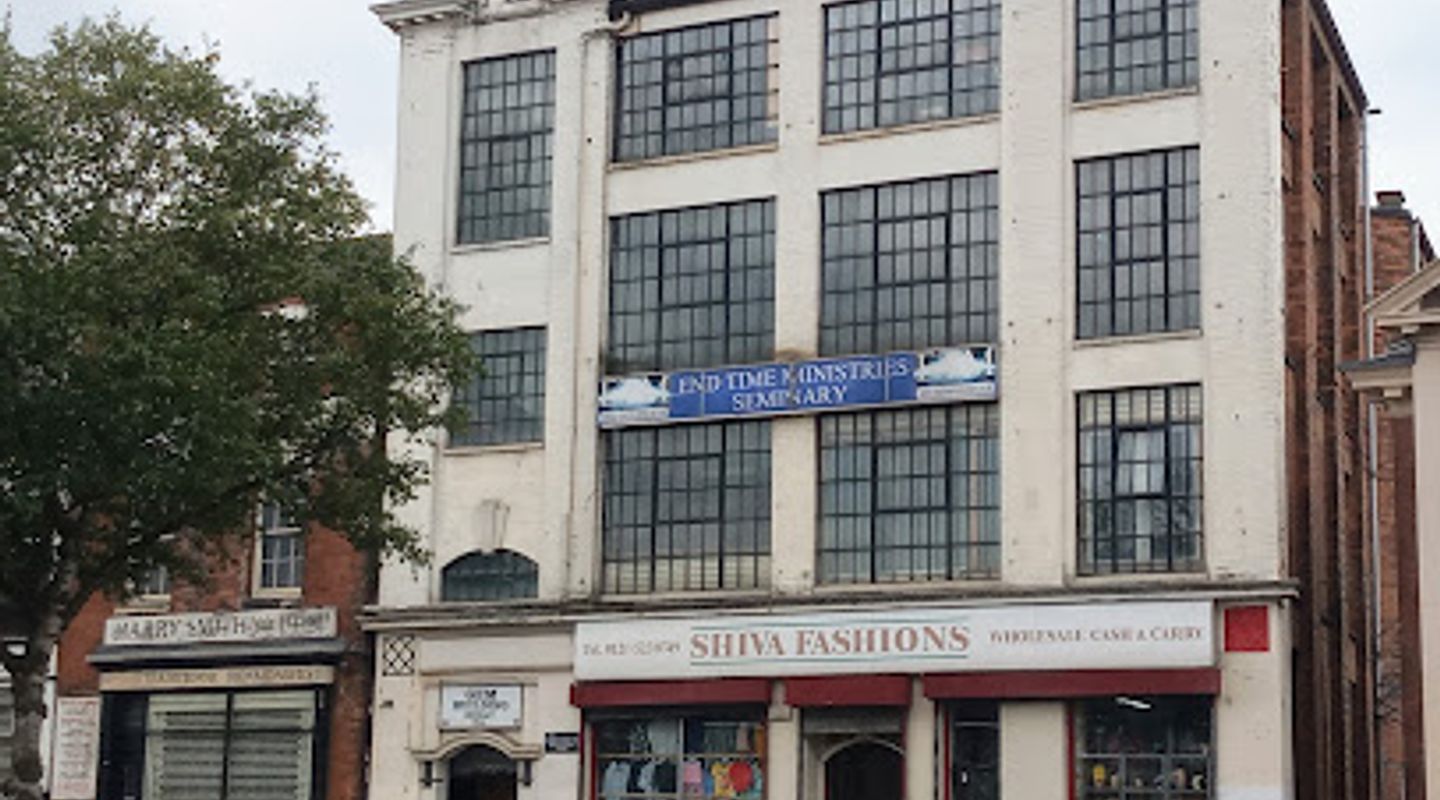
The Gem Buildings, located on Key Hill in Birmingham’s historic Jewellery Quarter, are iconic early 20th-century diamond cutting and polishing works. Built in 1913 by architects Wood & Kendrick for Ginder & Ginder, these buildings showcase a modern industrial design for their era and reflect the area’s rich heritage as a global centre for jewellery manufacturing. They stand near the historic Key Hill Cemetery, embedding them in a landscape steeped in local history and craftsmanship.
On-site amenities
 Restrooms
 Drink options
 Food options
 Seating areas
 Information boards
- Address
- Key Hill, Birmingham B18 5AJ
Getting there
Train and Tram
Bus
Car
Walking
Discover more about Gem Buildings
Architectural Significance of the Gem Buildings
Constructed in 1913, the Gem Buildings embody the industrial spirit and architectural innovation of early 20th-century Birmingham. Designed by Wood & Kendrick, these buildings were commissioned by Ginder & Ginder, diamond cutters and polishers who required a functional yet modern workspace. The design was notably progressive for its time, featuring red brick construction typical of the Jewellery Quarter’s industrial aesthetic, combined with large windows to maximize natural light for intricate craftsmanship.
The Heart of Birmingham’s Jewellery Trade
The Gem Buildings represent a pivotal era when Birmingham was a global hub for jewellery production. The Jewellery Quarter thrived through the 18th and 19th centuries, expanding into the early 20th century with buildings like the Gem Buildings supporting the diamond cutting and polishing trades. This area was home to numerous skilled artisans and manufacturers, many of whom lived and worked in close proximity, fostering a vibrant community centered on metalwork and jewellery.
Context within Key Hill and the Jewellery Quarter
Situated on Key Hill, the Gem Buildings are adjacent to the historic Key Hill Cemetery, a site established in 1835 to accommodate Birmingham’s growing population and its needs. The cemetery and surrounding buildings together tell a story of the city’s industrial and social development. The Jewellery Quarter itself is renowned for its dense concentration of heritage buildings, workshops, and factories that have shaped Birmingham’s identity as the 'City of a Thousand Trades.'
Preservation and Revitalization Efforts
The Gem Buildings, like many in the Jewellery Quarter, have been recognized for their historical and architectural value. Recent heritage funding initiatives aim to restore and revitalize these landmarks, ensuring their preservation for future generations. These efforts not only protect the physical structures but also celebrate the cultural legacy of Birmingham’s jewellery industry, supporting ongoing artisan activities and community engagement.
Visual and Cultural Experience
Visitors to the Gem Buildings can appreciate the blend of historic industrial architecture with the lively atmosphere of the Jewellery Quarter. The red brick façades, large industrial windows, and proximity to other heritage sites create a distinctive urban landscape. This area offers a unique glimpse into the craftsmanship and industrial heritage that continues to influence Birmingham’s cultural fabric.
Legacy and Continuing Influence
The Gem Buildings stand as a testament to Birmingham’s enduring jewellery trade, which remains active today. They symbolize the city’s blend of tradition and innovation, reflecting how historic industrial spaces can be adapted for modern use while honoring their past. The Jewellery Quarter continues to attract artisans, entrepreneurs, and visitors interested in its rich history and vibrant creative community.
Evendo Review Centre
 Google
Guest reviews
Best time to go
Quietest: Jan, Feb & Dec · before 6am or at 10pm
Busy times are Evendo estimates for a typical year, to help you plan. Actual crowds vary with events, school holidays and the weather.
Explore Gem Buildings on the map
A handpicked selection of must-see spots near Gem Buildings, mapped for you.
Get your free copy of our complete guide to Gem Buildings, delivered straight to you.
Everything on this page, from opening hours and how to get there to Eve’s tips and the best time to go, in one PDF you can read offline, print or share.
Already have an account? Sign in
Your Gem Buildings guide is ready.
We'll send it to · Not you? Sign out

Getting your guide ready…
We are putting together a fresh copy of the Gem Buildings guide. This can take up to a minute.
This can take a few moments. If your browser asks, choose Allow so the download can start. You'll find the guide in your Downloads folder.
Nothing happened? Download it again
Sorry, the guide is taking longer than usual. Please try again in a minute, or get it by email instead.
Other nearby places you may find interesting
The closest places of the same kind, if this one is not quite what you had in mind.
-
-
-
-
-


Swipe for more places
More to explore near Gem Buildings

 Best experiences near Gem Buildings
 Best hotels near Gem Buildings
 Best landmarks near Gem Buildings
 Best attractions near Gem Buildings
 Best shops near Gem Buildings
 Best restaurants near Gem Buildings
 Best bars near Gem Buildings
Do you manage this location?
Take control to get all the benefits, like improved information, better appearance, and stronger visibility across AI-powered discovery.
Explore more

Explore more of Birmingham
Discover Birmingham, a city that blends rich industrial heritage with vibrant modern culture, offering diverse attractions from historic museums to bustling shopping districts.
Explore Birmingham
Explore more of United Kingdom
Discover the United Kingdom: A blend of rich history, stunning landscapes, and vibrant cities, offering a unique travel experience for every visitor.
Explore United Kingdom