Llandovery Castle Travel Guide
Free Guide: Explore the evocative ruins of Llandovery Castle, a medieval fortress with sweeping valley views and rich Welsh history, open year-round with free entry.


A brief summary of Llandovery Castle
Explore the evocative ruins of Llandovery Castle, a medieval fortress with sweeping valley views and rich Welsh history, open year-round with free entry.
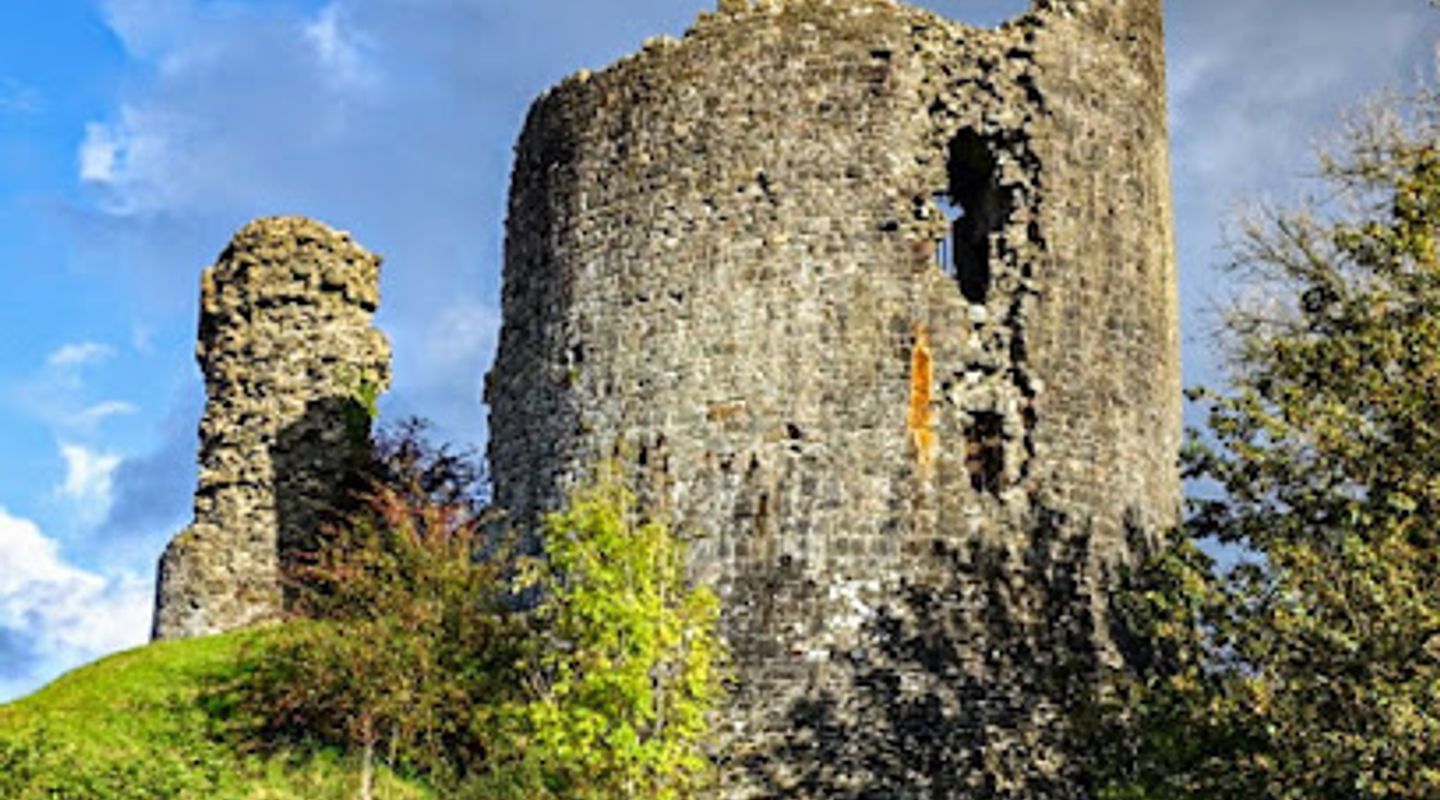
Llandovery Castle stands as a striking ruin atop a rocky hillock in the Tywi Valley, Wales. Dating back to the 12th and 13th centuries, this castle witnessed turbulent battles between Norman, English, and Welsh forces. Visitors can explore the remains of its D-shaped tower, twin-towered gatehouse, and domestic buildings while enjoying panoramic views over the confluence of the Afon Brân and Afon Gwydderig rivers. Open year-round with free access, it offers a captivating glimpse into medieval Welsh history.
On-site amenities
 Restrooms
 Food options
 Drink options
 Seating areas
 Information boards
Opening hours
- Every dayOpen 24 hours
Opening hours as listed on the venue’s Google Business Profile. Hours can change for services and special events, so check with the venue before you go.
- Address
- Castle St, Llandovery SA20 0AN
- Website
Getting there
Bus
Car
Train plus Walk
Discover more about Llandovery Castle
A Strategic Stronghold in Medieval Wales
Llandovery Castle’s origins trace back to the Norman lord Richard Fitz Pons in the 12th century. Its location atop a rocky hill overlooking the Tywi Valley was chosen for defensive advantage, commanding views over the confluence of the Afon Brân and Afon Gwydderig rivers. Throughout its history, the castle changed hands multiple times, reflecting the turbulent power struggles between Norman/English forces and Welsh princes. Notably, it fell to Welsh leader Gruffydd ap Rhys before finally succumbing to Edward I in 1277. The castle also saw conflict during Owain Glyndwr’s uprising in the early 1400s, marking it as a site of repeated military importance.
Architectural Highlights and Ruins
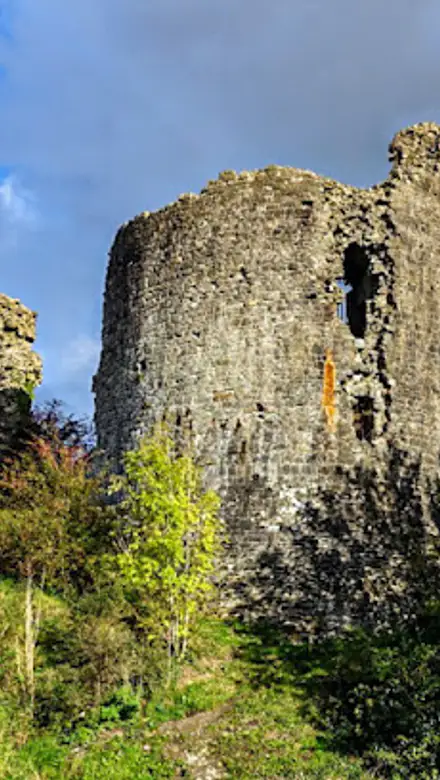
Today, visitors can explore the evocative ruins that remain, including the impressive D-shaped tower which features a first-floor garderobe (medieval latrine). The twin-towered gatehouse foundations hint at the castle’s fortified entrance, while grass-covered remnants of domestic buildings such as halls and kitchen ranges lie within the bailey. The castle’s layout and surviving structures provide insight into its original design and function as a defensive stronghold and noble residence.
Setting and Atmosphere
Perched on a steep hillock, the castle commands sweeping views across the lush Tywi Valley and the meeting point of two rivers. The surrounding landscape of rolling hills and river valleys creates a tranquil yet dramatic backdrop, enhancing the sense of history embedded in the ruins. The site’s elevated position and exposed slopes offer a palpable connection to the medieval era’s strategic military considerations.
Visitor Experience and Accessibility
Llandovery Castle is open year-round with free entry, making it accessible to all visitors. While there are steep slopes and steps leading to the top of the castle mound, the ruins can be appreciated from the adjacent car park for those with limited mobility. Nearby town amenities include toilets, refreshments, and shops, providing convenience for visitors. The castle’s location within the Brecon Beacons National Park adds to its appeal as a destination combining natural beauty with historical intrigue.
Local Significance and Cultural Legacy
The castle is a symbol of the contested history of Wales, embodying the complex relationships between Norman invaders, English monarchs, and Welsh princes. Its ruins stand as a testament to the region’s medieval heritage and the resilience of Welsh identity. The site also features a modern silver statue of Llewellyn ap Gruffydd, a notable Welsh prince, linking the past with present cultural memory.
Practical Information for Visitors
Parking is inexpensive and plentiful near the castle, with several dining and drinking options available in the nearby town of Llandovery. The castle’s open access and scenic setting make it suitable for families, history enthusiasts, and casual visitors alike. Exploring the ruins offers a quiet, reflective experience enriched by the surrounding natural landscape and the echoes of Wales’s storied past.
Evendo Review Centre
 Google
Guest reviews
Best time to go
Quietest: Jan, Feb & Dec · at 1am or at 2am or at 3am
Busy times are Evendo estimates for a typical year, to help you plan. Actual crowds vary with events, school holidays and the weather.
Explore Llandovery Castle on the map
A handpicked selection of must-see spots near Llandovery Castle, mapped for you.
Get your free copy of our complete guide to Llandovery Castle, delivered straight to you.
Everything on this page, from opening hours and how to get there to Eve’s tips and the best time to go, in one PDF you can read offline, print or share.
Already have an account? Sign in
Your Llandovery Castle guide is ready.
We'll send it to · Not you? Sign out

Getting your guide ready…
We are putting together a fresh copy of the Llandovery Castle guide. This can take up to a minute.
This can take a few moments. If your browser asks, choose Allow so the download can start. You'll find the guide in your Downloads folder.
Nothing happened? Download it again
Sorry, the guide is taking longer than usual. Please try again in a minute, or get it by email instead.
Other nearby places you may find interesting
The closest places of the same kind, if this one is not quite what you had in mind.
-
-
-
-
-


Swipe for more places
More to explore near Llandovery Castle

 Best experiences near Llandovery Castle
 Best hotels near Llandovery Castle
 Best landmarks near Llandovery Castle
 Best attractions near Llandovery Castle
 Best shops near Llandovery Castle
 Best restaurants near Llandovery Castle
 Best bars near Llandovery Castle
Do you manage this location?
Take control to get all the benefits, like improved information, better appearance, and stronger visibility across AI-powered discovery.
Explore more

Explore more of Brecknockshire
Discover the historic charm and natural beauty of Brecknockshire, Wales; a haven for outdoor enthusiasts, history buffs, and those seeking a serene escape.
Explore Brecknockshire
Explore more of United Kingdom
Discover the United Kingdom: A blend of rich history, stunning landscapes, and vibrant cities, offering a unique travel experience for every visitor.
Explore United Kingdom