

Llywelyn Monument Travel Guide
Free Guide: A solemn granite monument at Cilmeri honors Llywelyn the Last, marking the site where Wales’ final native prince fell in battle, symbolizing a pivotal moment in Welsh history.


A brief summary of Llywelyn Monument
A solemn granite monument at Cilmeri honors Llywelyn the Last, marking the site where Wales’ final native prince fell in battle, symbolizing a pivotal moment in Welsh history.
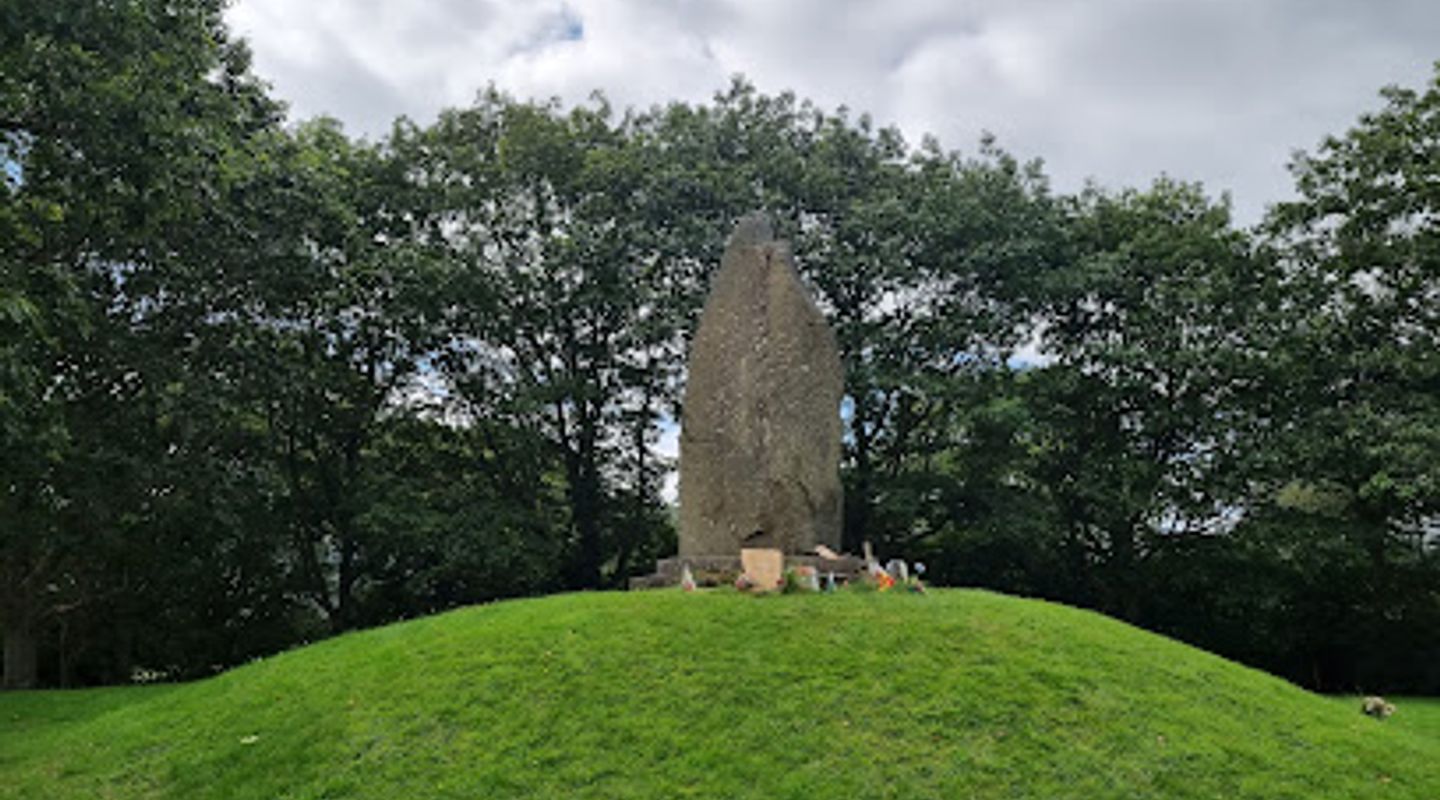
The Llywelyn Monument at Cilmeri near Builth Wells commemorates Llywelyn ap Gruffudd, known as Llywelyn the Last, the final native Prince of Wales who died in battle in 1282. Marked by a granite block atop a low mound, this solemn site symbolizes the end of Welsh independence in medieval times and stands amid peaceful countryside, inviting reflection on Wales’ turbulent history and enduring spirit.
On-site amenities
 Information boards
 Seating areas
 Trash bins
Opening hours
- Every dayOpen 24 hours
Opening hours as listed on the venue’s Google Business Profile. Hours can change for services and special events, so check with the venue before you go.
- Address
- Cilmery, Builth Wells LD2 3LG
- Phone
Getting there
Car
Bus
Walking
Discover more about Llywelyn Monument
A Monument Honoring a Fallen Prince
The Llywelyn Monument marks the spot near Cilmeri where Llywelyn ap Gruffudd, the last native Prince of Wales, fell in December 1282 during the Battle of Irfon Bridge. This decisive battle against Edward I’s forces ended Llywelyn’s reign and dashed hopes for an independent Wales at that time. Originally commemorated by a stone obelisk in 1902, the current granite monument was erected in 1956 using stone from Llywelyn’s native Caernarfonshire, symbolically linking the prince’s origins to his final resting place.
Historical Significance and Legacy
Llywelyn ap Gruffudd, also known as Llywelyn Ein Llyw Olaf (Llywelyn, Our Last Leader), was a pivotal figure in Welsh history. His death marked the collapse of native Welsh resistance to English conquest in the late 13th century. Contemporary chronicles and correspondence highlight the battle’s importance, though accounts vary. Llywelyn’s severed head was displayed in London as a grim symbol of English dominance, while the location of his body remains uncertain, traditionally believed to be interred at Abbeycwmhir Abbey.
The Monument’s Setting and Atmosphere
Set in the tranquil rural landscape of Powys, the monument stands on a low mound surrounded by open fields and quiet lanes. The simplicity of the granite block and its modest scale invite quiet contemplation rather than grand spectacle. The peacefulness of the site contrasts with the violent history it commemorates, offering visitors a moment to reflect on Wales’ enduring cultural identity and the sacrifices made in its defense.
Commemorative Traditions and Cultural Memory
The monument serves not only as a historical marker but also as a focal point for Welsh cultural memory and national pride. Annually, ceremonies and gatherings are held here to honor Llywelyn’s legacy and the broader struggle for Welsh autonomy. The site embodies themes of resilience and remembrance, connecting modern Wales to its medieval past.
Visitor Experience and Surroundings
Visitors to the Llywelyn Monument can enjoy the serene countryside setting, which offers a peaceful retreat from urban life. The site’s modest size means visits are brief but meaningful, often combined with exploration of nearby Builth Wells and the scenic Radnorshire region. The monument’s historical resonance enriches the landscape, making it a compelling destination for those interested in Welsh heritage and medieval history.
Preservation and Accessibility
Maintained as a protected historical landmark, the Llywelyn Monument is accessible year-round. Though the site has no visitor center or extensive facilities, its rural location and open access encourage respectful visitation. The monument’s upkeep reflects ongoing local and national commitment to preserving Welsh history and honoring its heroes.
Evendo Review Centre
 Google
Guest reviews
Best time to go
Quietest: Jan, Feb & Dec · before 6am or at 8pm
Busy times are Evendo estimates for a typical year, to help you plan. Actual crowds vary with events, school holidays and the weather.
Explore Llywelyn Monument on the map
A handpicked selection of must-see spots near Llywelyn Monument, mapped for you.
Get your free copy of our complete guide to Llywelyn Monument, delivered straight to you.
Everything on this page, from opening hours and how to get there to Eve’s tips and the best time to go, in one PDF you can read offline, print or share.
Already have an account? Sign in
Your Llywelyn Monument guide is ready.
We'll send it to · Not you? Sign out

Getting your guide ready…
We are putting together a fresh copy of the Llywelyn Monument guide. This can take up to a minute.
This can take a few moments. If your browser asks, choose Allow so the download can start. You'll find the guide in your Downloads folder.
Nothing happened? Download it again
Sorry, the guide is taking longer than usual. Please try again in a minute, or get it by email instead.
Other nearby places you may find interesting
The closest places of the same kind, if this one is not quite what you had in mind.
-
-
-
-


Swipe for more places
More to explore near Llywelyn Monument

 Best experiences near Llywelyn Monument
 Best hotels near Llywelyn Monument
 Best landmarks near Llywelyn Monument
 Best attractions near Llywelyn Monument
 Best shops near Llywelyn Monument
 Best restaurants near Llywelyn Monument
 Best bars near Llywelyn Monument
Do you manage this location?
Take control to get all the benefits, like improved information, better appearance, and stronger visibility across AI-powered discovery.
Explore more

Explore more of Cardiganshire
Discover Cardiganshire, a hidden gem in Wales offering stunning coastlines, historic towns, and rich cultural heritage for an unforgettable travel experience.
Explore Cardiganshire
Explore more of United Kingdom
Discover the United Kingdom: A blend of rich history, stunning landscapes, and vibrant cities, offering a unique travel experience for every visitor.
Explore United Kingdom
