

Free Brecknockshire Travel Guide & Mobile App
Explore Brecknockshire with free travel guides. Discover regional history, expert tips, proposed trips, and audio guides on web or mobile app.


Explore Brecknockshire in Wales for mountain walks, historic market towns, literary Hay-on-Wye and the river valleys of the Bannau Brycheiniog.
Read more about Brecknockshire
When is the best time to visit Brecknockshire?
Best: June–August · 19–21°C| Month | High (°C) | Rainfall (mm) |
|---|---|---|
| January | 7 | 75 |
| February | 8 | 65 |
| March | 10 | 70 |
| April | 13 | 65 |
| May | 16 | 60 |
| June (best) | 19 | 65 |
| July (best) | 21 | 70 |
| August (best) | 20 | 70 |
| September | 18 | 65 |
| October | 14 | 70 |
| November | 9 | 80 |
| December | 7 | 75 |
Getting to and around Brecknockshire
How to get there
Transportation
Destinations in Brecknockshire
Resorts, valleys and scenic spots worth a trip of their own.

Swipe for more destinations
Best attractions in Brecknockshire
Brecknockshire's attractions are closely tied to its landscape and layered history. The mountains of the Bannau Brycheiniog offer walking, hill-running, cycling and stargazing, with routes around Pen y Fan and the central Beacons differing markedly from the gentler valleys near Hay-on-Wye and Builth Wells. The Monmouthshire and Brecon Canal provides a quieter way to experience the countryside by towpath, boat or bicycle. Brecon combines a cathedral, museums, military heritage and a compact historic centre, while Hay-on-Wye adds bookshops, galleries and literary culture. Castles and fortified sites include Hay Castle, Bronllys Castle, Tretower Court and Castle, and the remains associated with Brecon and Builth. Llangorse Lake and its crannog connect outdoor recreation with early medieval archaeology. Rural attractions include farms, gardens, churches, craft workshops and wildlife-rich valleys, though opening arrangements can be seasonal. The region rewards visitors who combine a major walk or heritage site with smaller settlements and ordinary working landscapes rather than moving rapidly between headline attractions.
-
Museum
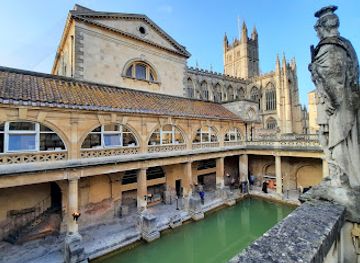
The Roman Baths
Step back 2,000 years to explore the world’s best-preserved Roman bathing complex, where sacred hot springs and ancient ruins tell tales of Aquae Sulis.
-
National park
Bannau Brycheiniog National Park (Brecon Beacons)
Explore the breathtaking mountains, waterfalls, and dark skies of Bannau Brycheiniog National Park, a natural and cultural gem in South Wales.
-
Visitor centre
National Showcaves Centre for Wales
Explore ancient caves, meet dinosaurs and Shire horses, and discover Wales’ underground wonders in one unforgettable family adventure.
-
Historical landmark
Castell Coch
Step into a Victorian fairy tale at Castell Coch, a Gothic Revival castle nestled in ancient Welsh woods near Cardiff.


Best landmarks in Brecknockshire
Pen y Fan is Brecknockshire's most recognisable natural landmark, rising above the central Beacons and forming the focus of several demanding walking routes. The River Usk and the surrounding valley give Brecon its setting, while Brecon Cathedral provides one of the region's most important architectural landmarks, with medieval origins and later additions. Hay Castle stands at the centre of Hay-on-Wye and expresses the town's medieval role on the Welsh Marches; nearby Tretower Court and Castle combine a fortified medieval site with a later historic residence. Bronllys Castle preserves a strategically placed medieval tower, and the ruins at Builth recall the importance of the town's borderland position. Llangorse Lake is both a natural landmark and the setting for the region's notable crannog archaeology. The Monmouthshire and Brecon Canal, with its locks, bridges and towpath, is a substantial industrial-era landscape rather than a single monument, linking the county's modern identity to nineteenth-century transport and trade.
-
Historical landmark
Brynich Aqueduct
Historic stone aqueduct carrying the Monmouthshire and Brecon Canal over the River Usk, showcasing early 19th-century engineering and scenic beauty.
-
Historical landmark
Duke of Wellington Monument
Historic bronze statue honoring the Duke of Wellington, a commanding presence in Brecon’s town centre and a testament to local artistry and British heritage.
-
Military Barracks
Brecon Barracks
Historic military hub in Brecon, home to the Royal Welsh Regiment and its museum, set within the stunning Brecon Beacons National Park.


Explore Brecknockshire on the map
Plan your trip on one map. See where the top cities, national parks and sights are, and book hotels and experiences in a few clicks.
Best hotels in Brecknockshire
Best restaurants in Brecknockshire
Dining in Brecknockshire reflects Welsh farming country, market-town trade and the region's growing outdoor-tourism economy. Pubs, rural inns and cafés commonly serve Welsh lamb and beef, soups, seasonal vegetables, local cheeses, trout, cakes and substantial breakfasts, while bakeries and delis are useful for provisions before a walk. Farm shops and food stalls may offer preserves, chutneys, cider, honey and other regional produce, with availability varying by season. Brecon and Hay-on-Wye have the broadest choice of cafés, restaurants and international cooking, while villages and smaller towns tend to focus on pubs, tearooms and community-oriented dining. Contemporary menus often use local ingredients without claiming that every dish is historically indigenous to the county. Booking can be sensible for popular rural inns and weekend dining, particularly during festivals, bank holidays and periods of good mountain weather.
-
Gastropub
Penycae Inn Ltd
A charming Welsh gastropub and boutique hotel blending traditional warmth, fine local cuisine, and scenic countryside views near the Brecon Beacons.
-
Restaurant
Hills
Contemporary burger dining with scenic Brecon Beacons views, blending creative flavors and a welcoming atmosphere in the heart of Brecon.
-
Pub
Three Horseshoes Inn
Award-winning gastropub in the Brecon Beacons serving refined seasonal British cuisine in a historic, welcoming setting.
-
Gastropub
The Ancient Briton
A welcoming Welsh gastropub and cozy inn blending hearty local cuisine, quality ales, and comfortable stays in the heart of Pen-y-cae.


Best bars in Brecknockshire
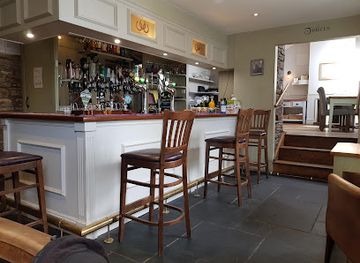
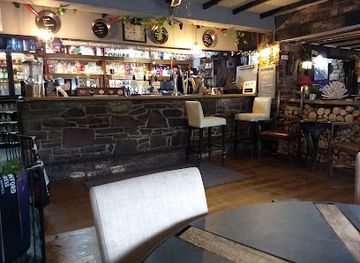
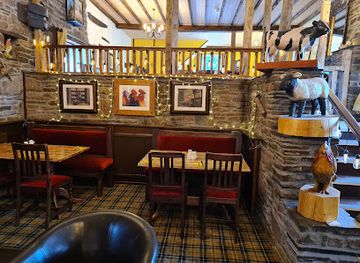
Evenings in Brecknockshire usually centre on traditional pubs, inns, restaurants and small live-music or arts venues rather than a large nightclub scene. Brecon has the widest choice of places for a drink after visiting the cathedral, theatre or local events, while Hay-on-Wye develops a busier atmosphere during literary and cultural festivals. Builth Wells and other market towns offer pubs and hotel bars serving local and national ales, cider, spirits and soft drinks. In rural districts, venues may be spread far apart and public transport can finish early, so arranging a taxi or designated driver matters. Some breweries, cafés and food-led venues contribute to the evening economy, but opening arrangements vary and seasonal events should be checked locally. Nightlife is generally sociable and low-key, with conversation, music and dining more characteristic than late-night clubbing.
-
Pub
Three Horseshoes Inn
A cosy, award-winning gastro-pub in Groesffordd blending traditional Welsh charm with exceptional seasonal cuisine and scenic Brecon Beacons views.
-
Pub
Brecon Tap
A vibrant pub in Brecon offering local ales, hearty homecooked pies, live music, and a welcoming atmosphere in the heart of town.
-
Pub
Coach & Horses
Charming historic pub beside the Brecon Canal offering hearty homemade food, friendly service, and a scenic Welsh countryside retreat.
-
Pub
The Old Barn Inn
Cozy family-run pub in Three Cocks serving seasonal local dishes with warm hospitality and a dog-friendly atmosphere.

Best nightclubs in Brecknockshire
Evenings in Brecknockshire usually centre on traditional pubs, inns, restaurants and small live-music or arts venues rather than a large nightclub scene. Brecon has the widest choice of places for a drink after visiting the cathedral, theatre or local events, while Hay-on-Wye develops a busier atmosphere during literary and cultural festivals. Builth Wells and other market towns offer pubs and hotel bars serving local and national ales, cider, spirits and soft drinks. In rural districts, venues may be spread far apart and public transport can finish early, so arranging a taxi or designated driver matters. Some breweries, cafés and food-led venues contribute to the evening economy, but opening arrangements vary and seasonal events should be checked locally. Nightlife is generally sociable and low-key, with conversation, music and dining more characteristic than late-night clubbing.
-
Nightclub
Trilogy Nightclub
Experience Bangor’s vibrant nightlife at Trilogy Nightclub, where music, themed rooms, and late-night energy create unforgettable party nights.
-
Nightclub
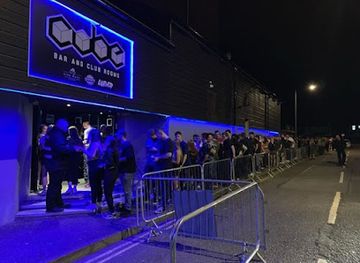
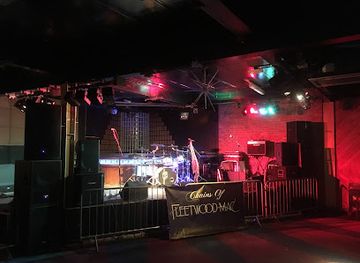
The Arch Bar & Nightclub
A vibrant nightlife hotspot in Neath blending pub charm, live music, and a dynamic nightclub scene with authentic Thai dining.
-
Nightclub
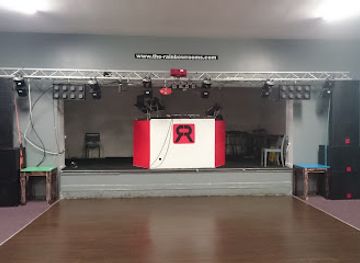
The Rainbow Rooms Bar & Club
A lively nightclub in Gorseinon with a spacious dance floor, contemporary seating, and a welcoming atmosphere for memorable nights out.
-
Nightclub
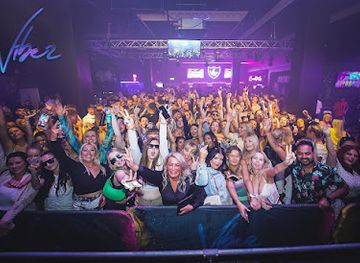
Vibez
Experience Newport’s vibrant nightlife at Vibez, where energetic music and lively crowds create unforgettable weekend party nights.
Best shops in Brecknockshire
Shopping in Brecknockshire is concentrated in market towns and independent businesses rather than large retail complexes. Hay-on-Wye is the best-known centre, with numerous second-hand and specialist bookshops joined by galleries, craft shops, antiques and cafés; its literary reputation should not obscure the town's broader role as a small border-market destination. Brecon provides everyday high-street shopping alongside independent food shops, galleries, crafts and market activity, while Builth Wells serves a wider rural catchment with practical shops and local produce. Farm shops and village stores are good places to look for Welsh cheeses, preserves, honey, cakes, cider and other edible gifts. Pottery, textiles, woodwork, prints and jewellery are among the crafts available through galleries and makers, though stock varies. Visitors should distinguish permanent shops from periodic markets and festival stalls, whose days and opening arrangements can change seasonally.
-
Antique Furniture Shop
Llandovery Antiques Centre
Discover timeless antiques, vintage treasures, and unique gifts in the charming market town of Llandovery, nestled near the Brecon Beacons.
-
Outdoor clothing and equipment shop
Mountain Warehouse
Your go-to outdoor store in Brecon for quality gear, clothing, and expert advice to fuel your adventures.
-
Department store
Nicholls Brecon
A classic department store in Brecon’s historic centre offering diverse fashion, home, and gift selections with welcoming local charm.
-
Ladies' Clothes Shop
Cribs Clothing
Discover curated ladies' and men's fashion in the heart of historic Builth Wells at Cribs Clothing, your boutique style destination.


Get your free copy of our complete guide to Brecknockshire, delivered straight to you.
Everything on this page, from attractions and restaurants to essentials and local phrases, in one PDF you can read offline, print or share.
Already have an account? Sign in
Your Brecknockshire guide is ready.
We'll send it to · Not you? Sign out

Getting your guide ready…
We are putting together a fresh copy of the Brecknockshire guide. This can take up to a minute.
This can take a few moments. If your browser asks, choose Allow so the download can start. You'll find the guide in your Downloads folder.
Nothing happened? Download it again
Sorry, the guide is taking longer than usual. Please try again in a minute, or get it by email instead.
Brecknockshire essentials
Currency and Payment
Safety
Emergency Situations
Do's and Don'ts
Local Tips
From Eve
Local phrases worth knowing
You don't need to get them perfect. A few words go a long way, and locals appreciate the effort.
Basics
| English | Local | Say it |
|---|---|---|
| Hello | Helo | [heh-lo] |
| Goodbye | Hwyl fawr | [hoyl vower] |
| Yes | Ie | [yay] |
| No | Na | [nah] |
| Please/You're welcome | Os gwelwch yn dda | [os gwell-ookh un thah] |
| Thank you | Diolch | [dee-olkh] |
| Excuse me/Sorry | Mae'n ddrwg gennyf | [mine droog gen-iv] |
| How are you? | Sut wyt ti? | [sit weet tee] |
| Fine. And you? | Iawn. Ti? | [yown. tee?] |
| Do you speak English? | Ydych chi'n siarad Saesneg? | [uh-dikh cheen shiarad sighs-neg?] |
| I don't understand | Nid wyf yn deall | [nid oo-iv un dy-ahl] |
Eating & Drinking
| English | Local | Say it |
|---|---|---|
| I'd like to see the menu, please | Hoffwn i weld y fwydlen, os gwelwch yn dda | [hoh-foon ee weld uh vwee-dlen, os gwell-ookh un thah] |
| I don't eat meat | Nid ydw i'n bwyta cig | [nid ah-doo een boo-ee-tah keeg] |
| Cheers! | Iechyd da! | [yeh-khid dah!] |
| I would like to pay, please | Hoffwn i dalu, os gwelwch yn dda | [hoh-foon ee dah-lee, os gwell-ookh un thah] |
Emergencies
| English | Local | Say it |
|---|---|---|
| Help! | Cymorth! | [kum-orth!] |
| Go away! | Dewch yma! | [dewch um-ah!] |
| Call the Police! | Galwch am y plismon! | [gahl-ookh am uh plees-mon!] |
| Call a doctor! | Galwch am ddoctor! | [gahl-ookh am thdok-tor!] |
| I'm lost | Rwyf wedi colli | [roo-eev wed-ee koll-ee] |
| I'm ill | Rwyf yn sâl | [roo-eev un saal] |
Shopping
| English | Local | Say it |
|---|---|---|
| I'd like to buy... | Hoffwn i brynu... | [hoh-foon ee bruh-nee...] |
| I'm just looking | Dw i'n edrych yn unig | [doo een ed-rikh un een-ig] |
| How much is it? | Faint ydy o? | [vaynt uh-dee oh?] |
| That's too expensive | Mae hynny'n rhy drud | [my hun-een ree threed] |
| Can you lower the price? | Gallech chi leihau'r pris? | [gahl-lekh chee lay-hair pris?] |
Time & Numbers
| English | Local | Say it |
|---|---|---|
| What time is it? | Pa amser ydy o? | [pah am-ser uh-dee oh?] |
| It's one o'clock | Mae hi'n un o'r gloch | [my hee-un een or gloch] |
| Half past (10) | Hanner awr (10) | [han-er ow-er (10)] |
| Morning | Bore | [bor-eh] |
| Afternoon | Prynhawn | [prin-hown] |
| Evening | Prydnos | [prid-nose] |
| Yesterday | Ddoe | [thoy] |
| Today | Heddiw | [hed-ee] |
| Tomorrow | Fory | [vor-ee] |
| 1 | Un | [een] |
| 2 | Dau | [die] |
| 3 | Tri | [tree] |
| 4 | Pedair | [ped-eye-r] |
| 5 | Pum | [pim] |
| 6 | Chwech | [khwekh] |
| 7 | Saith | [sigh-th] |
| 8 | Wyth | [oo-eeth] |
| 9 | Naw | [now] |
| 10 | Deg | [dehg] |
Transport & Directions
| English | Local | Say it |
|---|---|---|
| Where's a/the...? | Ble mae'r...? | [bleh my-er...?] |
| What's the address? | Beth yw'r cyfeiriad? | [behth ee-oor kuh-vey-ree-ad?] |
| Can you show me (on the map)? | Allwch chi fy arddangos (ar y map)? | [ahl-lukh chee vahr-gan-ose (ar uh map)?] |
| When's the next (bus)? | Pryd mae'r (bws) nesaf? | [prid my-er (boos) ness-av?] |
| A ticket (to ....) | Tocyn (i ....) | [tok-in (ee ....)] |
History of Brecknockshire
Prehistoric Landscapes and Llangorse Crannog
Brecknockshire's hills and valleys contain evidence of settlement and ceremonial activity from prehistoric periods, including standing stones, burial monuments and hillforts. Llangorse Lake is particularly significant for its crannog, an artificial island associated with early medieval communities. The reconstructed site and surviving archaeological evidence illustrate how people used the lake environment for defence, residence and authority. These remains place the region within the wider story of prehistoric and early medieval Wales, when upland routes, fertile valleys and defensible sites played an important part in local settlement.
Roman Y Gaer and the Military Frontier
The Romans established a fort at Y Gaer, near modern Brecon, during their campaigns in Wales. Its position beside the River Usk helped control routes through the surrounding valleys and linked the area to the Roman military network. Excavated remains and archaeological finds indicate the importance of the settlement as a base rather than merely an isolated outpost. Roman roads and military activity altered patterns of movement across the region, although later towns and fields often obscured the original infrastructure.
The Medieval Marcher Lordships
After the Norman conquest of England, Brecknockshire became a contested borderland of Welsh princely territories and Norman lordships. Castles at Brecon, Hay, Bronllys, Builth and Crickhowell, together with fortified residences such as Tretower, express the political instability of the Welsh Marches. These establishments controlled routes, administered estates and projected the authority of rival lords. The resulting mixture of Welsh communities, Norman institutions and English royal influence shaped the region's place-name patterns, landholding and architecture for centuries.
The Tudor Union and the Changing Marches
The Laws in Wales Acts of the sixteenth century brought the Marcher lordships into a more uniform system of government and helped create the framework of the historic county of Brecknockshire. Administrative authority increasingly centred on the Crown and English legal institutions, while Welsh language and local customs remained important in everyday life. Brecon developed as the county's principal administrative and commercial centre. This period marked a major transition from a semi-autonomous frontier society to a more integrated part of the English kingdom, later the United Kingdom.
Agriculture, Droving and Market Towns
For much of the early modern and modern period, Brecknockshire's economy depended on livestock farming, wool, seasonal fairs and the movement of cattle and sheep along drovers' roads. Brecon, Builth Wells, Hay-on-Wye and smaller market centres connected upland farms with wider commercial networks. The valleys supported arable production in suitable pockets, while hill farming shaped settlement and land use at higher elevations. Many lanes, bridges, inns and market buildings still reflect the importance of these routes and the region's long relationship with pastoral agriculture.
Canals, Railways and Victorian Tourism
The nineteenth century brought new transport links and a more visible tourist economy. The Monmouthshire and Brecon Canal connected Brecon with industrial South Wales and supported the movement of lime, coal and agricultural goods, while railways later linked market towns with larger national networks. Builth Wells benefited from the popularity of spa travel, and improved access encouraged visitors to explore the mountains and valleys. Some railway routes have disappeared, but the canal, former trackways, station buildings and spa-era architecture preserve evidence of this transformation.
The Brecon Beacons National Park and Modern Rural Identity
The Brecon Beacons National Park was established in 1957 to protect a broad area of mountains, moorland, valleys and historic landscapes; it was renamed Bannau Brycheiniog National Park in 2023. Only part of the park lies within historic Brecknockshire, whose boundaries pre-date the park and modern Powys. Protected landscape status strengthened walking, conservation and outdoor tourism while maintaining farming and local communities. Today the region balances recreation and heritage with the practical realities of rural transport, seasonal visitor pressure and working landscapes.
Brecknockshire in Photos
Browse through our photo collection highlighting the charm and character of the destination.
Neighbouring regions of Brecknockshire
The closest regions to Brecknockshire, if you have time for more than one.
-

-

-

-
-


Swipe for more regions
Explore more

Explore more of United Kingdom
Discover the United Kingdom: A blend of rich history, stunning landscapes, and vibrant cities, offering a unique travel experience for every visitor.
Explore United Kingdom