Castell Du, Brecknockshire Travel Guide
Explore the evocative ruins of Castell Du, a 13th-century medieval castle commanding river crossings in scenic Breconshire.
Castell Du, also known as Rhyd y Briw, is a medieval castle ruin located near Sennybridge in Brecon, Wales. Dating from the 13th century, it occupies a natural rocky outcrop commanding the junction of the River Senni and the Usk. The site features remains of stone walls and a distinctive D-shaped tower, offering insight into Welsh-English border conflicts and medieval defensive architecture.
A brief summary to Castell Du
- Brecon, Sennybridge, GB
- Click to display
- Duration: 0.5 to 2 hours
- Free
-
 Outdoor
- Mobile reception: 3 out of 5

Know before you go
Hi, I'm Eve. Here are a few practical things to know before exploring Castell Du.
- Wear sturdy footwear as the terrain around the castle ruins can be uneven and overgrown.
- Visit during dry weather for safer access and better views of the surrounding river valleys.
- Bring a camera to capture the distinctive D-shaped tower and panoramic landscape.
- Combine your visit with a walk along the River Senni or explore nearby Sennybridge village.
Do you manage this location?
Take control to get all the benefits, like improved information, better appearance, and stronger visibility across AI-powered discovery. Learn more about listing your business on Evendo
Activate your presenceOther nearby places you may find interesting
The closest places of the same kind, if this one is not quite what you had in mind.
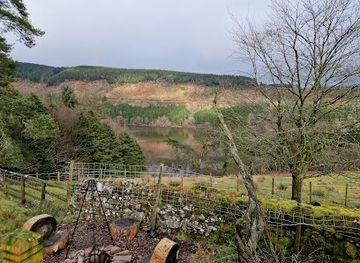
Explore Castell Du on the Map
A handpicked selection of must-see spots near Castell Du, mapped for you.
Getting There
-
Bus
Take the local bus service from Brecon to Sennybridge, which runs approximately every two hours. The journey takes about 30 to 40 minutes. From Sennybridge village center, a 15-minute walk over mixed terrain leads to the castle ruins. Bus fares typically range from £3 to £6 one way.
-
Car
Driving from Brecon to Castell Du takes around 20 minutes via the A40 and local roads. Limited roadside parking is available near the site, but spaces are few and may require walking over uneven ground. No parking fees apply.
-
Walking
For adventurous walkers, a scenic 1.5-hour hike from Sennybridge village follows rural paths and minor roads with some uneven and grassy sections. Suitable for those with moderate fitness and proper footwear.
For the on-the-go comforts that matter to you
-
 Information Boards
Discover more about Castell Du
Strategic Location and Landscape
Castell Du is perched on a natural rocky outcrop on the southwest side of Sennybridge, commanding a vital crossing where the River Senni meets the Usk. This strategic position allowed control over river traffic and local movement, making it a significant defensive site during the medieval period. The surrounding landscape is a mix of river valleys and rolling hills typical of Powys, providing scenic views and a rugged setting that reflects the castle’s military purpose.Medieval Origins and Historical Ambiguity
The castle's origins are somewhat obscure, but it is believed to have been constructed around the 1260s, possibly initiated by Llywelyn ap Gruffudd, the last native Prince of Wales. Historical records mention a castle at Rhyd-y-Briw in 1271, which is thought to be Castell Du. It may have been destroyed by Edward I’s forces in 1265 during his campaigns to subdue Wales. The castle changed hands multiple times amid the turbulent Welsh-English border wars, reflecting the contested nature of the region.Architectural Features and Ruins
Today, the remains of Castell Du include a 26-meter-long stone wall oriented east-northeast to west-southwest, with a prominent D-shaped tower approximately 6 meters in diameter and height. Much of the original stone facing has eroded, exposing the rubble core, but some sections survive, revealing the castle’s medieval masonry techniques. Adjacent to the tower is a narrow stone passage and remnants of turf-covered walls, indicating the castle’s defensive range. Notably, two World War II pillboxes were constructed on the site, mimicking the castle’s stonework, linking the location's military significance across centuries.Archaeological Importance and Preservation
Designated as a Scheduled Ancient Monument, Castell Du is recognized for its archaeological potential to enhance understanding of medieval defensive practices in Wales. The site is well-preserved relative to other castles of its era, with intact structural elements and the possibility of undiscovered archaeological deposits. Its preservation within a protected area helps maintain its historical integrity and offers a tangible connection to Wales’s medieval past.Visitor Experience and Surroundings
Visitors to Castell Du can explore the evocative ruins set within a tranquil rural environment. The site’s elevated position provides panoramic views of the river valleys and surrounding countryside, enriching the visitor experience with natural beauty alongside historical intrigue. The nearby village of Sennybridge offers additional context with its military training camp and historical ties, although Castell Du itself remains a quiet, contemplative site for heritage enthusiasts.Legacy and Cultural Significance
Castell Du stands as a symbol of the medieval struggle for control between Welsh princes and English monarchs. Its ruins embody the layered history of border conflicts, royal ambitions, and local resilience. The castle’s enduring presence in the landscape invites reflection on Wales’s complex past and the architectural legacy left by centuries of warfare and settlement.












Your all‑in‑one travel companion app
Explore expert travel guides, compare and book tours, experiences, hotels, and more—all from the palm of your hand. Download now for seamless trip planning wherever your wanderlust takes you.


Explore More of Brecknockshire
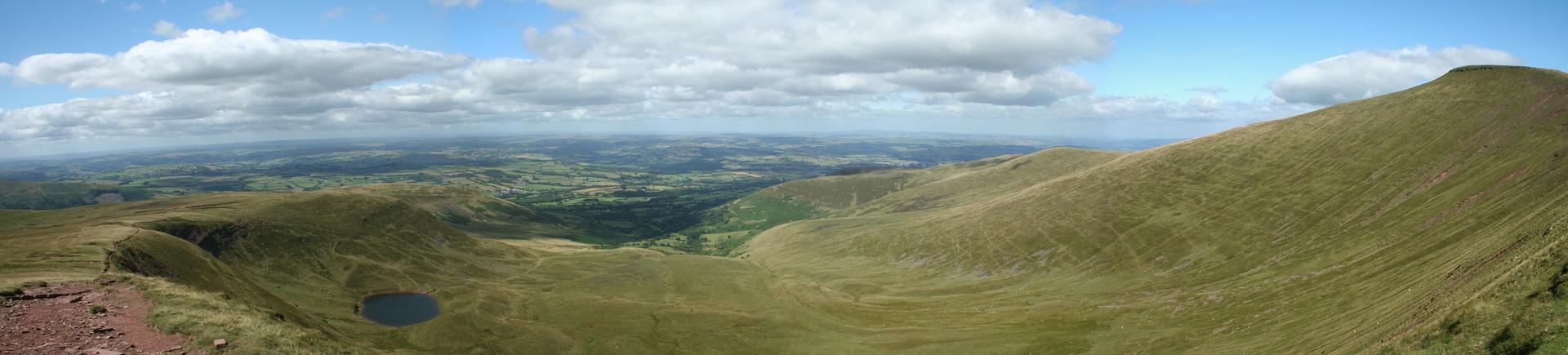
Looking beyond Castell Du? Discover Brecknockshire for broader travel guides, local hot-spots, and regional highlights.
Explore Brecknockshire