
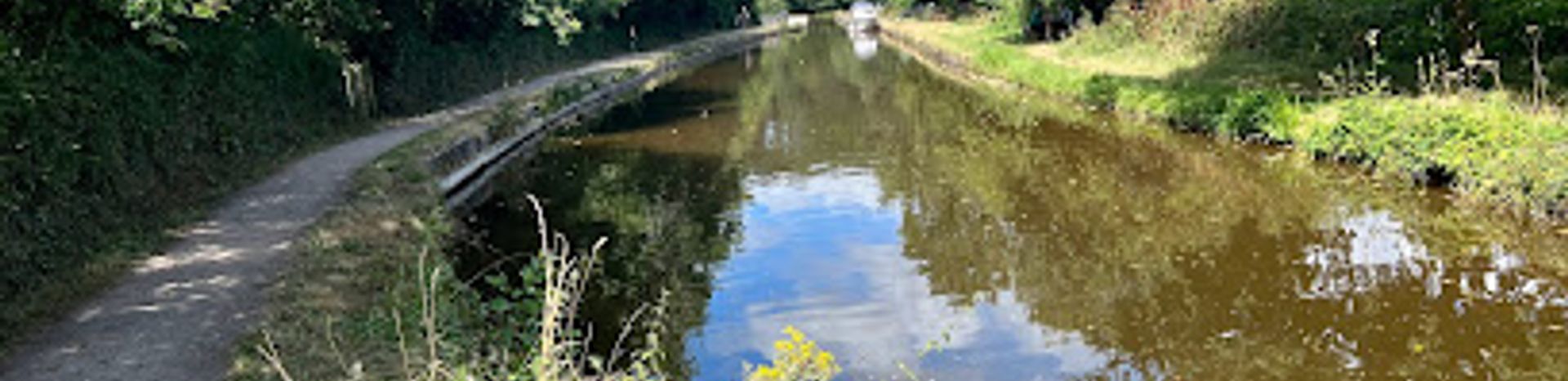
Brynich Aqueduct: Historic Canal Engineering over the River Usk
Historic stone aqueduct carrying the Monmouthshire and Brecon Canal over the River Usk, showcasing early 19th-century engineering and scenic beauty.
The Brynich Aqueduct is a striking early 19th-century stone structure carrying the Monmouthshire and Brecon Canal over the River Usk near Brecon, Wales. Built between 1797 and 1800, this four-arched aqueduct with three cutwaters exemplifies canal engineering of the era. It played a vital role in the canal’s operation, linking sections of the waterway and enabling navigation across the river. Today, it stands as a cherished historical landmark and a testament to the region’s industrial heritage.
A brief summary to Brynich Aqueduct
- Brynich, Brecon, LD3 7SH, GB
- Visit website
- Duration: 0.5 to 2 hours
- Free
-
 Outdoor
- Mobile reception: 4 out of 5
Local tips
- Visit during daylight hours to fully appreciate the aqueduct’s architectural details and surrounding scenic views.
- Combine your visit with a walk or cycle along the Monmouthshire and Brecon Canal towpath for a peaceful outdoor experience.
- Bring a camera to capture the aqueduct’s elegant arches and the picturesque River Usk beneath.
- Learn about the canal’s history and restoration efforts to deepen your appreciation of this industrial heritage site.

For the on-the-go comforts that matter to you
- Seating Areas
- Information Boards
- Trash Bins
Getting There
-
Bus
Take the local bus service from Brecon town center to Brynich area, a journey lasting approximately 15–20 minutes. Services run several times daily but check schedules in advance. Walking from the nearest stop involves a gentle 10-minute walk over flat terrain.
-
Car
Driving from Brecon town center to Brynich Aqueduct takes about 10 minutes via local roads. Limited roadside parking is available near the canal towpath. Note that some roads are narrow and parking spaces are few, so plan accordingly.
-
Walking
For an immersive experience, walk along the Monmouthshire and Brecon Canal towpath from Brecon town center. The walk is approximately 3 km, mostly flat and suitable for most fitness levels, taking around 45–60 minutes.
Brynich Aqueduct location weather suitability
-
 Any Weather
-
 Clear Skies
-
 Mild Temperatures
-
 Rain / Wet Weather
Discover more about Brynich Aqueduct
Engineering Marvel of the Early 1800s
Constructed between 1797 and 1800, the Brynich Aqueduct was designed to carry the Brecon and Abergavenny Canal across the River Usk just south of Brecon. Likely engineered by Thomas Dadford Jr, a prominent canal engineer of the time, the aqueduct is built of stone and features four graceful arches supported by three cutwaters that help manage water flow around its piers. Stretching approximately 73 meters (80 yards) in length, it was a crucial infrastructure piece that allowed boats to traverse this challenging river crossing and maintain the canal’s continuity.Integral Part of the Monmouthshire and Brecon Canal
The aqueduct is located near Brynich lock, the first lock on the canal to be restored after the waterway fell into disuse mid-20th century. This lock and aqueduct together enabled boats to be raised or lowered between canal sections at different elevations, overcoming the natural terrain. The canal itself was completed to Brecon by 1800 and was a vital transport route for coal, limestone, and other goods in the region. Though commercial use ceased in the early 20th century, the aqueduct and canal were later revived through dedicated volunteer restoration efforts, preserving their historical and recreational value.Architectural and Scenic Significance
The aqueduct’s robust stone construction and elegant arches make it an iconic example of industrial heritage architecture. It complements the surrounding natural landscape, spanning the River Usk with scenic views of the water and nearby wooded areas. The adjoining five-arch stone road bridge, dating from the late 18th century, adds to the historic ambiance of the site. Visitors can appreciate the aqueduct’s blend of functional engineering and aesthetic appeal as part of the tranquil canal corridor.Restoration and Preservation Efforts
After decades of neglect following the canal’s decline, the Brynich Aqueduct was restored starting in the early 1970s as part of a broader campaign to revive the Monmouthshire and Brecon Canal. This restoration was spearheaded by volunteer groups such as the Monmouthshire, Brecon and Abergavenny Canals Trust. Their work not only repaired the aqueduct but also reinstated navigation and leisure use along the canal, transforming it into a valued recreational asset for boating, walking, and cycling.Visitor Experience and Surroundings
Today, the Brynich Aqueduct offers visitors a peaceful setting to explore historic canal infrastructure amid natural beauty. The site is accessible year-round and invites leisurely walks along the towpath with views of the aqueduct’s arches and the flowing River Usk below. The surrounding Brecon area enriches the experience with its blend of heritage, countryside, and opportunities for outdoor activities.Legacy of Industrial Innovation
The Brynich Aqueduct stands as a lasting symbol of the ingenuity and ambition of the canal-building era in Wales. It reflects the engineering challenges overcome to connect communities and industries via waterways. Preserved through community dedication, the aqueduct continues to inspire appreciation for the region’s cultural and industrial past while serving as a scenic landmark for present-day visitors.Iconic landmarks you can’t miss

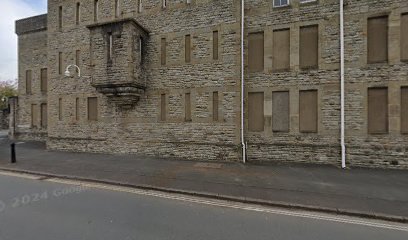
Brecon Barracks
3.0 km
Historic military hub in Brecon, home to the Royal Welsh Regiment and its museum, set within the stunning Brecon Beacons National Park.
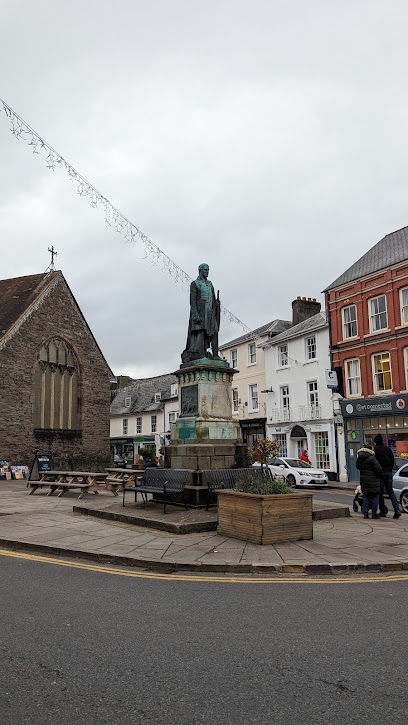
Duke of Wellington Monument
3.6 km
Historic bronze statue honoring the Duke of Wellington, a commanding presence in Brecon’s town centre and a testament to local artistry and British heritage.
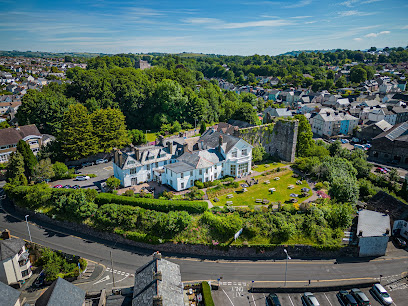
The Brecon Castle Hotel
3.9 km
Historic Wales’ oldest hotel blending timeless charm with modern comforts near Brecon Beacons National Park.
YHA Brecon Beacons
11.6 km
Rustic farmhouse hostel offering clean, cozy accommodation and a warm communal atmosphere in the heart of Brecon Beacons National Park.
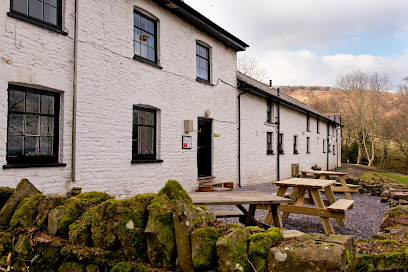
Cadair Fawr
18.1 km
Explore Cadair Fawr, a breathtaking mountain in Merthyr Tydfil, offering stunning views, diverse wildlife, and unforgettable outdoor adventures.
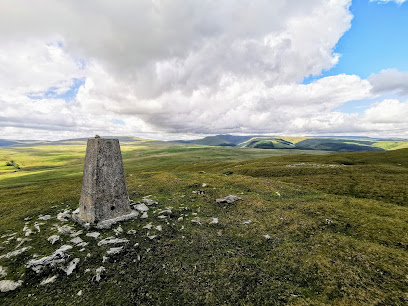
Hay Bluff
18.8 km
Discover the breathtaking beauty of Hay Bluff, a mountain peak in Herefordshire that offers stunning views, hiking adventures, and a serene escape into nature.
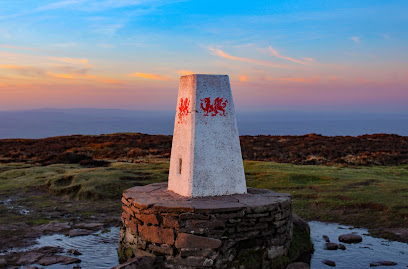
Fforest Fawr Geopark
19.3 km
Discover the breathtaking landscapes and geological wonders of Fforest Fawr Geopark, a nature reserve in Aberdare, Wales, perfect for outdoor adventures.
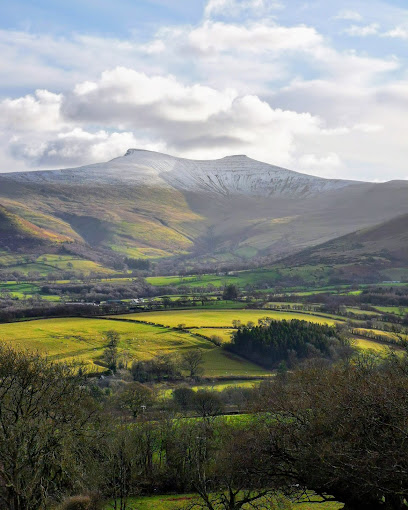
Bedwellty House and Park
19.8 km
Experience the tranquility and charm of Bedwellty House and Park, a historic gem in Tredegar offering beautiful gardens and serene landscapes.
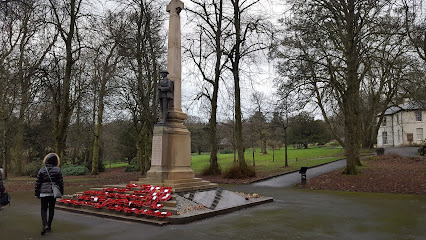
Ebbw Vale Works Museum
20.1 km
Explore the rich industrial heritage of South Wales at Ebbw Vale Works Museum, where history and steelmaking come alive.
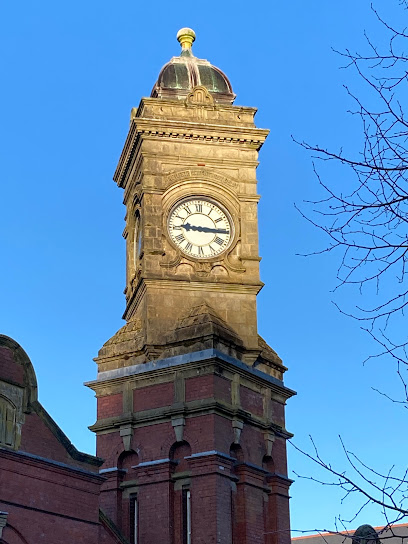
Ogof Craig a Ffynnon
20.1 km
Explore the breathtaking limestone caves of Ogof Craig a Ffynnon, an unforgettable adventure in the heart of Wales' stunning countryside.
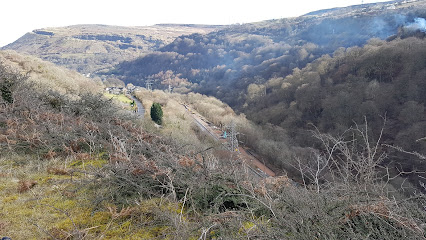
Cyfarthfa Castle Museum and Art Gallery
20.3 km
Explore Cyfarthfa Castle Museum and Art Gallery, where history, art, and nature converge in the heart of Merthyr Tydfil’s beautiful park.
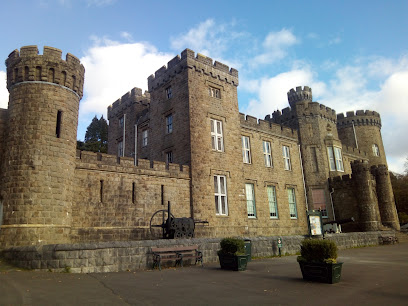
Clydach Gorge
20.4 km
Experience the breathtaking beauty and historical significance of Clydach Gorge, a natural wonder in Abergavenny, perfect for adventure seekers and nature lovers.
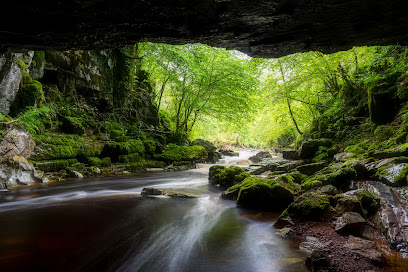
Porth yr Ogof
21.1 km
Explore Porth yr Ogof, a breathtaking limestone cave in the Brecon Beacons, filled with stunning rock formations and rich natural beauty.
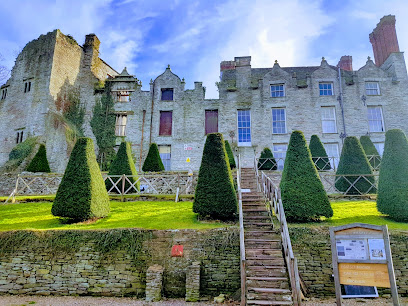
Hay Castle
21.2 km
Explore the historic Hay Castle in Hay-on-Wye, where rich Welsh culture, stunning architecture, and beautiful gardens await every traveler.
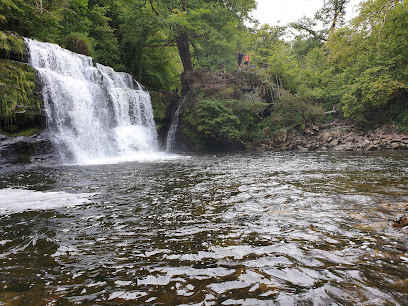
Sgwd Clun-Gwyn Waterfall
22.4 km
Experience the serene beauty of Sgwd Clun-Gwyn Waterfall, a breathtaking natural attraction in South Wales, perfect for nature lovers and adventurers.
Unmissable attractions to see

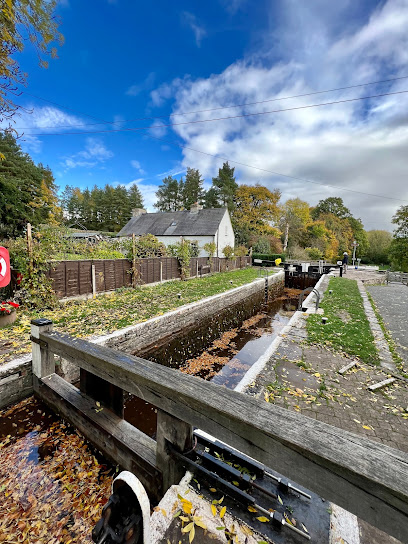
Brynich Lock
0.2 km
Historic Brynich Lock offers tranquil canal-side charm and stunning views within the Brecon Beacons National Park.
Peterstone Court Country House & Spa
1.1 km
Elegant 5-star country house and spa nestled in the scenic Brecon Beacons, perfect for relaxation, fine dining, and outdoor adventures.

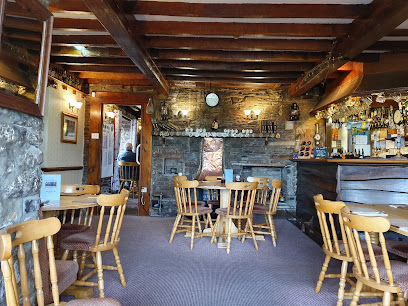
The Old Ford Inn
1.7 km
Historic Welsh coaching inn with cosy rooms, hearty pub fare, and stunning Brecon Beacons views in peaceful Llanhamlach.
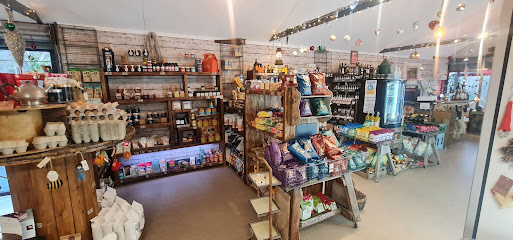
Camden Stores
2.2 km
Discover authentic Welsh flavors and countryside charm at Camden Stores, a cozy farm shop and café near Brecon.
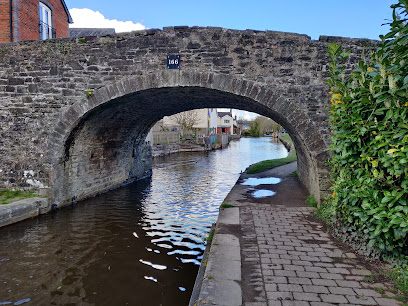
Monmouthshire and Brecon Canal
2.6 km
Explore tranquil waters and stunning Brecon Beacons views along Wales’ historic Monmouthshire and Brecon Canal.
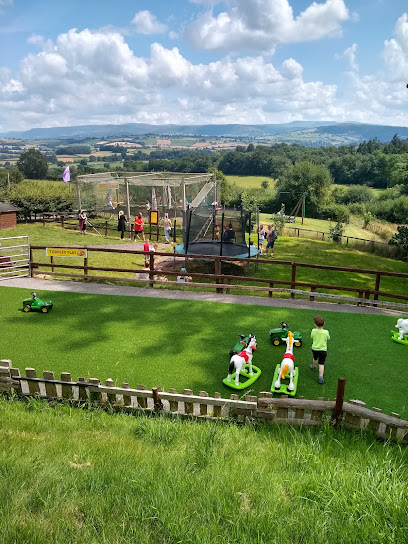
Cantref - Adventure Farm in South Wales
2.7 km
Experience hands-on farm life, pony rides, and all-weather family fun in the stunning Brecon Beacons National Park.
Brecon Walk Way
2.7 km
A tranquil canal-side walk in Brecon blending historic charm, natural beauty, and easy access to the Brecon Beacons National Park.
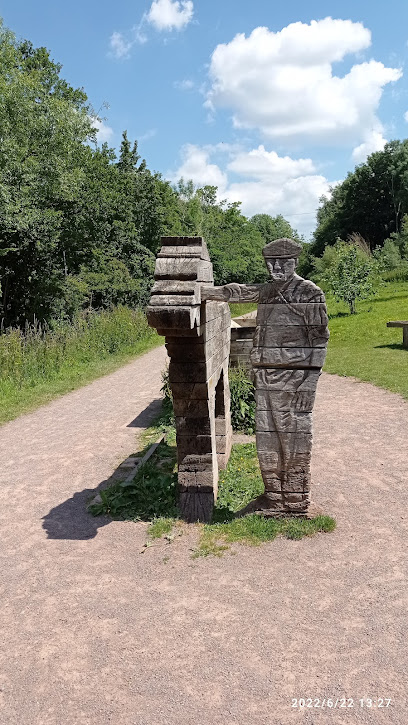
The Royal Welsh Regimental Museum
3.1 km
Explore centuries of Welsh military heritage through immersive exhibits and priceless collections in the heart of Brecon.
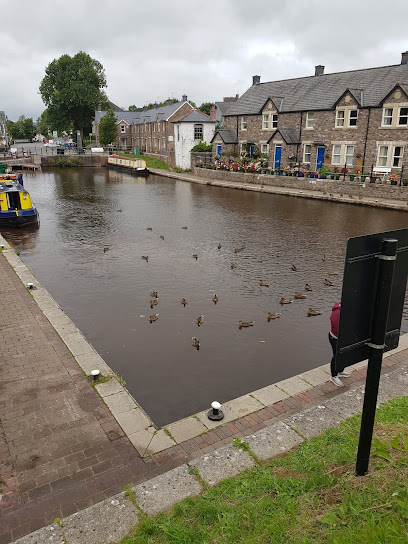
Brecon Canal Basin
3.3 km
Historic canal terminus in Brecon offering scenic walks, boating, and cultural charm in the heart of the Brecon Beacons National Park.
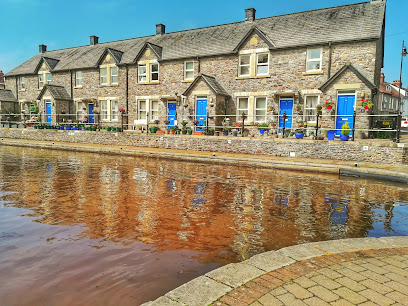
Theatr Brycheiniog
3.4 km
A vibrant, accessible performing arts theatre nestled by Brecon’s scenic canal, offering diverse shows and community spirit.
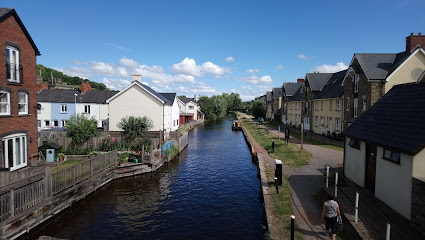
Morrisons
3.4 km
Convenient and modern supermarket in Brecon with extended hours, EV charging, and a welcoming café for a complete shopping experience.
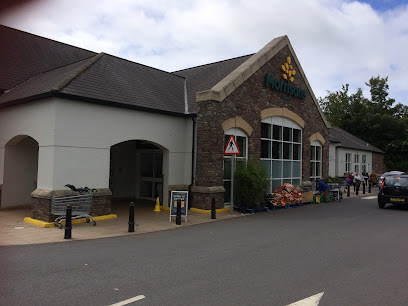
Y Gaer Museum, Art Gallery & Library
3.5 km
Discover Brecon’s heritage and art in a stunning blend of historic and modern at Y Gaer Museum, Art Gallery & Library.
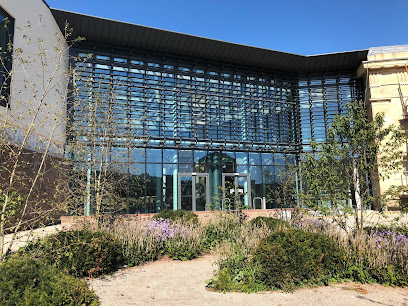
Drostre Wood Nature Reserve
3.6 km
A serene mixed woodland near Brecon offering rich mossy floors, diverse fungi, and vibrant birdlife in a peaceful Welsh nature reserve.
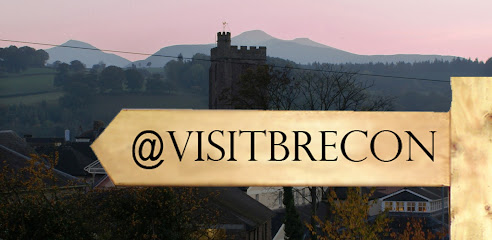
Visit Brecon
3.6 km
Your essential starting point for exploring Brecon’s historic charm and the stunning Brecon Beacons National Park.
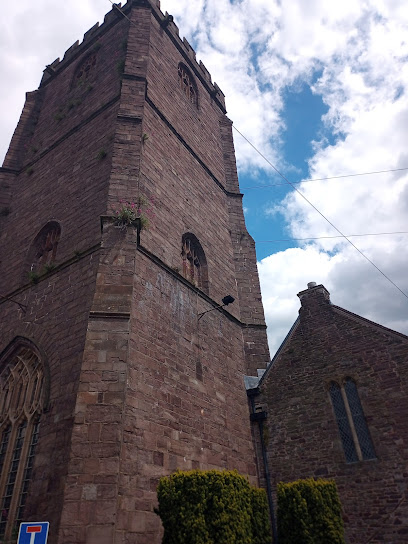
Brecon Town Tours - guided history walks
3.6 km
Discover Brecon’s rich heritage on guided history walks through its charming streets and scenic riverside.
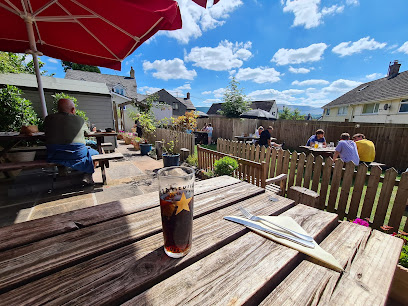
Essential places to dine

Three Horseshoes Inn
0.7 km
Award-winning gastropub in the Brecon Beacons serving refined seasonal British cuisine in a historic, welcoming setting.
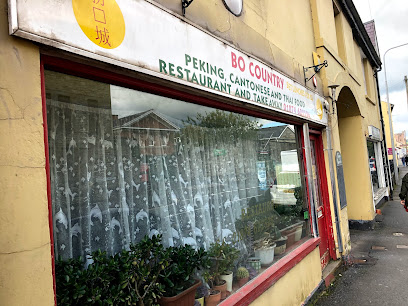
Bo Country
3.0 km
Authentic Chinese takeaway in the heart of Brecon, offering quick, flavorful meals for locals and visitors alike.
The Gurkha Corner
3.5 km
Experience authentic Nepalese and Himalayan cuisine with warm hospitality in the heart of Brecon at The Gurkha Corner.
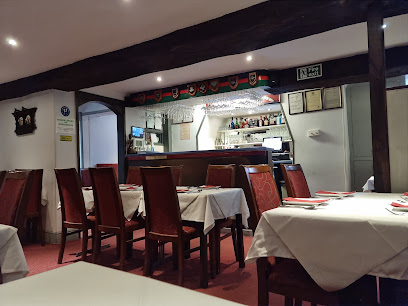
Brecon Tap
3.5 km
Experience authentic Welsh hospitality at Brecon Tap – a charming pub offering delicious food and drinks in the heart of Brecon.
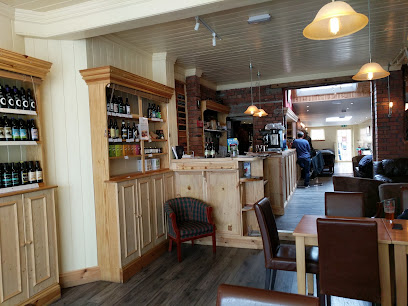
The Proper Pizza Co Ltd
3.6 km
Authentic artisan pizzas with gluten-free options in the heart of Brecon’s Lion Yard, perfect for takeaway or small group dining.

Hills
3.6 km
Contemporary burger dining with scenic Brecon Beacons views, blending creative flavors and a welcoming atmosphere in the heart of Brecon.
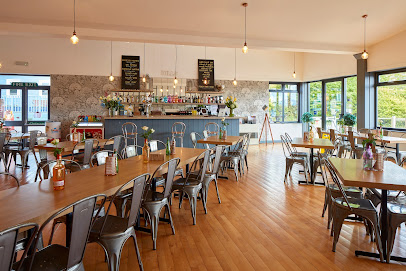
Black Cock Inn
3.7 km
Experience authentic Welsh cuisine at Black Cock Inn - where traditional charm meets delicious flavors in beautiful Brecon.
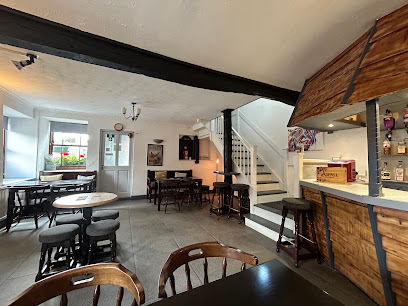
The George Hotel - JD Wetherspoon
3.7 km
A welcoming traditional pub and hotel in Brecon, offering hearty British fare and comfortable rooms near the Brecon Beacons.
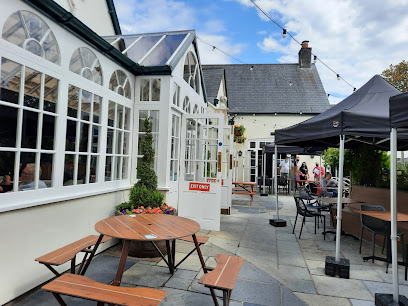
Gorkha & Khukuri
4.7 km
Savor authentic Nepalese cuisine in a serene Brecon setting, where tradition and flavor unite at Gorkha & Khukuri.
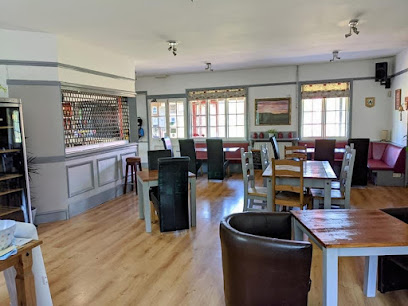
Castle Inn
5.6 km
Traditional Welsh pub and cozy B&B in Llangorse, offering great food, local charm, and a unique Banksy artwork near the Brecon Beacons.
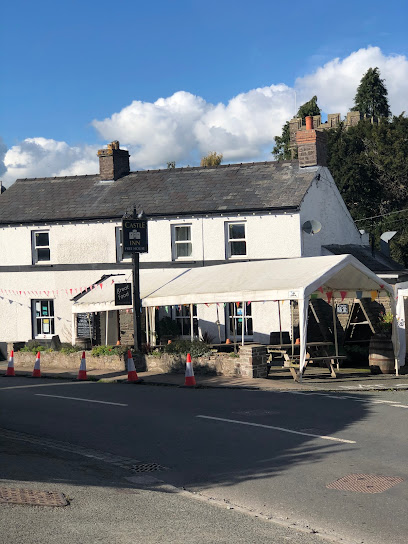
The White Hart
5.9 km
Traditional Welsh inn in Talybont-on-Usk offering hearty British fare, local ales, and warm hospitality near the Brecon Beacons.
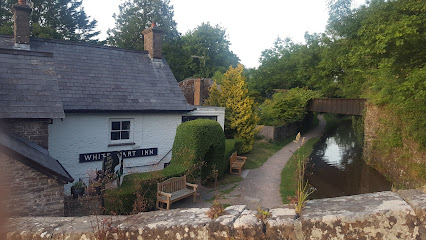
The Felin Fach Griffin
6.0 km
A cozy country inn blending rustic charm, refined dining, and warm hospitality in the heart of the Brecon Beacons.
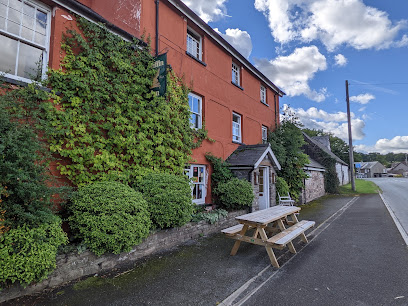
Travellers Rest Inn
6.3 km
Cozy countryside inn with hearty meals and warm hospitality near the scenic Brecon Beacons.
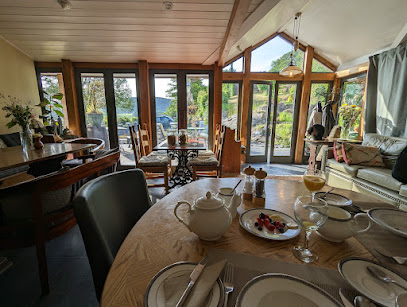
The Tai’r Bull Inn
8.4 km
A cosy Welsh country pub and B&B offering hearty fare, real ales, and warm hospitality in the heart of Brecon Beacons National Park.
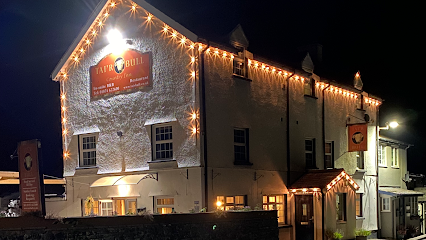
Bridge End Inn
9.9 km
Experience warm Welsh hospitality at Bridge End Inn in Talgarth - where local flavors meet cozy charm amidst breathtaking landscapes.
Markets, malls and hidden boutiques

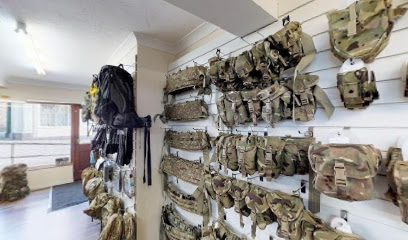
DIXIES CORNER
3.4 km
Brecon's trusted specialist in authentic military surplus and outdoor gear since establishment.
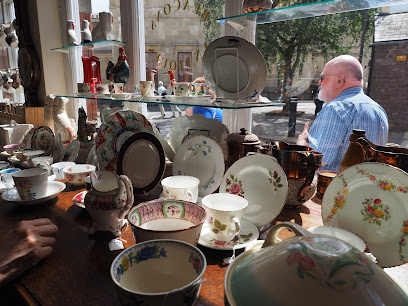
Beacons Antiques
3.5 km
Discover timeless vintage treasures and unique collectibles at Beacons Antiques, a charming hub of history in the heart of Brecon.
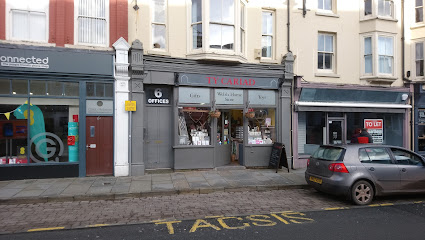
Tŷ Cariad
3.5 km
Discover authentic Welsh crafts and unique gifts at Tŷ Cariad, Brecon’s cozy hub for local artistry and culture.
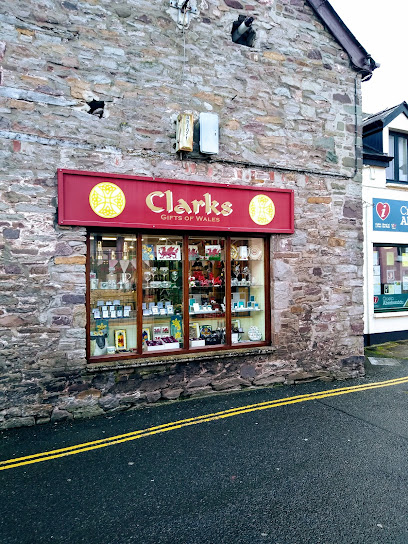
Clarks Gifts Of Wales
3.6 km
Discover authentic Welsh heritage and craftsmanship through unique souvenirs at Clarks Gifts Of Wales in the heart of Brecon.
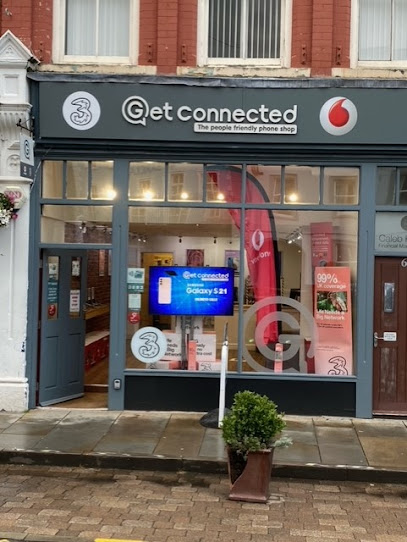
Get Connected
3.6 km
Explore Brecon with confidence, staying connected at Get Connected—the mobile shop for all your tech needs in the heart of the town.
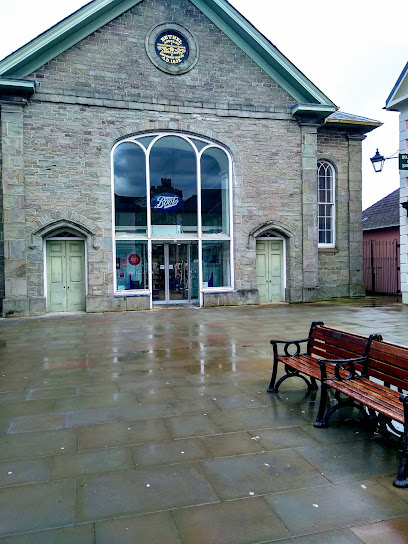
Boots
3.6 km
Your reliable health and beauty partner in the heart of Brecon’s Bethel Square, offering pharmacy, cosmetics, baby products, and more.
The Vapour Den
3.6 km
Explore Brecon’s vibrant vaporizing culture at The Vapour Den, your friendly local shop for expert advice and quality vaporizers.
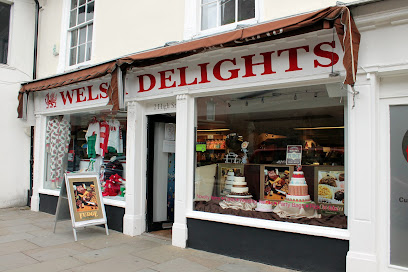
Welsh Delights
3.6 km
Discover authentic Welsh gifts and indulge in traditional clotted cream fudge at Welsh Delights, Brecon’s charming sweet and gift shop.
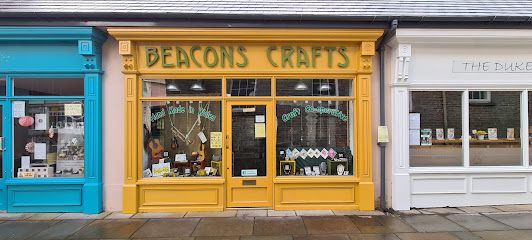
Beacons Crafts Ltd
3.6 km
Handcrafted Welsh treasures from local artisans in the heart of Brecon.
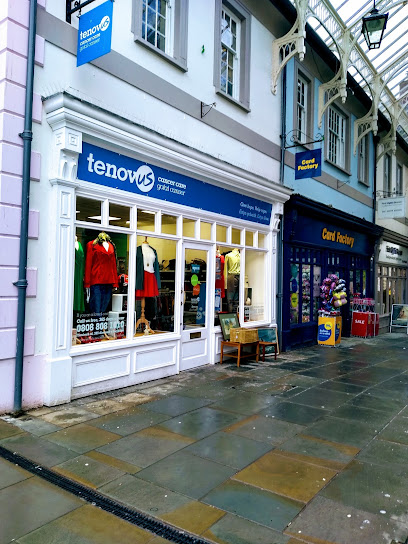
Cardfactory
3.6 km
Find affordable, personalized cards and gifts for every occasion at Card Factory Brecon in Bethel Square Shopping Centre.
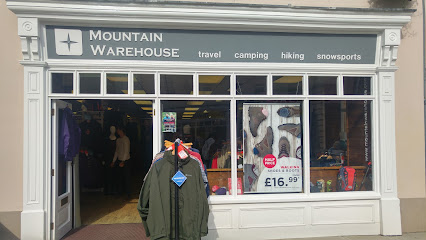
Mountain Warehouse
3.6 km
Your go-to outdoor store in Brecon for quality gear, clothing, and expert advice to fuel your adventures.
Little Luxuries
3.6 km
Discover handcrafted Welsh gifts and unique souvenirs in the welcoming boutique of Little Luxuries, nestled in Brecon’s charming Bethel Square.
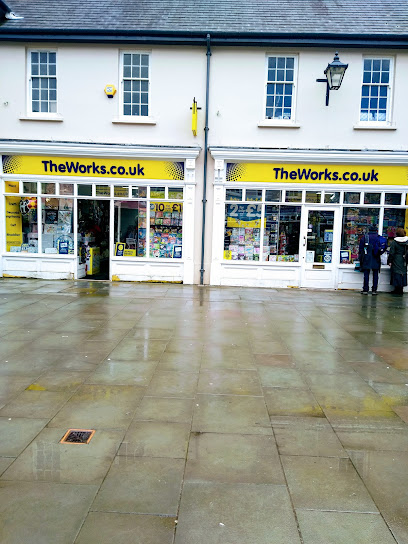
The Works
3.6 km
Discover affordable art supplies, books, crafts, and toys at The Works in Brecon’s vibrant Bethel Square Shopping Centre.
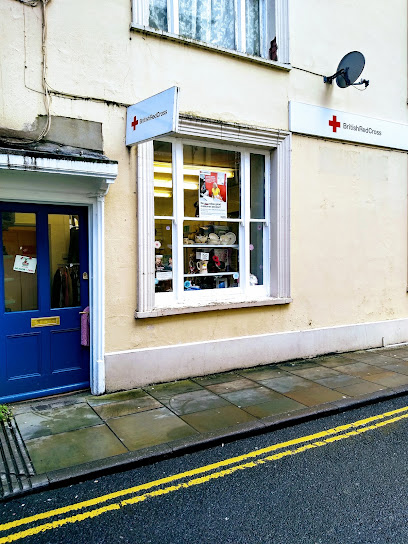
British Red Cross shop, Brecon
3.6 km
Discover unique finds and support global humanitarian aid at the British Red Cross charity shop in Brecon’s historic Lion Street.
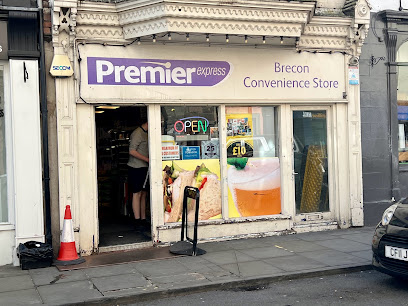
Premier
3.6 km
Your friendly, convenient stop for groceries and essentials in the heart of Brecon, open early to late every day.
Essential bars & hidden hideouts

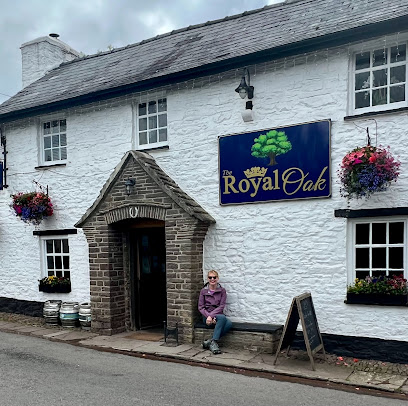
Royal Oak
2.7 km
Cozy Welsh pub in Pencelli offering traditional hospitality and local ales amidst the scenic Brecon Beacons.
Markets Tavern
3.4 km
Traditional Welsh pub and welcoming hotel in Brecon offering hearty food, cozy rooms, and authentic local charm on Free Street.
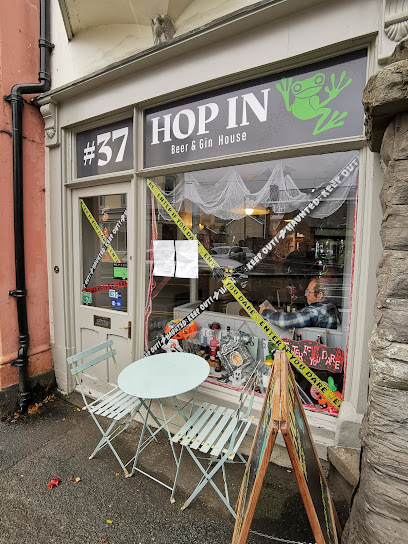
hop in beer and gin
3.4 km
Discover Brecon’s quirky bar with top-quality craft beers, artisanal gins, and delicious tapas in a cozy, historic setting.
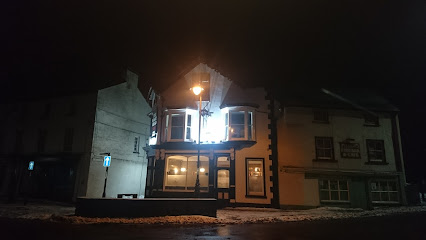
The Sarah Siddons
3.7 km
Experience authentic Welsh hospitality with local ales and lively atmosphere at The Sarah Siddons, Brecon’s beloved town centre pub.
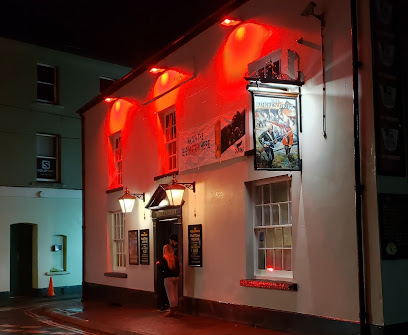
The Rorkes Drift
3.7 km
Historic Welsh pub in Brecon offering local ales, lively music, and a warm atmosphere inspired by the legendary Rorke’s Drift battle.
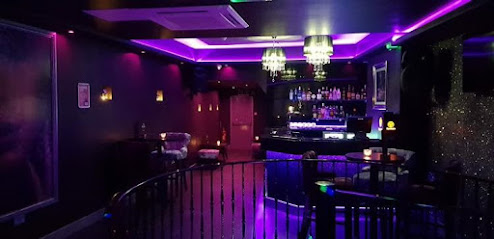
The Lounge Bar & Cafe
3.7 km
Brecon’s pioneering bar with a modern twist, offering signature cocktails, live music, and a welcoming atmosphere in the town centre.
The Three Horseshoes Inn
4.1 km
A cosy Welsh village pub blending traditional charm with refined British cuisine and a warm, welcoming atmosphere.
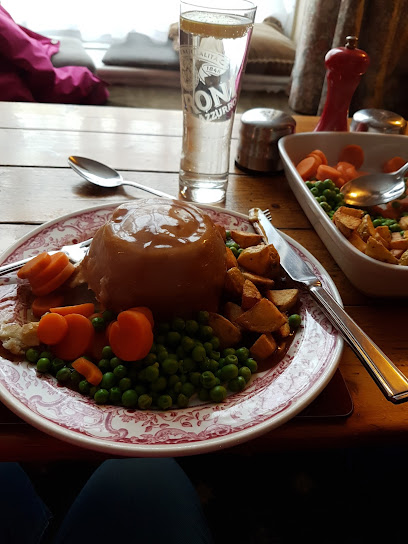
Drovers Arms
4.4 km
A welcoming Welsh village pub blending historic charm with hearty fare and friendly hospitality in the heart of Llanfaes, Brecon.
Lakeside Bar
5.0 km
Relax lakeside at this friendly pub within Brecon’s scenic caravan park, perfect for unwinding after exploring the Brecon Beacons.
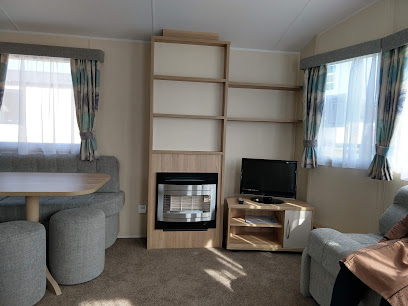
The Red Lion Llangorse
5.5 km
A welcoming Welsh gastropub in Llangorse offering seasonal local dishes, real fires, and a cozy atmosphere near the Brecon Beacons.
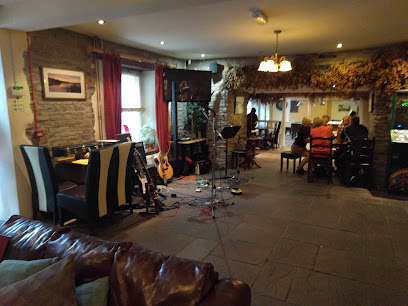
The Star Inn
5.8 km
A cozy and characterful pub with quality food and a sunny beer garden in the heart of Talybont-on-Usk, perfect for walkers and families alike.
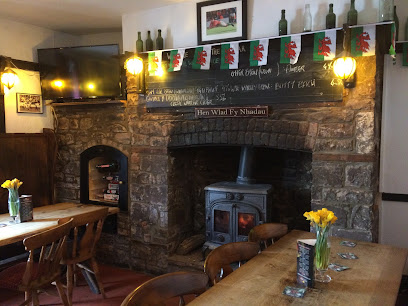
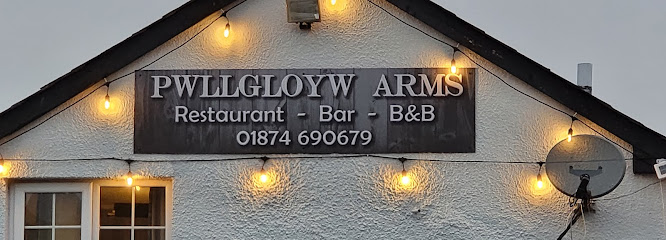
The Pwllgloyw Arms
7.9 km
A cozy mountain pub in Powys offering hearty Welsh fare, local ales, and a warm, welcoming atmosphere year-round.
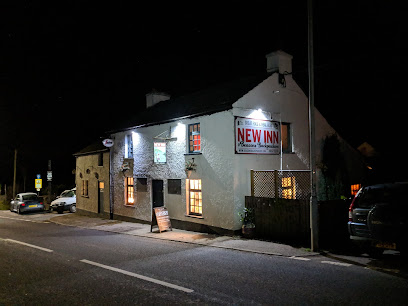
The New Inn
8.8 km
A cozy, affordable pub and backpackers’ haven in Bwlch, offering hearty food, friendly service, and a welcoming base for exploring the Brecon Beacons.
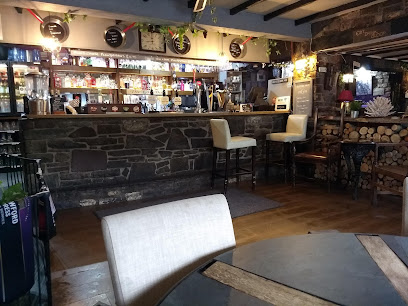
Coach & Horses
9.9 km
Historic canal-side pub and inn in Llangynidr offering hearty Welsh fare, cozy rooms, and a warm, welcoming atmosphere.
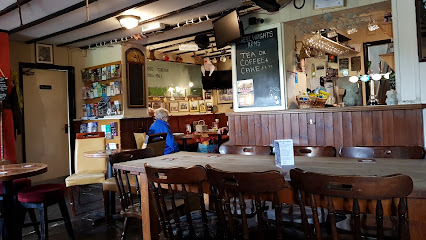
Wheelwright Arms
15.9 km
Cozy village pub in Erwood serving hearty homemade food, local beers, and vegan options in a friendly Welsh countryside setting.
Nightclubs & after hour spots

Northcote Conservative Club
3.6 km
Discover the lively ambiance of Northcote Conservative Club, Brecon's premier destination for nightlife, music, and local culture.
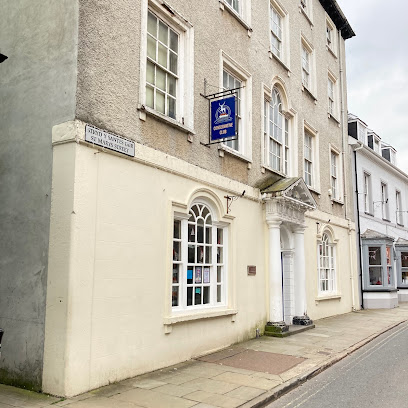
Pure Bar & Nightclub Ltd
21.2 km
A lively nightclub and cocktail bar in Merthyr Tydfil offering vibrant music, crafted drinks, and late-night entertainment in South Wales.
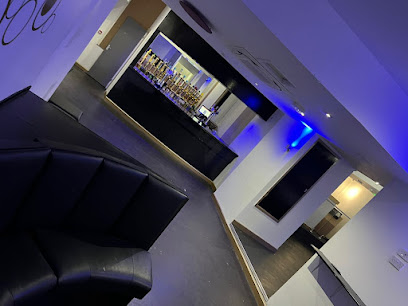
The Kirkhouse Nightclub (Koolers)
21.2 km
Experience the vibrant and friendly nightlife of Merthyr Tydfil at The Kirkhouse Nightclub, known locally as Koolers.

Jac’s Mansion
24.1 km
Experience welcoming, vibrant LGBTQ+ nightlife at Jac’s Mansion, Builth Wells’ iconic gay nightclub with a lively, inclusive atmosphere.
Squares Night club
36.4 km
Experience Porth’s vibrant nightlife at Squares Nightclub, where music, dance, and unforgettable evenings come alive every weekend.
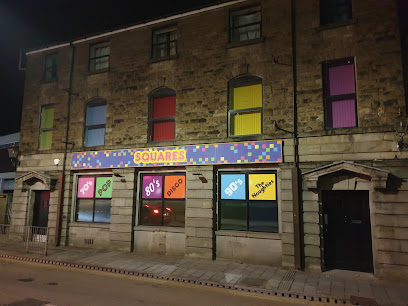
The Top Club
38.5 km
Experience Blaengarw’s vibrant nightlife at The Top Club, where electrifying entertainment meets community spirit in the heart of South Wales.
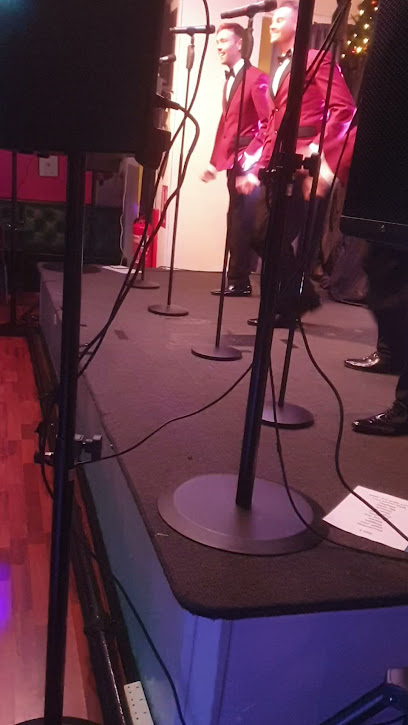
Eclipse Nightclub
38.8 km
Experience Pontypridd’s vibrant midweek nightlife at Eclipse Nightclub, where music, dancing, and community come alive every Wednesday night.
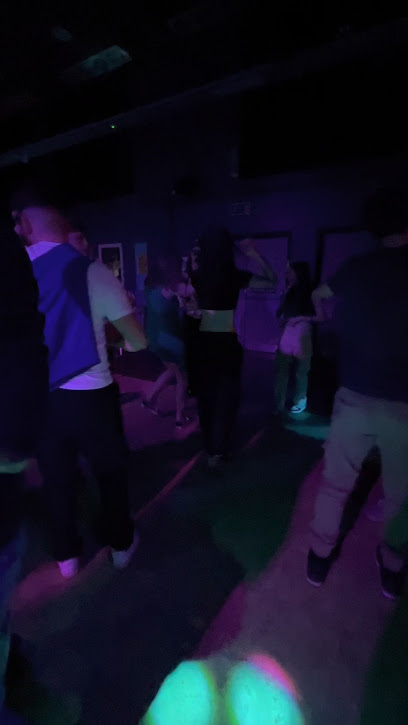
The Arch Bar & Nightclub
44.3 km
A lively Neath hotspot blending nightclub energy, live music, pub charm, and Thai cuisine in one vibrant venue.
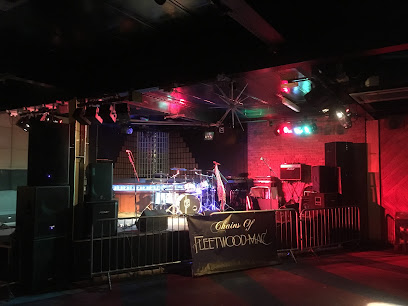
Trilogy Hereford
45.1 km
Experience Hereford’s vibrant nightlife at Trilogy, a dynamic nightclub pulsing with music and energy until the early morning hours.
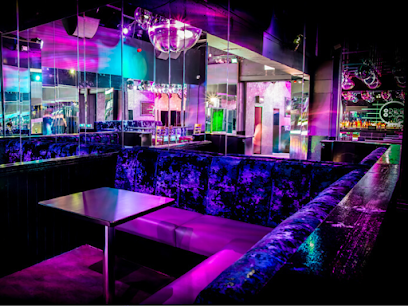
The Kings Head Hotel - JD Wetherspoon
45.1 km
Historic 17th-century coaching inn in Monmouth’s center, blending traditional charm with modern comfort and an on-site Wetherspoon pub.
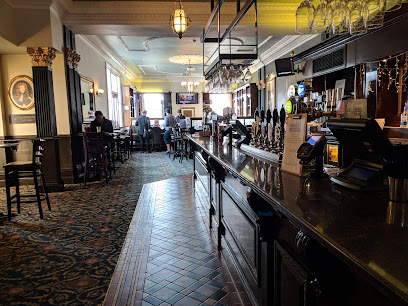
Punch House
45.1 km
Historic coaching inn and lively pub in Monmouth’s heart, offering real ales, hearty Welsh fare, dog-friendly stays, and a warm, welcoming atmosphere.
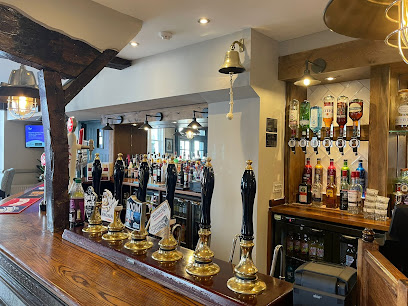
The Club, Monmouth
45.2 km
Discover the heart of Monmouth's pub culture at The Club, where great food, drinks, and sports come together for an unforgettable experience.
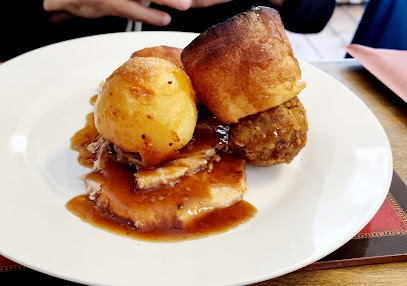
Mojos
45.3 km
Discover the vibrant nightlife of Newport at Mojos, the go-to cocktail bar for creative drinks and nightly karaoke excitement.
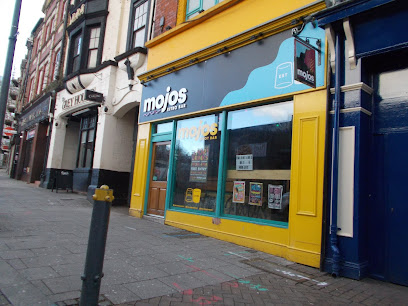
Vibez
45.3 km
Experience Newport’s vibrant nightlife at Vibez Superclub, where pounding bass and late-night energy create unforgettable weekend parties.

Hush Newport
45.4 km
Experience the vibrant Saturday nightlife at Hush Newport, Baneswell’s hotspot for music, dancing, and late-night fun in the heart of Newport.
For the vibe & atmosphere seeker
- Tranquil
- Scenic
- Historic
- Relaxing
For the design and aesthetic lover
- Rustic Designs
- Vintage Styles
For the architecture buff
- Historic
- Landmarks
For the view chaser and sunset hunter
- Iconic Views
- Waterfront
- Panoramas
For the social media creator & influencer
- Instagrammable
- Photo Spots
- Selfie Spots
For the eco-conscious traveler
- Public-Transport Accessible
- Low Impact
- Locally Managed
For the kind of experience you’re after
- Cultural Heritage
- Photowalk
- Nature Escape
- Day Trip
- Weekend Getaway
For how adventurous you want the journey to be
- Easy Access
Location Audience
- Family Friendly
- Senior Friendly
- Child Friendly
- Teen Friendly
- Wheelchair Access
- Pet Friendly
- Couple Friendly
- Solo Friendly


