
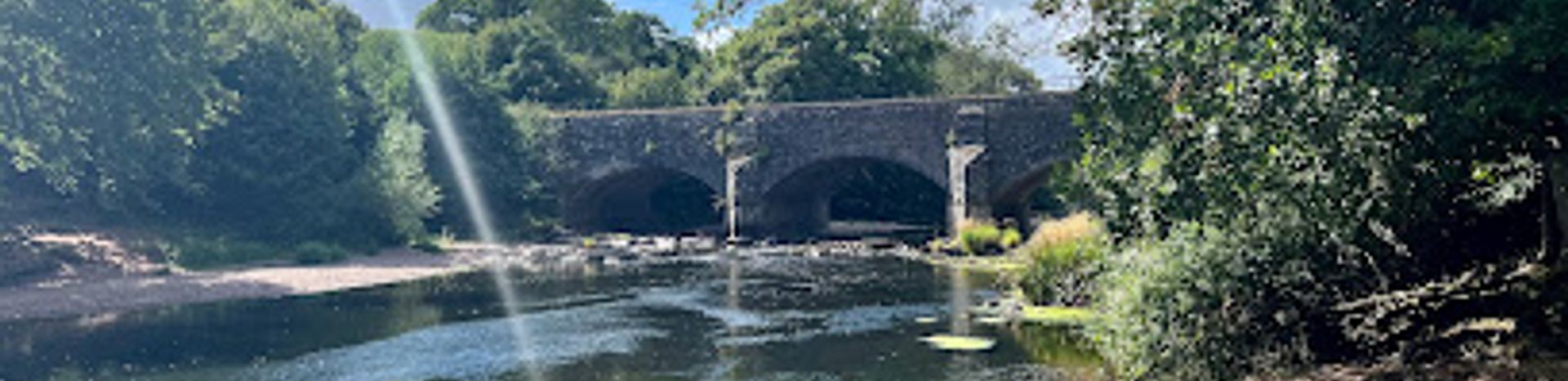
Brynich Aqueduct
A soaring stone testament to 18th-century engineering and 20th-century restoration, spanning the River Usk.
A magnificent early 19th-century stone aqueduct spanning the River Usk near Brecon, Brynich Aqueduct is a masterpiece of industrial engineering and a testament to the ambition of the Monmouthshire and Brecon Canal. Built around 1800, this four-arch structure carries the canal 73 metres across the river, allowing narrowboats to traverse the landscape at height. Today, it stands as a focal point for walkers, cyclists, and canal enthusiasts exploring the restored waterway through the Welsh countryside.
A brief summary to Brynich Aqueduct
- Brynich, Brecon, LD3 7SH, GB
- Duration: 0.75 to 2.5 hours
- Free
-
 Outdoor
- Mobile reception: 3 out of 5
Local tips
- Walk or cycle across the aqueduct itself on the canal towpath for the most immersive experience. The sensation of floating above the river is unforgettable, and the views across the valley are exceptional.
- Visit in late spring or early autumn when the weather is mild and the river valley is lush. The aqueduct is accessible year-round, but these seasons offer the most pleasant walking conditions.
- Combine your visit with a walk to nearby Brynich Lock to understand the complete engineering system. The lock and aqueduct work together to manage the dramatic elevation change.
- Bring binoculars for birdwatching along the river. The Usk valley supports diverse birdlife, and the riverside habitat is particularly rich during migration seasons.
- Photograph the aqueduct from the riverbank below at golden hour for dramatic lighting that highlights the stone arches and their reflections in the water.

For the on-the-go comforts that matter to you
- Seating Areas
- Picnic Areas
- Trash Bins
- Information Boards
Getting There
-
Car
From Brecon town centre, drive south on the A470 for approximately 2 miles. Turn onto the minor road signposted for Brynich. There is a small car park near the aqueduct with space for approximately 8–10 vehicles. The journey takes about 5–10 minutes depending on traffic. Parking is free and available year-round, though the narrow approach road can be challenging in winter weather or when the river is in flood.
-
Walking from Brecon
From Brecon town centre, follow the canal towpath southward for approximately 2 miles. The walk takes 45–60 minutes on a well-maintained, mostly flat path. The route is accessible for most fitness levels, though the towpath can be muddy after rain. This is the most scenic approach, offering views of the canal and surrounding countryside throughout the journey.
-
Cycling
The canal towpath is suitable for hybrid or mountain bikes. From Brecon, the 2-mile ride to Brynich Aqueduct takes approximately 15–20 minutes on the flat towpath. The route is well-maintained but can be muddy in wet conditions. Bike parking facilities are limited, so arrive early during peak seasons.
-
Bus
Local bus services operate from Brecon town centre, though services to Brynich are limited and infrequent. Journey times vary from 20–40 minutes depending on the route and stops. Check local timetables in advance, as services may be reduced during winter months or on Sundays. This option is best combined with a walk along the towpath.
Brynich Aqueduct location weather suitability
-
 Any Weather
-
 Clear Skies
-
 Mild Temperatures
Discover more about Brynich Aqueduct
Engineering Marvel of the Industrial Age
Brynich Aqueduct represents one of the finest examples of late 18th-century canal engineering in Wales. Completed around 1800, the structure was designed to solve a critical challenge: the canal needed to cross the River Usk at a point where the water level differed significantly from the canal's elevation. The solution was an elegant four-arch stone aqueduct, measuring 73 metres in length, with three cutwaters that cut through the water to reduce pressure on the structure. The aqueduct rises majestically above the river valley, allowing narrowboats to float across the landscape as if suspended between earth and sky. This engineering feat was essential to the completion of the Brecknock and Abergavenny Canal, which had begun construction in 1796 under engineer Thomas Dadford.A Waterway Born from Ambition and Perseverance
The canal itself was authorised by Parliament in 1793, with ambitious plans to connect Pontnewynydd with the River Usk near Newport, incorporating branches to coal mines and quarries. Construction progressed steadily, and by late 1797, the canal was already open from Gilwern to Llangynidr. However, costs spiralled beyond expectations, and by 1799, engineer Benjamin Outram was called in to advise on cost-saving measures. Despite these challenges, the canal reached Brecon in December 1800, and by 1806, the company was operating 20 boats carrying coal and limestone. The aqueduct became the crowning achievement of this section, enabling the final two miles of canal to reach Brecon's Theatre Basin, where water from the River Usk—controlled by a weir near the Brecon Promenade—supplied the entire waterway.Decline and the Triumph of Restoration
For over a century, Brynich Aqueduct witnessed the steady flow of commercial traffic along the canal. However, the rise of railways and road transport gradually diminished the waterway's importance. The last toll for goods movement was paid in 1933, and by the mid-20th century, the canal had fallen into severe dereliction. In 1952, three determined campaigners rowed across the aqueduct to draw public attention to the canal's neglect and its potential as a leisure asset. Their efforts sparked a movement that would transform the waterway's future. Beginning in 1958, dedicated volunteers began the monumental task of restoration, starting with Brynich Lock—the first lock on the canal to be rebuilt. This milestone proved pivotal, inspiring further restoration efforts that eventually reopened the canal between Brecon and Pontymoile near Cwmbrȃn.A Living Monument to Community Spirit
Today, Brynich Aqueduct stands as a symbol of what passionate volunteers can achieve. The structure itself remains largely unchanged from its original construction, its four stone arches weathered by two centuries of Welsh weather yet still robust and functional. The aqueduct is accompanied by a late 18th-century five-arch stone bridge that crosses the River Usk, creating a striking architectural ensemble. The lock chamber at Brynich, which raises or lowers boats by approximately 21 metres (68 feet) to account for the elevation difference between the aqueduct and the final stretch into Brecon, continues to operate as it has for over two centuries. The site has become a beloved destination for narrowboat enthusiasts, walkers, and cyclists who traverse the restored canal, each journey a tribute to the volunteers whose dedication saved this remarkable waterway from oblivion.Exploring the Landscape Today
Visitors to Brynich Aqueduct experience a landscape shaped by centuries of human ingenuity and natural beauty. The aqueduct offers stunning views across the River Usk valley, with the Brecon Beacons rising in the distance. The canal towpath provides an accessible route for walking and cycling, allowing visitors to appreciate the aqueduct from multiple perspectives—from the riverbank below, where the scale of the structure becomes apparent, to the towpath above, where one can walk across the aqueduct itself and experience the unique sensation of floating above the river. The surrounding area remains largely rural and unspoilt, preserving the character of the Welsh countryside that the canal's builders sought to traverse nearly 225 years ago.Iconic landmarks you can’t miss

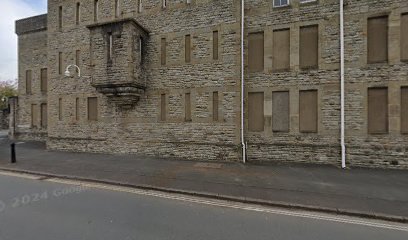
Brecon Barracks
3.0 km
Historic military hub in Brecon, home to the Royal Welsh Regiment and its museum, set within the stunning Brecon Beacons National Park.
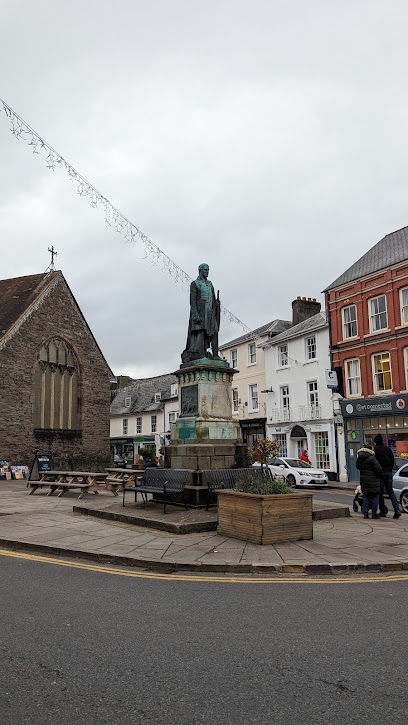
Duke of Wellington Monument
3.6 km
Historic bronze statue honoring the Duke of Wellington, a commanding presence in Brecon’s town centre and a testament to local artistry and British heritage.
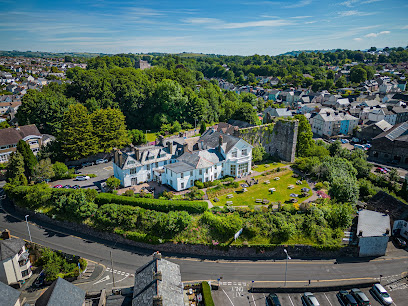
The Brecon Castle Hotel
3.9 km
Historic Wales’ oldest hotel blending timeless charm with modern comforts near Brecon Beacons National Park.
YHA Brecon Beacons
11.6 km
Rustic farmhouse hostel offering clean, cozy accommodation and a warm communal atmosphere in the heart of Brecon Beacons National Park.
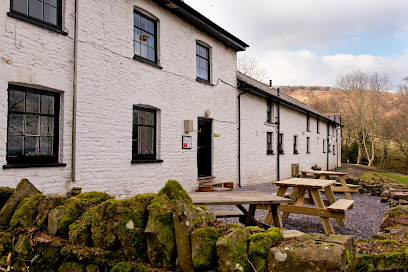
Cadair Fawr
18.1 km
Explore Cadair Fawr, a breathtaking mountain in Merthyr Tydfil, offering stunning views, diverse wildlife, and unforgettable outdoor adventures.
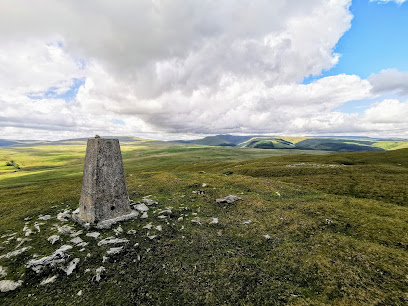
Hay Bluff
18.8 km
Discover the breathtaking beauty of Hay Bluff, a mountain peak in Herefordshire that offers stunning views, hiking adventures, and a serene escape into nature.
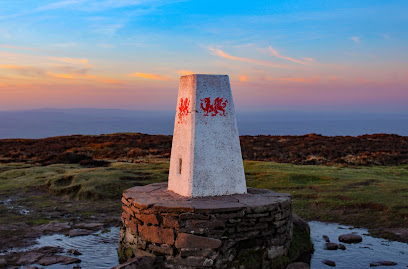
Fforest Fawr Geopark
19.3 km
Discover the breathtaking landscapes and geological wonders of Fforest Fawr Geopark, a nature reserve in Aberdare, Wales, perfect for outdoor adventures.
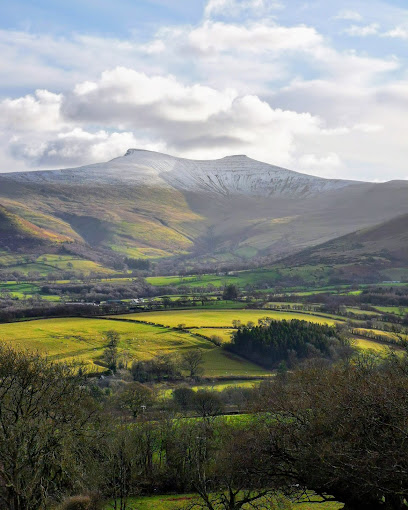
Bedwellty House and Park
19.8 km
Experience the tranquility and charm of Bedwellty House and Park, a historic gem in Tredegar offering beautiful gardens and serene landscapes.
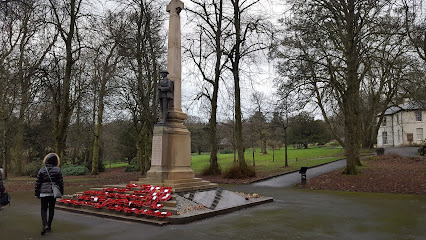
Ebbw Vale Works Museum
20.1 km
Explore the rich industrial heritage of South Wales at Ebbw Vale Works Museum, where history and steelmaking come alive.
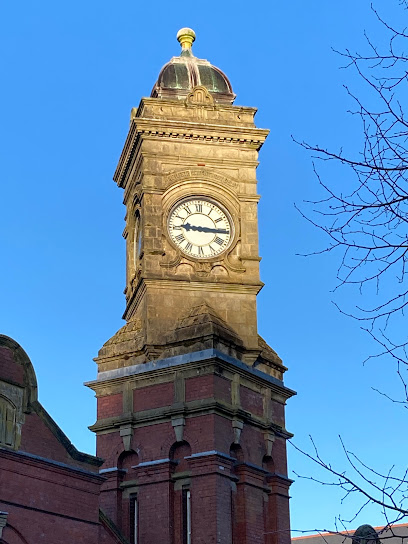
Ogof Craig a Ffynnon
20.1 km
Explore the breathtaking limestone caves of Ogof Craig a Ffynnon, an unforgettable adventure in the heart of Wales' stunning countryside.
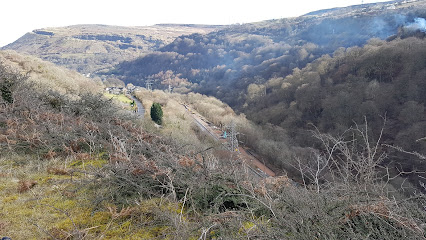
Cyfarthfa Castle Museum and Art Gallery
20.3 km
Explore Cyfarthfa Castle Museum and Art Gallery, where history, art, and nature converge in the heart of Merthyr Tydfil’s beautiful park.
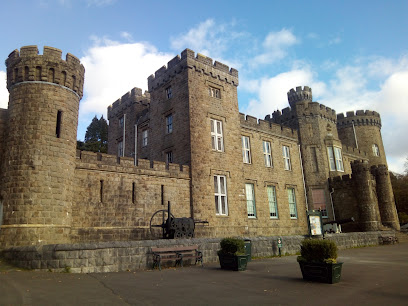
Clydach Gorge
20.4 km
Experience the breathtaking beauty and historical significance of Clydach Gorge, a natural wonder in Abergavenny, perfect for adventure seekers and nature lovers.
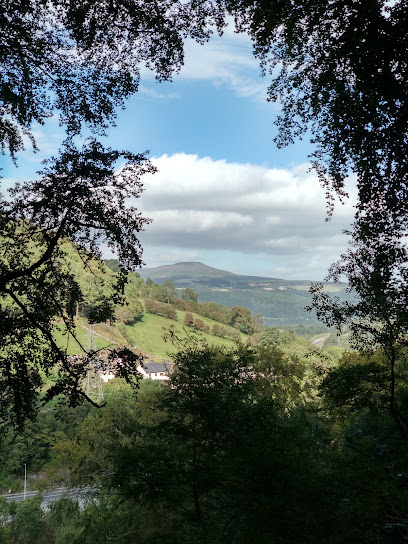
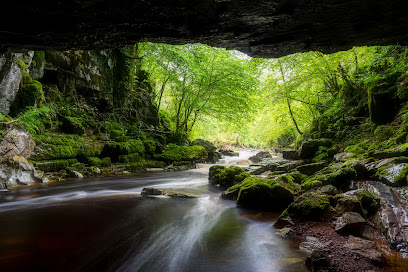
Porth yr Ogof
21.1 km
Explore Porth yr Ogof, a breathtaking limestone cave in the Brecon Beacons, filled with stunning rock formations and rich natural beauty.
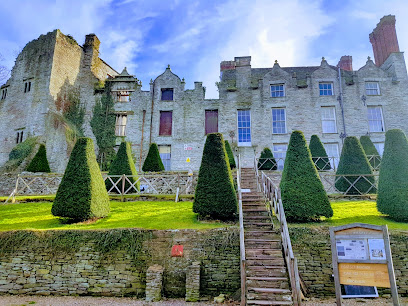
Hay Castle
21.2 km
Explore the historic Hay Castle in Hay-on-Wye, where rich Welsh culture, stunning architecture, and beautiful gardens await every traveler.
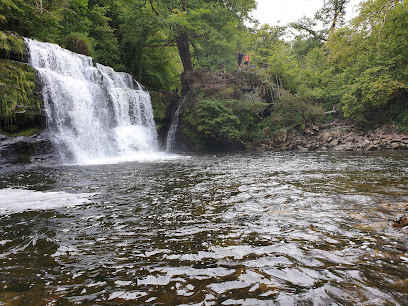
Sgwd Clun-Gwyn Waterfall
22.4 km
Experience the serene beauty of Sgwd Clun-Gwyn Waterfall, a breathtaking natural attraction in South Wales, perfect for nature lovers and adventurers.
Unmissable attractions to see

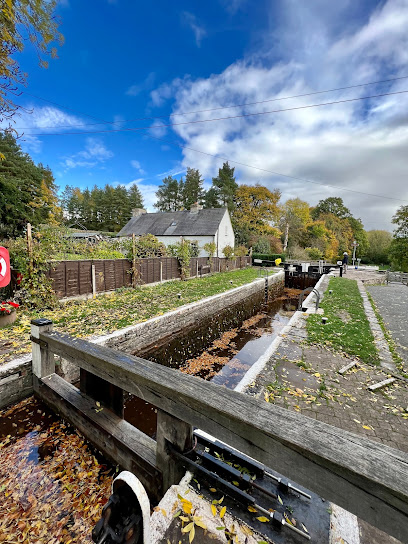
Brynich Lock
0.2 km
Historic Brynich Lock offers tranquil canal-side charm and stunning views within the Brecon Beacons National Park.
Peterstone Court Country House & Spa
1.1 km
Elegant 5-star country house and spa nestled in the scenic Brecon Beacons, perfect for relaxation, fine dining, and outdoor adventures.

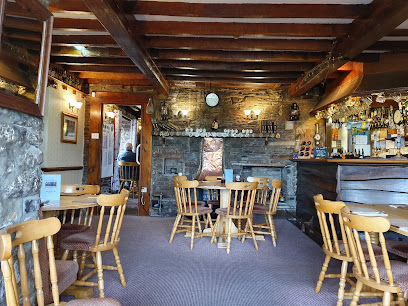
The Old Ford Inn
1.7 km
Historic Welsh coaching inn with cosy rooms, hearty pub fare, and stunning Brecon Beacons views in peaceful Llanhamlach.
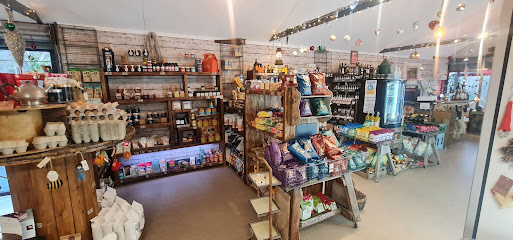
Camden Stores
2.2 km
Discover authentic Welsh flavors and countryside charm at Camden Stores, a cozy farm shop and café near Brecon.
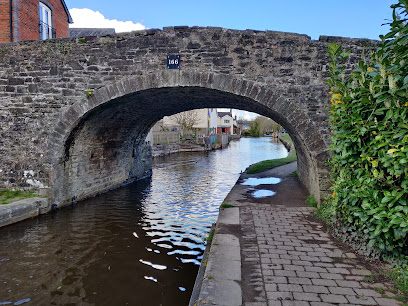
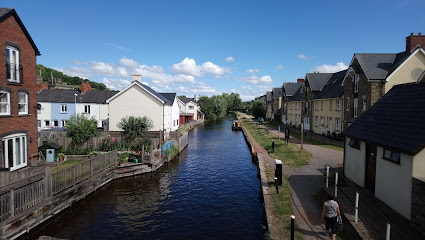
Monmouthshire and Brecon Canal
2.6 km
Explore tranquil waters and stunning Brecon Beacons views along Wales’ historic Monmouthshire and Brecon Canal.
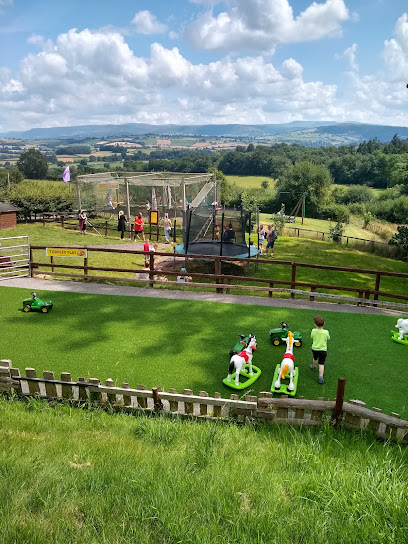
Cantref - Adventure Farm in South Wales
2.7 km
Experience hands-on farm life, pony rides, and all-weather family fun in the stunning Brecon Beacons National Park.
Brecon Walk Way
2.7 km
A tranquil canal-side walk in Brecon blending historic charm, natural beauty, and easy access to the Brecon Beacons National Park.
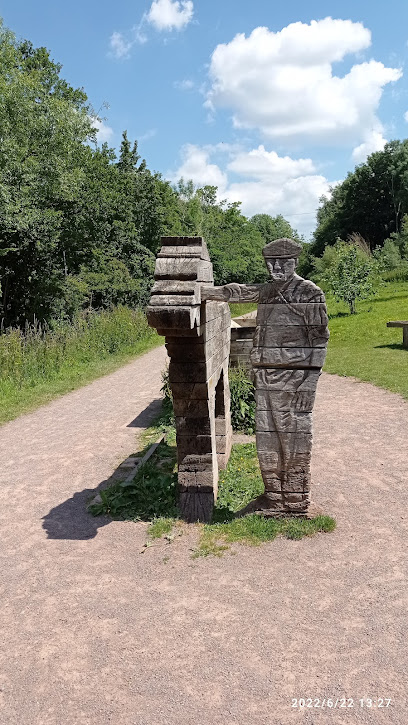
The Royal Welsh Regimental Museum
3.1 km
Explore centuries of Welsh military heritage through immersive exhibits and priceless collections in the heart of Brecon.
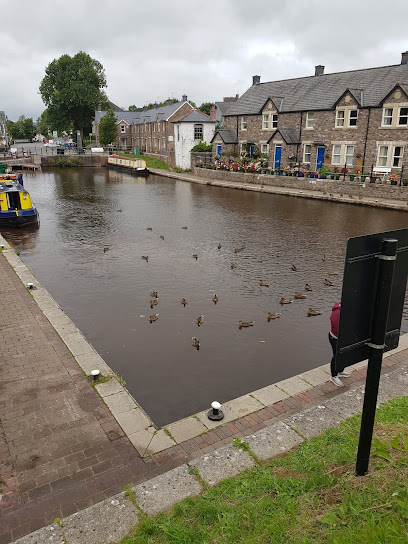
Brecon Canal Basin
3.3 km
Historic canal terminus in Brecon offering scenic walks, boating, and cultural charm in the heart of the Brecon Beacons National Park.
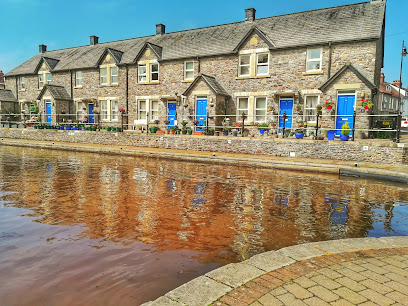
Theatr Brycheiniog
3.4 km
A vibrant, accessible performing arts theatre nestled by Brecon’s scenic canal, offering diverse shows and community spirit.
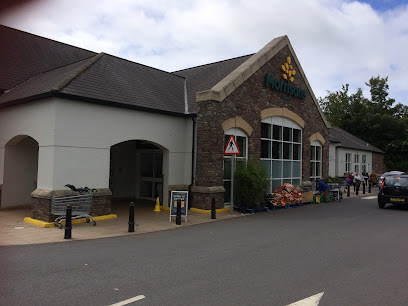
Morrisons
3.4 km
Convenient and modern supermarket in Brecon with extended hours, EV charging, and a welcoming café for a complete shopping experience.
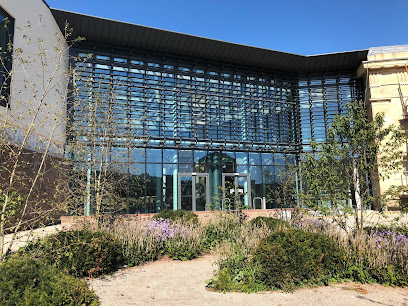
Y Gaer Museum, Art Gallery & Library
3.5 km
Discover Brecon’s heritage and art in a stunning blend of historic and modern at Y Gaer Museum, Art Gallery & Library.
Drostre Wood Nature Reserve
3.6 km
A serene mixed woodland near Brecon offering rich mossy floors, diverse fungi, and vibrant birdlife in a peaceful Welsh nature reserve.
Visit Brecon
3.6 km
Your essential starting point for exploring Brecon’s historic charm and the stunning Brecon Beacons National Park.
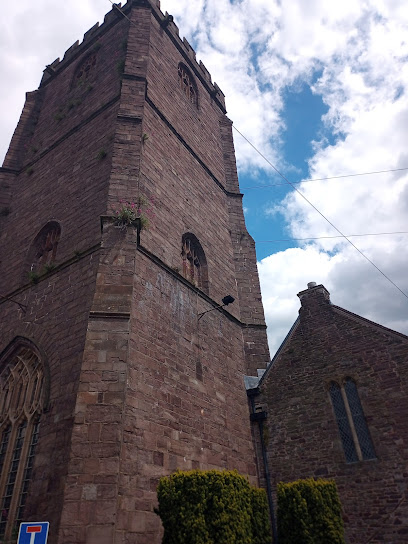
Brecon Town Tours - guided history walks
3.6 km
Discover Brecon’s rich heritage on guided history walks through its charming streets and scenic riverside.
Essential places to dine

Three Horseshoes Inn
0.7 km
Award-winning gastropub in the Brecon Beacons serving refined seasonal British cuisine in a historic, welcoming setting.
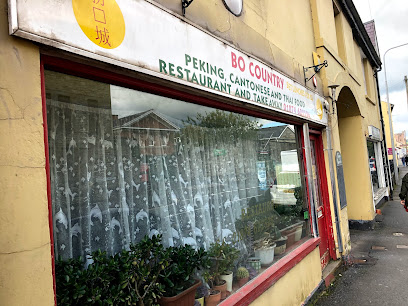
Bo Country
3.0 km
Authentic Chinese takeaway in the heart of Brecon, offering quick, flavorful meals for locals and visitors alike.
The Gurkha Corner
3.5 km
Experience authentic Nepalese and Himalayan cuisine with warm hospitality in the heart of Brecon at The Gurkha Corner.
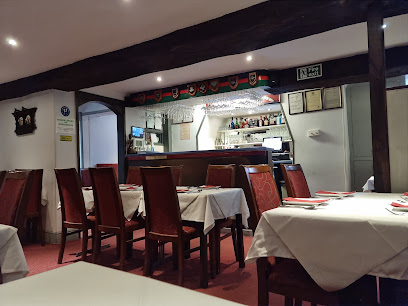
Brecon Tap
3.5 km
Experience authentic Welsh hospitality at Brecon Tap – a charming pub offering delicious food and drinks in the heart of Brecon.
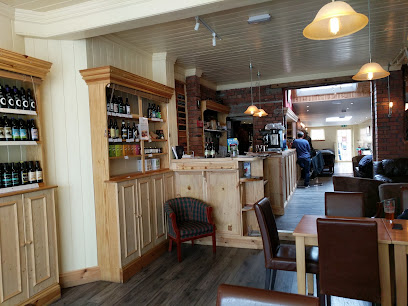
The Proper Pizza Co Ltd
3.6 km
Authentic artisan pizzas with gluten-free options in the heart of Brecon’s Lion Yard, perfect for takeaway or small group dining.

Hills
3.6 km
Contemporary burger dining with scenic Brecon Beacons views, blending creative flavors and a welcoming atmosphere in the heart of Brecon.
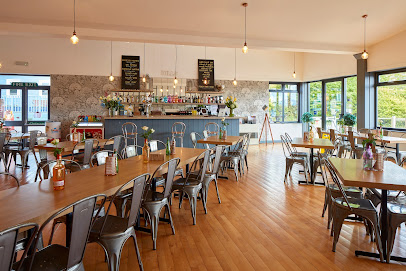
Black Cock Inn
3.7 km
Experience authentic Welsh cuisine at Black Cock Inn - where traditional charm meets delicious flavors in beautiful Brecon.
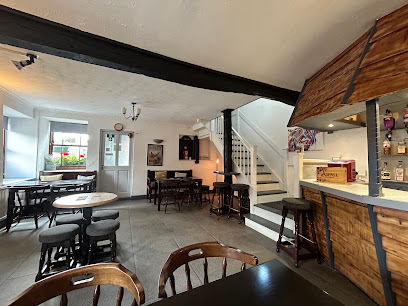
The George Hotel - JD Wetherspoon
3.7 km
A welcoming traditional pub and hotel in Brecon, offering hearty British fare and comfortable rooms near the Brecon Beacons.
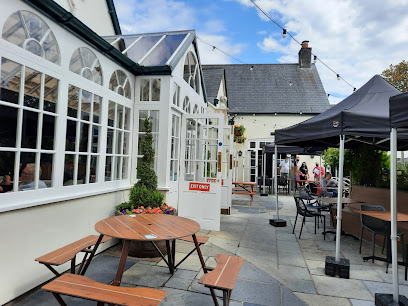
Gorkha & Khukuri
4.7 km
Savor authentic Nepalese cuisine in a serene Brecon setting, where tradition and flavor unite at Gorkha & Khukuri.
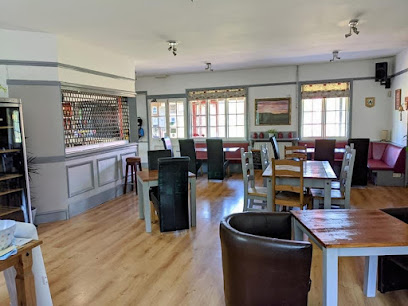
Castle Inn
5.6 km
Traditional Welsh pub and cozy B&B in Llangorse, offering great food, local charm, and a unique Banksy artwork near the Brecon Beacons.
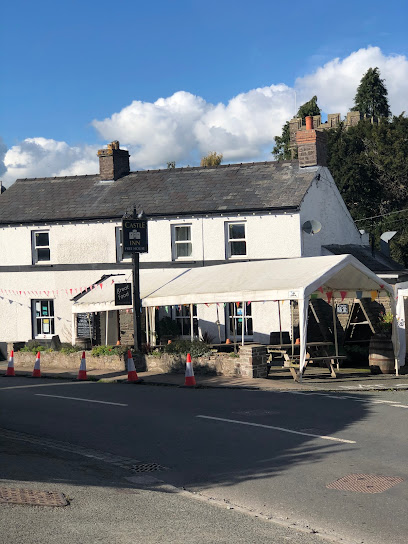
The White Hart
5.9 km
Traditional Welsh inn in Talybont-on-Usk offering hearty British fare, local ales, and warm hospitality near the Brecon Beacons.
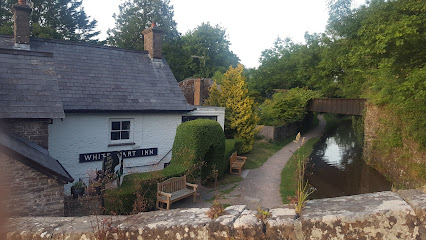
The Felin Fach Griffin
6.0 km
A cozy country inn blending rustic charm, refined dining, and warm hospitality in the heart of the Brecon Beacons.
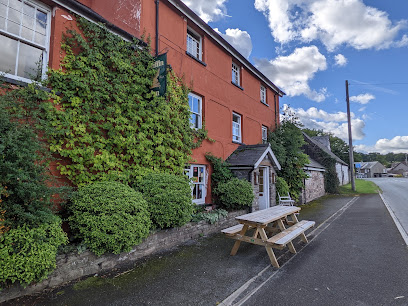
Travellers Rest Inn
6.3 km
Cozy countryside inn with hearty meals and warm hospitality near the scenic Brecon Beacons.
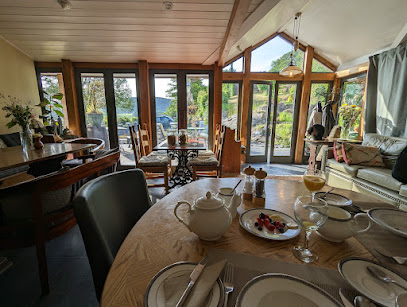
The Tai’r Bull Inn
8.4 km
A cosy Welsh country pub and B&B offering hearty fare, real ales, and warm hospitality in the heart of Brecon Beacons National Park.
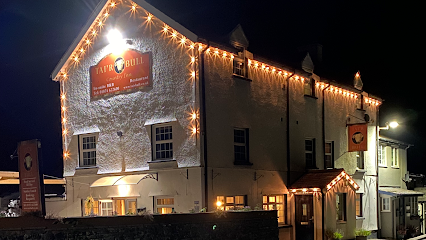
Bridge End Inn
9.9 km
Experience warm Welsh hospitality at Bridge End Inn in Talgarth - where local flavors meet cozy charm amidst breathtaking landscapes.
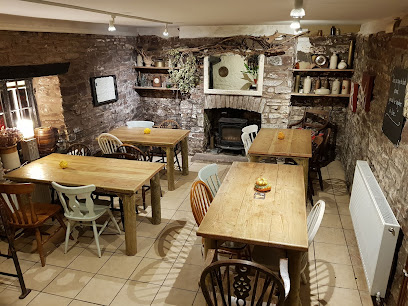
Markets, malls and hidden boutiques

DIXIES CORNER
3.4 km
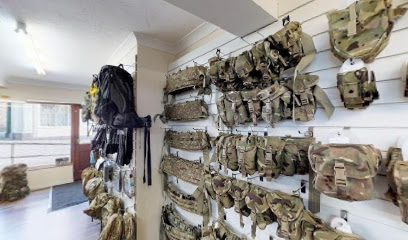
Brecon's trusted specialist in authentic military surplus and outdoor gear since establishment.
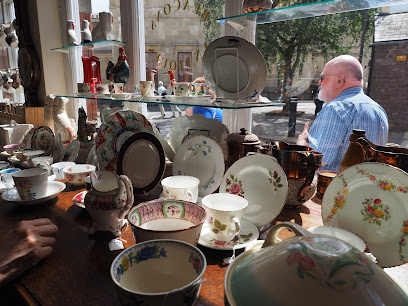
Beacons Antiques
3.5 km
Discover timeless vintage treasures and unique collectibles at Beacons Antiques, a charming hub of history in the heart of Brecon.
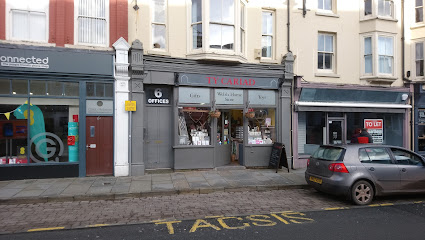
Tŷ Cariad
3.5 km
Discover authentic Welsh crafts and unique gifts at Tŷ Cariad, Brecon’s cozy hub for local artistry and culture.
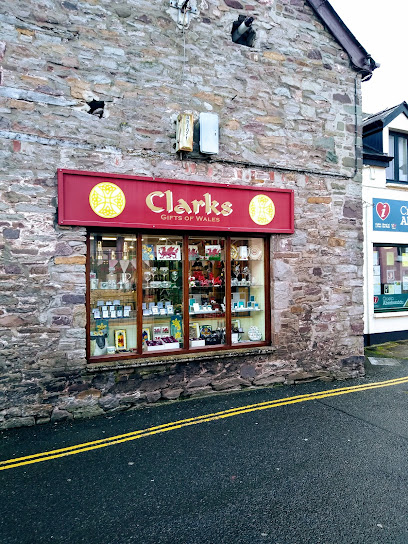
Clarks Gifts Of Wales
3.6 km
Discover authentic Welsh heritage and craftsmanship through unique souvenirs at Clarks Gifts Of Wales in the heart of Brecon.
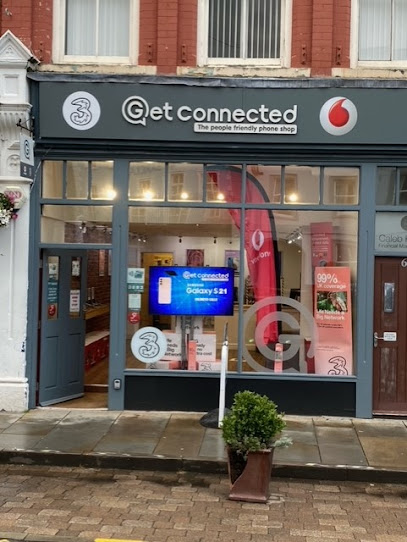
Get Connected
3.6 km
Explore Brecon with confidence, staying connected at Get Connected—the mobile shop for all your tech needs in the heart of the town.
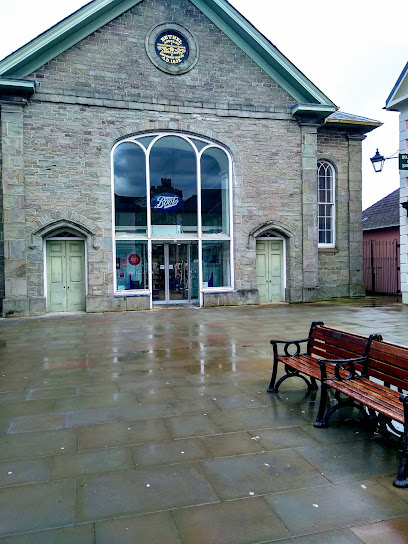
Boots
3.6 km
Your reliable health and beauty partner in the heart of Brecon’s Bethel Square, offering pharmacy, cosmetics, baby products, and more.
The Vapour Den
3.6 km
Explore Brecon’s vibrant vaporizing culture at The Vapour Den, your friendly local shop for expert advice and quality vaporizers.
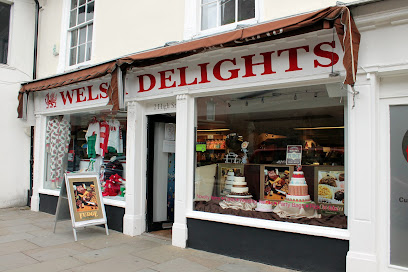
Welsh Delights
3.6 km
Discover authentic Welsh gifts and indulge in traditional clotted cream fudge at Welsh Delights, Brecon’s charming sweet and gift shop.
Beacons Crafts Ltd
3.6 km
Handcrafted Welsh treasures from local artisans in the heart of Brecon.
Cardfactory
3.6 km
Find affordable, personalized cards and gifts for every occasion at Card Factory Brecon in Bethel Square Shopping Centre.
Mountain Warehouse
3.6 km
Your go-to outdoor store in Brecon for quality gear, clothing, and expert advice to fuel your adventures.
Little Luxuries
3.6 km
Discover handcrafted Welsh gifts and unique souvenirs in the welcoming boutique of Little Luxuries, nestled in Brecon’s charming Bethel Square.
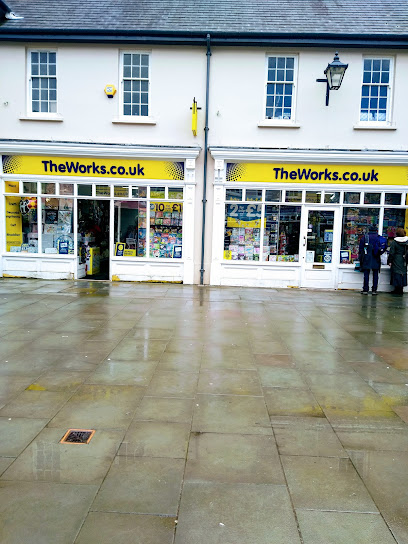
The Works
3.6 km
Discover affordable art supplies, books, crafts, and toys at The Works in Brecon’s vibrant Bethel Square Shopping Centre.
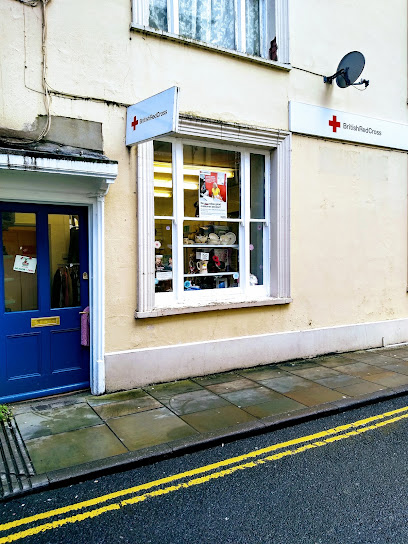
British Red Cross shop, Brecon
3.6 km
Discover unique finds and support global humanitarian aid at the British Red Cross charity shop in Brecon’s historic Lion Street.
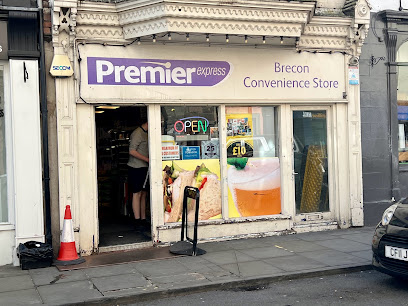
Premier
3.6 km
Your friendly, convenient stop for groceries and essentials in the heart of Brecon, open early to late every day.
Essential bars & hidden hideouts

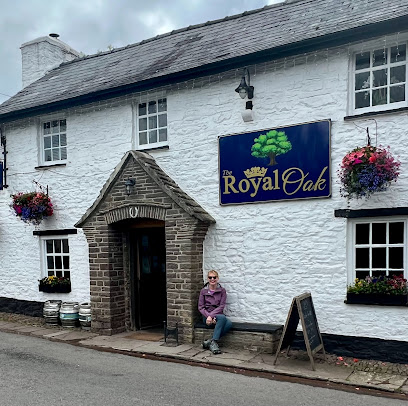
Royal Oak
2.7 km
Cozy Welsh pub in Pencelli offering traditional hospitality and local ales amidst the scenic Brecon Beacons.
Markets Tavern
3.4 km
Traditional Welsh pub and welcoming hotel in Brecon offering hearty food, cozy rooms, and authentic local charm on Free Street.
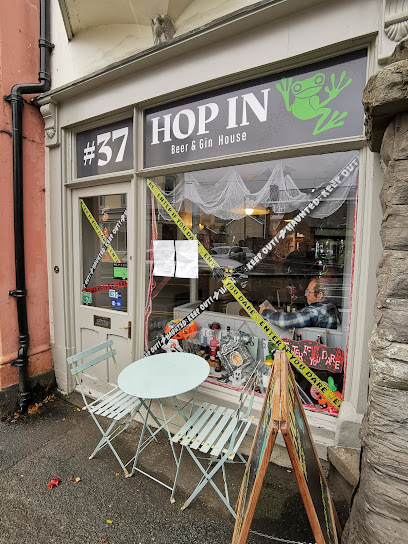
hop in beer and gin
3.4 km
Discover Brecon’s quirky bar with top-quality craft beers, artisanal gins, and delicious tapas in a cozy, historic setting.
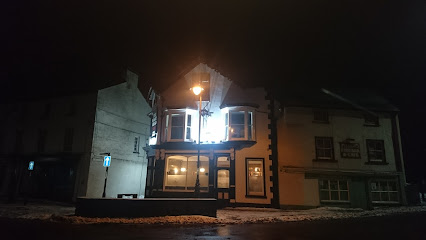
The Sarah Siddons
3.7 km
Experience authentic Welsh hospitality with local ales and lively atmosphere at The Sarah Siddons, Brecon’s beloved town centre pub.
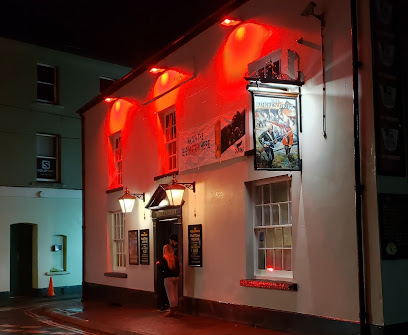
The Rorkes Drift
3.7 km
Historic Welsh pub in Brecon offering local ales, lively music, and a warm atmosphere inspired by the legendary Rorke’s Drift battle.
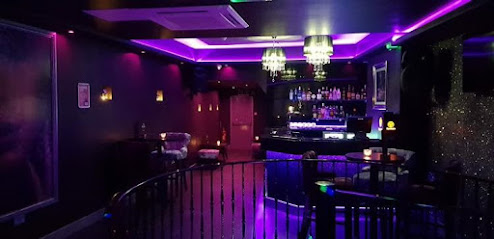
The Lounge Bar & Cafe
3.7 km
Brecon’s pioneering bar with a modern twist, offering signature cocktails, live music, and a welcoming atmosphere in the town centre.
The Three Horseshoes Inn
4.1 km
A cosy Welsh village pub blending traditional charm with refined British cuisine and a warm, welcoming atmosphere.
Drovers Arms
4.4 km
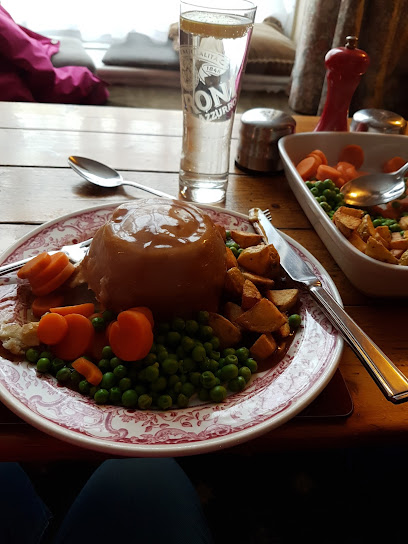
A welcoming Welsh village pub blending historic charm with hearty fare and friendly hospitality in the heart of Llanfaes, Brecon.
Lakeside Bar
5.0 km
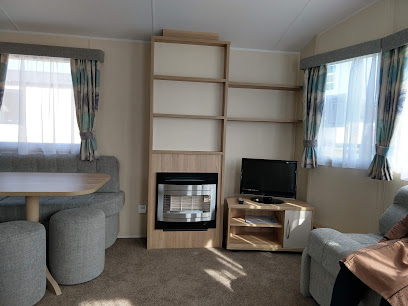
Relax lakeside at this friendly pub within Brecon’s scenic caravan park, perfect for unwinding after exploring the Brecon Beacons.
The Red Lion Llangorse
5.5 km
A welcoming Welsh gastropub in Llangorse offering seasonal local dishes, real fires, and a cozy atmosphere near the Brecon Beacons.
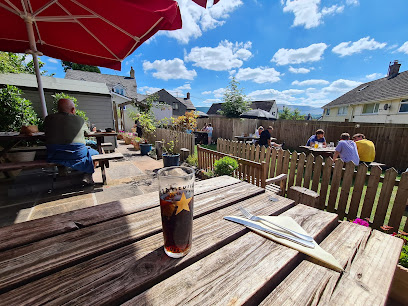
The Star Inn
5.8 km
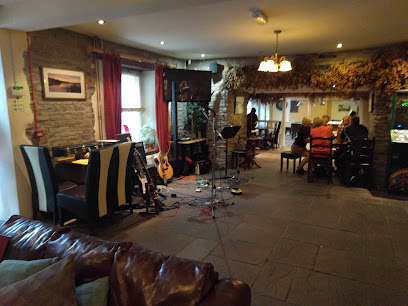
A cozy and characterful pub with quality food and a sunny beer garden in the heart of Talybont-on-Usk, perfect for walkers and families alike.
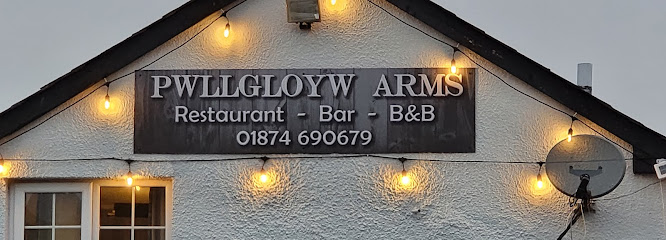
The Pwllgloyw Arms
7.9 km
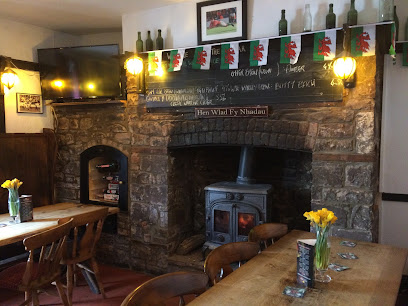
A cozy mountain pub in Powys offering hearty Welsh fare, local ales, and a warm, welcoming atmosphere year-round.
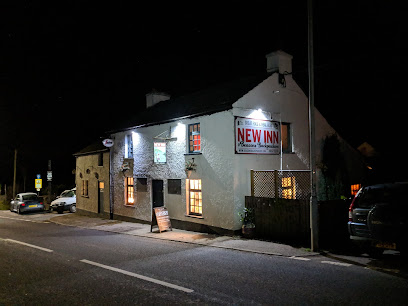
The New Inn
8.8 km
A cozy, affordable pub and backpackers’ haven in Bwlch, offering hearty food, friendly service, and a welcoming base for exploring the Brecon Beacons.
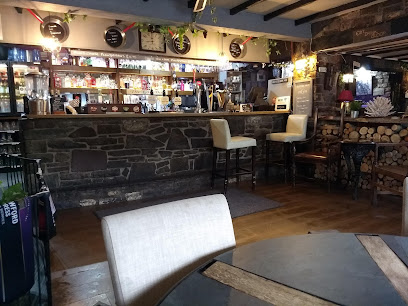
Coach & Horses
9.9 km
Historic canal-side pub and inn in Llangynidr offering hearty Welsh fare, cozy rooms, and a warm, welcoming atmosphere.
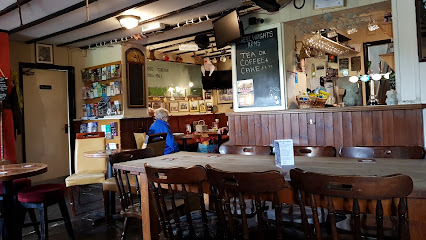
Wheelwright Arms
15.9 km
Cozy village pub in Erwood serving hearty homemade food, local beers, and vegan options in a friendly Welsh countryside setting.
Nightclubs & after hour spots

Northcote Conservative Club
3.6 km
Discover the lively ambiance of Northcote Conservative Club, Brecon's premier destination for nightlife, music, and local culture.
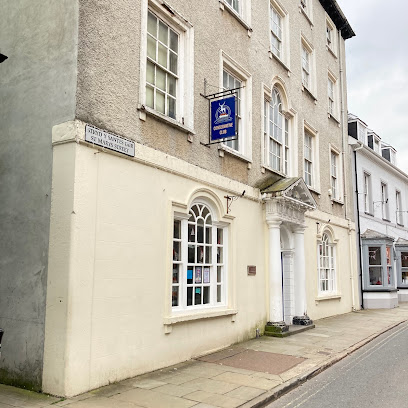
Pure Bar & Nightclub Ltd
21.2 km
A lively nightclub and cocktail bar in Merthyr Tydfil offering vibrant music, crafted drinks, and late-night entertainment in South Wales.
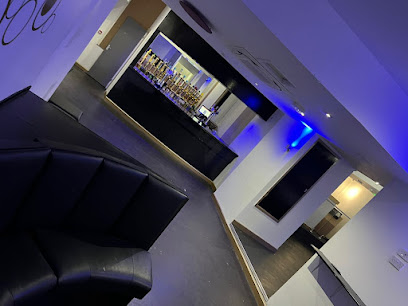
The Kirkhouse Nightclub (Koolers)
21.2 km
Experience the vibrant and friendly nightlife of Merthyr Tydfil at The Kirkhouse Nightclub, known locally as Koolers.

Jac’s Mansion
24.1 km
Experience welcoming, vibrant LGBTQ+ nightlife at Jac’s Mansion, Builth Wells’ iconic gay nightclub with a lively, inclusive atmosphere.
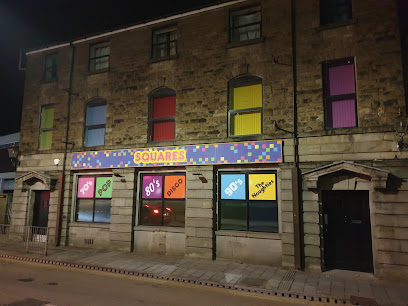
Squares Night club
36.4 km
Experience Porth’s vibrant nightlife at Squares Nightclub, where music, dance, and unforgettable evenings come alive every weekend.
The Top Club
38.5 km
Experience Blaengarw’s vibrant nightlife at The Top Club, where electrifying entertainment meets community spirit in the heart of South Wales.
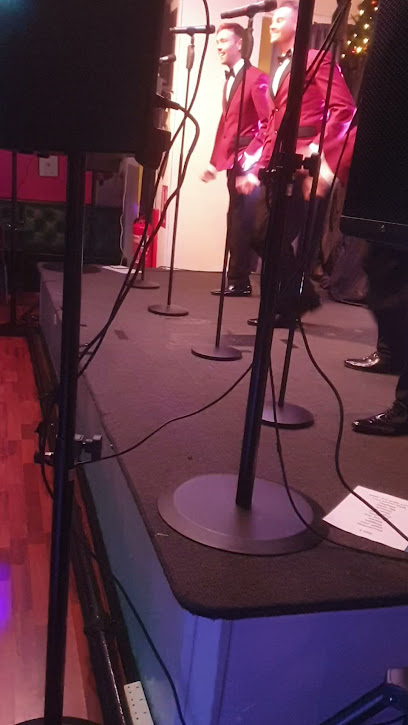
Eclipse Nightclub
38.8 km
Experience Pontypridd’s vibrant midweek nightlife at Eclipse Nightclub, where music, dancing, and community come alive every Wednesday night.
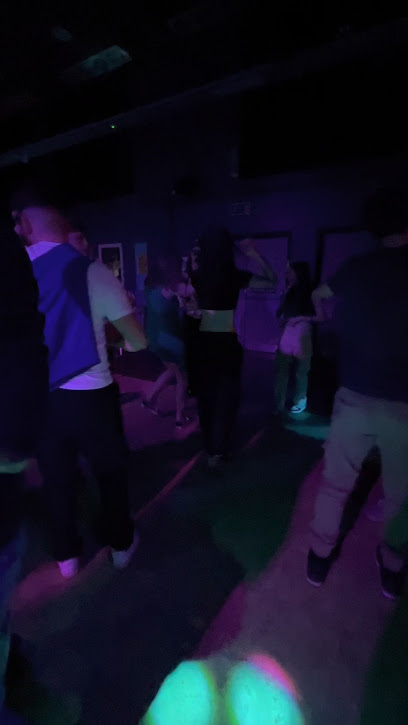
The Arch Bar & Nightclub
44.3 km
A lively Neath hotspot blending nightclub energy, live music, pub charm, and Thai cuisine in one vibrant venue.
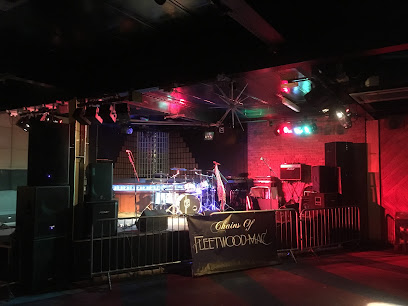
Trilogy Hereford
45.1 km
Experience Hereford’s vibrant nightlife at Trilogy, a dynamic nightclub pulsing with music and energy until the early morning hours.
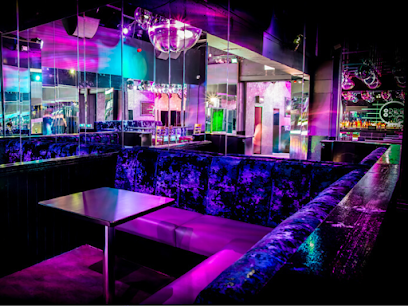
The Kings Head Hotel - JD Wetherspoon
45.1 km
Historic 17th-century coaching inn in Monmouth’s center, blending traditional charm with modern comfort and an on-site Wetherspoon pub.
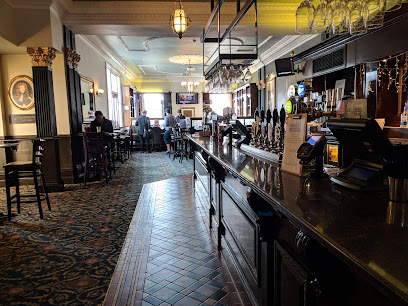
Punch House
45.1 km
Historic coaching inn and lively pub in Monmouth’s heart, offering real ales, hearty Welsh fare, dog-friendly stays, and a warm, welcoming atmosphere.
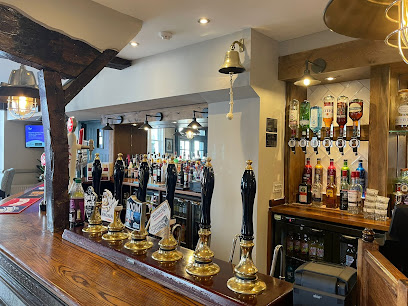
The Club, Monmouth
45.2 km
Discover the heart of Monmouth's pub culture at The Club, where great food, drinks, and sports come together for an unforgettable experience.
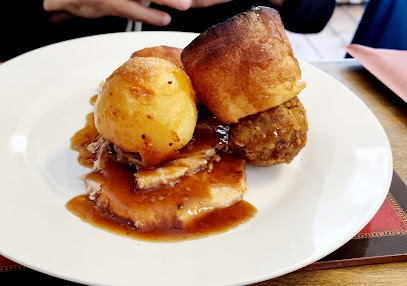
Mojos
45.3 km
Discover the vibrant nightlife of Newport at Mojos, the go-to cocktail bar for creative drinks and nightly karaoke excitement.
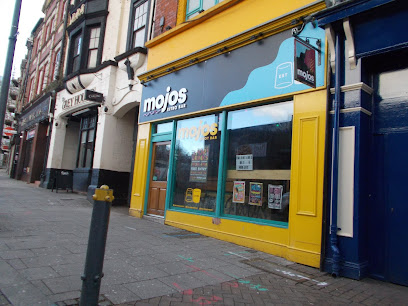
Vibez
45.3 km
Experience Newport’s vibrant nightlife at Vibez Superclub, where pounding bass and late-night energy create unforgettable weekend parties.

Hush Newport
45.4 km
Experience the vibrant Saturday nightlife at Hush Newport, Baneswell’s hotspot for music, dancing, and late-night fun in the heart of Newport.
For the vibe & atmosphere seeker
- Scenic
- Tranquil
- Unique
- Adventurous
For the design and aesthetic lover
- Historic
- Industrial Designs
For the architecture buff
- Historic
- Landmarks
- Parks & Gardens
For the view chaser and sunset hunter
- Iconic Views
- Panoramas
- Waterfront
For the social media creator & influencer
- Instagrammable
- Photo Spots
- Architectural Shots
For the eco-conscious traveler
- Protected Area
- Public-Transport Accessible
- Locally Managed
- Wildlife Habitat
For the kind of experience you’re after
- Cultural Heritage
- Photowalk
- Nature Escape
- Day Trip
For how adventurous you want the journey to be
- Easy Access
Location Audience
- Family Friendly
- Senior Friendly
- Solo Friendly
- Couple Friendly
- Wheelchair Access


