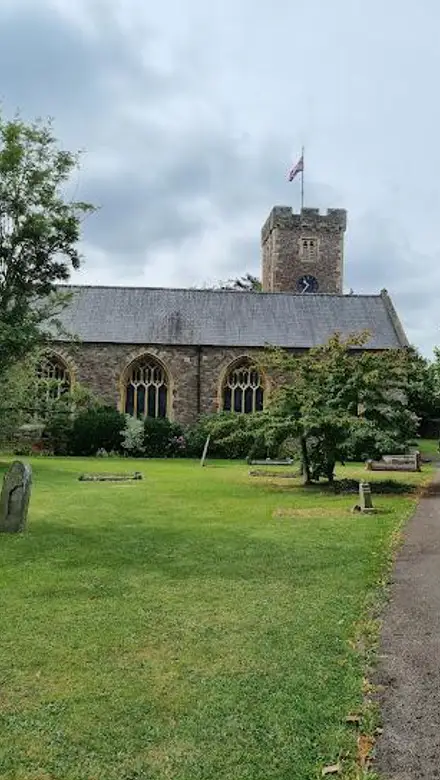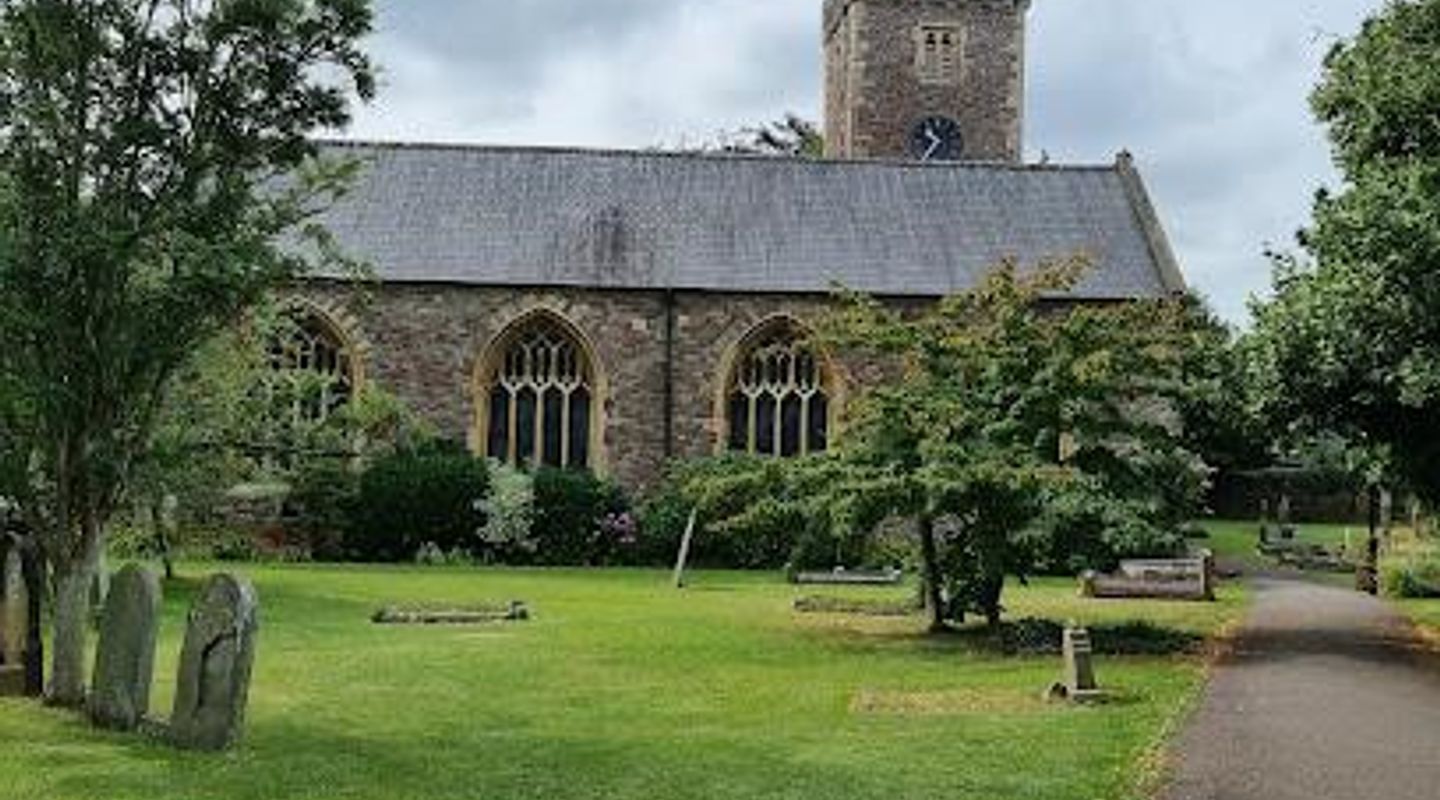
Caerleon, Gwent Travel Guide
Explore Caerleon’s exceptional Roman fortress, baths, and amphitheatre—one of Britain’s best-preserved glimpses into ancient legionary life.
Caerleon, near Newport in South Wales, is home to the remarkable archaeological remains of the Roman Legionary Fortress of Isca Augusta. It features one of Britain's most complete Roman amphitheatres, extensive fortress baths with an open-air swimming pool, and the only Roman legionary barracks visible in Europe. This historic site offers a vivid glimpse into Roman military life and social culture, with a modern museum showcasing thousands of artifacts.
A brief summary to Caerleon
- Newport, Caerleon, GB
- Duration: 1 to 4 hours
- Mid ranged
-
 Outdoor
- Mobile reception: 4 out of 5

Know before you go
Hi, I'm Eve. Here are a few practical things to know before exploring Caerleon.
- Wear comfortable shoes to explore the extensive open-air ruins and uneven terrain around the fortress and amphitheatre.
- Visit the National Roman Legion Museum to see thousands of artifacts and gain deeper insight into Roman military life.
- Check opening times in advance, especially for the baths museum, as it may close for maintenance or seasonal reasons.
- Use public transport from Newport or nearby towns for convenient access, as parking in Caerleon can be limited.
Do you manage this location?
Take control to get all the benefits, like improved information, better appearance, and stronger visibility across AI-powered discovery. Learn more about listing your business on Evendo
Activate your presenceOther nearby places you may find interesting
The closest places of the same kind, if this one is not quite what you had in mind.
Explore Caerleon on the Map
A handpicked selection of must-see spots near Caerleon, mapped for you.
Unlock the Best of Caerleon
Buy tickets
-
No tickets available
Book tours with entry


Book tours without entry
-
No tours available
Getting There
-
By Train and Bus
From Newport railway station, approximately 4 miles away, take bus routes 27, 28, or 28B to Caerleon. The journey takes around 20-30 minutes. Buses run regularly but check schedules ahead. Tickets cost about £3-£5 one way.
-
By Car
Access Caerleon via the M4 motorway, junction 25 westbound or junction 26 eastbound. Parking is limited in the town center, so arrive early or use designated parking areas. Travel time from Newport is about 15 minutes. No parking fees apply in most areas.
-
By Bicycle
Cycle to Caerleon via National Cycle Network Route 88. The route offers scenic views along the River Usk and is suitable for most cyclists. Allow 30-45 minutes from Newport. Bike racks are available near the museum and ruins.
For the on-the-go comforts that matter to you
-
 Restrooms
-
 Drink Options
-
 Food Options
-
 Seating Areas
-
 Information Boards
-
 Visitor Center
Discover more about Caerleon
Ancient Military Stronghold on the Edge of the Empire
Caerleon, known in Roman times as Isca Augusta, was one of only three permanent legionary fortresses in Roman Britain, alongside York and Chester. Established around AD 75 by the Roman governor Sextus Julius Frontinus, the fortress was strategically placed near the River Usk to control the surrounding Silurian territory and maintain Roman dominance in South Wales. The original defenses comprised turf, clay, and timber, later replaced by imposing stone walls and towers around AD 100. The fortress was self-contained with barracks, workshops, a hospital, and baths, housing the II Augustan Legion for over two centuries.Remarkable Archaeological Remains and Structures
Visitors today can explore the fortress's open-air ruins, including the only Roman legionary barracks still visible in Europe, where cramped rooms once housed soldiers and stored their weapons. The fortress baths complex, housed within a modern covered building, reveals the remains of an immense natatio—an open-air swimming pool that held over 80,000 gallons of water—and the frigidarium, or cold bath suite. The baths were a hub of Roman social life and hygiene, with sophisticated heating systems evidenced by the hypocaust pillars beneath the floors. Nearby, the amphitheatre, built around AD 90 just outside the fortress walls, could seat up to 6,000 spectators and hosted gladiatorial games, animal hunts, and military festivals.The National Roman Legion Museum and Ongoing Discoveries
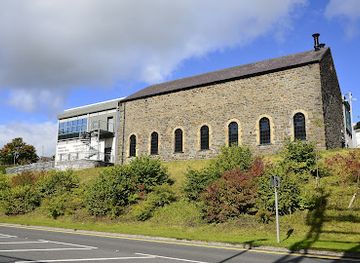
The National Roman Legion Museum in Caerleon complements the ruins by displaying thousands of artifacts uncovered from the site, including Roman armour sets, engraved gemstones, and everyday objects. The museum, part of the National Museum Wales network, is housed in a striking modern building of glass, steel, and concrete, replacing the older classical portico structure. Excavations continue to reveal insights into Roman military and civilian life, with recent finds shedding light on the fortress's construction phases and post-Roman occupation.Caerleon's Living Roman Legacy
The layout of modern Caerleon still follows the Roman street plan, with the Roman via principalis and via praetoria reflected in today’s roads. Visitors can walk through the fortress’s ancient north gate, explore the amphitheatre’s Porta Pompa ceremonial entrance, and imagine the vibrant life of Roman soldiers and civilians. The site’s preservation and interpretation efforts allow a vivid connection to the past, enhanced by film projections and interactive displays that bring the Roman era to life.Setting and Atmosphere in a Picturesque Welsh Town
Caerleon is a charming town by the River Usk, blending its rich Roman heritage with Georgian and medieval architecture. The ruins are set amidst green spaces and public parks, offering a peaceful yet evocative atmosphere. The baths and amphitheatre are accessible year-round, with sheltered areas protecting key ruins and walkways providing excellent views. The town’s pubs, cafes, and local amenities complement the historical exploration, making Caerleon a rewarding destination for history enthusiasts and casual visitors alike.Preservation and Public Engagement
Managed by Cadw and National Museum Wales, the Caerleon Roman sites benefit from ongoing conservation efforts. The fortress walls, baths, amphitheatre, and barracks remain protected as scheduled ancient monuments. Informative signage, guided tours, and the museum’s curated exhibits ensure visitors gain a comprehensive understanding of the site’s significance. Caerleon continues to be a vital link to Wales’s Roman past, offering educational and cultural value while preserving this unique heritage for future generations.












Your all‑in‑one travel companion app
Explore expert travel guides, compare and book tours, experiences, hotels, and more—all from the palm of your hand. Download now for seamless trip planning wherever your wanderlust takes you.


Explore More of Gwent
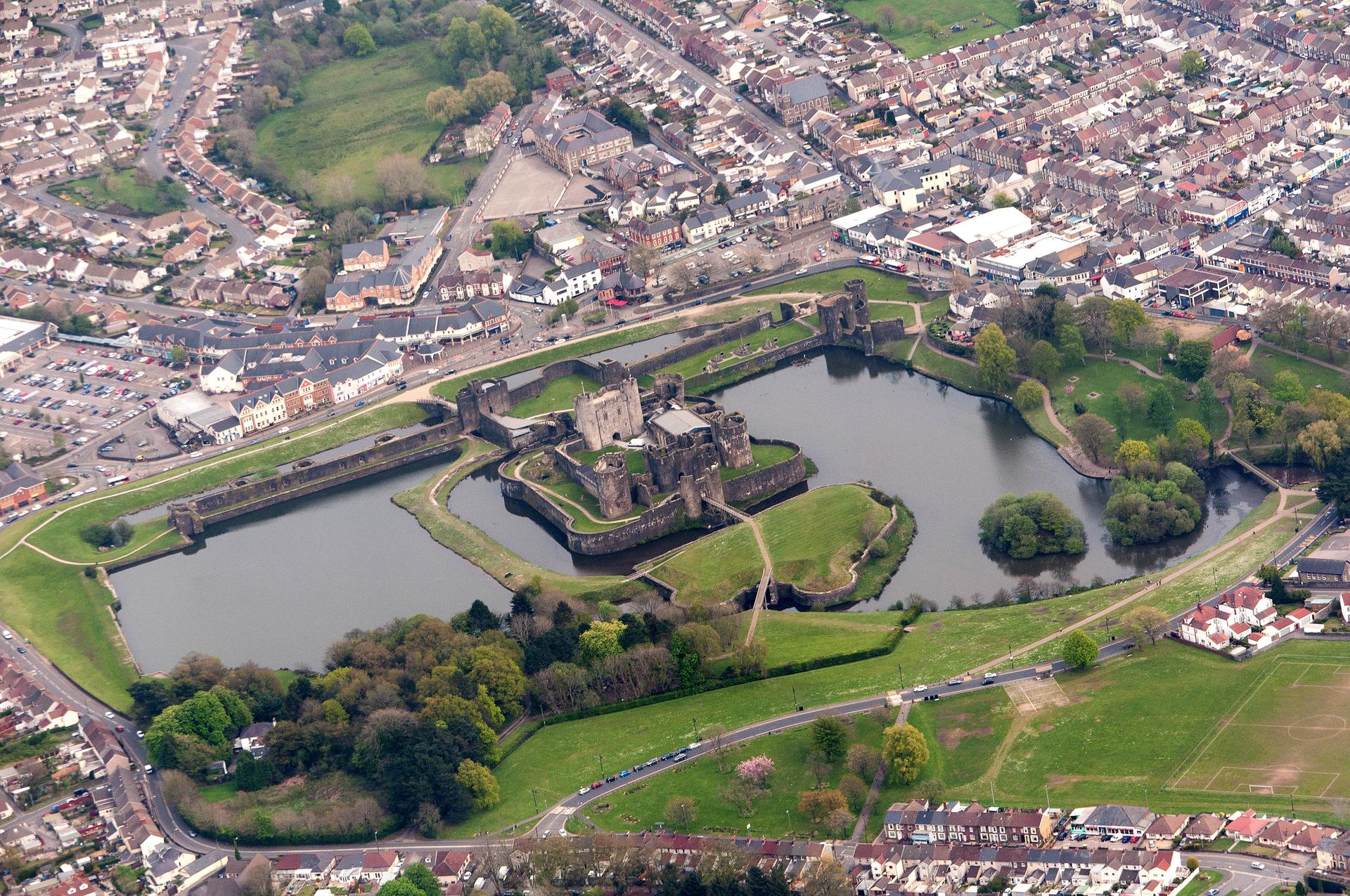
Looking beyond Caerleon? Discover Gwent for broader travel guides, local hot-spots, and regional highlights.
Explore Gwent
Restored wetlands where industrial wasteland became a thriving sanctuary for birds, wildlife, and nature lovers.

Explore Roman Britain’s frontier at Caerleon’s National Roman Legion Museum, where history comes alive through artifacts, gardens, and immersive exhibits.