
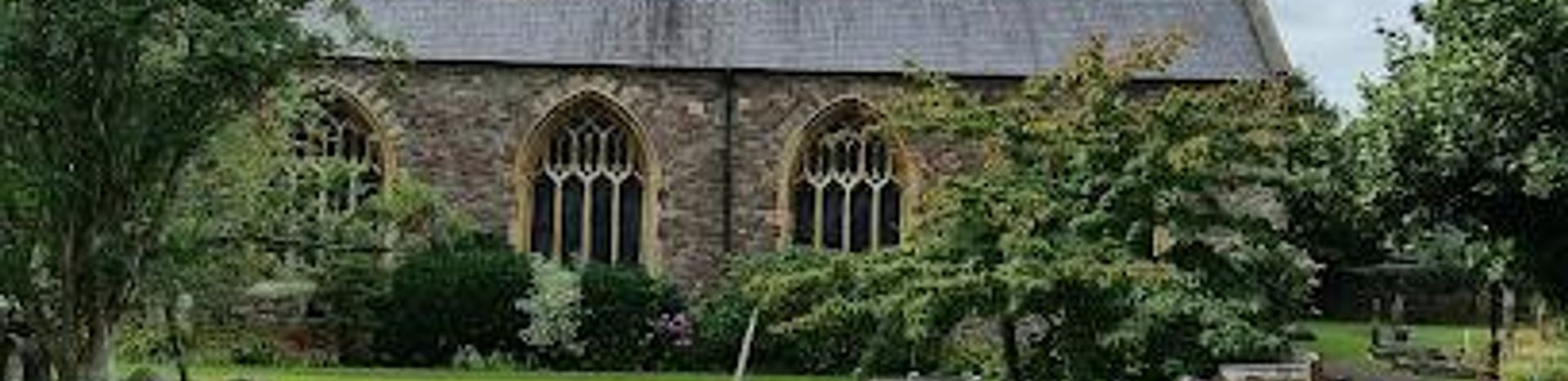
Caerleon Roman Fortress and Baths
Explore Caerleon’s remarkable Roman fortress, baths, and amphitheatre—one of Britain’s best-preserved legionary sites near Newport.
Caerleon Roman Fortress and Baths, near Newport in South Wales, is one of only three permanent Roman legionary fortresses in Britain. The site features extensive archaeological remains including a large bathhouse complex, the most complete Roman amphitheatre in Britain, and the only Roman legionary barracks open to the public in Europe. Visitors can explore these well-preserved ruins and learn about the life of Roman soldiers stationed at Isca Augusta.
A brief summary to Caerleon
- Newport, Caerleon, GB
- Duration: 1 to 3 hours
- Mid ranged
-
 Outdoor
- Mobile reception: 4 out of 5
Local tips
- Visit the National Roman Legion Museum to see artifacts and gain deeper insight into the fortress’s history.
- Wear comfortable shoes as the site involves walking across uneven archaeological ruins.
- The covered bathhouse ruins are ideal to explore on wet days, offering shelter and interactive displays.
- Combine your visit with a walk around Caerleon town to enjoy its riverside charm and historic streets.
- Check opening times and any closures in advance, especially for the museum and indoor exhibits.

For the on-the-go comforts that matter to you
- Restrooms
- Drink Options
- Food Options
- Seating Areas
- Information Boards
- Visitor Center
Getting There
-
Train and Bus
From Newport railway station, approximately 6 km away, take a local bus (routes 27, 28, 28B to Caerleon) with a journey time of around 20-30 minutes. Buses run regularly but check schedules as frequency may vary. Tickets cost approximately £2-£4 one way.
-
Car
Driving from Newport city center takes about 15 minutes via the B4596. Limited parking is available near the site, but it can fill up during peak times. Parking fees range from free to a few pounds depending on the lot.
-
Bicycle
Cycle to Caerleon using National Cycle Network Route 88, a scenic 4 km ride from Newport. The route is mostly flat and suitable for casual cyclists. Secure bike parking is available near the museum and site entrances.
Caerleon location weather suitability
-
 Any Weather
-
 Rain / Wet Weather
-
 Mild Temperatures
-
 Clear Skies
Discover more about Caerleon
A Pillar of Roman Military Power in Britain
Caerleon, known in Roman times as Isca Augusta, was established around AD 75 as a permanent base for the Second Augustan Legion. This fortress was one of only three such permanent legionary fortresses in Roman Britain, alongside York and Chester. Strategically located near the tidal River Usk, it provided a vital foothold deep in Silurian territory and access to supplies via the river. The fortress covered approximately 50 acres and was a self-contained military town, complete with defensive walls, barracks, workshops, and essential facilities to support thousands of soldiers.Remarkable Roman Baths and Social Life
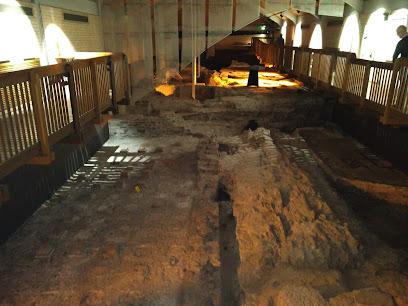
Among Caerleon's most impressive remains is the vast Roman bathhouse complex, including the natatio, an open-air swimming pool that once held over 80,000 gallons of water. The baths were a social hub for legionaries, offering spaces for exercise, bathing, and relaxation. Visitors today can walk among the ruins under a modern protective structure, seeing the hypocaust system's pillars that once circulated warm air beneath the floors, ornate mosaic decorations, and the remains of the frigidarium (cold bath). The baths illustrate the importance Romans placed on hygiene and socializing, even on the frontier.The Amphitheatre: Entertainment and Military Training
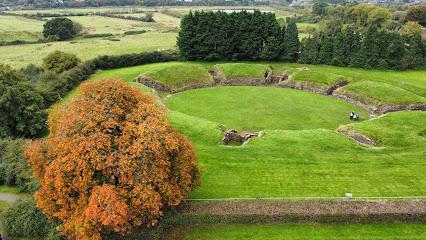
Just outside the fortress walls stands the Roman amphitheatre, the most complete of its kind in Britain. Built around AD 90, it could seat up to 6,000 spectators and hosted gladiatorial games, animal hunts, and military displays. The amphitheatre's design includes sloped banks and underground chambers where combatants and animals awaited their turn. A niche dedicated to the goddess Nemesis hints at the spiritual beliefs tied to the arena. This structure was a vital part of legionary life, providing entertainment and morale boosts for soldiers and local residents alike.Living Quarters and Daily Life of Legionaries
Caerleon features the only Roman legionary barracks still visible in Europe, revealing cramped rooms where soldiers slept and stored their weapons. Archaeological evidence shows the transition from original timber barracks to stone buildings by around AD 115. The barracks complex included kitchens, latrines, and stoves, reflecting the practical needs of a large military community. The layout of the fortress, with its roads and defensive walls, still influences the modern town’s street plan.Archaeological Discoveries and Museum Exhibits
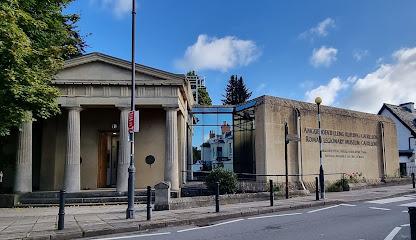
Excavations at Caerleon have unearthed thousands of artifacts, including Roman armor sets and engraved gemstones, many displayed at the National Roman Legion Museum. The museum, housed in a modern glass and steel building, complements the outdoor ruins by offering detailed exhibits on legionary life, craftsmanship, and the fortress’s history. The site’s ongoing archaeological work continues to reveal new insights into Roman military and civilian life in Wales.A Living Legacy in a Picturesque Setting
Today, Caerleon blends its rich Roman heritage with a charming riverside town atmosphere. Visitors can stroll between the fortress, baths, amphitheatre, and museum, immersing themselves in history amid Georgian and medieval architecture. The site’s preservation and interpretation make it a unique window into Roman Britain, showcasing the empire’s reach and the daily lives of its soldiers on the edge of the known world.Iconic landmarks you can’t miss

Man of Gwent
2.0 km
Explore the Man of Gwent, a unique bus stop in Newport, where local culture meets everyday life in a vibrant urban setting.
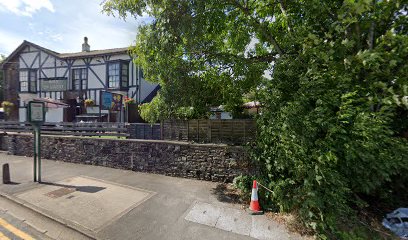
Mercure Newport
3.7 km
Modern 4-star comfort with stunning city views and a prime central location in Newport’s vibrant heart.
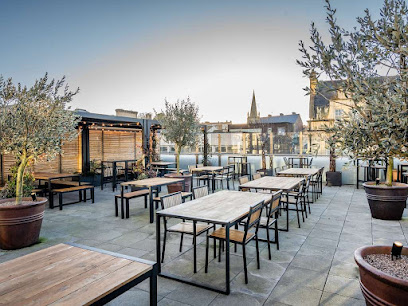
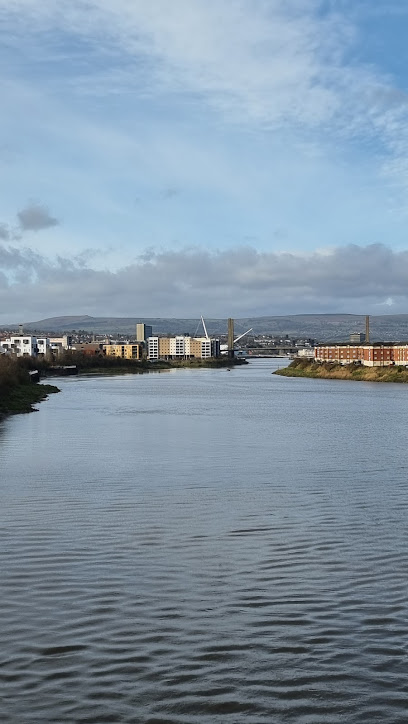
City Bridge
3.9 km
A modern steel arch bridge in Newport, blending elegant design with vital transport links across the River Usk.
Newport Cathedral
4.2 km
Historic Norman cathedral atop Stow Hill, blending ancient architecture with vibrant worship and cultural events in Newport, South Wales.
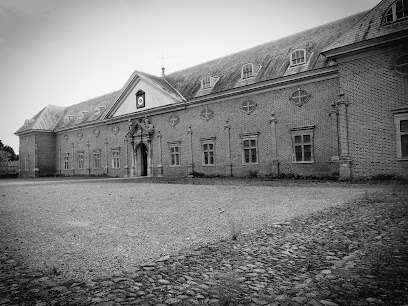
Stable Block, Tredegar House
7.4 km
Explore the elegant 17th-century Stable Block at Tredegar House, a testament to the Morgan family's equestrian heritage and architectural grandeur.
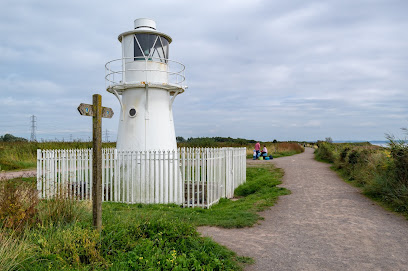
East Usk Lighthouse
7.9 km
Historic 1893 skeletal lighthouse guiding ships at Newport’s River Usk entrance, nestled in a tranquil RSPB reserve with scenic estuary views.
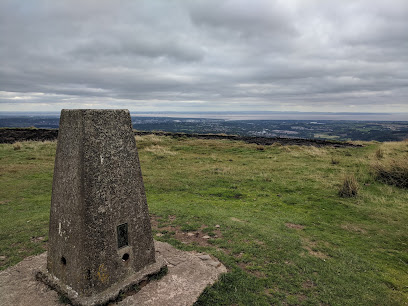
Twmbarlwm
9.7 km
Explore Twmbarlwm’s ancient hillfort with breathtaking views, rich history, and legendary tales atop South Wales’ iconic ridge.
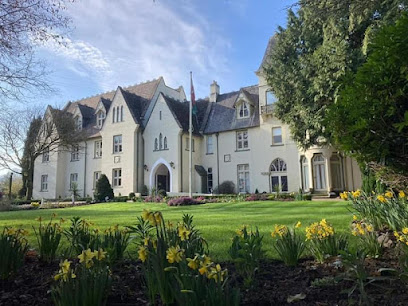
The Glen Yr Afon House Hotel
10.9 km
Experience luxury and tranquility at The Glen Yr Afon House Hotel, a premier destination in Usk, perfect for relaxation and culinary delights.
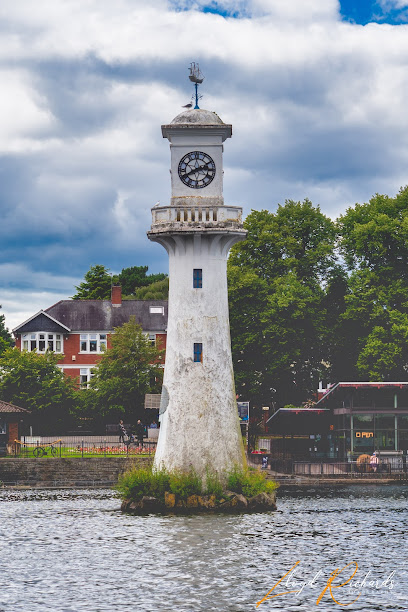
Scott Memorial Lighthouse
19.0 km
Historic lighthouse memorial in Roath Park honoring Captain Scott’s Antarctic expedition, set beside Cardiff’s scenic Victorian lake.
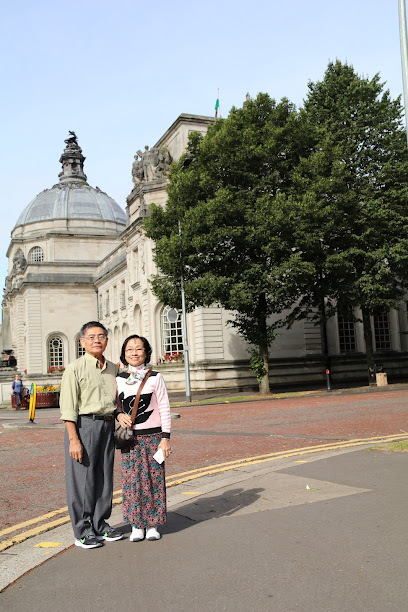
Roath Recreation Ground
19.2 km
Explore Roath Recreation Ground, a peaceful city park in Cardiff that offers lush gardens, playgrounds, and a family-friendly atmosphere for relaxation and play.
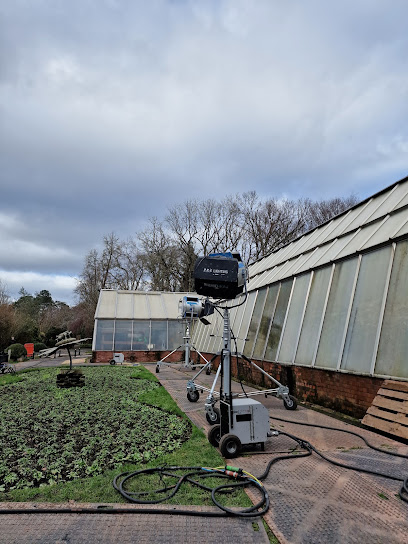
Roath Park Conservatory
19.2 km
Explore the lush greenery and vibrant blooms of Roath Park Conservatory, a botanical treasure in the heart of Cardiff, ideal for nature lovers and tourists.
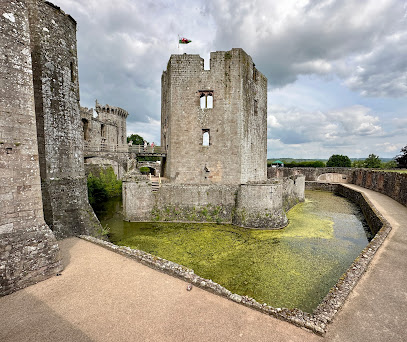
Castell Rhaglan / Raglan Castle
19.2 km
Discover the history and beauty of Raglan Castle, a stunning medieval landmark in Wales that offers a glimpse into the past.
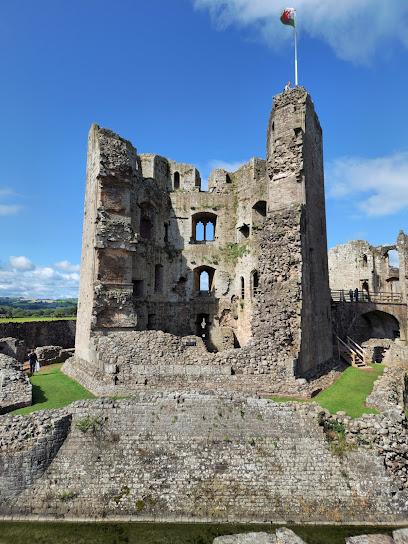
Raglan Castle
19.3 km
Discover the enchanting Raglan Castle, a majestic medieval fortress in Wales, steeped in history and surrounded by breathtaking landscapes.
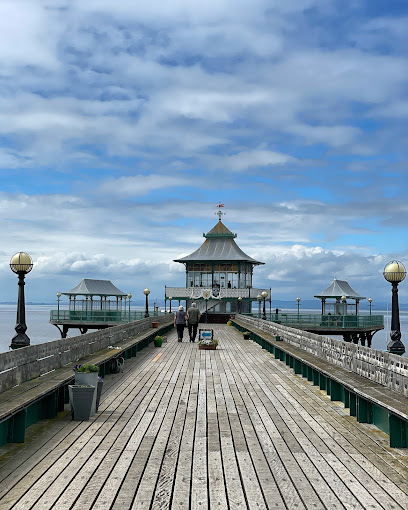
Clevedon Pier & Heritage Trust
19.8 km
Explore the historic Clevedon Pier, a charming seaside attraction offering stunning views, rich heritage, and a peaceful escape along the Bristol Channel.
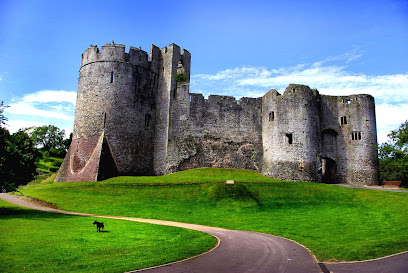
Castell Cas-gwent / Chepstow Castle
19.8 km
Explore the magnificent Chepstow Castle, a historic gem overlooking the River Wye, and immerse yourself in the rich history of Wales.
Unmissable attractions to see

National Roman Legion Museum
0.1 km
Explore the rich Roman heritage of Wales at Caerleon’s National Roman Legion Museum, home to ancient artifacts and immersive exhibits.
Caerleon Roman Fortress Baths
0.2 km
Explore Britain’s most complete Roman baths and fortress remains in Caerleon, where history and immersive storytelling bring ancient military life to vivid reality.
Amffitheatr Rufeinig Caerllion / Caerleon Amphitheatre
0.2 km
Step into history at Caerleon Amphitheatre, Wales’s best-preserved Roman arena where gladiators once fought and 6,000 spectators gathered.
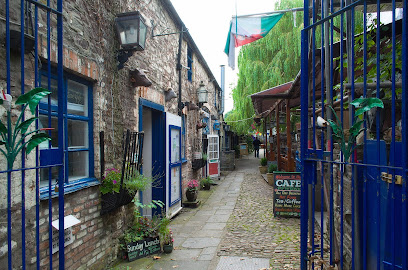
Ffwrwm Arts
0.3 km
Discover a vibrant arts hub in historic Caerleon, blending galleries, artisan shops, sculpture gardens, and a cozy pizzeria café in a welcoming community setting.
Newport City Footbridge
3.5 km
A sleek, illuminated pedestrian bridge linking Newport’s riverbanks with stunning views and modern design.
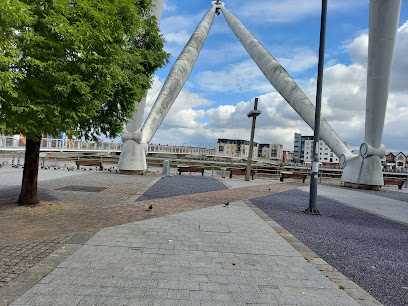
George Street Bridge
3.5 km
Newport’s iconic first cable-stayed bridge, blending historic engineering with stunning views over the River Usk.
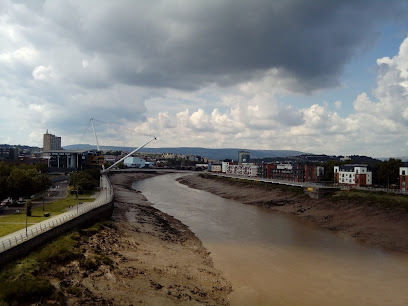
Steel Wave
3.5 km
Explore Newport's Steel Wave: A Historical Landmark Showcasing the City’s Maritime Heritage and Architectural Beauty.
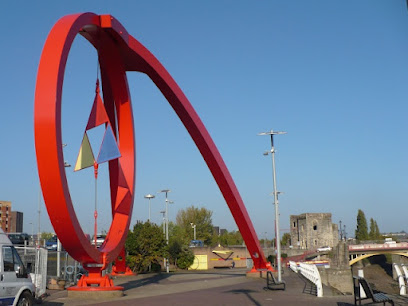
The Riverfront
3.5 km
Newport’s vibrant professional theatre and arts centre with diverse performances, galleries, studios, and riverside café.
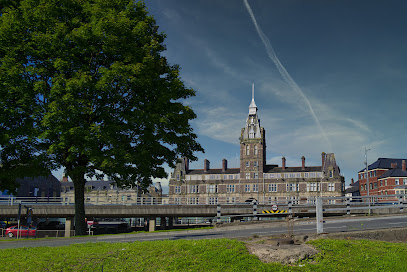
Friars Walk Shopping Centre
3.7 km
A vibrant shopping and leisure destination in Newport’s city centre, blending modern retail with family-friendly entertainment.
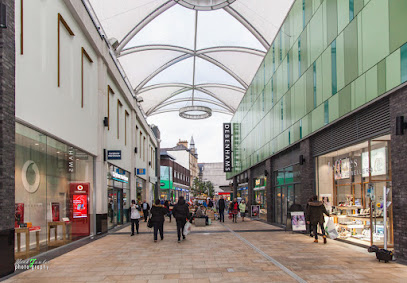
Kingsway Shopping Centre
3.8 km
A central, practical shopping hub in Newport offering diverse stores, cafes, and community events in a convenient undercover setting.
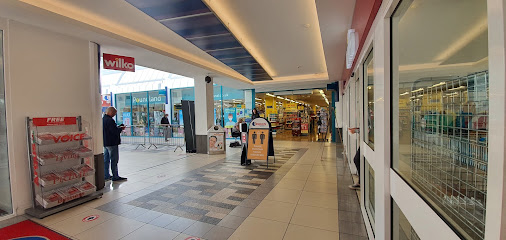
Newport Retail Park
3.8 km
Newport Retail Park offers a comprehensive shopping and leisure experience with free parking and a wide range of retailers just southeast of Newport town centre.
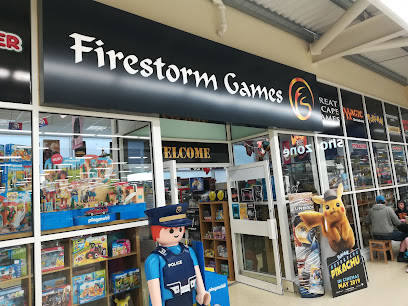
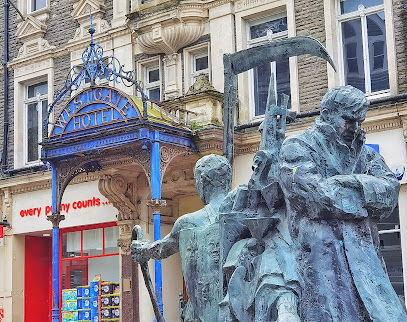
Westgate Hotel
3.8 km
Historic Newport landmark and vibrant arts venue hosting cultural festivals in a charming heritage building.
Newport Medieval Ship
4.5 km
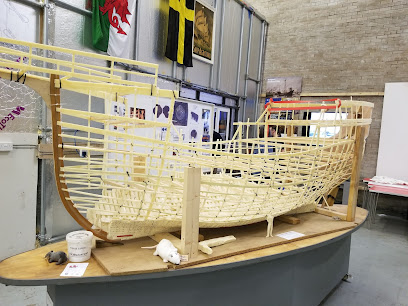
Explore the rare 15th-century Newport Medieval Ship and uncover centuries of maritime history preserved in stunning detail.
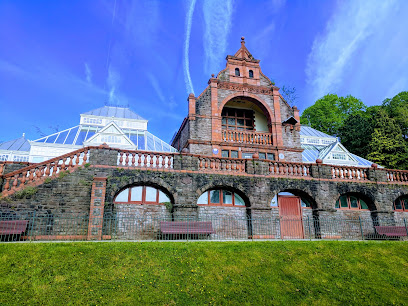
Belle Vue Park
4.7 km
A meticulously restored Victorian gem where heritage, nature, and family recreation converge in Newport's urban landscape.
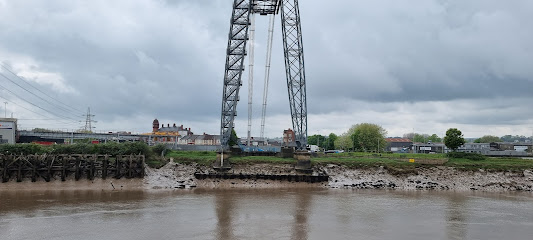
Newport Transporter Bridge Visitor Centre
4.8 km
One of the world's rarest transporter bridges, spanning history and engineering at the tidal heart of Wales.
Essential places to dine

The Priory
0.2 km
Charming boutique hotel in historic Caerleon offering tranquil gardens, comfortable rooms, and quality dining in a peaceful setting.

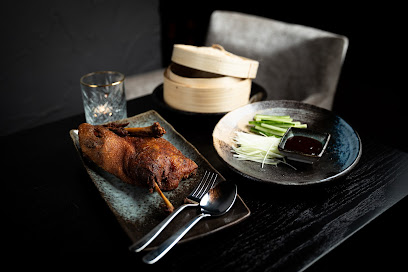
Yema Pan Asian Restaurant
0.2 km
Experience vibrant Pan Asian flavors and warm hospitality in the historic village of Caerleon at Yema Pan Asian Restaurant.
The Snug Restaurant & WOOD-FIRED PIZZERIA
0.3 km
Cozy up with authentic wood-fired Italian pizzas and homemade dishes in the heart of historic Caerleon.
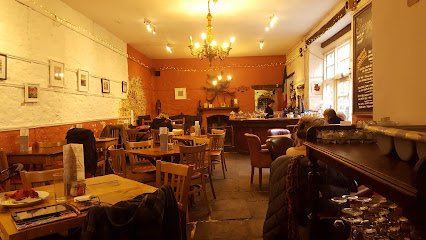
The Grill
1.7 km
A warm, clubhouse-style restaurant at Celtic Manor Resort, serving hearty steaks, fresh fish and comforting classics with panoramic golf-course views.
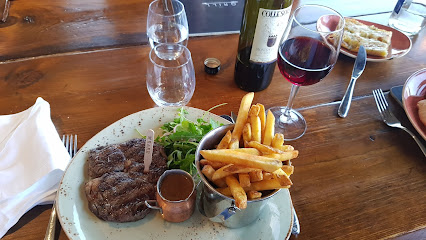
Rafters
1.9 km
Elegant Welsh dining with stunning golf course views at Celtic Manor’s prestigious Rafters Restaurant.
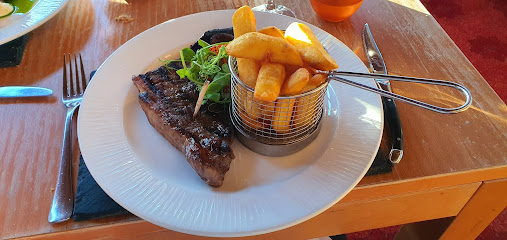
The Rib Smokehouse & Grill
2.5 km
Relaxed smokehouse dining with hearty ribs and grills in a stylish hotel setting near Newport.
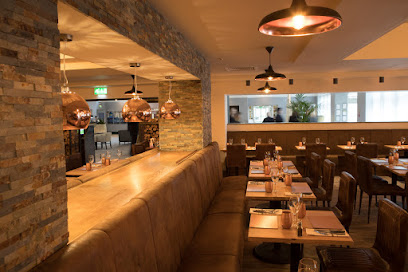
Fratelli Newport
2.5 km
Experience authentic Italian flavors and warm hospitality at Fratelli Newport, a vibrant culinary jewel in the heart of Newport.
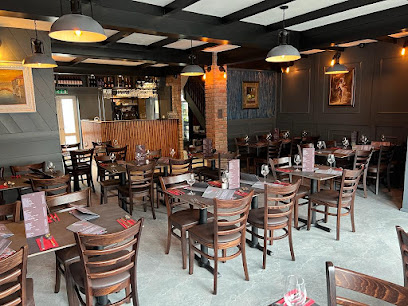
Marenghi's Restaurant
2.5 km
Authentic Italian dining with fresh flavors and warm hospitality in the heart of Newport’s Chepstow Road.
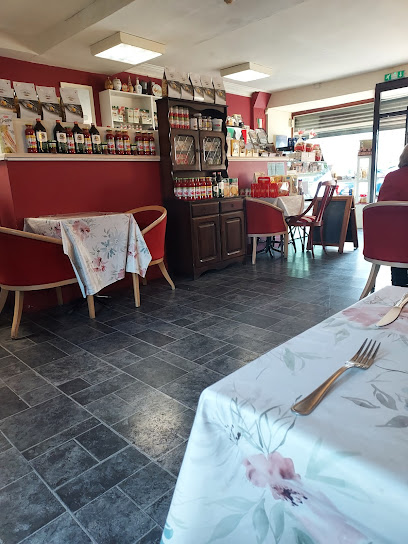
The Star Inn
2.7 km
A warm and welcoming pub in Ponthir offering delicious, affordable British fare and a friendly community atmosphere.
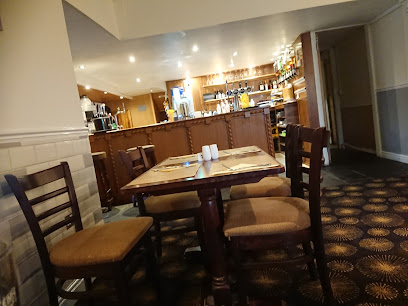
Re D'oro Ristorante
2.7 km
Authentic Italian dining in Newport’s Maindee with homecooked classics, warm service, and a cozy atmosphere.
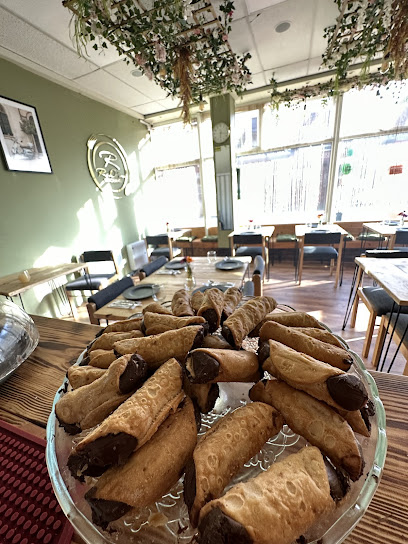
The Usk Vale Restaurant
2.8 km
A welcoming country-style pub in Newport offering hearty traditional meals and great-value drinks in a cozy, friendly setting.
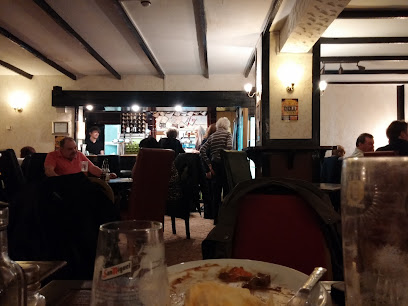
Harvester Borderer Newport
3.6 km
A lively, family-friendly British bar and grill offering fresh, hearty meals and a welcoming atmosphere in the heart of Newport.
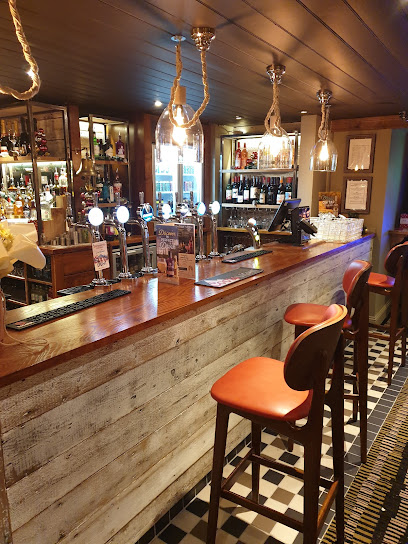
Pierre's - Newport
3.6 km
French-inspired all-day dining in Newport's vibrant shopping heart
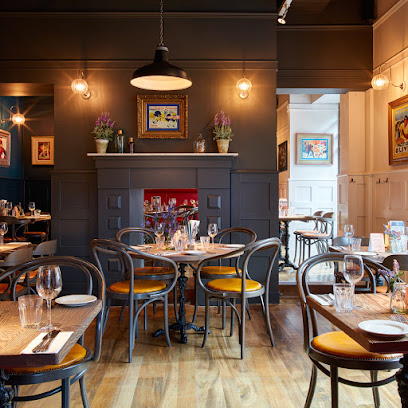
Drago Lounge
3.7 km
Lively riverside restaurant and bar in Newport’s Friars Walk Mall, blending eclectic local charm with inclusive dining options.
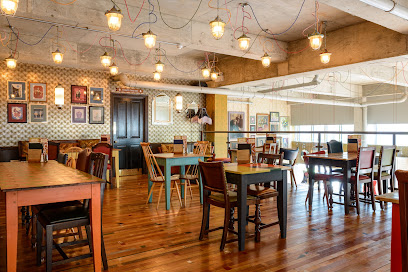
NP20 Bar and Kitchen
3.7 km
Stylish all-day dining and cocktails in the heart of Newport at Mercure’s NP20 Bar and Kitchen.
Markets, malls and hidden boutiques

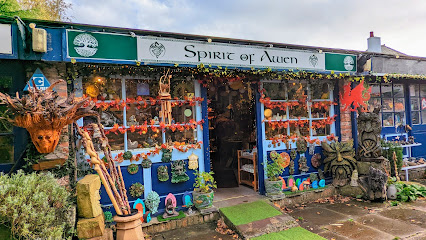
Spirit of Awen
0.3 km
Caerleon's original crystal and spiritual sanctuary, brimming with treasures and genuine wisdom.
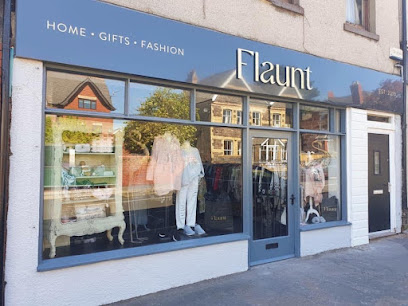
Flaunt Home & Gifts
0.4 km
Discover unique homeware and stylish gifts in the heart of historic Caerleon at Flaunt Home & Gifts.
New Look
3.6 km
Trendy and affordable fashion for women and teens at New Look, nestled in Newport’s lively Friars Walk Shopping Centre.

Newport Market
3.7 km
Discover Newport Market, a vibrant indoor hub blending diverse food, independent shops, and lively cultural events in the heart of Newport.
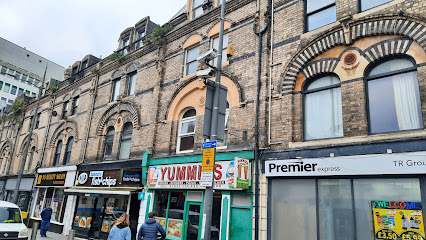
The Arcade Collective
3.7 km
Discover unique gifts and local artisan treasures in the charming historic arcade of Newport’s vibrant city centre.
The Wardrobe
3.7 km
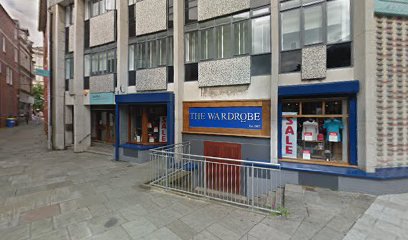
Discover curated menswear and timeless style at The Wardrobe, Newport’s boutique for quality clothing and personalized service.
The Outlet
3.8 km
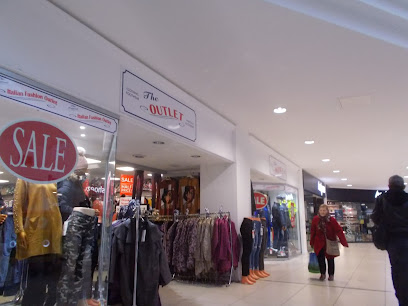
Affordable fashion in the heart of Newport’s Kingsway Shopping Centre with friendly service and great value.
New Pastures Home
3.8 km
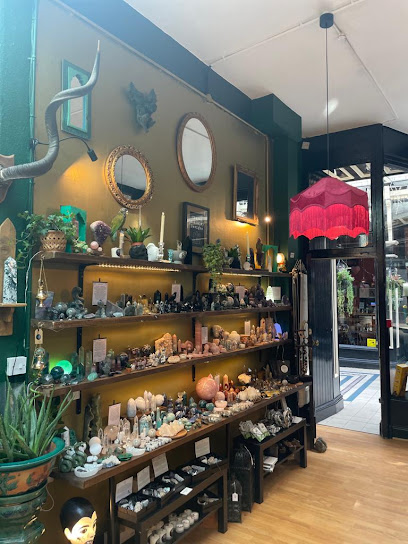
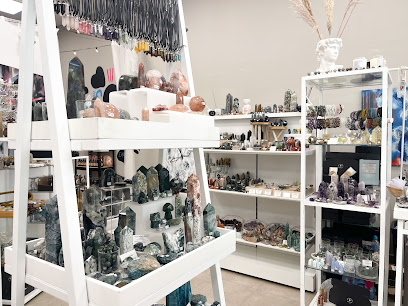
Discover handcrafted candles, crystals, and metaphysical treasures in Newport’s cozy and creative gift shop, New Pastures Home.
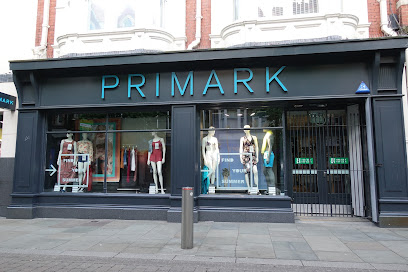
Primark
3.8 km
Discover stylish, affordable fashion and homeware at Primark Newport, your go-to shopping destination in the heart of Newport’s Kingsway Centre.
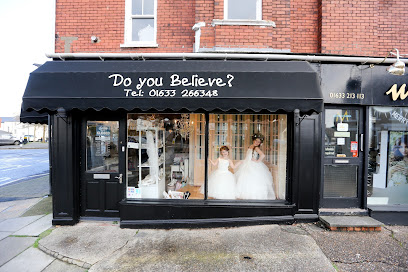
Do You Believe? Bridal & Prom Boutique
4.3 km
Newport’s premier bridal and prom boutique offering personalized service and a stunning collection of gowns for every princess.
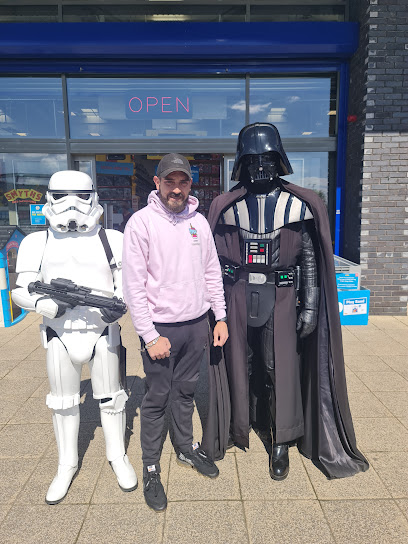
Mendalgief Retail Park
5.0 km
A dynamic retail park in Newport offering diverse shops, great bargains, and family-friendly shopping in a convenient, accessible setting.
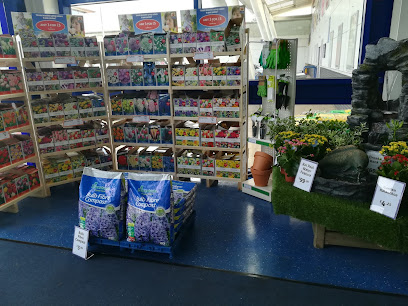
28 East Retail Park
5.5 km
A modern and spacious retail park in Newport offering a wide range of shops, family-friendly facilities, and excellent accessibility.
Crafty One
6.2 km
Discover unique gifts and artisan crafts in a welcoming boutique setting at Crafty One, Newport's charming gift shop on Keats Close.
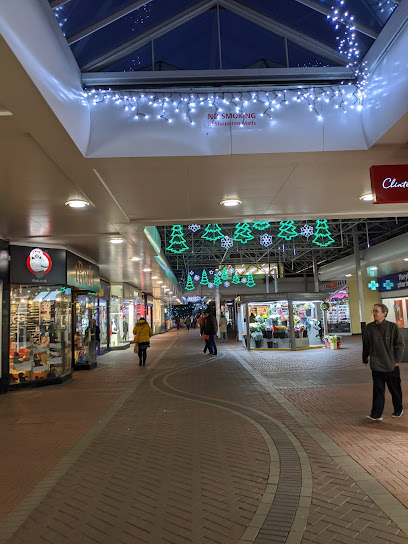
Cwmbran Centre
6.6 km
Cwmbran Centre: Your vibrant shopping and community hub in South Wales with diverse stores and festive events year-round.
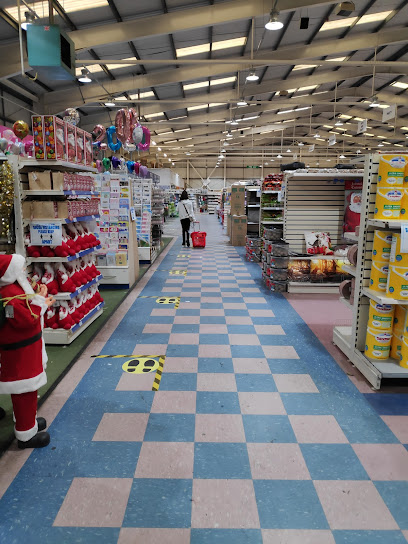
What! Stores
7.2 km
Budget-friendly discount retailer with extensive home, garden, and hardware selections in Newport
Essential bars & hidden hideouts

The Goldcroft Inn
0.3 km
A cozy historic pub in Caerleon offering hearty Welsh fare, warm hospitality, and a welcoming fire in a charming traditional setting.
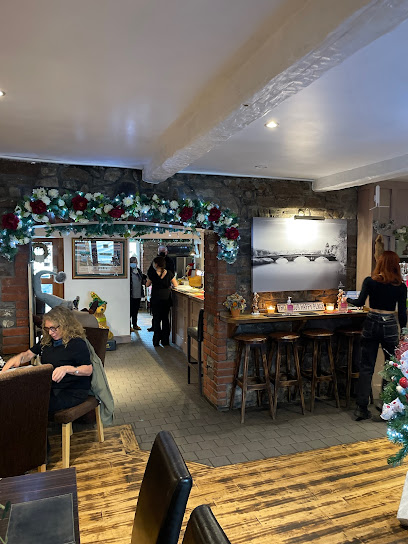
The Ship Inn Caerleon
0.5 km
Historic riverside pub in Caerleon offering hearty meals, cozy ambiance, and family-friendly charm in Newport, Wales.
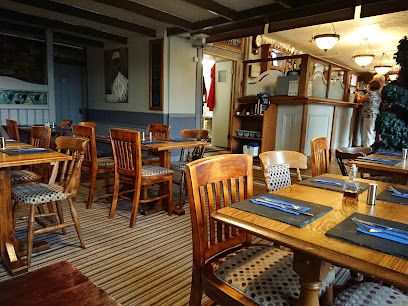
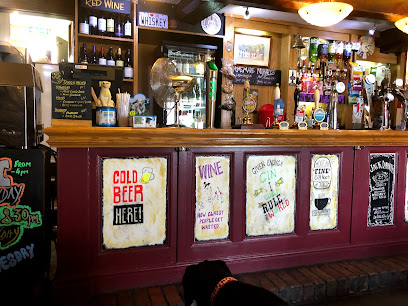
The Bell Inn
0.8 km
A traditional and welcoming pub in Caerleon offering hearty food, friendly service, and a lively local atmosphere on Bulmore Road.
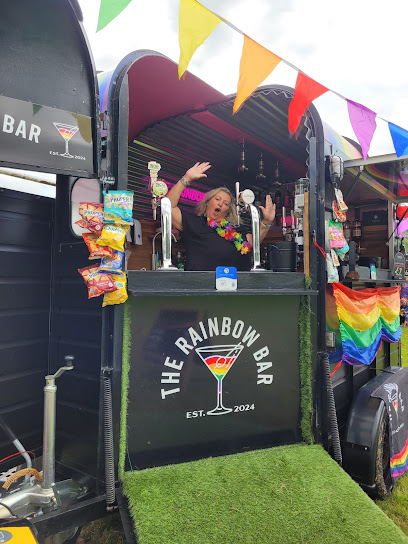
The Rainbow Bar
1.3 km
A vibrant cocktail bar in Caerleon, Newport, known for colorful décor, creative drinks, and a welcoming local atmosphere.
BAR.CODE
3.3 km
Where street food innovation meets premium cocktails in Newport’s lively Rodney Road hotspot.
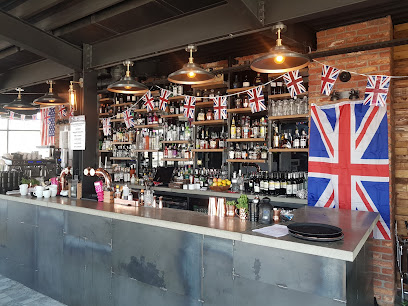
The Lyceum Tavern
3.4 km
A cozy and quirky traditional pub on Malpas Road, offering friendly vibes, classic drinks, and a welcoming local atmosphere in Newport.
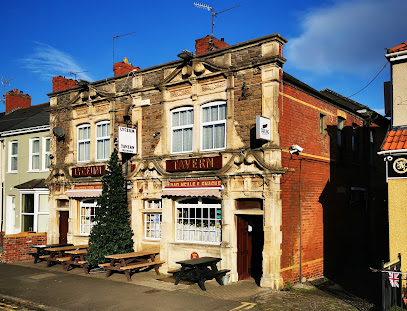
The Man Of Steel
3.6 km
A friendly Newport pub known for fresh grilled steaks, varied menu, and a welcoming atmosphere perfect for casual dining and social gatherings.
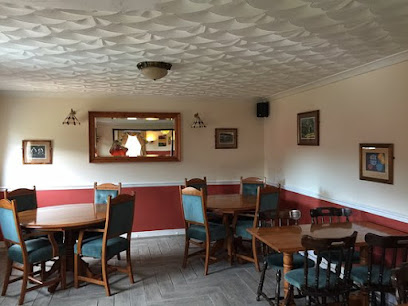
McCann's Rock N Ale Bar
3.6 km
Experience Newport’s vibrant rock and ale scene at McCann's Rock N Ale Bar, where great music meets quality drinks in a lively setting.
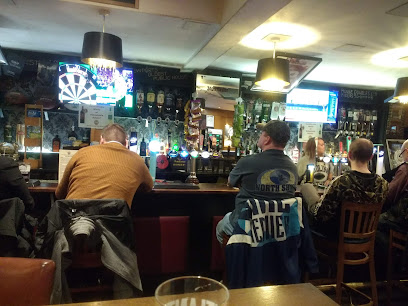
Madame JoJo's
3.6 km
Experience Newport’s vibrant nightlife with live music, cabaret shows, and creative cocktails at Madame JoJo's iconic High Street venue.
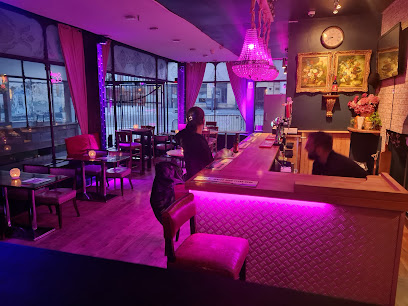
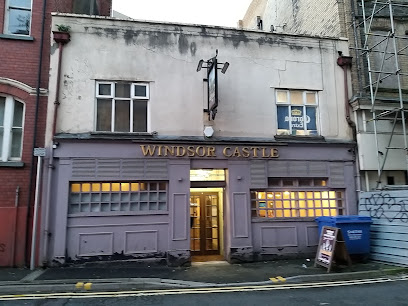
Windsor Castle
3.7 km
A lively and welcoming British pub in Newport’s city center, offering classic fare, full bar service, and a friendly atmosphere for all.
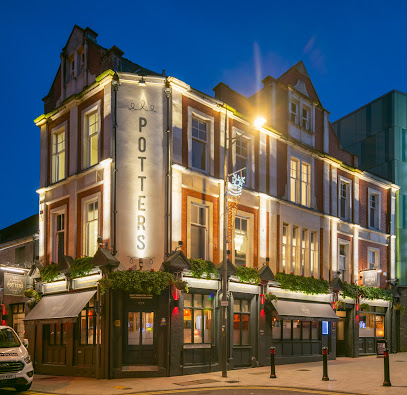
The Potters
3.7 km
A vibrant freehouse in Newport’s city centre, blending vintage charm, hearty home-cooked meals, and the city’s largest live music venue.
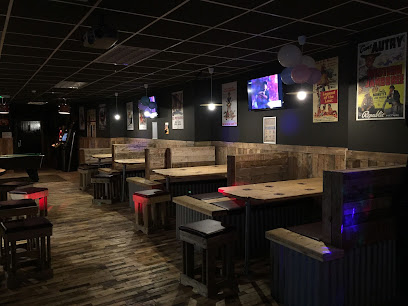
Slipping Jimmy's Bar&Grill
3.7 km
A lively grill and bar in Newport offering slow-smoked ribs, house-special burgers, and vibrant live music in a central city location.
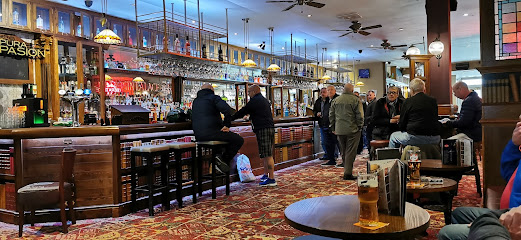
Hogarths
3.7 km
Experience a grand Victorian gin palace in Newport with over 120 gins, local ales, lively sports, and a welcoming community atmosphere.
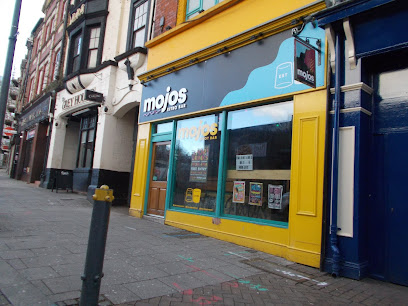
Mojos
3.7 km
Lively cocktail bar in Newport known for daily karaoke nights and late-night entertainment in a casual, social setting.
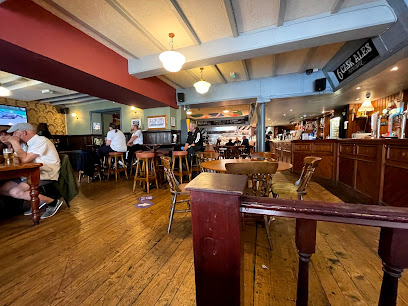
Pen & Wig
3.8 km
A beloved Newport pub known for quality ales, a lively beer garden, and the city’s best Sunday carvery in a warm, welcoming setting.
Nightclubs & after hour spots

Vibez
3.7 km
Experience Newport’s vibrant nightlife at Vibez Superclub, where pounding bass and late-night energy create unforgettable weekend parties.

Stow Hill Rooms
3.8 km
A stylish Art Deco nightclub and function venue in the heart of Newport, blending vibrant nightlife with versatile event spaces.
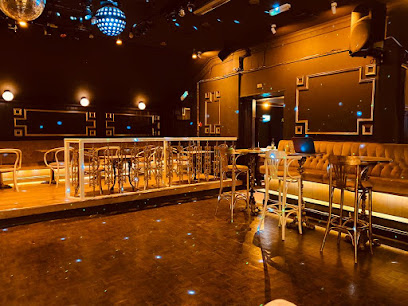
Hush Newport
3.9 km
Experience the vibrant Saturday nightlife at Hush Newport, Baneswell’s hotspot for music, dancing, and late-night fun in the heart of Newport.
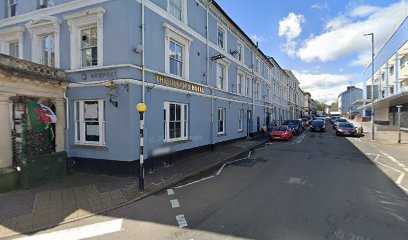
The Globe
19.4 km
A compact Grade II-listed former cinema turned lively live-music venue and nightclub, famed for intimate gigs and energetic club nights on Albany Road.
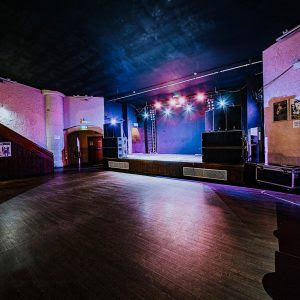
The Lion - Bar & Nightclub
19.6 km
A vibrant bar and nightclub blending historic charm with lively nightlife in the heart of Chepstow.
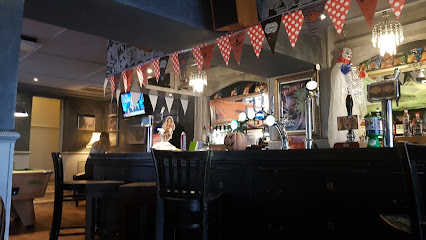
Pulse
20.7 km
A city-centre LGBTQ+-friendly bar that becomes a neon-lit nightclub after dark, blending casual daytime dining with late-night DJs and themed club nights.
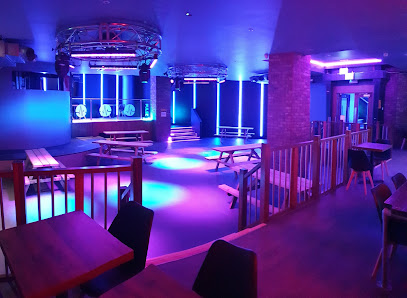
CIRCUIT Cardiff
20.7 km
Cardiff's largest nightclub ignites Greyfriars Road with 1,500-capacity energy, state-of-the-art production across themed rooms, and epic nights from club beats to private spectacles.
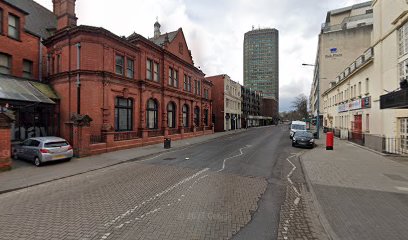
Tiger Tiger Cardiff
20.8 km
A dynamic nightclub with themed rooms and diverse bars offering a vibrant nightlife experience in the heart of Cardiff.
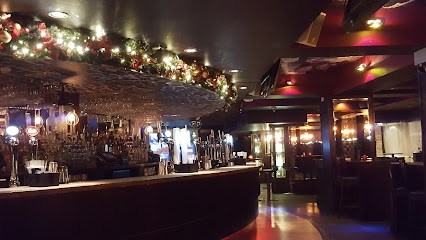
The CUBE
20.8 km
Cardiff’s vibrant nightclub hotspot offering dynamic music, dancing, and an electric atmosphere in the heart of the city.
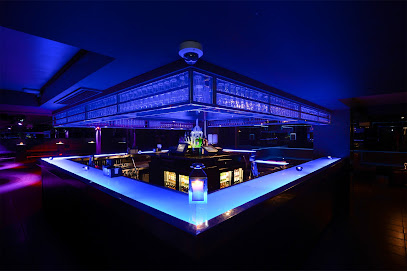
For Your Eyes Only
21.1 km
Elegant and vibrant dance club in Cardiff’s city centre offering stylish interiors, live entertainment, and a lively nightlife atmosphere.
Metros
21.1 km
Cardiff's alternative nightclub haven: cheap drinks, eclectic DJs, and non-stop rock, ska, and indie beats fueling wild weekends till 4am.

Revolution Cardiff
21.2 km
Discover the energy of Revolution Cardiff, where delicious food and innovative cocktails meet vibrant nightlife in the heart of the city.
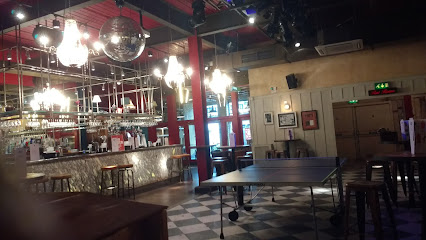
Retro
21.2 km
Experience the vibrant nightlife of Cardiff at Retro, where nostalgia meets fun in a lively bar and nightclub atmosphere.
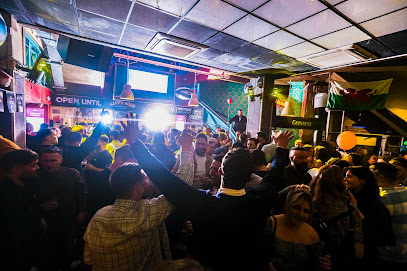
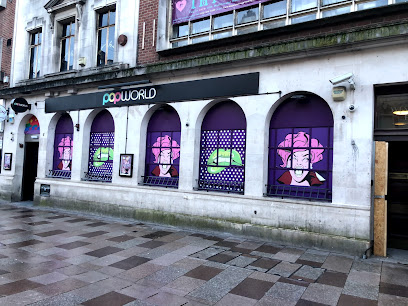
Popworld - Cardiff
21.2 km
Dive into cheesy pop heaven at Popworld Cardiff—karaoke, half-price drinks, and dance floor anthems until 3am on vibrant St Mary Street.
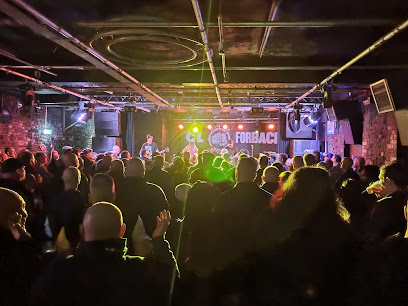
Clwb Ifor Bach
21.2 km
Cardiff's gritty Welsh club heart: live music legends, late-night dances, and cultural rebellion on historic Womanby Street since 1983.
For the vibe & atmosphere seeker
- Scenic
- Relaxing
- Cultural Heritage
- Tranquil
For the design and aesthetic lover
- Minimalist Designs
- Modern Designs
For the architecture buff
- Historic
- Landmarks
- Parks & Gardens
For the view chaser and sunset hunter
- Iconic Views
- Panoramas
- Waterfront
For the social media creator & influencer
- Instagrammable
- Photo Spots
- Aesthetic Corners
For the eco-conscious traveler
- Public-Transport Accessible
- Low Impact
- Locally Managed
For the kind of experience you’re after
- Cultural Heritage
- Photowalk
- Day Trip
- Weekend Getaway
For how adventurous you want the journey to be
- Easy Access
Location Audience
- Family Friendly
- Senior Friendly
- Child Friendly
- Teen Friendly
- Wheelchair Access
- Solo Friendly
- Couple Friendly


