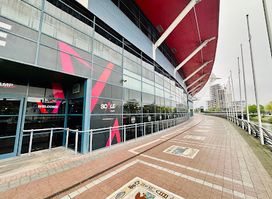
Cardiff Arms Park, South Glamorgan Travel Guide
Historic rugby stadium in Cardiff, home to Cardiff Rugby and a cornerstone of Welsh sporting heritage since the 1870s.
Cardiff Arms Park, located on Westgate Street in central Cardiff, is a historic rugby union stadium known as the home of Cardiff Rugby. The site has hosted rugby since the 1870s and was once home to the Welsh national team. It features a modern artificial 3G pitch and continues to be a vibrant venue for rugby and community events, situated adjacent to the Principality Stadium in the Welsh capital.
A brief summary to Cardiff Arms Park
- Westgate St, Cardiff, CF10 1JA, GB
- Click to display
- Click to display
- Duration: 1 to 3 hours
- Mid ranged
-
 Outdoor
- Mobile reception: 5 out of 5

Know before you go
Hi, I'm Eve. Here are a few practical things to know before exploring Cardiff Arms Park.
- Check the schedule for Cardiff Rugby matches to experience live Welsh rugby in a historic setting.
- Visit the nearby Cardiff Rugby Museum to explore the rich history and legendary players associated with the Arms Park.
- Enjoy the vibrant atmosphere around the stadium district, especially on match days.
- The stadium features a modern artificial 3G pitch, allowing for year-round sporting events.
Do you manage this location?
Take control to get all the benefits, like improved information, better appearance, and stronger visibility across AI-powered discovery. Learn more about listing your business on Evendo
Activate your presenceOther nearby places you may find interesting
The closest places of the same kind, if this one is not quite what you had in mind.
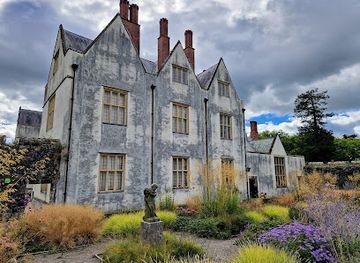
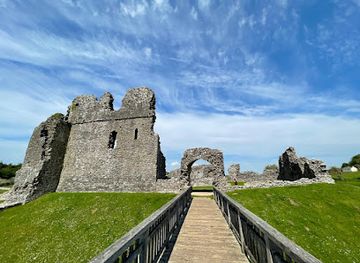
Explore Cardiff Arms Park on the Map
A handpicked selection of must-see spots near Cardiff Arms Park, mapped for you.
Unlock the Best of Cardiff Arms Park
Buy tickets
-
No tickets available
Book tours with entry
-
No tours available
Book tours without entry

Getting There
-
Train
From Cardiff Central Station, a 10-15 minute walk through the city center leads to Cardiff Arms Park. Trains run frequently from regional hubs with fares typically between £2-£6.
-
Bus
Several Cardiff city buses stop near Westgate Street, with journey times from the city outskirts ranging from 15 to 30 minutes. Single fares cost around £1.80 to £3.50. Service frequency varies by route and time.
-
Car
Driving to Cardiff Arms Park is possible with nearby parking options, though spaces are limited on match days. Parking fees typically range from £5 to £15. Traffic congestion is common during events.
-
Walking
If staying in central Cardiff, walking to the Arms Park is convenient and scenic, taking approximately 10 to 20 minutes depending on your starting point. The terrain is flat and accessible.
For the on-the-go comforts that matter to you
-
 Restrooms
-
 Drink Options
-
 Food Options
-
 Seating Areas
-
 Information Boards
Discover more about Cardiff Arms Park
Origins and Early Sporting Legacy
Cardiff Arms Park’s story begins in the 19th century on land once known as the Great Park, a flood-prone meadow behind the Cardiff Arms Hotel. Named after this hotel, the park was gifted by the Bute family for recreational use, emphasizing sport and community. By the late 1800s, it had developed into a dual-purpose sporting venue, hosting both cricket to the north and rugby to the south. The first spectator stands appeared in 1881–82, marking the site as a pioneering ground for rugby and cricket enthusiasts alike.Evolution into a Rugby Stronghold
Over the decades, Cardiff Arms Park evolved into a rugby powerhouse. The cricket ground was removed by 1969 to expand rugby facilities, coinciding with the construction of the National Stadium to the south, which became Wales’ national rugby home until 1997. The Arms Park itself remained the home of Cardiff Rugby, witnessing legendary players such as Gwyn Nicholls and Gareth Edwards grace its pitch. Notably, it hosted the world’s first floodlit rugby match in 1966, a landmark moment in the sport’s history.Modern Developments and Community Role
In recent years, Cardiff Rugby invested in a state-of-the-art artificial 3G surface, enhancing the stadium’s versatility for rugby, football, and community events. The venue continues to serve as a hub for regional rugby matches and corporate activities, maintaining its status as a cherished landmark in Welsh sport. Its location next to the Principality Stadium places it at the heart of Cardiff’s vibrant sporting district.Architectural and Cultural Significance
The stadium’s architecture reflects its layered history, combining traditional rugby ground elements with modern upgrades. The site is owned by Cardiff Athletic Club and also features a bowling green, underscoring its multi-sport heritage. Cardiff Arms Park is more than a stadium; it is a cultural icon representing Welsh sporting pride and community spirit.Memorable Matches and Sporting Milestones
The Arms Park has hosted numerous historic matches, including victories over international rugby giants like New Zealand and South Africa. It was a venue for the 1958 British Empire and Commonwealth Games and key fixtures in the 1991 Rugby World Cup. These events have cemented its reputation as a stage for high-caliber sport and unforgettable moments.Legacy and Visitor Experience
Today, visitors to Cardiff Arms Park can appreciate its rich heritage and ongoing role in Welsh rugby. The atmosphere combines tradition with modern sporting excitement, offering a unique experience for fans and visitors. Nearby, the Cardiff Rugby Museum provides deeper insights into the ground’s storied past and celebrated players, making the Arms Park a must-visit for rugby aficionados and cultural explorers alike.












Your all‑in‑one travel companion app
Explore expert travel guides, compare and book tours, experiences, hotels, and more—all from the palm of your hand. Download now for seamless trip planning wherever your wanderlust takes you.


Explore More of South Glamorgan
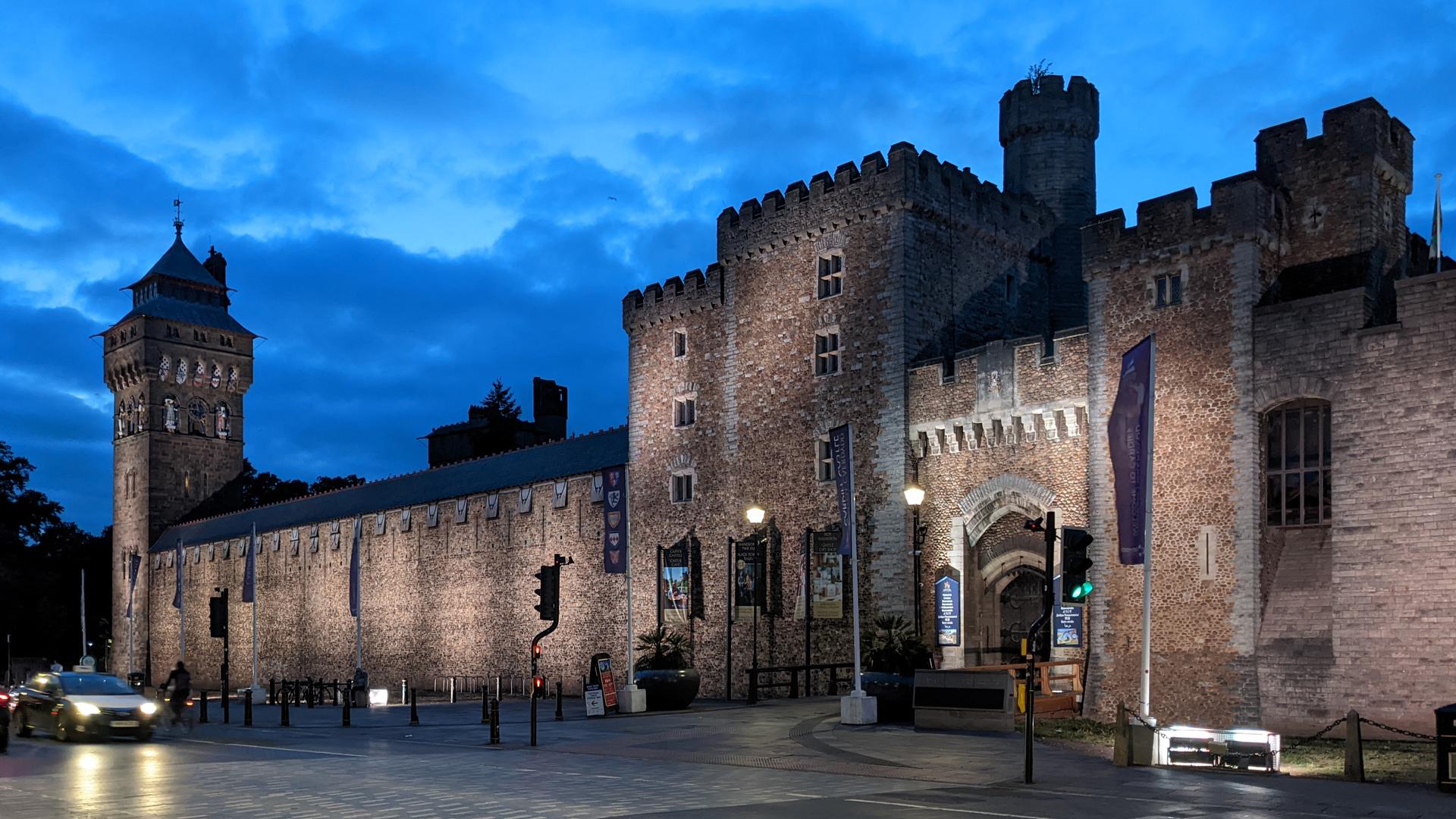
Looking beyond Cardiff Arms Park? Discover South Glamorgan for broader travel guides, local hot-spots, and regional highlights.
Explore South Glamorgan