

Welsh National War Memorial, Cardiff
A solemn Gothic Revival monument in Cardiff honoring Welsh soldiers who sacrificed their lives in both World Wars.
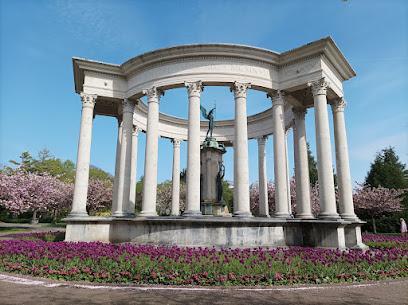
The Welsh National War Memorial in Cardiff’s Alexandra Gardens is a solemn monument honoring Welsh soldiers who died in the First and Second World Wars. Designed by renowned Gothic Revival architect Sir Ninian Comper and unveiled in 1928 by the Prince of Wales, the memorial features a circular Portland stone colonnade with bronze statues representing the army, navy, air force, and Victory. It stands as a poignant tribute to sacrifice and national remembrance.
A brief summary to Wales National War Memorial
- Cardiff, CF10 3NS, GB
- Duration: 0.5 to 1.5 hours
- Free
-
 Outdoor
- Mobile reception: 4 out of 5
Local tips
- Visit during quieter weekday mornings for a tranquil experience and better photo opportunities.
- Take time to read the inscriptions and appreciate the symbolic bronze statues representing different military branches.
- Combine your visit with a walk around Cathays Park to explore Cardiff’s civic architecture and green spaces.
- Attend remembrance events held here on key dates such as Armistice Day for a meaningful cultural experience.

For the on-the-go comforts that matter to you
- Seating Areas
- Information Boards
- Trash Bins
Getting There
-
Bus
Take Cardiff Bus services 6 or 8, which stop near Cathays Park, with a journey time of approximately 15-25 minutes from Cardiff Central Station. Buses run frequently but check schedules for evening and weekend variations. A single ticket costs around £2.50.
-
Train and Walk
From Cardiff Central Station, walk approximately 20 minutes through the city center to reach Alexandra Gardens. Alternatively, take a local train to Cathays Station, then walk about 5 minutes. Walking routes are mostly flat and accessible.
-
Taxi
Taxis from Cardiff Central Station to the Welsh National War Memorial take about 5-10 minutes depending on traffic. Fares typically range from £6 to £10. Taxis provide a convenient option if carrying luggage or visiting outside public transport hours.
Wales National War Memorial location weather suitability
-
 Any Weather
-
 Rain / Wet Weather
-
 Clear Skies
-
 Mild Temperatures
-
 Windy Conditions
Discover more about Wales National War Memorial
A Tribute to Welsh Sacrifice
The Welsh National War Memorial stands in Alexandra Gardens, Cardiff, as a dignified tribute to the Welsh men who lost their lives in the First and Second World Wars. The memorial was first proposed during the First World War and gained momentum after the war’s end, with a national subscription fund established in 1919. Its purpose is to honor the courage and sacrifice of Wales’ servicemen without listing individual names, instead symbolizing collective remembrance.Design and Artistic Significance
Designed by Sir John Ninian Comper, a distinguished Gothic Revival architect known primarily for ecclesiastical furnishings, this memorial is his only secular work. Completed in 1928, the memorial is a circular colonnade crafted from Portland stone. Four bronze statues by artist A.B. Pegram represent the army, navy, air force, and a central figure symbolizing Victory. The statues were modeled on a young sailor named Fred Barker, adding a personal human element to the monument. The design also includes three leaping dolphins, enhancing its maritime symbolism.Symbolism and Inscriptions
The memorial is rich in symbolism, with Latin inscriptions above each statue reading "In hoc signo vinces" (In this sign you will be victorious). A Welsh inscription above the columns honors the sons of Wales who gave their lives in the 1914-1918 war. Inside, an English inscription by Comper invites visitors to remember those who endured unto death in war by sea, land, and air. In 1949, a plaque was added to commemorate those who died in the Second World War, broadening the memorial’s scope.Historical Context and Unveiling
The memorial’s creation was overseen by a committee led by Cardiff’s Lord Mayor, with the final site chosen in Alexandra Gardens after some debate. Construction began in 1926 and was completed by early 1928. The unveiling ceremony on June 12, 1928, was a significant event attended by nearly 50,000 people and officiated by the Prince of Wales, who notably delivered part of his speech in Welsh after a lesson en route from David Lloyd George.Contemporary Recognition and Surroundings
Today, the Welsh National War Memorial remains a focal point for remembrance ceremonies and a place for quiet reflection amidst Cardiff’s civic center. Nearby, a separate memorial unveiled in 2019 acknowledges the sacrifices of people from minority backgrounds, reflecting evolving recognition of diverse contributions in wartime. The memorial’s location in Cathays Park places it within a historic and cultural precinct of Cardiff, surrounded by other notable civic buildings and green spaces.Architectural and Cultural Legacy
The memorial exemplifies early 20th-century commemorative architecture blending Gothic revival influences with classical monumentality. It stands as a testament not only to those who served but also to the artistic vision of Comper and the community’s commitment to remembrance. Its enduring presence continues to inspire respect and contemplation for Wales’ wartime history and heritage.Iconic landmarks you can’t miss

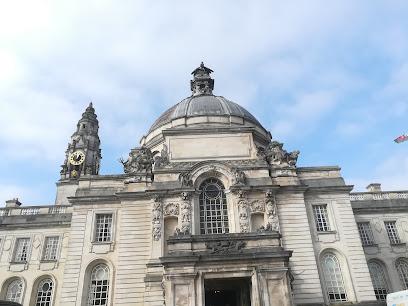
City Hall
0.2 km
Majestic Edwardian Baroque landmark and civic heart of Cardiff, crowned by a striking clock tower with a Welsh dragon.
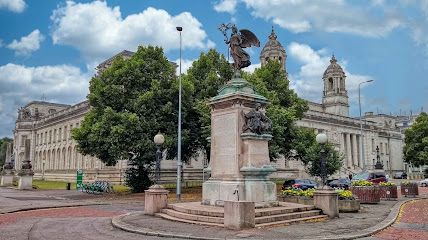
South African War Memorial
0.2 km
A poignant bronze and stone tribute in Cardiff honoring Welsh soldiers who served in the Second Boer War, embodying peace, war, and grief.
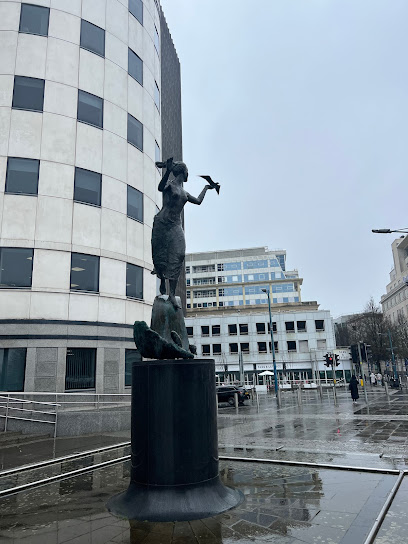
Nereid Statue
0.4 km
A bronze sea nymph offering mythological protection to Cardiff's maritime legacy
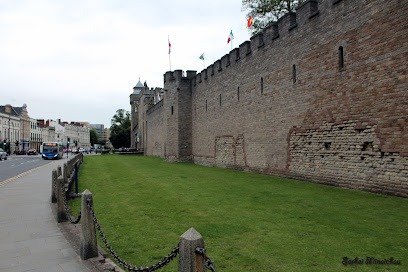
Cardiff Town Wall
0.5 km
Step back into medieval Cardiff with the ancient Town Wall, a striking relic offering history, architecture, and panoramic city views.
The Gathering - Cardiff
0.6 km
Victorian Neogothic landmark and active faith community in the heart of Cardiff
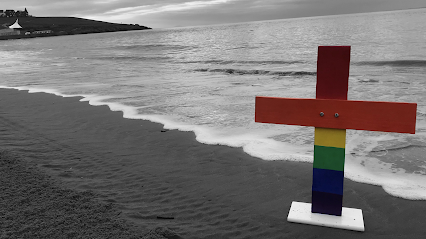
Historical Wales
0.6 km
Explore Historical Wales, a charming gift shop in Cardiff, offering unique souvenirs that embody the rich culture and heritage of Wales.
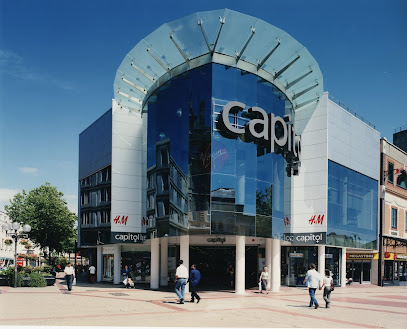
Capitol Cardiff
0.7 km
Discover the heart of Cardiff at Capitol Cardiff, a shopping center offering diverse retail options, dining experiences, and a taste of local culture.
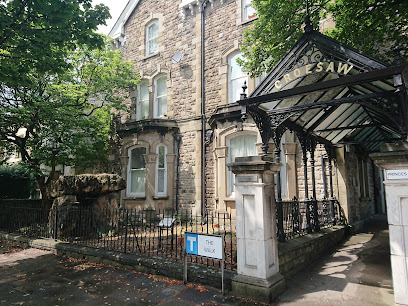
James Howell's House
0.7 km
Historic landmark in Cardiff celebrating James Howell’s retail legacy and Cardiff’s commercial heritage.
Mountain of Fire & Miracles Ministries Cardiff.
0.8 km
A dynamic Christian church in the Capitol Shopping Centre, offering daily worship, prayer, and community in the heart of Cardiff.
Fogo's Free Tours
0.8 km
Explore the vibrant history and culture of Cardiff with Fogo's Free Tours – an engaging experience for every traveler.
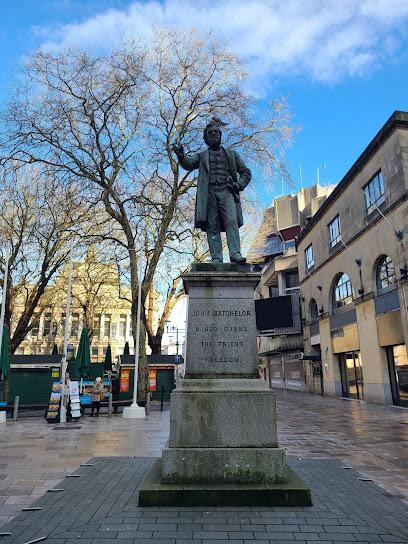
John Batchelor Statue
0.8 km
A Victorian radical immortalised in bronze, standing where Cardiff’s political battles once raged.
Principality Stadium
0.9 km
Experience the energy and excitement of Principality Stadium, Cardiff's premier venue for sports, concerts, and unforgettable events.

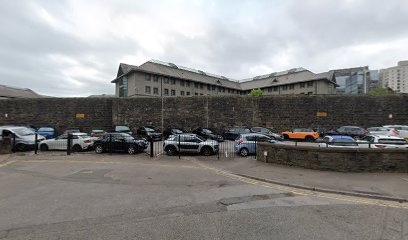
HMP Cardiff
1.0 km
Discover the rich history and architectural significance of HMP Cardiff, a landmark prison reflecting the evolution of the UK's justice system.
AdventureRooms Escape Games Cardiff
1.1 km
Dive into adventure at AdventureRooms Escape Games Cardiff, where teamwork and excitement come together in thrilling escape challenges for all ages.
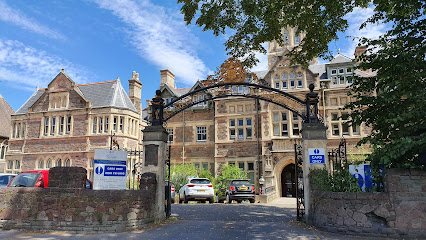
Cardiff Central Train Station Water Tower
1.2 km
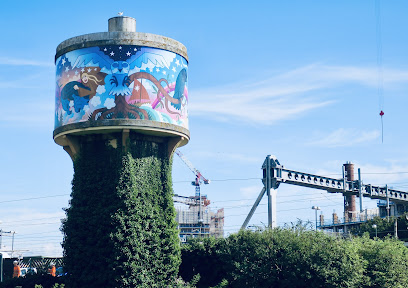
A historic Grade II listed water tower overlooking Cardiff Central Station and the River Taff, symbolizing the city’s rich railway heritage.
Unmissable attractions to see

Alexandra Gardens
0.0 km
A serene Edwardian garden in Cardiff’s Civic Centre, rich with memorials and vibrant floral displays, offering a tranquil urban retreat.
Museum Ave
0.1 km
A serene, tree-lined avenue in Cardiff’s civic heart, flanked by iconic museums and historic architecture.
Parc Mackenzie
0.2 km
A tranquil urban park in Cardiff honoring Wales’ first female professor with serene green spaces and academic heritage.
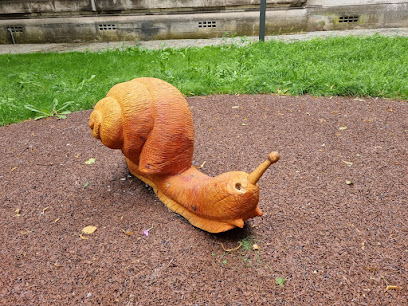
Gorsedd Gardens Rd
0.3 km
Discover Cardiff’s serene Gorsedd Gardens, home to a historic stone circle celebrating Welsh culture amidst vibrant floral beauty.

National Museum Cardiff
0.3 km
Explore world-class Welsh art, natural history, and culture at Cardiff’s iconic free museum in the heart of the city.

Gorsedd Gardens
0.3 km
Cardiff's tranquil civic heart: historic stones, exotic blooms, and urban serenity.
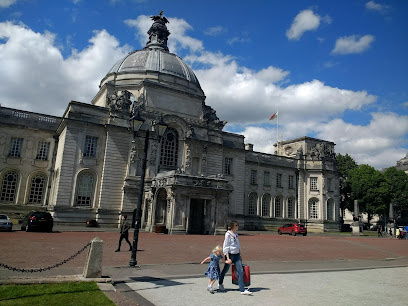
Cardiff International Film Festival
0.3 km
Where world cinema meets Welsh culture—a premier festival celebrating global storytelling and filmmaking excellence.
Bute Park
0.4 km
Cardiff's verdant 130-acre sanctuary where Victorian heritage meets modern celebration, beneath ancient trees and winter lights.
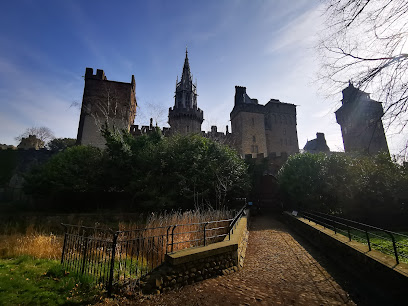
Coopers Field
0.4 km
A serene and spacious green oasis in Cardiff’s Bute Park, perfect for outdoor events, relaxation, and city escapes.
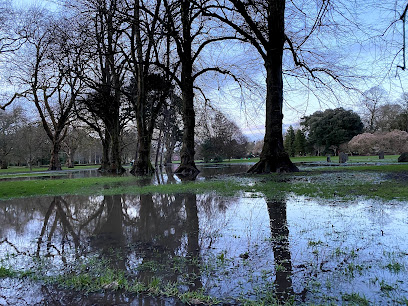
Queen Anne Square
0.4 km
A tranquil Edwardian square nestled in Cardiff’s Civic Centre, blending historic architecture with serene green space.
New Theatre
0.5 km
Historic Cardiff theatre blending rich heritage with vibrant live performances in a welcoming city centre setting.
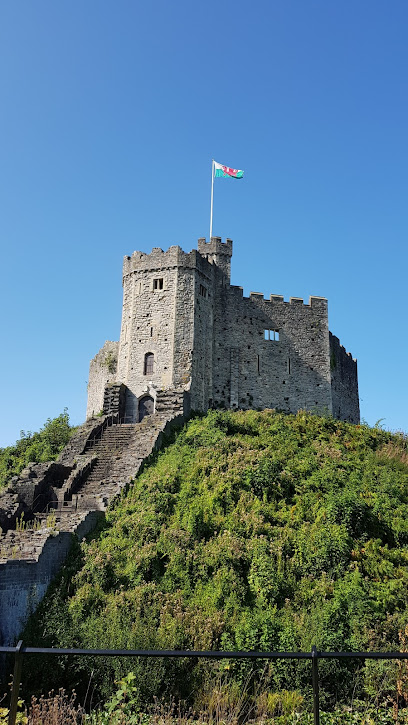
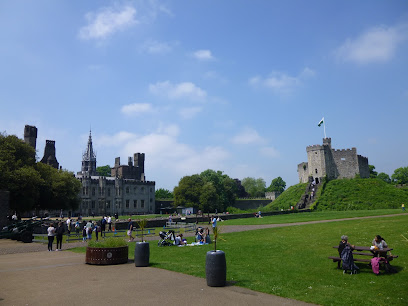
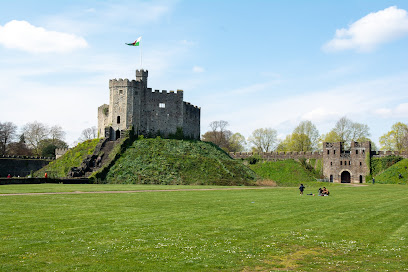
Cardiff Castle
0.5 km
Discover nearly 2,000 years of history and stunning architecture at Cardiff Castle, the heart of Wales’ vibrant capital city.
Cardiff Castle Museum
0.5 km
Wales' capital castle where 2,000 years of Roman, Norman, and Victorian history converge in the heart of Cardiff.
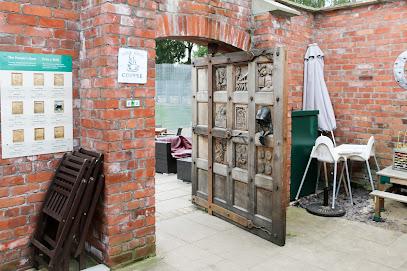
Bute Park Visitor Centre
0.5 km
A sustainable, community-focused hub in the heart of Cardiff’s historic Bute Park, perfect for learning, relaxing, and exploring the city’s green heart.
Cardiff Castle, Cardiff Castle
0.6 km
Discover Cardiff Castle, a majestic blend of Roman roots, Norman strength, and Victorian splendor in the heart of Wales’ vibrant capital.
Essential places to dine

Laguna Kitchen & Bar Cardiff
0.4 km
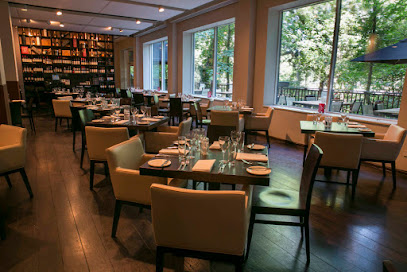
Elegant modern dining with Welsh flair in the heart of Cardiff’s Park Plaza Hotel, featuring seasonal menus and a stylish cocktail bar.
Revolución de Cuba Cardiff
0.5 km
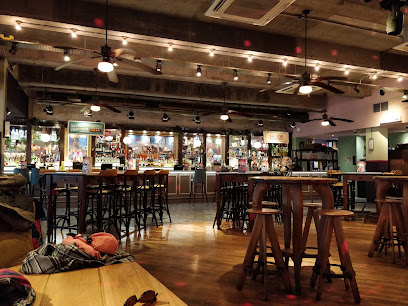
Experience authentic Cuban cuisine and vibrant culture at Revolución de Cuba Cardiff - your gateway to Havana's flavors in the heart of Wales.
Daffodil
0.6 km
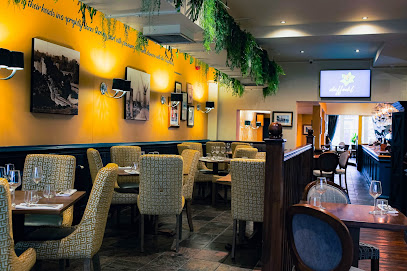
Stylish gastro pub in Cardiff offering seasonal Welsh dishes, creative cocktails, and a serene garden terrace in the city centre.
Bellini's
0.6 km
Authentic Italian dining in Cardiff's cultural quarter, celebrated for exceptional service and romantic ambiance.
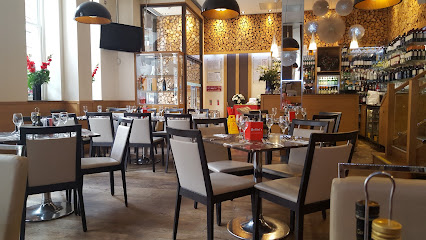
The Welsh House Cardiff
0.6 km
Experience authentic Welsh flavors and warm hospitality in the heart of Cardiff’s vibrant city centre.
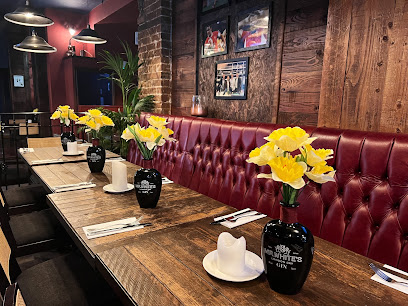
Valentino's
0.6 km
Cozy Italian restaurant in Cardiff city center offering authentic dishes, warm service, and a welcoming atmosphere for all occasions.
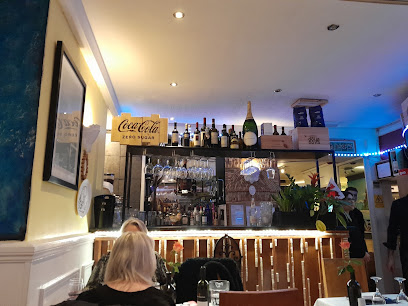
Pasture Restaurant Cardiff
0.6 km
Savor expertly crafted steaks and vibrant atmosphere at Pasture, Cardiff’s celebrated destination for premium meat dining.
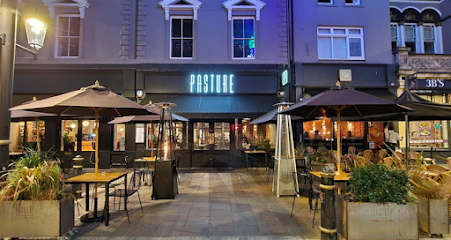
The Potted Pig
0.6 km
A stylish underground eatery in Cardiff serving seasonal Welsh-inspired modern British cuisine in a unique former bank vault setting.
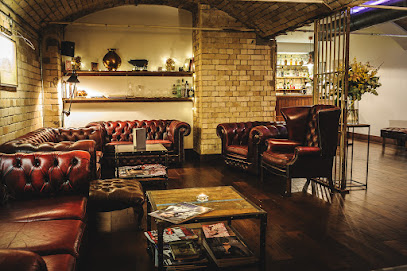
Calabrisella Cathays
0.7 km
Savor authentic Italian pizzas and pasta in a lively Cardiff setting with warm service and a vibrant atmosphere.
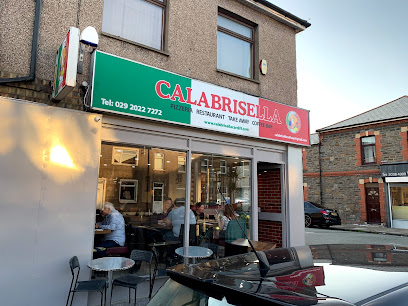
The Botanist Cardiff
0.7 km
A vibrant gastropub in Cardiff city centre where botanical décor, creative cocktails, and live music bloom together.
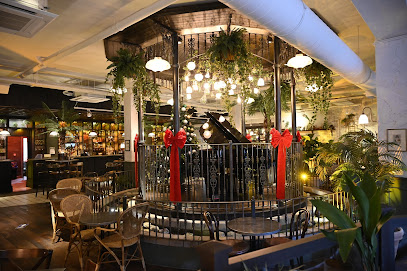
Maison de Bœuf
0.7 km
An intimate French steakhouse in Cardiff’s Castle Arcade, blending Parisian charm with live jazz and signature cuisine.
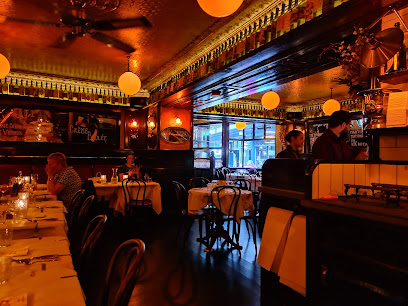
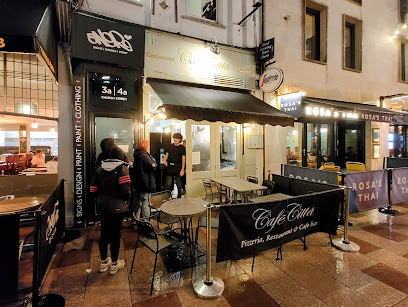
Cafe Citta
0.7 km
Cozy Italian eatery in Cardiff city center serving authentic wood-fired pizzas and pasta in an intimate, stylish setting.
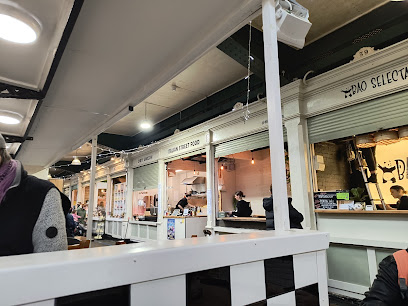
Dirty gnocchi (Cardiff Market)
0.7 km
Savor authentic Italian gnocchi and pasta delights in the vibrant heart of Cardiff Market, where tradition meets street food charm.
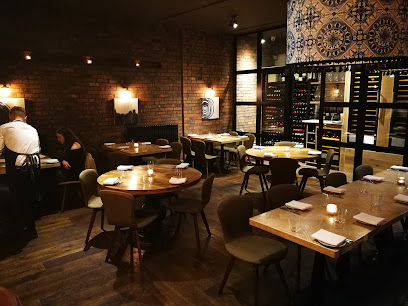
Asador 44 Spanish Grill & Wine House
0.7 km
Authentic Spanish charcoal grilling and fine wines in the heart of Cardiff’s vibrant city centre.
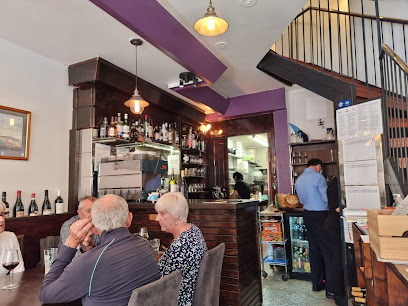
Casanova
0.7 km
A long-standing Cardiff trattoria serving authentic regional Italian food with warm service and an excellent all-Italian wine list.
Markets, malls and hidden boutiques

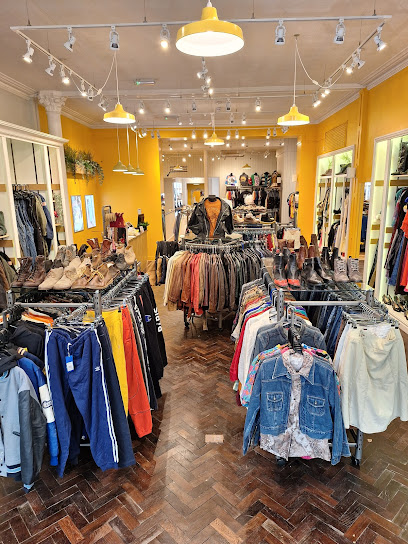
Rokit Cardiff
0.5 km
Discover unique vintage fashion and sustainable style at Rokit Cardiff, where retro charm meets eco-conscious shopping in the heart of the city.
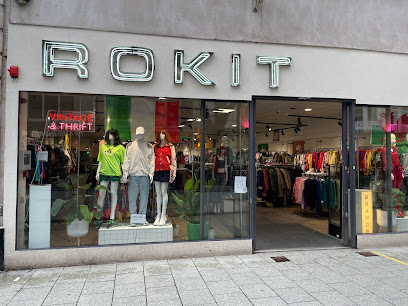
The Works
0.6 km
Affordable books, crafts, toys, and stationery in the heart of Cardiff’s vibrant Queen Street shopping district.
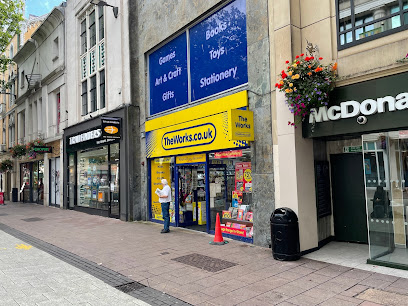
Cardiff Creative Shop
0.6 km
Handcrafted Welsh wonders from 45+ local artisans await in Queens Arcade's creative gem—unique gifts that sparkle with personality and heritage.
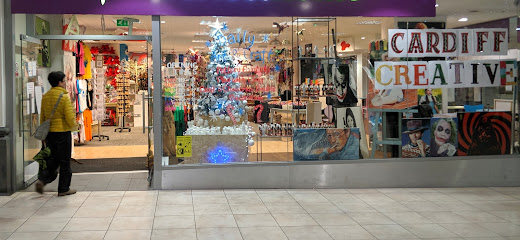
Castle Welsh Crafts Ltd
0.6 km
Discover authentic Welsh craftsmanship and personalized lovespoons opposite Cardiff Castle at Castle Welsh Crafts.
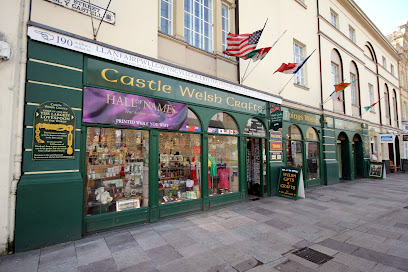
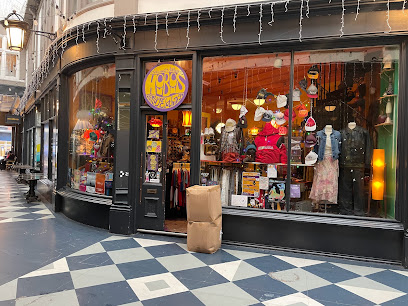
Hobos Vintage
0.6 km
A vibrant Cardiff vintage shop packed with retro fashion, trainers, and accessories from the 1950s to today – perfect for throwback style and bargain finds.
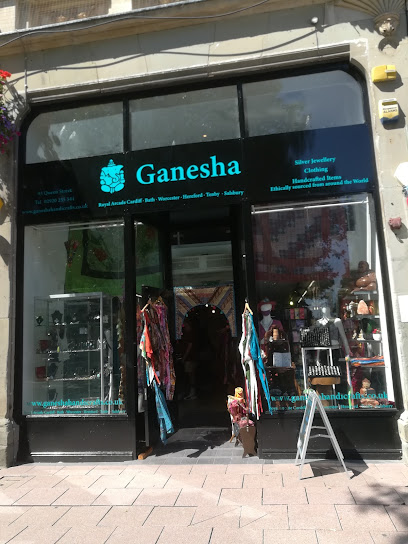
Ganesha
0.6 km
Discover ethically sourced Indian and Nepali handicrafts, jewelry, and vibrant clothing in the heart of Cardiff's Queen Street shopping scene.
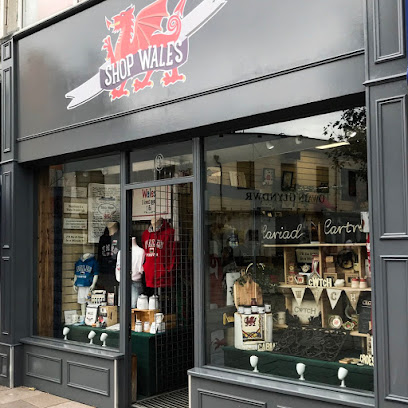
Little Welsh Company
0.6 km
Discover Cardiff's premier independent shop for authentic Welsh gifts, blending tradition with modern charm since 2003 on lively St John Street.
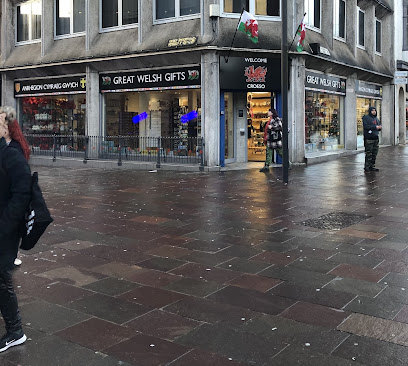
Great Welsh Gifts
0.7 km
Unearth authentic Welsh crafts, treats, and treasures on Cardiff's High Street—a delightful dive into Cymru's cultural heart at Great Welsh Gifts.
Flamingos Vintage Cardiff
0.7 km
Discover sustainable style and unique vintage treasures by weight at Flamingos Vintage Cardiff in the Capitol Shopping Centre.

Flying Tiger
0.7 km
Discover quirky Scandinavian gifts and creative everyday essentials at Flying Tiger in Cardiff’s St David's Centre.
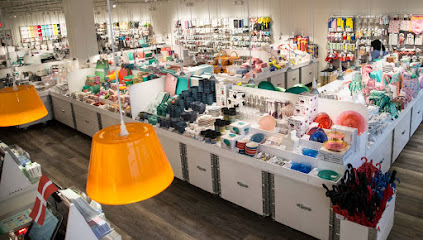
Knight Vintage
0.7 km
Discover unique vintage fashion treasures and exclusive KV collections in the heart of Cardiff Market’s vibrant historic setting.

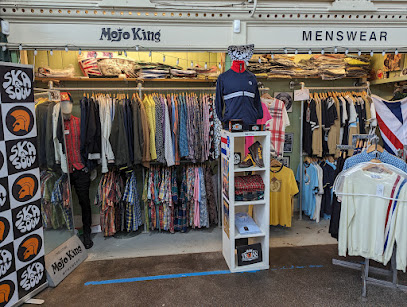
Mojo King
0.7 km
Discover smart, affordable Mod and Northern Soul-inspired men's fashion at Mojo King, a unique gem in Cardiff Indoor Market.
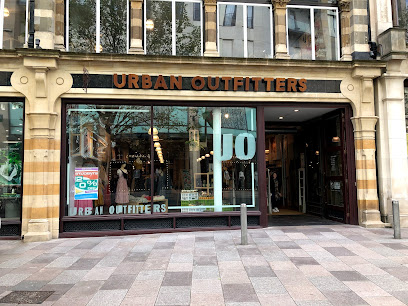
Urban Outfitters
0.9 km
Curated lifestyle retail celebrating creativity, fashion, and cultural expression in Cardiff's city centre.
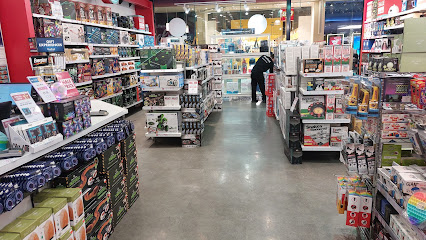
Menkind
0.9 km
Discover quirky gadgets and unique gifts for men at Menkind Cardiff, nestled in the vibrant St David's Shopping Centre.
Beyond Retro Cardiff
0.9 km
Discover unique vintage fashion and sustainable style at Beyond Retro Cardiff, nestled in the vibrant St David's Centre.
Essential bars & hidden hideouts

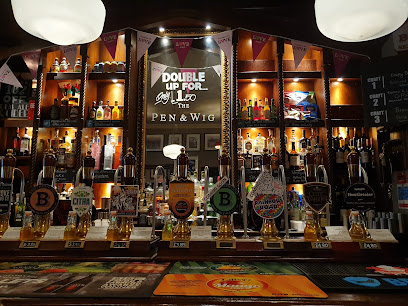
Pen & Wig
0.4 km
Traditional Cardiff pub haven: award-winning pies, real ales, and a heated beer garden moments from Queen Street's energy.
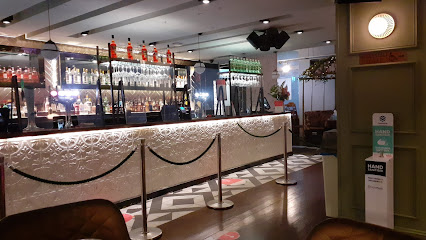
Slug & Lettuce - The Friary Cardiff
0.4 km
A lively, multi-level cocktail bar and casual-restaurant on The Friary — made for groups, brunch and evening drinks in central Cardiff.
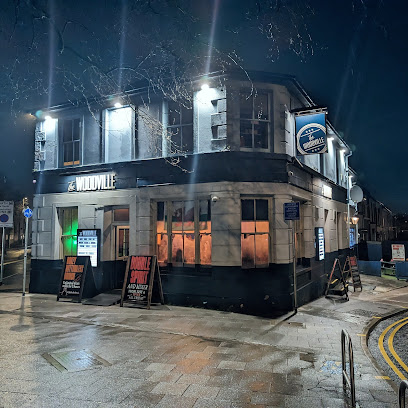
The Woodville
0.4 km
Cathays' go-to pub for burgers, brews, sports screens, and unbeatable student specials in a lively, welcoming spot.
Yates - Cardiff
0.5 km
Lively sports bar and nightclub in Cardiff city centre with unbeatable sports coverage, great drinks, and a unique dancing doorman.
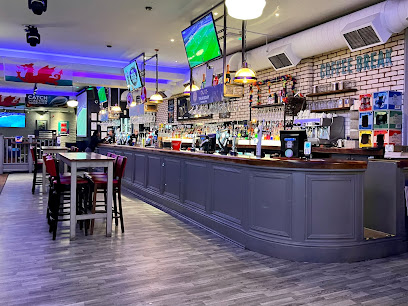
The Live Lounge Cardiff
0.5 km
Cardiff’s lively hotspot for live music, affordable eats, and vibrant nightlife until 4am every day.
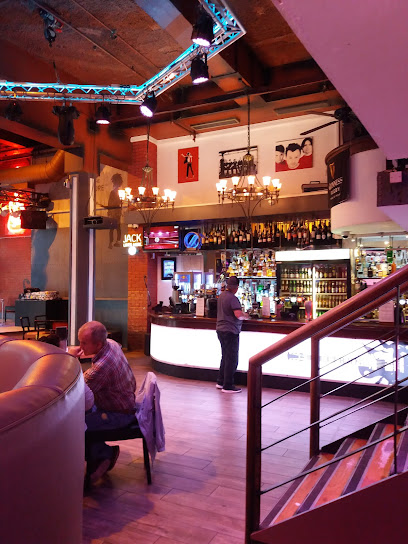
Gassy's
0.5 km
A lively Cathays pub and kitchen offering affordable pub food, strong vegan choices, bottomless brunch and regular quizzes, live music and sports screenings.
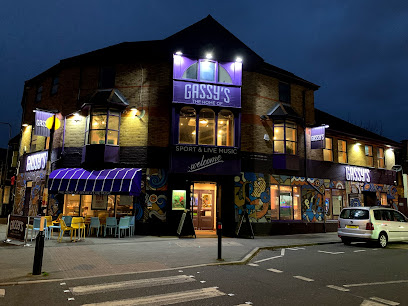
The Vulcan Lounge
0.5 km
Boho pub vibes, craft pours, and hearty bites in Cardiff's student heartland – unwind with ales, pizzas, and pool in this eclectic Cathays lounge.
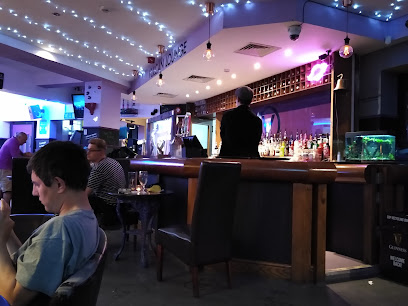
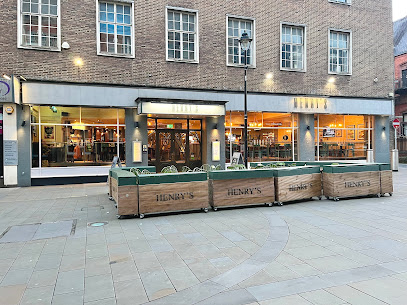
Henry's Cafe Bar Cardiff
0.6 km
A relaxed, long-standing Park Place bar offering cocktails, local beers and approachable British food from brunch through late-night.
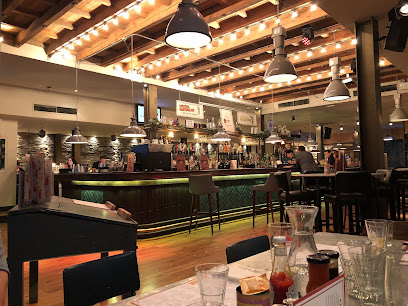
Revolution Cardiff
0.6 km
A multi‑level cocktail bar and late‑night club opposite Cardiff Castle, built for groups, events and colourful cocktail theatre.
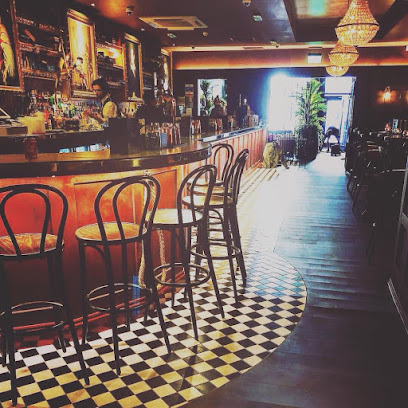
The Libertine Cocktail Bar
0.6 km
A stylish Cardiff cocktail bar blending gothic charm with expertly crafted drinks and a lively city center vibe.
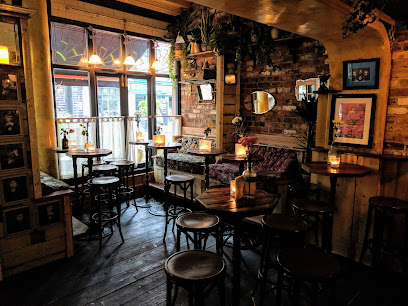
Rum & Fizz
0.7 km
Discover Cardiff’s rum haven with over 200 rums, crafted cocktails, cozy elegance, and live jazz every Friday in Castle Arcade.
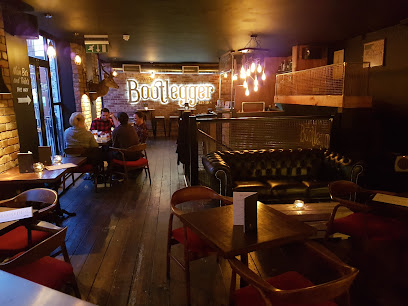
The Bootlegger
0.7 km
A vintage-flavoured Cardiff speakeasy serving expertly crafted cocktails and late-night live music on cobbled Womanby Street.
Penny
0.7 km
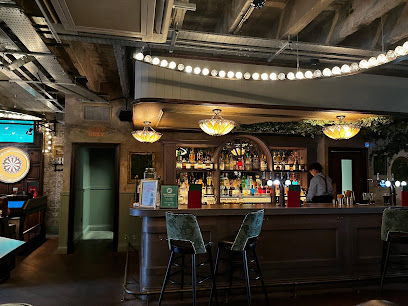
Discover Cardiff’s intimate cocktail haven with innovative drinks, expert bartenders, and a stylish, welcoming atmosphere at Penny.
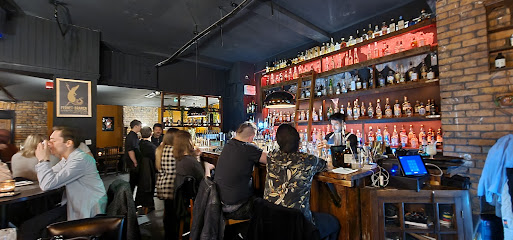
Flight Club Cardiff
0.7 km
Experience the thrill of Social Darts® and vibrant city nightlife at Flight Club Cardiff’s unique multi-level bar and rooftop terrace.
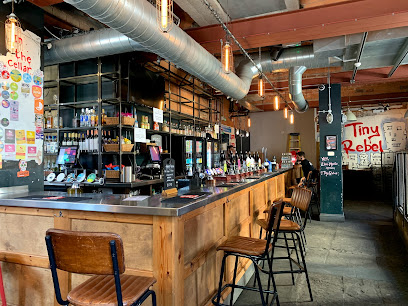
Tiny Rebel Cardiff
0.7 km
Discover Cardiff’s vibrant craft beer scene and lively pub culture at Tiny Rebel, a hub for award-winning brews and eclectic events.
Nightclubs & after hour spots

Tiger Tiger Cardiff
0.5 km
A dynamic nightclub with themed rooms and diverse bars offering a vibrant nightlife experience in the heart of Cardiff.
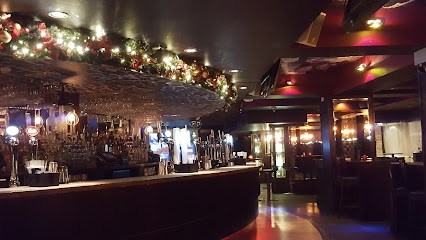
The CUBE
0.5 km
Cardiff’s vibrant nightclub hotspot offering dynamic music, dancing, and an electric atmosphere in the heart of the city.
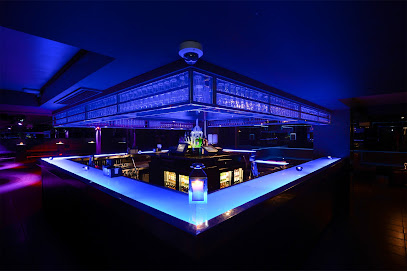
CIRCUIT Cardiff
0.5 km
Cardiff's largest nightclub ignites Greyfriars Road with 1,500-capacity energy, state-of-the-art production across themed rooms, and epic nights from club beats to private spectacles.
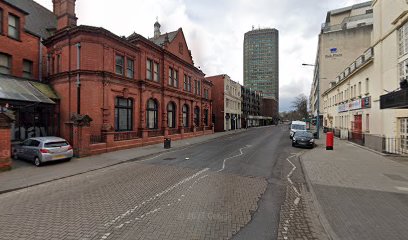
Clwb Ifor Bach
0.7 km
Cardiff's gritty Welsh club heart: live music legends, late-night dances, and cultural rebellion on historic Womanby Street since 1983.

For Your Eyes Only
0.7 km
Elegant and vibrant dance club in Cardiff’s city centre offering stylish interiors, live entertainment, and a lively nightlife atmosphere.
Fuel Rock Club
0.7 km
Cardiff's unyielding rock fortress on Womanby Street: live metal mayhem, cheap drinks, and a beer garden for the faithful.
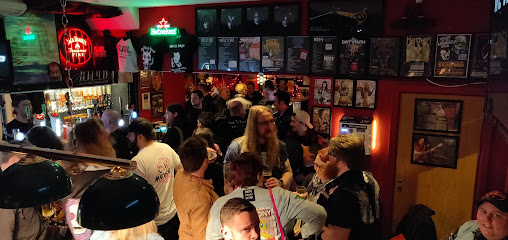
Pulse
0.7 km
A city-centre LGBTQ+-friendly bar that becomes a neon-lit nightclub after dark, blending casual daytime dining with late-night DJs and themed club nights.
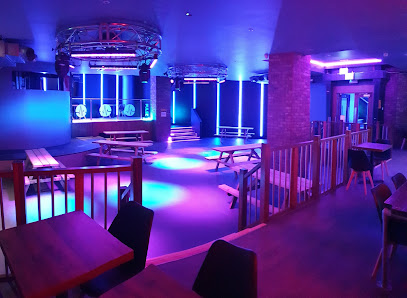
Metros
0.9 km
Cardiff's alternative nightclub haven: cheap drinks, eclectic DJs, and non-stop rock, ska, and indie beats fueling wild weekends till 4am.

Popworld - Cardiff
0.9 km
Dive into cheesy pop heaven at Popworld Cardiff—karaoke, half-price drinks, and dance floor anthems until 3am on vibrant St Mary Street.
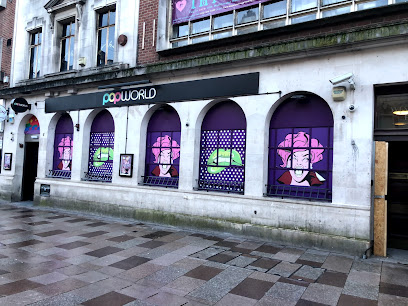
Be At One - Cardiff
1.1 km
Discover the vibrant cocktail culture at Be At One in Cardiff, where every drink is a celebration and the atmosphere is electric!
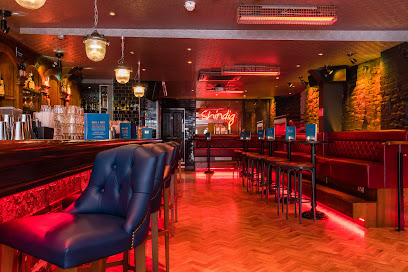
Walkabout - Cardiff
1.1 km
Discover the ultimate sports bar experience in Cardiff, offering vibrant nightlife, delicious food, and live sports in a lively atmosphere.

The Globe
1.4 km
A compact Grade II-listed former cinema turned lively live-music venue and nightclub, famed for intimate gigs and energetic club nights on Albany Road.
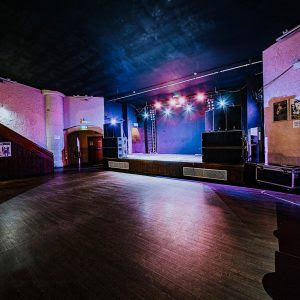
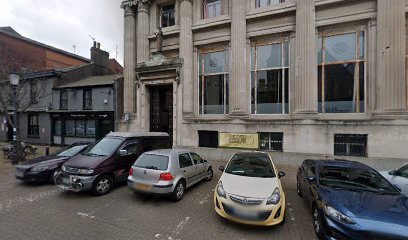
The Vaults
2.5 km
Dive into Cardiff’s iconic underground club housed in a historic former bank, where techno beats and vibrant nightlife come alive beneath the city streets.
Cabaret at Wales Millennium Centre
2.8 km
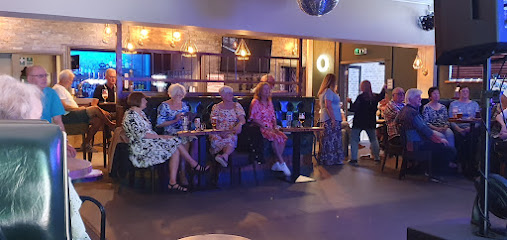
Dive into Cardiff Bay's sizzling hub of drag, burlesque, comedy, and live music at Cabaret – where inclusive performances sparkle with pop culture magic and high-energy fun.

Coco Cubanas
12.0 km
Experience the vibrant weekend nightlife and energetic dance scene at Coco Cubanas, Barry’s premier late-night club on Broad Street.
For the vibe & atmosphere seeker
- Tranquil
- Scenic
- Unique
- Casual
For the design and aesthetic lover
- Vintage Styles
For the architecture buff
- Historic
- Landmarks
- Sacred Sites
For the view chaser and sunset hunter
- Iconic Views
- Panoramas
For the social media creator & influencer
- Instagrammable
- Photo Spots
- Selfie Spots
For the eco-conscious traveler
- Public-Transport Accessible
- Locally Managed
For the kind of experience you’re after
- Cultural Heritage
- Mindfulness
- Spiritual / Energy Spot
- Day Trip
- Photowalk
For how adventurous you want the journey to be
- Easy Access
Location Audience
- Family Friendly
- Senior Friendly
- Child Friendly
- Couple Friendly
- Solo Friendly


