Animal Wall, Cardiff Travel Guide
A whimsical Victorian stone menagerie along Cardiff’s Bute Park, featuring 15 expressive animals carved into a historic wall near Cardiff Castle.
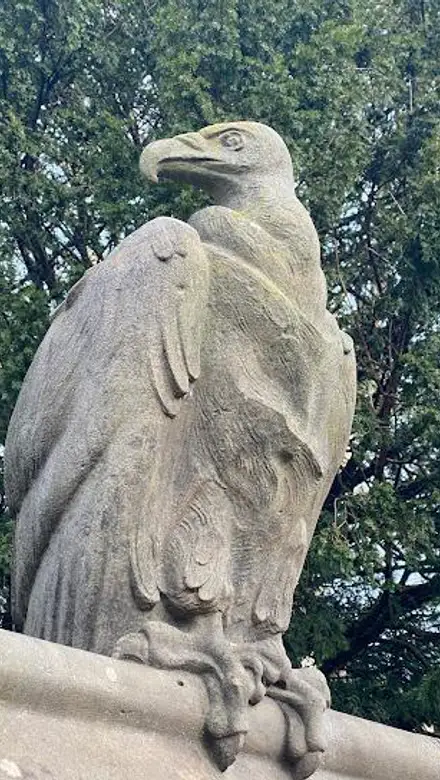
Stretching along the edge of Bute Park near Cardiff Castle, the Animal Wall is a whimsical Victorian-era stone wall adorned with 15 intricately carved animals. Designed by architect William Burges and originally built in the 1890s, it was later extended with six additional creatures sculpted in the 1930s. These expressive stone animals, from lions and bears to raccoons and a pelican, have become a beloved Cardiff landmark, blending Gothic Revival charm with a touch of playful storytelling. Easily accessible and free to visit, it’s a delightful stop for families, history lovers, and anyone charmed by sculpted stone creatures.
A brief summary to Animal Wall
- 11 Castle St, Cardiff, GB
- Click to display
- Duration: 0.25 to 1 hours
- Free
-
 Outdoor
- Mobile reception: 5 out of 5

Know before you go
Hi, I'm Eve. Here are a few practical things to know before exploring Animal Wall.
- Visit in daylight to fully appreciate the details and expressions of the stone animals; the glass eyes of the original sculptures catch the light especially well.
- Look closely to spot the difference between the original 1890s animals (with glass eyes) and the 1930s additions (without glass eyes) – a fun challenge for keen observers.
- Combine your visit with a walk through Bute Park and a look around Cardiff Castle for a full historic and green-space experience in the city centre.
Do you manage this location?
Take control to get all the benefits, like improved information, better appearance, and stronger visibility across AI-powered discovery. Learn more about listing your business on Evendo
Activate your presenceOther nearby places you may find interesting
The closest places of the same kind, if this one is not quite what you had in mind.
Explore Animal Wall on the Map
A handpicked selection of must-see spots near Animal Wall, mapped for you.
Unlock the Best of Animal Wall
Buy tickets
-
No tickets available
Book tours with entry
-
No tours available


Getting There
-
On foot from Cardiff city centre
From Cardiff Central Station or the main shopping streets, it takes about 10–15 minutes to walk to the Animal Wall. Follow signs towards Cardiff Castle; the wall runs along the southern edge of Bute Park, just west of the castle entrance on Castle Street.
-
By bus from Cardiff city centre
Several local bus routes stop near Cardiff Castle on Castle Street or nearby Duke Street. From the stop, it’s a short 2–5 minute walk to the Animal Wall along the park edge; the stone animals are clearly visible from the pavement.
-
By car with parking
Drive to Cardiff city centre and use one of the central car parks; the closest are Castle, Castle Street or Friary car parks. From there, it’s a 5–10 minute walk to the Animal Wall along Castle Street, with the castle and park clearly visible.
For the on-the-go comforts that matter to you
-
 Restrooms
-
 Drink Options
-
 Drinking Water
-
 Food Options
-
 Seating Areas
-
 Sheltered Areas
-
 Trash Bins
-
 Information Boards
Discover more about Animal Wall
A Wall of Stone Creatures
Lining the southern edge of Bute Park, just west of Cardiff Castle’s entrance, the Animal Wall is a charming procession of 15 stone animals carved into a low stone wall. Originally conceived by Victorian architect William Burges for the 3rd Marquess of Bute, the wall was built in the late 1880s and early 1890s under the supervision of William Frame. The first nine animals – including lions, a lioness, a bear, a wolf, a lynx, a hyena, a seal, and a pair of baboons – were sculpted by Thomas Nicholls, Burges’s favoured carver. These original figures once stood directly in front of the castle, forming a lively stone menagerie at the castle’s moat garden.From Castle Front to Park Boundary
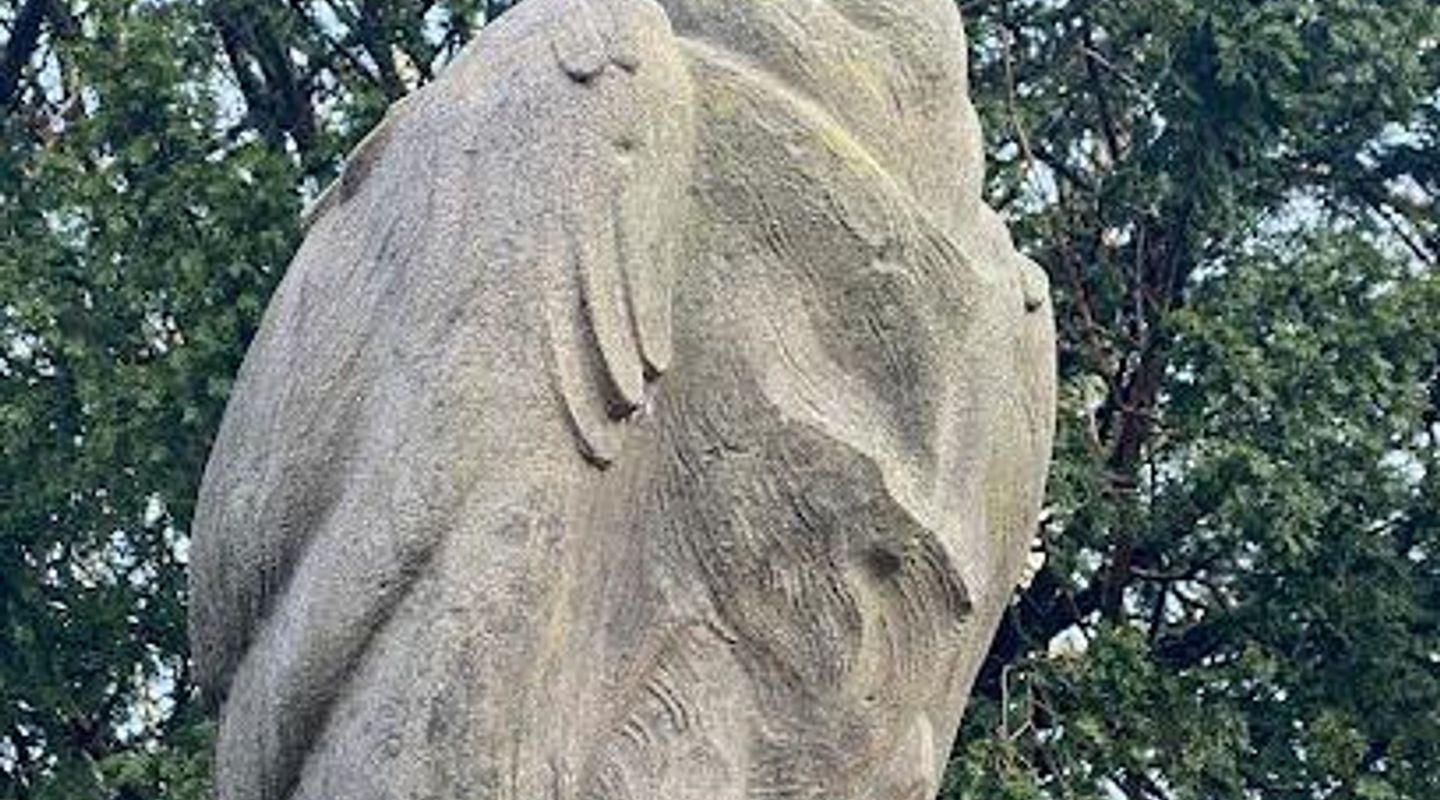
In the early 1920s, road widening in front of Cardiff Castle required the wall to be moved about 50 metres west, to its current position between the castle and Bute Park’s West Lodge. During this relocation, the wall was extended, and six more animals were added in 1931: a pelican, an anteater, a pair of raccoons, a leopard, a beaver, and a vulture. These later figures were carved by Scottish sculptor Alexander Carrick. The change in sculptor is subtly visible: the original Nicholls animals have glass eyes, giving them a more lifelike, watchful expression, while Carrick’s additions do not. This blend of two sculptural styles adds to the wall’s character and historical layers.Victorian Whimsy and Local Legend
The animals were originally painted in rich, vivid colours, a detail that has since faded but hints at the playful, almost theatrical spirit of Burges’s design. The wall’s charm lies in the animals’ expressive faces and poses – some alert, some sleepy, some seeming ready to leap down into the street. In the 1930s, the wall inspired a popular cartoon strip in the South Wales Echo, imagining the animals’ nightly adventures, which helped cement its place in local folklore. Over the decades, the wall has faced threats, including a 1970s proposal to demolish it for further road widening, but strong public affection ensured its preservation.Conservation and Modern Appeal
In 2010, as part of Bute Park’s major restoration, the Animal Wall underwent careful conservation. Craftsmen used traditional lime mortar to re-point the wall and replaced damaged stonework, including restoring the anteater’s nose, which had been broken off multiple times. The restoration respected the original materials and craftsmanship, ensuring the wall remains a well-preserved example of Victorian Gothic Revival sculpture. Today, it stands as a Grade I listed structure, a protected piece of Cardiff’s architectural and cultural heritage, admired by locals and visitors alike for its artistry and whimsy.Experiencing the Wall Today
The Animal Wall is an easy, free-to-visit attraction that fits perfectly into a walk around Cardiff Castle and Bute Park. It’s especially popular with families, who enjoy spotting and naming each animal, from the watchful lions to the curious raccoons and the distinctive anteater (often affectionately called the ‘Aardvark’ in the local accent). The wall is best viewed from Castle Street, where the full row of animals can be seen against the backdrop of the castle and park. Whether you’re interested in Victorian architecture, sculpture, or simply a charming photo opportunity, the Animal Wall offers a delightful and accessible glimpse into Cardiff’s historic character.












Your all‑in‑one travel companion app
Explore expert travel guides, compare and book tours, experiences, hotels, and more—all from the palm of your hand. Download now for seamless trip planning wherever your wanderlust takes you.


Explore More of Cardiff
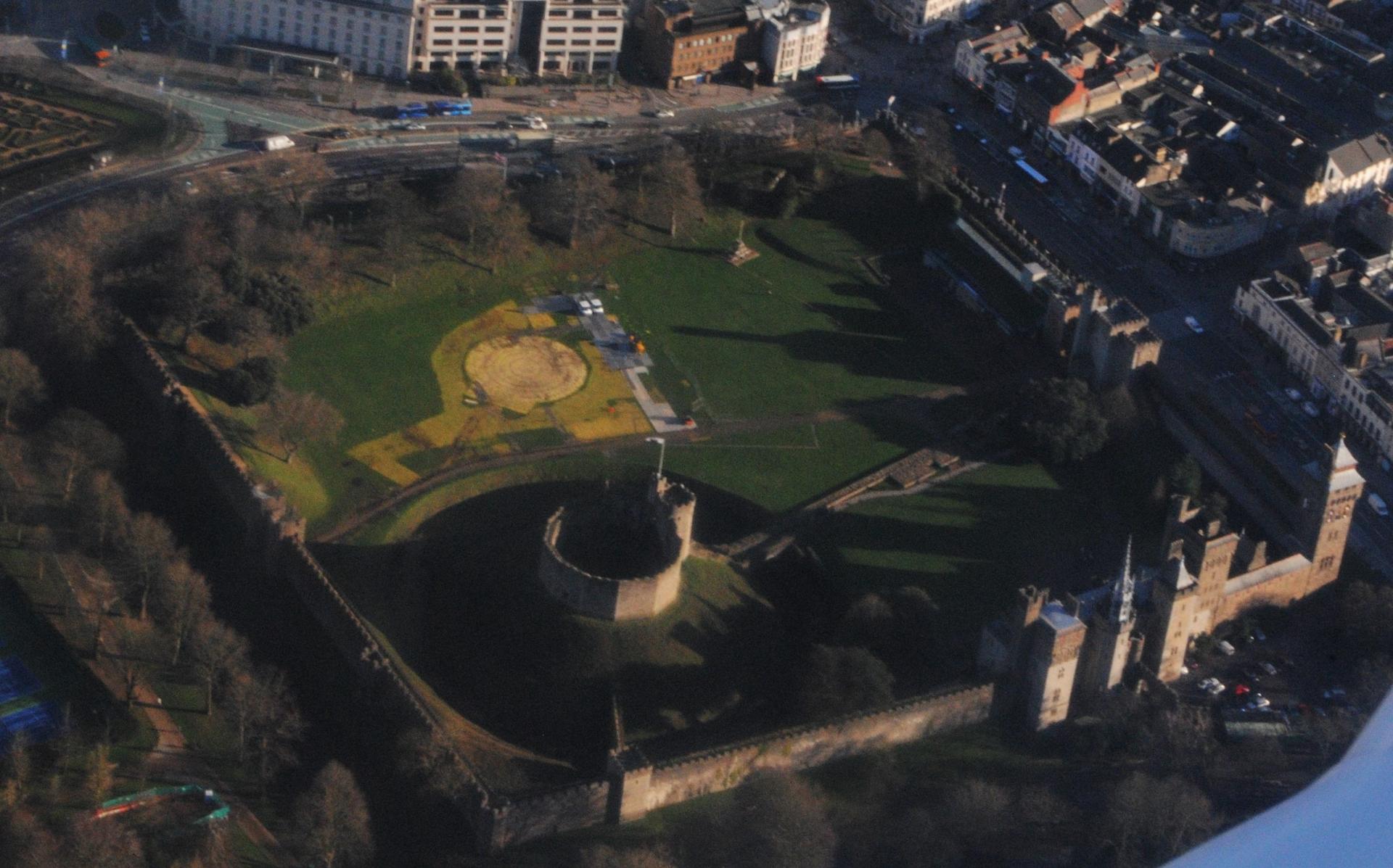
Looking beyond Animal Wall? Discover Cardiff for broader travel guides, local hot-spots, and regional highlights.
Explore Cardiff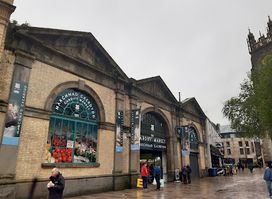
Discover Cardiff Market’s vibrant Victorian charm, where fresh local produce and unique stalls create a lively city-centre shopping experience.

Discover the gateway to Wales’ epic mountain trail at the Cambrian Way Plaque in Cardiff’s historic Bute Park.