

Mount Stuart Square
Victorian grandeur meets maritime history in Cardiff's iconic coal-trade square.
A historic Victorian square in Cardiff Bay, Mount Stuart Square stands as a testament to Wales's maritime prosperity. Originally built in 1855 as an elegant residential enclave for merchants and sea captains, it transformed into a commercial hub dominated by the iconic Coal Exchange. Today, this Conservation Area showcases stunning late 19th and early 20th century architecture, with Grade II listed buildings surrounding a central green space. The square remains a compelling destination for those seeking to understand Cardiff's industrial heritage and architectural grandeur.
A brief summary to Mount Stuart Square
- Cardiff, GB
- Duration: 0.75 to 2.5 hours
- Free
-
 Outdoor
- Mobile reception: 4 out of 5

Know before you go
Hi, I'm Eve. Here are a few practical things to know before exploring Mount Stuart Square.
- Visit during weekday afternoons for a quieter experience and better opportunities to photograph the architectural details without crowds.
- Explore the surrounding buildings' facades closely to appreciate the fine details of late Victorian and Edwardian commercial architecture.
- Combine your visit with nearby attractions including Canal Park to the west and West Bute Street to gain a fuller understanding of Cardiff Bay's heritage.
- Visit during daylight hours to fully appreciate the architectural features and enjoy the central green space safely.
- Allow time to study the Coal Exchange building at the square's centre, understanding its role in shaping Cardiff's commercial identity.
Do you manage this location?
Take control to get all the benefits, like improved information, better appearance, and stronger visibility across AI-powered discovery. Learn more
Activate your presenceGetting There
-
Bus from Cardiff City Centre
Multiple bus routes serve Cardiff Bay and Mount Stuart Square from the city centre. Journey time is approximately 15–20 minutes depending on traffic and the specific route. Buses are frequent throughout the day, with services running from early morning until late evening. Fares are typically 1.50–2.50 GBP for a single journey. The square is well-signposted from bus stops in Cardiff Bay.
-
Walking from Cardiff City Centre
A pleasant walk of approximately 20–30 minutes from Cardiff city centre leads directly to Mount Stuart Square. The route descends gently towards the waterfront through the Butetown area, allowing you to experience the neighbourhood's character. The walk is suitable for most fitness levels, with paved surfaces throughout. This option provides excellent opportunities to observe the surrounding architecture and heritage.
-
Train to Cardiff Bay Station
Cardiff Bay railway station is the nearest rail terminus, located approximately 0.3 kilometres from Mount Stuart Square. Trains run regularly from Cardiff Central Station with journey times of 10–15 minutes. A short walk from the station brings you directly to the square. Train fares vary depending on the time of day and advance booking, typically ranging from 1.50–3.50 GBP.
-
Car Parking
On-street meter parking is available directly in front of properties on Mount Stuart Square, though spaces can be limited during peak times. Additional car parks operate in the surrounding Cardiff Bay area, typically charging 1.50–3.00 GBP per hour or 8.00–12.00 GBP for all-day parking. The square operates a one-way traffic system with vehicle access via James Street and exit via James Street or West Bute Street.
For the on-the-go comforts that matter to you
-
 Seating Areas
-
 Trash Bins
-
 Information Boards
Discover more about Mount Stuart Square
From Residential Elegance to Commercial Prominence
Mount Stuart Square was constructed in 1855 as a select residential enclave, originally consisting of 45 stuccoed three-storey town houses arranged around ornamental gardens. The land had previously been mudflats and the site of the Cardiff Glassworks. The square was developed as part of the Marquess of Bute's ambitious vision to transform Cardiff into a major port, enhance the value of his lands, and increase coal royalties from his extensive holdings. Wealthy merchants and sea captains initially occupied these prestigious residences, attracted by the refined architectural design and proximity to the bustling docks.As Cardiff's docks rose in prominence during the latter half of the 19th century, the character of Mount Stuart Square shifted dramatically. Affluent residents relocated to newer developments, and commercial enterprises gradually replaced residential use. The construction of the Coal Exchange building between 1884 and 1888, designed by architect Edwin Seward, solidified this transformation and marked the square's emergence as the commercial heart of Cardiff's coal trade.The Coal Exchange: Symbol of Industrial Power
The Coal Exchange stands as the architectural centrepiece of Mount Stuart Square and represents one of Wales's most historically significant commercial buildings. Built largely in limestone in the French Renaissance style, this imposing structure exemplifies the region's immense commercial power during the late 19th and early 20th centuries. The building became central to coal trade activity in Cardiff docks and served as a focal point for international commerce. Its distinctive design and prominent position within the square's four-sided arrangement created a unique urban form, with the building occupying what would traditionally be an open central space.The Coal Exchange later transitioned into a music venue, hosting significant cultural events before its closure in 2013 due to building safety concerns. Despite its current status, the structure remains an iconic landmark that visually and historically dominates the square.Architectural Heritage and Conservation Status
Mount Stuart Square contains a remarkable concentration of listed buildings representing a diverse range of architectural styles and some of Cardiff's finest examples of late 19th and early 20th century commercial architecture. The surrounding structures, many Grade II listed, originally housed shipping offices, merchants' premises, and related maritime businesses. Their Victorian facades and period details preserve the aesthetic character of Cardiff's golden age as a major international port.The entire square was designated a Conservation Area in July 1980, recognising its historical and architectural significance. This protected status ensures that the character-defining features of the buildings and public realm are preserved for future generations. The one-way traffic system, with vehicular access via James Street and West Bute Street, helps maintain the pedestrian-friendly atmosphere of this historic space.The Urban Landscape and Surrounding Context
Mount Stuart Square occupies a distinctive position within Cardiff Bay's urban geography. Located approximately half a mile south of Loudoun Square—another Victorian residential square that never developed a commercial focus—Mount Stuart Square demonstrates how different development trajectories shaped Cardiff's neighbourhoods. The square's form was constrained by the physical presence of the canal to the west, which explains its asymmetrical layout and the absence of a traditional open square configuration.Pedestrian access to the parkland west of the square provides a connection to the broader Cardiff Bay waterfront, while the proximity to Cardiff Bay railway station enhances accessibility. The Butetown area, in which Mount Stuart Square is situated, forms part of Cardiff's historic docklands district, an area rich with maritime heritage and industrial archaeology.A Living Monument to Maritime Commerce
Today, Mount Stuart Square functions as both a working commercial space and a historical monument. The central green area provides respite from the surrounding urban environment, while the Grade II listed buildings continue to serve various commercial and office purposes. Visitors can appreciate the architectural details and spatial arrangement that reflect Cardiff's prosperity during the height of the coal trade, when Welsh coal fuelled industries and powered ships across the globe. The square remains relatively quiet during weekday afternoons, offering an ideal setting for contemplation and photography.Explore the best of what Mount Stuart Square has to offer













More about South Glamorgan
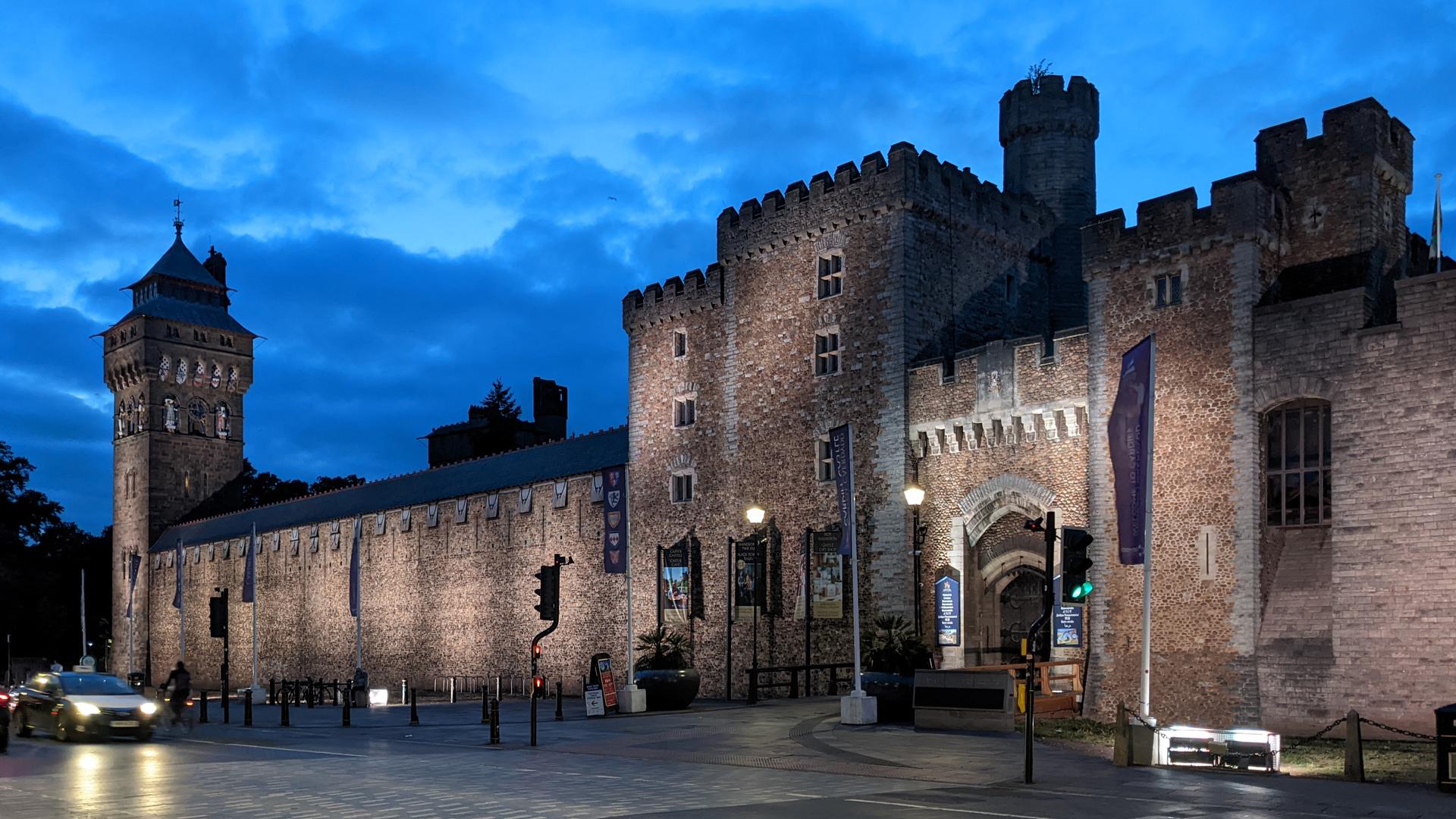
Explore South Glamorgan: a perfect blend of vibrant city life, historic landmarks, stunning coastlines, and rich cultural experiences in the heart of Wales.
Tell me more about South Glamorgan